2027 Entry-Level Jobs With a Communication Disorders Degree

Co-Founder and Chief Data Scientist

Reviewed by Rhea Paul, PhD
SLP Education & Research Expert
A communication disorders degree can open doors to speech, language, hearing, education, rehabilitation, and research support roles, but most graduates need to understand one important distinction: a bachelor’s degree typically qualifies you for assistant, aide, coordinator, research, or education-support positions, while independent speech-language pathologist and audiologist roles usually require graduate education, supervised clinical experience, and state licensure.
For recent graduates, the immediate career question is practical: which jobs can you get now, which ones require certification or supervision, and which roles create the best path toward graduate school or advancement? Demand is favorable in many settings. According to the U.S. Bureau of Labor Statistics, employment of speech-language pathology assistants and related aides is projected to grow 17% through 2035, faster than average.
This guide explains the entry-level jobs available to communication disorders graduates, the industries hiring them, salary ranges, employer expectations, certifications, internship alternatives, remote options, and realistic promotion timelines. It is designed for students, recent graduates, and career changers who want a clear first-step strategy in the communication disorders field.
Key Benefits of Entry-Level Jobs With a Communication Disorders Degree
- Entry-level jobs provide practical experience and skill development essential for applying theoretical knowledge to real-world communication disorders cases.
- These roles open pathways for career advancement and long-term growth within speech-language pathology, audiology, and related fields.
- Graduates use entry-level positions to build valuable professional networks and enhance resumes early in their communication disorders careers.
What Entry-Level Jobs Can You Get With a Communication Disorders Degree?
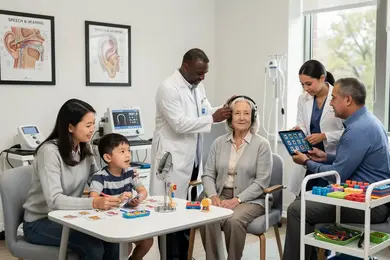
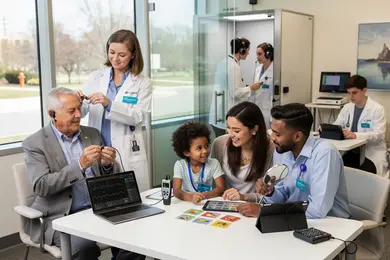
Entry-level communication disorders jobs usually fall into three categories: clinical support, education support, and research or administrative support. Graduates often work under licensed speech-language pathologists, audiologists, special educators, rehabilitation professionals, or research faculty while building the experience needed for graduate school or long-term specialization.
Employment for speech-language pathologists and similar roles is projected to grow 17% from 2025 to 2035, which points to continued demand for communication and swallowing-related services. However, job titles, required credentials, and scope of practice vary by state and employer, so graduates should always check local requirements before applying.
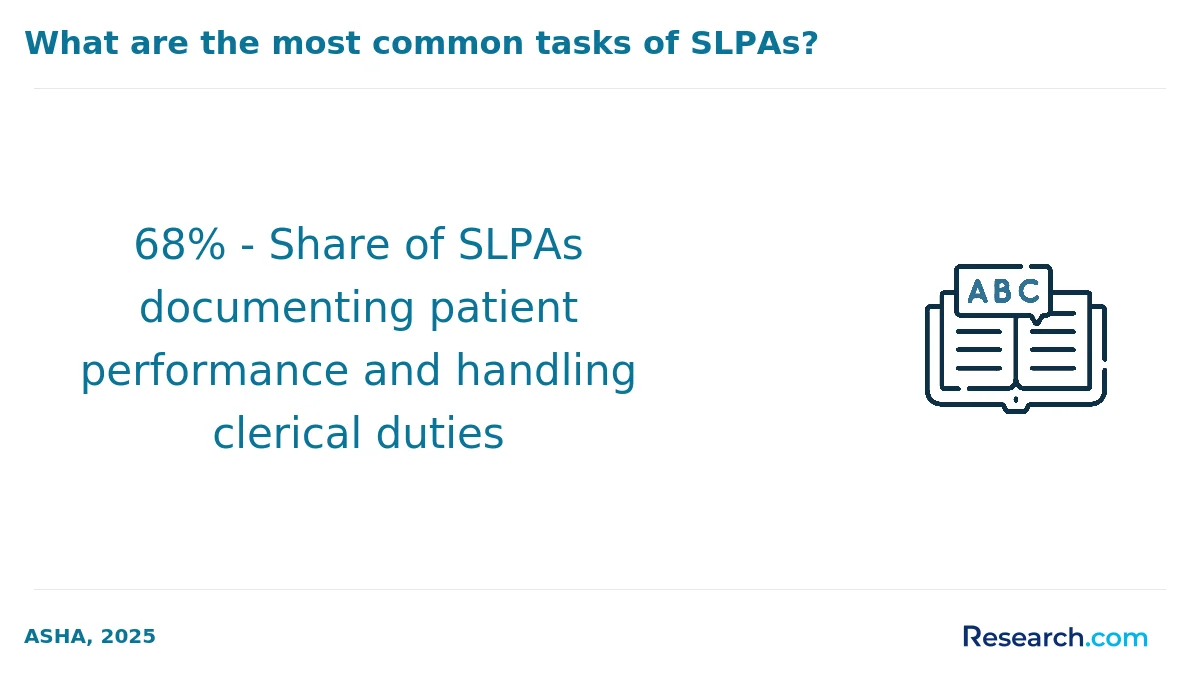
- Speech-Language Pathology Assistant: Speech-language pathology assistants help licensed speech-language pathologists carry out treatment plans, prepare therapy materials, record client progress, and support sessions. This is one of the most direct routes into the field, but many states require registration, certification, specific coursework, or supervised hours.
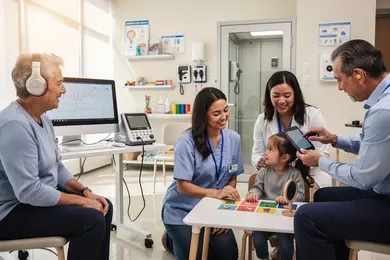
- Hearing Screening Technician: Hearing screening technicians conduct basic hearing screenings, help manage equipment, and support audiologists or healthcare teams during evaluations. This role is useful for graduates considering audiology, pediatric hearing services, school-based screening, or hearing conservation work.
- Rehabilitation Aide: Rehabilitation aides support therapy teams by preparing treatment spaces, helping patients transition between activities, maintaining records, and observing client participation. The role is less specialized than an assistant position but can provide valuable exposure to stroke recovery, traumatic brain injury, developmental disabilities, and multidisciplinary care.
- Special Education Assistant: Special education assistants work in schools with students who may have speech, language, learning, behavioral, or developmental needs. They may reinforce classroom accommodations, help implement individualized education program goals, and communicate observations to teachers and specialists.
- Research Assistant: Research assistants support faculty, clinics, hospitals, or labs by helping with data collection, literature reviews, participant scheduling, transcription, and analysis. This path is especially helpful for students planning to apply to graduate programs or pursue academic research.
Graduates who want to stay in healthcare but broaden their options may also compare communication disorders pathways with nursing-focused options such as RN to BSN programs with no clinicals, especially if they are weighing direct patient care roles across disciplines.
Which Industries Hire the Most Communication Disorders Graduates?
Communication disorders graduates are hired in settings where speech, language, hearing, cognition, swallowing, learning, and accessibility needs intersect. Nearly 60% enter healthcare-related fields, but education, rehabilitation, research, and community-based services also provide strong entry-level opportunities.
The right industry depends on what type of work you want to do next. Healthcare settings often offer exposure to medical documentation and interdisciplinary care. Schools provide experience with child development and individualized education plans. Research roles help students strengthen graduate school applications. Rehabilitation settings are valuable for graduates interested in neurological recovery and adult communication disorders.
- Healthcare: Hospitals, outpatient clinics, pediatric clinics, private practices, and rehabilitation centers hire communication disorders graduates for assistant, aide, intake, scheduling, screening, and patient-support roles. These jobs may involve clients with developmental delays, hearing loss, stroke, brain injury, voice disorders, or swallowing concerns.
- Education: Public schools, private schools, early childhood programs, and special education departments hire graduates to support students with speech, language, literacy, social communication, or learning challenges. These roles are often a strong fit for graduates considering school-based speech-language pathology.
- Research: Universities, nonprofit organizations, hospitals, and government agencies may hire graduates to support studies on language development, hearing technology, communication access, treatment outcomes, or disability services. Research experience can be especially helpful for competitive graduate applications.
- Rehabilitation Services: Rehabilitation hospitals, skilled nursing facilities, outpatient rehab clinics, and brain injury programs need support staff who understand communication and cognitive challenges. These settings can expose graduates to adult neurogenic communication disorders and recovery-focused care.
One communication disorders degree graduate described the early job search this way: “The hardest part was choosing a setting because the field touches so many populations. I thought I wanted research, but working with clients in a rehabilitation center helped me see that direct patient care was the better fit. That first role gave me a clearer direction before I committed to graduate training.”
Which Entry-Level Communication Disorders Jobs Pay the Highest Salaries?
The highest-paying entry-level communication disorders jobs usually require specialized technical skills, direct client interaction, strong documentation habits, or additional certification. Pay also depends on location, employer type, state scope-of-practice rules, and whether the role is full-time, school-year, hourly, or contract-based.
Recent graduates should evaluate salary alongside supervision quality, caseload expectations, benefits, schedule, and graduate school preparation. A slightly lower-paying role with strong mentorship may be more valuable than a higher-paying job with limited training, especially for students planning to become licensed speech-language pathologists or audiologists.
- Speech-Language Pathology Assistant: Speech-language pathology assistants typically support licensed clinicians by implementing treatment activities, preparing materials, and collecting progress data. Their salary typically ranges from $35,000 to $50,000, reflecting the specialized nature of the role and the need for supervision.
- Audiology Assistant: Audiology assistants help with hearing assessments, equipment maintenance, hearing aid-related support, scheduling, and patient preparation. They often earn between $30,000 and $45,000, with higher pay more likely in technical or clinical environments.
- Early Intervention Specialist: Early intervention specialists support infants and young children with developmental or communication delays, often working with families in home, school, or community settings. Entry salaries usually fall between $32,000 and $48,000.
- Behavioral Therapist: Behavioral therapists may work with children and adults who have autism, developmental disabilities, or communication-related behavioral needs. Their starting pay ranges from $35,000 to $50,000, particularly when the position requires structured intervention methods or behavior-analysis training.
- Rehabilitation Aide: Rehabilitation aides assist therapy teams and clients recovering communication, cognitive, physical, or functional skills after illness or injury. Salaries generally range between $28,000 and $40,000.
To compare offers fairly, graduates should ask whether the quoted pay includes paid documentation time, travel reimbursement, benefits, school breaks, continuing education support, and predictable supervision. These details can meaningfully affect the real value of an entry-level job.
What Skills Do Employers Look for in Entry-Level Communication Disorders Graduates?
Employers do not expect entry-level graduates to function as independent clinicians, but they do expect professionalism, reliability, accurate documentation, strong communication, and the ability to follow a licensed professional’s plan. A 2023 American Speech-Language-Hearing Association survey found over 70% of employers value hands-on communication and teamwork skills as highly as technical knowledge.
- Effective Communication: Graduates must explain information clearly, ask appropriate questions, listen carefully, and communicate respectfully with clients, families, teachers, clinicians, and administrators. Employers also value concise written communication in notes, reports, and emails.
- Critical Thinking: Entry-level staff need to recognize when a client is struggling, when instructions are unclear, and when a supervising professional should be consulted. Strong candidates can observe patterns, adapt within their role, and avoid making clinical decisions outside their scope.
- Empathy and Cultural Competence: Communication disorders affect people across ages, languages, cultures, and disability experiences. Employers look for graduates who build trust, avoid assumptions, and understand that family priorities, language background, and access barriers can shape care.
- Organizational Skills: Many roles involve schedules, therapy materials, progress notes, caseload support, compliance tasks, and confidential records. Employers want candidates who can manage details without compromising client privacy or service quality.
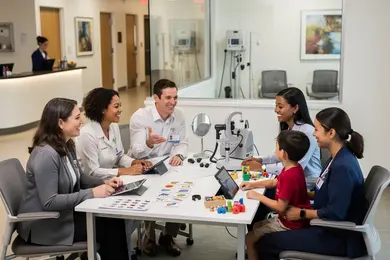
- Collaborative Teamwork: Communication disorders work is rarely isolated. Graduates may coordinate with speech-language pathologists, audiologists, teachers, occupational therapists, physical therapists, psychologists, nurses, physicians, and caregivers.
Students comparing related healthcare careers, including the best online nursing programs, will see that these same workplace skills matter across patient-facing and support roles.
Do Employers Hire Communication Disorders Graduates With No Internships?
Yes, some employers hire communication disorders graduates without internships, especially for aide, assistant, coordinator, school-support, administrative, and research roles. Internships can make a candidate stronger, but they are not the only way to prove readiness. Data shows that about 65% of graduates with internships secure jobs within six months, compared to only 45% without such experience.
Without an internship, the goal is to show evidence of relevant preparation. Employers may consider coursework in phonetics, language development, anatomy and physiology, audiology, child development, psychology, statistics, research methods, or special education. They may also value volunteer work, tutoring, caregiving, classroom support, lab projects, campus clinic observation, customer service, bilingual skills, or experience working with children, older adults, or people with disabilities.
How to strengthen an application without an internship
- Use a skills-based resume: Group relevant experience under headings such as client communication, documentation, child development, research support, scheduling, or assistive technology.
- Highlight supervised exposure: Include observation hours, course-based clinical simulations, lab work, service learning, or volunteer roles that involved communication, accessibility, or disability support.
- Prepare specific interview examples: Be ready to explain how you handled confidentiality, difficult communication, teamwork, feedback, or a high-responsibility situation.
- Apply strategically: New graduates without internships may find better first opportunities in schools, rehab aide roles, research labs, intake coordination, and clinics willing to train support staff.
Applicants should be honest about their experience level. Overstating clinical skills can hurt credibility, while clearly showing trainability, maturity, and scope-of-practice awareness can make a strong impression.
What Certifications Help Entry-Level Communication Disorders Graduates Get Hired?
Certifications can improve employability by verifying job-ready skills, but graduates should choose them carefully. Some credentials are entry-level or support-role friendly, while others require graduate education, supervised clinical experience, exams, or professional practice. Research shows that candidates with certifications are about 25% more likely to obtain jobs within their first year after graduating.
- CCC-SLP: The Certificate of Clinical Competence in Speech-Language Pathology is awarded by ASHA and is widely recognized in the profession. It is not usually a quick entry-level credential for someone with only an undergraduate communication disorders degree; it is typically associated with advanced academic preparation, supervised clinical practice, and professional standards in speech-language pathology.
- Bilingual Certificate: A bilingual certificate can help candidates who are qualified to provide support in more than one language or work effectively with multilingual communities. Employers may value it in schools, pediatric clinics, community programs, and urban or multilingual service areas.
- ATP: The Assistive Technology Professional certification demonstrates knowledge of assistive technology, including tools that may support communication access. It can be relevant for roles involving augmentative and alternative communication, adaptive equipment, or accessibility services.
- RBT: The Registered Behavior Technician credential can be useful for graduates applying to roles that combine behavior support and communication-related intervention, particularly in autism services or developmental disability programs.
Students planning to become licensed speech-language pathologists should also think beyond short-term hiring and map the graduate education requirements early. Comparing slp masters programs online can help prospective applicants understand how cost, format, clinical placement support, and accreditation fit into a long-term career plan.
A communication disorders graduate described certification as both practical and confidence-building: “The process felt intimidating at first because every credential had different requirements. Once I understood which ones matched my actual career stage, I could focus on the credentials that made sense for the jobs I was applying for.”
How Can Students Prepare for Entry-Level Communication Disorders Jobs While in College?
Students who prepare early have a stronger transition from degree to employment. Over 70% of employers value candidates who combine practical experience with strong communication skills at hiring, so the best preparation blends coursework, observation, applied experience, and professional habits.
- Build Practical Experience: Seek campus clinic observation, volunteer work, tutoring, early childhood programs, disability services, senior centers, hospitals, rehabilitation settings, or school-based support roles. Even nonclinical experience can be valuable if it involves communication, patience, documentation, or teamwork.
- Develop Technical Skills: Learn the basics of speech and language development, phonetics, hearing screening concepts, anatomy, documentation, data tracking, treatment materials, and assistive communication tools. Employers appreciate graduates who understand terminology and can be trained efficiently.
- Enhance Soft Skills: Practice active listening, empathy, professional boundaries, cultural humility, conflict management, and clear written communication. These skills affect client trust and team performance from the first day on the job.
- Engage in Academic Projects: Join research projects, poster presentations, literature reviews, or faculty-led studies related to communication disorders. Research involvement strengthens analytical skills and can help with graduate school applications.
- Utilize Campus Resources: Work with career services, faculty mentors, alumni, and student organizations to identify job titles, prepare resumes, practice interviews, and understand state requirements for assistant roles.
Common mistakes to avoid before graduation
- Waiting until the final semester to learn which roles require state registration or certification.
- Applying only to “speech-language pathologist” roles when the position requires a master’s degree and licensure.
- Listing coursework without explaining the practical skills gained from it.
- Ignoring school districts, research labs, rehabilitation centers, and telehealth support roles as first-step options.
How Competitive Is the Entry-Level Job Market for Communication Disorders Graduates?
The entry-level job market for communication disorders graduates is moderately competitive. Demand is steady, but many applicants are also trying to build experience before graduate school or licensure. According to the American Speech-Language-Hearing Association, around 80% of recent communication disorders graduates find employment within six months of finishing their degree, which suggests strong but not automatic outcomes.
Competition depends heavily on the role. School-based assistant and paraprofessional positions may have different hiring cycles than hospitals, rehabilitation clinics, research labs, private practices, and telehealth employers. Some jobs require specific state authorization, while others prioritize customer service, child development experience, bilingual ability, or comfort with documentation systems.
Location also matters. Graduates in areas with many communication disorders programs may face a larger applicant pool, while rural or underserved regions may have more openings but fewer large employers. Applicants who are flexible about setting, schedule, and population often find more opportunities.
How to stand out in a selective market
- Match the job title to your qualification level: Apply for assistant, aide, coordinator, research, school-support, and trainee-friendly roles if you do not yet meet licensure requirements for independent practice.
- Customize each resume: Emphasize the skills most relevant to the setting, such as IEP support for schools, patient communication for clinics, or data handling for research roles.
- Show scope-of-practice awareness: Employers value candidates who understand when to follow a supervisor’s plan and when to escalate questions.
- Research regional requirements: State rules can affect whether you qualify for speech-language pathology assistant, audiology assistant, or school-based support roles.
Students comparing flexible education pathways may also review online colleges while considering accreditation, transfer policies, cost, and whether a program supports future graduate admission goals.
What Remote Entry-Level Jobs Can You Get With a Communication Disorders Degree?
Remote work has expanded options for communication disorders graduates, especially in telepractice support, care coordination, research, scheduling, data entry, and digital learning roles. A 2023 U.S. Bureau of Labor Statistics report highlights that remote job listings in healthcare fields have grown by over 40% since 2020.
Remote roles can be convenient, but graduates should be careful about scope of practice. Providing therapy independently usually requires appropriate licensure and supervision. Entry-level remote jobs are more likely to involve support tasks, structured activities under supervision, documentation, family communication logistics, or research assistance.
- Remote Speech-Language Therapy Assistant: This role may involve supporting a licensed speech-language pathologist during telepractice sessions, preparing digital materials, tracking progress, and helping clients or families navigate virtual tools. State rules and supervision requirements are especially important.
- Telehealth Case Coordinator: Telehealth case coordinators manage appointments, intake forms, reminders, client records, technology checks, and communication between families and providers. This role builds healthcare administration and patient-service skills.
- Remote Language Development Specialist: These roles may involve language enrichment activities, family support, progress monitoring, or educational programming through video platforms. Graduates should verify whether the position is educational support, coaching, or regulated clinical service.
- Research Assistant for Communication Disorders Studies: Remote research assistants may help with transcription, literature reviews, survey tracking, data entry, coding, and participant communication. This is a strong option for graduates who want research experience before graduate school.
Remote work rewards self-management. Successful applicants usually show strong written communication, comfort with technology, reliable internet access, privacy awareness, and the ability to document work accurately without constant in-person supervision. Students exploring broader healthcare training options may also compare sonography programs online when evaluating allied health career paths.
How Quickly Can Communication Disorders Graduates Get Promoted?
Promotion timelines vary by employer, role, education level, state rules, and performance. On average, entry-level professionals in this field can expect their first promotion within three to five years, with industry surveys indicating that roughly 40% experience advancement within four years.
In assistant or aide roles, advancement may mean moving into a lead assistant position, training new staff, coordinating schedules, supporting more complex caseloads, taking on documentation responsibilities, or transitioning into a higher-paying setting. For many communication disorders graduates, the largest career jump comes after completing graduate education and meeting licensure requirements.
Factors that can speed up advancement
- Strong supervision relationships: Consistent feedback helps graduates improve faster and document their growth.
- Reliable documentation: Accurate notes, data tracking, and compliance habits make employees more trusted in clinical and school settings.
- Specialized experience: Experience with autism services, early intervention, AAC, bilingual populations, hearing screening, rehabilitation, or telepractice can improve mobility.
- Continuing education: Workshops, certifications, and graduate prerequisites can signal commitment and readiness for more responsibility.
- Graduate planning: Students aiming for licensed clinical roles should understand admission requirements, prerequisites, clinical hours, accreditation, and state licensure expectations early.
Career growth in communication disorders is often education-dependent. Prospective students comparing healthcare advancement routes may review the best PMHNP programs as one example of how additional training can reshape professional options in a regulated field.
What Graduates Say About Entry-Level Jobs With a Communication Disorders Degree
- : "Starting in an onsite entry-level role was intentional because I wanted direct contact with clients and colleagues. I looked for an employer that offered mentorship, not just a job title. That first position gave me practical confidence and helped me decide which specialization I wanted to pursue later. — Mordechai"
- : "I chose a hybrid position because I needed flexibility while continuing my education. The schedule mattered, but so did the culture of the organization and whether supervisors were willing to teach. My first role helped me build a wider skill set and a stronger professional network. — Casen"
- : "I focused my search on roles serving different populations because I wanted broad exposure early. A remote position challenged me to become more organized, more precise in my communication, and more independent. It showed me how demanding the field can be and confirmed that I wanted to keep advancing in communication disorders. — Walker"
Other Things You Should Know About Communication Disorders Degrees
Entry-level positions for those with a communication disorders degree are typically found in schools, healthcare facilities, and rehabilitation centers. Many graduates begin their careers in public school systems working as speech-language pathology assistants or audiology aides. Hospitals and clinics also hire new graduates for support roles that assist licensed specialists in providing patient care.
Most entry-level roles in communication disorders require the completion of supervised clinical hours during the degree program. These practicum experiences are essential for building practical skills and meeting state licensure requirements. While an internship may not be mandatory for all support positions, relevant clinical experience significantly improves job prospects and preparedness.
Licensure and certification requirements vary depending on the job and state regulations. Entry-level support roles often do not require full professional licensure but may require certification such as the Certificate of Clinical Competence (CCC) or state-specific credentials. It is important for graduates to research the specific requirements of their desired roles and locations to ensure compliance.
After obtaining entry-level positions in communication disorders, professionals can pursue continuing education through workshops, seminars, and specialized courses. These opportunities allow them to stay updated on the latest research and methodologies in their field, which is vital for career advancement and skill development.
References
- U.S. Bureau of Labor Statistics - Speech-Language Pathologists https://www.bls.gov/ooh/healthcare/speech-language-pathologists.htm
- ASHA EdFind - Accredited Speech-Language Pathology Programs https://find.asha.org/ed/
- O*NET OnLine - Speech-Language Pathologists https://www.onetonline.org/link/summary/29-1127.00
- Maryville University - Master of Science in Speech-Language Pathology https://www.maryville.edu/masters/speech-language-pathology/
- New York University - Online MS, Communicative Sciences and Disorders (Speech@NYU) https://steinhardt.nyu.edu/degree/online-ms-communicative-sciences-and-disorders
- University of Wisconsin-Eau Claire - Master of Science in Speech-Language Pathology (Online) https://www.uwec.edu/speech-language-and-hearing-sciences-department/graduate-program/speech-language-pathology-online
- Nova Southeastern University - SLP Program - Master of Science in Speech-Language Pathology https://osteopathic.nova.edu/degrees/masters/speech-language-pathology/index.html
- California State University-East Bay - Online Master of Science in Speech-Language Pathology https://ce.csueastbay.edu/programs/speech-language-pathology/