2026 Pediatric Care Nurse Practitioner Clinical Hours Requirements: What Counts and How to Complete Them

Co-Founder and Chief Data Scientist
How do students in pediatric care nurse practitioner programs ensure their clinical hours meet accreditation and certification standards? Clinical hours requirements are a critical component of practicum training, guiding students through essential hands-on experiences under supervision. With a projected employment growth rate of 45% for pediatric nurse practitioners through 2030, meeting these supervised hours is vital for workforce readiness.
Students often face challenges in identifying eligible clinical settings and securing preceptors to complete field experience efficiently. This article explains what counts as clinical hours and outlines common methods for students to complete these requirements in pediatric care nurse practitioner programs, helping prospective practitioners navigate their path to certification.
Key Things to Know About Pediatric Care Nurse Practitioner Clinical Hours Requirements
- Required clinical hours provide supervised, hands-on experience, allowing pediatric care nurse practitioner students to apply classroom knowledge effectively in real-world pediatric settings.
- Clinical placement depends on approval of training sites, influencing where and how students complete their hours within hospitals, clinics, or community health centers.
- Strict documentation, supervision by licensed preceptors, and rigorous evaluations ensure compliance and successful completion of pediatric care nurse practitioner clinical hour requirements.
What Are the Clinical Hours Requirements for Pediatric Care Nurse Practitioner Programs?
Pediatric care nurse practitioner programs typically require students to complete between 500 and 1,000 clinical hours as part of their training. Studies show that over 80% of nursing programs highlight experiential learning through clinical education as essential for developing practical skills. These hours provide hands-on experience that bridges classroom knowledge with patient care, ensuring students are ready to manage pediatric cases confidently. This foundation is crucial for meeting both graduation standards and certification requirements.
Clinical hour requirements are embedded in program curricula and must be fulfilled to graduate and qualify for national pediatric care nurse practitioner certification. This structured clinical training helps students gain applied competency by exposing them to real-world scenarios, which is critical for workplace readiness. Meeting these standards reinforces essential clinical reasoning, diagnostic abilities, and practical skills needed for effective pediatric patient management. For those exploring options, reviewing the easiest DNP programs can provide insight into how different curricula integrate these clinical hour requirements.
What Counts as Clinical Hours in Pediatric Care Nurse Practitioner Programs?
Clinical hour requirements in pediatric care nurse practitioner programs are designed to ensure students gain hands-on, supervised experience essential for delivering competent care. Experiential learning, shown to improve professional readiness by over 30%, bridges the gap between theory and practice in pediatric healthcare. Valid clinical hours center on patient-focused activities that build necessary skills and confidence.
Typical activities that count as clinical hours include:
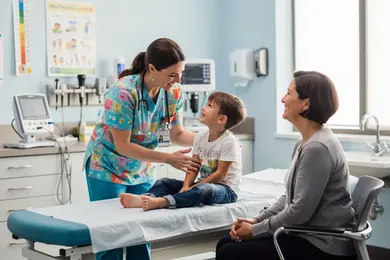
- Health Assessments: Conducting thorough examinations of infants, children, and adolescents helps students develop skills in recognizing normal and abnormal findings relevant to pediatric patients.
- Diagnostic Procedures: Performing supervised tasks such as immunizations and wound care allows students to apply technical skills while ensuring patient safety.
- Treatment Planning: Involvement in creating and adjusting individualized care plans provides insight into managing complex pediatric conditions effectively.
- Patient Education: Teaching patients and families about wellness practices and chronic disease management improves communication and supports long-term health outcomes.
- Clinical Documentation: Recording clinical observations and interventions in electronic health records ensures accuracy and continuity of care during the learning process.
These activities collectively foster critical thinking and communication skills required for pediatric care nurse practitioners. A graduate of a pediatric care nurse practitioner degree program shared that managing the variety of clinical settings-from well-child visits to acute care-was challenging yet invaluable. He noted, "Balancing patient interaction and documentation under supervision was tough at first, but it truly prepared me for independent practice." His experience highlights the real-world complexity and growth tied to clinical hours.

Do Clinical Hour Requirements Vary by State?
State regulatory agencies and licensure boards significantly influence the clinical training requirements for pediatric care nurse practitioner programs. Research shows that some states require as many as 600 clinical hours focused specifically on pediatric care, whereas others offer more flexibility in clinical hour types and totals. These regulatory differences shape how clinical experiences must be completed across the country.
- Minimum Hour Requirements: Some states impose strict minimum clinical hour totals that programs must meet, affecting overall training duration. Others provide recommended ranges, allowing programs to adjust requirements based on local practice needs.
- Specialized Pediatric Hours: Certain states mandate that a significant portion of clinical hours take place exclusively in pediatric settings to ensure focused expertise. This specialization often impacts how students allocate their clinical rotations.
- Preceptor Eligibility: Definitions of approved clinical supervisors vary by state, which can influence the types of preceptors students may work with during their pediatric clinical experience.
- Licensure Versus Certification: Some states differentiate between the clinical hours needed for state licensure and those required for national certification, resulting in variations in documented clinical time.
- Regulatory Focus on Subspecialties: State boards may require exposure to specific pediatric subspecialties, influencing the distribution and structure of clinical hours throughout training.
Where Do Students Complete Pediatric Care Nurse Practitioner Clinical Hours?
Research indicates that nearly 80% of experiential learning in healthcare education happens through direct patient care placements, highlighting the essential role of hands-on training. Pediatric care nurse practitioner students gain critical real-world experience by engaging in diverse clinical environments. Below are common settings where these clinical hours are typically completed.
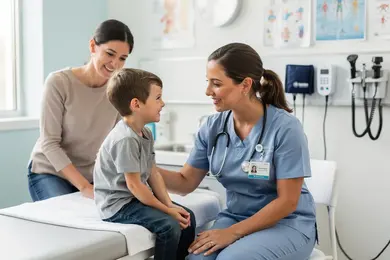
- Primary Care Clinics: These settings focus on managing routine pediatric conditions and providing preventive care, such as well-child visits. Students build long-term relationships with patients, enhancing their competence in health maintenance and early detection of illnesses.
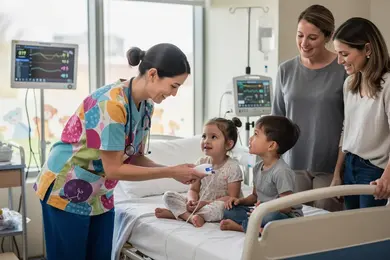
- Hospital Pediatric Units: Inpatient wards expose students to acute and complex cases, offering firsthand experience with critical care and interdisciplinary collaboration. This environment strengthens clinical judgment and the ability to manage severe pediatric health issues.
- Specialty Pediatric Clinics: Placement in areas such as cardiology or endocrinology allows students to develop expertise in diagnosing and treating chronic, specialized conditions. This focused experience improves skills in tailored care plans for distinct patient populations.
- Community Health Centers: Serving diverse and underserved populations, these centers emphasize culturally sensitive care and social determinants of health. Students gain insight into population health and develop skills to address community-specific pediatric needs.
- School-Based Health Programs: Clinical hours here involve conducting health screenings, administering immunizations, and providing education within educational institutions. This setting highlights preventive strategies and early interventions essential to pediatric care nurse practitioner roles.
How Are Clinical Placements Assigned in Pediatric Care Nurse Practitioner Programs?
Clinical placements in pediatric care nurse practitioner programs provide essential supervised, real-world training needed to meet clinical hour requirements. Studies show that about 85% of professional health education relies on placement-based experiential learning, highlighting the importance of these structured assignments. Various organized methods ensure students gain diverse hands-on experiences through approved clinical sites.
- Faculty Coordination: Program coordinators or clinical faculty typically evaluate student interests, location preferences, and site availability to match learners with suitable pediatric care settings. This approach aligns clinical hours with educational goals while maintaining accreditation standards.
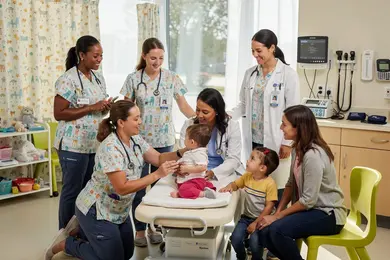
- Established Partnerships: Many programs maintain long-term relationships with hospitals, clinics, and community practices. These partnerships enable a rotating system for students, fostering consistent quality experiences across known pediatric care environments.
- Student-Driven Placement: Some programs allow students to identify and propose clinical sites based on personal contacts or previous employment. Programs then verify these sites comply with accreditation guidelines before approval.
- Centralized Assignment Systems: In some cases, placements are coordinated through centralized systems spanning multiple institutions. This method balances site capacity and ensures fair distribution of clinical experiences among students.
Students interested in exploring options for completing pediatric care nurse practitioner clinical hours may find the best DNP programs online helpful for identifying pathways that support diverse placement opportunities.

Can Pediatric Care Nurse Practitioner Clinical Hours Be Completed Online or Part-Time?
Clinical hours for pediatric care nurse practitioner programs generally cannot be completed entirely online or exclusively part-time due to the essential hands-on nature of clinical training. That said, about 45% of graduate nursing programs have adopted hybrid formats, blending online coursework with in-person clinical practice to offer some flexibility. This approach exists because direct patient interaction and supervised clinical experience are critical for developing practical skills that cannot be learned virtually. The necessity of real-world clinical exposure remains a primary factor restricting fully online or solely part-time completion of clinical hours.
Some programs do provide limited flexibility through hybrid models where students complete theoretical instruction online while attending clinical sites in person. Additionally, part-time options may be available, allowing clinical hours to be spread over a longer timeline for those managing professional or personal responsibilities. However, regardless of format, students must meet strict competency and hour requirements in supervised settings to ensure readiness for pediatric care practice. The experience involves hands-on evaluations and treatments, requiring direct mentorship and patient contact that online-only methods cannot replicate.
When I spoke with a professional holding a Pediatric Care Nurse Practitioner degree about her clinical hour experience, she described it as challenging but rewarding. She recalled juggling demanding clinical rotations with coursework, acknowledging that the in-person hours were intense but crucial for building confidence in pediatric assessments and interventions. "The hands-on training was where I truly felt that my skills came alive," she said. Despite the difficulties of balancing clinical shifts with other commitments, she appreciated the structure that ensured thorough preparation for her role. Her experience underscored how essential in-person clinical hours are, making the idea of completing them fully online seem unrealistic from a practical standpoint.
What Supervision Is Required During Pediatric Care Nurse Practitioner Clinical Hours?
During pediatric care nurse practitioner clinical hours, supervision is typically provided by licensed healthcare professionals certified in the pediatric specialty, such as experienced pediatric nurse practitioners or physicians. This oversight is essential to ensure both patient safety and student development by offering real-time guidance and constructive feedback. Supervision enables students to apply theoretical knowledge safely within clinical settings, fostering readiness for independent practice. Research from the National Council of State Boards of Nursing shows that over 90% of students in advanced practice programs feel that direct supervision significantly enhances their clinical confidence and preparedness.
Supervisors play a crucial role in observing student performance, mentoring, and assessing competencies necessary for effective pediatric care. This ongoing evaluation helps bridge the gap between classroom learning and clinical application, supporting critical thinking and decision-making skills. Supervision also provides valuable feedback, identifying strengths and areas needing improvement to ensure students meet the rigorous standards of professional practice. Such structured guidance during clinical hours is foundational in preparing pediatric care nurse practitioner students to deliver safe, high-quality healthcare upon certification.
How Are Pediatric Care Nurse Practitioner Clinical Hours Tracked?
Accurate tracking of clinical hours is essential for pediatric care nurse practitioner students to demonstrate their progress and fulfill program requirements. Over 90% of accredited health professions programs now use formal systems to document experiential learning, underscoring the importance of reliable tracking methods. Effective tracking ensures students gain the necessary hands-on experience to build clinical competence. Common approaches include the following:
- Digital Logging Systems: Students record their clinical hours electronically, often via dedicated apps or web portals. These systems enable real-time updates and automatic hour totals, simplifying tracking for both students and faculty and ensuring timely, accurate records.
- Supervisor Verification: Clinical supervisors complete verification forms to confirm hours worked. This method adds a critical layer of validation, confirming that logged time corresponds to actual supervised practice in clinical settings.
- Attendance Documentation: Programs frequently require sign-in sheets or electronic badge scans to verify physical presence. This objective evidence supports the integrity of reported clinical time and reinforces accountability.
- Progress Reports: Periodic reports submitted to academic advisors summarize clinical experiences and reflections. These reports aid in monitoring cumulative hours while providing educational feedback to enhance learning quality.
- Academic Tracking Platforms: Integrated with institutional learning management systems, these platforms centralize clinical hour documentation alongside coursework records. They facilitate easy access for students, supervisors, and faculty, promoting transparent and seamless monitoring.
Students interested in advancing their pediatric care nurse practitioner clinical hour tracking through flexible educational pathways might also explore options like the 9 month LPN program, which offers accelerated experiential learning opportunities.
What Challenges Do Students Face During Clinical Training?
Clinical training in pediatric care nurse practitioner programs can be particularly demanding, with up to 70% of students reporting high levels of stress related to clinical hours. This pressure stems from balancing rigorous academic expectations and hands-on patient care, which can significantly affect students' well-being and performance. The following challenges are commonly encountered during clinical training.
- Balancing Academic Responsibilities: Managing coursework, exams, and clinical hours simultaneously creates significant time constraints and fatigue. This challenge can hinder students' ability to effectively absorb both theoretical knowledge and practical skills.
- Adjusting to Professional Environments: Transitioning to clinical settings means adapting quickly to new protocols, team dynamics, and direct patient interactions. This adjustment period tests students' communication and critical thinking skills under pressure.
- Managing Demanding Schedules: Clinical rotations often involve long or unpredictable hours that complicate personal time management. Such scheduling conflicts can interfere with students' ability to fulfill both academic and personal commitments.
- Handling Emotional Stress: Exposure to pediatric patients' complex health issues and their families' emotional responses can lead to compassion fatigue. This emotional toll may affect students' mental health and clinical performance.
Students often face clinical training supervision difficulties for pediatric care nurse practitioner students, which further complicate the experience. Navigating these common challenges in pediatric care nurse practitioner clinical hours is essential for successful completion.
For those interested in expanding their expertise, pursuing an online degree in exercise science can complement clinical skills with a strong foundation in human physiology and movement.
What Strategies Help Students Succeed in Clinical Environments?
Being prepared and adaptable plays a vital role in achieving success during pediatric care nurse practitioner clinical hours. Students who engage in experiential training demonstrate up to 30% greater readiness for independent clinical practice, emphasizing the importance of applied learning. These qualities enable students to navigate the complexities of clinical environments with confidence and resilience. Below are effective strategies to support students in meeting best practices for completing pediatric nurse practitioner clinical hours.
- Effective Communication: Cultivating clear, empathetic communication with patients, families, and healthcare teams strengthens trust and collaboration. This skill enhances care quality and promotes professional growth throughout clinical training.
- Time Management: Prioritizing clinical tasks and efficiently managing hours ensures students fulfill program requirements while balancing learning. A structured approach helps maintain focus and reduces stress in demanding clinical settings.
- Professionalism: Upholding ethical standards, reliability, and respect fosters positive relationships with supervisors and colleagues. Demonstrating professionalism builds a strong reputation essential for future roles.
- Active Learning: Seeking feedback, reflecting on experiences, and posing questions deepen clinical knowledge and skills. This engagement boosts confidence and prepares students to handle diverse pediatric cases effectively.
For students exploring further specialization, reputable PMHNP certificate programs offer additional pathways aligned with clinical training excellence.
What Graduates Say About Pediatric Care Nurse Practitioner Clinical Hours Requirements
- Yves: "Completing my pediatric care nurse practitioner clinical hours was both challenging and rewarding. Although the costs associated with fulfilling these hours added up quickly, I found that the hands-on experience was invaluable for building my confidence and skills. These clinical hours truly laid the foundation for my success as a professional in this specialized field."
- Eden: "Reflecting on my time completing clinical hours for the pediatric care nurse practitioner program, I realize how crucial they were in shaping my practical knowledge. The financial investment required was more than I initially anticipated, but it underscored the importance of quality training. These experiences have deeply influenced my approach to pediatric patient care."
- Benjamin: "From a professional standpoint, the pediatric care nurse practitioner clinical hours were instrumental in bridging the gap between theory and real-world practice. Managing the costs and scheduling was tough, yet the exposure I gained has been a significant asset throughout my career. I wholeheartedly recommend embracing these clinical requirements to anyone pursuing this path."
Other Things You Should Know About Pediatric Care Nurse Practitioner Degrees
Pediatric care nurse practitioner programs often specify that clinical experiences must focus on pediatric populations, including newborns, infants, children, and adolescents. Experiences in general pediatric outpatient clinics, specialty pediatric practices, and pediatric hospitals are typically approved. Clinical hours obtained in adult or non-pediatric settings generally do not fulfill the program's requirements.
Volunteer work and internships may provide valuable exposure but usually do not count toward official clinical hours unless they are formally integrated into the program's curriculum. Clinical hours must generally be supervised and meet educational objectives defined by the certifying body and academic institution. Students should consult their program advisors before counting such experiences as clinical hours.
Programs require detailed logs of clinical hours, often including dates, types of clinical encounters, patient demographics, and preceptor verification. Some institutions use electronic tracking systems to ensure accurate record-keeping. Official verification typically involves signatures from supervising practitioners confirming the student's participation and competency.
Most pediatric care nurse practitioner programs do not allow waivers of clinical hour requirements solely based on prior nursing experience. Clinical hours in these programs are designed to ensure specific competencies related to pediatric advanced practice. Exceptions may be rare and depend on institutional policies and state regulations, but students should expect to complete all required clinical hours within the program.
References
- Universal Parcel Tracking - Global Package Tracking https://parcelsapp.com/
- CPNP-PC Certification Steps | PNCB https://www.pncb.org/cpnp-pc-certification-steps
- The Ultimate Beginners Guide to NP Clinical Rotations https://clickclinicals.com/blog/ultimate-beginners-guide-np-clinical-rotations
- Wszystko-w-Jednym Śledzenie przesyłek | 17TRACK https://www.17track.net/pl
- NP Clinical Placement Guide | Clinical Match Me https://www.clinicalmatchme.com/np-clinical-placements-student-guide/
- Statement Regarding Nurse Practitioner Students and Direct Care Clinical Hours https://www.gapna.org/about/news/statement-regarding-nurse-practitioner-students-and-direct-care-clinical-hours
- Pediatric Nurse Practitioner - Primary Care (PNP-PC) Complete Guide on Vivian Health https://www.vivian.com/certifications/pnp-pc/
- How to Become a Pediatric Nurse Practitioner (PNP) https://nursinglicensemap.com/advanced-practice-nursing/nurse-practitioner/pediatric-nurse-practitioner-pnp/
- BSN to DNP-PNP Online Program | Maryville University https://nursing.maryville.edu/pathways/bsn-to-dnp-pnp
- How To Become a Pediatric Nurse Practitioner | Betternurse.org https://betternurse.org/pediatric-nurse-practitioner/