2026 Pediatric Care Nurse Practitioner Practicum Requirements Explained

Co-Founder and Chief Data Scientist
Pediatric care nurse practitioner students often encounter challenges securing adequate practicum placements that meet accreditation and state licensing standards. Requirements for supervised clinical hours vary across programs and states, encompassing strict GPA thresholds, comprehensive background checks, and specific healthcare settings. Failure to understand these nuances early can delay graduation and certification, impacting career readiness. Recent data show that over 60% of nurse practitioner students nationwide report difficulties finding quality clinical placements aligned with their specialization.
This article explains the key practicum requirements for pediatric care nurse practitioner roles-clarifying standards, common obstacles, and strategies to ensure students stay on track for licensure and employment.
Key Things To Know About Pediatric Care Nurse Practitioner Practicum Requirements
- Practicum training fosters hands-on skills and clinical judgment essential for pediatric care-students apply theory directly in supervised healthcare settings.
- Field experience through internships and clinical placements builds professional confidence and networks vital for future employment opportunities.
- Completion of required supervised hours ensures readiness for certification exams and compliance with state licensure standards-facilitating smooth entry into pediatric care careers.
What Is A Practicum In Pediatric Care Nurse Practitioner Program?
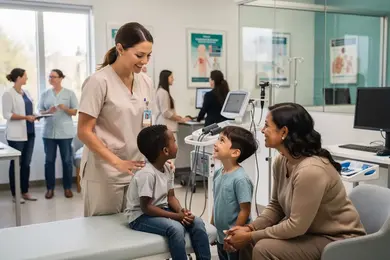
A practicum in a Pediatric Care Nurse Practitioner program is a supervised clinical experience linking classroom theory with hands-on patient care. Structured across U.S. higher education curricula, these practicums immerse students in real pediatric healthcare settings. Studies show that over 80% of employers favor graduates with substantial practical experience, reflecting the value of experiential learning in workforce readiness.
Key elements defining practicum experiences in Pediatric Care Nurse Practitioner clinical practicum overview include:
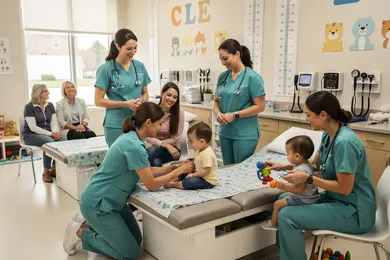
- Fieldwork Integration: Practicums take place in hospitals, clinics, or community health centers where students provide direct pediatric care. Unlike internships or capstone projects, practicums emphasize applying nursing theory in supervised, real-world environments to enhance clinical decision-making skills.
- Timing Within Curriculum: These experiences are typically situated in the latter half of the program after students have completed foundational coursework and met eligibility criteria. This sequencing ensures readiness to manage complex pediatric cases effectively and contributes to program accreditation standards.
- Supervised Learning and Feedback: Licensed pediatric nurse practitioners or physicians oversee students, offering continuous mentoring, evaluation, and constructive feedback. This supervision is critical for developing professional judgment and confirming competency before graduation and certification.
- Defined Practicum Hours: Most programs require between 500 to 600 clinical hours distributed throughout the practicum. These hours are essential to ensure comprehensive exposure to pediatric care scenarios, supporting skill mastery and confidence.
- Graduation and Certification Role: Completion of the practicum is a prerequisite for graduation and eligibility for national Pediatric Care Nurse Practitioner certification exams. This alignment with licensing requirements strengthens employability and professional readiness.
Prospective students interested in accelerated healthcare training might also explore accelerated programs designed to fast-track their entry into clinical roles.
What Are The Eligibility Requirements For Pediatric Care Nurse Practitioner Practicum?
Strict practicum eligibility standards in pediatric care nurse practitioner programs ensure that students are well-prepared both academically and professionally to engage in supervised clinical experiences. Nearly 90% of nurse practitioner programs enforce established criteria to promote clinical readiness, improve academic retention, and uphold safety standards. These requirements support students in bridging theoretical knowledge with practical skills, essential for succeeding in pediatric care placements.
The most common eligibility requirements for beginning a pediatric care nurse practitioner practicum include the following:
- Academic Standing: Students are generally required to maintain a minimum cumulative GPA of 3.0 or higher. This benchmark confirms mastery of foundational coursework and ensures readiness to handle the demands of clinical practice.
- Prerequisite Coursework: Completion of essential courses such as advanced pathophysiology, pharmacology, and health assessment is mandatory. These prerequisites build the foundational competencies needed for effective pediatric care delivery.
- Clinical Competency: Demonstrating proficiency through simulation evaluations or skills checklists is critical. Such assessments verify that students can confidently perform nursing procedures and apply clinical judgment before direct patient contact.
- Program Approval: Faculty or departmental endorsement is required to progress to the practicum. This approval is based on performance reviews, communication with clinical coordinators, and verification of preparatory milestones.
- Compliance and Clearances: Students must submit background checks, drug screenings, immunization and health records, as well as proof of liability insurance. Clinical partners often require completion of site-specific onboarding or compliance training to ensure a safe practicum environment.
For those exploring further opportunities to enhance their qualifications, pursuing a health care administration degree can complement clinical expertise with administrative skills.

How Many Practicum Hours Are Required For Pediatric Care Nurse Practitioner Program?
Practicum hour requirements in pediatric care nurse practitioner programs ensure students gain essential clinical experience under direct supervision. These requirements differ depending on state mandates, institutional standards, and accrediting bodies, with many recommending at least 500 supervised hours to adequately prepare graduates for pediatric healthcare roles.
Several factors influence how these practicum hours are structured and fulfilled, including the following:
- Typical Hour Ranges: Programs usually require between 500 and 700 total practicum hours, though some advanced degrees may set higher thresholds to match increased clinical expectations.
- Observation vs. Hands-On: While observation is part of the experience, emphasis is placed on direct patient care activities. Hands-on involvement, such as assessments and procedures, comprises a significant portion to build practical skills.
- Phased Practicum Structure: Students often complete rotations across multiple pediatric specialties, including primary and acute care. This phased approach broadens clinical exposure and adaptability in diverse settings.
- Supervision and Verification: Close supervision by licensed professionals is mandatory, with detailed logs and supervisor evaluations used to verify hours and competencies achieved during the practicum.
- Weekly Time Commitments: Most programs expect students to dedicate 8 to 16 hours per week over one or more semesters, balancing clinical immersion with academic coursework.
- Completion Timelines: Practicum sequences typically align with the program's semester schedule but can vary based on part-time or full-time enrollment and clinical site availability.
A professional who enrolled in a pediatric care nurse practitioner degree shared that completing the practicum was both demanding and rewarding. He noted, "Keeping detailed records and securing consistent supervision took time, and some weeks felt especially intense with balancing clinical hours and study." Yet, he found these challenges ultimately helped build confidence and comfort in real-world pediatric settings, adding that the hands-on experience was "the most valuable part of training." Reflecting on his journey, he expressed that meeting the practicum hours was tough but essential for feeling truly prepared to begin his nursing career.
What Courses Must Be Completed Before Starting Practicum?
Prerequisite coursework plays a crucial role in readying students for supervised practical experiences by ensuring they attain essential knowledge and skills before beginning a practicum. Studies show that over 85% of employers prioritize robust clinical preparation to enhance safety and effectiveness in patient care. Academic programs require this foundational training to guarantee students meet progression standards and are eligible for field placements.
Common categories of required coursework before pediatric care nurse practitioner clinical placement include:
- Foundational Theory: These courses cover pediatric health, growth and development, and pathophysiology fundamentals, providing the scientific background necessary to inform clinical judgments during practicum activities.
- Ethics and Legal Standards: Students study professional ethics, patient confidentiality, and healthcare laws, equipping them to navigate legal responsibilities and uphold ethical conduct in clinical settings.
- Research and Assessment Techniques: Instruction in evidence-based practice and clinical evaluation methods helps students critically appraise studies and perform thorough pediatric assessments vital for effective patient management.
- Communication Skills: Developing clear verbal and written communication enables learners to interact effectively with patients, families, and healthcare teams, essential for teamwork and documentation during practicum.
- Specialized Competencies: Depending on the program, this may include pediatric pharmacology, family dynamics, or developmental psychology, offering targeted expertise to support pediatric patient care.
These prerequisite structures vary somewhat across related disciplines such as nursing, education, psychology, and counseling, reflecting differences in curriculum sequencing and academic progression required for practicum eligibility. For those interested in healthcare specialization, understanding distinctions-such as certification requirements similar to a certified coding specialist-can clarify expectations and support career planning.
How Does The Pediatric Care Nurse Practitioner Practicum Placement Process Work?
The practicum placement process in pediatric care nurse practitioner programs bridges academic learning with essential hands-on clinical experience by arranging supervised training in healthcare settings. Institutions work closely with external organizations to align practicum opportunities with educational and accreditation standards, ensuring students gain practical skills that enhance job readiness. Research shows that approximately 90% of healthcare employers favor candidates who have completed substantial clinical practicum hours.
Key components of the practicum placement procedure include:
- Eligibility Verification: Students must meet established prerequisites such as completing required coursework, providing immunization records, passing background checks, and fulfilling health screenings to ensure safety and program compliance.
- Placement Application: Candidates submit preferences or applications through designated faculty coordinators or placement offices, which then match students to suitable clinical sites considering specialization, location, and availability.
- Institutional Coordination: Academic programs maintain formal agreements with healthcare facilities that offer practicum locations, clarifying responsibilities and compliance requirements for all parties involved.
- Screening and Interviews: Some practicum sites require student interviews or assessments to confirm readiness and ensure appropriate supervision during clinical hours.
- Faculty Approval and Oversight: Clinical advisors review placement plans, verify documentation, and communicate with students and host sites to resolve challenges and monitor progress throughout the practicum.
- Onboarding and Supervision: After placement confirmation, students complete orientation and training at the site, receiving guidance from experienced preceptors to meet educational objectives and regulatory standards.
A pediatric care nurse practitioner who successfully finished her practicum recalled the process as rigorous yet rewarding. She mentioned navigating administrative hurdles and multiple communications was initially stressful, especially coordinating vaccine documentation and background clearance. However, the structured support from faculty and clear expectations helped her feel prepared. She found the real-world exposure invaluable in cementing clinical skills and building confidence before entering the workforce. Reflecting on the experience, she emphasized how the practicum was more than a graduation requirement-it was a pivotal phase that shaped her practical competence and professional identity.

What Documents And Paperwork Are Required Before Practicum?
Documentation before beginning a practicum in pediatric care nurse practitioner programs is essential to verify student readiness and uphold regulatory and institutional standards. Effective compliance management enhances safety and maintains accreditation-indeed, over 90% of healthcare training programs have strengthened these processes to streamline student onboarding and reduce risks. Ensuring correct paperwork allows each placement to meet both educational and professional expectations.
Students typically complete several key forms and approvals before clinical site authorization, including:
- Practicum Application: This form gathers vital personal and academic details to formally request placement. It enables faculty to evaluate the student's qualifications and align clinical experiences with learning objectives.
- Institutional Approvals: Schools often require official endorsement from program directors or advisors verifying that students satisfy prerequisite conditions and comply with enrollment policies, safeguarding academic integrity and program accreditation.
- Medical Clearances And Immunizations: Submission of recent health exams, immunization records, and communicable disease screenings-such as tuberculosis testing-is mandatory to protect both students and patients within the clinical environment.
- Background Checks And Liability Waivers: Criminal record screenings and signed waivers are standard to manage institutional risk and clarify student legal responsibilities while emphasizing professional ethics.
- Confidentiality And Compliance Agreements: Students must acknowledge patient privacy policies and complete training like HIPAA certification to ensure adherence to confidentiality standards during patient care.
- Insurance Verification And Site-Specific Onboarding: Proof of required health or malpractice insurance is necessary, along with any site-mandated orientation or training to familiarize students with unique policies and safety practices.
What Background Checks, Immunizations, Or Clearances Are Needed?
Pre-practicum compliance requirements in pediatric care nurse practitioner programs are vital to safeguarding both students and the vulnerable populations they will serve during clinical placements. These health, safety, and legal clearances reduce risks related to disease transmission, liability, and workplace hazards. Studies show that over 90% of healthcare education programs have enhanced screening protocols to meet stringent regulatory and employer standards.
Common pre-practicum requirements include the following:
- Background Checks: Students undergo detailed criminal history reviews including fingerprinting and child abuse registry clearances to ensure safe placement in pediatric settings and meet licensure prerequisites. These checks support legal and ethical standards across states and institutions.
- Immunizations and Health Screenings: Required vaccines typically cover MMR, varicella, tetanus, hepatitis B, and influenza. Tuberculosis testing-via skin test or chest X-ray-is often mandated to detect active infections before clinical exposure.
- Certifications: Current CPR and pediatric advanced life support (PALS) certifications demonstrate readiness for emergency response. Drug screening and occupational health clearances further verify student fitness and workplace safety compliance.
- Regulatory Alignment: Compliance protocols reflect state laws, accreditation requirements, and healthcare facility policies. Students must coordinate with practicum sites to confirm site-specific mandates and renewal schedules.
- Field Variability: Clearance requirements vary by placement environment-whether hospitals, outpatient centers, schools, or social services-making early documentation and verification crucial to prevent delays.
What Should Students Expect During Pediatric Care Nurse Practitioner Practicum Placement?
Practicum placements in Pediatric Care Nurse Practitioner programs serve as a crucial link between theoretical learning and supervised clinical practice. They provide students with hands-on experience in real pediatric healthcare settings-preparing them for the complexities of patient care. Studies show that 87% of graduates feel more confident and prepared for independent practice after completing their practicums, highlighting the growing emphasis on experiential learning within healthcare education.
Students pursuing a Pediatric Care Nurse Practitioner practicum placement should anticipate the following key elements:
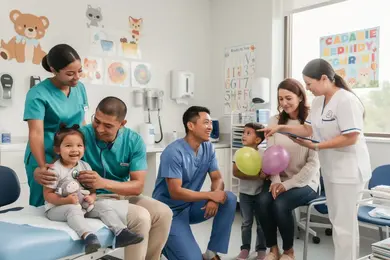
- Clinical Responsibilities: Students actively participate in patient assessments, assist with diagnoses, and help develop treatment plans for infants, children, and adolescents. Daily duties often include gathering medical histories, conducting physical exams, and accurately documenting patient interactions under professional supervision.
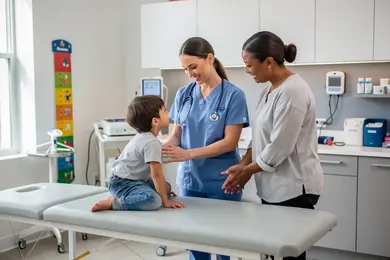
- Supervision and Mentorship: Licensed pediatric nurse practitioners or physicians closely supervise students, providing ongoing mentorship and constructive feedback. This guidance supports professional skill advancement and ensures compliance with clinical standards.
- Professional Conduct: Maintaining patient confidentiality and demonstrating effective communication within multidisciplinary healthcare teams are essential. Students must adhere to established ethical guidelines and workplace professionalism throughout their placement.
- Performance Evaluation: Clinical competency is regularly assessed through direct observation, skills checklists, and reflective evaluations. These evaluations measure clinical decision-making, patient interaction, and procedural proficiency.
- Skill Development: Practicum experiences enhance practical abilities such as pediatric physical assessments, patient education, and managing common childhood illnesses-key skills that bridge academic knowledge with clinical expertise.
- Communication Challenges: Navigating fast-paced environments and complex cases can be challenging. Students learn to adapt communication strategies to effectively engage diverse patients and collaborate with interdisciplinary teams.
Understanding day-to-day responsibilities during pediatric care nurse practitioner practicum helps students prepare to meet these expectations and build the competencies valued by employers. For those exploring advanced healthcare degrees, programs like doctorate in healthcare administration programs further underscore the importance of applied experience in career readiness.
How Are Practicum Students Supervised And Evaluated?
Supervision and evaluation during practicum experiences are vital for ensuring pediatric care nurse practitioner students develop the clinical skills and professional behaviors necessary for competent practice. These processes uphold academic accountability and foster personalized professional growth, preparing students for workforce demands. Studies show that structured feedback and frequent assessment during clinical placements can improve student competency and confidence by up to 30% compared to minimal oversight models.
Key elements of practicum supervision and evaluation include the following:
- Supervisory Roles: Practicum students typically receive guidance from clinical preceptors, site coordinators, and faculty advisors. Each role contributes uniquely to directing clinical learning, ensuring adherence to program objectives, and facilitating communication between educational institutions and clinical sites involved in practicum supervision methods for pediatric care nurse practitioner students.
- Ongoing Guidance: Continuous mentorship through direct observation, bedside teaching, and scheduled meetings allows supervisors to deliver immediate, actionable feedback. This real-time interaction supports skill refinement, critical thinking, and professional development throughout the clinical experience.
- Feedback Mechanisms: Students receive regular feedback via formal evaluations, informal discussions, and reflective tools such as journals or portfolios. These methods encourage self-assessment and deepen understanding of areas for improvement during pediatric care nurse practitioner clinical practicum.
- Assessment Methods: Common tools include competency checklists, progress reviews, and standardized performance ratings. These assessments evaluate clinical knowledge, procedural skills, professionalism, and communication to comprehensively measure student readiness for independent practice.
- Variability Across Settings: While core supervision and evaluation practices remain consistent, specific methods may vary due to institutional policies, accreditation standards, and discipline-specific requirements. Programs adapt their approaches to balance rigorous assessment with practical learning opportunities.
Many students pursuing advanced degrees explore options like online accelerated nursing programs to efficiently meet practicum and clinical coursework requirements needed for certification and graduation.
How Does Practicum Help With Licensure Or Certification Requirements?
Practicum experiences play a critical role in enabling pediatric care nurse practitioner students to meet licensure and certification requirements through structured, supervised clinical training. These hands-on placements ensure academic knowledge translates to practical competence, aligning closely with regulatory standards and professional expectations. Recent research from the National Council of State Boards of Nursing indicates that over 90% of employers favor newly licensed nurse practitioners who have completed verified clinical practicum hours, emphasizing their importance for workforce readiness.
The following points outline key practicum elements integral to licensure and certification:
- Clinical Hour Fulfillment: Practicum hours are essential to satisfy minimum clinical time mandated by licensing boards, providing students with direct pediatric care experience needed to demonstrate readiness for advanced practice roles.
- Competency Evaluation: Throughout practicum placements, students undergo assessments focused on clinical skills, critical thinking, and professional conduct-benchmarks required by state and certifying organizations for licensure approval.
- Supervisory Oversight: Licensed preceptors guide and observe students in real-world settings, delivering documented feedback consistent with accreditation and licensure standards that demand continuous evaluation of clinical competencies.
- Documentation and Compliance: Educational institutions meticulously record completed practicum hours and associated assessments to verify fulfillment of licensure requirements during audits and application reviews.
- Cross-Disciplinary Application: Various professional fields including healthcare, education, and counseling integrate practicum experiences within certification pathways to ensure proficiency, tailoring requirements to specific discipline standards.
What Do Students Say About Their Pediatric Care Nurse Practitioner Practicum Experience?
- Riley: "My practicum for the pediatric care nurse practitioner program was an eye-opening experience-though I initially faced some hurdles with meeting the eligibility requirements, the program's support staff guided me through every step. I was pleasantly surprised that my expectations were exceeded, especially when it came to the hands-on exposure with patients. The supervision was thorough and constructive, allowing me to grow confidently in my clinical skills."
- Eden: "Reflecting on my practicum journey, I found the placement process more challenging than anticipated, mostly due to limited site options that met specific pediatric criteria. However, once placed, my mentors provided consistent supervision and frequent evaluations that truly helped me understand my strengths and areas for improvement. Overall, the experience was reflective and deeply rewarding, even if it demanded patience and resilience."
- Benjamin: "During my pediatric care nurse practitioner practicum, I appreciated the professional environment where expectations were clearly communicated and met with supportive guidance. The evaluation process was rigorous, involving direct observation and timely feedback from my preceptor, which I valued highly. Addressing eligibility proved straightforward with prompt administrative assistance, making the entire practicum a smooth and enriching step toward my career."
Other Things You Should Know About Pediatric Care Nurse Practitioner Degrees
Generally, students have limited control over their practicum placement locations, as these are typically arranged by the academic program or clinical coordinator. Programs collaborate with approved healthcare facilities to ensure quality mentorship and appropriate case exposure. Some programs might consider student preferences but prioritize site availability and educational value.
Yes, most programs require students to demonstrate proficiency in fundamental clinical skills such as vital signs assessment, pediatric physical examinations, and effective communication with children and families. These competencies ensure readiness to engage safely and effectively in patient care during practicum hours. Skills verification often occurs through simulation labs or prerequisite courses.
Interprofessional collaboration is a crucial element in pediatric nurse practitioner practicums. Students are encouraged to work alongside physicians, social workers, therapists, and other healthcare professionals to develop holistic care plans. This experience reinforces teamwork skills and provides insights into comprehensive pediatric patient management.
Practicum placements significantly enhance employability by allowing students to build hands-on experience and professional relationships within clinical settings. Exposure to diverse patient cases and mentorship under seasoned practitioners develops critical clinical judgment and confidence. Employers often value graduates who have completed well-structured practicums that foster practical skills alongside theoretical knowledge.
References
- Pediatric Primary Care Guide | NPHub https://www.nphub.com/blog/np-pediatric-care-guide
- What does a Pediatric Nurse Practitioner (PNP) do? Career Overview, Roles, Jobs | ASAM https://careers.asam.org/career/pediatric-nurse-practitioner-pnp
- What are background checks and security clearances? https://help.usajobs.gov/faq/job-announcement/security-clearances
- Background Checks and Security Clearances for Federal Jobs https://gogovernment.org/application-process/background-checks-and-security-clearances-for-federal-jobs/
- MACP Practicum Portal https://practicum.yorkvilleu.ca/students/practicum-information/
- What is a Counselling Practicum and Why It Matters? - Yorkville https://www.yorkvilleu.ca/blog/macp/what-is-a-counselling-practicum-and-why-it-matters/
- LibGuides: Internship Guide: Internship Documentation Checklist https://guides.centralpenn.edu/internship/documentationchecklist
- iprospectcheck.com: Verifying that you are not a robot... https://iprospectcheck.com/healthcare-background-checks/
- Healthcare Background Check Requirements: What You Need to Know https://www.cisive.com/blog/healthcare-background-check-requirements
- CPNP-PC Role | PNCB https://www.pncb.org/cpnp-pc-role