2027 Online Esports Business Bachelor's Degree Programs With Weekly Start Dates

Co-Founder and Chief Data Scientist
Choosing an online esports business bachelor's program with weekly start dates is mainly a timing decision: do you want to begin now, or are you willing to wait for the next semester window? For working adults, career changers, military learners, transfer students, and applicants with unrelated undergraduate backgrounds, that difference can determine whether school fits into real life or keeps getting delayed.
Weekly or rolling starts are designed for students who need flexible entry into a business-focused esports degree without pausing work, family obligations, or relocation plans. These programs can be especially useful as demand for esports business expertise is projected to grow by 15% over the next five years, but flexibility should not replace careful evaluation. Accreditation, transfer credit rules, tuition structure, financial aid timing, and course pacing all affect whether a program is worth the cost.
This guide explains how weekly-start online esports business bachelor's programs work, how they compare with traditional term-based enrollment, what to check before applying, and how to use transfer credits, prior learning, and financial aid to make a faster and more informed decision.
Key Benefits of Online Esports Business Bachelor's Degree Programs With Weekly Start Dates
- Weekly start dates offer unmatched flexibility for working professionals and career changers balancing education with personal commitments-students can engage whenever ready without waiting months.
- Removing traditional semester delays means enrollment and coursework can begin within days of acceptance, eliminating a major barrier to reentering education and advancing careers swiftly.
- These programs allow earning a regionally accredited esports business degree while managing existing responsibilities, supported by transfer credits and prior learning assessments to speed completion.
What Are Weekly Start Dates in Online Esports Business Bachelor's Programs, and How Do They Differ From Traditional Term-Based Enrollment?
Weekly start dates, sometimes called rolling starts, allow accepted students to begin an online esports business bachelor's program on a frequent schedule rather than waiting for a fall, spring, or summer semester. Instead of organizing the entire academic year around one or two major entry points, these programs open new course sections or learning modules regularly so students can start when they are academically and financially ready.
The practical difference is speed and control. In a traditional term-based model, a student who misses an application or registration deadline may wait months before taking the first class. In a weekly-start model, that delay can be much shorter. This matters for adults trying to change careers, use employer tuition benefits, preserve momentum after an admissions decision, or align school with a work schedule.
Weekly-start programs are not automatically easier. Many use compressed courses, frequent deadlines, or competency-based formats that reward disciplined students but can overwhelm learners who underestimate the weekly workload. Western Governors University and Purdue Global are examples of institutions associated with flexible enrollment approaches. Western Governors University uses competency-based units that reset weekly, while Purdue Global offers frequent start options designed for adults managing work and personal responsibilities.
Students comparing rolling starts with semester calendars should look beyond the advertised start date. Ask how often required esports business courses are actually available, whether financial aid disbursement follows the same schedule, and whether a delayed prerequisite could still slow progress.
- Enrollment timing: Weekly-start programs reduce the wait between admission and the first course; semester programs usually begin at fixed points in the academic year.
- Course pacing: Weekly-start formats often use shorter modules or competency-based units, while semester programs usually spread work across longer terms.
- Student fit: Rolling enrollment works best for self-directed learners who can begin quickly and maintain momentum without a long orientation period.
- Planning risk: A flexible start date does not guarantee every course is available every week, so students should request a full degree plan before enrolling.
Students exploring flexible professional programs may also compare how different fields handle admissions and scheduling, including resources on a nursing school with high acceptance rate.
Which Accredited Institutions Offer Online Esports Business Bachelor's Degree Programs With Weekly or Rolling Start Dates?
Accredited online esports business bachelor's programs with weekly or rolling start dates are still a specialized category, so students should verify both the degree title and the actual start schedule before applying. Some schools offer esports management, esports business, or business for esports programs; others offer broader business degrees with esports-related coursework, projects, or concentrations.
The institutions below are presented with the tuition and accreditation details stated for each program. Because start frequency can vary by course, cohort, and academic calendar, students should confirm the next available start date directly with admissions and request written information about accreditation, transfer credits, and total program cost.
- Southern New Hampshire University: Offers a Bachelor of Science in Esports Management with per-credit tuition of about $320. SNHU supports rolling enrollment with nearly weekly start dates and holds regional accreditation from the New England Commission of Higher Education (NECHE).
- Keiser University: Provides a Bachelor of Science in Esports at a rate near $485 per credit. Keiser promotes rolling admissions and weekly course starts for the online esports business degree. The university is accredited by the Southern Association of Colleges and Schools Commission on Colleges (SACSCOC).
- Columbia College Chicago: Features a Bachelor of Arts in Esports Business with tuition near $500 per credit. Its modular course design allows enrollment windows close to weekly starts. Columbia College is accredited by the Higher Learning Commission (HLC).
- University of Advancing Technology: Offers a Bachelor of Science in Esports Management costing around $540 per credit and supports flexible, frequent start dates for adult learners. The university holds accreditation from the Higher Learning Commission.
- Full Sail University: Offers a Bachelor of Science in Business for Esports with tuition averaging $565 per credit hour. Full Sail emphasizes project-based learning with multiple, evenly spaced start dates throughout the year, almost weekly. It is accredited by the Southern Association of Colleges and Schools Commission on Colleges (SACSCOC).
When comparing schools, prioritize regional accreditation, transparent tuition, course availability, and transfer evaluation speed. A program with a slightly later start may be a better choice if it accepts more prior credits, has clearer graduation requirements, or provides stronger career services in esports operations, marketing, partnerships, live events, analytics, or content strategy.
Students who are still deciding whether to specialize immediately may also compare esports programs with broader business pathways. For example, an affordable business administration degree online may provide wider career flexibility while still supporting electives, projects, or internships related to gaming and esports.
It can also be useful to compare esports business programs with other career-focused online degrees, such as a health care administration online degree, to understand how industry specialization affects curriculum, cost, and long-term mobility.
How Do Weekly Start Dates in Online Esports Business Programs Benefit Working Adults and Non-Traditional Students?
Weekly start dates benefit working adults by reducing the friction between deciding to enroll and actually beginning coursework. For many non-traditional students, the biggest barrier is not interest; it is timing. A fixed semester calendar may conflict with a new job, childcare responsibilities, military transition, a relocation, or a changing work shift. Rolling starts make it easier to enter when the student's life and finances are aligned.
The model is especially helpful for students who already have some college credit or industry experience. Instead of waiting months to restart school, they can complete transcript evaluation, register for an available module, and begin applying business concepts to esports-related goals sooner. That momentum can be important for adults who have delayed finishing a degree.
- Faster entry: Students can begin soon after acceptance instead of waiting for the next traditional term.
- Better schedule matching: Learners can choose a start date that fits current work, family, and financial obligations.
- Reduced motivation loss: Shorter gaps between admission and coursework can help students stay focused on a career-change plan.
- More practical pacing: Adults can sometimes time demanding courses around slower work periods or personal commitments.
- Earlier skill use: Students may apply coursework in marketing, sponsorship, event planning, or operations while still employed.
There are trade-offs. Weekly starts can create a false sense of convenience if students enroll before understanding the weekly workload. Accelerated modules often require consistent reading, discussion, project work, and deadlines from the first week. Students should avoid starting during a major work project, family transition, or financial uncertainty unless they have a realistic study plan.
A strong first step is to ask the school for a sample weekly schedule, orientation requirements, and the expected number of study hours per course. Data from the National Center for Education Statistics highlights that flexible start options lead to better retention and graduation rates among adult learners by accommodating their changing life circumstances, but flexibility only helps when students use it to plan realistically.
One professional who enrolled in an online esports business bachelor's degree program with weekly start dates described the model as the difference between postponing school again and finally starting. He said that balancing work and family had made traditional semester deadlines difficult, and beginning soon after acceptance helped him keep his motivation. He also noted that the ability to pace courses around demanding work periods reduced stress and made the degree feel more manageable.
What Is the Total Tuition Cost for Online Esports Business Bachelor's Programs That Allow Weekly Enrollment?
The total tuition cost for an online esports business bachelor's program with weekly enrollment depends on the per-credit rate, the number of required credits, transfer credits accepted, mandatory fees, and whether the school uses flat-rate or per-credit billing. Most bachelor's programs require around 120 credits for graduation.
Based on the tuition ranges stated for these programs, many charge between $300 and $500 per credit hour, which can produce estimated tuition totals of $36,000 to $60,000 before fees, books, technology charges, and other expenses. Some schools cost more, and some students pay less because they transfer prior credits or qualify for institutional discounts, employer benefits, grants, or scholarships.
- Per-credit tuition: This model is straightforward: total tuition rises with every credit attempted. It is easier to estimate but can be costly if few credits transfer.
- Flat-rate tuition: A set tuition amount may cover a defined course load or term. This can reward students who accelerate, but only if they can handle the workload successfully.
- Online residency pricing: Some institutions charge the same online tuition regardless of residency, which may help out-of-state and international students compare costs more clearly.
- Program fees: Technology fees, course materials, portfolio assessment fees, exam fees, and graduation fees can add meaningful cost beyond tuition.
- Repeated courses: Failing or withdrawing from accelerated courses can increase the total cost, so students should understand refund deadlines and satisfactory academic progress rules.
Before committing, request a written cost estimate that includes tuition, fees, expected transfer credits, financial aid assumptions, and remaining credits to graduate. Students should also ask whether the quoted tuition applies for the full program or may change in future academic years.
Transfer credit is one of the most important cost levers. A student who enters with accepted general education or business credits may reduce both tuition and time in school. Prior learning assessment can also lower cost when the school awards credit for documented training, military learning, certifications, or professional experience.
Students considering accelerated education more broadly can compare tuition structures with other fields, such as fast track LPN programs, where block tuition and compressed schedules may also affect the total price of completion.
How Quickly Can Students Complete an Online Esports Business Bachelor's Degree When Enrolling Through a Weekly Start Option?
Students can often begin faster through a weekly start option, but total completion time depends on credits needed, course load, transfer credit, academic format, and personal capacity. Weekly enrollment removes some calendar delays; it does not remove the academic requirements of a bachelor's degree.
Weekly enrollment: Frequent starts help students avoid long gaps before the first course and may support continuous progress from one module to the next.
Credit load: Full-time students usually take between 12 and 15 credits per term, enabling most to finish in about four years. Part-time students, taking fewer credits, often need three to six years depending on their pace and responsibilities.
Transfer credits: Many institutions allow up to 90 transfer credits from previous college-level work. Students with a large number of accepted credits may be able to finish remaining requirements within 18 to 24 months.
Flexible pacing: Competency-based or self-paced formats may allow students to move faster by demonstrating mastery instead of waiting for a traditional term to end. This works best for learners with strong prior knowledge, steady study habits, and time to complete assessments quickly.
Multiple courses: Some online esports business students can enroll in more than one course at a time. This can accelerate progress, but it also increases the risk of missed deadlines, lower grades, or burnout.
The fastest path is not always the best path. Esports business coursework may include marketing plans, event proposals, sponsorship analysis, business analytics, legal and ethical issues, and team-based projects. Rushing through these assignments can reduce the professional value of the degree if students do not build usable work samples or industry knowledge.
A graduate of a self-paced online esports business program with weekly starts said the flexibility helped her manage work, family, and study, especially because she could advance after mastering required skills. Transfer credits also shortened the route. She emphasized, however, that success required discipline and realistic weekly goals, not just ambition.
What Admission Requirements Must Students Meet to Enroll in an Online Esports Business Bachelor's Program With a Weekly Start Date?
Admission requirements for online esports business bachelor's programs with weekly start dates are often designed for accessibility, especially for adult learners and transfer students. Most programs require a high school diploma or GED. Some have flexible or no minimum GPA standards, and many waive SAT or ACT requirements, although applicants should verify the policy for the specific institution and program.
Rolling admission does not mean automatic admission in every case. Schools may still require transcripts, proof of high school completion, identity verification, placement assessments, transfer evaluations, or an admissions interview. Applicants with previous college coursework must usually submit official transcripts from every institution attended, even if they do not expect all credits to transfer.
- Basic education credential: Most programs require a high school diploma or GED.
- Transcripts: Applicants typically submit high school and college transcripts so the school can verify eligibility and evaluate transfer credit.
- Testing policies: SAT or ACT scores are commonly waived, but some applicants may submit scores if they strengthen the file.
- Personal statement or goals statement: This can help applicants with academic gaps explain their motivation and relevant experience in gaming, business, media, technology, or operations.
- Technology readiness: Online programs may require reliable internet access, a suitable computer, and comfort with learning platforms, video tools, and digital collaboration.
Applicants with unrelated academic or work backgrounds should not assume that lack of esports experience will disqualify them. Esports business programs often value transferable skills from retail, sales, hospitality, marketing, customer service, IT, content creation, community management, athletics, and event support. The key is to show readiness for college-level business coursework and a clear understanding of the esports industry as a business environment.
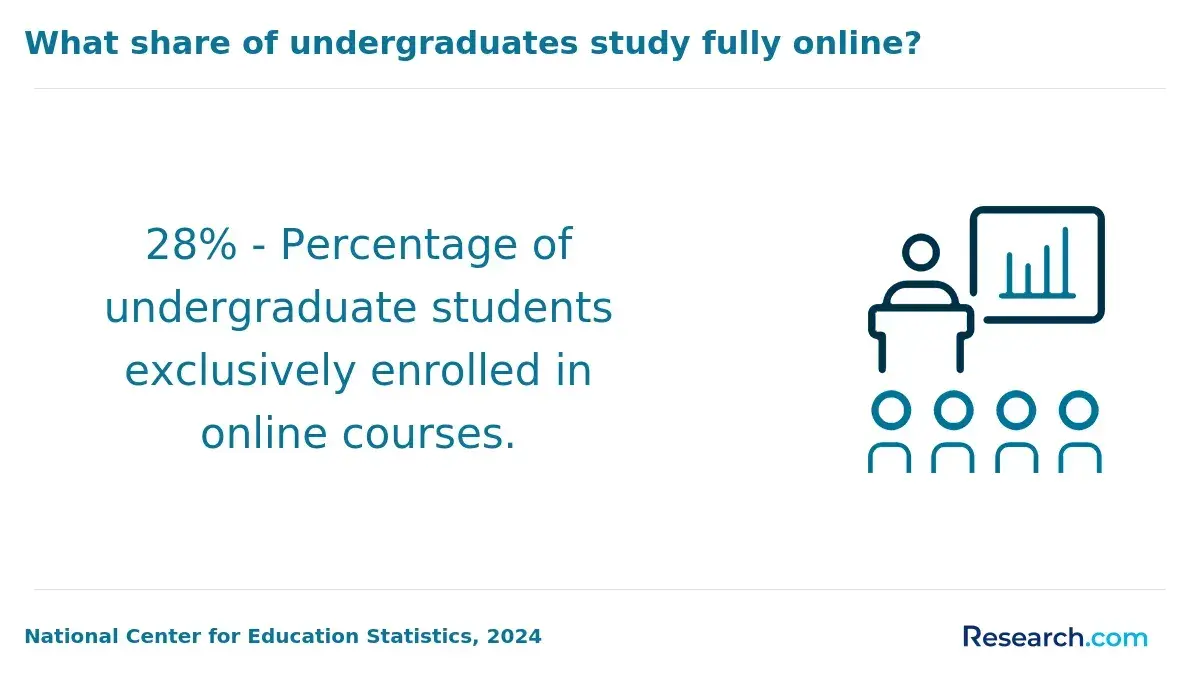
Open-access or less selective programs can be valuable, but students should evaluate academic support carefully. Tutoring, writing help, advising, career coaching, library access, and early-alert systems matter more in accelerated formats because courses move quickly. Recent statistics from the National Center for Education Statistics show that over 35% of undergraduate students attend colleges using rolling admissions, reflecting the broad use of flexible entry models.
How Do Online Esports Business Programs With Weekly Starts Handle Transfer Credits From Previous College Coursework?
Online esports business bachelor's programs with weekly starts often use transfer credit policies to help students finish faster and reduce tuition. The most common transferable credits come from regionally accredited community colleges and universities, especially general education courses, introductory business classes, communication, statistics, accounting, management, marketing, and technology-related coursework.
Some schools also consider military training, employer-sponsored learning, industry certifications, and other non-traditional learning. The American Council on Education (ACE) credit recommendation system is often used to evaluate military courses, professional training, and other learning experiences that may qualify for academic credit.
Some institutions permit transfer of up to 90 credits, which can substantially reduce the remaining coursework for a bachelor's degree. However, transfer limits do not guarantee that every prior credit will apply to the degree. A course may transfer as elective credit but not satisfy a required esports business, management, or general education requirement.
- Official transcript review: Students should request an official evaluation before enrolling, not just an informal estimate.
- Course equivalency: Ask which credits apply directly to degree requirements and which count only as electives.
- Residency requirement: Many schools require students to complete a minimum number of credits through the degree-granting institution.
- Grade minimums: Transfer policies may require a minimum grade for credits to be accepted.
- Age limits: Some technical or business courses may be considered outdated if completed too long ago, depending on school policy.
Weekly-start programs should complete transcript evaluation early enough for students to choose the right first course. If the review is delayed, a student may start with a class that later proves unnecessary. According to the National Center for Education Statistics (NCES), about 40% of undergraduates transfer credits from multiple schools, so clear transfer policies are central to affordability and planning.
The best approach is to collect all transcripts, training records, military documentation, certification details, and course descriptions before applying. Students should then compare schools based on accepted credits, remaining requirements, and projected graduation date rather than only the advertised start date.
What Financial Aid and Scholarship Options Are Available for Students Enrolling in Weekly-Start Online Esports Business Programs?
Students in weekly-start online esports business bachelor's programs may qualify for federal financial aid if the institution and program are eligible and the student meets aid requirements. Common federal options include Pell Grants, subsidized and unsubsidized Stafford loans, and Federal Work-Study. Weekly start dates do not automatically reduce eligibility, but they can affect timing, packaging, and disbursement because federal aid is typically organized around defined academic periods.
The Free Application for Federal Student Aid (FAFSA) is the starting point for federal aid and many institutional awards. Students should complete it early, review the Student Aid Report for accuracy, and ask the financial aid office how aid is handled for rolling or accelerated courses. This is especially important for students who begin outside a traditional semester calendar.
According to College Board's Trends in Student Aid, undergraduate students typically receive about $14,000 annually in a combined package of grants, loans, and work-study. That figure is only a benchmark. Actual aid depends on financial need, enrollment status, program eligibility, cost of attendance, dependency status, school policies, and annual or aggregate loan limits.
- Federal grants: Pell Grants do not need to be repaid if students meet eligibility rules and maintain enrollment requirements.
- Federal loans: Subsidized and unsubsidized Stafford loans can help cover costs, but students should borrow only what they need and understand repayment obligations.
- Federal Work-Study: Availability depends on the school and student eligibility; online students should ask whether remote or local options exist.
- Institutional scholarships: Schools may offer merit-based, need-based, transfer, military, adult learner, or esports-related awards.
- External scholarships: Students can search for awards connected to gaming, business, media, technology, diversity in esports, and collegiate esports associations.
- Employer tuition benefits: Working adults should check whether their employer reimburses business, technology, marketing, or management coursework.
Students should also ask how dropping or failing an accelerated course affects satisfactory academic progress, loan eligibility, and grant repayment obligations. In a weekly-start model, missed deadlines can create financial consequences quickly if withdrawal dates and refund rules are not understood.
For planning across different career pathways, resources such as how long does it take to become a medical coder can help students compare program length, credential requirements, and time-to-career considerations.
What Accreditation Standards Should a Weekly-Start Online Esports Business Bachelor's Program Meet to Ensure Employer and Transfer Recognition?
A weekly-start online esports business bachelor's program should be offered by an institution with recognized accreditation, preferably regional accreditation, to support employer recognition, transfer credit acceptance, and future graduate study. Accreditation is not a formality; it is one of the main safeguards that the school meets external standards for academic quality, faculty qualifications, student services, and institutional stability.
Regional accreditation remains the most widely accepted standard for bachelor's degrees in the United States. National accreditation is more common among some vocational or career-focused institutions, but credits from nationally accredited schools may be harder to transfer to regionally accredited institutions. This can matter if a student later changes schools, pursues a master's degree, or needs broadly recognized academic credentials.
The U.S. Department of Education recognizes seven regional accrediting bodies: the New England Commission on Higher Education (NECHE), Middle States Commission on Higher Education (MSCHE), Higher Learning Commission (HLC), Northwest Commission on Colleges and Universities (NWCCU), Southern Association of Colleges and Schools Commission on Colleges (SACSCOC), Western Association of Schools and Colleges-Senior College and University Commission (WSCUC), and the Accrediting Commission for Community and Junior Colleges (ACCJC) under WASC. HLC and SACSCOC frequently accredit flexible weekly-start online programs.
- Verify institutional accreditation: Check the school in the U.S. Department of Education's official database before applying.
- Confirm program status: Make sure the esports business degree is offered by the accredited institution and is not an unaccredited certificate marketed as a bachelor's pathway.
- Ask about transfer outcomes: If graduate school or future transfer is possible, ask whether credits are typically accepted by regionally accredited institutions.
- Review employer relevance: Accreditation supports credibility, but students should also evaluate internships, projects, career services, and industry-connected coursework.
- Avoid pressure tactics: Be cautious if a school pushes immediate enrollment before providing accreditation, tuition, transfer, and financial aid information in writing.
Students interested in long-term academic progression can compare accreditation expectations with advanced online programs, such as a PhD in healthcare management, where institutional recognition is also central to credibility and transferability.
How Is Coursework Structured in Online Esports Business Bachelor's Programs With Weekly Starts Compared to Semester-Based Formats?
Online esports business bachelor's programs with weekly starts often organize coursework into shorter modules, commonly lasting five to eight weeks, rather than the traditional 15-week semester. This structure allows schools to open new start opportunities more often and helps students move from one course to the next with fewer calendar gaps.
Most courses combine asynchronous learning with scheduled deadlines. Students may watch recorded lectures, complete readings, contribute to discussion boards, submit business analyses, collaborate on group projects, and complete exams or presentations through a learning management system. Some programs may also use live virtual meetings, but many are designed so working adults can study outside standard business hours.
The accelerated format changes how students experience the material. A semester-based course may allow more time for reflection, revision, and deeper exploration. A five- to eight-week course moves quickly and requires students to stay current from the first day. Falling behind by one week in a short module can be difficult to recover from.
- Business foundations: Students may study management, accounting, finance, marketing, business law, economics, and organizational behavior.
- Esports specialization: Coursework may address esports event management, sponsorship, team operations, digital communities, gaming culture, analytics, media, and revenue models.
- Project-based learning: Many programs use applied assignments such as campaign plans, event proposals, market research, partnership pitches, and operational plans.
- Asynchronous delivery: Recorded content and online discussions offer flexibility but require self-management.
- Frequent deadlines: Short modules often include weekly deliverables, making consistent work more important than last-minute studying.
Continuous enrollment formats have grown over 20% in the past five years, showing a clear trend toward flexible learning options. Students considering this format should build a weekly calendar before classes start, reserve study blocks, learn the online platform early, and contact instructors or advisors at the first sign of difficulty.
Can Students Earn Credit Through CLEP, DSST, or Prior Learning Assessment in Weekly-Start Online Esports Business Programs?
Many weekly-start online esports business programs allow students to earn credit through CLEP, DSST, or prior learning assessment, but policies vary widely by institution. These options can reduce both time and tuition when credits apply directly to degree requirements.
CLEP and DSST are credit-by-examination options that let students demonstrate knowledge in approved subject areas. They are commonly used for general education or introductory business-related requirements rather than highly specialized esports courses. The College Board and the American Council on Education (ACE) credit recommendation system are important reference points for how exam credit may be evaluated.
Prior Learning Assessment (PLA) is broader. It may involve a portfolio that documents work experience, certifications, military training, professional development, or other college-level learning. Some universities have robust PLA policies and may award up to 30-40% of the degree's total credits. Weekly-start programs may offer more frequent submission windows or faster evaluation timelines, but students should confirm the exact process.
- CLEP: Often used for general education subjects such as composition, history, math, or business fundamentals, depending on school policy.
- DSST: May be useful for students with military, professional, or independent learning backgrounds.
- ACE-reviewed learning: Military and employer training may receive credit recommendations that schools can choose to accept.
- Portfolio PLA: Students submit evidence such as resumes, work samples, training certificates, job descriptions, licenses, or supervisor verification.
- Credit caps: Many schools limit how much credit can be earned through exams or PLA, and major-specific courses may still need to be completed through the institution.
Students should not pay for exams or build a PLA portfolio until they understand the school's acceptance rules. Ask which exams are accepted, minimum scores required, maximum credits allowed, fees charged, and whether the credits will satisfy required courses or only electives. A clear answer can prevent wasted time and money.
What Graduates Say About Online Esports Business Bachelor's Degree Programs With Weekly Start Dates
-
: "Choosing an online esports business bachelor's degree with weekly start dates was a game-changer for me. Flexibility was key as I juggled a part-time job. The affordable tuition made it easier to commit without financial stress, and the curriculum's focus on real-world applications helped me land a role in event management right after graduation.
Vance"
-
: "I appreciated being able to begin my online esports business degree when I was ready instead of waiting for a traditional semester. The program was a significant investment, but the career services and networking opportunities helped justify the cost. Now, I'm managing partnerships at a leading gaming company, thanks to what I learned.
Marvin"
-
: "I pursued an esports business bachelor's degree online with weekly start dates because I wanted to build a strong foundation quickly and efficiently. The structured but flexible format fit my busy life, and the cost was reasonable for the quality of education provided. Graduating opened doors I had not expected, and I now work in marketing within the esports industry.
Kylie"
Other Things You Should Know About Esports Business Degrees
Weekly-start online esports business bachelor's programs typically utilize robust learning management systems (LMS) such as Canvas, Blackboard, or D2L Brightspace. These platforms support asynchronous coursework, discussion boards, video lectures, and real-time collaboration tools. Students usually need a reliable high-speed internet connection, a computer meeting minimum specifications for multimedia content, and sometimes additional software for simulations or data analysis related to esports management.
Prospective students should assess program accreditation, curriculum relevance, faculty expertise, and the availability of experiential learning opportunities like internships or capstone projects. Comparing transfer credit policies and prior learning assessment options can reduce time and cost to degree completion. Additionally, considering flexibility in scheduling, tuition rates per credit hour, and student support services is crucial to align the program with individual career objectives and life circumstances.
References
- Могилёвский гоосударственный университет им. А.А.Кулешова https://www.msu.by/info/umo/svo_1st/1-25_01_12_ei/4/eb_en.docx
- Bachelor of Arts in Esports Business and Entertainment West Virginia University https://www.hotcoursesabroad.com/study/course/us-usa/bachelor-of-arts-esports-business-and-entertainment/58457092/program.html
- Esports Business Operations https://www.riosalado.edu/degrees-certificates/business-entrepreneurialism-and-management/esports-business-operations-5335-ccl
- How to Earn College Credits with StraighterLine’s Transferable Online Courses https://www.straighterline.com/how-it-works/how-to-earn-college-credits/
- Game Business & Esports Bachelor's Degree https://www.fullsail.edu/degrees/game-business-esports-bachelor
- Transfer Credit and Prior Learning https://www.ccac.edu/academics/registration/transfer-credit-and-prior-learning.php
- Earning Credit for Prior Learning https://www.wctc.edu/WCTC/Admissions/Earning-Credit-for-Prior-Learning
- CLEP vs. DSST vs. ECE: Which Credit-by-Exam Option Is Right for You? https://straighterline.com/blog/test-comparison-clep-vs-dsst-vs-ece
- eSports Business https://www.liverpool.ac.uk/courses/esports-business-msc
- Esports Business Management https://uninedu.com/index.php/courses/5319