2027 Online Esports Business Bachelor's Degree Programs With No Prerequisites

Co-Founder and Chief Data Scientist
Choosing an online esports business bachelor’s program is usually less about whether you can play competitively and more about whether you can enter a credible business degree without extra academic hurdles. For career changers, working adults, first-generation students, and applicants who have been away from school for years, prerequisite coursework can delay enrollment, add cost, or discourage them from applying at all.
No-prerequisite online esports business bachelor’s degree programs are designed to reduce that barrier. They typically let qualified applicants begin without prior college coursework in business, marketing, statistics, gaming, or technology. That matters in a sector where industry reports state that the esports market is expected to surpass $1.8 billion in revenue by 2025, creating demand for professionals who understand sponsorships, events, teams, media, operations, and digital fan engagement.
This guide explains what “no prerequisites” really means, how open-admission programs differ from selective programs, what enrollment documents are still required, how accreditation affects value, and how students can compare cost, time to completion, transfer credit, and support services before choosing a program.
Key Benefits of Online Esports Business Bachelor's Degree Programs With No Prerequisites
- Online esports business bachelor's programs offer the flexibility working professionals need to balance studies with careers, allowing asynchronous learning and personalized pacing without geographic constraints.
- These programs accelerate skill acquisition by focusing on industry-relevant curriculum that integrates real-world esports management, marketing, and analytics, enabling faster workforce entry.
- No-prerequisite pathways lower admission barriers while maintaining accreditation standards, helping students earn valuable credentials on budgets and timelines tailored to adult learners.
What Does 'No Prerequisites' Mean for Online Esports Business Bachelor's Degree Programs, and Who Benefits Most?
In an online esports business bachelor’s degree program, “no prerequisites” usually means the school does not require applicants to complete specific college-level courses before entering the major. You generally do not need prior coursework in accounting, management, economics, marketing, game studies, or information technology to begin.
That does not mean there are no admission requirements at all. Most bachelor’s programs still require proof of high school completion or an approved equivalent, identity verification, an application, and sometimes placement steps or English language documentation. The key distinction is that the program does not expect you to arrive with a prebuilt academic foundation in business or esports.
No-prerequisite admission is also different from related terms:
- Open admission: The institution accepts most applicants who meet baseline requirements, typically a high school diploma or equivalent.
- Low-barrier enrollment: The school reduces obstacles but may still require placement exams, advising reviews, or introductory modules.
- Conditional admission: The school admits a student but requires certain academic steps after enrollment, such as completing foundation courses.
The students who benefit most are those who have the motivation to study esports business but not the traditional academic profile selective programs often expect. That includes career changers moving from retail, hospitality, sales, military service, content creation, coaching, event work, or other industries; working adults who need a flexible schedule; returning learners who have been out of school; and first-generation college students who may want a clearer entry point into higher education.
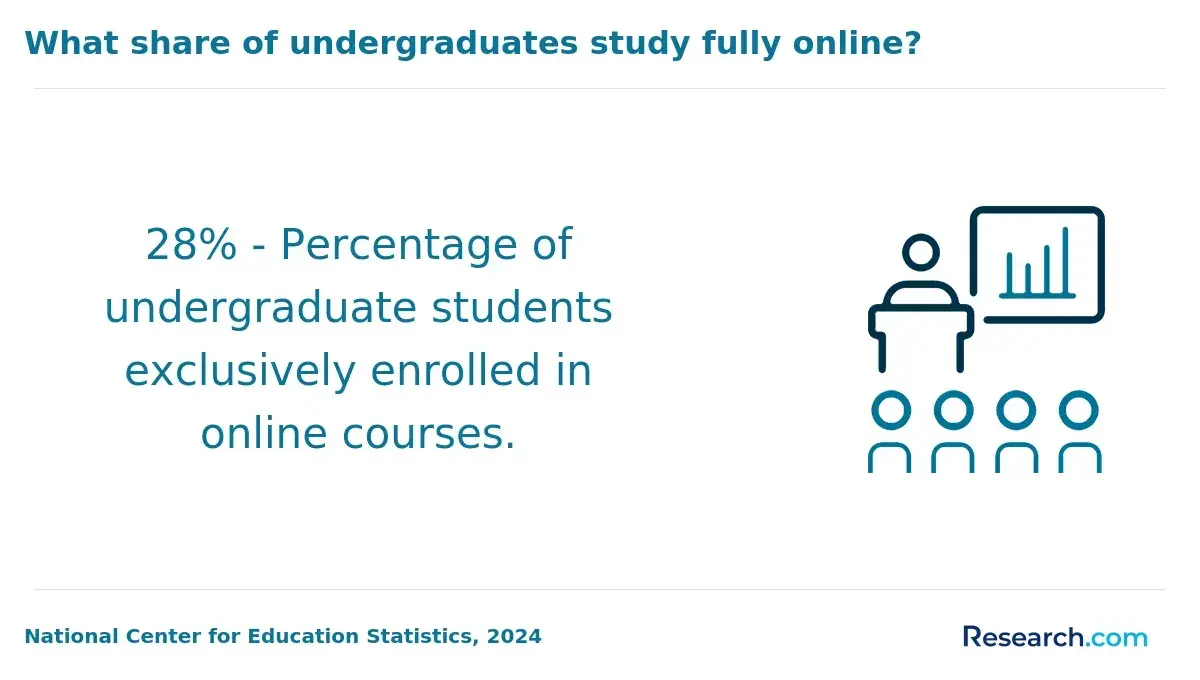
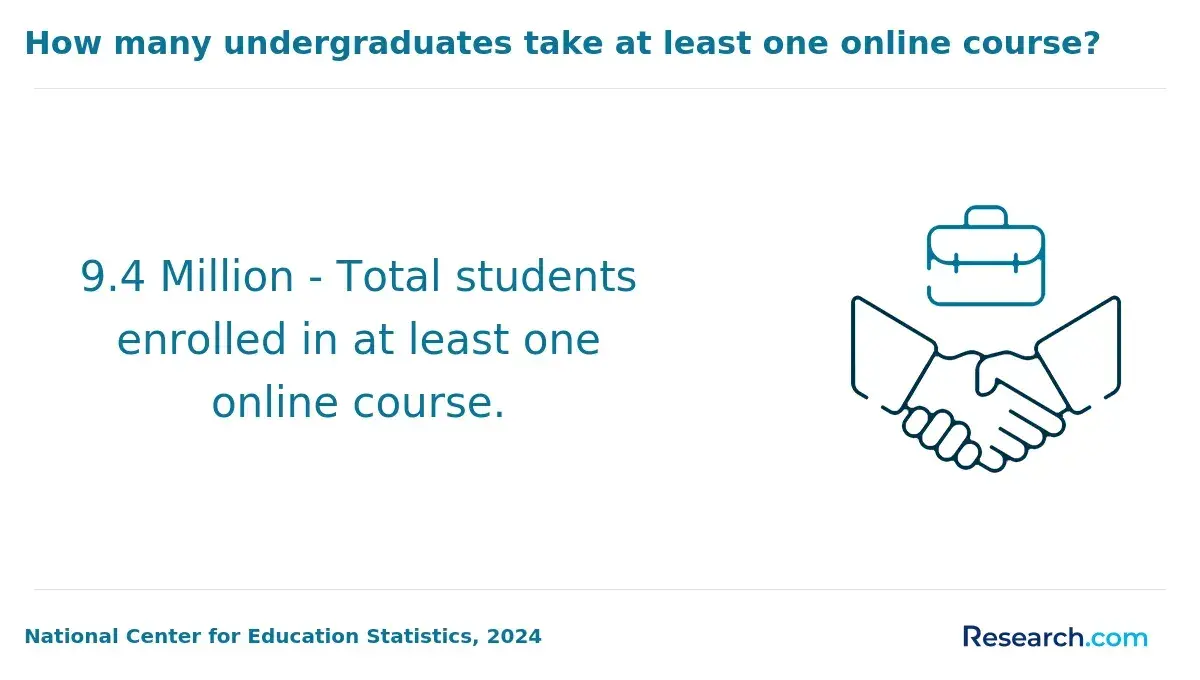
Data from the National Center for Education Statistics (NCES) highlights that non-traditional students—those over 25, working full-time, or balancing family commitments—now represent a significant portion of undergraduate enrollments. No-prerequisite online programs fit this group because they reduce front-end barriers while allowing students to build academic skills during the degree. Readers comparing accessible academic paths may also find the easy university guide useful when evaluating workload and program design.
Before choosing a no-prerequisite esports business program, focus on four factors:
- Admission clarity: Confirm whether “no prerequisites” applies to the major, the university, or both.
- Academic quality: A flexible entry policy should not mean a weak curriculum. Look for business fundamentals, esports industry coursework, projects, and career preparation.
- Accreditation: Accreditation affects credit transfer, graduate school options, employer recognition, and access to federal financial aid.
- Student support: Advising, tutoring, writing support, career coaching, and technical help are especially important for students entering without recent academic experience.
Which Accredited Online Esports Business Bachelor's Programs Accept Students With No Prior College Coursework?
Some regionally accredited institutions offer online esports business bachelor’s programs or related pathways that accept applicants without prior college coursework. These programs are most useful for students starting from high school completion, a GED, or a similar credential rather than transferring from another college.
When comparing programs, do not rely only on the phrase “no prior college required.” Verify three items directly with the admissions office: whether the institution is accredited, whether the esports business major has separate entry rules, and whether foundation or bridge courses are required after admission.
- Liberty University: Liberty offers a fully online bachelor’s in esports business that accepts applicants with only a high school diploma or equivalent. The program features an open-admission policy and does not require previous college credits. Students may also access financial aid options and support services such as tutoring and career counseling.
- Athenaeum University: Athenaeum provides an online esports business degree designed for students without prior college experience. The program does not require formal prerequisites but offers bridge courses to help students transition into higher education. The institution is regionally accredited and has approximately 700 online learners enrolled.
- Southern New Hampshire University (SNHU): SNHU’s online esports business bachelor’s degree features an open admission policy that allows students without prior college credits to enroll. The school is regionally accredited and provides transfer credit options, financial aid, and academic advising for nontraditional students.
- Fullerton Online University: Fullerton Online University provides an esports business program with a pathway for students who lack prior coursework. It offers optional foundational courses alongside the main curriculum, is regionally accredited, and emphasizes career-focused outcomes through industry partnerships within the esports sector.
- Equinox State University: Equinox welcomes students with no formal prerequisites into its online esports business degree program. The school uses a primarily open-enrollment model and includes preparatory modules for students who want additional academic readiness. Equinox is regionally accredited and supports learners through financial aid and customizable learning plans.
Because esports business is a specialized and still-developing academic area, students should be especially careful when evaluating program claims. Use NCES College Navigator or College Scorecard to confirm institutional details, then ask the school for the exact degree name, total credits, course list, tuition and fee schedule, transfer policy, and career services available to online students. If you are also comparing accelerated online degree structures in other fields, the fast track psychology degree resource can help you understand how compressed online programs are typically organized.
How Do Open-Admission Policies in Online Esports Business Programs Differ From Traditional Selective Admissions?
Open-admission policies prioritize access. In many online esports business bachelor’s programs, applicants can enroll after meeting basic requirements, usually a high school diploma or equivalent. Traditional selective admissions, by contrast, may evaluate GPA, standardized test scores, essays, recommendations, prior college performance, or relevant experience before deciding whether to admit a student.
This difference affects more than the application process. It can shape the classroom environment, advising model, first-year curriculum, and the level of academic support students need. Open-admission programs often serve a wider range of learners, including students who have strong work experience but limited recent academic preparation.
- Open admission: Removes most competitive screening and is designed for broad access. It is often a good fit for adult learners, career changers, and first-generation students.
- Selective admission: Uses academic or professional criteria to limit entry. These programs may assume stronger preparation before the first course begins.
- Rolling admission: Reviews applications continuously rather than only at fixed deadlines. Rolling admission can exist in either open or selective programs.
- Conditional admission: Allows students to start after agreeing to complete placement requirements, foundation courses, or academic performance benchmarks.
Institutions such as Southern New Hampshire University explicitly present their open-admission policy on their admissions webpages, with IPEDS enrollment data confirming their open accessibility. Schools including Columbia College and American Public University System also employ open admission, emphasizing flexibility and broad access.
Students should not assume that open admission means “easy degree.” A credible esports business bachelor’s program still requires college-level writing, quantitative reasoning, teamwork, project management, and business analysis. Reputable programs often use orientation courses, developmental support, tutoring, and structured advising to help students build those skills after enrollment.
The industry context also matters. With esports revenues surpassing $1 billion in 2023, more students are interested in esports-related careers, but job outcomes depend on the quality of the degree, relevant experience, networking, internships, portfolio work, and the student’s ability to connect business knowledge to real esports operations.
One professional who pursued an online esports business bachelor’s program without prerequisites described initial uncertainty about managing coursework alongside work and family obligations. He shared, “Starting without prior college experience was intimidating, but the school’s orientation and tutoring services helped me adjust quickly.” His experience shows why the support model is as important as the admission policy: accessible entry helps students start, but advising and academic structure help them persist.
What Are the Typical Enrollment Requirements for No-Prerequisite Online Esports Business Bachelor's Programs?
“No prerequisite” does not mean “no documentation.” Most online esports business bachelor’s programs still require standard university enrollment materials. The difference is that applicants are not expected to complete major-specific courses before admission.
Typical requirements include:
- Proof of education: Students typically must verify high school completion through a diploma or equivalent credential such as a GED. This remains the baseline requirement for most bachelor’s programs, even when there are no business or esports prerequisites.
- Official transcripts: Schools may request high school transcripts and any prior college transcripts, even if previous college credit is not required. If you attended college before, submit every transcript so the school can evaluate possible transfer credit.
- English language skills: Applicants whose first language is not English often need to provide standardized test scores such as TOEFL or IELTS. This helps the school confirm that the student can complete reading, writing, discussion, and project-based coursework.
- Age requirements: Most institutions require students to be at least 18 years old or to have parental consent if younger. Online enrollment also usually requires students to agree to technology, conduct, and financial responsibility policies.
- Identity and residency documents: Schools may ask for valid identification, residency information, or citizenship status, especially when determining tuition, financial aid eligibility, or state authorization.
- Placement or readiness steps: Some programs use placement assessments, orientation modules, or advising reviews. These are not always “prerequisites,” but they can influence which first courses you take.
- Supplemental materials: Public colleges may use fewer application materials, while private nonprofit schools may request a personal statement, recommendation, or admissions interview even when they waive formal academic prerequisites.
Applicants without a traditional high school diploma can often use GED certification or another approved equivalency route. Some students may also begin through community college, dual enrollment, or adult education pathways before transferring later.
The best way to avoid delays is to prepare early. Gather transcripts, English proficiency evidence if needed, valid ID, and any prior college or professional training records before applying. Students exploring different online formats may also compare admissions expectations in related programs, including accelerated mft programs, to understand how documentation and pacing can vary by field.
Are No-Prerequisite Online Esports Business Bachelor's Programs Available at Regionally Accredited Universities?
Yes, no-prerequisite or low-barrier online esports business bachelor’s options are available at some regionally accredited universities, although the number of dedicated esports business degrees remains limited. Because esports is a specialized field, students may also see related programs in sports management, business administration, entertainment management, digital marketing, or media with esports concentrations.
Regional accreditation matters because it is widely recognized in U.S. higher education. It can affect whether credits transfer, whether a student qualifies for federal student aid, whether employers recognize the degree, and whether graduates can apply to certain graduate programs. National accreditation may be legitimate in some contexts, especially for vocational or career-focused institutions, but regional accreditation generally provides broader academic mobility.
When evaluating a no-prerequisite program, use the U.S. Department of Education’s and CHEA’s databases to confirm the school’s accreditation. Then verify that the specific online program is offered by the accredited institution and is eligible for the type of aid or transfer pathway you may need.
- Accreditation type: Confirm that the institution holds regional accreditation from a recognized agency such as MSCHE, HLC, or WSCUC through official directories.
- Program legitimacy: Make sure the esports business degree, concentration, or pathway appears in the school’s official catalog, not only in advertising materials.
- Credit transfer: Ask whether credits from the program are likely to transfer and whether any prior coursework you have can reduce your degree length.
- Financial aid eligibility: Confirm whether the institution and program qualify for federal student aid. Accreditation is a major factor, but program eligibility should still be verified.
- Admission language: Look for clear statements about no-prerequisite, open-enrollment, or first-year admission policies so you are not surprised by hidden requirements.
A professional who completed an online esports business bachelor’s degree from a regionally accredited university shared that starting without prior college experience felt daunting, but the open admissions policy created a practical route into a growing field. She initially worried about whether her prior credits would transfer, then worked with advisors who confirmed that her credits counted fully. She also found the financial aid process more straightforward because of the school’s recognized accreditation. Her experience illustrates the ideal balance: accessible admission paired with academic credibility and structured support.
How Do Students Without Academic Prerequisites Catch Up in Online Esports Business Bachelor's Courses?
Students who enter without academic prerequisites catch up by using the academic supports built into the program and by choosing a realistic first-term course load. The biggest mistake is assuming that “no prerequisites” means no preparation is needed. Business courses still involve writing, presentations, data interpretation, budgeting, marketing analysis, and team projects.
Reputable programs usually help students build a foundation before or during early coursework:
- Developmental courses: Preparatory classes may cover business basics, math, writing, communication, and study skills. Some programs also introduce esports industry structures, including teams, leagues, events, sponsorships, and content platforms.
- Bridge programs: Institutions such as Full Sail University and Southern New Hampshire University have developed specialized bridge pathways. These help students strengthen academic readiness before moving into more advanced courses.
- Tutoring services: Scheduled or on-demand virtual tutoring can help students work through accounting concepts, research assignments, presentations, and business writing.
- Writing centers: Online writing support is especially useful because esports business courses often require proposals, market analyses, case studies, and reports.
- Peer mentoring: Mentors can help new students understand discussion boards, online deadlines, group work expectations, and instructor communication norms.
- Self-assessment tools: Readiness assessments can identify gaps in time management, writing, math, or technology skills before those gaps affect grades.
- Proactive advising: Advisors can help students avoid overloading their first term, choose the right sequence of courses, and plan around work or family obligations.
According to the National Survey of Student Engagement, students actively using academic supports are about 30% more likely to graduate on time. The practical takeaway is clear: support services are not a backup plan for struggling students; they are part of how no-prerequisite students build momentum from the start.
What Support Services Help No-Prerequisite Students Succeed in Online Esports Business Bachelor's Programs?
No-prerequisite students often succeed when the program combines flexible enrollment with active support. This is especially important for online learners who may be working full-time, caring for family members, returning after years away from school, or learning college systems for the first time.
- Academic advising: Advisors help students choose courses, plan degree timelines, understand prerequisites that may appear later in the curriculum, and avoid taking too many demanding classes at once.
- Orientation and onboarding: A strong online orientation should explain the learning platform, assignment submission, discussion expectations, academic integrity rules, technology requirements, and where to get help.
- Tutoring and writing support: These services help students handle business math, research, writing, presentations, and project-based assignments common in esports business coursework.
- Mental health resources: Online learners may need counseling, stress management workshops, or 24/7 crisis support through telehealth, especially when balancing school with work and family obligations.
- Disability accommodations: Programs should provide accessible learning materials, exam accommodations, assistive technologies, and ADA-compliant processes for eligible students.
- Career counseling: Career centers can support resume development, interview preparation, virtual job fairs, internship searches, and networking within the esports, gaming, sports, and digital media sectors.
- Technical support: Reliable help desk access matters because online students depend on learning platforms, video tools, library databases, and digital collaboration software.
Nationally recognized programs highlighted by U.S. News Best Online Bachelor’s rankings emphasize asynchronous support options that allow students to seek guidance at their convenience. This flexibility is essential, as over 60% of online students work full-time while earning their degrees. For no-prerequisite students, the strongest programs are not simply easy to enter; they are structured to help students stay enrolled and complete the degree.
Can Transfer Credits or Prior Learning Assessments Replace Prerequisites in Online Esports Business Programs?
Yes. In many online esports business bachelor’s programs, transfer credits and Prior Learning Assessments (PLAs) can reduce or replace introductory coursework that might otherwise function like prerequisites. This can shorten the path to graduation and reduce tuition costs, especially for adult learners with previous college, military training, certifications, or relevant work experience.
Transfer credit usually applies to courses completed at regionally accredited institutions. PLA may award credit for documented learning outside a traditional classroom. Schools with flexible PLA policies commonly consider credit recommendations from the American Council on Education (ACE), which evaluates certain workplace learning and military training. CLEP and DSST exams may also apply to general education, business, communication, or other foundational areas.
- Transfer credit limits: Some schools, including Thomas Edison State University, Charter Oak State College, and Excelsior College, permit up to 90 transfer credits, although limits vary by institution and degree program.
- Approved PLA assessments: CLEP and DSST exams can sometimes replace introductory courses, but students should confirm the exact exam list and minimum scores with the school before paying for a test.
- ACE credit framework: ACE recommendations can support credit awards for eligible military or workplace learning, which may benefit students entering esports business from management, logistics, media, event, or technical roles.
- Documentation requirements: Students may need transcripts, certificates, licenses, military records, employer training records, or portfolios to demonstrate prior learning.
- Institutional policy differences: One school may award generous PLA credit while another may limit it sharply. Always ask how credits apply to the degree plan, not just whether they are accepted.
Recent data indicate that over 70% of adult learners use PLA or transfer credits when enrolling in online undergraduate programs, highlighting the importance of these pathways for affordability and time to completion. Students who are comparing broader education costs may also want to review how much does it cost to get a business degree online when estimating the full financial impact of credits, fees, and program length.
For students considering communication-heavy career paths in esports, such as media relations, brand strategy, or audience engagement, an online master's in communication can provide useful context for longer-term academic planning after the bachelor’s degree.
What Is the Average Time to Completion for No-Prerequisite Online Esports Business Bachelor's Degree Programs?
No-prerequisite online esports business bachelor’s programs usually follow the standard 120-credit-hour structure common in U.S. undergraduate education. The time to completion depends less on the absence of prerequisites and more on enrollment pace, transfer credit, term length, and whether the program uses traditional or competency-based formats.
- Credit requirements: Bachelor’s degrees generally require 120 credit hours, which is the main basis for estimating completion time.
- Full-time enrollment: Students who enroll full time often finish in about four years if they start without transfer credit and maintain continuous progress.
- Part-time enrollment: Students balancing work, caregiving, or military obligations may take longer, especially if they enroll in one or two courses per term.
- Accelerated terms: Some accredited online programs, including institutions like Southern New Hampshire University and Western Governors University, offer accelerated terms of eight weeks and year-round enrollment, which can help motivated students move faster.
- Competency-based formats: These programs allow students to demonstrate mastery at their own pace. Students with strong prior knowledge may progress more quickly, while others may need more time.
- Transfer credit: Even in no-prerequisite programs, prior college credits, CLEP, DSST, PLA, or military credits can reduce the number of credits still needed.
- Graduation rates: IPEDS data indicate that open-admission programs usually have lower four-year graduation rates compared to selective institutions, but they also provide broader access to students who might otherwise be excluded.
- Cost impact: A longer timeline can increase total tuition, fees, and opportunity costs. A cheaper per-credit rate may not be cheaper overall if the program requires extra terms or foundation courses.
Before enrolling, ask the school for a personalized degree plan showing your expected credits, transfer credit evaluation, required courses, estimated graduation date, and total projected cost. Students comparing financial aid and flexible online degree structures may also find information on online interdisciplinary studies degree financial aid useful when thinking through affordability and completion planning.
How Does Tuition Compare Between No-Prerequisite and Standard Online Esports Business Bachelor's Programs?
Tuition for online esports business programs in 2026 generally ranges from $18,000 to over $90,000 for a full degree. The biggest price differences usually come from institution type, brand recognition, specialization, fees, and program length—not simply from whether the program has prerequisites.
No-prerequisite programs may be affordable because they are designed for broad access, but that is not always true. Some private or for-profit schools with flexible admissions may charge higher tuition or add fees for technology, course materials, student services, or foundation courses.
| Cost factor | How it affects no-prerequisite programs | What students should check |
| Per-credit tuition | May be comparable to or slightly below selective programs at some public or access-focused institutions. | Ask for the exact per-credit rate and whether online students pay different tuition. |
| Foundation courses | Students without recent academic preparation may be encouraged or required to take extra courses. | Confirm whether these credits count toward the 120-credit degree total. |
| Fees | Online, technology, student service, graduation, and course material fees can raise the total cost. | Request a full tuition-and-fee estimate, not just advertised tuition. |
| Transfer credit | Generous transfer or PLA policies can reduce the number of credits you must pay for. | Get a written transfer evaluation before committing when possible. |
| Program length | Part-time enrollment or repeated courses can increase total cost over time. | Review the degree plan and satisfactory academic progress requirements for financial aid. |
Public universities commonly offer more stable and generally lower tuition rates, particularly for in-state students. Private nonprofit schools may cost more but can offer strong advising, career services, or industry-connected coursework. For-profit institutions may provide flexibility and frequent start dates, but students should carefully review accreditation, outcomes, debt levels, transfer policies, and refund rules.
The most reliable comparison is total net cost: tuition, fees, books or digital materials, extra courses, time to completion, transfer credit, grants, scholarships, employer tuition assistance, and loans after aid is applied.
Which Online Esports Business Bachelor's Programs Allow Students To Start Without A High School Diploma Or GED?
Most accredited online esports business bachelor’s degree programs do not allow students to start a bachelor’s degree without a high school diploma, GED, HiSET, or approved equivalent. While many programs are “no prerequisite” for the major, bachelor’s-level admission still normally requires proof of secondary education or equivalency.
Many accredited programs do accept a GED or HiSET instead of a traditional high school diploma. This can help adult learners, career changers, and students with nontraditional educational histories enter college without completing a conventional high school route.
- GED or HiSET acceptance: Many open-admission online universities accept high school equivalency credentials for bachelor’s admission.
- Conditional enrollment: Some schools may allow provisional acceptance while final documents are submitted or while students complete placement steps, but policies vary.
- International applicants: Students educated outside the United States may need credential evaluation to show that their secondary education is comparable to U.S. high school completion.
- Accreditation requirements: Even with flexible admission, students should prioritize accredited institutions because accreditation affects financial aid, transfer credit, and degree recognition.
- Financial aid access: GED holders are eligible for most FAFSA-based aid, but students must still meet enrollment, citizenship or eligible noncitizen, and satisfactory academic progress requirements.
- Support services: Students entering through equivalency pathways should look for tutoring, advising, orientation, and career counseling designed for adult and first-generation learners.
- Alternative first steps: Students without a diploma or equivalency credential may need to complete a GED, HiSET, adult education program, or approved preparatory pathway before bachelor’s admission.
The safest approach is to ask the admissions office one direct question: “Can I enroll in this bachelor’s program without a high school diploma, GED, HiSET, or evaluated international equivalent?” If the answer is unclear, request the policy in writing before paying application or enrollment fees.
What Graduates Say About Their Online Esports Business Bachelor's Degree Program With No Prerequisites
Graduate feedback about no-prerequisite online esports business programs often centers on three themes: access, affordability, and career relevance. These testimonials are useful, but prospective students should treat them as personal experiences rather than guaranteed outcomes. Career results vary based on location, prior work history, networking, internships, portfolio strength, and the esports job market.
- Vance: "I chose the online Esports Business bachelor's degree program with no prerequisites because I wanted a flexible path that wouldn't hold me back with unnecessary requirements. The cost was surprisingly affordable compared to traditional routes, which made it easier to commit without financial strain. Since graduating, I've secured a management role in an esports organization, proving that this degree gave me the practical edge I needed."
- Marvin: "Reflecting on my journey, the no-prerequisite structure of the online Esports Business bachelor's degree was crucial-it allowed me to start fresh without prior credits or experience. The investment was reasonable and felt justified as it opened doors to industry connections and real-world projects. Professionally, it has transformed my understanding of the esports market and significantly boosted my credibility in the business."
- Parker: "Enrolling in the online Esports Business bachelor's degree program with no prerequisites was a strategic move to launch my career quickly and efficiently. The cost-effectiveness of the program helped me avoid large debts while still gaining comprehensive knowledge. Today, I confidently lead marketing initiatives in a top esports firm, and I credit this degree for equipping me with the skills and insight necessary to thrive."
When reading graduate comments, look for details that can be verified: internships, capstone projects, employer partnerships, career services, alumni networks, and examples of roles graduates entered. A no-prerequisite program can be a practical starting point, but the strongest outcomes usually come from combining the degree with hands-on esports, business, marketing, event, media, or operations experience.
Other Things You Should Know About Esports Business Degrees
Students in no-prerequisite online esports business bachelor's programs can access a variety of financial aid options, including federal grants, loans, and work-study opportunities for those who qualify. Many institutions also offer scholarships specifically for esports or business students, as well as payment plans to ease tuition costs. It is important to complete the Free Application for Federal Student Aid (FAFSA) to determine eligibility for federal assistance.
Graduates of no-prerequisite online esports business programs can pursue careers such as esports marketing managers, event coordinators, team managers, sponsorship coordinators, and business analysts within the gaming industry. The degree prepares students to handle business operations in esports organizations, media companies, and tournament hosting firms. Entry-level roles often lead to advancement as professionals build industry experience and networks.
Quality no-prerequisite esports business programs hold regional or national accreditation recognized by the U.S. Department of Education or the Council for Higher Education Accreditation. Accreditation assures that the program meets academic standards, delivers relevant curriculum, and provides adequate student support services. Prospective students should verify accreditation status through official databases to ensure their degree will be respected by employers and other institutions.
References
- What Are Some Benefits of an Online Bachelor's Degree? https://www.workforceedge.com/blog/what-are-benefits-online-bachelors-degree/
- The Advantages of Earning a Business Degree Online https://www.strategydriven.com/2023/05/24/the-advantages-of-earning-a-business-degree-online/
- How Fast Can I Finish an Online Master's Degree? - ValueColleges.com https://www.valuecolleges.com/resources/faqs/how-fast-finish-online-masters-degree/
- What is the Difference Between RPL and Credit Transfer? https://www.asset.edu.au/difference-between-rpl-and-credit-transfer/
- Game Business & Esports Bachelor's Degree https://www.fullsail.edu/degrees/game-business-esports-bachelor
- Esports Management https://online.champlain.edu/degrees-certificates/bachelors-esports-management
- Open Admission Online Colleges: How Do They Work? https://www.accreditedschoolsonline.org/online-colleges/open-enrollment/
- 4 Ways Transfer Students Can Maximize College Credits for Prior Experience https://www.umassglobal.edu/blog-news/4-ways-transfer-students-can-maximize-college-credits-prior-experience
- No diploma? No problem! - Asher College https://asher.edu/no-diploma-no-problem/
- Esport and Digital Game Management, B.S. - University of New Haven https://www.newhaven.edu/business/undergraduate-programs/esport-digital-game-management/index.php