2027 Easiest Online Esports Business Bachelor's Degree Programs That Pay Well: High-Salary Degrees with Simple Admissions

Co-Founder and Chief Data Scientist
Choosing an online esports business bachelor’s degree is not just about finding the easiest application. The better question is whether a program with accessible admissions can still help you build marketable skills for esports operations, marketing, events, sponsorships, analytics, and digital media. With the esports industry expected to exceed $2 billion in annual revenue by 2025, students are looking for programs that are flexible enough to start, practical enough to finish, and credible enough to support career growth.
This guide is for students who want an online bachelor’s path into esports business but do not want unnecessary admissions barriers such as standardized tests, extensive prerequisite coursework, or rigid start dates. It explains which program features can make admission simpler, what “easy” does and does not mean in an online degree, which concentrations may be more accessible, and how graduates can evaluate salary potential, industry fit, and long-term value before enrolling.
Key Benefits of the Easiest Online Esports Business Bachelor's Degree Programs That Pay Well
- Flexible online Esports Business bachelor's programs accommodate busy students with asynchronous classes and part-time options, increasing accessibility and completion rates.
- Many programs feature streamlined admissions, requiring minimal standardized testing and offering direct application paths to ease entry.
- Graduates often enter high-demand roles like event management and marketing, with median salaries exceeding $75,000 annually, ensuring strong return on investment.
Which Online Esports Business Bachelor's Degree Programs Have Simple Admissions?
Online esports business bachelor’s programs with simple admissions usually reduce the number of steps between initial interest and enrollment. That does not mean they accept every applicant or offer less rigorous coursework. It means the school may focus on basic academic readiness, transfer evaluation, and fit for online learning instead of requiring a lengthy traditional application.
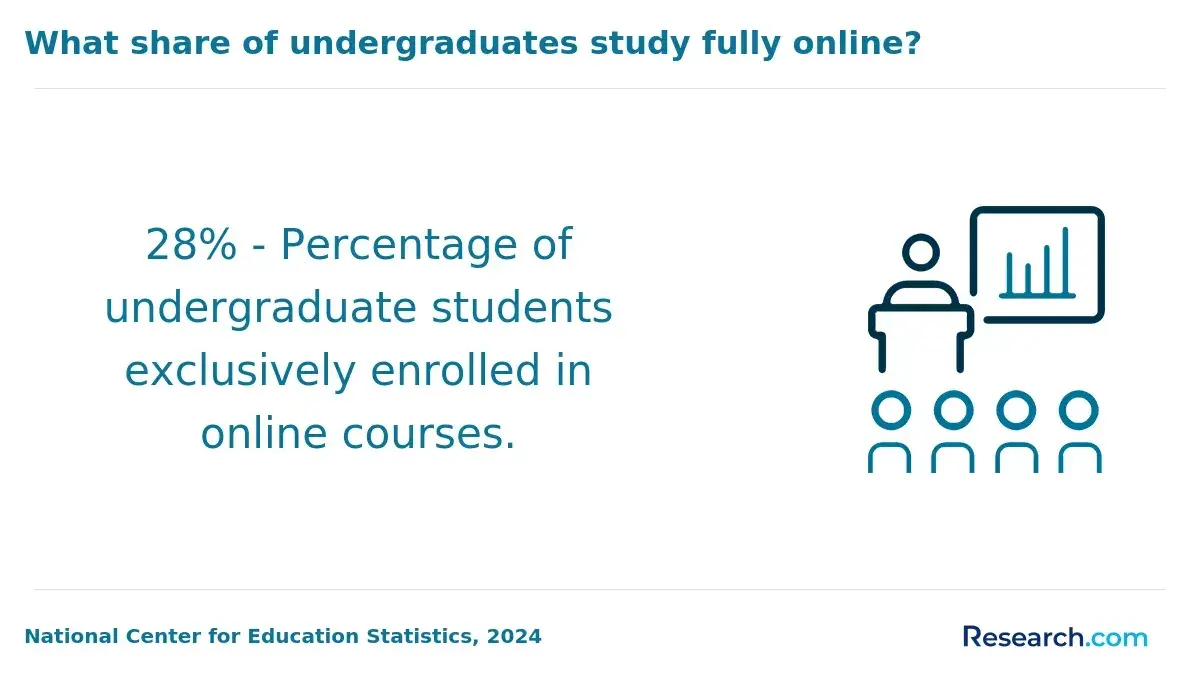
According to the National Center for Education Statistics, nearly 40% of postsecondary institutions offered online degree programs in 2022, and many institutions serving adult and non-traditional learners have adopted more flexible admissions models. For esports business applicants, the most accessible programs often share the following traits:
- Rolling enrollment: Programs may accept applications throughout the year rather than limiting students to one or two annual deadlines. This is useful for working adults, military students, transfer students, and applicants who need time to gather transcripts.
- Minimal prerequisite requirements: Many bachelor’s programs require a high school diploma or equivalent. They may not expect prior esports experience, specialized business coursework, or a technical gaming background.
- Streamlined online application: Some schools limit the application to basic personal information, transcripts, and proof of graduation. Programs that waive essays, interviews, or recommendation letters can be faster to enter.
- Transfer-friendly policies: Students with prior college credits may be able to apply general education, business, communication, or technology credits toward the degree. This can shorten completion time and lower total cost.
- Adult learner support: Programs designed for working students often provide admissions counselors, transcript reviews, and clear degree plans before enrollment, helping applicants understand what they still need to complete.
Students comparing esports business programs should still verify accreditation, tuition, course sequence, faculty experience, internship options, and career support. A simple application is helpful only if the program also leads to a recognized credential. Students who want a broader business foundation before specializing in esports may also compare an online degree in business with esports-focused bachelor’s options.
Applicants who are not ready for a bachelor’s program can also consider an online associates degree as a lower-commitment way to complete foundational coursework before transferring into an esports business bachelor’s program.
Are There Test-Optional Online Esports Business Bachelor's Degrees?
Yes. Test-optional online esports business bachelor’s degrees are increasingly common, especially at institutions that serve transfer students, working adults, and first-generation college students. These programs do not require SAT or ACT scores as a standard part of admission. Instead, they may evaluate high school transcripts, prior college credits, work history, a personal statement, or evidence that the applicant can succeed in an online learning environment.
Test-optional does not always mean “open admission.” Schools may still require a minimum GPA, proof of graduation, official transcripts, English-language documentation for some international applicants, or placement assessments after admission. Students should read the admissions page carefully and ask whether test scores are truly optional or simply not required for applicants who meet certain academic thresholds.
The main advantage is accessibility. Applicants who have been out of school for several years, did not test well, could not access a testing center, or have stronger work experience than test results can still be considered. This can be especially helpful in esports business, where practical skills such as communication, content planning, event coordination, audience analysis, and sponsorship support may matter more than standardized test performance.
However, students should not choose a program only because it is test-optional. Compare total tuition, transfer credit rules, course quality, faculty access, internship availability, and graduate outcomes. If you are exploring other flexible professional programs for comparison, a master in library science can show how different online fields structure admissions, but it is not a substitute for evaluating esports business programs directly.
Are Accelerated Online Esports Business Bachelor's Degree Programs Easier?
Accelerated online esports business bachelor’s programs can be faster, but they are rarely easier. These programs may allow completion in as little as two to three years compared to the usual four, often by using shorter terms, heavier course loads, year-round enrollment, or generous transfer credit policies. The trade-off is intensity. Students cover the same degree requirements in less time, so assignments, exams, group projects, and discussion deadlines arrive more quickly.
Approximately 60% of accelerated degree students report heavier course intensity and tighter deadlines, which means the format may be better suited to students who already have strong study habits. An accelerated program can work well for a student who has transfer credits, predictable weekly availability, employer support, and a clear career goal. It can be a poor fit for someone who is adjusting to college-level writing, working unpredictable hours, or managing major family responsibilities without academic support.
Before choosing an accelerated esports business degree, ask these questions:
- How many hours per week should students expect per course? A compressed term can require daily engagement.
- Are courses asynchronous, synchronous, or mixed? Live sessions may create scheduling conflicts for working students.
- Can students slow down if needed? A flexible pacing policy can prevent withdrawal or burnout.
- How are group projects handled online? Esports business coursework often includes marketing plans, event proposals, and sponsorship projects that depend on team coordination.
- What happens if a student fails or drops a course? In an accelerated sequence, one missed course can delay graduation.
One graduate described the experience as feeling “like a sprint rather than a marathon.” He said the regular deadlines created structure and forced him to stay disciplined, but the pace was difficult to sustain during weeks with multiple projects and exams. His takeaway was clear: the accelerated format was not easier, but it helped him enter the workforce sooner because he was prepared for the workload.
Which Online Esports Business Bachelor's Degree Concentration Is the Easiest to Get Into?
The easiest concentration to enter is usually the one housed within a broader business, marketing, communication, or sport management program rather than a highly selective technical track. In most cases, concentration admission depends on the school’s overall bachelor’s admissions policy, not a separate esports-specific application. Still, some concentrations tend to have fewer technical prerequisites and more flexible academic expectations.
According to recent data, 62% of esports-related business degree programs saw increased enrollment by adopting more open admission policies. Students looking for accessible concentration options may want to compare the following paths:
- Esports Marketing: Often accessible to students with general business, communication, or digital media interests. It usually emphasizes brand strategy, social media, fan engagement, sponsorship messaging, and campaign planning rather than advanced technical skills.
- Event Management: A practical option for students who are organized, deadline-driven, and interested in tournaments, live productions, campus events, and online competitions. It may require fewer specialized prerequisites than analytics or game development tracks.
- Digital Media Management: This concentration can suit students from multiple academic backgrounds because it connects content strategy, audience growth, streaming platforms, and media operations.
- Game Design with Business Applications: This may be accessible when the curriculum focuses on product management, monetization, player communities, or business strategy. It may be more difficult if it requires programming, art portfolios, or design software experience.
- Sports Analytics or Data Management: This can be easier to enter when placed inside a business analytics program that offers introductory data courses. It may be harder if the program expects prior statistics, coding, or database experience.
For students prioritizing ease of admission, esports marketing and event management are often the most approachable because they build on communication, organization, and business fundamentals. Students should still review the full curriculum. A concentration that is easy to enter may not be easy to complete if it includes advanced analytics, production technology, or intensive capstone requirements.
Students comparing different online professional pathways can also review resources such as the best online paralegal programs to understand how accelerated and career-focused programs structure admissions and coursework across fields.
Is an Online Esports Business Bachelor's Degree Easy to Complete?
An online esports business bachelor’s degree can be manageable, but it should not be treated as effortless. The online format removes commuting and may allow students to study around work or family obligations, yet it also requires self-direction. Average online course completion rates hover around 40-50%, which shows that flexibility alone does not guarantee persistence.
Completion is usually easier when the program is well structured and the student has a realistic plan. The most important factors include:
- Course format flexibility: Asynchronous courses let students complete lectures, readings, and assignments on their own schedule. This is helpful for working students, but it also requires a weekly routine.
- Academic support: Tutoring, advising, writing help, technical support, and faculty office hours can make the difference between falling behind and staying on track.
- Predictable workload: Programs with clear syllabi, consistent deadlines, and transparent grading reduce confusion and help students plan ahead.
- Relevant assignments: Esports business programs are easier to stay engaged in when projects resemble real work, such as sponsorship proposals, tournament budgets, social media calendars, audience research, and event operations plans.
- Student motivation: Online students need enough discipline to log in regularly, participate in discussions, and complete work without a fixed classroom schedule.
- Peer connection: Group projects, networking events, student esports clubs, and virtual career sessions can reduce isolation and build professional contacts.
A graduate described the degree as demanding but achievable. She said, “Keeping myself accountable was the biggest hurdle—the freedom was empowering, but also required discipline I didn’t always anticipate.” She found that connecting with faculty and peers helped her stay engaged, while the program’s clear structure made it possible to balance coursework with work. Her conclusion was practical: “It wasn’t easy, but the program’s support and flexible pacing made it achievable while balancing work.”
What Are the Best Industries for Online Esports Business Bachelor's Degree Graduates?
Graduates of online esports business bachelor’s programs can pursue roles in esports, but they should think broadly. The strongest opportunities often sit at the intersection of gaming, entertainment, media, technology, marketing, and live event operations. With industries tied to digital entertainment and sports expected to expand by about 15% in the coming decade, graduates who understand both business fundamentals and esports audiences may have several paths to consider.
Common industries for esports business graduates include:
- Sports and entertainment management: This area includes esports organizations, traditional sports franchises with gaming divisions, entertainment companies, and venue operators. Graduates may support team operations, partnerships, community engagement, ticketing, or fan experiences.
- Media and broadcasting: Streaming platforms, production companies, digital publishers, and broadcasters need professionals who understand audience growth, content scheduling, advertising, and esports programming.
- Technology and software development: Gaming platforms, tournament tools, analytics products, and community software companies may hire business-oriented graduates who can connect user needs with product strategy and revenue goals.
- Marketing and advertising agencies: Agencies serving gaming, lifestyle, technology, and entertainment brands need campaign coordinators, account staff, social media specialists, and partnership support roles with knowledge of esports culture.
- Event planning and management: Esports tournaments, collegiate competitions, conventions, brand activations, and online events require logistics, scheduling, vendor coordination, budgeting, and attendee engagement.
- Collegiate esports and education: Colleges, universities, and student organizations may need staff who can help manage programs, events, recruitment, sponsorships, and campus engagement.
The best industry depends on the student’s strengths. Strong communicators may fit marketing or sponsorship work. Highly organized students may do well in event operations. Data-oriented students may prefer analytics, audience insights, or revenue strategy. Students who want leadership roles should look for programs that include internships, capstone projects, portfolio development, and networking opportunities.
What Are the Highest-Paying Roles with an Online Esports Business Bachelor's Degree?
The highest-paying roles for esports business graduates tend to involve leadership, revenue generation, brand strategy, partnerships, analytics, or large-scale operations. Industry data shows that those holding an esports business bachelor’s degree earn a median annual salary between $65,000 and $120,000, varying by experience and position. Entry-level graduates should not assume they will immediately reach the top of that range, but the degree can support progression into higher-responsibility roles over time.
Roles with strong earning potential include:
- Esports Manager: Oversees team operations, player logistics, staff coordination, travel, vendor relationships, and participation in competitions. Higher pay is more likely in established organizations or leadership roles with budget responsibility.
- Marketing Director: Leads campaigns that promote esports brands, teams, tournaments, or gaming products. This role usually requires experience in digital marketing, audience segmentation, sponsorship activation, and performance measurement.
- Event Coordinator: Plans and executes tournaments, live events, online competitions, and brand activations. Compensation may grow with experience managing larger events, vendors, budgets, and production teams.
- Sponsorship Manager: Builds and maintains partnerships with brands, advertisers, and investors. Because sponsorships directly affect revenue, professionals with strong negotiation and relationship-management skills can become especially valuable.
- Content Strategist: Develops content plans that attract and retain esports audiences across streaming, social, video, and community platforms. Strong candidates combine creativity with analytics and platform knowledge.
- Business Development Specialist: Identifies new revenue opportunities, strategic partnerships, and market expansion possibilities for teams, platforms, agencies, or event companies.
Students who want higher-paying roles should build evidence of results before graduation. Useful portfolio items include sponsorship pitch decks, campaign reports, event budgets, social media analytics summaries, tournament operations plans, and case studies from internships or capstone projects. In esports business, employers often want proof that a candidate can turn audience interest into measurable outcomes.
What Is the Long-Term Career Growth for an Online Esports Business Bachelor's Degree?
An online esports business bachelor’s degree can support long-term career growth when graduates use it as a foundation rather than a final credential. Employment in related fields like entertainment and sports management is projected to grow about 8% over the next decade, suggesting continued demand for professionals who understand events, audiences, sponsorships, operations, and digital engagement.
Career growth often follows a progression from coordinator or specialist roles into management, strategy, or revenue-focused positions. A graduate might begin in event support, community management, marketing coordination, content operations, or partnership assistance. With experience, that person may move into roles overseeing campaigns, teams, budgets, sponsors, or business development initiatives.
To improve long-term prospects, graduates should keep building skills after the bachelor’s degree. Valuable add-ons may include certifications in digital marketing, project management, analytics, social media strategy, or event operations. Professionals who want broader leadership preparation may later consider an MBA in operations management to strengthen their understanding of systems, logistics, process improvement, and organizational decision-making.
The esports market changes quickly. Platforms, monetization models, audience behavior, league structures, and sponsor expectations can shift. Graduates who remain adaptable, data-informed, and professionally connected are more likely to maintain career momentum and improve esports business bachelor degree salary potential over time.
What Is the Hardest Part of an Online Esports Business Bachelor's Degree?
The hardest part of an online esports business bachelor’s degree is usually not admission. It is sustaining consistent performance in a flexible but self-directed learning environment. According to the National Center for Education Statistics, about 40% of students in fully online programs face difficulties finishing their courses. In esports business programs, those challenges can be intensified by group projects, business writing, analytics assignments, and the need to stay current with a fast-moving industry.
Common hurdles include:
- Time management: Online students must plan coursework around jobs, family responsibilities, and personal commitments. Without a fixed classroom schedule, deadlines can be easy to underestimate.
- Maintaining motivation: Students may start with enthusiasm for esports but struggle with required business courses such as accounting, management, research, economics, or analytics. Motivation needs to extend beyond gaming interest.
- Navigating online platforms: Learning management systems, video tools, discussion boards, proctored exams, collaboration software, and digital submissions can create friction for students who are not comfortable with technology.
- Balancing responsibilities: Many online students are working adults. Heavy weeks with exams, group projects, and work obligations can lead to burnout without advance planning.
- Staying engaged: Online students may need to be intentional about building relationships with classmates, faculty, career staff, and industry contacts.
- Completing difficult courses: Difficult courses in esports business management programs may involve budgeting, market research, data interpretation, sponsorship strategy, or legal and ethical issues in sports and entertainment.
Students can reduce these challenges by choosing a program with strong advising, clear course calendars, accessible faculty, technical support, and career-focused assignments. Before enrolling, ask whether the school offers orientation for online learners, early alert systems for struggling students, and opportunities to connect with esports employers or alumni. Students comparing other technical online pathways may also review an online bachelor's in electrical engineering to see how different fields handle online rigor and student support.
Is an Online Esports Business Bachelor's Degree Worth It?
An online esports business bachelor’s degree can be worth it for students who want a business-oriented role in gaming, esports, entertainment, media, sponsorships, or events and who need the flexibility of online study. These programs typically offer simplified admissions, broad access for students from different academic backgrounds, and scheduling options that make it possible to study while working. According to the U.S. Bureau of Labor Statistics, careers related to digital entertainment and sports management are expected to grow rapidly, with median salaries often between $60,000 and $90,000 annually.
The degree is most valuable when it provides more than esports branding. Strong programs should teach transferable business skills: marketing, management, finance basics, analytics, communication, event planning, digital media, and strategic decision-making. Those skills can apply inside esports and in adjacent industries if the job market shifts.
Students should be cautious if a program is easy to enter but weak on outcomes. Before committing, review accreditation, total program cost, transfer credit policies, graduation requirements, faculty background, internship support, career services, and alumni pathways. Ask whether students complete portfolio projects that employers can evaluate. Also consider whether the curriculum prepares you for the role you actually want. A student interested in broadcasting, game design, software, or competitive coaching may need specialized training beyond an esports business degree.
In short, the degree is worth considering if it matches your career target, budget, learning style, and need for flexibility. It is less compelling if you are choosing it only because admissions are simple or because you enjoy esports as a fan.
What Graduates Say About the Easiest Online Esports Business Bachelor's Degree Programs That Pay Well
- : "“Choosing an online esports business bachelor’s degree with straightforward admissions was a game-changer for me. The ease of enrollment allowed me to start my studies without the usual stress, and the affordable tuition made it feasible while working part-time. This degree not only boosted my confidence but also opened doors to high-paying roles in the esports industry faster than I expected.” — Vance"
- : "“I was drawn to an online esports business bachelor’s program because of the low costs and simple admissions process, which suited my busy schedule perfectly. Looking back, the financial relief of paying reasonable fees combined with the quality education helped me transition smoothly into a lucrative career. This path allowed me to invest in my future without overwhelming debt or excessive hurdles.” — Marvin"
- : "“Pursuing an online esports business bachelor’s degree through an easy admission program was a strategic decision to minimize complications and expenses. The cost savings significantly impacted my financial outlook, enabling me to focus on developing skills instead of stressing over loans. Professionally, this degree has positioned me well to access rewarding job opportunities that have increased my earning potential substantially.” — Parker"
Other Things You Should Know About Esports Business Degrees
Online Esports Business bachelor's degree programs in 2027 emphasize skills in sports management, digital marketing, analytics, and event planning. Students learn to navigate the unique challenges of the esports industry, gaining skills applicable to careers in esports management, tournament organization, and partnership development.
In 2027, curriculum flexibility in online Esports Business programs allows students to tailor their education to fit their schedules, enhancing learning through asynchronous modules, diverse specializations, and practical experiences. This flexibility is particularly beneficial for balancing studies with professional or personal commitments.
Online formats allow students to balance studies with work or other commitments by offering asynchronous coursework and accessible resources. This flexibility is especially valuable in esports, where industry professionals may want to pursue education without pausing their careers.
References
- BA (Hons) International Esports Business & Digital Media https://britishesports.org/esports-and-education/esports-courses/ba-hons-international-esports-business-digital-media/
- Hitmarker is the largest gaming and esports jobs platform in the world https://hitmarker.net/
- Online Bachelor of Business Administration and Digital Innovation with Sports and eSports Management https://www.global-business-school.org/programs/bachelor-europe-bachelor-of-business-administration-online/online-bachelor-of-business-administration-and-digital-innovation-with-sports-and-esports-management/
- Everything You Need to Know About a Professional Esports Career https://esportstower.com/news/everything-you-need-to-know-about-a-professional-esports-career/
- Career opportunities in the esports industry (infographic) https://brighterbox.com/blog/article/career-opportunities-esports-industry-infographic
- Esports Business Management https://www.keele.ac.uk/study/undergraduate-2026/undergraduatecourses/esportsbusinessmanagement/
- Esports Careers Guide: The Best Jobs in Esports https://bigcreative.education/esports-careers-guide-the-best-jobs-in-esports/
- Turn Your Passion into a Lucrative Esports Management Career https://esports-management-bachelor-degree.pages.dev/blog/turn-your-passion-into-a-lucrative-esports-management-career
- BS in Esports and Industry Content Management https://www.neumann.edu/academics/undergrad/bs-esports-and-industry-content-management
- Gaming and Esports Careers with Full Sail Degrees - The Hub https://hub.fullsail.edu/articles/gaming-and-esports-careers-with-full-sail-degrees