2027 Online Esports Business Bachelor's Degrees for Veterans and Military Students

Co-Founder and Chief Data Scientist
Choosing an online esports business bachelor’s degree as a veteran, active-duty service member, reservist, or military family member is not just a school decision. It is a benefits, scheduling, transfer credit, and career-transition decision. The right program can help you turn military experience in leadership, operations, communications, logistics, technology, and team coordination into business skills for a growing digital entertainment sector. The wrong program can waste GI Bill benefits, limit transfer credit, or leave you with a credential employers may not value.
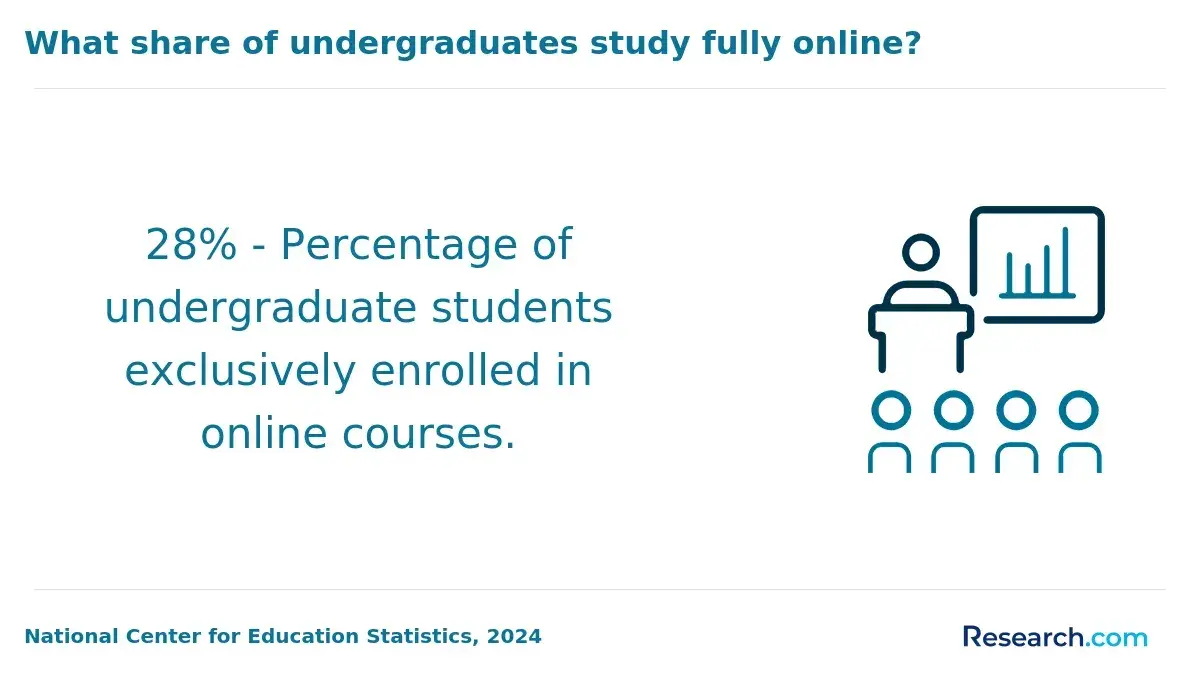
Online learning is especially relevant for military-affiliated students because duty schedules, deployments, relocation, family responsibilities, and civilian job searches rarely fit a traditional campus calendar. With online education growing rapidly, 58% of veterans pursuing higher education now favor distance learning to fit their schedules and responsibilities. Esports business programs can be a practical match for learners who want to work in event operations, marketing, sponsorships, team management, content strategy, venue management, or gaming-related business roles.
This guide explains how online esports business bachelor’s degrees work for military students, what to check before using benefits, how accreditation affects degree value, whether military training may count for credit, and how to evaluate flexible programs without overlooking cost, support services, and career outcomes.
Key Benefits of Online Esports Business Bachelor's Degrees for Veterans and Military Students
- Online esports business degrees offer flexible scheduling, enabling veterans and military students to balance coursework with active duty, deployments, or transitioning to civilian life effectively.
- Programs accessible from any location support continuous education despite frequent relocations or deployments, critical for maintaining progress throughout military service.
- These programs provide tailored resources aiding career transition and growth, with regional accreditation ensuring transferability and recognition for future employment or graduate studies.
How Do Online Esports Business Degrees Work for Service Members?
Online esports business bachelor’s degree programs for service members usually deliver lectures, assignments, discussions, exams, and advising through a learning management system. Students complete general education courses, business core courses, and esports-focused coursework without having to attend a fixed campus location. This format is useful for learners who may be stationed away from a college campus, transferred during a term, or balancing coursework with irregular duty hours.
Most programs use one of two learning models. Asynchronous courses let students watch recorded lectures, review readings, and submit assignments by posted deadlines. Synchronous courses require live attendance for certain class meetings, presentations, or discussions. Many military-friendly programs combine both, offering recorded materials for flexibility while using scheduled sessions for collaboration and instructor interaction.
Coursework typically connects business fundamentals with the esports industry. Students may study marketing, management, accounting, communications, digital media, event planning, sponsorships, audience development, and esports operations. The strongest programs do not treat esports as only gaming culture; they teach it as a business ecosystem involving revenue models, brand partnerships, live and virtual events, media rights, community engagement, and organizational strategy.
For active-duty students, the most important program features are not just online access but operational flexibility. Before enrolling, ask whether the school offers deployment accommodations, extended deadlines, military leave policies, mobile-friendly course access, and advisors trained in military benefits. Some students researching flexible online esports business degrees for veterans and active service members also compare unrelated online credential pathways, such as online BCBA certification options, to understand how different online programs handle accreditation, pacing, and professional requirements.
Are Online Esports Business Degrees for Military Students Accredited?
Yes, online esports business degrees can be accredited, but students should verify accreditation carefully before applying or using military education benefits. Accreditation means an external accrediting body has reviewed the institution or program for academic quality, faculty qualifications, student support, curriculum standards, and institutional stability. For military-affiliated students, this matters because accreditation can affect credit transfer, graduate school eligibility, employer recognition, and access to federal or VA education benefits.
At a minimum, the college or university should hold institutional accreditation from a recognized accreditor. Examples include the Higher Learning Commission (HLC), Middle States Commission on Higher Education (MSCHE), or the Southern Association of Colleges and Schools Commission on Colleges (SACSCOC). If the esports business degree is housed within a business school, business-related accreditation may also apply through organizations such as the Accreditation Council for Business Schools and Programs (ACBSP) or the Association to Advance Collegiate Schools of Business (AACSB).
Students should understand the difference between institutional accreditation and programmatic accreditation. Institutional accreditation applies to the school as a whole. Programmatic accreditation applies to a specific department or program, when available. Esports business is often offered as a concentration within business, sport management, entertainment management, or digital media, so the accreditation status may be tied to the broader college or business unit rather than the esports label itself.
Accreditation is especially important for veterans and active-duty learners because benefits and career plans may depend on the legitimacy of the credential. A recent survey indicated that 85% of employers prefer candidates holding degrees from accredited programs. Accreditation also helps students avoid diploma mills or institutions that market aggressively to military students without providing recognized academic value. Learners comparing online professional degrees can see similar accreditation concerns in fields such as accelerated online MSW programs, where institutional recognition and program quality are central to long-term degree value.
Before enrolling, confirm accreditation on the school’s website and with the accreditor directly. Also ask whether the specific online esports business program is eligible for the benefits you plan to use. A school can be accredited while a particular program, location, or delivery format has different approval rules for military education benefits.
Does the GI Bill Cover Online Esports Business Bachelor's Degrees?
The GI Bill can cover online esports business bachelor’s degrees when the institution and program meet U.S. Department of Veterans Affairs (VA) requirements. Eligibility is not automatic simply because a program is online or because the school advertises military support. Veterans and eligible service members should confirm that the school is accredited, the program is VA-approved, and their own benefit status supports the intended enrollment plan.
Recent VA data shows that over 90% of schools offering GI Bill-approved online degrees include business-related fields, making esports business education accessible through many approved institutions. Still, students should verify the exact degree title, delivery format, and enrollment status before committing benefits.
- Tuition Support: GI Bill benefits may cover full or partial tuition depending on the student’s eligibility level, the type of institution, and the program’s charges. Students should request a written cost estimate from the school’s veterans office before enrolling.
- Housing Allowance: Online students may qualify for a monthly housing allowance, but it is typically lower than the amount available to students attending in-person courses. Eligible online students generally receive an allowance calculated at a national average rate.
- Enrollment Requirements: Students usually must be enrolled at least half-time to receive certain benefit payments. Course load, term length, and whether a course is considered resident or online can affect payment amounts.
- Program Eligibility: GI Bill benefits apply only to VA-approved programs at eligible institutions. Accreditation and VA approval should both be verified because they are related but not identical.
- Benefit Planning: A bachelor’s degree can consume a substantial portion of available benefits. Students planning graduate study later should consider how much entitlement they want to use now.
A veteran enrolled in an online esports business bachelor’s program described the GI Bill as the factor that made the degree financially realistic. She emphasized that she checked VA approval before enrolling because flexibility alone was not enough; she needed to know the degree would be recognized and the benefits would apply. Her advice was practical: confirm benefit eligibility early, keep copies of every document, and stay in close contact with the school’s certifying official whenever course load or schedule changes.
How Much Does an Online Esports Business Bachelor's Degree Cost for Veterans?
Tuition for online esports business bachelor’s degrees typically ranges from $15,000 to $45,000 for the entire program. On average, public institutions charge about $9,719 per year for online undergraduate studies, though private universities may be significantly more expensive. Veterans should treat these figures as a starting point, not the final amount they will pay, because military benefits, transfer credits, residency rules, and fees can change the real cost substantially.
The total price of an online degree includes more than tuition. Students should ask about technology fees, course materials, graduation fees, proctoring fees, esports lab or software requirements, and whether textbooks are included. A low advertised tuition rate can become less attractive if fees are high or if few military credits transfer. Similarly, a higher-cost school may be more affordable in practice if it accepts more transfer credit or offers stronger military discounts.
- School Type: Public universities generally charge lower tuition than private institutions, especially when veterans qualify for in-state tuition. Private schools may offer military scholarships, but students should compare the net cost after benefits.
- Residency Status: Many public institutions offer in-state tuition rates to veterans regardless of their home state. This can reduce or eliminate out-of-state tuition surcharges.
- Program Length: Accelerated programs may charge more per credit, but they can reduce the time spent in school. The real savings depend on how many credits are required, how many transfer, and whether the student can maintain the pace.
- Military Discounts and Benefits: Veterans may have access to the GI Bill, Yellow Ribbon support where applicable, institutional military discounts, scholarships, tuition assistance, or employer reimbursement.
- Transfer and Prior Learning Credit: Credit for military training, previous college work, exams, or professional certifications can reduce the number of courses needed to graduate.
Veterans comparing esports business programs should build a side-by-side cost estimate before applying. Include tuition, fees, expected transfer credits, benefit coverage, housing allowance assumptions, and remaining out-of-pocket costs. If you are comparing esports business with broader business degrees, reviewing resources on business administration degree online cost can help you think through common pricing factors across online business programs.
Can Military Experience Count Toward an Online Esports Business Bachelor's Degree?
Military experience can count toward an online esports business bachelor’s degree at many colleges, but credit is never guaranteed. Schools decide how much credit to award based on their transfer policies, degree requirements, accreditation standards, and how closely military training aligns with academic coursework. For military students, this review can be one of the most important affordability and time-to-degree factors.
Relevant military experience may apply to general education, electives, leadership, management, communication, technology, logistics, security, operations, or project-based coursework. It is less likely to replace upper-division esports-specific courses unless the student can demonstrate equivalent business, media, event, or industry knowledge.
- Transfer Credit Evaluation: Schools review official military transcripts, such as the Joint Services Transcript (JST), to identify training that may match college-level learning. Credits may apply to electives, general education, or business-related requirements.
- Prior Learning Assessment (PLA): Some institutions allow students to earn credit through portfolios, standardized exams, faculty reviews, interviews, or demonstrations of college-level learning gained through service.
- Alignment With Coursework: Military training in leadership, operations, supervision, communications, technology, or logistics may align with business coursework more easily than with specialized esports classes.
- Documentation Review: Students should submit detailed records of roles, schools, certifications, licenses, deployments, and technical training. Incomplete documentation can reduce the credit a school is willing to award.
- School Consultation: Prospective students should ask for an unofficial credit estimate before enrolling and a formal evaluation after admission. Students considering other applied online pathways may also compare credit-transfer expectations in programs such as the best 2 year construction management degree online.
The practical goal is to avoid repeating learning you have already completed. Ask each school how many credits can transfer, which requirements those credits satisfy, whether there is a maximum transfer limit, and whether transfer credit affects eligibility for institutional scholarships or graduation residency requirements.
How Do Military Students Apply to Online Bachelor's Programs?
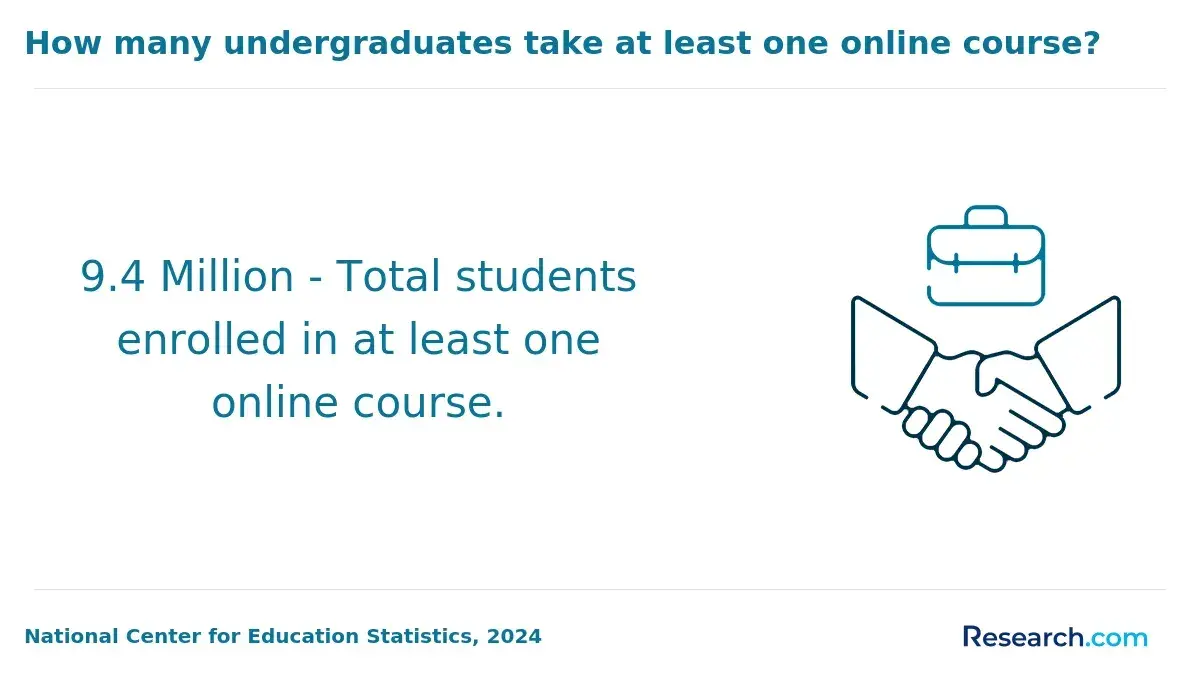
Military students apply to online esports business bachelor’s programs through the same core admissions process as other applicants, but they usually need to submit additional documents for benefit certification, military credit evaluation, and support services. More than 30% of students enrolled in online colleges are veterans or on active duty, so many institutions have dedicated processes for military-affiliated applicants.
- Complete the Online Application: Applicants typically submit basic personal information, academic history, intended major, start term, and military-affiliation details through the school’s application portal.
- Submit Official Transcripts: Schools usually require high school transcripts or proof of completion, plus transcripts from every college previously attended. Transfer students should not omit prior institutions, even if the coursework seems unrelated.
- Provide Military Documentation: Veterans may be asked for discharge documents such as DD Form 214, while active-duty students may need proof of service. These documents may support benefit processing, military tuition rates, or priority advising.
- Send Military Training Records: Applicants seeking credit for military learning should submit official military transcripts, such as the Joint Services Transcript (JST), as early as possible.
- Meet Program Prerequisites: Some esports business programs require prior coursework or readiness in business, math, communications, technology, or writing. Others admit students directly and build these subjects into the curriculum.
- Submit a Personal Statement if Required: If an essay is required, applicants should explain why esports business fits their goals, how military experience prepared them for the field, and what they plan to do after graduation.
- Coordinate Benefits Before Registration: Students using GI Bill benefits, tuition assistance, or other military funding should contact the school’s veterans office before enrolling in courses, not after classes begin.
A strong application strategy is to compare schools before submitting multiple applications. Ask each admissions office about accreditation, VA approval, transfer-credit limits, military tuition policies, online course format, deployment accommodations, and career services for veterans. The best choice is not always the fastest admit; it is the program that preserves benefits, accepts appropriate credit, and supports completion.
Are Online Esports Business Degrees Self-Paced for Military Students?
Some online esports business bachelor’s degrees are self-paced, but many are not fully self-paced. Most use a structured online format with weekly deadlines, fixed terms, and instructor-led modules. This distinction matters for military students because “online” does not always mean “complete the work whenever you want.”
Data from the Online Learning Consortium shows that nearly 70% of colleges provide asynchronous learning options, which suit military students balancing service duties and education. Asynchronous learning can be highly flexible, but it may still include due dates, group projects, exams, and required participation windows.
- Fully Self-Paced Learning: Students move through course materials independently with few fixed deadlines. This offers maximum flexibility but requires strong self-management and may provide less peer interaction.
- Asynchronous Classes With Deadlines: Students do not attend live sessions, but they complete weekly readings, discussions, quizzes, projects, and exams by scheduled due dates. This is one of the most common online formats.
- Structured Term-Based Programs With Flexible Deadlines: These programs follow standard academic terms but may allow deadline extensions or temporary accommodations for military obligations, deployments, or training.
- Hybrid Pacing Models: Students complete most work on demand but attend occasional live classes, presentations, advising meetings, or group sessions. This can improve connection but may be harder across time zones.
A military student enrolled in an online esports business bachelor’s program described the ideal format as “flexible but not loose.” He valued recorded lectures because duty assignments changed quickly, but he also said deadlines helped him maintain progress. His main recommendation was to notify instructors early about military obligations and avoid waiting until a missed deadline becomes an academic problem.
Before enrolling, ask whether courses require live attendance, whether exams are proctored, how group projects work across time zones, whether extensions are available for military duty, and whether the school has a formal military leave or withdrawal policy.
Can Military Students Study While Deployed?
Military students can often continue an online esports business bachelor’s degree while deployed, but success depends on the program’s flexibility, the deployment environment, internet access, time-zone demands, and the student’s workload. A program that works well stateside may become difficult if it requires frequent live sessions, high-bandwidth streaming, group meetings, or rigid exam windows.
- Asynchronous Learning Access: Recorded lectures, downloadable readings, and flexible discussion boards help deployed students keep studying when live attendance is unrealistic.
- Mobile-Friendly Platforms: Courses that work on smartphones or tablets can make it easier to complete readings, discussion posts, and short assignments during limited downtime.
- Extended Deadlines and Accommodations: Military-friendly programs should have a clear process for requesting extensions, incompletes, temporary pauses, or military leave when mission requirements interrupt coursework.
- Offline Coursework Options: Downloadable readings, assignment prompts, and recorded materials can help students work during periods of limited connectivity.
- Dedicated Academic Support Services: Advisors who understand deployment can help students choose manageable course loads, communicate with faculty, and avoid benefit or academic standing issues.
Students expecting deployment should plan conservatively. Taking fewer courses may be better than overloading and risking withdrawals, failed courses, or benefit complications. Ask whether the school allows temporary enrollment pauses, how long students can stop out without reapplying, and whether military withdrawal policies protect GPA and benefit eligibility.
Military students building shorter, deployment-friendly schedules may also compare options such as 6 week college courses, although compressed terms can be intense and are not always easier during active deployment.
What Are the Best Military-Friendly Online Colleges for Esports Business Degrees?
The best military-friendly online colleges for esports business degrees are not defined only by marketing labels. They combine recognized accreditation, VA-approved programs, transparent pricing, flexible online delivery, strong transfer-credit policies, and support staff who understand military benefits. About 60% of military-connected students choose online learning to balance education with service or personal commitments, so program design matters as much as the degree name.
When comparing schools, focus on institutional fit rather than a single ranking claim. A program may be excellent for a full-time veteran using the GI Bill but impractical for an active-duty student facing unpredictable assignments. Another program may be affordable but offer limited esports-specific coursework or weak career support.
- Public Universities With Strong Online Divisions: These schools often offer lower tuition, established online systems, and experience processing GI Bill benefits. They may also have broader business departments that support esports-related concentrations.
- Institutions With Dedicated Military Support Offices: A strong veterans office can help with benefit certification, transfer credit, deployment issues, course planning, and communication with faculty.
- Schools With Flexible Asynchronous Learning Models: Programs that minimize required live attendance are often better suited to active-duty students, shift workers, deployed learners, and students in different time zones.
- Competency-Based Education Providers: Competency-based models may help experienced learners move faster by demonstrating mastery, though students should confirm benefit rules and pacing expectations before enrolling.
- Accredited Private Institutions With Military-Friendly Policies: Some private colleges offer military scholarships, flexible calendars, and individualized advising. Students should compare the net cost carefully against public options.
A military-friendly esports business program should be able to answer specific questions: Is the program VA-approved? How much military credit is typically accepted? Are live sessions required? What happens during deployment? What career services are available for veterans? What esports employers, events, or projects do students engage with? If the answers are vague, keep looking.
Veterans seeking top online esports business degree programs for veterans may also review broader affordability patterns in online and technology-related education, including resources such as the cheapest data science masters in USA, while remembering that graduate data science pricing is not a substitute for an esports business bachelor’s cost estimate.
Do Online Esports Business Bachelor's Degrees Help Military Transition to Civilian Careers?
An online esports business bachelor’s degree can help military students transition to civilian careers when it builds marketable business skills, provides relevant projects, and connects students with industry networks. The degree alone does not guarantee a job in esports, which can be competitive and relationship-driven. Its value depends on the curriculum, the student’s prior experience, internships or projects, career support, and the ability to translate military skills into civilian business language.
According to the U.S. Department of Veterans Affairs, approximately 60% of veterans secure their first civilian job within six months of discharge. A focused degree can support that transition by helping veterans document business knowledge, build a portfolio, and prepare for roles where leadership, discipline, communication, and operations experience are valued.
- Transferable Technical Skills: Courses in digital marketing, event coordination, analytics, content strategy, and business technology can help students connect military technical experience to esports and adjacent industries.
- Communication and Teamwork: Online group projects can strengthen collaboration, presentation, and stakeholder communication skills, which are essential in civilian workplaces.
- Digital Literacy: Exposure to esports platforms, streaming ecosystems, audience engagement tools, and emerging media can help students adapt to technology-centered roles.
- Problem-Solving and Strategic Thinking: Case studies in market behavior, sponsorships, fan engagement, and operations can sharpen decision-making for business environments that move quickly.
- Professional Adaptability: Military students often bring resilience, accountability, and mission focus. A strong program helps convert those strengths into language employers understand.
Career outcomes may extend beyond esports teams. Graduates may also pursue roles in sports business, live events, digital marketing, entertainment management, gaming communities, operations, venue coordination, collegiate esports, brand partnerships, or media organizations. Students should look for programs that require practical projects, encourage internships where feasible, and provide career coaching for translating military experience into civilian resumes and interviews.
What Graduates Say About Online Esports Business Bachelor's Degrees for Veterans and Military Students
- : "The flexibility of this online esports business bachelor’s degree was a game-changer for me as an active-duty servicemember. I could balance deployments and training while progressing through classes without falling behind. The program’s real-world approach helped me immediately apply what I learned to esports initiatives I was involved in on base, boosting both my military and civilian career prospects. — Vance"
- : "After transitioning out of the military, I was uncertain about my next steps professionally. This esports business degree provided invaluable career transition support, including mentorship and networking tailored for veterans. The business fundamentals combined with industry knowledge gave me the confidence and skills to secure a role in a top-tier esports organization. — Marvin"
- : "Completing my esports business bachelor’s degree opened doors both within and beyond my military career. The curriculum’s focus on strategy, marketing, and management directly enhanced my leadership abilities. Reflecting on my time in the program, I appreciate how it equipped me with a unique skill set that stands out in the competitive esports job market. — Paatricia"
Other Things You Should Know About Esports Business Degrees
Graduates with a bachelor's degree in esports business can work in various roles within the esports industry, including event management, marketing, team management, sponsorship coordination, and content creation. Their skills prepare them for positions in tournaments, gaming companies, sponsorship agencies, and esports media outlets, all of which value business expertise combined with esports knowledge.
Many online esports business programs offer virtual networking events, internships, and connections with industry professionals tailored for military students. These opportunities help veterans and active-duty members build professional relationships and gain insights into the esports industry despite remote learning environments.
Yes, many online esports business programs provide tailored support for veterans and military students. These may include dedicated advisors familiar with military benefits, flexible class schedules to accommodate deployments, and resources for transitioning into civilian careers. Additionally, some programs may offer credit for military experience, enhancing the educational journey.
References
- Why IT Careers Are a Great Fit for Veterans https://www.acitechacademy.com/blog/veteran-s-guide-to-transitioning-to-a-career-in-technology/
- GI Bill® Sports Management Degree Online | SMWW + FHSU https://www.sportsmanagementworldwide.com/gi-bill-sports-management
- Gaming and Esports Careers with Full Sail Degrees - The Hub https://hub.fullsail.edu/articles/gaming-and-esports-careers-with-full-sail-degrees
- Level Up Your Career: Online Programs That Actually Work for Veterans | Jobs for Veterans | G.I. Jobs https://www.gijobs.com/military-to-civilian-transition/level-up-your-career-online-programs-that-actually-work-for-veterans/
- Esports Management - Northwood University https://www.northwood.edu/programs/esports-management/
- Behind the APUS online esports degree https://esportsinsider.com/2023/07/apus-online-esports-degree
- Bachelor's Degree in Esports Business https://kamk.fi/en/koulutukset/bachelors-degree-in-esports-business/
- Veterans Transitioning to Civilian Careers: Job Search and Networking Strategies | Northrop Grumman https://www.northropgrumman.com/careers/veterans-transitioning-to-civilian-careers-job-search-and-networking-strategies-old
- Online Degrees for Military https://www.umgc.edu/military-and-veterans/online-degrees
- Esports Management Online Degree - Northwood Online https://online.northwood.edu/programs/esports-management/