2027 Cheapest Online Esports Business Bachelor's Degrees That Pay Well: Tuition, Duration, and Earnings

Co-Founder and Chief Data Scientist
Choosing an online esports business bachelor’s degree is mainly a cost-versus-career decision: you want a credible credential, practical business training, and access to industry roles without paying more than the degree is likely to return. That matters especially for transfer students, working adults, and career changers who need online flexibility but still need employers, graduate schools, and financial aid offices to recognize the program.
Esports is no longer only about competitive gaming. It now includes sponsorship sales, event operations, digital marketing, team management, content production, analytics, and business development. Recent data shows online esports business bachelor's programs have grown by 35% in enrollment over the past five years, reflecting rising demand for graduates who understand both business fundamentals and the gaming ecosystem.
This guide explains how to compare the cheapest accredited online esports business bachelor’s programs, what tuition and transfer policies can do to the final price, how long these degrees usually take, which concentrations may support stronger earnings, and how to check accreditation before enrolling.
Key Benefits of the Cheapest Online Esports Business Bachelor's Degree That Pays Well
- Online esports business degrees offer affordable tuition rates averaging 30% less than campus programs, significantly reducing overall student debt burdens for graduates.
- Flexible course schedules enable working professionals to accelerate skill acquisition while maintaining employment, optimizing time and financial investment.
- Graduates report median salaries around $65,000 annually, demonstrating a strong return on investment combined with access to global esports networks.
What Are the Most Affordable Accredited Online Esports Business Bachelor's Degree Programs Available Today?
The most affordable accredited online esports business bachelor’s programs usually combine three features: recognized institutional accreditation, online delivery, and cost-saving policies such as flat-rate tuition, generous transfer credit, or accelerated terms. Because “esports business” is still a specialized field, some affordable options appear as business, sport management, gaming, or technology degrees with esports coursework rather than as standalone esports business majors.
Accreditation should come first. A low tuition rate is not a bargain if the school lacks recognized accreditation, limits federal aid eligibility, or leaves students with credits that will not transfer. Students comparing esports degrees with a broader business administration degree should look closely at whether esports courses are built on solid business foundations such as accounting, marketing, analytics, management, and operations.
- Western Governors University: This fully online institution offers a business technology degree with esports electives. Tuition is a flat rate of about $3,625 per six-month term, which can be especially cost-effective for students who can complete multiple courses in one term.
- California State University, Fullerton: CSUF provides an esports business concentration within its online business programs. Tuition is around $299 per credit unit for California residents, making residency status an important part of the cost calculation.
- University of North Carolina at Greensboro: UNC Greensboro offers a business administration bachelor's with an esports management focus. Tuition is roughly $326 per credit hour for in-state online students, and the program benefits from respected regional accreditation.
- Granite State College: This New Hampshire school offers an online gaming and esports management degree for about $320 per credit, with coursework focused on applied esports business skills and real-world industry contexts.
- Columbia College: Columbia College offers fully online esports business coursework at approximately $415 per credit hour. Its value often depends on scholarships, transfer credits, and whether students can reduce the number of credits they must complete there.
Compared with mid-range esports business programs charging upwards of $500 per credit, these lower-cost options can reduce the total price substantially. However, the cheapest listed tuition is not always the cheapest final degree. Students should compare net price after aid, accepted transfer credits, required fees, course availability, and whether the curriculum matches their target role.
Students researching affordable pathways beyond the bachelor’s level can also review low-cost online doctoral options to understand how pricing and accreditation differ across degree levels.
How Does Tuition Cost for Online Esports Business Bachelor's Programs Compare Across Public and Private Universities?
Public universities often advertise lower tuition for online esports business bachelor’s programs, especially for in-state students. Private nonprofit universities may charge more per credit, but some reduce total cost through accelerated calendars, transfer-friendly policies, institutional scholarships, or competency-based formats. The right comparison is not public versus private alone; it is total out-of-pocket cost to graduation.
Students looking for affordable online bachelor's degree options should compare the full cost structure before assuming one school type is always cheaper.
- Per-credit price: Public universities typically charge lower per-credit rates, often between $250 and $400, because of state funding. Private nonprofit universities usually set rates ranging from $400 up to $700 per credit.
- Residency rules: In-state students at public universities may receive the best pricing. Out-of-state online students can face higher charges that reduce or eliminate the public-school advantage.
- Total program cost: A private school with higher tuition may still cost less if it accepts more transfer credits, offers shorter terms, or allows faster completion.
- Flat-rate and competency-based tuition: Some online models let students complete as many credits as they can within a term. These formats reward students who are organized, self-directed, and able to study consistently.
- Student support: Smaller private schools may charge more but provide more advising, career coaching, or specialized esports resources. Larger public universities may offer lower tuition but require students to be more proactive.
- Scholarships and grants: Private universities may use institutional aid to reduce net cost. Public universities may be cheaper upfront, but the final bill depends on aid eligibility.
- Transfer credit policies: A school that accepts more prior credit can be less expensive even if the posted tuition rate is higher.
The most accurate comparison is a side-by-side degree plan showing accepted transfer credits, remaining credits, tuition rate, required fees, estimated aid, and expected completion timeline. Students should request this information before enrolling, not after the first term begins.
What Is the Typical Duration of an Online Esports Business Bachelor's Degree, and How Can Students Graduate Faster?
A typical online esports business bachelor’s degree requires about 120 credits and is designed for completion in four years of full-time study. That usually means eight semesters under a traditional academic calendar. Online students, however, often have more ways to change the timeline than campus-based students.
- Standard full-time path: Most programs require about 120 credits across general education, business core courses, electives, and esports-focused coursework. Full-time students commonly finish in four years.
- Part-time path: Working adults may take fewer courses each term. This can make the workload manageable but extends the graduation timeline.
- Accelerated terms: Some schools use eight-week sessions rather than 15-week semesters. This can help students complete more courses in a year, but the pace can be demanding.
- Year-round enrollment: Taking summer and winter courses reduces long breaks and helps students accumulate credits faster. Schools like Southern New Hampshire University and Western Governors University feature esports business tracks with this approach.
- Competency-based education: Students progress by demonstrating mastery instead of spending a fixed amount of time in each class. Western Governors University reports esports business degree completion rates of under three years on average.
- Transfer and exam credit: Prior college coursework, CLEP, DSST, military training, and prior learning assessments can reduce the number of required courses.
Graduating faster can lower tuition and opportunity costs, but speed is not always the best goal. Students who work full time, support family members, or need internships may benefit from a steadier pace. The best timeline is one that supports completion without sacrificing grades, skill development, or professional networking.
- : "The accelerated eight-week courses were intense, but they kept me engaged and on track. Graduating earlier saved me money and opened doors sooner than I expected."
This type of experience is common among students who use accelerated or competency-based formats successfully: they save time by focusing on material they still need to master rather than repeating content they already know.
Which Online Esports Business Bachelor's Programs Offer the Best Earning Potential After Graduation?
The online esports business bachelor’s programs with the strongest earning potential usually do more than teach gaming industry basics. They connect esports to revenue-generating business functions such as marketing, sponsorships, analytics, event operations, technology, and management. According to the Bureau of Labor Statistics Occupational Outlook Handbook, common career paths for esports business graduates include management, marketing, and software development, with median annual wages ranging from $75,000 to over $100,000.
Salary outcomes depend heavily on role, location, employer size, prior experience, internship history, and technical skills. A graduate entering an assistant event role will not have the same earnings profile as someone moving into analytics, sponsorship sales, or software-adjacent work. For this reason, students should evaluate programs by career alignment, not only by the esports label.
- Digital marketing and sponsorships: Programs with coursework in brand strategy, content marketing, audience growth, and sponsorship activation can prepare graduates for revenue-focused roles.
- Business analytics: Analytics skills can strengthen access to roles involving audience behavior, campaign performance, player data, and operational decision-making.
- Sports and esports management: Management-focused programs may support roles such as esports team manager, event coordinator, or operations lead, where median earnings hover near $85,000 annually.
- Technology exposure: Programs that include business technology, platforms, streaming tools, or software concepts can broaden career options beyond traditional sports management.
- Career services and internships: Schools with employer partnerships, internship support, portfolio development, and transparent outcomes may improve students’ chances of entering stronger-paying roles.
Students considering an accelerated business degree should make sure the faster format still includes applied projects, career support, and industry-relevant electives. A shorter program is valuable only if it builds marketable skills and produces a credible credential.
What Financial Aid and Scholarship Opportunities Are Available for Online Esports Business Bachelor's Students?
Online esports business bachelor’s students may qualify for the same major financial aid categories as other undergraduate students, provided they attend an eligible accredited institution and meet aid requirements. The most important first step is completing the FAFSA because it determines eligibility for federal grants, federal loans, and many state or institutional aid programs.
Federal Pell Grants are especially valuable because they do not have to be repaid. The College Board's 2023 report notes the average Pell Grant is approximately $4,500, which can meaningfully reduce tuition for low-cost online programs. Subsidized federal loans can also help eligible students because the government covers interest while the student is enrolled.
- Federal Pell Grants: Need-based awards that do not require repayment. Eligibility is determined through the FAFSA.
- Subsidized federal loans: Loans for eligible students where interest does not accrue during qualifying enrollment periods.
- State grants: Additional aid may be available for residents, depending on state rules and school participation.
- Institutional scholarships: Colleges may offer awards based on academic performance, financial need, transfer status, military affiliation, or program interest.
- Esports and gaming scholarships: Industry organizations, nonprofits, and community groups may support students with esports leadership, content, competition, or business experience.
- Employer tuition assistance: Working adults should ask employers whether tuition reimbursement can apply to business, marketing, management, or technology-related coursework.
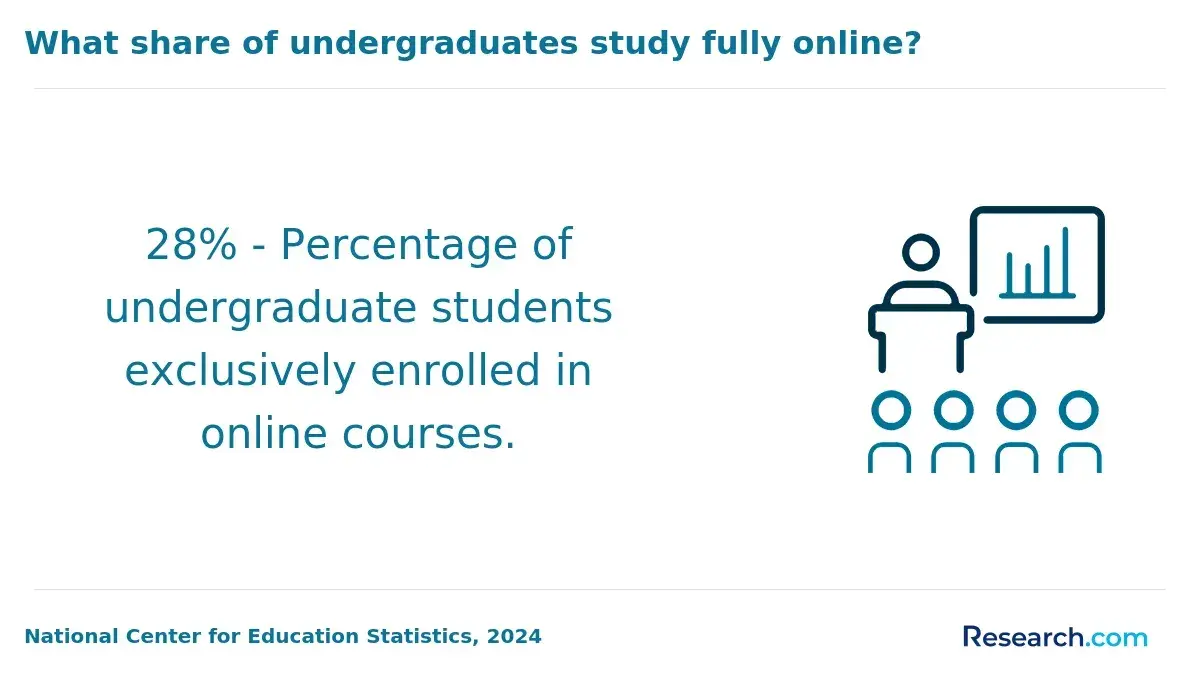
Students should prioritize grants, scholarships, tuition discounts, and employer benefits before borrowing. Online education has become a mainstream aid consideration, with nearly 40% of U.S. college students enrolled in at least one distance course in 2023, but eligibility still depends on the school, program, enrollment status, and student circumstances.
- : "The most helpful support came from esports community groups that offered niche scholarships, which made a real difference."
The strongest strategy is to build a funding calendar. Track FAFSA deadlines, state grant dates, institutional scholarship windows, and smaller esports-related awards. Small scholarships can still matter when combined with transfer credits and a low tuition rate.
How Many Transfer Credits Can Online Esports Business Bachelor's Programs Accept, and From Which Institutions?
Transfer credit policies can have a major effect on both the price and length of an online esports business bachelor’s degree. Some universities accept up to 90 transfer credits, which may leave students with only the final portion of the degree to complete at the university. The biggest savings usually come from transferring general education, introductory business, elective, and lower-division coursework.
Western Governors University allows extensive transfer of prior learning, including CLEP exam results. Liberty University recognizes military training credits endorsed by the American Council on Education, which can help veterans and service members convert eligible training into academic credit. Policies vary, so students should not assume credits will transfer until they receive an official evaluation.
- Maximum transfer allowance: Some programs permit up to 90 transferable credits, but they may still require a minimum number of credits to be completed at the degree-granting institution.
- Source institutions: Credits are most likely to transfer from regionally accredited colleges and universities. Community college credits often apply well to general education and lower-level business requirements.
- Military training: Eligible military learning may transfer when evaluated through recognized recommendations such as those from the American Council on Education.
- Exam credit: CLEP and other approved exams may satisfy general education or introductory business requirements.
- Course fit: A course may transfer as credit but not necessarily apply to the esports major, business core, or concentration requirements.
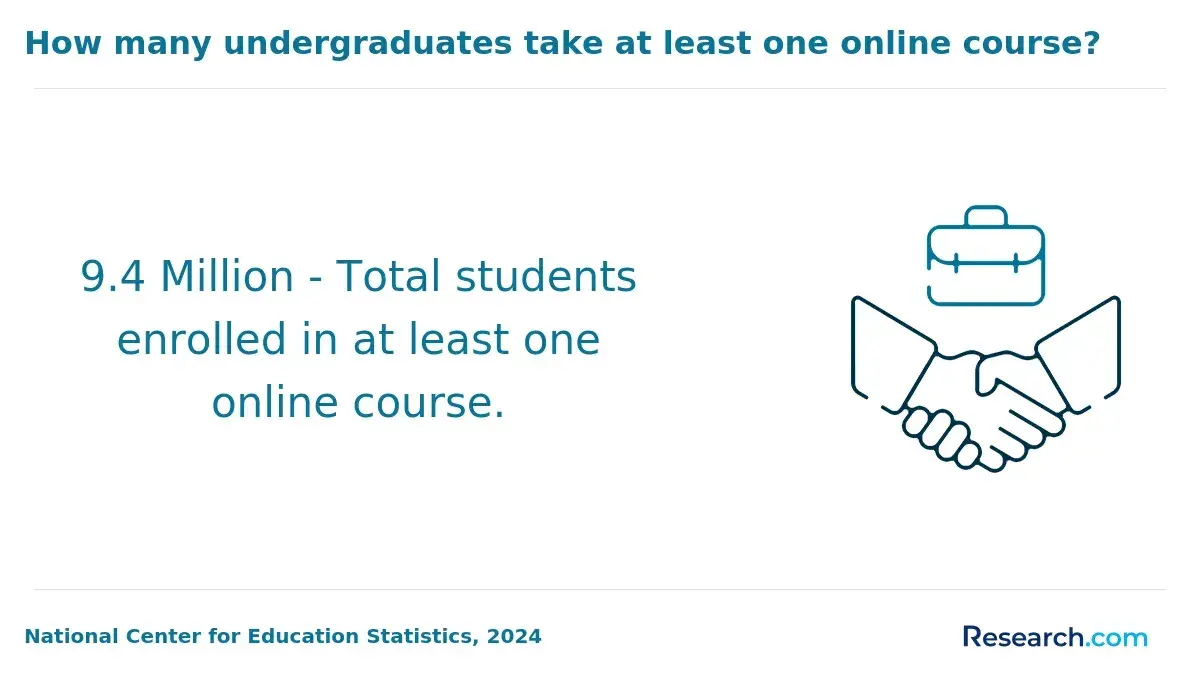
According to recent data from the National Center for Education Statistics, approximately 60% of students pursuing online degrees transfer previously earned credits. Before applying, students should gather official transcripts, military records if applicable, exam score reports, and course descriptions or syllabi for any classes that may need review.
The best question to ask admissions is not simply “How many credits do you accept?” It is “How many of my credits will apply directly to this degree plan, and how many credits will I still need to graduate?”
What Accreditation Should an Online Esports Business Bachelor's Program Have to Ensure Quality and Employer Recognition?
An online esports business bachelor’s program should be offered by an institution with recognized accreditation. Regional accreditation is generally considered the strongest standard in U.S. higher education and is widely recognized by employers, graduate schools, licensing bodies where relevant, and other colleges evaluating transfer credits.
Major regional accrediting bodies include the Higher Learning Commission (HLC), Southern Association of Colleges and Schools Commission on Colleges (SACSCOC), and New England Commission of Higher Education (NECHE). These agencies review institutional quality, academic standards, faculty qualifications, student support, and financial stability.
Esports business degrees are often housed within business, communication, sport management, technology, or media departments. Specialized programmatic accreditation is less common in esports business than in fields such as nursing, education, or engineering. For most students, the key baseline is recognized institutional accreditation. If a business school also has respected business-related accreditation, that may add value, but lack of esports-specific programmatic accreditation is not automatically a warning sign.
- Preferred baseline: Choose a regionally accredited institution whenever possible.
- Employer recognition: Employers are more likely to trust degrees from accredited colleges with clear academic standards.
- Transfer protection: Regionally accredited credits are generally more portable than credits from non-accredited institutions.
- Graduate school access: Graduate programs commonly require or prefer degrees from accredited institutions.
- Aid eligibility: Accreditation affects access to federal financial aid and some state or institutional aid.
Students should verify accreditation through the U.S. Department of Education's accreditation database before enrolling. This is especially important as fully online bachelor's programs have experienced a 21% increase over five years, creating more options but also requiring more careful screening.
What Are the Admission Requirements for the Cheapest Online Esports Business Bachelor's Programs?
The cheapest online esports business bachelor’s programs usually keep admission requirements accessible, but standards vary by school. Most require a high school diploma or GED. Minimum GPAs generally range from 2.0 to 2.5 on a 4.0 scale, and many online programs make ACT or SAT scores optional or waive them entirely.
Open-admission and rolling-admission programs can be useful for working adults, transfer students, and applicants who have been out of school for several years. More selective programs may require stronger academic records, prerequisite coursework, or evidence of readiness for business, math, or technology courses.
- High school diploma or GED: This is the standard baseline requirement for first-year applicants.
- Minimum GPA: Many low-cost programs set minimum GPAs between 2.0 and 2.5, though individual requirements differ.
- Standardized tests: ACT and SAT scores are often optional or waived for online undergraduate applicants.
- Transfer transcripts: Transfer students must submit official transcripts from prior colleges so schools can evaluate credits.
- Prerequisite coursework: Some selective programs may expect prior coursework in business, mathematics, computer literacy, or communication.
- Personal statement or resume: These materials can help applicants explain esports experience, business goals, work history, or academic improvement.
Students who do not meet minimum requirements still have options. They can complete community college courses to raise their GPA, earn strong grades in business or math prerequisites, document relevant work or esports experience, and write a focused statement connecting the degree to realistic career goals.
Applicants comparing esports business with related pathways can review online sports degree programs, which often share similar admission patterns, transfer policies, and career-focused curricula.
What Concentrations or Specializations Are Available Within Affordable Online Esports Business Bachelor's Degree Programs?
Affordable online esports business bachelor’s programs may offer concentrations that let students aim their degree toward specific roles. The best choice depends on whether the student wants to work in marketing, event production, content, analytics, team operations, or entrepreneurship. Because esports roles often overlap, students should favor concentrations that build transferable business skills, not only gaming-specific knowledge.
- Sports Marketing Management: This concentration focuses on branding, sponsorships, fan engagement, campaign planning, and promotion for esports organizations. Graduates may pursue marketing coordinator or brand management roles, with median salaries often exceeding $60,000 annually. Digital marketing certifications can strengthen a resume but are generally not mandatory.
- Event and Tournament Operations: This track prepares students to manage live and online competitions, including logistics, scheduling, vendor coordination, registration, broadcasting needs, and audience experience. Career paths include event planner and operations manager roles, where salaries range from $50,000 to $70,000. Event planning credentials may help but are not always required.
- Media Production and Content Creation: Students learn skills tied to streaming, video production, social media, audience development, and esports storytelling. Career options include content creator and media coordinator roles earning between $45,000 and $65,000. Tool-specific certificates can improve employability.
- Business Analytics and Data Management: This concentration emphasizes audience metrics, player performance data, campaign reporting, and decision support. Roles such as data analyst or business strategist generally offer salaries above $70,000 and may require analytics software proficiency or additional training.
- Entrepreneurship and Esports Management: This option is designed for students who want to launch a venture, manage a team, operate a league, or build an esports-related service business. Salaries vary widely but can exceed $75,000 in management roles. Licensure is not required, but networking and practical experience are critical.
Students should choose a concentration by working backward from job postings. If target roles repeatedly mention CRM platforms, sponsorship sales, analytics dashboards, Adobe tools, event operations, or social media strategy, the best program is the one that helps students build evidence of those skills through projects, internships, or portfolios.
For broader cost comparisons across institutions, students can also consult resources on the most affordable online colleges.
Can Students Earn College Credit Through CLEP, DSST, or Prior Learning Assessments in Online Esports Business Bachelor's Programs?
Yes. Many affordable online esports business bachelor’s programs allow students to earn credit through CLEP, DSST, military training, professional certifications, workplace learning, or Prior Learning Assessment (PLA). These options are especially useful for adult learners who already have business, management, technology, marketing, or military experience.
Programs with flexible PLA policies often allow students to earn 30% to 50% of their degree credits through these alternatives. The American Council on Education (ACE) supports this process by recommending credit for certain exams, military training, and workplace learning. However, each college decides what it will accept and how those credits apply to the degree.
- CLEP exams: These can cover general education and introductory subjects that may apply to bachelor’s requirements.
- DSST exams: DSST options may help students satisfy business, humanities, social science, or elective credits, depending on school policy.
- Military credit: ACE-reviewed military training may apply to electives, general education, or relevant degree requirements.
- Professional learning: Some schools evaluate certifications, corporate training, management experience, or portfolios through PLA.
- Documentation: Students may need score reports, training records, certificates, job descriptions, supervisor letters, or a formal portfolio.
The savings can be substantial, but students should confirm limits before paying for exams or portfolio reviews. Ask the school which CLEP or DSST exams are accepted, the minimum scores required, the maximum number of credits allowed, and whether credits will apply to required courses or only electives.
What Is the Return on Investment (ROI) of Earning a Cheap Online Esports Business Bachelor's Degree?
The return on investment of a cheap online esports business bachelor’s degree depends on how much the student pays, how quickly they graduate, how much debt they take on, and what career outcome the degree supports. A low-cost accredited program can produce a stronger ROI than a more expensive program if it leads to comparable opportunities and avoids unnecessary borrowing.
According to Georgetown University Center on Education and the Workforce and Payscale's College ROI data, an average bachelor's degree yields an ROI between $400,000 and $600,000 over 20 years, factoring in degree costs and median salaries. Online esports business programs with tuition below $15,000 and starting salaries near $45,000 often provide a more attractive financial return, particularly when students use financial aid, transfer credits, or accelerated completion.
- Lower tuition improves ROI: The less students borrow, the faster earnings can outweigh education costs.
- Transfer credits matter: Applying prior credits can reduce both tuition and time to graduation.
- Career path matters more than the degree title: Roles in analytics, marketing, management, sponsorships, and technology may produce different earnings outcomes.
- Financial aid changes the equation: Grants and scholarships reduce net price and can improve long-term ROI.
- Accreditation protects value: A cheap unaccredited program may limit employment, transfer, or graduate school options, weakening ROI.
- Timeline affects opportunity cost: Affordable programs typically generate positive ROI within a decade and may outperform many conventional degrees over 20 years when costs stay low.
Students should calculate ROI using their own numbers: total tuition and fees, aid that does not need repayment, estimated loans, current income, expected salary after graduation, and the number of years needed to finish. The best financial outcome usually comes from the accredited program that requires the fewest new credits while still building skills employers can verify.
What Graduates Say About Earning the Cheapest Online Esports Business Bachelor's Degree That Pays Well
- : "Choosing the online Esports Business bachelor's degree program was a strategic decision for me because I wanted to balance my work and studies without relocating. The program's reasonable tuition made it accessible while still providing comprehensive industry insights. Since graduating, I've landed a management role in a leading esports organization, which I credit to the skills and connections I gained. — Noemi"
- : "Reflecting on my journey, the affordability of the online Esports Business bachelor's degree was a huge factor, as it allowed me to invest in my education without incurring heavy debt. The curriculum's focus on real-world applications prepared me to navigate the unique challenges of the esports market. This degree truly transformed my career trajectory by opening doors to new opportunities in event management and marketing. — Marvin"
- : "My passion for gaming combined with a clear goal of entering the esports industry led me to choose the online Esports Business bachelor's degree program. I appreciated how the flexible format fit my schedule and budget, allowing me to learn at my own pace. The professional knowledge and network I built helped me secure a strategic planning position immediately after graduation, far exceeding my expectations. — Parker"
Other Things You Should Know About Esports Business Degrees
Yes, several programs offer fully online esports business bachelor's degrees without out-of-state penalties. This allows students nationwide to access affordable tuition rates, enhancing the appeal for those seeking cost-effective education in 2027.
Online esports business degrees commonly utilize platforms like Blackboard, Canvas, or Moodle to deliver course materials and facilitate communication. These systems support video lectures, discussion boards, quizzes, and assignment submissions, enabling students to engage with content flexibly and interact with peers and instructors. Many programs also integrate specialized esports management software to provide hands-on learning experiences.
In 2027, online esports business bachelor's degrees typically cost between $300 to $500 per credit hour, depending on the institution. This range may be favorable compared to other specialized online bachelor's programs, keeping competitive tuition a priority for students seeking cost-effective education.
References
- Credit for Prior Learning | Georgian Court University | Lakewood, New Jersey https://georgian.edu/academics/credit-for-prior-learning/
- Cost of Online College vs. In-Person | Touro University Worldwide https://www.tuw.edu/school-news/cost-of-online-college-vs-in-person/
- Esports College Scholarships for Gamers: Can You Fund Your Education Through Gaming? https://www.tuitionhero.org/resources/scholarships/esports-college-scholarships-for-gamers
- Top 30 Esports Scholarships to Apply for in October 2025 https://bold.org/scholarships/by-type/esports-scholarships/
- Bachelor's Degree in Esports Business https://kamk.fi/en/koulutukset/bachelors-degree-in-esports-business/
- Average Cost of Online College [2025]: Yearly Tuition + Fees https://educationdata.org/average-cost-of-online-college
- Online College Costs: A Breakdown of Tuition and Fees | OnlineColleges.net https://www.onlinecolleges.net/for-students/online-college-costs/
- College Esports Scholarships: What They Are & How You Can Secure One https://keystonesports.com/what-are-college-esports-scholarships/
- Esports Management Concentration (Online or On Campus) - Fisher College https://www.fisher.edu/academics/undergraduate-programs/bs-in-management/esports-management-concentration
- Credit by Examination: Recognizing Learning and Supporting Adult Learners https://www.wiche.edu/key-initiatives/recognition-of-learning/credit-by-exam/