2027 Online Esports Business Bachelor's Degree Programs That Accept Transfer Credits

Co-Founder and Chief Data Scientist
Choosing an online Esports Business bachelor's degree is not just about finding a gaming-related major. For many students, the bigger decision is whether a program will honor the credits they have already earned and help them finish without paying twice for similar coursework.
This matters because esports business combines fast-changing industry knowledge with standard business foundations such as marketing, finance, operations, event management, analytics, and sponsorship strategy. Students who already completed general education, community college, military, business, technology, or media courses may be able to apply that work toward a bachelor's degree if the school has clear transfer policies.
Many students with previous college credits face difficulties finding online Esports Business bachelor's degree programs that recognize their prior learning. This challenge can lead to lost time, higher tuition costs, and delayed degree completion. Studies show that 68% of transfer students report transfer credit policies as a major factor influencing their choice of online programs. As the esports industry expands, flexible academic pathways can help students enter or advance in the workforce sooner.
This guide explains who benefits most from transfer-friendly online Esports Business bachelor's programs, how many credits may transfer, which credits are commonly accepted, what rules schools use, and how to improve your chances of getting the maximum number of credits applied to your degree.
Key Benefits of Online Esports Business Bachelor's Degree Programs That Accept Transfer Credits
- Accepting transfer credits allows students to shorten their time to degree completion by up to 50%, enabling faster entry into the growing esports business job market.
- Transfer-friendly programs reduce overall tuition costs by awarding credit for prior coursework, which can save students thousands of dollars over the duration of the degree.
- These online degrees offer flexible scheduling and pacing options, accommodating students balancing work, family, or other commitments while leveraging existing academic experience.
Who Should Consider an Online Esports Business Bachelor's Degree With Transfer Credits?
An online Esports Business bachelor's degree with transfer credits is best for students who do not want to restart college from zero. These programs are especially useful when prior coursework can satisfy general education, lower-division business, electives, or introductory technology and media requirements. According to the National Student Clearinghouse Research Center, nearly 38% of undergraduates in the U.S. are transfer students, which shows how common credit mobility has become.
You should consider this pathway if your main goal is to finish a bachelor's degree efficiently while gaining business skills that apply to esports organizations, gaming companies, event operators, streaming platforms, brand partnerships, and digital entertainment ventures.
- Students with prior college credits: If you previously attended a community college, university, or online school, transfer credits may help you avoid repeating equivalent general education or business courses.
- Community college transfers: Students who completed an associate degree or substantial lower-division coursework may be able to enter with many foundational requirements already complete.
- Working professionals: Online delivery can make it easier to study while employed, and transfer credits can reduce the number of remaining courses competing with work obligations.
- Adult learners returning to college: Students who stopped out years ago can use prior academic work as a starting point, although older business, technology, or media courses may receive additional review.
- Military-affiliated students: Military training, transcripts, and prior college coursework may be evaluated for credit depending on the school's policies.
- Students changing majors: Learners moving from business, communications, sports management, digital media, marketing, or information technology may find that some coursework aligns with esports business requirements.
This route is not ideal for every student. If your previous credits came from an unaccredited institution, were earned with low grades, or do not match the curriculum, fewer credits may apply than expected. Before applying, request a preliminary transfer review and ask whether accepted credits will count toward the major, general education, electives, or only total credit requirements.
If you are comparing flexible education formats more broadly, Research.com's guide to the easiest online masters can offer additional context on how online programs structure admissions, workload, and transfer-related policies, though bachelor's transfer rules vary by institution.
How Many Credits Can I Transfer Into an Online Esports Business Bachelor's Degree?
Many online Esports Business bachelor's programs allow a substantial number of transfer credits, but the exact amount depends on the school, accreditation standards, residency requirements, and how closely your previous courses match the degree plan. Transfer credit limits often range between 60 and 90 semester credits. Many programs cap transfer credit at about 75% of total degree requirements, which means a student could potentially transfer up to 90 credits toward a standard 120-credit bachelor's degree.
The maximum number advertised by a school is not always the number you will receive. A program may accept 90 credits in theory but apply fewer credits to your specific degree if your prior classes do not meet required categories. For example, a general business course may satisfy a business foundation requirement, while an unrelated elective may only count as free elective credit if the degree has room for it.
What affects the number of credits accepted?
- Accreditation of the sending school: Credits from regionally accredited institutions are often easier to transfer, but each receiving school sets its own rules.
- Course equivalency: A course must usually match the content, level, and credit value of a requirement in the new program.
- Grade earned: Many schools require a minimum grade, commonly a C or better, before awarding transfer credit.
- Degree fit: Credits are most valuable when they satisfy general education, business core, esports-related, or elective requirements rather than merely adding to total credits.
- Residency requirement: Schools often require students to complete a certain number of credits through the institution awarding the degree.
- Age of coursework: Older credits may still count for general education, but business, technology, media, analytics, and esports-related courses may receive closer scrutiny because industry practices change quickly.
Before enrolling, ask for a written transfer evaluation that shows exactly how each course applies. Do not rely only on a verbal estimate or a general statement that a school is transfer-friendly. Students comparing accelerated pathways in other disciplines, such as online social work programs, will see the same principle: the value of transfer credit depends on how the credits apply to the specific degree requirements.
What Types of Credits Transfer to an Online Esports Business Bachelor's Degree?
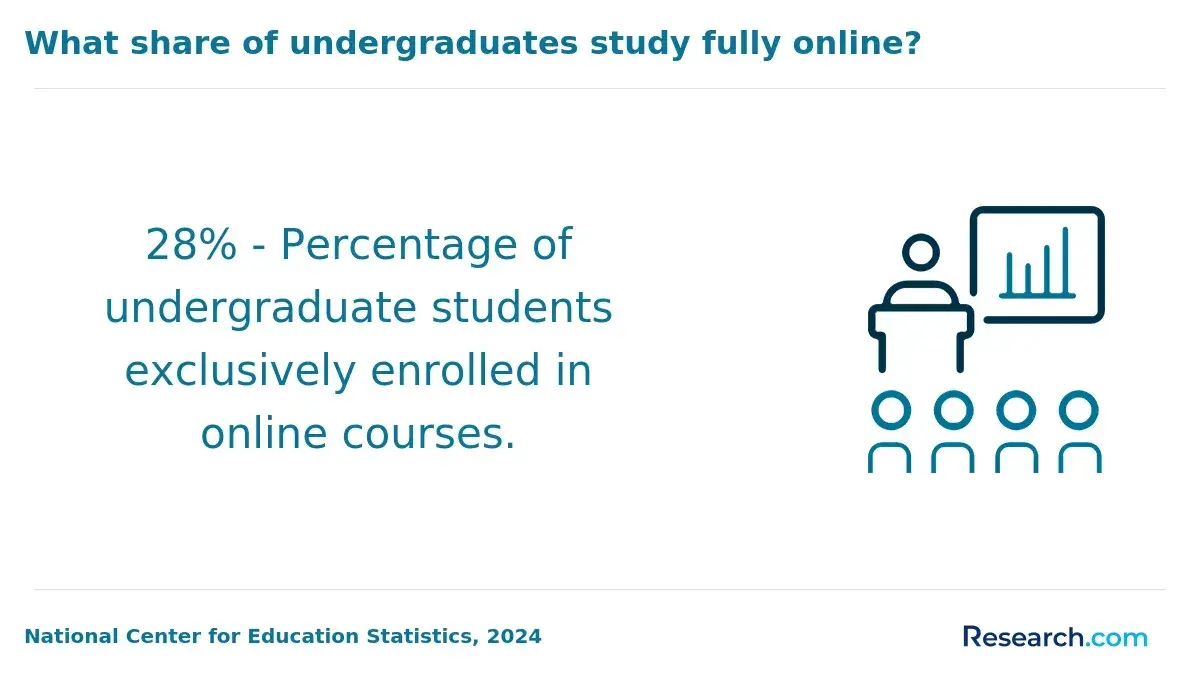
Online Esports Business bachelor's programs may accept several types of prior learning, but schools usually distinguish between traditional college credit, exam-based credit, military credit, and evaluated professional learning. Research shows about 60% of online learners take advantage of transfer credits, making this a common strategy for reducing time to completion.
The credits most likely to transfer are those that clearly match a requirement in the new degree. For an esports business major, that often includes general education, business fundamentals, marketing, communications, statistics, accounting, management, economics, digital media, event planning, and technology-related coursework.
- Community college courses: These frequently satisfy general education and lower-division business requirements. Courses in composition, public speaking, economics, accounting, statistics, marketing, or management may be especially useful.
- Previous university coursework: Credits from another bachelor's program may transfer if they meet grade, accreditation, and equivalency standards.
- AP and IB exam credits: High scores on Advanced Placement or International Baccalaureate exams may satisfy introductory general education or business-related requirements, depending on school policy.
- Professional certifications: Certifications in areas such as digital marketing, project management, analytics, gaming technologies, or event operations may be reviewed for elective or prior learning credit. Acceptance is not automatic.
- Military training: Military transcripts and training may be evaluated for business, leadership, management, technology, or elective credit if they align with institutional standards.
- Prior learning assessment: Some adult-focused programs allow students to demonstrate college-level learning through portfolios, exams, or competency assessments.
Students should gather detailed documentation before requesting evaluation. Useful materials include official transcripts, course descriptions, syllabi, certification records, military transcripts, exam score reports, and proof of professional training. The more clearly you can show course content and learning outcomes, the easier it is for the school to determine equivalency.
One graduate reflected on the complexity of navigating institutional policies: "I wasn't sure which of my gaming certifications would count or if my military training would apply," he said. "It took several conversations with advisors and submitting detailed documentation, but in the end, being able to transfer those credits really saved me months of study and helped me focus on the esports-specific courses that mattered most."
What Are the Rules for Transferring Credits to an Online Esports Business Bachelor's Degree?
Transfer rules exist to make sure students receive credit for legitimate prior learning while still completing enough work in the new program to earn the degree. National data shows around 64% of transfer students have some credits accepted between schools, but acceptance is not guaranteed and does not always mean every credit applies to the major.
For online Esports Business bachelor's programs, the most important rules usually involve accreditation, course equivalency, grades, credit limits, and residency requirements.
- Accreditation requirements: Schools generally prefer credits from accredited colleges and universities. Credits from institutions without recognized accreditation may be denied or reviewed under stricter standards.
- Course equivalency: The receiving school compares your previous course to its own requirements. A marketing course may transfer directly, while a gaming-related course may require syllabus review to determine whether it fits an esports business requirement or only an elective.
- Minimum grade standards: Many programs accept only courses completed with a satisfactory grade, commonly a C or better. Some major courses may require higher standards.
- Credit limits: Programs often cap transferable credit hours, commonly between 60 and 90 semester credits, to ensure students complete a meaningful portion of the degree at the awarding institution.
- Residency requirements: Even transfer-friendly schools usually require students to complete a minimum number of credits through that institution.
- Time restrictions: Some courses may expire for transfer purposes, especially in areas affected by fast-changing technology, analytics, digital platforms, and esports industry practices.
- Duplicate credit rules: If two prior courses cover the same content, the school may award credit for only one.
- Major versus elective credit: A course may transfer as an elective but still not satisfy a required esports business course. This distinction can affect graduation timing.
Ask admissions and advising offices these questions before committing: How many credits are accepted in total? How many apply to the major? Which courses must be completed at the school? Are certifications or military training evaluated? Will you provide a written degree plan before enrollment?
Students comparing flexible transfer options across disciplines may also see similar policy issues in programs such as an msw online degree, where accreditation, course fit, and professional standards shape what can transfer.
Which Colleges Are Transfer-Friendly for an Online Esports Business Bachelor's Degree?
Transfer-friendly colleges are not defined only by the number of credits they accept. A strong transfer pathway also provides clear policies, fast transcript reviews, helpful advising, articulation agreements, and a degree plan that shows how credits apply before you enroll. Data from the National Student Clearinghouse Research Center shows that nearly 38% of undergraduates transfer at least once during their education, so schools that serve transfer students well usually have established processes.
When researching online Esports Business bachelor's programs, look for colleges that make transfer evaluation transparent rather than forcing you to guess how much time and money you will save.
- Public universities: State universities may participate in articulation agreements with community colleges, which can make credit transfer more predictable for students who followed approved pathways.
- Online-focused schools: Institutions built around online learning often have centralized transcript review, flexible scheduling, and advising systems designed for students with varied academic histories.
- Adult-friendly programs: Programs serving working adults may be more familiar with evaluating older credits, military training, professional certifications, and prior learning.
- Regional comprehensive universities: These institutions often maintain partnerships with nearby community colleges and may offer applied business or sport-related programs that align with esports business study.
- Private nonprofit colleges with flexible policies: Some private nonprofit schools provide individualized advising and may conduct detailed course-by-course reviews for transfer students.
Signs a college is truly transfer-friendly
- It publishes a maximum transfer credit limit and explains residency requirements.
- It offers unofficial or preliminary transcript reviews before enrollment.
- It accepts a broad range of general education and elective credits.
- It has dedicated transfer advisors or enrollment counselors.
- It provides written degree audits that show remaining courses.
- It explains how major, elective, exam, military, and certification credits are handled.
- It does not pressure students to enroll before completing a credit review.
A graduate of an online esports business bachelor's degree described being uncertain about which courses would transfer and worried about losing valuable time. After working with academic advisors and completing a transcript review, she learned that many credits could be applied and finished ahead of schedule. She noted, "Having advisors who really listened made a huge difference. It wasn't just about paperwork; they understood my previous experience and how it fit into my new program."
Which Online Esports Business Bachelor's Degree Programs Accept the Most Transfer Credits?
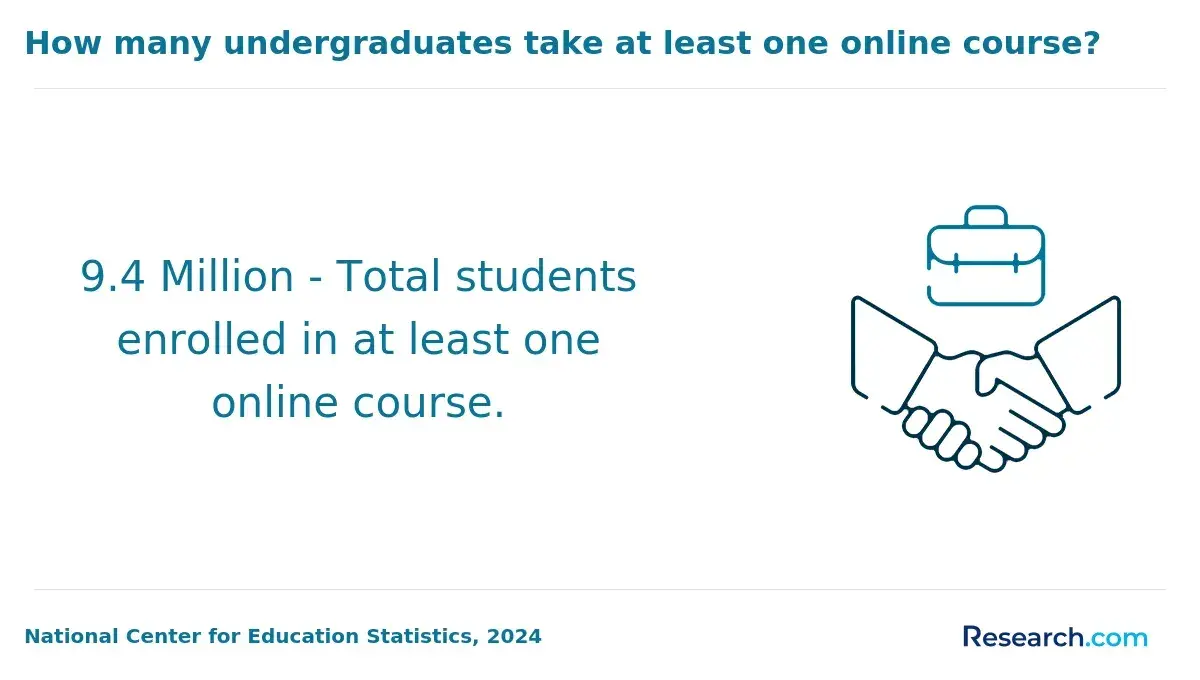
The online Esports Business bachelor's programs that accept the most transfer credits are usually designed for students who already have college experience. Research indicates that some programs may accept upwards of 75% of total credits from external institutions. However, the best program is not automatically the one with the highest transfer cap. The better choice is the program that applies the largest number of your credits to actual degree requirements.
Programs with generous transfer policies often share several features:
- Flexible curricula: Degrees with room for general education and elective credits can often apply more previous coursework than highly prescribed programs.
- Strong business core alignment: If the esports business curriculum includes standard business courses, students with prior accounting, marketing, management, economics, or communication credits may have more usable transfer credit.
- Competency-based formats: Some programs allow students to demonstrate knowledge through assessments, which may help learners with professional or industry experience.
- Adult-focused structures: Programs built for working adults may evaluate prior college work, military training, professional certifications, and workplace learning more systematically.
- Dedicated transfer advising: Experienced advisors can identify whether credits fit the major, general education, prerequisites, or electives.
- Clear transfer policies: Transparent policies reduce the risk of enrolling and later discovering that fewer credits apply than expected.
Students should be cautious about marketing claims such as "transfer up to 90 credits" if the school does not explain how those credits will count. A high transfer maximum is helpful only when the remaining course sequence is realistic, affordable, and aligned with your career goals in esports business, marketing, operations, event management, talent management, or digital media.
If affordability is a major factor and you are still comparing business-focused online options, a broader guide to earning a business degree online can help you evaluate cost, flexibility, and transfer value alongside esports-specific programs.
How Do I Transfer Credits to an Online Esports Business Bachelor's Degree?
Transferring credits to an online Esports Business bachelor's degree is a step-by-step process. Data from the National Student Clearinghouse shows that nearly 40% of undergraduate students transfer credits at some stage in their academic journey. The key is to complete the evaluation before you make a final enrollment decision, because accepted credits can affect your cost, timeline, course load, and financial aid planning.
Steps to transfer credits
- List every institution you attended: Include community colleges, universities, online schools, military education, dual-enrollment providers, and any institution where you earned credit.
- Request official transcripts: Most schools require official transcripts sent directly from each prior institution. Unofficial transcripts may be useful for an early estimate but usually are not enough for final approval.
- Gather supporting documents: Save syllabi, course descriptions, catalogs, certification records, military transcripts, AP or IB scores, and professional training documentation.
- Apply or request a preliminary review: Some colleges evaluate transfer credits only after application, while others provide informal reviews before admission.
- Complete the course evaluation: Admissions staff, registrars, faculty, or academic advisors compare your prior coursework with the esports business curriculum.
- Review the degree audit: Confirm which credits apply to general education, major requirements, electives, prerequisites, and total credit requirements.
- Appeal when appropriate: If a relevant course is denied, ask whether you can submit a syllabus or additional documentation for reconsideration.
- Meet with an advisor before enrolling: Build a remaining course plan so you understand the exact sequence, estimated graduation timeline, and remaining cost.
Common mistakes include submitting incomplete transcripts, assuming all credits will count, enrolling before the credit audit is complete, overlooking residency requirements, and failing to ask whether credits apply to the major or only to electives. A careful transfer review can prevent unnecessary courses and reduce surprises after enrollment.
How Do Transfer Credits Speed Up an Online Esports Business Bachelor's Degree?
Transfer credits speed up an online Esports Business bachelor's degree by reducing the number of courses left to complete. Students commonly transfer between 30 to 60 credits, which may save roughly one to two years of study. The actual time saved depends on course sequencing, term length, enrollment status, prerequisite rules, and how often required courses are offered.
The biggest advantage is not just fewer credits; it is better placement. If your prior courses satisfy prerequisites and lower-division requirements, you may be able to move into esports-specific business courses sooner.
- Reduced coursework: Accepted credits can remove general education, introductory business, and elective courses from your remaining plan.
- Earlier access to major courses: If prerequisites transfer, you may begin specialized coursework in esports operations, marketing, event planning, sponsorship, analytics, or digital media sooner.
- Shorter completion timeline: Fewer required credits can reduce the number of terms needed, especially for students who enroll full time or use accelerated online sessions.
- More manageable schedules: Students balancing work, family, or military obligations may be able to take fewer courses per term while still graduating on a reasonable timeline.
- Lower risk of stopping out: A shorter path can reduce fatigue and financial pressure, both of which can affect persistence.
Transfer credits are most powerful when they eliminate required courses in the correct sequence. For example, transferring a business statistics course may help you move into analytics-related coursework faster, while a random elective may reduce total credits but not shorten the path if required courses remain locked behind prerequisites.
Students interested in fast academic pathways may also compare models in other fields, such as a 6 months masters degree online, while remembering that bachelor's completion speed depends on the number of transferable credits and the program's remaining requirements.
Can Transfer Credits Reduce the Cost of an Online Esports Business Bachelor's Degree?
Yes. Transfer credits can reduce the cost of an online Esports Business bachelor's degree because students generally pay for fewer remaining courses. According to the National Student Clearinghouse Research Center, students with transfer credits save an average of 24% on their degree expenses compared to those starting fresh. The savings can be meaningful, but they depend on tuition rates, fees, how credits apply, and whether financial aid rules affect enrollment status.
- Lower tuition: If fewer credit hours remain, students may pay less in tuition overall.
- Fewer course materials: Completing fewer classes can reduce spending on textbooks, software, subscriptions, and other required materials.
- Shorter enrollment period: Spending fewer terms in school can reduce recurring technology, student service, and administrative fees.
- Earlier workforce entry or advancement: Finishing sooner may allow students to pursue promotions, internships, or industry roles earlier.
- More targeted spending: Students can focus remaining tuition dollars on advanced esports business courses instead of repeating general requirements.
Transfer credits can also create hidden costs if students are not careful. Application fees, transcript fees, prior learning assessment fees, and repeated courses can reduce savings. Some students also lose money when credits transfer only as electives and do not shorten the actual degree timeline. Always compare the total remaining cost after the transfer audit, not just the school's published tuition rate.
When reviewing affordability, ask the school for a written estimate that includes remaining credits, tuition per credit, required fees, expected materials, financial aid eligibility, and any transfer evaluation charges. Students comparing transfer benefits across professional fields can also review examples such as accredited speech pathology programs, where program standards and credit applicability can strongly affect cost and completion time.
How Can I Maximize Transfer Credits for an Online Esports Business Bachelor's Degree?
Students transferring into an online Esports Business bachelor's degree can frequently apply a substantial portion of previous credits, with data showing that up to 75% of prior coursework may count toward degree completion. Maximizing transfer credit requires planning before enrollment and careful documentation of everything you have completed.
- Request evaluations from multiple schools: Different institutions may evaluate the same credits differently. Comparing written transfer audits can reveal which program gives you the most useful credit.
- Prioritize accredited programs: Credits from recognized accredited institutions are generally easier to evaluate and more likely to be accepted.
- Match courses to degree requirements: Compare your previous coursework with each program's curriculum. Look for overlap in business, communication, statistics, marketing, management, economics, media, and technology courses.
- Collect syllabi and course descriptions: If a course title is unclear, a syllabus can help prove that the content matches a requirement.
- Ask about credit by exam and prior learning assessment: Some programs allow students to earn credit through standardized exams, portfolios, certifications, or competency assessments.
- Submit every transcript: Omitting a transcript can delay evaluation and may violate admissions requirements, even if you think the credits will not apply.
- Appeal denied credits with evidence: If a relevant course is rejected, ask whether additional documentation can support reconsideration.
- Check residency and major-credit rules: A school may accept many credits overall but still require a minimum number of major or upper-division credits completed in-house.
- Get the final plan in writing: Before enrolling, confirm remaining courses, total credits needed, estimated completion time, and expected cost.
The goal is not simply to transfer the largest number of credits. The goal is to transfer the right credits: those that reduce required coursework, preserve financial aid eligibility, and move you efficiently into esports business classes that support your career goals.
What Graduates Say About Online Esports Business Bachelor's Degree Programs That Accept Transfer Credits
- Vance: "Transferring to an online esports business bachelor's degree program was a game changer for me because it offered the flexibility I needed while working full-time. I appreciated how affordable the credit transfer process was compared to starting from scratch, which made continuing my education much more accessible. Thanks to this pathway, I quickly advanced in my career by gaining industry-relevant skills without delaying my professional growth."
- Marvin: "Reflecting on my decision to transfer into an online esports business program, the main draw was how seamlessly my previous coursework was accepted, saving me a lot of time and money. The cost of transferring credits was surprisingly reasonable, and the program's structure allowed me to balance school with my personal commitments. This experience ultimately positioned me for leadership roles in the esports market that I hadn't imagined before."
- Parker: "I chose to transfer to an online esports business bachelor's degree program because it aligned perfectly with my career goals and offered a cost-effective way to build on my existing credits. The affordable credit transfer fees made the transition smooth without financial strain, and the curriculum immediately enhanced my understanding of the esports industry's business side. This strategic move has been pivotal in opening doors for me in esports management and consulting."
Other Things You Should Know About Esports Business Degrees
Yes, reputable online esports business bachelor's degree programs are typically offered by regionally or nationally accredited institutions. Accreditation ensures the program meets quality standards recognized by employers and other academic institutions, which is important when transferring credits or pursuing advanced degrees.
Many online esports business programs provide career services such as internship placement assistance, resume building, and networking opportunities within the esports industry. These resources help students connect with potential employers and gain practical experience relevant to the esports business field.
Most 2027 online esports business bachelor's degree programs do not require on-campus residencies, as they are fully online. However, some programs may offer optional in-person events or workshops, which can enhance networking and practical learning opportunities. Always check with the specific program for precise requirements.
References
- How Credit Transfer Works in Fast Track Bachelor Programs https://aimscollegeuae.org/how-credit-transfer-works-in-fast-track-bachelor-programs/
- How To Transfer Credits To Online College https://www.affordablecollegesonline.org/college-resource-center/transfer-to-online-college/
- Esports https://www.staffs.ac.uk/course/esports-ba
- Game Business & Esports Bachelor's Degree https://www.fullsail.edu/degrees/game-business-esports-bachelor
- Esports Business Operations https://www.riosalado.edu/degrees-certificates/business-entrepreneurialism-and-management/esports-business-operations-5335-ccl
- Esport and Digital Game Management, B.S. - University of New Haven https://www.newhaven.edu/business/undergraduate-programs/esport-digital-game-management/index.php
- Online Bachelor of Business Administration and Digital Innovation with Sports and eSports Management https://www.global-business-school.org/programs/bachelor-europe-bachelor-of-business-administration-online/online-bachelor-of-business-administration-and-digital-innovation-with-sports-and-esports-management/
- Bachelor's Degree in Esports Business https://kamk.fi/en/koulutukset/bachelors-degree-in-esports-business/
- The Business of Esports Specialization https://algomau.ca/academics/faculty-of-business-economics/the-business-of-esports-specialization/
- Esports Management https://online.champlain.edu/degrees-certificates/bachelors-esports-management