2027 Best Value Online Hospitality Management Master's Degrees: Affordable Accredited Programs with the Highest ROI

Co-Founder and Chief Data Scientist
Choosing an online hospitality management master's program often means balancing cost, credibility, and career impact under tight constraints. With the National Center for Education Statistics reporting a 21% rise in online graduate enrollment through 2024, flexible and affordable options have become essential for working professionals and career changers.
However, not all programs deliver equal returns on investment, especially when accreditation and industry relevance vary widely. This analysis unpacks these critical factors, spotlighting programs that optimize financial access without compromising academic rigor or future opportunities in a competitive field increasingly driven by proven outcomes and practical skillsets.
Key Things to Know About the Best Value Online Hospitality Management Master's Degrees
- Affordable accredited programs often require balancing tuition costs with limited campus resources, affecting networking opportunities critical for career progression in hospitality management.
- Employers increasingly value accredited online degrees aligned with industry standards, underscoring the importance of program recognition for advancing within competitive hospitality sectors.
- According to the National Center for Education Statistics, adult learners make up over 40% of graduate enrollment, highlighting the need for programs offering flexible pacing to accommodate work-life demands in hospitality management.
What Are the Best Value Online Hospitality Management Master's Programs in the U.S.?
Best value in an online hospitality management master's program rests on a nuanced balance: affordable total tuition must be weighed alongside accreditation credibility, the likelihood of timely graduation, and demonstrated salary gains after graduation. For working professionals or first-generation graduate students, this balance can dictate whether a degree is a strategic investment or a costly distraction.
For example, a candidate juggling full-time work and family commitments may prefer a fully asynchronous program with proven completion support, while another aiming for a role in global hotel chains might prioritize a hybrid structure with international case studies. These tradeoffs matter deeply because not all programs deliver equal returns on investment, despite similar cost structures or institutional prestige.
The following list highlights five fully online, accredited hospitality management master's programs in the U.S., ordered by total tuition from lowest to highest. This categorization enables learners to filter options by their budget constraints while factoring in delivery style and program specialization that reflect real industry demands.
- Institution: University of Central Florida
- Estimated Total Tuition: $18,000
- Delivery Format: Asynchronous
- Differentiator: Emphasizes strategic leadership with a strong industry advisory board integrating current hospitality market trends.
- Institution: Florida International University
- Estimated Total Tuition: $22,500
- Delivery Format: Hybrid synchronous/asynchronous
- Differentiator: Combines international hospitality perspectives with applied analytics training suited for global chain management.
- Institution: Colorado State University
- Estimated Total Tuition: $26,000
- Delivery Format: Fully asynchronous
- Differentiator: Focus on sustainability and innovation in hospitality operations reflecting growing industry priorities.
- Institution: New York University
- Estimated Total Tuition: $34,000
- Delivery Format: Mostly synchronous
- Differentiator: Access to an extensive alumni network in luxury and urban hospitality sectors enhancing post-grad opportunities.
- Institution: University of Nevada, Las Vegas
- Estimated Total Tuition: $36,500
- Delivery Format: Flexible synchronous
- Differentiator: Strong linkage with Las Vegas hospitality industry provides unmatched internship and employment pathways.
Students navigating choices among affordable accredited hospitality management graduate degrees with high ROI should also carefully assess delivery formats against their personal circumstances and career goals. Moreover, candidates seeking financial assistance may explore options through cheap online colleges that accept FAFSA to mitigate upfront costs without compromising accreditation or outcome quality.
What Accreditations Should an Online Hospitality Management Master's Program Have?
Choosing an online hospitality management master's program without the right accreditation can severely limit a graduate's career mobility and credential recognition. For instance, degrees from nationally accredited programs often face hurdles in credit transfer and employer acceptance compared to regionally accredited counterparts.
Accreditation operates on two critical levels that students must analyze carefully before investing significant time and money.
- Regional Accreditation: This is the essential baseline provided by one of the seven regional agencies acknowledged by the U.S. Department of Education, such as the Higher Learning Commission (HLC) or the Southern Association of Colleges and Schools (SACSCOC). Regional accreditation is fundamental for qualifying for federal financial aid, facilitating credit transfer between institutions, and gaining employer trust rooted in well-established academic standards.
- Programmatic or Field-Specific Accreditation: Although hospitality management lacks a dedicated national accreditation body, graduate programs often pursue accreditation through specialized organizations connected to business or service disciplines. For example, accreditation from AACSB (Association to Advance Collegiate Schools of Business) signals rigorous quality when a program integrates business or management components, strengthening professional credibility in competitive job markets.
- Red Flags: Prospective students should remain wary of programs only holding national accreditation, which tends to focus on vocational training and often lacks transferability or broad employer recognition. Claims of accreditation from unrecognized, for-profit entities often translate to degrees with limited value and hindered credit acceptance elsewhere.
Before committing, ask admissions representatives these critical questions to verify a program's accreditation standing and real-world applicability:
- Regional Accreditation: Is the institution accredited by a U.S. Department of Education-recognized regional agency?
- Specialized Accreditation: Does the hospitality management master's program hold specialized accreditation or affiliations with respected business or industry bodies?
- Credit Transferability: Can credits from this program be easily transferred to other accredited institutions?
- Graduate Employment: Are recent graduates employed in roles that align with the program's stated career outcomes?
How Much Does an Online Hospitality Management Master's Degree Cost on Average?
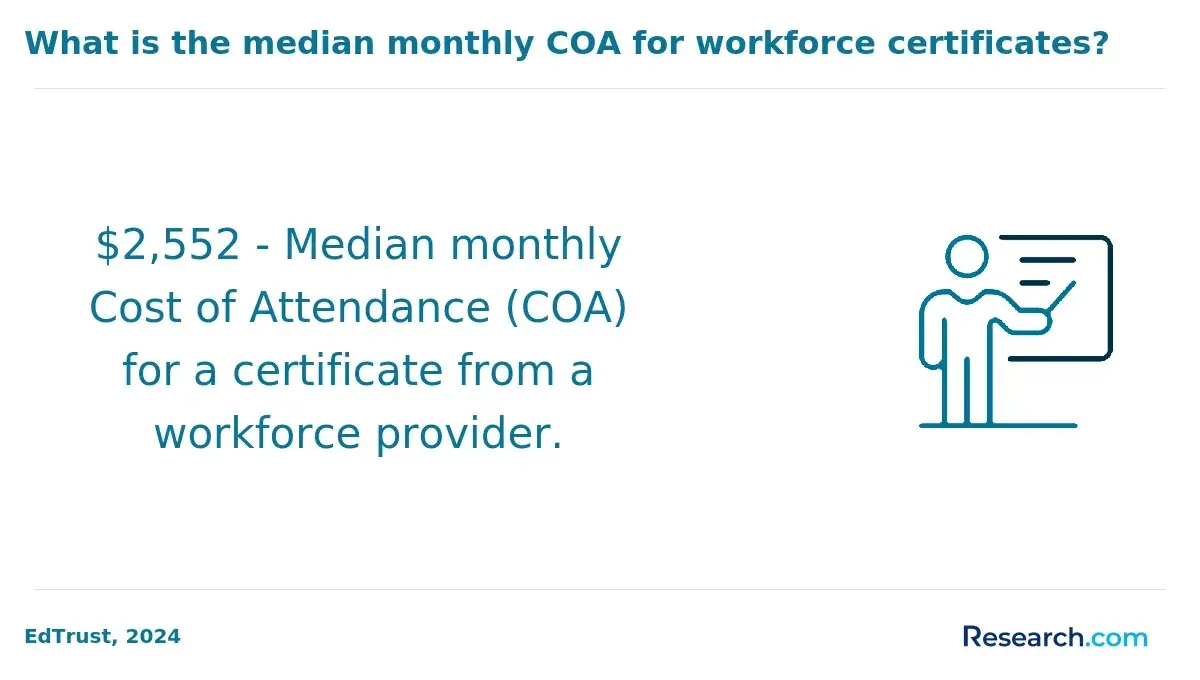
An online hospitality management master's degree in the United States typically incurs a total cost ranging widely depending on the institution type and fee structures. Public universities often report average per-credit-hour tuition rates and overall program charges that are notably lower than those at private or nonprofit schools, with public institutions averaging less in both direct tuition and associated costs, according to IPEDS and institutional data.
This has practical implications: students balancing budgets must weigh whether the higher sticker price of private programs aligns with differences in network access or specialized offerings, particularly when many public programs now adopt flat-rate tuition that minimizes the traditional in-state versus out-of-state cost gap.
- Tuition Range: Public universities generally set less expensive tuition, frequently reflecting in-state/out-of-state tiers, though many online hospitality management master's degree cost structures have moved toward uniform pricing regardless of residency, easing planning for remote learners.
- Additional Fees: Expenses beyond tuition often add significantly, including mandatory technology fees, application charges, thesis or capstone project costs, and sometimes exam proctoring fees, all of which can cumulatively increase the total financial commitment.
- Residency Requirements: Some programs require short on-campus residencies, which introduce variable travel and lodging expenses-an essential consideration for working professionals or those with family obligations.
- Public vs. Private Averages: While public universities offer comparatively lower total expenses, private and nonprofit options might deliver benefits in career placement or specialized curricula that affect long-term ROI.
- Cost Transparency: Students should proactively request comprehensive cost breakdowns from programs to avoid unexpected financial burdens throughout their studies.
When comparing graduate study options, uncovering these cost components matters as much as the base tuition itself. For those evaluating affordability alongside practical outcomes, understanding how extra fees and residency mandates inflate the "average tuition fees for accredited online hospitality management master's programs" is crucial before committing significant resources.
In parallel to hospitality management, learners considering programs like an online game design degree must also navigate tuition variability and fee structures, underscoring that transparent cost data is a shared need across career-focused online graduate education.
What Is the Return on Investment (ROI) of an Online Hospitality Management Master's Degree?
Evaluating the ROI of an online hospitality management master's degree requires weighing the financial uplift against program costs and career timing. ROI here means the net salary increase after graduation compared to what was spent on the degree, measured either as a percentage gain or the number of years to recoup expenses.
Median pre-degree salaries for hospitality roles typically span $45,000 to $60,000, while post-master's earnings can rise to $70,000-$90,000 depending on specialization and industry segment. This jump is significant but varies widely with several conditions influencing the ultimate return.
- Work Experience: Candidates with existing management or sector experience often translate their degree into faster, higher salary boosts than those starting without industry background.
- Institution Prestige: Graduating from a well-regarded, accredited program that maintains industry connections tends to improve placement opportunities and salary offers.
- Regional Demand: Economic hubs and tourist-heavy areas generally pay more for hospitality leadership, shortening the time needed to benefit financially from the degree.
- Specialization: Fields like event management, hotel operations, or food service leadership differ in market demand, influencing salary outcomes after graduation.
Non-financial returns also shape the value proposition: the degree can open new career tracks, support promotions, and enhance job stability. These intangibles matter for some but cannot substitute for clear financial feasibility for prospective students balancing cost against future earnings.
One graduate shared how their decision to apply hinged on navigating rolling admissions amid professional uncertainty. They initially hesitated, worrying about funding and job security. After months of preparation and delayed acceptance notifications, they secured a spot that aligned well with their work schedule. This timing uncertainty added stress but ultimately allowed them to commit confidently.
What Are the Admission Requirements for an Online Hospitality Management Master's Program?
Admission to online hospitality management master's programs requires balancing academic credentials with professional experience, reflecting the sector's practical demands. Many programs set a baseline undergraduate GPA near 3.0 on a 4.0 scale, but some admit candidates with lower GPAs if supplemented by strong career achievements or leadership evidence. This flexibility acknowledges that technical competence alone doesn't capture potential in service-driven fields.
- Letters of Recommendation: Typically two or three, these must come from individuals who can credibly speak to the applicant's preparedness for advanced study and managerial roles, often academic advisors or workplace supervisors.
- Statement of Purpose: A focused essay outlining career objectives and relevant hospitality experience helps distinguish candidates whose goals align closely with program strengths and industry expectations.
- Resume or CV: Demonstrating a solid work history in hospitality or related sectors is crucial since many programs prioritize professional context to enrich classroom discussions and applied learning.
- Test Scores: GRE and GMAT requirements have decreased, with most programs adopting test-optional policies; however, applicants targeting STEM-designated programs or technically rigorous tracks may still need to prove quantitative aptitude.
- Prerequisites: Coursework in business fundamentals, marketing, or statistics often applies, especially for those switching from unrelated fields, ensuring readiness for specialized curricula.
Given the variability in admissions emphasis across institutions, applying across reach, match, and safety programs maximizes chances and helps applicants find programs aligning with their funding capacity, career stage, and professional priorities.
What Is the Minimum GPA Requirement for a Hospitality Management Master's Program?
Minimum GPA requirements for online hospitality management master's programs reflect strategic admissions decisions that balance academic standards with workforce realities. Most accredited programs set a floor between 2.75 and 3.0 GPA, establishing the baseline for eligibility, while more selective institutions expect a competitive GPA of 3.2 or higher.
This aligns with the academic profile of students who successfully navigate the rigorous curriculum and better position themselves for desirable industry roles. Real-world implications hinge on this distinction: applicants meeting only the minimum may be admitted but face tougher competition for scholarships and limited networking advantages, whereas a competitive GPA often correlates with stronger placement outcomes and employer recognition.
Admissions processes also recognize that GPA is not always a deterministic factor. Many programs offer GPA waivers, allowing candidates to substitute relevant professional experience, portfolios, or high-standardized test scores in lieu of strict academic metrics. For example, a working professional with extensive hospitality leadership may gain conditional or provisional admission despite a below-threshold GPA.
- Minimum Eligibility: Typically ranges from 2.75 to 3.0 GPA and reflects programs' lowest threshold for formal review in many accredited online hospitality management master's programs.
- Competitive GPA: Commonly around 3.2 or above; meeting this enhances application strength amid selective applicant pools and influences scholarship and employer perceptions.
- GPA Waivers: Frequently granted for applicants with strong professional backgrounds, portfolios, or standardized test achievements, acknowledging diverse qualifications beyond academics.
- Conditional Admission: Applicants below minimum GPA thresholds may be provisionally accepted with requirements such as completing foundational courses or maintaining performance benchmarks.
- Holistic Review: GPA is one factor among many in evaluating work experience, motivation, recommendations, and achievements, reflecting programs' desire to identify candidates capable of succeeding despite nontraditional academic records.
For students clarifying typical GPA eligibility for hospitality management graduate programs in the US, factoring in these nuances is critical. This approach aids in identifying programs aligned with personal circumstances and career goals, especially when combined with research on affordability and academic credibility.
Prospective students should also consider exploring options such as the cheapest ABA-approved paralegal programs within related fields for comparative budgeting strategies.
What Financial Aid Options Are Available for Online Hospitality Management Master's Students?
Financing an online hospitality management master's degree often hinges on navigating nuanced aid options that differ substantially from undergraduate funding. A common misstep is assuming federal grants like Pell are available; they typically are not at the graduate level, which can leave many first-generation applicants unprepared for the loan-driven reality.
Successful funding strategies balance borrowing with merit aid and employer contributions to minimize long-term debt burdens while maintaining career flexibility.
- Federal Loans: Direct Unsubsidized Loans provide essential baseline funding but accumulate interest during study. Graduate PLUS Loans can cover substantial gaps but require credit approval, making timing and credit preparation crucial.
- Institutional Scholarships and Fellowships: Competitive awards based on academic or leadership merit can reduce reliance on loans, though online students should verify availability as these vary and may require early applications.
- Employer Tuition Reimbursement: For working professionals, employer aid can alter repayment dynamics significantly, yet these agreements often include service stipulations or performance benchmarks that affect career decisions.
- Graduate Assistantships: Less common but emerging in some online programs, assistantships offer tuition offsets in exchange for research or administrative duties, demanding early inquiry and balancing workload commitments.
- External Scholarships: Targeted aid from hospitality industry-related organizations can supplement institutional support, especially for underrepresented candidates, necessitating proactive research and application well before deadlines.
- FAFSA and Student Aid Index: Graduate applicants must submit FAFSA annually, with eligibility tied to the Student Aid Index rather than grant availability, underscoring the importance of thorough, timely financial documentation.
To optimize financial aid outcomes, applicants should apply early, pursue scholarships aligned to hospitality management, negotiate existing aid offers, and explore state grant programs when possible.
One recent graduate shared that navigating aid involved balancing rolling admissions with fluctuating scholarship notifications. They delayed final enrollment until scholarship and loan offers aligned, describing the process as "a tightrope walk between urgency and patience."
Their experience highlighted the value of early FAFSA submission and employer conversations before committing financially, especially in an online format where institutional support can feel less immediate. The graduate also emphasized how uncertain timing pressed them to ask hard questions about repayment scenarios upfront, rather than assuming assistance would arrive seamlessly post-admission.
How Long Does It Take to Complete an Online Hospitality Management Master's Degree?
Completion time for an online hospitality management master's degree reflects important tradeoffs between flexibility, cost, and career timing. Full-time enrollment typically leads to finishing within 18 months to 2 years, which suits those able to prioritize steady study without interruptions. By contrast, the majority of online students enroll part-time, extending the timeline to 2.5 to 4 years.
This slower pace often aligns with working professionals balancing complex schedules, but it also delays entry into more advanced roles and salary increases associated with the graduate credential.
- Typical Duration: Full-time students usually finish within 18 months to 2 years, benefiting from a steady course load and regular semester pacing.
- Part-Time Pace: Most online learners opt for part-time study, often taking between 2.5 to 4 years. This approach provides flexibility but extends overall time to degree completion.
- Credit Hours: Programs generally require between 30 and 45 credit hours. Those on the higher end demand more coursework, which lengthens the study period and financial investment.
- Transfer Credits: Some programs accept graduate-level transfer credits, which can reduce time and cost if aligned with degree requirements.
- Program Structure: Cohort-based scheduling offers fixed timelines, whereas self-paced tracks allow students to accelerate or decelerate progress depending on personal circumstances.
- Accelerated Options: Certain offerings allow completion in approximately 12 months, but these faster tracks should be carefully weighed against accreditation standards and employer recognition, which tend to prioritize program quality over speed.
- Thesis or Capstone: Thesis or capstone requirements often add one to two semesters, influenced by project complexity and available faculty advising.
Many prospective students studying how long it takes to complete an online hospitality management master's degree in the United States overlook how these timelines impact workforce reentry and earning potential. For example, part-time study that extends beyond three years may disadvantage applicants for roles requiring recent graduate training or fresh industry insights.
Conversely, accelerated paths, while appealing, carry greater intensity and risk burnout if not closely matched to learner capacity. A practical consideration is that programs with flexible pacing support diverse learner needs, particularly important for first-generation graduates and career changers who juggle competing responsibilities.
According to recent enrollment trends, the prevalence of part-time study among hospitality management master's students reflects this demand for flexibility, a pattern also seen among the easiest online MBA programs, indicating crossover preferences across business graduate education.
What Specializations or Concentrations Are Available in Online Hospitality Management Master's Programs?
Specializations within online hospitality management master's programs significantly shape graduates' career trajectories and earning potential by offering targeted expertise aligned to specific industry sectors. For example, selecting revenue management as a concentration may open doors in dynamic pricing roles within hotel chains, where data-driven decision, while event management prepares graduates to coordinate complex conferences demanding precise logistical skills.
Most accredited programs either provide a general hospitality management track with elective flexibility or require admission declaration of a concentration. Aligning the chosen specialization with labor market realities is critical; applicants should analyze job postings in their desired regions and sectors to determine which concentrations consistently appear in employer requirements, ensuring a better match between skills acquired and workforce demand.
This is particularly relevant for those seeking affordable hospitality management concentrations in the US, where return on investment varies widely by field. Common concentrations across master's programs include:
- Hotel and Resort Management: Operational leadership in lodging and accommodation services.
- Event Management: Planning, coordinating, and executing large-scale events and conferences.
- Food and Beverage Management: Management of food services, catering operations, and culinary business strategies.
- Tourism Management: Travel industry dynamics, destination marketing, and sustainable tourism.
- Revenue Management: Pricing strategy, demand forecasting, and profitability optimization.
- Hospitality Marketing: Consumer behavior, branding, digital marketing, and promotion specific to hospitality.
- Luxury Hospitality Management: High-end service delivery and managing premium customer experiences.
- Sustainability and Responsible Hospitality: Eco-friendly practices and corporate social responsibility in operations.
Not all concentrations yield equal labor market value; salary ceilings and job availability differ by location and subindustry. Engaging with program advisors and alumni can provide nuanced insights beyond promotional materials, helping first-generation graduate students, working professionals, and career-changers identify which options realistically meet their goals. Understanding these intricacies is essential to address both academic affordability and employability.
- Accrediting Bodies: Accreditation Commission for Programs in Hospitality Administration (ACPHA) and recognized regional accreditors approved by the U.S. Department of Education.
- Program Outcomes Focus: Emphasis on measurable advancement, return on investment, and employer reputation for graduates.
- Admission Requirements: Commonly include a bachelor's degree, relevant work experience, and clear career objective statements aligned with specialization choices.
For individuals exploring varied career fields, including those interested in interdisciplinary moves, understanding how hospitality management specializations align with broader workforce trends can be crucial. For example, career resources related to forensic career paths illustrate how focused expertise informs hiring across fields, a useful parallel for hospitality management students assessing specialization impacts within diverse job markets.
How Do Online Hospitality Management Master's Programs Compare to On-Campus Programs in Quality and Recognition?
Employer perception research, including studies from SHRM, consistently shows that most hiring managers do not differentiate between online and on-campus hospitality management master's degrees when both are issued by the same regionally accredited institution. The decisive factor remains accreditation, which guarantees the academic standards and credential validity regardless of delivery format.
Candidates should verify that the diploma does not explicitly indicate "online," as this can affect employer recognition in some sectors. However, on-campus programs tend to retain advantages in areas essential for applied fields-such as spontaneous networking, direct access to campus recruiting pipelines, and hands-on practicum or lab environments-elements typically valued in hospitality management careers where relationship.
Online programs increasingly address these limitations by offering virtual networking platforms, employer partnerships, and hybrid residency weekends, but these alternatives may require additional coordination and proactive engagement. Prospective students weighing cost and flexibility against career outcomes should research specific institutions' reputations and closely examine alumni employment profiles on platforms like LinkedIn to assess actual ROI and job market acceptance.
- Accreditation: Regional accreditation assures equivalency in degree rigor and recognition, nullifying modality as a deciding factor.
- Employer Perception: Hiring managers generally value degrees equally from the same accredited school, discounting "online" stigma when diplomas are identical.
- Networking: In-person programs facilitate easier spontaneous interactions and recruitment events; online formats rely on scheduled virtual forums and residencies.
- Practical Experience: On-campus access to labs and practicums facilitates skill application; online options often use local partnerships for comparable hands-on experience.
- Program Evaluation: Focus on institutional prestige and verify graduate employment outcomes via LinkedIn or employer data rather than delivery mode alone.
What Graduates Say About the Best Value Online Hospitality Management Master's Degrees
- Fisher: "Balancing a full-time job and family commitments was tough, which is why I opted for the program's flexible online format. I chose this affordable, accredited degree because it let me gain relevant skills without pausing my career. While employers often emphasize internships and portfolios over licensure, completing the program helped me secure a remote management role that values practical experience and my adaptability."
- Cairo: "As someone transitioning from hospitality operations to a strategic role, cost was a big concern, so I targeted programs with the best ROI. The coursework sharpened my financial analysis and team leadership, but I found that without certification, upward mobility has limits in my region. Still, the degree's strong emphasis on real-world projects helped me land a part-time internship that's growing my network, which feels crucial in this competitive field."
- Austin: "I was hesitant about returning to school full-time due to workload and budget constraints, so affordability and accreditation guided my choice. The program's focus on hands-on industry skills paid off when I secured a hospitality analyst position shortly after graduation. However, I quickly realized that salary growth will plateau without additional credentials, so I'm planning to pursue professional certifications while leveraging the program's alumni connections."
Other Things You Should Know About Hospitality Management Degrees
Graduates typically move into mid- to upper-level management roles such as operations manager, event planner, or revenue manager, but job placement quality varies widely by program reputation and industry connections. Programs emphasizing applied projects and internships correlate with stronger employer recognition and higher initial salaries. Prospective students should prioritize programs with established industry partnerships, as purely theoretical curricula may hinder networking opportunities and limit access to competitive positions.
Beyond tuition, students should anticipate expenses like specialized software fees, course materials, proctored exam costs, and sometimes mandatory on-site residencies that require travel. These costs add up, especially in programs claiming to be affordable but lacking transparency. Careful budgeting is crucial; a lower sticker price can become less economical once all ancillary fees are included, and financial aid packages often exclude these extras.
The optimal program aligns closely with your specific career trajectory-whether that's hospitality operations, strategic management, or sustainable tourism-and offers courses that build relevant, actionable skills. Graduates targeting leadership roles should prioritize programs with robust management training and mentoring components. Additionally, accreditations from recognized bodies and measurable ROI data should weigh heavily in the decision since these affect transferability of credentials and employer perception.
References
- Accreditation Commission for Programs in Hospitality Administration - (ACPHA) https://www.chea.org/accreditation-commission-programs-hospitality-administration
- MSc in Hospitality & Tourism Management | ESCP Business School https://escp.eu/programmes/specialised-masters-MSc/MSc-in-hospitality-tourism-management
- Online Master of Arts in Executive Hospitality Management | Swiss Hotel Management School https://www.shms.com/en/program/online-master-shms/
- Earn a Master's Degree at EHL Hospitality Business School for Free https://news.ehlgroup.com/earn-a-masters-degree-at-ehl-hospitality-business-school-for-free
- Why Choose a Higher Education Program in Hospitality and Restaurant Management? - School of hospitality management food service and culinary arts https://en.institutlyfe.com/why-choose-a-higher-education-program-in-hospitality-and-restaurant-management/
- Online Master's in Hospitality and Tourism Management | RBS https://romebusinessschool.com/master-online-in-tourism-management/
- Is Grad School Worth It? A Comprehensive Return on Investment Analysis - FREOPP https://freopp.org/whitepapers/is-grad-school-worth-it-a-comprehensive-return-on-investment-analysis/
- Ranking of the Best Masters, MS & MBA 2025 https://www.best-masters.com/master-hospitality-management-ranking.html
- Is College Worth it? | Return on Investment Analysis of College Degree https://educationdata.org/college-degree-roi