2027 Online Engineering Technology Bachelor's Degree Programs With No Prerequisites

Co-Founder and Chief Data Scientist
Many working professionals with degrees in unrelated fields face barriers when trying to enter engineering technology. Traditional programs often require costly prerequisites, delaying career shifts. However, online engineering technology bachelor's degree programs with no prerequisites offer a streamlined path for these individuals.
According to the National Center for Education Statistics, more than 40% of online STEM learners enroll in programs without prior technical background, reflecting growing demand for accessible options. This article explores top programs that waive prerequisite requirements, helping prospective students find flexible, accredited routes to transition efficiently into the engineering technology industry.
Key Benefits of Online Engineering Technology Bachelor's Degree Programs With No Prerequisites
- Online engineering technology bachelor's programs with no prerequisites offer flexible scheduling, allowing working professionals to balance education with career and personal commitments effectively.
- Students can accelerate skill acquisition through self-paced courses and targeted curricula designed to build practical engineering technology competencies quickly.
- These programs enable building valuable credentials on timelines and budgets that fit diverse lifestyles, often supporting credit transfer, financial aid, and student services tailored to career changers.
What Does 'No Prerequisites' Mean for Online Engineering Technology Bachelor's Degree Programs, and Who Benefits Most?
In online bachelor's degree programs, "no prerequisites" means students can enroll in engineering technology without having to complete specific prior coursework, such as advanced math or science classes, or possessing related technical experience. This model differs from open admission, which often focuses on minimal entry requirements like a high school diploma or GED, and from low-barrier enrollment that may include some preparatory steps but fewer academic qualifications overall. No-prerequisites programs aim to remove academic hurdles, making engineering technology degrees more accessible to a broad range of students.
This approach benefits various populations, including career changers who seek to enter a new field without extra prerequisite courses that add time and cost. Working adults balancing jobs and family obligations appreciate the flexibility of starting core coursework immediately. Returning learners, who may have paused their education, also find these programs welcoming, while first-generation college students gain access to paths that reduce barriers linked to unfamiliarity with higher education prerequisites. Such flexibility aligns with the increasing enrollment of non-traditional students, including part-time and older learners, as reported by the National Center for Education Statistics (NCES).
Students exploring no prerequisites for online engineering technology bachelor's programs should consider how these initiatives connect with admissions flexibility, program quality, and support. This article will address:
- Admission Flexibility: How removing prerequisites expands access without lowering academic standards.
- Student Profiles: The types of learners-career changers, adults, first-generation-who particularly benefit.
- Program Quality: Accreditation, faculty expertise, and curriculum features that maintain rigor.
- Support Services: Advising, tutoring, and resources designed for remote student success.
- Financial Aid Access: Funding options available to students admitted without prior coursework.
- Career Outcomes: Employment prospects and skills acquired in engineering technology degrees without prerequisites.
For individuals interested in flexible, accessible higher education paths, exploring the easiest doctorate to get may also be of interest to understand progression options beyond a bachelor's degree.
Which Accredited Online Engineering Technology Bachelor's Programs Accept Students With No Prior College Coursework?
Several regionally accredited institutions have developed online engineering technology bachelor's degree programs designed for students with no prior college coursework. These options either waive formal prerequisites entirely or offer bridge courses that build foundational knowledge, enabling a smooth transition into advanced study.
- Thomas Edison State University: This institution offers a bachelor of science in engineering technology with an open-admission policy, permitting students without previous college credits to begin foundational courses that establish essential competencies. As a regionally accredited university by the Middle States Commission on Higher Education, it enrolls over 20,000 students and provides flexible online pacing and robust support.
- Southern New Hampshire University: SNHU's online Bachelor of Science in Engineering Technology accepts students with no formal prerequisites, offering pre-program resources and bridge classes that prepare learners thoroughly. Accredited by the New England Commission of Higher Education, SNHU supports tens of thousands of online students and provides extensive financial aid packages.
- California State University, East Bay: Committed to adult learners, CSU East Bay's program allows enrollment without prior college coursework. Students lacking prerequisites can take foundational courses during their first year to build academic readiness. The university holds regional accreditation from the WASC Senior College and University Commission and serves over 15,000 students with strong advising services.
- Columbia Southern University: This university enables students to start its Bachelor of Science in Engineering Technology without previous college-level courses by integrating foundational content early in the curriculum. It is accredited by the Distance Education Accrediting Commission and offers dedicated career resources alongside a growing online student body.
- Western Governors University: WGU's competency-based Bachelor of Science in Engineering Technology program allows immediate start for those with no prior credits, focusing on skill mastery rather than seat time. This regionally accredited institution by the Northwest Commission on Colleges and Universities serves many working adults nationwide and provides personalized mentorship.
These best no prerequisite online engineering technology degree programs share critical features such as regional accreditation, ensuring quality education standards. They also offer flexible enrollment policies that reduce barriers for first-generation students, working adults, and career changers. Prospective students should evaluate each school's accreditation status, availability of bridge or foundational courses, financial aid options, student support services-including tutoring and career counseling-and credit transfer policies to make informed choices.
For those exploring affordable pathways to return to education, examining the cheapest online school counseling programs (cacrep-accredited) can provide insights into financial aid and support mechanisms in online learning environments that may align with engineering technology degree objectives.
2026 Update: Lab and Equipment Readiness for Online Engineering Technology Students
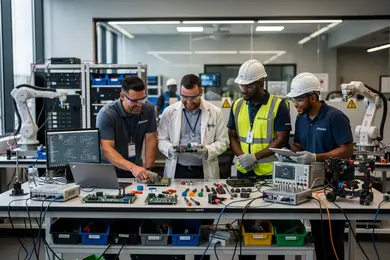
For this 2026 refresh, we added a practical check on the hands-on requirements that can affect students entering online engineering technology programs without prior technical preparation.
- Whether the program requires at-home lab kits, campus visits, or approved local lab sites
- What computer specifications, operating systems, and internet reliability are needed for coursework
- Whether specialized software is included in tuition or purchased separately
- How virtual labs, simulations, or remote-controlled equipment are used in technical courses
- Whether safety training is required before completing electronics, manufacturing, or mechanical labs
- How lab deadlines fit around work schedules, especially for asynchronous online students
- Who provides technical help if equipment, software, or lab access fails during a course
Checking these details before enrolling helps students avoid unexpected costs and choose a no-prerequisite program they can realistically complete from home.
How Do Open-Admission Policies in Online Engineering Technology Programs Differ From Traditional Selective Admissions?
Open admission policies enable students to enroll in online engineering technology programs without meeting standard prerequisites such as minimum GPA or standardized test scores. This model differs from selective admission, which evaluates applicants through transcripts and test results before acceptance, and from rolling or conditional admissions that assess candidates throughout the year or require supplemental coursework. Public colleges like Pima Community College and South Texas College openly publish these policies and confirm them through IPEDS data, showing no requirement for prior academic credentials to join their programs.
- Admissions Flexibility: Open admission removes traditional barriers, allowing anyone who applies to start the program without competitive screening, unlike selective or rolling admissions that apply stricter evaluation criteria.
- Academic Preparation Diversity: Students enrolling through open admission vary widely in knowledge and skills, prompting programs to offer foundational classes or orientations to strengthen essential competencies and foster a balanced learning environment.
- Student Support: Institutions with open admission commonly provide tutoring, advising, and orientation initiatives to help students succeed despite differing academic backgrounds.
- Career Alignment: Students should consider whether an open-admission route fits their professional goals since some employers and graduate schools may prefer candidates from more selective programs.
According to recent data from the National Center for Education Statistics, nearly 30% of undergraduates nationwide attend open-admission institutions, highlighting a growing trend toward inclusive access, particularly in technical fields like engineering technology.
A professional who recently pursued an online bachelor's degree in engineering technology through an open-admission program shared that the absence of entry barriers was a relief after years away from formal education. He described feeling uncertain initially about handling the program's technical rigor, but appreciated the availability of tutoring and foundational courses that helped bridge gaps in his knowledge. "It wasn't easy at first-balancing work, life, and studying-but knowing the program understood where I was starting from made a big difference," he said, emphasizing that open admission gave him a vital second chance to shift careers despite earlier academic setbacks.
What Are the Typical Enrollment Requirements for No-Prerequisite Online Engineering Technology Bachelor's Programs?
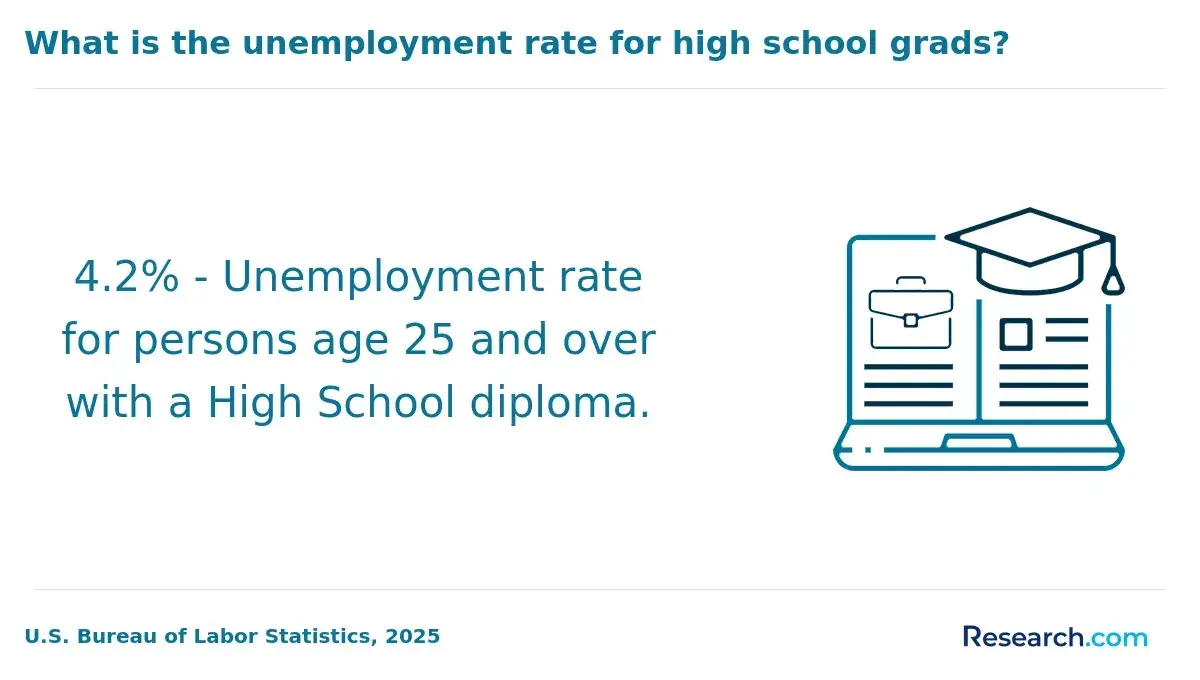
For "no-prerequisite" online Engineering Technology (ET) programs, the term usually refers to programs that do not require a prior engineering degree or specific technical certifications for admission. These programs are designed to be accessible to career-changers or high school graduates, though they still maintain standard university enrollment criteria.
Proof of High School Completion: Enrollment usually requires evidence of a high school diploma or GED equivalent, supporting foundational academic readiness for no-prerequisite online engineering technology bachelor's programs. This credential enables institutions to assess students even without prior college coursework.
English Proficiency: Since instruction is conducted in English, non-native speakers commonly must demonstrate language skills through test scores or previous coursework. This ensures students can fully engage with program materials and maintain academic standards.
Minimum Age Requirement: Most programs set a minimum age-often 18 years-to comply with legal and policy guidelines. Some institutions offer exceptions by allowing parental consent or dual-admission enrollment paths, assisting younger learners seeking no-prerequisite Engineering Technology degrees without prior coursework.
Alternative Pathways: For applicants lacking traditional diplomas, accredited schools frequently provide options like GED preparation or dual-enrollment with local high schools and community colleges. These routes help candidates meet enrollment criteria while pursuing their educational goals.
Application Preparedness: Gathering transcripts, identification, and residency proof ahead of time expedites the admissions process. Timely and accurate submission is especially valuable in open-enrollment systems designed to accommodate working adults and career changers.
Institutional Variations: Public schools tend to emphasize accessibility with more flexible standards, whereas private nonprofit institutions might require additional documentation or assessments even for no-prerequisite programs. Recognizing these differences helps prospective students choose programs aligned with their needs and qualifications.
For those exploring flexible online options, researching a variety of programs-including those specializing in related fields like the online video game design degree-can provide helpful context on admission and support services available.
Are No-Prerequisite Online Engineering Technology Bachelor's Programs Available at Regionally Accredited Universities?
Regional accreditation plays a vital role for students considering no-prerequisite online engineering technology bachelor's programs. Unlike national accreditation, which is often associated with career-focused or vocational schools, regional accreditation signifies that an institution meets rigorous academic standards recognized across the U.S. This distinction impacts financial aid eligibility, as only regionally accredited programs generally qualify for federal loans and grants, making education more affordable for many learners.
Credits earned from regionally accredited programs are more likely to transfer smoothly to other universities or graduate schools, a crucial factor if you plan to advance your education later. Employers also tend to prefer degrees from regionally accredited schools, as these credentials carry greater credibility and demonstrate adherence to high-quality instruction and curriculum.
The U.S. Department of Education's accreditation database and the Council for Higher Education Accreditation (CHEA) directory are reliable tools for identifying regionally accredited institutions offering open-admission or prerequisite-free online engineering technology degrees. Prioritizing these sources helps ensure your program meets quality benchmarks and supports your academic and career goals.
- Accreditation Type: Verify the program's regional accreditation via Department of Education or CHEA listings to confirm institutional legitimacy and degree value.
- Financial Aid Eligibility: Ensure the program qualifies for federal aid, which often depends on maintaining regional accreditation status.
- Credit Transfer: Confirm that credits earned will be recognized by other colleges or universities for further studies.
- Employer Recognition: Choose regionally accredited schools, as their degrees are typically favored by hiring managers for job prospects and promotions.
When speaking with a professional who completed an online engineering technology bachelor's program with no prerequisites at a regionally accredited university, she shared how vital the flexibility and recognized accreditation were in her journey. She admitted that returning to school after years in a different field was daunting-"I was worried about being held back by missing prerequisite classes or having my credits dismissed." However, the open-admission policy allowed her to start promptly, and the regional accreditation gave her confidence that her degree would hold weight with employers. She emphasized that access to federal aid made the financial side manageable, and the school's support services helped her navigate challenges. Reflecting on her career growth, she concluded, "Choosing a regionally accredited, no-prerequisite program was the turning point-it opened doors I didn't expect and validated my efforts every step of the way."
How Do Students Without Academic Prerequisites Catch Up in Online Engineering Technology Bachelor's Courses?
Many no-prerequisite online engineering technology programs include multiple academic support options to help students build foundational skills and succeed. These services are essential for learners who may need to strengthen their math, science, or technical communication abilities before tackling advanced coursework.
- Developmental Courses: Programs often provide bridge or refresher courses in subjects like mathematics and physics. These are typically self-paced and embedded within the curriculum, allowing students to gain critical knowledge before progressing.
- Tutoring Services: Personalized online tutoring through video calls, chat, or email is widely available. This targeted assistance helps clarify difficult topics and supports students transitioning from non-technical backgrounds.
- Peer Mentoring: Institutions sometimes offer peer mentoring or study groups that connect newcomers with experienced students. Such networks encourage engagement and reduce the isolation common in remote learning environments.
- Bridge Programs: Accredited universities, including Purdue Global and Southern New Hampshire University, feature formal preparatory modules designed for non-traditional students. These focus on enhancing numeracy and problem-solving skills before entering complex technical material.
- NSSE Findings: Data from the National Survey of Student Engagement links frequent use of academic support to higher retention and graduation rates in online programs. Students who engage with tutoring and mentoring report greater satisfaction and persistence.
- Self-Assessment Tools: Prospective learners are encouraged to use placement tests or online quizzes offered by institutions. Early evaluation helps identify gaps and guides timely intervention strategies.
- Proactive Engagement: Success depends on students actively seeking out advising and academic resources upon enrollment. Starting support early and maintaining engagement can greatly ease the transition into demanding engineering technology coursework.
Recent National Center for Education Statistics data show that over 60% of online bachelor's students utilize these institutional support services, highlighting their vital role in student achievement, especially within STEM fields like engineering technology.
What Support Services Help No-Prerequisite Students Succeed in Online Engineering Technology Bachelor's Programs?
Students enrolled in no-prerequisite online engineering technology bachelor's degree programs often access a variety of support services designed to boost their academic success while managing work and family responsibilities.
- Academic Advising: Personalized advising helps students plan courses, understand degree requirements, and identify transferable credits. Advisors usually offer virtual meetings or asynchronous messaging to fit diverse schedules.
- Mental Health Resources: Confidential counseling, stress management workshops, and wellness portals support students' emotional health. Licensed counselors available via telehealth help maintain well-being essential for persistence in challenging engineering technology programs.
- Disability Accommodations: Recognized institutions provide extended test times, assistive technologies, and alternative formats accessible remotely. These accommodations ensure equitable learning opportunities regardless of location or physical ability.
- Career Counseling: Services include resume reviews, mock interviews, and job placement assistance specific to engineering technology careers. Virtual job fairs and networking events connect students with industry employers beyond geographic limits.
According to U.S. News Best Online Bachelor's Programs rankings, online students with robust advising and mental health support are 30% more likely to complete their degrees. Asynchronous tools and virtual office hours make it easier for working adults to access help when convenient. Investing in online engineering technology programs with nationally recognized student support infrastructure significantly lowers dropout risk and improves degree completion outcomes.
Can Transfer Credits or Prior Learning Assessments Replace Prerequisites in Online Engineering Technology Programs?
Transfer credits and prior learning assessments (PLA) serve as strategic pathways to bypass prerequisites in online engineering technology bachelor's degree programs, saving students both time and tuition costs. Many institutions accept exams such as CLEP (College Level Examination Program) and DSST (DANTES Subject Standardized Tests), which align with foundational course requirements and frequently substitute for general education or introductory technical classes. For working adults or career changers, using prior learning assessments for admission in engineering technology degrees is an effective way to leverage existing knowledge.
- Transfer Credit Flexibility: Certain universities allow up to 75% of a degree to be completed through transfer credits by accepting prior coursework from accredited institutions. This approach enables students to avoid retaking prerequisites if they've previously covered equivalent material.
- Prior Learning Assessment (PLA): PLA programs evaluate knowledge acquired outside formal classrooms, including military training, professional certifications, and work experience. The American Council on Education (ACE) credit recommendations often guide this evaluation, helping institutions award academic credit for nontraditional learning.
- ACE Credit Recommendations: ACE's framework assesses military service, workplace training, and certifications for credit eligibility. Many online engineering technology programs follow ACE standards, facilitating prerequisite waivers for veterans and employed professionals.
- Institutions With Generous PLA Policies: Schools such as Thomas Edison State University and Charter Oak State College offer substantial PLA options, permitting up to 30 credit hours via prior learning exams and portfolio assessments, greatly reducing mandatory prerequisite courses.
- Documentation and Submission: Students should compile thorough portfolios, official test scores, and instructional transcripts that clearly demonstrate equivalence to required courses. Proper documentation is essential to maximize credit acceptance and prerequisite substitution.
- Recent Trends: According to the National Center for Education Statistics, over 40% of adult learners use some form of PLA or credit transfer, reflecting growing institutional recognition of alternative learning assessments in engineering technology.
For those exploring online pathways without prior coursework demands, understanding how to apply for transfer credits or PLA options is crucial. Choosing programs with low-barrier enrollment policies yet maintaining quality and accreditation ensures academic rigor and career readiness. Some students also seek flexible degree options like a degree in cryptocurrency, illustrating the expanding scope of technology-related fields.
What Is the Average Time to Completion for No-Prerequisite Online Engineering Technology Bachelor's Degree Programs?
The average completion time for no-prerequisite online engineering technology bachelor's programs generally follows the standard 120-credit-hour framework typical of most bachelor's degrees, usually equating to about four years of full-time study. However, the actual time to degree can vary widely based on factors such as enrollment pace, term length, and prior credit transfer.
- Standard Credit Framework: Most no-prerequisite engineering technology programs require approximately 120 credit hours. Students often begin with foundational courses before moving into specialized engineering technology coursework aligned with this typical duration of online engineering technology bachelor's degrees without prerequisites.
- Enrollment Pace: Full-time or part-time enrollment choices impact how quickly students earn credits. Working adults or career changers frequently opt for part-time study, extending their time to completion beyond the typical four years.
- Term Length and Format: Accelerated options like eight-week terms, competency-based learning models, and year-round enrollment reduce completion time. Accredited institutions such as Southern New Hampshire University and Western Governors University offer flexible programs designed for adult learners seeking faster pathways.
- Prior Credit and Transfer Policies: Accepting transfer credits from previous coursework or professional certifications can significantly shorten degree duration. Prospective students should verify transfer policies, as these vary widely among no-prerequisite engineering technology degrees.
- Graduation Rates and Admissions: According to IPEDS data, open-admission programs often show longer average completion times than selective-admission schools, mainly due to differences in student preparedness and available support services.
- Cost and Opportunity Impact: Time to completion affects total tuition and missed earnings from delayed career advancement. Choosing accelerated formats can lessen financial burdens and speed entry into the workforce-important considerations alongside tuition fees visible in comparisons such as mechanical engineering degree online cost.
How Does Tuition Compare Between No-Prerequisite and Standard Online Engineering Technology Bachelor's Programs?
Tuition rates for no-prerequisite online engineering technology bachelor's programs vary considerably when compared to traditional, selective admission programs. Many open-admission programs offer lower per-credit-hour rates because they accept a broader range of students without strict entry requirements. However, this is not always the case-some public institutions with selective admissions maintain competitive pricing due to state funding.
- Tuition Rates: Open-access programs often aim to be more affordable per credit, but fees can differ widely depending on the institution's funding model and mission.
- Additional Fees: Students in no-prerequisite pathways may be charged for remedial or developmental courses that selective programs typically don't require, which can increase overall expenses beyond the base tuition.
- Institution Type: Public universities generally provide lower tuition in both open and selective programs thanks to government support, whereas private and for-profit schools usually have higher costs regardless of admission policy.
- Program Delivery: Fully online, asynchronous formats reduce some expenses like campus fees, but some no-prerequisite programs include mandatory workshops or personalized support, potentially raising tuition.
- Total Cost Perspective: It's vital for prospective students to estimate the full cost of degree completion-including all fees, total credits needed, and possible extra coursework-rather than focusing solely on per-credit prices when comparing engineering technology options.
Which Online Engineering Technology Bachelor's Programs Allow Students To Start Without A High School Diploma Or GED?
Many accredited online engineering technology bachelor's programs welcome applicants holding a high school equivalency credential such as a GED or HiSET in place of a traditional diploma. These institutions view equivalency credentials as valid proof of secondary education, meeting admissions standards while expanding access for diverse learners.
- Admissions Requirements: Programs often require GED or HiSET official score reports, and some may include additional steps like placement testing or initial coursework to confirm students' preparedness for collegiate engineering technology studies.
- Conditional Admission Options: Several schools offer provisional enrollment to GED holders, allowing them to start core coursework while completing remedial classes in subjects such as math or English if needed, easing transition into the program.
- International and Adult Applicants: Candidates educated outside the U.S. generally must submit credential evaluations that confirm equivalency to a U.S. high school diploma or GED. Language proficiency tests might also be necessary based on institutional policies.
- Accreditation Assurance: Regardless of entry credentials, ensuring the program maintains regional or specialized accreditation is essential for degree recognition, transferability, and qualification for financial aid.
- Support Services and Credit Transfer: Many programs provide tutoring, advising, and credit evaluation to help students maximize prior learning and progress efficiently, improving career outcomes in engineering technology.
What Graduates Say About Their Online Engineering Technology Bachelor's Degree Program With No Prerequisites
- Kylian: "Choosing an online engineering technology bachelor's degree with no prerequisites was a game-changer for me-it allowed me to start my education without prior experience, which was essential given my non-technical background. The affordability of the program helped me avoid the burdens of heavy debt while still gaining a valuable credential. This degree has dramatically accelerated my career growth by equipping me with practical skills I apply every day in my role."
- Dallas: "I decided on the online engineering technology bachelor's degree without prerequisites because flexibility was crucial as I balanced work and family life. The program's reasonable cost made it accessible without sacrificing quality, which was a big relief. Reflecting now, completing the degree has opened doors to positions that were previously out of reach and has given me confidence in my technical expertise."
- Ryan: "Professionally, I sought an online engineering technology bachelor's degree program with no prerequisites because it offered a direct path to upskill without redeploying years for prior education. The cost-effectiveness of the program aligned with my goal of advancing my career smartly and efficiently. Since graduating, I've noticed a solid improvement in my job prospects and have been able to contribute to projects with enhanced technical knowledge and leadership."
Other Things You Should Know About Engineering Technology Degrees
Employers generally recognize the value of an engineering technology bachelor's degree from accredited online programs, appreciating the skills and adaptability graduates bring. They look for accreditation and relevant coursework to assess program quality, although some may prioritize degrees from more traditional settings depending on the industry.
Yes, many programs accept transfer credits from regionally accredited colleges, often up to 90 of the 120 semester hours required for graduation. Schools usually review course equivalency, minimum grades, and recency for technical courses before approving transfer work.
References
- Accredited Online Engineering Technology Degree Programs https://www.onlineengineeringprograms.com/engineering-technology
- Guide To Online Bachelor's In Engineering Programs https://www.accreditedschoolsonline.org/stem/bachelors/engineering/
- What You Need to Know Before Choosing an Online Engineering Program https://uaehelper.com/article/what-you-need-to-know-before-choosing-an-online-engineering-program/
- EIT personal & academic student support fosters success https://www.shortengineeringcourses.com/why-eit/student-support/
- Recognition of prior learning through credit transfer https://studies.helsinki.fi/instructions/article/recognition-prior-learning-through-credit-transfer
- The Dilemma of Selective Admissions to Technical Programs https://www.educationnext.org/the-dilemma-of-selective-admissions-to-technical-programs-cte-high-schools/
- Can You Actually Earn an Engineering Degree Online? How It Works and What It Costs https://money.com/online-engineering-degrees/
- What Online Engineering Degrees are Available? | All Engineering Schools https://www.allengineeringschools.com/engineering-careers/article/online-engineering-degree/
- Nine ways we support students to study Engineering https://www.bcu.ac.uk/blog/engineering/engineering-student-support
- Bachelor’s in Engineering Technology | DeVry University https://www.devry.edu/online-programs/bachelors-degrees/engineering-technology.html