2027 Return on Investment of an Online Engineering Technology Bachelor's Degree: Salary vs Cost

Co-Founder and Chief Data Scientist
Consider a working professional aiming to shift careers via an online engineering technology bachelor's degree but wary of the financial investment amid uncertain salary outcomes. National data shows graduates in engineering technology fields earn a median annual wage approximately 10% higher than those with only an associate degree in similar technical fields.
This gap raises questions about the true value of tuition and time spent acquiring the bachelor's credential. The article explores salary projections compared to total program costs-highlighting post-graduation employment trends and debt implications-to guide readers toward an informed return on investment decision.
Key Things to Know About the Return on Investment of an Online Engineering Technology Bachelor's Degree
- Online engineering technology bachelor's degrees cost between $15,000 and $40,000 on average-significantly lower than many on-campus programs, enhancing affordability for first-generation and budget-conscious students.
- Graduates earn median salaries around $70,000 yearly, exceeding many non-technical fields and translating tuition investment into a solid financial return within five to seven years.
- Beyond salary, degrees offer career advancement, increased job security, and professional development opportunities, vital for long-term growth in competitive engineering technology sectors.
What Is the True Cost of Earning an Online Engineering Technology Bachelor's Degree From Enrollment to Graduation?
The cost breakdown of online engineering technology bachelor's programs includes several direct and indirect expenses beyond published tuition fees. Many students pay less than the sticker price due to grants and scholarships, which makes distinguishing between gross and net costs essential for budget planning.
- Tuition Fees: Published rates typically range from $10,000 to $40,000 annually for full-time students. However, net price calculators from universities and data from IPEDS indicate the average total net tuition after financial aid falls between $15,000 and $25,000 for the entire degree.
- Technology Fees: Additional charges for online platform access, software licenses, and virtual labs typically amount to $200-$800 per year, reflecting necessary costs for the digital learning environment.
- Textbooks and Course Materials: Online students spend approximately $1,200 to $1,500 across their program on digital textbooks, specialized software, and other learning aids, though some schools bundle these expenses into tuition.
- Proctoring and Testing Fees: To maintain academic integrity, remote exams require proctoring services costing $30 to $60 per test, potentially totaling $300 to $600 depending on course load.
- Indirect Costs: Reliable internet, a capable computer, and possible increases in utilities add several hundred dollars annually to overall expenses.
When considering the total expenses for earning an online engineering technology degree, the cumulative cost generally ranges from $18,000 to $30,000 after aid. This figure serves as a practical baseline when calculating return on investment, but individual circumstances and financial aid awards will vary. For those exploring options, consulting university net price tools and evaluating both direct costs and this broader cost breakdown is crucial.
Prospective students should also explore how these costs compare with potential career outcomes, leveraging data from sources like the National Center for Education Statistics and IPEDS. For more information on value and earning potential, see online degrees that deliver strong returns.
How Does the Starting Salary for Engineering Technology Bachelor's Degree Graduates Compare to the Total Cost of the Degree?
The starting salary for graduates with a bachelor's degree in engineering technology typically varies by career path, but Bureau of Labor Statistics (BLS) data provides a solid baseline. Entry-level positions such as engineering technicians have a median annual salary near $55,000. Comparing this to the total cost of online engineering technology bachelor's degrees helps contextualize the return on investment of engineering technology bachelor's degree tuition and salary.
The total expense for an online degree in this field averages between $20,000 and $60,000. In a best-case scenario-with low tuition combined with scholarships or grants-the cost might be as low as $20,000. In a worst-case scenario with higher tuition and minimal aid, total costs may reach $60,000. When looking at starting salary, a graduate earning $55,000 would cover a $20,000 degree in about 4.4 months of gross income. The payback period extends to approximately 13 months for a $60,000 degree. This comparison highlights a relatively fast recovery time for such an investment.
Starting salary represents only the beginning of financial gains. The BLS projects strong demand for engineering technology roles, with steady salary growth expected over 5 to 10 years. This trend improves the long-term return on investment, aligning well with the career advancement opportunities the degree facilitates. For those exploring advanced education options, programs like the best online doctorate in organizational leadership may also support future leadership roles.
- Entry-Level Salaries: Median starting pay for engineering technology graduates is approximately $55,000, offering a competitive baseline relative to degree cost.
- Degree Cost Range: Online degree expenses vary widely from $20,000 to $60,000 depending on financial aid and institution.
- Payback Period: Starting salaries offset degree costs within 4 to 13 months, with quicker payback in low-cost scenarios.
- Salary Growth Potential: BLS forecasts steady wage increases, enhancing long-term returns beyond entry-level earnings.
- Career Advancement: Graduates benefit from job security and professional development opportunities supported by the degree.
What Is the Average Return on Investment (ROI) for an Online Engineering Technology Bachelor's Degree Over a 10-Year Career?
Return on investment (ROI) in higher education measures the financial benefit gained from a degree compared to its total cost. For an online engineering technology bachelor's degree, ROI is determined by subtracting total educational expenses from the extra earnings accumulated over 10 years, compared to someone with only a high school diploma or associate degree in the same discipline. Data from Georgetown University Center on Education and the Workforce and PayScale's College ROI Report provide useful benchmarks for these calculations.
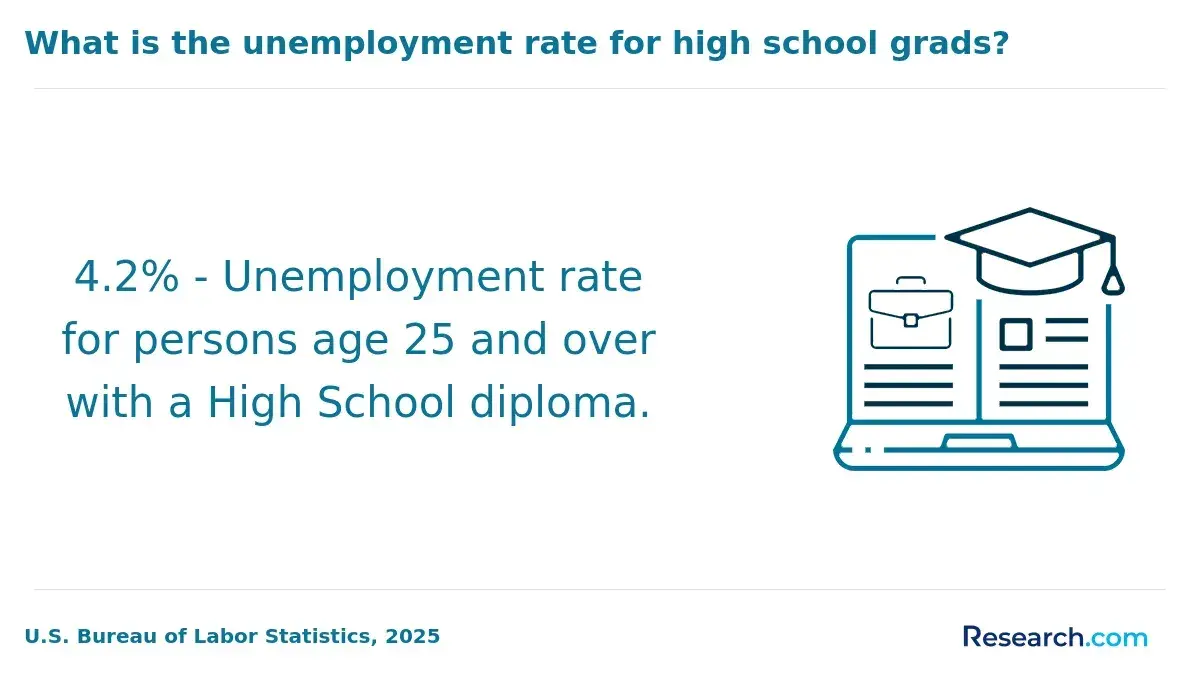
The U.S. Bureau of Labor Statistics shows the median annual salary for engineering technology careers at about $65,000. Assuming a 3% yearly raise, an individual could earn approximately $710,000 over a decade. In contrast, a comparable worker with a high school diploma might start near $40,000 annually and earn around $460,000 after 10 years. If tuition and fees for the online program total roughly $40,000, the net financial gain approaches $210,000 within that period.
- Clear ROI Definition: ROI is the difference between 10-year earnings of bachelor's degree holders versus those with lower credentials, minus total educational costs.
- Cost Consideration: Total expenses include tuition, fees, and materials, averaging $40,000 for online programs based on IPEDS data.
- Earnings Growth: Starting salaries near $65,000 increase annually by about 3%, reflecting typical career advancement.
- Comparative Advantage: Degree holders typically earn $250,000 more in gross wages over 10 years compared to high school graduates.
- National Average ROI: The ROI for engineering technology degrees exceeds the average $160,000 net gain PayScale reports for all bachelor's degrees over 10 years.
One professional who enrolled in an online engineering technology bachelor's program shared that weighing the balance between upfront costs and expected financial returns was crucial. "I was initially concerned about managing tuition alongside work and family," he said, describing the challenge of budgeting for the degree without disrupting income.
By carefully projecting potential salary increases and the long-term benefits, he felt reassured his investment would pay off. "The program demanded discipline and time management, but knowing the ROI outlook gave me confidence to push through," he added, highlighting how the degree positively aligned with his career goals beyond immediate salary gains.
How Do Online Engineering Technology Program Tuition Rates Compare Across Public, Private, and For-Profit Institutions?
Online engineering technology program tuition rates can differ significantly across public, private, and for‑profit institutions. Public universities typically offer the most affordable tuition—especially for in‑state students—while private colleges often charge higher rates but may include enhanced resources, specialized coursework, or smaller class sizes. For‑profit institutions may have the highest overall tuition, though they sometimes provide flexible scheduling and career support services that appeal to certain learners.
Public Institutions: These universities offer some of the most competitive tuition rates for online engineering technology programs, especially for in-state students. Many public schools implement flat-rate online tuition models, charging one consistent fee regardless of residency. Annual costs for in-state students typically range between $7,000 and $10,000, while out-of-state or non-resident fees often exceed $15,000. These institutions also tend to have higher graduation rates and better reputations compared to alternatives.
- Private Nonprofit Institutions: Tuition at these schools is generally higher, with annual fees ranging from $20,000 to $40,000 for similar online programs. However, comprehensive financial aid and scholarships frequently reduce net expenses. Their rigorous curricula and strong employer partnerships often translate into improved career advancement and salary prospects, positively impacting long-term ROI despite the initial cost.
- For-Profit Colleges: These offers often feature some of the lowest advertised tuition rates-sometimes below $10,000 per year-but these savings come with notable drawbacks. Lower graduation rates and employer skepticism about program quality are common issues. Limited career support services and weaker industry connections can diminish salary and job security outcomes after graduation.
When evaluating cost differences for public private and for-profit engineering technology programs, students should consider both financial investment and career outcomes. The cheapest tuition does not always guarantee the best return, especially when graduation success and employer perceptions vary significantly. Those weighing options may also explore related fields, such as cyber security schools online, to broaden their opportunities and ROI.
What Long-Term Salary Growth Can Engineering Technology Bachelor's Degree Holders Expect Over a 20- to 30-Year Career?
Engineering technology bachelor’s degree holders can generally expect steady long‑term salary growth over a 20‑ to 30‑year career as they gain experience and technical expertise. Career advancement into senior engineering, project management, or specialized technology roles often leads to increased earning potential. Additionally, ongoing demand for skilled engineers and technologists across industries can support continued career progression and higher long‑term income.
- Early Career: Entry-level salaries for graduates generally begin between $50,000 and $60,000. During the first five years, growth is modest as individuals concentrate on gaining technical proficiency and certifications essential for advancement.
- Mid-Career Boost: Between five and ten years, salary increases become more pronounced. This period often corresponds with movement into specialized roles or management, with earnings typically rising to $70,000-$85,000, supported by heightened responsibilities and project leadership.
- Leadership Phase: After a decade, many professionals assume senior engineer or supervisory positions. Salaries frequently exceed $90,000, reflecting added expertise and credentials such as advanced certifications that enhance value in the workplace.
- Late Career Growth: From 15 to 30 years, wage growth continues more steadily as professionals occupy top-tier roles like engineering managers or consultants, often earning over $100,000 annually depending on industry and location.
- Lifelong Earnings Advantage: Holding an Engineering Technology bachelor's degree can yield an estimated $600,000 or more in additional income over a career compared to similar roles filled by non-degree holders. This premium results from both higher starting salaries and consistent growth tied to education.
A professional who built her career after completing an online engineering technology bachelor's degree shared that the early years were challenging, juggling work and study while mastering foundational skills. She noted, "Earning the degree while working full-time pushed me to develop strong time-management habits." Over time, her growing expertise opened doors to supervisory positions, where she "witnessed tangible salary jumps that reflected new responsibilities." Her experience underscores the blend of persistence and continuous learning required to realize the long-term financial and professional benefits this degree offers.
How Does the ROI of an Online Engineering Technology Bachelor's Degree Compare to an Associate Degree or a Professional Certificate?
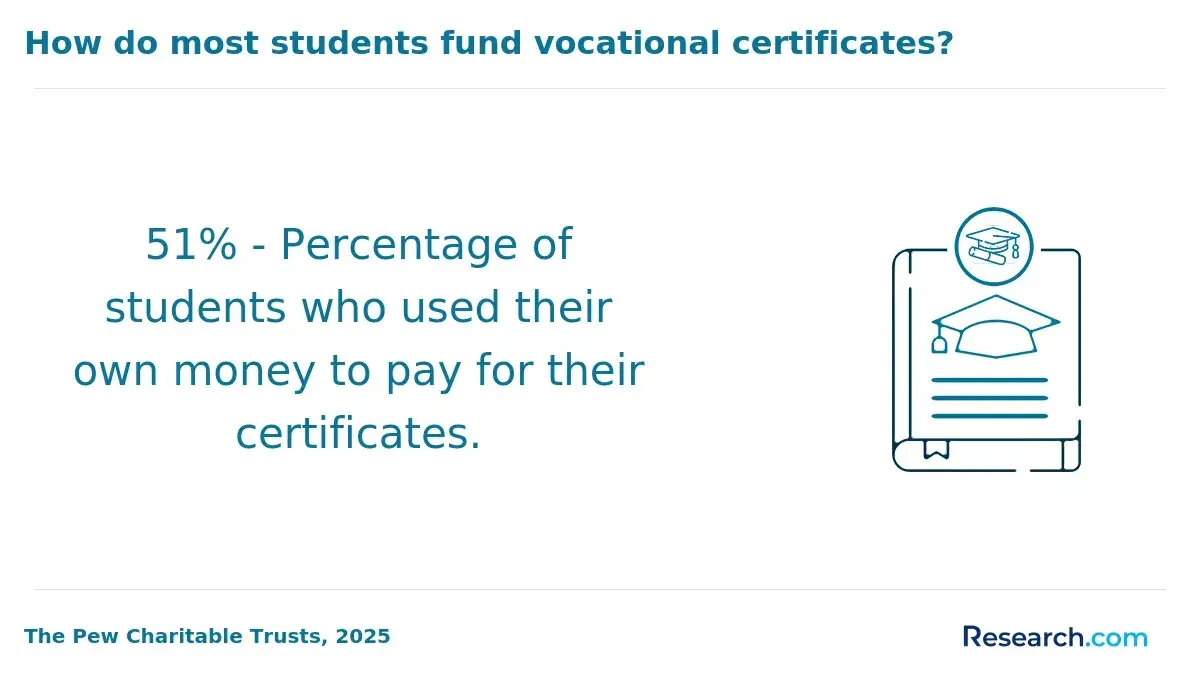
The investment required to earn an online engineering technology bachelor's degree generally exceeds that of associate degrees and professional certificates, but it also aligns with higher lifetime earning potential. Tuition for online bachelor's programs typically falls between $20,000 and $45,000, while associate degrees often range from $6,000 to $15,000. Professional certificates can be more affordable, sometimes costing as little as $1,000 to $5,000 depending on the provider.
- Salary Outcomes: Median annual wages for those holding a bachelor's in engineering technology are about $75,000 according to the Bureau of Labor Statistics. Associate degree holders usually earn closer to $50,000, and certificate recipients tend to start around $40,000.
- Short-Term Considerations: For individuals needing a more immediate return or who face financial constraints, certificates or associate degrees offer faster, less expensive pathways into the workforce. These credentials can be especially useful for career changers or part-time students seeking to enter or re-enter the job market swiftly.
- Long-Term Advantages: The bachelor's degree often yields greater total earnings over time, surpassing the initial cost gap by providing access to advanced roles, leadership positions, and specialized areas within engineering technology.
- Career Growth and Stability: Beyond salaries, bachelor's degree holders tend to enjoy better professional advancement and job security. Employers frequently favor bachelor's credentials for supervisory tasks and project management roles.
- Decision Framework:
- When affordability and quick employment are priorities, pursuing certificates or associate degrees may be the best path.
- For those focused on sustained career development and higher earning potential, investing time and resources in a bachelor's degree pays off in the longer run.
- Stacking credentials is a strategic option for working professionals-starting with a certificate or associate degree and later enrolling in an online bachelor's program to balance work and study commitments.
Which Online Engineering Technology Specializations or Concentrations Yield the Highest Earning Potential After Graduation?
Specializations within online engineering technology bachelor's programs vary widely in earning potential, making the choice of concentration crucial for maximizing return on investment. According to the Bureau of Labor Statistics (BLS), graduates focusing on specific tracks often earn higher salaries than generalists entering similar industries.
- Electrical Engineering Technology: Graduates typically earn median annual wages around $80,000. This specialization is ideal for careers in power generation, telecommunications, and automation. Additional certifications like the Certified Engineering Technician (CET) can improve job prospects but may increase upfront costs.
- Mechanical Engineering Technology: Median salaries are near $75,000, serving sectors such as manufacturing, automotive, and aerospace. While licensure is not always required, obtaining a Fundamentals of Engineering (FE) certification can enhance long-term earning potential.
- Computer Engineering Technology: This concentration commands a salary premium with median wages often exceeding $85,000. Fields like embedded systems and hardware design are in high demand. Certifications such as CompTIA or Cisco credentials may add to initial expenses but accelerate salary growth and advancement.
- Environmental Engineering Technology: Median earnings hover around $65,000. Opportunities grow in sustainability and regulatory compliance, though some roles require professional licensure or specialized training, adding to overall investment but boosting career stability.
- Industrial Engineering Technology: Graduates can expect median salaries near $78,000, focusing on process optimization and quality control. While additional certifications aren't mandatory, credentials in Lean Six Sigma or project management may improve earning trajectories.
Students should weigh salary premiums against certification costs and additional training time. Those with relevant work experience may achieve faster returns selecting concentrations aligned with prior skills, while career changers must balance upfront investment with projected salary growth. For detailed occupational data and verified salary outcomes, resources such as the Bureau of Labor Statistics and IPEDS provide valuable insights that support informed decision-making in selecting an online engineering technology program.
How Do Employer Tuition Reimbursement and Financial Aid Reduce the Net Cost of an Online Engineering Technology Bachelor's Degree?
Employer tuition reimbursement programs play a crucial role in lowering the net cost of an online engineering technology bachelor's degree. Under IRS Section 127, employers can offer up to $5,250 annually in tax-free education benefits per employee, which can cover all or part of tuition, fees, and course materials. Many employers, especially larger companies, provide tuition assistance as a strategy to develop their workforce and improve employee retention. According to the Society for Human Resource Management (SHRM), about 55% of U.S. employers offer some form of tuition reimbursement, making this benefit widely accessible to working professionals pursuing higher education.
Federal and institutional financial aid further reduces out-of-pocket expenses. Grants and scholarships-key financial aid options for reducing net costs of online engineering technology bachelor's degree programs in the US-do not have to be repaid and often cover significant portions of tuition. Subsidized federal student loans also lessen total costs through deferred payments and lower interest rates. Combining employer benefits with federal aid can make degree completion far more affordable and manageable.
For example, a student with a $15,000 annual tuition could receive $5,250 from employer tuition reimbursement, $4,000 in grants, and $3,000 in subsidized loans, reducing the net cost to $2,750 per year before other expenses. Over four years, this combined aid dramatically lowers debt and improves return on investment by accelerating the path to higher salaries. This model aligns with the financial realities of many career changers and first-generation college students.
Working professionals should also consider how online degrees relate to broad career opportunities. For those interested in mental health careers, exploring options such as an online masters mental health counseling program may complement technical expertise and expand professional advancement.
- Employer Tuition Reimbursement: Employees can receive up to $5,250 tax-free annually to offset tuition costs for an online engineering technology bachelor's degree, substantially reducing the amount paid out-of-pocket.
- Prevalence of Benefits: Approximately 55% of U.S. employers offer tuition assistance programs, especially prevalent in larger organizations, highlighting the widespread availability of this vital resource.
- Federal and Institutional Aid: Grants, scholarships, and subsidized loans lower net tuition by covering costs that do not require immediate repayment and minimize long-term debt.
- Combination of Resources: Leveraging employer tuition reimbursement with federal financial aid can reduce annual net costs to a fraction of the sticker price, enhancing affordability.
- Practical Example: A student reducing $15,000 in annual tuition to under $3,000 by using combined employer and federal aid demonstrates how these programs improve the financial feasibility and return on investment of an online engineering technology degree.
What Hidden Costs Should Students Factor Into the Total Investment of an Online Engineering Technology Bachelor's Degree?
When calculating the return on investment (ROI) of an online engineering technology bachelor's degree, it is crucial for students to consider not only tuition but also the hidden expenses of online engineering technology degrees that often go unreported. These additional costs can extend the break-even timeline before salary increases offset the total educational investment, making budgeting more challenging for first-generation college students, working professionals, or career changers on a tight budget.
Common extra charges include technology fees supporting digital learning platforms, typically $100 to $300 per semester. Proctoring services for exam integrity add an average of $30 to $50 per test. Graduation fees-sometimes overlooked-range from $100 to $200. Some courses require specialized software licenses costing between $50 and $500 annually, while joining professional organizations related to engineering technology can add $75 to $150 each year, facilitating networking and professional development.
Based on research from the College Board and institutional cost-of-attendance disclosures, these hidden expenses beyond tuition for engineering technology students often total $1,000 to $3,000 over four years. Accurately accounting for these costs prevents unexpected financial strain or delayed graduation timelines. Prospective students should always request a complete cost-of-attendance breakdown from admissions or financial aid offices to make an informed decision.
For those considering program options, reviewing accredited online electrical engineering programs can provide valuable benchmarks when comparing tuition and additional fees.
- Technology Fees: Online programs commonly charge $100 to $300 per semester to maintain digital learning tools essential for coursework completion.
- Proctoring Charges: Exam monitoring fees, averaging $30 to $50 per test, accumulate over multiple courses and should be incorporated into budget planning.
- Graduation and Administrative Fees: These required fees, often $100 to $200, cover degree conferral and institutional processing costs that some students overlook.
- Course Software Licensing: Specialized software licenses needed for technical classes may range from $50 to $500 annually, representing a significant hidden cost.
- Professional Memberships: Annual fees of $75 to $150 support memberships in engineering organizations that contribute to career advancement and networking opportunities.
How Does the Accreditation Status of an Online Engineering Technology Program Affect Graduate Salary and Employability?
Regional accreditation evaluates an entire institution's academic quality and is highly regarded by employers, while programmatic accreditation targets specific disciplines, ensuring curriculum meets industry standards. Employers surveyed by the National Association of Colleges and Employers (NACE) show a strong preference for degrees from regionally accredited schools, associating them with rigor and reliability. Graduates from these programs often receive better initial salary offers and enjoy stronger hiring prospects.
Attending a program without recognized accreditation can restrict access to licensure exams, graduate studies, and careers within government or healthcare sectors that require verified credentials. It is essential to confirm a program's accreditation status through the U.S. Department of Education's and Council for Higher Education Accreditation's databases before enrolling to protect future career opportunities.
- Employer Preference for Regional Accreditation: Hiring managers trust regionally accredited degrees more, perceiving graduates as well-prepared, which often results in higher starting pay.
- Industry-Relevant Programmatic Accreditation: This ensures coursework aligns with current engineering technology practices, boosting graduates' technical capabilities and job market appeal.
- Licensing and Educational Barriers: Without proper accreditation, graduates might be ineligible for essential licensure exams or advanced study, limiting career growth.
- Salary Negotiation Advantage: Accreditation signals comprehensive education, strengthening a graduate's position when negotiating compensation.
- Verification Safeguards: Checking official accreditation databases before starting a program helps avoid enrolling in unqualified institutions.
What Entry-Level Job Titles and Salary Ranges Are Available to Graduates of Online Engineering Technology Bachelor's Programs?
Internships, specialized certifications, and focused areas such as quality systems or automation increase starting salaries by 10 to 20 percent, accelerating return on investment. Evaluating both industry trends and job market dynamics helps graduates target programs that align with financial goals and career advancement opportunities.
- Engineering Technician: Entry salaries range from $45,000 to $60,000, common in manufacturing, government, and technology sectors. Skills like CAD certification often increase starting pay.
- Quality Control Inspector: Median pay falls between $40,000 and $55,000, with healthcare and aerospace industries offering higher wages due to the need for precision.
- Field Service Engineer: Starting salaries typically run from $50,000 to $65,000. Technology firms and utilities are top-paying employers, especially for candidates with internship experience.
- Manufacturing Technician: Salaries range from $42,000 to $58,000 annually, with concentrations in automation or robotics pushing pay higher in automotive and electronics sectors.
- Process Engineer Assistant: Entry-level earnings generally lie between $48,000 and $62,000. Finance and pharmaceutical industries may offer premiums for those with relevant internships or technical certifications.
- Technical Sales Specialist: Salary spans $45,000 to $70,000 depending on the balance of commission and base pay. Highest compensation is found in technology and industrial equipment markets.
- Construction Inspector: Starting wages average $43,000 to $60,000, with government infrastructure projects and large private developments leading in compensation.
- CAD Drafter: Entry-level pay ranges from $44,000 to $59,000, with engineering consulting and architecture firms offering higher salaries, particularly when Autodesk certification is held.
What Graduates Say About the Return on Investment of Their Online Engineering Technology Bachelor's Degree
- Kylian: "Choosing the online engineering technology bachelor's degree was a strategic decision for me because the program offered a clear ROI-affordable tuition combined with flexible scheduling allowed me to keep working while earning my degree. Beyond the financial benefits, the coursework sharpened my technical skills and opened doors to leadership roles I previously couldn't access. This degree truly transformed my career trajectory, providing both stability and growth in a competitive job market."
- Dallas: "Reflecting on my experience, the online engineering technology degree gave me far more than just a paycheck increase-it brought a sense of job security I hadn't had before. I weighed the cost carefully and found the program's reputation and curriculum justified every dollar invested. The non-financial returns, especially the confidence and professional networking opportunities, have been invaluable to advancing my career within the industry."
- Ryan: "The impact of the online engineering technology bachelor's degree on my professional life was immediate and profound-after graduation, I secured a promotion that had been elusive without formal credentials. While the ROI in salary was encouraging, the true value was in gaining specialized knowledge that boosted my effectiveness on the job. Choosing this degree program was a well-considered investment that balanced cost with significant career advancement potential."
Other Things You Should Know About Engineering Technology Degrees
The time needed to recover tuition and related expenses varies but typically ranges from four to six years after graduation. This timeframe depends on factors such as program cost, salary increase post-degree, and job stability. Graduates who secure positions in high-demand sectors or metropolitan areas often experience faster returns on investment due to higher starting salaries.
In 2027, geographic location and industry sector significantly impact the ROI of an online engineering technology bachelor's degree. Graduates in tech hubs like Silicon Valley may see higher salaries, whereas those in rural areas might earn less. Industry sectors such as renewable energy or aerospace typically offer better salary prospects, influencing ROI positively.
Employer surveys consistently highlight the demand for graduates with practical engineering technology skills and Bachelor's degrees. Labor market data show that degree holders earn significantly more than those with only a high school diploma or associate degree. Employers value hands-on expertise combined with theoretical knowledge, which these programs tend to provide, increasing employability and job security.
Cost-benefit analysis tools help students compare tuition costs, fees, and potential salaries to estimate net earnings over time. These tools factor in variables such as loan interest, average salary growth, and job placement rates, allowing students to assess which programs offer the best financial return. Using these tools enables informed decisions based on personal career goals and financial situations.
References
- Tuition Reimbursement Programs [A Guide for HR and Employers] https://compt.io/blog/employee-tuition-reimbursement/
- Can You Actually Earn an Engineering Degree Online? How It Works and What It Costs https://money.com/online-engineering-degrees/
- Nces - Ipeds https://nces.ed.gov/ipeds/
- The Hidden Costs of Higher Education Most Students Overlook - Futures https://ialwaysbelievedinfutures.com/the-hidden-costs-of-higher-education-most-students-overlook/
- Why and How Employers Help With Education Costs - BenefitEd https://youbenefited.com/resource/why-and-how-employers-help-with-education-costs/
- Which Engineering Field Pays the Most? Navigating High-Paying Careers - iLearn Engineering® https://www.ilearnengineering.com/online-engineering-courses/which-engineering-field-pays-the-most-navigating-high-paying-careers
- Is College Worth it? | Return on Investment Analysis of College Degree https://educationdata.org/college-degree-roi
- Entry-Level IT Jobs You Can Get With an Online Degree https://www.collegetransitions.com/blog/entry-level-it-jobs-you-can-get-with-an-online-degree/