2027 Online Engineering Technology Bachelor's Degree Programs With Weekly Start Dates

Co-Founder and Chief Data Scientist
Many working professionals with a non-engineering background seek to switch careers but face scheduling conflicts that hinder enrollment in traditional programs. Online engineering technology bachelor's degree programs with weekly start dates offer a flexible solution-allowing students to begin courses immediately without waiting for semester deadlines. This option meets growing demand, as the U. S. Bureau of Labor Statistics projects a 7% increase in engineering technicians' employment through 2031.
This article explores how flexible start dates in these programs accommodate busy schedules and accelerate career transitions in engineering technology fields.
Key Benefits of Online Engineering Technology Bachelor's Degree Programs With Weekly Start Dates
- Online engineering technology bachelor's programs with weekly start dates offer unmatched flexibility-ideal for working professionals and career changers balancing jobs and personal commitments.
- Eliminating traditional semester waits, students can begin coursework within days after acceptance-removing a significant barrier to timely enrollment and degree progress.
- These programs enable earning a regionally accredited degree while managing life demands, supported by policies favoring transfer credits and prior learning assessments for accelerated completion.
What Are Weekly Start Dates in Online Engineering Technology Bachelor's Programs, and How Do They Differ From Traditional Term-Based Enrollment?
Weekly or rolling start dates in online engineering technology bachelor's degree programs offer a flexible enrollment option that allows students to begin courses every week rather than waiting for traditional semester-based schedules. Unlike the conventional term enrollment that typically starts once or twice annually, this approach provides continuous admission throughout the year. This model eliminates the long waiting period between application and the first day of class, giving students more control over their academic timeline and accelerating degree progress.
Institutions like Western Governors University and Purdue Global exemplify rolling admissions. Western Governors University uses short, competency-based terms beginning monthly, allowing learners to focus on mastering skills at their own pace. Purdue Global offers multiple yearly start dates designed to reduce delays, enabling students to enroll as soon as they're ready. These programs often divide coursework into smaller modules that finish in weeks, creating frequent entry points and consistent advancement opportunities. Such structure is especially advantageous for students seeking to understand the differences between rolling admissions and traditional term enrollment in engineering technology degrees.
This enrollment format suits busy adults and working professionals pursuing online engineering technology degrees by supporting flexible scheduling and avoiding delays caused by fixed academic calendars. Learners can tailor education timelines to fit personal and professional commitments and expedite completion by leveraging prior learning assessments and generous transfer credit policies. For insights into similar flexible options in other fields, consider reviewing online PharmD programs.
- Flexible Enrollment: Weekly start dates eliminate long gaps between application and class start, providing immediate course access and academic control.
- Competency-Based Progress: Modular courses allow students to advance upon demonstrating mastery, accelerating degree completion.
- Continuous Opportunity: Unlike limited traditional semesters, rolling start dates offer enrollment windows throughout the year.
- Career Focused: This approach suits busy professionals by aligning education with work-life demands, enhancing access and retention for adult learners.
Which Accredited Institutions Offer Online Engineering Technology Bachelor's Degree Programs With Weekly or Rolling Start Dates?
Regionally accredited institutions offering accredited online engineering technology programs with rolling start dates provide ideal flexibility for working professionals and adult learners. These programs allow students to enroll without waiting for the traditional semester cycle, enabling swift progression toward degree completion. Institutions that implement frequent or near-weekly start dates help accommodate diverse schedules-supporting faster entry and continuous advancement.
- Columbia Southern University: This school's Bachelor of Science in engineering technology features a competitive $225 per-credit tuition and monthly start dates that provide nearly continuous enrollment, allowing students to begin coursework promptly and often.
- Western Governors University: WGU's Bachelor of Science in engineering management uses a competency-based model with rolling admissions open any month. Charging about $3,625 per term rather than per credit incentivizes accelerated completion. The university maintains regional accreditation from the Northwest Commission on Colleges and Universities.
- Florida Institute of Technology: The Bachelor of Science in engineering technology here costs approximately $495 per credit, with multiple start dates yearly that create options for near-weekly enrollment. Regional accreditation is held from SACSCOC, ensuring academic quality.
- Western Carolina University: Offering an online Bachelor of Science in engineering technology, WCU has rolling admissions opening frequently, with in-state tuition near $325 per credit. The Southern Association of Colleges and Schools accredits this program, guaranteeing instructional standards.
- Murray State University: This university's Bachelor of Science in engineering management technology offers near-weekly start windows and tuition around $439 per credit hour. Accredited by SACSCOC, Murray State promotes credit transfer policies and prior learning assessments to speed degree attainment.
Flexible pacing, transfer credit acceptance, and prior learning assessments are key to maximizing cost savings and time efficiency in these best online engineering technology bachelor's degrees with weekly enrollment. Prospective students should carefully evaluate tuition costs, accreditation status, and financial aid opportunities-advantages supported by data from NCES and the U.S. Department of Education. Additionally, reviewing career services enhances alignment with professional goals. For those researching related programs, exploring nursing programs without TEAS may uncover additional pathways for adult learners balancing education and career.
How Do Weekly Start Dates in Online Engineering Technology Programs Benefit Working Adults and Non-Traditional Students?
Weekly start dates in online engineering technology bachelor's programs remove traditional enrollment barriers that often deter working adults and non-traditional students. By allowing students to begin their coursework immediately after acceptance-rather than waiting for fixed semester schedules-they decrease the time between the decision to pursue further education and active course participation. This prompt start fosters higher motivation and reduces the likelihood of students dropping out early in their studies.
Data from the National Center for Education Statistics and the Lumina Foundation reveal that flexible start options improve persistence and completion rates among adult learners. These models help students juggle education alongside work and family commitments, minimizing interruptions that arise from rigid academic calendars. The continuous availability ensures steady academic momentum, which supports both sustained knowledge retention and on-time graduation.
- Immediate Enrollment: Eliminating wait times after acceptance helps maintain enthusiasm and allows students to dive into their studies without delay.
- Higher Retention: Flexibility empowers learners to align coursework with personal and professional responsibilities, boosting their chances of completing the degree.
- Consistent Progress: Without enforced semester breaks, students can move through required courses at their own pace, avoiding gaps that prolong graduation timelines.
- Financial Gain: Starting sooner means quicker entry into advanced roles and salary increases, maximizing educational investment returns.
A professional who enrolled in an online engineering technology bachelor's program with weekly start dates described the impact this flexibility had on his education journey. Balancing full-time work and family caregiving had previously made traditional semesters feel impossible. He shared how being able to immediately begin courses after acceptance kept his momentum alive during challenging weeks, preventing discouragement. "It wasn't just about convenience-it was about making progress when my schedule allowed, rather than waiting and risking losing motivation," he said. This adaptive pacing was crucial in helping him stay engaged and steadily advance toward his career goals despite unpredictable personal demands.
What Is the Total Tuition Cost for Online Engineering Technology Bachelor's Programs That Allow Weekly Enrollment?
Tuition rates for online engineering technology bachelor's programs with weekly start dates generally vary from $250 to $450 per credit, with most degrees requiring around 120 credits for completion. This variable cost structure means total expenses can differ widely depending on the institution's pricing model and enrollment policies. Some schools apply flat-rate or block tuition fees, capping costs per term and benefiting students who take heavier course loads by lowering overall expenses.
Among the most cost-effective options are universities that offer in-state tuition rates to all online students-regardless of residency-allowing nonresidents to save significantly compared to programs that charge out-of-state fees. However, additional charges such as technology fees and course materials often add several hundred dollars to the total cost, so these should be included in budgeting.
- Per-Credit Variation: Tuition typically ranges between $250 and $450 per credit hour, impacting total degree costs across different colleges.
- Flat-Rate Tuition: Some institutions use a block tuition model that limits costs per term, making it more economical for students enrolled in full course loads.
- Residency-Independent Rates: Programs offering in-state tuition to all online learners reduce financial barriers for out-of-state students.
- Additional Fees: Beyond tuition, students should plan for extra costs like technology and course material fees that increase their overall expenses.
Those exploring the total cost estimates for engineering technology bachelor's degrees allowing rolling enrollment should also consider credit transfer policies and prior learning assessments, both of which can shorten time-to-degree and lower costs. For financial support details and accredited program options, learners can explore resources such as accredited medical billing and coding schools with financial aid that provide useful financial guidance applicable across various online programs.
How Quickly Can Students Complete an Online Engineering Technology Bachelor's Degree When Enrolling Through a Weekly Start Option?
Credit Load Per Term: Taking multiple courses each term enables students to shorten their degree timeline. Full-time learners typically complete their program in about four years, while part-time students often extend their studies to six years or longer depending on their availability and pace.
Prior Learning Credit Acceptance: Many schools allow up to 90 transfer credits or recognize prior learning assessments. This policy helps students with previous coursework or relevant experience bypass introductory classes and focus on advanced material, thus expediting graduation.
Self-Paced Options: Competency-based or self-directed formats grant students the ability to progress as they demonstrate mastery. This flexibility benefits motivated individuals balancing employment and studies by enabling faster completion.
Program Flexibility: Weekly enrollment cycles eliminate waiting periods associated with traditional semester start dates, letting students begin immediately. Continuous enrollment opportunities reduce downtime, helping maintain steady progress toward the degree.
Realistic Completion Time: A dedicated working adult who maximizes transfer credits and maintains consistent coursework can realistically finish their bachelor's degree in engineering technology within two to three years. Without transfer credits, four years is a common expectation for full-time students.
A professional who completed a self-paced online engineering technology bachelor's degree shared that enrolling through weekly start dates was key to her success. Balancing full-time work and family commitments, she appreciated beginning courses without delay and advancing at her own speed. "There was pressure, but knowing I could set my pace helped tremendously," she reflected. By applying credits from prior experience, she avoided redundant classes and shortened her workload. This approach kept her motivated-she recalls feeling empowered as milestones passed quickly, ultimately leading to graduation sooner than expected and enabling her to advance in her career.
What Admission Requirements Must Students Meet to Enroll in an Online Engineering Technology Bachelor's Program With a Weekly Start Date?
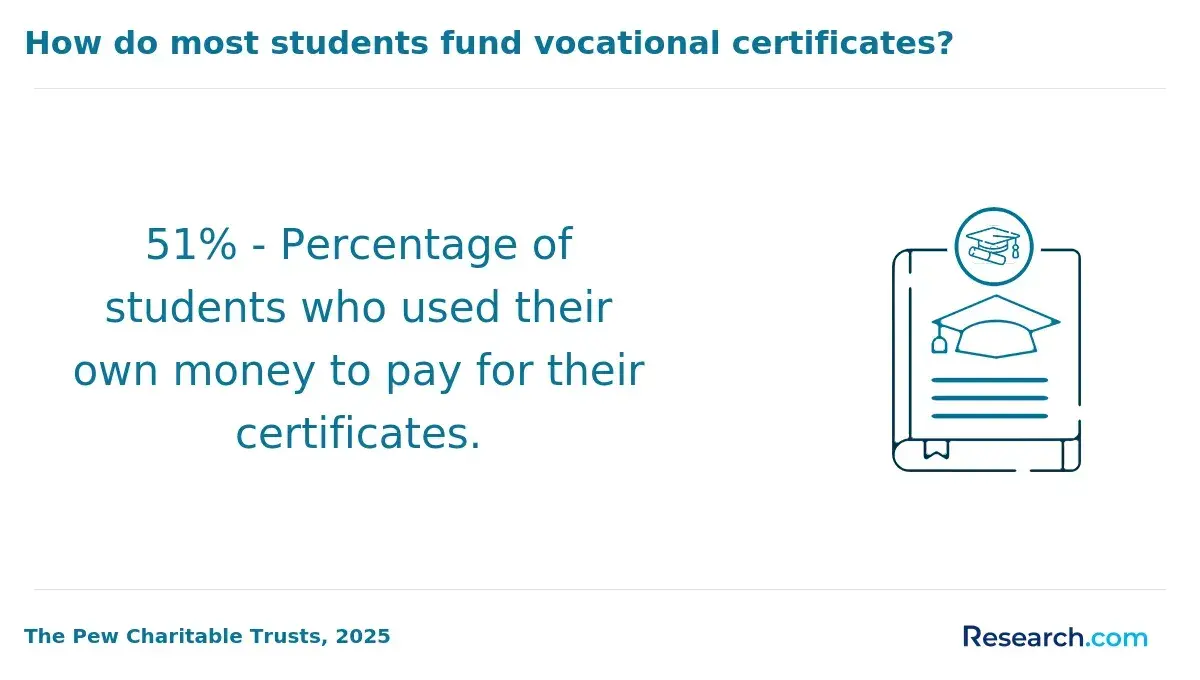
Online bachelor's degree programs in engineering technology with weekly start dates often have more lenient admission criteria than traditional semester-based programs. Many schools offering rolling enrollment adopt open or rolling admissions, enabling students to begin courses almost any week without strict deadlines. Generally, applicants need a high school diploma or GED equivalent, with some schools requiring a minimum GPA near 2.0, though this varies. Standardized tests like the SAT or ACT are frequently optional or waived, particularly at institutions emphasizing accessibility for adult learners and those returning after time away from education.
This flexible admission approach broadens access but may affect program intensity. Schools with open admission typically offer enhanced support services such as tutoring, flexible advising, and preparatory workshops to help students succeed. In contrast, more selective programs may have higher academic standards, offering different campus cultures and potentially more individualized attention.
Applicants with gaps in their education or non-traditional backgrounds can improve their chances by highlighting relevant work experience, certifications, or continuing education efforts. Demonstrating readiness for online study and effective time management skills is also helpful. Using transfer credits and prior learning assessments can help accelerate degree completion and reduce expenses.
Data from the National Center for Education Statistics reveals that over 40% of students enrolled in fully online undergraduate programs participate in multiple academic terms each year, showing the growing popularity of rolling or frequent start options.
- Flexible Enrollment: Weekly start dates let students begin their education year-round, offering convenience and faster progression compared to fixed semesters.
- Basic Academic Requirements: High school diploma or GED and usually a minimum GPA near 2.0 are standard; standardized tests are often not mandatory.
- Open vs. Selective Admission: Open admissions increase accessibility but may require stronger academic support; selective programs often demand higher readiness but provide distinct resources.
- Non-Traditional Applicants: Emphasizing relevant experience and online learning preparedness strengthens applications, especially for returning students.
- Growing Popularity: Rising numbers of students take advantage of rolling start options, reflecting trends toward flexible higher education delivery.
How Do Online Engineering Technology Programs With Weekly Starts Handle Transfer Credits From Previous College Coursework?
Weekly-start online engineering technology bachelor's degree programs often feature flexible transfer credit policies designed to accelerate degree completion for working professionals and adult learners. Many institutions recognize credits earned at accredited community colleges, military training, and employer-sponsored courses, significantly reducing both time and tuition costs.
Some universities accept up to 90 semester hours of transfer credits, depending on the relevance and source of coursework. Notably, many align with the American Council on Education (ACE) credit recommendation system, which evaluates and endorses credit for military and corporate training. This system helps veterans and technical professionals convert non-traditional learning into academic credit, creating substantial advantages.
Prospective students should request a detailed transcript evaluation from their chosen program before enrolling. This process clarifies exactly which credits will transfer and how many courses remain, helping to avoid redundant classes and unnecessary expenses. The National Center for Education Statistics (NCES) reported that transfer students accounted for roughly 40% of undergraduates, highlighting the growing importance of credit mobility in higher education.
- Generous Credit Acceptance: Programs often allow significant transfer from community colleges, military, and employer-based learning, cutting down required courses and accelerating graduation.
- ACE Credit Recommendations: The American Council on Education's evaluations enable schools to grant credit for non-traditional learning paths, particularly benefiting veterans and professionals.
- Transcript Evaluation: Early review of transfer credits helps students understand remaining degree requirements, avoiding duplicate coursework and saving money.
- Cost Reduction: Applying transfer credits directly lowers tuition expenses and shortens time to degree completion, a key factor for budget-conscious learners.
- Growing Transfer Trends: With about 40% of undergraduates transferring credits, weekly enrollment programs offer flexible options that cater to diverse student schedules.
What Financial Aid and Scholarship Options Are Available for Students Enrolling in Weekly-Start Online Engineering Technology Programs?
Students enrolled in weekly start online engineering technology bachelor's degree programs can access a range of federal financial aid similar to traditional academic schedules. The Free Application for Federal Student Aid (FAFSA) is essential for qualifying for need-based Pell Grants and federal student loans like subsidized and unsubsidized Stafford loans. Pell Grants offer funding that does not require repayment, while Stafford loans have fixed interest rates and flexible repayment options. Additionally, students remain eligible for federal work-study programs, allowing them to earn income through part-time jobs connected to their field of study. These federal aid options for weekly start online engineering technology programs ensure a solid financial foundation.
Weekly start dates can complicate financial aid timing, as traditional academic calendars distribute aid by semester or quarter. However, many colleges and the U.S. Department of Education accommodate rolling enrollment by prorating aid or adjusting disbursement schedules to match course start times. This flexibility helps students receive timely financial support despite nontraditional schedules. According to College Board Trends in Student Aid, the average aid package combines grants, loans, and work-study support, often totaling several thousand dollars annually. This data helps students realistically estimate their potential aid. Beyond federal aid, scholarships specifically for engineering technology students and online learners are available from professional organizations, nonprofits, and institutions-an important resource for scholarship opportunities for online engineering technology bachelor's degree students with rolling start dates.
Completing the FAFSA early is crucial since many grants and institutional scholarships are limited and awarded on a first-come, first-served basis. Prospective students should gather necessary documents and submit applications promptly. For those exploring program options, understanding accreditation is vital-seek programs with recognized credentials such as CAHME accreditation for MHA programs as an example of the importance of proper accreditation standards.
- Federal Aid Eligibility: Pell Grants and Stafford loans remain accessible to weekly-start students, offering reliable financial support for their degree journey.
- Work-Study Opportunities: Eligible students can earn income and gain relevant experience through work-study programs directly related to engineering technology.
- Rolling Enrollment Effects: Financial aid disbursement adapts to rolling start dates, ensuring students receive funds aligned with their individual course timelines.
- Scholarships for Engineering Technology Students: Targeted scholarships from various sources reduce costs and reward academic or professional excellence in the field.
- FAFSA Importance: Early FAFSA submission maximizes chances of receiving need-based grants and access to priority scholarships before funds run out.
What Accreditation Standards Should a Weekly-Start Online Engineering Technology Bachelor's Program Meet to Ensure Employer and Transfer Recognition?
When choosing an accredited online engineering technology program with employer recognition and weekly start dates, understanding accreditation types is essential. Regional accreditation remains the gold standard for transfer credit acceptance standards for weekly-start engineering technology degrees, as employers and other institutions widely accept it. Regional accreditors are nonprofit organizations that evaluate an institution's overall quality rather than just individual programs. In contrast, national accreditation usually applies to career or technical schools and often limits credit transfer options and acceptance by graduate schools.
The U.S. Department of Education recognizes seven regional accrediting bodies: the Middle States Commission on Higher Education (MSCHE), New England Commission of Higher Education (NECHE), Higher Learning Commission (HLC), Northwest Commission on Colleges and Universities (NWCCU), Southern Association of Colleges and Schools Commission on Colleges (SACSCOC), Western Association of Schools and Colleges Senior College and University Commission (WSCUC), and the Accrediting Commission for Community and Junior Colleges (ACCJC). Weekly-start online programs are most commonly accredited by the Higher Learning Commission and Southern Association of Colleges and Schools.
Before enrolling in any program, verify its accreditation status directly through the U.S. Department of Education's accreditation database. Attending a nationally accredited-only institution may restrict your ability to transfer credits to regionally accredited schools or to qualify for advanced degrees in engineering technology.
- Regional Accreditation Importance: Regional accreditation ensures better credit transferability and employer recognition, safeguarding your future education and career prospects.
- Seven Regional Agencies: These bodies set rigorous quality standards, with HLC and SACSCOC often accrediting weekly-start engineering technology programs.
- National Vs. Regional: National accreditation provides limited acceptance by graduate schools and hinders credit transfer to regionally accredited institutions.
- Verification Is Key: Confirm accreditation through the U.S. Department of Education before committing to avoid unrecognized degrees.
- Risks of National Accreditation: Credits earned at nationally accredited-only schools may not transfer, limiting your educational progression in engineering technology.
For students interested in fast-tracking their education with flexible start options, it's also helpful to explore programs with generous transfer credit acceptance and prior learning assessments. This approach can maximize speed and savings. While researching options, consider complementary fields such as psych NP programs for interdisciplinary advancement opportunities.
How Is Coursework Structured in Online Engineering Technology Bachelor's Programs With Weekly Starts Compared to Semester-Based Formats?
Online engineering technology bachelor's programs with weekly start dates offer flexible learning through asynchronous video lectures that students can view anytime. These programs integrate interactive discussion boards for peer and instructor interaction. Regular weekly deadlines help maintain a steady workflow, while digital tools support real-time group collaboration despite the virtual setting. Unlike traditional semester formats lasting around 15 weeks, these courses typically run five to eight weeks, demanding high levels of time management and self-discipline to keep up.
This faster format emphasizes strengthening practical abilities such as problem-solving, computer-aided design, and applied science. It provides a focused approach to developing essential engineering technology skills but often limits opportunities for extended hands-on labs and deeper topic immersion compared to longer semesters.
To succeed, students should establish structured weekly routines, become proficient with online platforms early, and secure a reliable internet connection alongside a distraction-free workspace. According to 2023 data from the National Center for Education Statistics, continuous enrollment formats have led to a 12% rise in technical program participation, highlighting their growing popularity.
- Flexible Asynchronous Learning: Students access pre-recorded lectures and engage in discussions at convenient times, accommodating diverse schedules.
- Consistent Weekly Deadlines: Scheduled assignments foster discipline and steady progress within the accelerated courses.
- Condensed Course Terms: Programs spanning five to eight weeks allow quicker completion but require effective time management skills.
- Core Skill Development: Focused on troubleshooting and applied technical abilities, these courses develop practical engineering technology competencies.
- Preparation Strategies: Success depends on creating set study habits, mastering digital collaboration tools, and minimizing distractions to manage the fast pace.
Can Students Earn Credit Through CLEP, DSST, or Prior Learning Assessment in Weekly-Start Online Engineering Technology Programs?
Credit by Examination programs like CLEP and DSST offer students opportunities to demonstrate proficiency in subjects they already know-allowing them to skip introductory courses and shorten their path to an engineering technology bachelor's degree. Prior Learning Assessment (PLA) further helps learners convert their professional experience, certifications, or military training into academic credit. These options reduce both time and tuition expenses by awarding credit for established knowledge.
Several online engineering technology programs with weekly start dates stand out for their flexible PLA policies. They often accept portfolio-based assessments, where students compile evidence such as work samples and reflective essays, along with official military training transcripts. Typical institutional credit limits for combined credit-by-exam and PLA range from 30 to 45 credits, though exact policies vary widely and should be checked with each school.
The College Board's CLEP program and the American Council on Education's (ACE) credit recommendation system provide standardized frameworks trusted by many institutions to evaluate exam and military credits efficiently. To maximize credit awards, students need to keep thorough records of exams, licenses, certificates, and prior learning documentation and submit these to admissions or registrar offices for formal evaluation.
- Credit-By-Examination Options: CLEP and DSST enable bypassing foundational courses by proving coursework mastery, accelerating degree completion.
- Flexible Prior Learning Assessments: Students can earn credit through portfolios, documented work experience, and military transcripts in many weekly enrollment programs.
- Institutional Credit Limits: Most schools cap credits from exams and PLA between 30 and 45-but confirm specific limits before enrolling.
- Military Training Credit: ACE's evaluation system allows military coursework and training to count toward degree requirements.
- Documentation & Submission: Keeping comprehensive records and promptly submitting evidence to the school's academic office ensures accurate credit evaluation.
What Graduates Say About Online Engineering Technology Bachelor's Degree Programs With Weekly Start Dates
- Natalie: "Choosing an online engineering technology bachelor's degree with weekly start dates was a game-changer for me because it offered unmatched flexibility to balance my current job and studies. The program's affordability made a significant difference-I didn't have to worry about enormous student debt while still gaining valuable industry skills. Completing this degree allowed me to transition confidently into a more advanced engineering role much faster than expected."
- Dallas: "The continuous weekly enrollments really stood out, as they let me begin immediately without waiting for traditional semester deadlines. I appreciated how economically priced the program was, which made it accessible despite my tight budget. Pursuing this online engineering technology degree not only enhanced my technical knowledge but also opened doors to a network of professionals that has been invaluable for my career growth."
- Ryan: "From a professional standpoint, the ability to start my bachelor's degree in engineering technology any week meant I could progress at my own pace and integrate learning seamlessly with work commitments. The cost-effectiveness of the program was a crucial factor, enabling me to invest wisely in my education. The skills and credentials I gained have directly contributed to my recent promotion and increased responsibilities within my engineering team."
Other Things You Should Know About Engineering Technology Degrees
Graduates of online engineering technology bachelor's programs in 2027 can expect a range of opportunities in fields like manufacturing, construction, and information technology. Entry-level positions such as engineering technicians and technology consultants are common, with salary expectations varying widely based on industry and location, generally ranging from $50,000 to $70,000 per year.
Online engineering technology programs with weekly start dates usually provide a range of support services, including virtual tutoring, academic advising, and career counseling. Many schools offer technical support to resolve software or access issues quickly. Additionally, some programs have online communities or discussion forums to facilitate peer collaboration despite the flexible start times.
Prospective students should prioritize programs accredited by recognized bodies such as ABET for recognized quality and industry relevance. Evaluating the flexibility of course schedules, transfer credit policies, and availability of prior learning assessments can help accommodate individual circumstances. Additionally, reviewing faculty expertise, student outcomes, and comprehensive financial aid options will assist in selecting a program aligned with career and academic objectives.
References
- Financial Aid for Engineering School | All Engineering Schools https://www.allengineeringschools.com/engineering-careers/article/financial-aid/
- Advantages of Earning an Online Engineering Management Technology Associate Degree from UA Grantham https://www.uagrantham.edu/blog/advantages-engineering-management-technology-degree/
- Scholarships for Online Engineering Students https://www.onlinecolleges.me/financial-aid/scholarships/engineering/
- What are the benefits of e-learning for engineering students? https://www.umu.com/ask/q11122301573854147070
- Software Engineering > Syllabus | Concourse https://bb2504.angelo.edu/
- Bachelor of Engineering in Electronic Engineering and Engineering Software at Technological University Dublin | You Apply https://youapply.com/program/bachelor-of-engineering-in-electronic-engineering-and-engineering-software-bachelor-technological-university-dublin
- Prior Learning Assessment https://lynx.nhti.edu/academics/academic-policies/prior-learning-assessment/
- Transfer Credit and Prior Learning https://www.ccac.edu/academics/registration/transfer-credit-and-prior-learning.php
- Fully-Online Programs https://www.scitech.edu/programs/online
- What is an enrollment date?-What is an enrollment date? https://ncsu.service-now.com/vcsr