2027 Online Engineering Technology Bachelor's Degree Programs for Adult Learners Returning to School

Co-Founder and Chief Data Scientist
Adult learners returning to school often face the challenge of balancing work, family, and education while seeking a practical, flexible pathway to complete their engineering technology bachelor's degree. More than 40% of online learners in the U. S. are aged 30 or older, reflecting a growing trend of mature students leveraging digital platforms to advance careers.
The flexibility of online engineering technology programs allows these students to manage their schedules without sacrificing professional or personal responsibilities. This article explores the best online programs tailored for adult learners and offers guidance on selecting degrees that align with career goals and life demands.
Key Benefits of Online Engineering Technology Bachelor's Degree Programs for Adult Learners Returning to School
- Online engineering technology programs offer flexible scheduling, allowing working adults to balance coursework with job and family responsibilities efficiently.
- These degrees emphasize practical skills and hands-on learning, which directly support career advancement in rapidly evolving technical fields.
- Students build professional and peer networks through virtual collaboration, enhancing opportunities for mentorship and industry connections despite remote learning.
Who Qualifies as an Adult Learner in an Online Engineering Technology Bachelor's Degree?
Adult learners in online higher education generally refer to individuals aged 25 and older who pursue degrees while managing various life commitments such as work and family. According to the National Center for Education Statistics (NCES), about 40% of undergraduate students enrolled exclusively in distance education courses fall within this age group, highlighting a substantial presence of adult learners in online programs. These students often seek flexible options that align with their schedules and personal obligations.
Common categories of adult learners returning to online engineering technology bachelor's programs include:
- Working Professionals: Individuals aiming to enhance their technical skills or earn a degree to advance their careers within their current industries. Their focus is often on flexible online courses that fit around professional schedules.
- Career Changers: Learners transitioning into engineering technology from unrelated fields by acquiring foundational knowledge and credentials to enter a new industry.
- Returning Students: Those resuming education after a break, eager to complete an unfinished degree or pursue a new one, benefiting from adaptable timelines and curriculum.
- Military Affiliates: Veterans and active-duty personnel utilizing educational benefits to build technical expertise for civilian engineering roles.
- Part-Time Students: Adults balancing parenting, caregiving, or other responsibilities while pursuing a technical bachelor's degree at their own pace through online formats.
These groups typically seek programs with practical, application-driven curricula that respond to workforce demands. For adult students, eligibility requirements for adult students in engineering technology degrees often emphasize prior experience or academic readiness rather than traditional age-based admissions standards. Some may explore complementary opportunities to expedite their education, such as 1 year master programs. This blended approach supports a range of educational goals and schedules.
What Are the Admission Requirements for an Online Engineering Technology Bachelor's Degree for Adult Learners?
Admission requirements for online engineering technology bachelor's degree programs for adult learners often reflect the need to accommodate diverse, nontraditional educational backgrounds while ensuring academic readiness. These criteria allow eligibility for adult learners returning to online engineering technology school after time away or career changes. Common requirements typically focus on foundational qualifications and a student's ability to succeed in an online learning environment.
- Proof of Prior Education: Most programs require applicants to submit evidence of a high school diploma or equivalent, such as a GED. This confirms the foundational education necessary for college-level coursework in engineering technology.
- Application Submission: Applicants must complete and submit an official application form that collects personal and educational information. Some programs also request a statement of intent to understand the motivation behind pursuing this degree.
- Official Transcripts: Academic transcripts from all previously attended institutions are essential to demonstrate past academic performance. These transcripts often need to be official and sent directly from prior schools to assess readiness for program rigor.
- Online Learning Readiness: Many schools assess basic computer literacy or require completion of an online orientation. These measures help ensure that adult learners returning to online engineering technology school possess the skills needed to navigate digital coursework successfully.
For adult learners exploring pathways to career advancement, understanding these admission requirements is crucial. Those interested in broader online business education options might also consider executive MBA programs online to complement technical expertise.
2026 Update: Lab and Hands-On Requirements for Online Engineering Technology Students
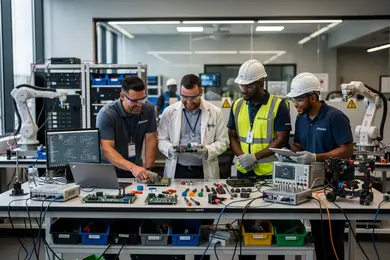
This 2026 update focuses on the practical, hands-on parts of online engineering technology bachelor’s programs, since adult learners should know what must be completed beyond regular online coursework.
- Whether labs are fully virtual, completed with mailed equipment kits, or require in-person attendance
- Any campus visits, weekend intensives, or local testing center requirements
- Software, hardware, tools, or safety equipment students may need to buy or access
- How group design projects are handled for students in different time zones or work schedules
- Whether local employers, community colleges, or approved sites can be used for applied work
- How technical support is provided for simulations, lab platforms, and remote engineering software
Checking these details early helps returning students avoid surprises and choose a program that fits their location, work commitments, and ability to complete required technical practice.
Do Adult Learners Need SAT or ACT for an Online Engineering Technology Bachelor's Degree?
Most online engineering technology bachelor's degree programs tailored for adult learners do not require SAT or ACT scores for admission. Instead, admissions decisions emphasize applicants' prior academic records, relevant work experience, and overall preparedness for online study. Currently, more than 70% of four-year institutions across the U.S. have adopted test-optional or test-free policies, recognizing that standardized exams may not fairly assess the capabilities of nontraditional students.
Waiving test requirements helps improve accessibility for those returning to education after a break and values diverse professional backgrounds and technical skills in place of standardized testing. This approach supports a more inclusive and flexible admissions process that aligns with the needs of adult learners balancing multiple commitments.
An adult learner who recently returned to school and enrolled in an online engineering technology bachelor's program described the experience as "relief mixed with a bit of anxiety." He said the absence of SAT or ACT requirements removed a major barrier that once felt out of reach after years away from formal education.
"I was able to focus on gathering my work history and past courses instead of stressing over a test I never took," he explained. Though navigating the enrollment process remotely presented challenges-like coordinating transcripts and balancing family duties-he appreciated that the program valued his real-world experience and motivation over a standardized exam score. "It made me feel seen as a candidate, not just a number."
How Flexible Are Online Engineering Technology Bachelor's Degree Programs for Adult Learners?
Flexibility is essential in online learning, especially for adult students balancing education with work and family life. Studies show that 71% of online learners value scheduling flexibility as the main advantage of pursuing an online degree. This adaptability supports a healthier work-life balance and reduces pressure from rigid academic timetables. Below are some of the most common flexibility features in adult learner-friendly engineering technology degree programs.
- Asynchronous Learning: Courses often provide lectures and assignments accessible anytime, allowing students to study according to their own schedules and personal commitments.
- Part-Time Enrollment: Many programs enable students to take fewer classes per term, extending their study period to better accommodate their professional and personal responsibilities.
- Accelerated Pacing: Students aiming to graduate faster can take advantage of faster course completion options designed for self-motivated learners.
- Self-Paced Coursework: Some classes offer flexible deadlines, giving learners control over their study rhythm based on their availability and preferred learning speed.
- 24/7 Access to Materials: Online platforms provide continuous access to readings, lectures, and resources, allowing students to review content when it best suits their schedule.
Those exploring flexible online engineering technology bachelor's degree options may also consider related fields through programs like an online PsyD program, which similarly prioritize adult learner needs.
Can I Transfer Previous College Credits to an Online Engineering Technology Bachelor's Degree?
Many online bachelor's degree programs in engineering technology accept transfer credits to help students accelerate their studies and avoid retaking courses. Nearly 40% of postsecondary students are transfer students, reflecting a significant shift toward credit mobility among adult learners. Below are important factors to consider when transferring credits into an engineering technology program.
- Course Evaluation: Institutions review transcripts to confirm that completed courses meet the program's content and quality standards.
- Credit Transfer Limits: Most programs restrict the number of transferable credits, often between 60 and 90 semester hours toward the bachelor's degree.
- Curriculum Relevance: Transfer credit is generally granted for coursework closely aligned with engineering technology topics, such as mathematics, sciences, and technology-related classes.
- Accreditation Requirements: Credits from regionally accredited colleges are favored over those from non-accredited or vocational schools to ensure academic rigor.
- Advantages for Adult Learners: Applying prior credits can reduce both time and cost, enabling returning students to preserve their educational momentum.
One adult learner who recently completed an online engineering technology bachelor's degree shared her experience with credit transfer. She recalled initially feeling uncertain about how many of her previous credits would be accepted, which made the process a bit daunting.
However, after receiving personalized guidance from admissions staff and having her transcripts carefully evaluated, she was pleasantly surprised by how many credits transferred successfully. This not only shortened her path to graduation but also motivated her to stay committed throughout her studies. She emphasized that reaching out early and asking detailed questions about transfer policies made a crucial difference in navigating the system smoothly.
Does Work Experience Count Toward an Online Engineering Technology Bachelor's Degree?
Many online engineering technology bachelor's degree programs offer academic credit for relevant professional experience, acknowledging the value adult learners bring from their careers. Approximately 80% of colleges and universities participate in prior learning assessments (PLA), which recognize skills and knowledge gained outside traditional classrooms. This recognition can shorten the path to graduation and reduce coursework for returning students. Below are several ways work experience is considered for credit in these programs.
- Prior Learning Assessments: Students may demonstrate knowledge acquired through employment or training, allowing evaluators to match these competencies with academic standards to grant appropriate credit.
- Portfolio Reviews: Learners can compile evidence such as project documentation, certifications, or detailed job descriptions that align with course objectives, which faculty assess for credit eligibility.
- Competency-Based Evaluations: Some programs require completed tasks or exams to verify mastery of specific skills derived from work experience, providing a practical way to validate professional expertise.
- Credit Limits and Policies: Institutional guidelines differ, but certain programs may award up to a full year of credit for validated prior learning, enabling adult learners to accelerate degree completion effectively.
- Personalized Academic Advising: Tailored guidance helps students integrate their professional experience into academic plans, ensuring that awarded credits support their educational goals and meet graduation requirements.
How Much Does an Online Engineering Technology Bachelor's Degree Cost for Adult Learners?
The cost of earning an online engineering technology bachelor's degree for adult learners depends on several factors, including program structure, pacing, and tuition models. On average, online bachelor's programs in the U.S. charge between $150 and $600 per credit hour, though this range varies widely by institution and program type. These variables significantly influence the total financial investment required. Below are key cost components to consider.
- Tuition Per Credit: This is often the largest expense and varies based on the number of credits needed to graduate and the specific program. Some institutions charge flat tuition rates while others price per credit hour.
- Technology Fees: Many programs include fees to support digital learning platforms, software licenses, and IT services essential for online coursework.
- Course Materials: Textbooks and other educational resources, whether physical or digital, can add to overall costs and fluctuate depending on course requirements.
- Lab and Equipment Fees: Engineering technology often requires hands-on components, which might involve additional costs for specialized kits or virtual lab access.
- Graduation and Administrative Fees: These usually one-time fees cover processing and degree completion services, adding to the total expense.
Flexible pacing options available in online programs can affect how expenses accumulate. Accelerated paths may require higher upfront costs but can shorten degree completion time, potentially reducing total costs over the long term.
Are There Financial Aid Options for Adult Learners in Online Engineering Technology Bachelor's Degrees?
Financial aid is often accessible to adult learners pursuing an online engineering technology bachelor's degree, helping manage the cost of education. Over 60% of undergraduate students receive some form of financial support, and nontraditional students benefit increasingly from these resources as demand for flexible learning rises. Various options can reduce the financial barriers faced by those returning to school.
Common financial aid opportunities include:
- Grants and Scholarships: Need-based federal and state grants, including Pell Grants, provide funding that does not require repayment. These scholarships and grants available for nontraditional students support workforce development and lifelong learning.
- Student Loans: Loans offer flexible repayment plans and often low-interest rates for eligible borrowers, making pursuing a degree more affordable upfront. While loans must be repaid, they remain a practical option for many returning adult learners.
- Employer Tuition Assistance: Many employers support education by reimbursing tuition or directly funding courses tied to current job roles or career growth, significantly reducing out-of-pocket expenses.
- Payment Plans: Some online programs allow students to spread tuition payments over time, easing monthly financial pressure without the need to incur debt.
Those seeking affordable opportunities in online technical education may also explore related programs such as UI UX degree programs, which offer similar financial aid frameworks and flexible learning options for adult learners.
Do Employers Value Online Engineering Technology Bachelor's Degrees for Adult Learners?
Employer perceptions of online engineering technology bachelor's degrees have shifted considerably over the past decade. Initially met with skepticism regarding the rigor and credibility of these programs, many employers now show a growing acceptance of online education, especially from accredited institutions. This change aligns with the broader move toward skills-based hiring, where employers prioritize proven abilities and practical knowledge over the mode of education. According to a recent survey by the Society for Human Resource Management, nearly 76% of employers are willing to consider candidates with online degrees, highlighting the increasing value of online engineering technology degrees for career advancement.
Several key factors shape employer recognition of online engineering technology bachelor's degrees. Accreditation ensures programs meet industry standards and reassure employers of educational quality. The relevance of skills and hands-on experience with current technologies strengthens a candidate's appeal.
Additionally, adult learners who combine updated academic credentials with previous work experience bring a unique and valuable skill set that bridges theory and practice. For many professionals returning to school, selecting programs that emphasize these elements, along with finding affordable options such as cheap online college classes, can significantly enhance their career prospects.
How Do I Choose the Best Online Engineering Technology Bachelor's Degree Program for Adult Learners?
For adult learners juggling work, family, and education, picking the right online engineering technology bachelor's degree requires careful thought. Studies show that 77% of online students prioritize program flexibility and relevance to their careers. Keeping these factors in mind can simplify the decision-making process.
- Accreditation: Verify that the program holds regional accreditation along with specialized recognition, such as from ABET. This credentials the quality of education and supports future job prospects or credit transfers.
- Program Flexibility: Seek offerings with asynchronous courses, multiple enrollment options, and varied start dates. These allow students to fit studies into busy lives, accommodating work schedules and family needs.
- Curriculum Relevance: Choose programs that integrate current industry tools and practical skills. Opportunities for hands-on projects or internships enhance learning and prepare students for real-world applications.
- Student Support: Robust advising, career counseling, and technical assistance can help keep learners engaged and overcome remote learning challenges.
- Cost and Affordability: Consider tuition fees alongside financial aid availability and discounts. Balancing expenses with the value of the education ensures a smart investment in your career.
What Graduates Say About Online Engineering Technology Bachelor's Degree Programs for Adult Learners Returning to School
- Kylian: "Returning to school after years in the workforce was a big step, but I wanted to shift my career toward something more technical and future-focused. Pursuing an online engineering technology bachelor's degree allowed me to balance my family commitments while gaining the skills I needed. Since graduating, I've seen a significant boost in my confidence and job opportunities within the manufacturing sector."
- Dallas: "My main reason for going back to school as an adult learner was to stay competitive in a rapidly changing industry. The flexibility of the online engineering technology program made it possible to keep working full-time while learning the latest tools and protocols. It's rewarding to apply the practical knowledge from my degree directly to complex projects and lead innovations at my company."
- Ryan: "I decided to pursue an online engineering technology bachelor's degree to pivot my career toward a more specialized and in-demand field. The ability to study asynchronously was crucial since I travel often for work, and the program's industry connections helped me network effectively. This degree has profoundly improved my technical expertise and opened doors to leadership roles I never thought possible."
Other Things You Should Know About Engineering Technology Degrees
Online engineering technology bachelor's degree programs are typically accredited by regional accrediting bodies like the Higher Learning Commission, or specialized organizations such as the Accreditation Board for Engineering and Technology (ABET). These accreditations ensure the programs meet high educational quality standards.
Adult learners in online engineering technology bachelor's degree programs usually gain technical skills in areas such as computer-aided design (CAD), systems analysis, manufacturing processes, and equipment testing. They also learn to apply engineering principles to solve practical problems, work with emerging technologies, and improve production efficiency.
Though primarily delivered online, many programs incorporate virtual labs, simulation software, and project-based assignments to provide practical experience. Some also require occasional on-site lab sessions or partnerships with local facilities where students can complete hands-on training relevant to their coursework.
References
- Electronics Engineering Technology (BS) https://www.uagrantham.edu/online-degrees/electronics-engineering-technology/
- Transferring from an Engineering Technologist Program https://www.ualberta.ca/en/engineering/admissions-programs/undergraduate/admissions/transfer-options/from-engineering-technologist.html
- Can You Transfer Credits From a Completed Degree? https://www.edvisorly.com/student-guides/can-you-transfer-credits-from-a-completed-degree
- EEVblog Captcha https://www.eevblog.com/forum/chat/education-level-required-for-employment-as-ee/75/
- Key Factors to Consider When Choosing an Online Bachelor’s Program https://fuelyourdigital.com/post/key-factors-to-consider-when-choosing-an-online-bachelors-program/
- Bachelor of Engineering Technology https://www.sit.ac.nz/programme/course/Bachelor%20of%20Engineering%20Technology
- The Benefits of Online Education for Adult Learners https://gcetl.in/blog-details
- Bachelor’s in Engineering Technology | DeVry University https://www.devry.edu/online-programs/bachelors-degrees/engineering-technology.html