2027 Hybrid vs Fully Online Engineering Technology Bachelor's Degree Programs

Co-Founder and Chief Data Scientist
Facing a choice between logging in from a remote site or commuting to campus, a working parent with a tight schedule weighs the need for flexible study hours against the benefits of hands-on lab experience. Balancing a full-time job and family responsibilities makes a fully online engineering technology bachelor's degree appealing, yet the desire for direct interaction with faculty and peers pulls toward a hybrid option.
With 65% of engineering technology graduates securing employment within six months, the format chosen can impact practical skills and networking opportunities. This article examines the key differences to help students select the learning model best fitting their goals and circumstances.
Key Benefits of Hybrid vs Fully Online Engineering Technology Bachelor's Degree Programs
- Hybrid programs offer greater flexibility by combining online coursework with scheduled in-person labs, helping students gain hands-on experience while managing their time effectively.
- Fully online programs provide limited face-to-face interaction, which may impact networking opportunities but allow learners to study from any location without commuting.
- Students balancing work and family often benefit from fully online formats' asynchronous access, whereas hybrid models support practical engagement essential for employment in engineering technology fields.
What is a hybrid vs. a fully online engineering technology bachelor's degree?
Hybrid and fully online engineering technology bachelor's degree programs differ primarily in course delivery, in-person involvement, and student interaction. Currently, about 45% of U.S. higher education students have taken at least one online course, highlighting the growing shift toward flexible learning. The following comparison outlines the main distinctions between these two formats.
Hybrid Programs
- Hybrid programs combine face-to-face instruction with online coursework, providing a mix of synchronous and asynchronous learning experiences.
- Students often must attend labs, workshops, or exams on campus, balancing scheduled in-person sessions with digital study.
- This format encourages direct interaction with peers and professors, supporting collaborative projects and instant feedback.
- Hybrid learning suits those who prefer some campus structure alongside online flexibility, offering hands-on experience that complements remote work.
Fully Online Programs
- Fully online engineering technology bachelor's degree curriculum delivers all content through virtual platforms without campus visits.
- Courses are primarily asynchronous, allowing students to access lectures and materials on their own schedule, with occasional live sessions.
- This format favors self-motivated learners who are comfortable using technology and studying independently.
- Interaction takes place via discussion boards, video conferences, and virtual labs, which can limit spontaneous communication compared to hybrid formats.
- Those exploring [online speech pathology programs] may find parallels in the fully online delivery and flexibility seen in engineering technology degrees.
How does a hybrid vs. a fully online engineering technology bachelor's degree program work?
Both hybrid and fully online engineering technology bachelor's degree programs follow structured academic pathways designed to guide students through a clear sequence of courses leading to degree completion. They differ significantly in how coursework is delivered and how students engage with instructors and peers.
Enrollment in distance education courses at degree-granting postsecondary institutions increased by over 20% between 2019 and 2021, reflecting growing interest in flexible learning formats. Below is a comparison of these two delivery formats.
Hybrid Programs
- Coursework is divided between scheduled in-person classes and online modules accessible through a learning management system (LMS).
- Class participation includes both physical attendance for certain sessions and virtual discussions, video conferences, or group projects.
- The program calendar balances fixed campus meeting times with flexible deadlines for online assignments.
- Communication takes place via email, LMS messaging, in-person office hours, and live class discussions.
- Hybrid engineering technology bachelor's degree program structure allows students to experience both on-campus interaction and the convenience of online learning.
Fully Online Programs
- Instruction is provided through recorded lectures, reading materials, interactive modules, and virtual labs where applicable.
- Students engage in asynchronous discussions, live webinars, and group collaboration via video calls or discussion boards.
- Scheduling is often flexible, allowing learners to access course content anytime, though some programs may require attendance during specific online sessions.
- Communication primarily occurs through emails, discussion forums, video conferencing, and LMS notifications.
- Fully online engineering technology bachelor's degree admission requirements typically emphasize readiness for independent study and digital engagement.
Those researching options for a degree might also consider exploring online business degree programs to compare logistics and delivery methods in different fields.
Are admission requirements different for hybrid and fully online engineering technology bachelor's degrees?
Admission standards for hybrid and fully online engineering technology bachelor's degree programs generally align, as both prioritize academic readiness and student success. However, differences emerge based on each program's delivery style and institutional standards. The following points highlight key distinctions in their admission requirements.
- Technical Requirements: Students applying to fully online programs usually must confirm access to a dependable high-speed internet connection and compatible technology. Hybrid applicants may need to demonstrate their ability to participate in on-campus labs or workshops, occasionally including verification of local access.
- Academic Qualifications: Hybrid programs sometimes require completion of specific coursework or skills to support hands-on components, whereas fully online programs emphasize self-motivation and uphold standard academic prerequisites such as a high school diploma or transfer credits.
- Application Materials: Hybrid applicants might be asked to provide additional documentation about their availability for in-person attendance or geographic proximity, while fully online applicants generally submit academic transcripts and standardized test scores without location restrictions.
- Orientation and Assessment: Hybrid students may be expected to attend in-person orientations or skill assessments to prepare for practical work, whereas fully online students complete these steps virtually, focusing on technical competencies required for remote learning.
- Program-Specific Prerequisites: Some hybrid tracks include prerequisites tied to in-person exposure to engineering concepts or lab experiences, while online programs often offer virtual equivalents or preparatory courses to build similar foundational skills.
Reflecting on her journey, a student enrolled in a fully online engineering technology bachelor's program shared that the admission process initially felt straightforward but soon revealed specific challenges. "Verifying my technology setup and completing online technical assessments required focused preparation," she noted.
She appreciated how the virtual orientation helped acclimate her to remote learning demands, despite missing the immediate support offered by on-campus sessions. Overall, she found the admissions approach well-suited for those comfortable navigating digital environments, enabling her to concentrate on developing skills at her own pace.
Is the learning experience better in hybrid vs online engineering technology bachelor's degrees?
Hybrid engineering technology bachelor's degree programs blend in-person instruction with online coursework, promoting active participation through direct engagement with instructors and classmates. This format supports immediate feedback and hands-on projects, which can deepen understanding of complex concepts.
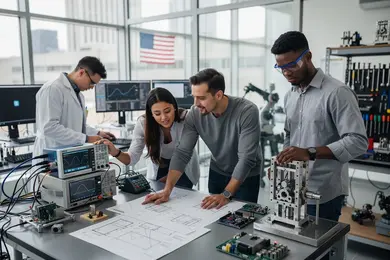
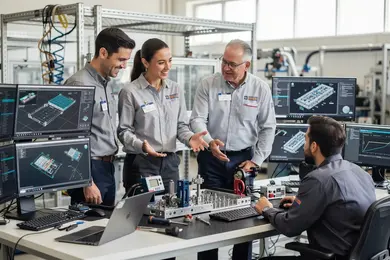
Access to campus facilities, such as laboratories and equipment, enhances practical skills essential in engineering technology fields. Additionally, hybrid programs offer flexibility by combining on-site sessions with remote learning, allowing students to better manage their schedules. The face-to-face element also fosters a collaborative and motivating learning community that many students find beneficial.
Fully online engineering technology degrees depend solely on digital tools for delivering lectures, discussions, and assessments, offering convenience especially for students balancing work or distant locations. While these programs provide greater accessibility, they may make sustained engagement harder without the same immediacy found in physical classrooms.
Interaction mostly happens through video conferences, forums, and messaging, which can feel less personal than face-to-face contact. Limited access to physical labs means hands-on experiences are often virtual or simulated, which may affect skill acquisition. Despite these challenges, many online programs leverage sophisticated platforms and virtual resources to support student collaboration and resource accessibility.
Which is more flexible: a hybrid or a fully online engineering technology bachelor's degree?
Hybrid engineering technology bachelor's degree programs mix online classes with mandatory in-person elements such as labs, exams, or workshops. This setup requires students to attend campus activities at specific times, which can restrict flexibility for those with unpredictable schedules or long distances to travel.
Nonetheless, hybrid formats balance hands-on learning opportunities with remote coursework, appealing to students who value some face-to-face interaction. These programs offer flexible learning options for engineering technology bachelor's degrees but include periodic campus visits that can impact a student's availability. The structured blend supports direct skill application while still accommodating some remote study.
Fully online engineering technology bachelor's degrees, however, provide more flexibility by allowing all coursework to be accessed remotely, often with asynchronous formats. Students can plan their study times independently, fitting education around personal and professional commitments without the need to visit campus.
About 75% of online learners in a 2023 National Center for Education Statistics survey identified flexible scheduling as the primary advantage of remote education. This freedom makes fully online programs ideal for students balancing demanding jobs or family responsibilities. Those seeking the cheapest accredited online doctoral programs also often find similar benefits in online formats for undergraduate options.
What is the workload for hybrid vs fully online engineering technology bachelor's degrees?
Though hybrid and fully online engineering technology bachelor's programs follow comparable academic expectations, they differ significantly in pacing, course structure, and how students must manage their time. Data from the 2023 Online Learning Consortium indicates that online students spend between 15 and 20 hours weekly on coursework, underscoring the rigorous demands of remote education. These variations in delivery influence how students allocate their efforts throughout the semester.
In hybrid engineering technology programs, the workload is split between scheduled on-campus sessions and online assignments. Regular in-person activities such as labs, group projects, and workshops require fixed attendance, which creates a consistent routine.
This format can simplify time management by establishing clear deadlines and meeting times but offers less flexibility for students to arrange their personal schedules. Commuting and syncing in-person commitments with digital coursework often shape the weekly study plan in this setting.
Fully online engineering technology degrees prioritize asynchronous learning, allowing students to access lectures, assignments, and exams remotely and on their own timelines. This independence demands strong self-motivation and effective organizational skills, as learners must establish their own schedules without fixed class meetings.
Assignments often involve software applications, digital simulations, and individual research tasks that foster autonomous progress. While this approach accommodates those balancing work or other duties, it requires discipline to maintain consistent study habits and meet deadlines.
How does tuition compare for hybrid vs online engineering technology bachelor's degrees?
Tuition for hybrid and fully online engineering technology bachelor's degree programs can differ notably based on course delivery, school policies, credit requirements, and additional fees charged to students. Generally, online programs offer a more straightforward tuition structure, often resulting in per-credit costs that are 5-15% lower than hybrid programs due to reduced on-campus expenses. This cost variance reflects how institutions allocate resources and manage campus facilities.
- Per-Credit Costs: Fully online programs typically have lower tuition per credit since they avoid expenses related to physical classrooms and campus maintenance. Hybrid programs, blending in-person and online learning, often factor these additional costs into their pricing.
- Technology and Facility Fees: Hybrid students commonly face extra fees for campus access, labs, or specialized technology support, which fully online students usually do not pay. This can add a significant amount to the overall cost of a hybrid degree.
- Residency-Based Pricing: Many hybrid programs apply traditional residency classifications, causing out-of-state students to pay higher tuition rates. Conversely, online programs often provide consistent pricing for all students regardless of residency, enhancing affordability for non-residents.
- Payment Flexibility: Online programs tend to offer more flexible payment options, such as monthly plans or semester installments, which accommodate diverse financial situations better than the often rigid term schedules tied to hybrid courses.
When discussing how tuition compares, a graduate of a hybrid engineering technology bachelor's degree shared that navigating the additional campus fees initially felt overwhelming. He recalled, "Balancing the tuition costs with extra lab fees and mandatory on-campus visits required careful budgeting."
Despite the higher expenses, he appreciated the structured support the hybrid format provided. However, he noted that unlike many peers in fully online programs, he had fewer options for staggered payments and sometimes struggled to align term payments with his work schedule. This firsthand experience highlights the important financial considerations students face when choosing between hybrid and online pathways.
Do employers prefer hybrid or fully online engineering technology bachelor's degrees?
Employer perceptions of hybrid and fully online engineering technology bachelor's degrees have shifted notably as online education has gained legitimacy. A 2023 survey by the National Association of Colleges and Employers (NACE) found that about 75% of employers are open to hiring graduates from accredited online degree programs. This evolving acceptance paves the way for a closer look at how hybrid and fully online formats compare in employer eyes.
- Hands-On Experience: Hybrid degrees blend online coursework with in-person labs or sessions, providing practical skills vital in engineering technology fields. Fully online degrees incorporate virtual labs and simulations, but some employers remain cautious about whether these methods fully replace real-world experience.
- Flexibility vs. Engagement: Fully online programs offer maximum flexibility, appealing to students with diverse schedules. Hybrid formats balance flexibility with opportunities for face-to-face collaboration, which employers value for teamwork and communication skill development.
- Employer Preferences: Many employers favor hybrid programs for their hands-on and social learning aspects, but acceptance of fully online degrees is growing, especially when students demonstrate strong self-motivation and industry-relevant experiences like internships or capstone projects.
- Perception Trends: Skepticism toward fully online degrees has declined as institutions enhance digital learning quality. The trend toward greater acceptance benefits both formats, although hybrid remains slightly preferred in regions and industries emphasizing direct interaction.
For students comparing hybrid and fully online engineering technology bachelor's degrees, awareness of these employer perceptions can guide choices that align with career goals and learning needs. Additionally, those interested in flexible business education options may explore MBA programs in operations management online as a complementary path.
Who should choose a hybrid vs. a fully online engineering technology bachelor's degree?
Choosing between hybrid and fully online engineering technology bachelor's degree programs depends largely on individual learning preferences, schedule flexibility, and lifestyle needs. Each format offers distinct advantages that align with different student profiles. Understanding which type suits you best can help maximize your educational success.
- Structured Interaction: Students who thrive in environments with regular face-to-face labs and collaborative projects often find the best hybrid engineering technology bachelor's degree programs more engaging. These learners benefit from direct access to instructors and on-campus resources, supporting hands-on skill development.
- Flexible Scheduling: Fully online engineering technology degree suitability is ideal for those balancing full-time work or personal commitments. These students appreciate the ability to complete coursework asynchronously, adjusting study times around their schedules without geographic constraints.
- Campus Engagement: Learners who want a balance between remote study and occasional in-person sessions often prefer hybrid programs. This approach suits individuals with part-time jobs or family responsibilities who can attend campus activities periodically for added support.
- Independent Study: Self-motivated students with strong time-management skills excel in fully online formats. The autonomy these programs provide allows such learners to progress at their own pace and work independently.
- Accessibility Needs: Those with mobility challenges or limited travel options find fully online programs more accommodating, reducing barriers related to commuting or on-site attendance.
- Resource Access: Students who value networking and real-time feedback may prefer hybrid formats to leverage campus connections and direct instructor guidance.
For those exploring career paths after completing their studies, resources about jobs for environmental science majors can offer useful insights applicable across technical fields.
How can I succeed in a hybrid vs fully online engineering technology bachelor's degree program?
Success in hybrid and fully online engineering technology bachelor's degree programs requires adapting to their distinct learning environments. Hybrid formats blend face-to-face and digital interactions, while fully online courses rely solely on virtual platforms. These differences shape the approaches students should take to study effectively and stay engaged.
- Time Management: Hybrid students must juggle in-person class schedules with online tasks, so detailed planners are essential. Fully online learners benefit from setting consistent daily study blocks to build routine and minimize procrastination.
- Active Engagement: Hybrid learners should maximize classroom interactions to clarify difficult concepts directly with instructors. Fully online students need to foster connections through discussion boards and video chats to combat isolation and deepen understanding.
- Digital Proficiency: Both formats demand comfort with technology, but online students especially must independently navigate learning management systems and software tools, while hybrid students switch smoothly between campus and digital resources.
- Workspace Setup: Fully online students should create quiet, distraction-free environments tailored for extended computer use, which supports focus during virtual sessions.
- Utilizing Resources: Hybrid students can leverage campus labs for hands-on practice, enhancing theoretical learning. Both groups benefit from online tutorials and peer study groups to reinforce material.
- Communication: Proactive outreach is key in both settings, with online students encouraged to schedule regular virtual check-ins to maintain accountability.
What Graduates Say About Hybrid vs Fully Online Engineering Technology Bachelor's Degree Programs
- Kylian: "Choosing a fully online engineering technology bachelor's program was essential for me because I needed the flexibility to work full-time while completing my degree. Navigating the coursework required strong self-discipline and time management, but the interactive virtual labs and accessible professors made the experience enriching. Since graduating, the program has significantly boosted my career opportunities by certifying my technical skills in a competitive job market."
- Dallas: "Enrolling in a hybrid engineering technology degree allowed me to balance hands-on learning with the convenience of online classes. I appreciated the blend of in-person lab sessions and digital lectures, which helped me stay engaged and apply concepts practically. This approach has not only enhanced my knowledge but also strengthened my professional network, opening doors to project management roles within the tech industry."
- Ryan: "Pursuing a hybrid engineering technology bachelor's degree was a thoughtful decision driven by my desire to gain real-world experience alongside academic learning. The support system provided by mentors and peers throughout the online components was invaluable for feeling connected despite the distance. Professionally, earning this degree accelerated my advancement in engineering roles by combining theoretical understanding with practical expertise."
Other Things You Should Know About Engineering Technology Degrees
Fully online engineering technology programs often incorporate virtual labs, simulations, and at-home experiment kits to provide practical experience. However, the depth and nature of hands-on learning may be limited compared to hybrid formats, which typically include in-person lab or workshop sessions. Students should verify how each program delivers applied training before enrolling.
Both fully online and hybrid engineering technology programs can hold the same regional and programmatic accreditation, such as ABET accreditation. Accreditation is tied to the institution and program quality rather than delivery mode, ensuring that students receive a recognized and standardized education regardless of format.
Hybrid programs often provide more natural networking opportunities through face-to-face interactions with peers, faculty, and industry professionals during on-campus sessions. Fully online programs may rely more on virtual events, online discussion boards, and digital networking platforms, which can require greater proactive effort from students to build connections.
References
- What Online Engineering Degrees are Available? | All Engineering Schools https://www.allengineeringschools.com/engineering-careers/article/online-engineering-degree/
- Everything You Need to Know About Online Engineering Programs https://www.nu.edu/blog/everything-you-need-to-know-about-online-engineering-programs/
- How to Be Successful in an Online Technical Program – My WordPress https://ednewsdaily.com/how-to-be-successful-in-an-online-technical-program/
- The Rise of Hybrid & Online Degrees: Are They Worth It? | EdNet Consultants https://www.ednetconsultants.com/the-rise-of-hybrid-online-degrees-are-they-worth-it/
- Has anyone done ODU's Online / Distance Learning Hybrid for Engineering ? (or any Hybrid Eng program - Engineering Majors - College Confidential Forums https://talk.collegeconfidential.com/t/has-anyone-done-odus-online-distance-learning-hybrid-for-engineering-or-any-hybrid-eng-program/1731605
- Most trusted Online Higher Education Company | YugEdu https://www.yugedu.com/blogs/how-to-choose-the-right-online-btech-program-for-your-career-goals
- Online and hybrid college programs explained. Flexibility, risk, and the real value equation | CG https://collegegrind.org/posts/online-and-hybrid-college-programs-explained/
- ABET-Accredited Bachelor’s in Electronics Engineering Technology https://www.uagrantham.edu/blog/abet-accredited-electronics-engineering-technology-degree/