2027 Online Engineering Technology Bachelor's Degree Programs Under $10,000

Co-Founder and Chief Data Scientist
Many working professionals face the challenge of switching to a career in engineering technology without incurring overwhelming debt or sacrificing current job commitments. Online engineering technology bachelor's degree programs under $10,000 offer a financially accessible and flexible solution. According to recent data, enrollment in affordable online engineering technology programs has increased by over 35% in the past five years, reflecting growing demand. This surge underscores the need for budget-conscious, adaptable education pathways. This article explores accredited online programs under $10,000, highlighting options that balance quality, cost, and flexibility to assist career changers in making informed decisions.
Key Things to Know About Online Engineering Technology Bachelor's Degree Programs Under $10,000
- Programs under $10,000 minimize student debt, allowing greater financial freedom post-graduation compared to traditional, costlier degrees.
- Graduates often enjoy a strong return on investment with median salaries exceeding $65,000, supported by industry demand and accredited curriculum.
- Flexible online formats accommodate working adults and military personnel, offering transfer credits and prior learning assessments to shorten time to degree.
What Are the Most Affordable Accredited Online Engineering Technology Bachelor's Degree Programs Under $10,000?
"Under $10,000 total" in online bachelor's programs refers to the entire tuition cost required to complete the degree, excluding additional expenses such as fees or textbooks. Accreditation remains a critical factor for budget-conscious students since it verifies that a program meets established academic standards, influences credit transferability, financial aid eligibility, and employer acceptance.
All programs included hold regional accreditation from bodies like the Higher Learning Commission (HLC), Southern Association of Colleges and Schools Commission on Colleges (SACSCOC), or the Middle States Commission on Higher Education (MSCHE), though programmatic accreditation from ABET is less common at this price point.
- Fort Hays State University: Offers a bachelor of science in applied technology with tuition around $218 per credit hour for 120 credits, resulting in a total under $9,000. Accredited by HLC.
- Columbia Southern University: Provides online bachelor's degrees in information technology and related fields at approximately $230 per credit hour for 120 credits, totaling about $8,700. Regionally accredited by SACSCOC.
- Western Governors University: Charges a flat $3,500 per 6-month term instead of per credit, enabling completion under $10,000 via accelerated study. Accredited by NWCCU.
- Murray State University: Offers an online bachelor's in technology at roughly $250 per credit hour with a 120-credit curriculum, totaling approximately $9,750. Accredited by SACSCOC.
- University of the People: A tuition-free, accredited institution with assessment fees around $4,800 to complete the degree, recognized by the DEAC and other agencies.
- Chadron State College: Delivers an online bachelor's in technology education at about $234 per credit hour across 120 credits, totaling just under $10,000. Accredited by HLC.
- American Public University System: Features online bachelor's programs near $285 per credit hour with flexible transfer policies to complete under $10,000 when applying transfer credits. Accredited by MSCHE.
Many seeking affordable accredited online engineering technology bachelor's degrees under 10000 find these options offer streamlined course designs emphasizing practical skills over theoretical depth. They often feature generous transfer credit acceptance and prior learning assessments, helping working adults and first-generation students minimize costs and accelerate graduation.
This focus on affordability and flexibility contrasts with mid-range programs, which generally include more electives and specialization options but come with higher tuition. Graduates of these low-cost programs can still access improved employment prospects without accumulating heavy student debt. For those exploring rapid completion options, the quickest EDD program resource offers insights into accelerated online degrees that may complement career goals.
How Do Tuition Costs for Online Engineering Technology Bachelor's Programs Under $10,000 Compare Across Public and Private Universities?
Tuition comparison for online engineering technology bachelor's programs under $10,000 reveals clear distinctions between public and private nonprofit universities. Public institutions often benefit from state subsidies that lower costs for in-state students, resulting in per-credit rates typically ranging from $150 to $300.
These reduced rates help keep total tuition affordable, especially since programs generally require 120 to 130 credits for completion. Private nonprofit universities usually charge a flat per-credit rate between $250 and $400 regardless of residency, but some offer bulk discounts or flat-rate tuition, making total costs competitive within the same budget.
- Per-Credit Cost: Public universities use state funding to offer more affordable tuition for residents, while private nonprofit schools maintain uniform pricing but may provide accelerated or competency-based models to reduce time and cost.
- Total Program Cost: Public institutions leverage larger enrollment numbers and subsidies to keep overall program prices lower. Private nonprofits offset higher per-credit fees by allowing flexible pacing or reducing credit requirements, enabling total costs under $10,000.
- State Subsidies: Public colleges benefit directly from government funding that lowers tuition for residents. Private nonprofit institutions rely more on tuition revenue but sometimes pass savings through endowments or philanthropic support.
- Program Delivery Format: Private universities often offer self-paced or competency-based options appealing to working adults, potentially accelerating graduation and cost savings. Public schools tend to follow more traditional semester-based schedules, with transfer and prior learning options influencing affordability.
- Financial Aid and Transfer Credits: Both sectors support transfer credits and prior learning assessments to shrink required credits and tuition. Private nonprofits may also offer competitive financial aid, sometimes making sticker prices lower than public tuition for eligible students.
Prospective students searching for affordable online engineering technology degrees at public and private universities should carefully evaluate these factors.
Additionally, career changers or first-generation students can investigate financial aid opportunities and credit transfer policies to maximize savings. For further information on affordable programs relevant to working adults pursuing advancement, see this online masters in psychology resource that offers insight into comparable online degree affordability and accessibility.
What Is the Typical Duration of an Online Engineering Technology Bachelor's Degree Under $10,000, and How Can Students Graduate Faster?
Most online engineering technology bachelor's degree programs require about 120 credits and are structured to be completed in four years of full-time study. This schedule balances general education, foundational technical coursework, and electives. However, affordable programs priced under $10,000 often adapt their calendars to reduce costs while supporting on-time graduation.
- Accelerated Terms: These programs frequently use shorter, eight-week sessions instead of the traditional 16-week semesters. This setup allows students to focus intensively on fewer classes at once and complete more terms annually, expediting degree completion.
- Year-Round Enrollment: By offering courses throughout the year-including summer terms-students avoid lengthy breaks and can accumulate credits continuously. This reduces overall time in the program and speeds up graduation timelines.
- Competency-Based Pathways: Some institutions permit students to progress by proving mastery of skills instead of simply accumulating credit hours. This competency-based model is especially advantageous for those with prior experience, enabling faster advancement and lowering tuition costs.
- Institutional Examples: Western Governors University provides an engineering technology program with an average completion time near three years through flat-rate tuition and competency-based learning. Similarly, Southern New Hampshire University offers accelerated eight-week courses with year-round starts, allowing motivated students to graduate in about three years while keeping total expenses below $10,000.
- Cost and Opportunity Savings: Finishing sooner not only reduces tuition payments but also lowers opportunity costs like lost income and delayed career growth. Flexible scheduling for quicker completion can significantly improve financial and professional outcomes.
A professional who enrolled in an online engineering technology bachelor's degree program under $10,000 after military service shared his experience with the timeline question. He described the initial challenge of balancing family responsibilities with coursework delivered in accelerated terms, but found the year-round format motivated steady progress.
"Knowing I could test out of some subjects based on my technical background helped me avoid repeating material and saved both time and money," he explained. He emphasized that the program's flexibility allowed him to adapt his study hours around work and personal commitments, making it possible to finish in just under three years despite those challenges. This accelerated completion gave him a quicker path to advancement in his new career.
Which Online Engineering Technology Bachelor's Programs Under $10,000 Offer the Best Earning Potential After Graduation?
Selecting a concentration within an online engineering technology degree allows students to align their studies with strong industry demand and solid earning potential. Fields such as electronics, mechanical, and computer engineering technology offer competitive salaries and stable career paths, while industrial and civil tracks provide opportunities for advancement through experience and certifications.
By weighing salary outcomes, accreditation, and program affordability, students can choose a pathway that maximizes both return on investment and long-term career growth.
Electronics Engineering Technology: Graduates in this field tend to earn robust salaries, with the Bureau of Labor Statistics (BLS) reporting median wages near $67,000. PayScale data reflects that mid-career professionals in electronics technology can exceed $70,000, particularly in industries like telecommunications and manufacturing.
Mechanical Engineering Technology: This track offers consistent demand combined with solid earnings, as many mechanical drafters and technologists see median pay above $65,000. Advancement into supervisory or specialized roles often pushes salaries over $75,000, according to occupational outlook figures.
Computer Engineering Technology: Careers related to hardware support, software, and network systems have median wages around $72,000. Several public institutions with affordable programs report alumni earnings between $65,000 and $80,000 within five years, highlighting strong market demand.
Industrial Engineering Technology: Focused on process improvement and quality control, this concentration leads to median salaries near $65,000. Opportunities in manufacturing and logistics can provide significant returns on investment for programs under $10,000.
Civil Engineering Technology: Typically offering median wages closer to $60,000, adding certifications or licenses can open doors to higher-paying project management and supervisory roles.
Prospective students seeking the best online engineering technology bachelor's degrees under 10,000 dollars with high salary outcomes should also weigh financial aid, transfer credit policies, and accreditation.
For those exploring pathways in affordable online engineering technology programs in the US for strong graduate earnings, examining these factors ensures that tuition investments lead to rewarding careers. Additionally, exploring options like the easiest associate degree to get can help streamline the educational journey.
What Financial Aid and Scholarship Opportunities Can Reduce an Online Engineering Technology Bachelor's Degree Cost Below $10,000?
Federal Pell Grants offer essential need-based funding that doesn't require repayment, often awarding several thousand dollars annually to eligible students. Subsidized federal loans provide government-covered interest while enrolled at least half-time, yielding lower-cost borrowing options if loans become necessary. Institutional scholarships target engineering technology students with varying criteria, from merit to financial need, potentially covering significant tuition portions through each school's aid office.
- Federal Pell Grants: Need-based grants that reduce tuition burden without repayment obligations, commonly awarded up to several thousand dollars yearly.
- Subsidized Federal Loans: Government loans that pause interest accrual during enrollment, offering favorable terms compared to private loans but requiring repayment.
- Institutional Scholarships: Merit or need-based awards from colleges aimed at engineering technology students, often found through financial aid offices.
- State-Based Grants: Funds or scholarships offered by states for residents attending approved online programs, which can be combined with other aid.
- Professional Association Scholarships: Scholarships from engineering societies and nonprofits requiring applications or proof of commitment, rewarding field-focused students.
Data from FAFSA and the College Board confirms that stacking Pell Grants, state awards, and institutional scholarships regularly lowers net program costs well below $10,000. Applicants should prioritize free aid sources before considering loans by completing the FAFSA promptly, seeking school-specific scholarships, applying externally, and carefully reviewing loan options.
A professional who completed an online engineering technology bachelor's program costing under $10,000 shared that navigating financial aid felt overwhelming at first-"balancing applications and deadlines was a challenge."
Still, leveraging layered scholarships and grants alongside federal aid helped minimize debt. Reflecting on her journey, she noted how proactive planning allowed her to focus on studies rather than finances, emphasizing that early and continuous attention to aid opportunities "made a tangible difference in managing costs and stress."
How Many Transfer Credits Do Online Engineering Technology Bachelor's Programs Under $10,000 Accept, and How Does This Reduce Total Cost?
Transfer credit acceptance stands out as a crucial factor in making online engineering technology bachelor's degree programs affordable, especially those under $10,000. Many institutions recognize previous college coursework, military training, and standardized exams such as CLEP and DSST, enabling students to avoid paying for redundant classes. This approach significantly shortens the time and money needed to finish a degree.
Top programs may accept up to 90 transfer credits toward the usual 120 to 130 credit requirement. For instance, universities often allow 60 credits from prior institutions along with additional credits from CLEP exams and military training, which can reduce tuition by more than 50%. Assuming a rate of $300 per credit hour, transferring 60 credits could save about $18,000-far surpassing a $10,000 total program cost. This is especially beneficial for working adults or first-generation students aiming to minimize debt.
Examples of universities with notably flexible transfer policies include:
- Thomas Edison State University: Accepts up to 90 transfer credits from accredited colleges, CLEP and DSST exams, plus military training verified through ACE recommendations.
- Fort Hays State University: Allows transfer of up to 75 credits and grants credit for CLEP and DANTES standardized tests, supporting military personnel and adult learners.
- University of Wisconsin Flexible Option: Permits up to 90 prior learning credits from college courses, military service, and competency exams, which helps reduce both time and expenses.
- Empire State College (SUNY): Offers generous transfer policies accepting up to 90 credits, with options for credit by examination and military experience to accelerate degree completion.
Before applying, students should carefully review their transcripts and identify any prior learning credits they may earn through exams or military training. Thorough evaluation of transferable credits can lead to fewer courses, lower tuition costs, and faster graduation.
What Accreditation Should an Online Engineering Technology Bachelor's Program Under $10,000 Have to Ensure Quality and Employer Recognition?
Accreditation plays a vital role in selecting an online Engineering Technology bachelor's degree program under $10,000, as it ensures educational quality and employer recognition. Regional accreditation is the most respected type, widely acknowledged by employers and graduate schools. Unlike national accreditation, regional agencies conduct more rigorous evaluations, overseeing entire institutions rather than individual programs.
The primary regional accrediting bodies are:
- Higher Learning Commission (HLC): Serving colleges in the central United States.
- Southern Association of Colleges and Schools Commission on Colleges (SACSCOC): Covering southern states.
- New England Commission of Higher Education (NECHE): Accrediting institutions in the Northeast.
- Middle States Commission on Higher Education (MSCHE): Responsible for mid-Atlantic schools.
- WASC Senior College and University Commission (WSCUC): Accrediting colleges mainly in the western U.S.
Many affordable Engineering Technology programs also hold programmatic accreditation from specialized organizations such as ABET (Accreditation Board for Engineering and Technology). This adds an extra layer of validation for curriculum quality and relevance to industry standards.
Programs with only national accreditation or no accreditation can pose challenges. Transfer of credits may be limited and employers may question the degree's value, despite lower tuition costs. About 85% of students prioritize regionally accredited schools for these reasons, according to the National Center for Education Statistics.
Prospective students should always verify accreditation status on the U.S. Department of Education's Database of Accredited Postsecondary Institutions and Programs to protect their investment in education and future career opportunities.
What Are the Admission Requirements for Online Engineering Technology Bachelor's Programs Priced Under $10,000?
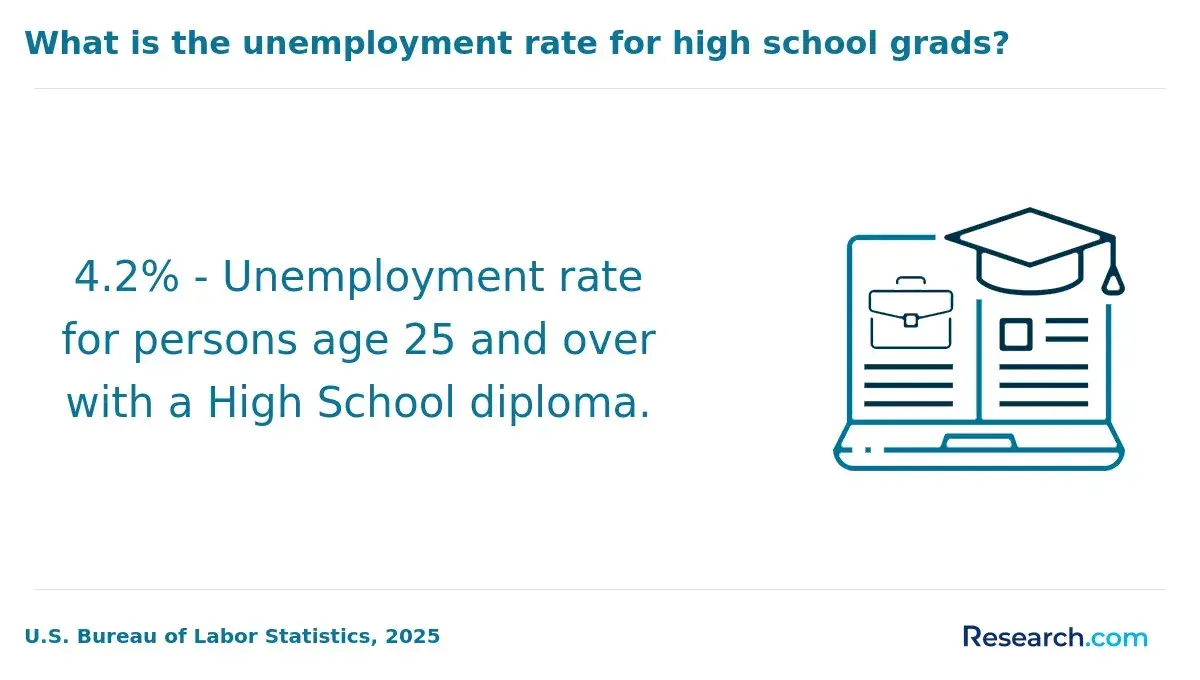
Admission requirements for affordable online engineering technology bachelor's degree programs under $10,000 vary widely depending on each institution's policies. Typically, applicants must have a high school diploma or GED, establishing a foundational academic readiness.
Minimum GPA thresholds often range between 2.0 and 2.5, but some programs adopt flexible standards or open-admission policies to increase accessibility for working adults and first-generation college students navigating the challenges of higher education costs for the first time. Standardized test scores like the SAT or ACT are increasingly optional or waived, especially in programs prioritizing accessibility.
Prerequisite coursework usually focuses on mathematics, physics, or computer science subjects, such as algebra, geometry, trigonometry, or introductory programming-ensuring students have the necessary background for advanced technical studies.
Open-admission or rolling-admission models provide more flexible entry points, benefiting non-traditional and returning adult learners who may lack conventional qualifications. In contrast, selective programs tend to have higher academic rigor, smaller class sizes, stronger student support systems, and better employer recognition but require more competitive admissions.
If you do not initially meet admission standards, consider completing relevant community college courses, gaining practical work experience in technical fields, or obtaining industry certifications. Personal statements and letters of recommendation explaining your career goals and motivation can also strengthen your application.
- High School Diploma or GED: Most programs require a completed secondary education credential before applying, establishing a baseline for academic readiness.
- Minimum GPA: A cumulative GPA of 2.0 to 2.5 is common, though some online programs have more flexible standards to increase accessibility.
- Standardized Tests: SAT or ACT scores are often optional or waived, especially in programs with open-admission policies.
- Prerequisite Courses: Foundational classes in math and science are typically required to prepare students for technical coursework.
- Admission Policies: Open-admission and rolling-admission models enable easier entry, benefiting non-traditional and adult learners.
- Selective vs. Open Admission: Selective programs may offer higher rigor and employer recognition but are harder to enter; open-admission programs prioritize access over selectivity.
- Strengthening Your Application: Completing relevant coursework, gaining practical experience, and providing strong recommendations improve chances of acceptance.
For a broader perspective on accessible online degrees, you may also explore options like the online UX degree, which shares similar admission flexibility and affordability considerations.
How Do Online Engineering Technology Bachelor's Programs Under $10,000 Support Student Success Through Advising and Career Services?
Online engineering technology bachelor's programs under $10,000 deliver essential student advising services that help working adults and first-generation students navigate degree requirements and develop academic plans tailored to career advancement. Personalized academic advising supports course selection, transfer credit evaluation, and flexible pacing options aligned with individual goals.
- Academic Advising: Students in affordable online programs benefit from personalized academic advising that guides course selection, transfer credit evaluation, and progress toward degree completion. Advisors help students navigate flexible pacing options and align their studies with career goals.
- Tutoring and Mentorship: Many programs offer access to tutoring and mentorship-often through online platforms-connecting students with faculty or experienced peers. This support enhances comprehension of complex engineering technology concepts and fosters a collaborative learning environment.
- Mental Health Resources: Recognizing the challenges faced by working adults or first-generation students, quality low-cost programs provide counseling services or wellness resources online. These resources support student well-being, which has a direct impact on academic success.
- Career Placement Services: Even at budget-friendly price points, some institutions prioritize career services including internship coordination, job boards tailored to engineering technology fields, and career coaching. These offerings increase graduate employability and provide pathways to real-world experience.
- Alumni Networks and Outcomes: Strong alumni connections and transparent reporting of career placement rates signal effective student support systems. Data from the National Survey of Student Engagement (NSSE) highlights that institutions with robust advising and career services consistently report higher student satisfaction and on-time graduation rates.
Robust student support is key to maintaining low total program costs, since on-time graduation reduces tuition burden. When researching affordable options, it is important to evaluate financial aid opportunities, transfer credit flexibility, and accreditation standing alongside these support services. Prospective students can also explore real-world salary outcomes for engineering technology graduates to estimate return on investment.
Working adults and first-generation students are advised to consult ranked programs that integrate comprehensive advising and career services-features that correlate with higher satisfaction and completion rates. For insights on valuable degree options and career pathways, consider reviewing data related to the most useful graduate degrees.
What Concentrations or Specializations Are Available Within Online Engineering Technology Bachelor's Programs Under $10,000?
Many affordable online engineering technology bachelor's degrees under $10,000 offer diverse concentration options tailored to various career goals and market needs. These focus areas prepare students with skills suited for industries with stable or better-than-average job outlooks, according to U.S. Bureau of Labor Statistics (BLS) data.
- Computer Engineering Technology: Concentrates on combining hardware and software knowledge to ready students for computer system design and network management roles. Related occupations show about 2% growth, with median salaries near $88,000.
- Electrical Engineering Technology: Emphasizes circuitry and electrical systems, leading to careers as electrical and electronics engineering technicians. Job demand remains steady, and median wages approximate $68,000. Additional certifications like NICET may require extra expenses beyond tuition.
- Mechanical Engineering Technology: Focuses on mechanical systems and manufacturing, suitable for positions in machinery operation or quality assurance. Expected job growth is around 3%, with median pay near $60,000.
- Civil Engineering Technology: Addresses surveying, construction management, and infrastructure projects. Civil engineering technicians face about 3% growth and median earnings close to $56,000. Licensure could be necessary in some states, notably when involving public safety roles.
- Environmental Engineering Technology: Applies engineering principles to sustainability and environmental protection fields, supporting careers in waste management or water resources. This area experiences moderate growth with median salaries around $50,000.
Selecting a concentration requires weighing personal interests against labor market trends. While tuition stays below $10,000, prospective students should consider costs for certifications or licenses that might be essential for some specializations.
What Technology and Learning Platforms Do Online Engineering Technology Bachelor's Programs Under $10,000 Use?
Learning management systems like Canvas, Blackboard, and Moodle are vital for delivering online engineering technology courses affordably. These platforms organize lectures, assignments, and interactive forums, helping students manage their studies effectively.
Even in budget-friendly programs, the reliability and ease of these systems greatly influence the overall learning experience by reducing technical frustrations and supporting timely progress.
Engineering technology students often rely on specialized tools such as CAD software, simulation programs, and virtual labs relevant to their field.
While some programs include access to these resources in their tuition, others may charge extra fees, potentially increasing total costs beyond $10,000. Prospective students should review program details carefully to understand what is covered.
Accessibility is crucial, especially for students with slow internet or older devices. Leading programs accommodate these challenges by optimizing course materials for low data consumption and offering downloadable content for offline study.
The essential technical setup includes:
- Reliable Internet Connection: A fast, stable broadband connection is necessary to stream lectures, submit work, and join virtual discussions without interruptions.
- Compatible Hardware: A laptop or desktop with at least 8GB RAM and a modern processor is recommended to run engineering applications and multitask efficiently.
- Updated Software: Current operating systems, browsers, and required plug-ins ensure smooth compatibility with LMS platforms and specialized software.
- Technical Support: Responsive IT assistance from the institution helps resolve hardware or software issues quickly, minimizing disruptions to learning.
What Graduates Say About Their Online Engineering Technology Bachelor's Degree Programs Under $10,000
- Kylian: "Choosing the online engineering technology bachelor's degree program under $10,000 was a practical decision for me-I wanted quality education without the burden of heavy debt. The affordability truly stands out and made it accessible to balance work and studies comfortably. Completing the program has opened doors to new career opportunities I hadn't considered before, boosting my confidence in the tech industry."
- Dallas: "The cost of the online engineering technology program was a major factor in my choice, as I needed to invest wisely while still gaining valuable skills. The flexible online format allowed me to fit coursework around my busy schedule, which was essential for my success. Reflecting on my career progression, this degree gave me a competitive edge and practical knowledge that made a real impact."
- Ryan: "When I started the engineering technology program online, I was impressed by how affordable it was compared to traditional options-under $10,000 was a game changer. I appreciated the comprehensive curriculum delivered with a professional focus, which prepared me well for real-world challenges. Today, I'm grateful for the career advancement it has enabled, proving that cost-effective education can still be top-notch."
Other Things You Should Know About Engineering Technology Degrees
To determine the value of an online engineering technology bachelor's degree program costing under $10,000, consider factors like accreditation, alumni success, program reputation, and the availability of career services. These factors help in assessing whether the cost aligns with the potential benefits and career opportunities.
Yes, several fully online engineering technology bachelor's programs offer a flat tuition rate that applies equally to in-state and out-of-state students. This approach removes the financial barrier that out-of-state tuition fees usually present, making the entire program more accessible nationwide. Such pricing models are a key factor in keeping total degree costs under $10,000.
The ROI for these degrees is generally positive. Graduates with a bachelor's in engineering technology often find employment in fields like manufacturing management, industrial maintenance, and quality assurance, roles that pay median salaries ranging from $60,000 to $80,000 annually. Considering the low tuition investment, graduates usually recover costs through improved earnings within a few years of entering the workforce.
Many affordable online engineering technology programs do accept credit from CLEP and DSST exams, as well as prior learning assessments, to reduce the total number of credits needed. This credit transfer flexibility is crucial for working adults or those with technical certifications seeking to shorten their time to degree completion. Utilizing these options effectively can help students stay within the $10,000 cost target.
References
- Most Affordable Engineering Degree Programs Online https://careerkarma.com/blog/cheapest-online-engineering-degree/
- Accredited Online Engineering Technology Degree Programs https://www.onlineengineeringprograms.com/engineering-technology
- Scholarships for Engineering Students https://accessscholarships.com/blog/scholarships-for-engineering-students/
- Engineering Technology Scholarships https://www.ashrae.org/communities/student-zone/scholarships-and-grants/engineering-technology-scholarships
- A Recipe for Success: Edtech & Academic Advising https://bibliu.com/blog/academic-advising-for-student-success-and-retention
- Need Based Scholarships and Financial Aid in Technology Fields - Tutornerds https://tutornerds.com/learning-blog/need-based-scholarships-financial-aid-technology-fields/
- Accreditation processes for technical programs https://edquip.co/blog/accreditation-processes-for-technical-programs
- 2025 Most Affordable Online IT Degrees https://www.onlineu.com/most-affordable-colleges/information-technology-degrees
- Fastest Online Engineering Degree Programs - Educating Engineers https://educatingengineers.com/degrees/fastest-online-engineering-degree-programs/
- Top Online Schools That Accept Transfer Credits https://www.edvisorly.com/student-guides/online-schools-that-accept-transfer-credits