2027 Fastest Online Engineering Technology Bachelor's Degree Programs You Can Finish in 3 Years or Less

Co-Founder and Chief Data Scientist
Working adults and career changers often face the challenge of balancing full-time jobs, family responsibilities, and the desire to earn an Engineering Technology bachelor's degree quickly. Traditional programs can take four years or more, delaying career advancement or earning potential. Data from the National Center for Education Statistics shows that accelerated online degree programs have grown by over 40% since 2018, reflecting rising demand for flexible, fast-track education options. This article explores the fastest online engineering technology bachelor's degree programs you can finish in three years or less, offering strategies to maximize credit transfers, manage affordability, and maintain program quality.
Key Benefits of the Fastest Online Engineering Technology Bachelor's Degree Programs
- Online engineering technology programs offer flexible scheduling, allowing working professionals to balance employment and study without pausing their careers or uprooting their lives.
- Accelerated degree paths enable students to acquire key technical skills and credentials rapidly, often completing coursework in as little as three years.
- These programs connect students with global networks of peers, faculty, and industry leaders, expanding career opportunities beyond local markets.
What Are the Fastest Online Engineering Technology Bachelor's Degree Programs You Can Complete in 3 Years or Less?
Fastest online engineering technology bachelor's degree programs emphasize compressed course terms, year-round enrollment, and competency-based formats to enable completion in three years or less. These approaches reduce the traditional four-year timeline through 5 to 8-week courses, continuous start dates, and self-paced mastery models. Accredited programs designed for accelerated completion typically require about 120 credit hours, making them suitable for students seeking accelerated online engineering technology bachelor's degrees under three years.
- Western Carolina University: Offers a Bachelor of Science in Engineering Technology with primarily online, accelerated 8-week courses and continuous enrollment, costing approximately $33,000 for in-state online students.
- Columbia Southern University: Features a fully online, competency-based Bachelor of Science in Engineering Technology that supports flexible, self-paced progress through about 120 credit hours, with tuition around $23,000.
- Florida Institute of Technology: Provides an online Bachelor of Science in Engineering Technology using compressed terms and multiple start dates, accepting transfer credits to shorten timelines, with tuition near $35,000.
- Southern Illinois University: Employs accelerated courses and year-round enrollment for their online Bachelor of Science in Engineering Technology, with typical tuition estimated at $28,000.
- Penn State World Campus: Allows completion of a Bachelor of Science in Engineering Technology in roughly three years through accelerated sessions and transfer credits, with tuition totaling about $40,000.
Speed-to-completion varies depending on factors such as maximum credit loads, transfer credit availability, and student commitment to continuous enrollment. Those with prior college credits or associate degrees can further reduce time by leveraging transfer policies. Competency-based education is particularly advantageous for learners with relevant work experience, as it lets them demonstrate mastery and bypass redundant coursework. For working adults and career changers, comparing cost, accreditation, and schedule flexibility helps identify the fastest online engineering technology bachelor's degree programs in the US that align with their goals. Exploring financial aid and transfer strategies along with program formats can improve affordability and timeline. Prospective students might also find it helpful to consider related fields or complementary avenues like SLP programs online when planning broader educational goals.
How Does an Accelerated Online Engineering Technology Bachelor's Degree Save You Money Compared to a Traditional 4-Year Program?
An accelerated online engineering technology bachelor's degree program enables students to complete their studies in about three years instead of the traditional four, generating notable direct and indirect cost savings. According to the National Center for Education Statistics (NCES), the average annual tuition and fees for public four-year institutions are roughly $10,560 for in-state students. This reduction by a full year means avoiding an entire year's tuition, mandatory fees, and technology charges that typically accumulate each semester, resulting in lower overall expenses.
Fewer semesters also mean reduced incidental costs such as lab fees, textbooks, and online platform expenses, which can add up significantly during a longer program. These financial savings can reach thousands of dollars, making accelerated options attractive without compromising program quality or accreditation. Many students benefit from financial aid options tailored for accelerated online engineering technology bachelor's degree programs, which further ease the financial burden.
Beyond direct school expenses, graduating a year earlier offers the significant advantage of entering the workforce sooner. The U.S. Bureau of Labor Statistics (BLS) reports that bachelor's degree holders earn median weekly wages of about $1,305, equating to approximately $67,860 annually. Finishing a program in three years rather than four allows students to avoid a year of foregone earnings, substantially increasing the overall financial benefits.
Consider this cost comparison for a representative online engineering technology program at a public university:
- 3-Year Program: $31,680 tuition + $2,000 fees = $33,680 total
- 4-Year Program: $42,240 tuition + $2,700 fees = $44,940 total
- Foregone Earnings (1 Year): $67,860
This accelerated path yields roughly $11,260 in direct cost savings and the potential to earn an additional $67,860 by entering the workforce a year earlier, totaling nearly $79,000 in financial advantage.
- Lower Tuition Costs: Completing the degree faster reduces the number of semesters billed, decreasing total tuition and required fees significantly.
- Reduced Incidental Expenses: Shorter programs lessen spending on books, technology fees, and lab charges associated with traditional four-year tracks.
- Earlier Workforce Entry: Graduating in three years lets students start full-time employment sooner, impacting lifetime earnings and career progression positively.
- Opportunity Cost Savings: Graduating sooner decreases income lost by being out of the workforce, maximizing the financial return on the degree investment.
- Quality and Accreditation: Accelerated degrees uphold the same academic rigor and accreditation standards, ensuring no compromise in educational value.
Working adults and career changers with prior credits may find additional flexibility and savings. For students exploring related fields, programs like the online MLIS also offer accelerated formats with financial benefits worth considering.
2026 Update: Checking Whether a 3-Year Engineering Technology Timeline Is Realistic
For the 2026 refresh, this section adds a practical timeline check for students comparing accelerated online engineering technology programs, especially those balancing work, family, labs, and technical coursework.
- Confirm whether required courses are offered every term or only in specific semesters.
- Ask how online labs, simulations, or hands-on projects are scheduled and completed.
- Review whether prerequisite chains could slow your progress if one course is missed.
- Check the expected weekly workload for accelerated technical courses, not just total credits.
- Find out if capstone, internship, or applied project requirements have fixed start dates.
- Ask whether part-time enrollment still allows completion within three years.
Looking beyond the advertised timeline helps students choose a program they can realistically finish quickly without overloading their schedule or delaying key graduation requirements.
Several accredited online colleges provide affordable engineering technology bachelor's degrees that can be completed in three years or less, with both regional and programmatic accreditation enhancing value and transferability. Regional accreditation ensures employer recognition and easier credit transfers, while programmatic accreditation like ABET validates the program's specialized quality in engineering technology.
- Western Governors University: Offers competency-based online degrees with flat-rate tuition around $3,625 per six-month term, totaling approximately $21,750 for accelerated students finishing in 2.5 to 3 years. WGU holds regional accreditation from NWCCU and ABET accreditation in select STEM fields.
- Southern New Hampshire University: Charges about $320 per credit hour for its online Bachelor of Science in Engineering Technology, with a total of roughly $38,400. Accelerated tracks can be completed in under three years. SNHU is regionally accredited by NEASC; programmatic accreditation varies.
- Columbia Southern University: Tuition runs $245 per credit hour for its Bachelor of Science in Engineering Management, totaling near $29,400. The university has regional accreditation through SACSCOC, while programmatic accreditation may differ.
- East Carolina University: Online Bachelor of Science in Technology Systems costs about $277 per credit hour for out-of-state students, with a total near $33,240. Transfer students can accelerate completion under three years. ECU holds SACSCOC regional accreditation and ABET-accredited engineering programs.
- Minot State University: With tuition approximately $234 per credit hour, the 120-credit online engineering technology bachelor's program costs near $28,080. Accelerated options help shorten degree time. The university carries regional accreditation from HLC.
These schools combine cost-efficiency and solid accreditation, with WGU's flat-rate, competency-based model often providing the most rapid and economical path. Regional accrediting bodies like NWCCU, NEASC, SACSCOC, and HLC affirm broader recognition, while ABET accreditation confirms rigorous engineering technology instruction.
One professional who enrolled in the fastest online engineering technology bachelor's degree programs shared that navigating accelerated coursework alongside work commitments was demanding yet rewarding. He remarked, "The competency-based format allowed me to advance quickly in subjects I already understood, which saved time and money." However, he noted challenges in balancing the pace and maintaining motivation without traditional classroom support. Overall, he valued the clear, accredited path that enabled him to shift careers efficiently while managing financial constraints.
Admissions standards for fast-track online engineering technology bachelor degree programs vary widely by institution. Traditional universities typically require official transcripts with a minimum GPA between 2.5 and 3.0, along with prerequisite courses in math, physics, and basic engineering. Standardized tests like the SAT or ACT may be requested, but many accelerated programs waive these to better serve working adults and non-traditional learners.
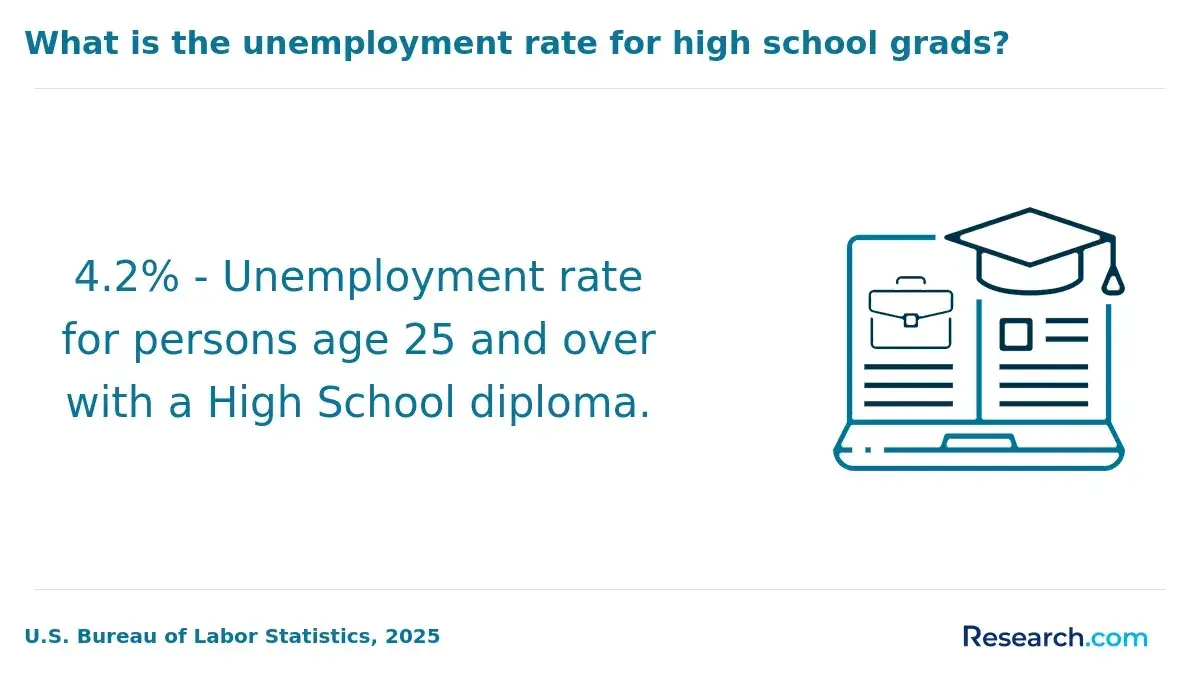
Open-enrollment and competency-based programs often have minimal admissions hurdles, usually only demanding a high school diploma or equivalent and readiness for college-level study. Prior college credits or relevant work experience can sometimes substitute formal academic records. Applicants may enhance their credentials with portfolios or documented professional achievements in related engineering fields, which some schools highly value.
Those targeting competitive accelerated engineering technology programs should prioritize assembling strong applications, including recommendation letters from instructors or employers who can verify technical skills. Completing required prerequisite coursework before applying can improve prospects. Specific program demands may include background checks or certifications tied to industry safety standards, so researching requirements ahead of time is essential.
Transfer credit policies for accelerated engineering technology programs vary and can significantly impact completion time. Prospective students should also explore financial aid and program formats carefully when comparing options. For more insights on related fields, consider viewing this online construction management degree guide that complements engineering technology pathways.
Completing a bachelor's degree typically requires about 120 credit hours. To finish an online engineering technology program within three years, students generally need to average around 40 credits annually. This usually means enrolling in roughly 13 to 14 credits during each fall and spring semester, along with additional coursework in summer sessions to stay on track.
Many students shorten their path by transferring credits from previously attended accredited colleges or universities. Prior learning assessments (PLA), CLEP exams, and military training credits also help reduce required courses by awarding credit for prior knowledge or experience. These options make accelerated completion more attainable without repeating foundational material.
Competency-based programs offer another avenue for faster graduation by focusing on demonstrated mastery rather than seat time or credit hours. This approach enables learners to advance at their own pace, potentially finishing sooner than traditional schedules allow.
A typical three-year course plan might include 14 credits in the fall, 13 in the spring, and 13 during summer of the first year; 14 credits each fall and spring and 12 in summer of the second; then 13 credits in fall, 14 in spring, and 12 in summer of the final year. This workload balances academic rigor with an accelerated timeline.
- Credit Hour Requirements: A standard bachelor's demands about 120 credits, requiring a steady, year-round course load to complete in three years.
- Credit Transfer and Assessments: Previous college credits, PLA, CLEP tests, and military credits help decrease the number of courses needed, speeding up graduation.
- Competency-Based Education: These programs prioritize skill mastery over traditional credit hours, offering flexibility to progress faster.
- Sample Course Load: Expect to take 13-14 credits each semester plus summer terms to maintain an accelerated pace.
- Recent Trend: Over 60% of bachelor's students who take summer courses graduate earlier than the typical four-year period, according to the National Center for Education Statistics.
When I spoke with a professional who completed her online engineering technology degree within three years, she emphasized the importance of a disciplined schedule and leveraging prior experience. "Balancing work and study was challenging, but I maximized credits from my military background, which really helped lighten the course load," she shared. She also found competency-based assessments empowering because they let her demonstrate skills she had already acquired on the job, accelerating her progress during the busiest semesters. Despite occasional stress, her positive outlook grew as each summer session passed, bringing her closer to her goal without compromising quality or accreditation.
When transferring credits to an online engineering technology bachelor's degree, institutions require official transcripts to determine how previously completed coursework fits their curriculum. These transcripts allow universities to verify course content and grades, ensuring alignment with degree requirements. Proper documentation, including detailed course descriptions, enhances the evaluation process and increases the likelihood of credit acceptance.
Transfer credits generally come from several sources. Credits from accredited colleges are the most straightforward, as they represent completed coursework evaluated for equivalency. CLEP (College-Level Examination Program) and AP (Advanced Placement) exam credits demonstrate subject mastery through standardized testing and are accepted selectively based on minimum score thresholds and institutional policies. Prior learning assessments (PLA) acknowledge relevant professional experience or informal education, usually requiring portfolios or proof of competency to qualify for credit.
Some online engineering technology programs offer notably generous transfer policies, allowing up to 90 credits to be applied. This flexibility can drastically shorten time to degree completion, often enabling students to finish in under three years. However, many students experience a loss of about 13 semester credit hours when transferring due to differences in course content, accreditation, or institutional standards. Confirming credit applicability before enrollment can prevent unexpected delays and expenses.
- Evaluation of Official Transcripts: Universities assess transcripts from prior colleges to verify course equivalency and ensure they fulfill program requirements. Submission of detailed syllabus information can improve transfer outcomes.
- Standardized Exam Credits: CLEP and AP exams provide alternatives to traditional coursework but depend on minimum scores and acceptance policies specific to each institution.
- Prior Learning Assessments (PLA): Credits from work or informal learning require documentation of skills or portfolios, benefiting adult learners with relevant experience.
- Generous Transfer Limits: Some programs accept extensive transfer credits, sometimes up to 90, significantly reducing overall time to graduate.
- Average Credit Loss: Research indicates students lose roughly 13 semester credits when transferring, highlighting the need to verify transfer policies beforehand.
Nearly 38% of undergraduates transfer at least once during their college career, underscoring the importance of early and thorough credit evaluation.
Applying for federal financial aid begins with completing the Free Application for Federal Student Aid (FAFSA). This step is crucial for anyone pursuing an accredited online engineering technology bachelor's degree, as it unlocks access to Pell Grants, subsidized loans, and work-study programs. Pell Grants offer need-based funds that do not require repayment, while subsidized loans provide low-interest options. Work-study allows students to earn money through part-time jobs, but eligibility depends on enrollment status and the institution.
- Federal Grants and Loans: Pell Grants provide essential need-based aid, and subsidized loans help reduce borrowing costs. Work-study jobs supplement income, although availability varies by enrollment intensity and school policies.
- Institutional Scholarships and Awards: Many universities offer merit-based scholarships and grants specifically for engineering technology students. These awards often recognize academic performance, technical skills, or prior college credits, helping to lower overall expenses.
- Enrollment Intensity Impact: Maintaining full-time status-usually defined as 12 or more credits-is vital for maximizing federal aid. Accelerated programs compress coursework, so careful planning of credit loads is necessary to avoid dropping to part-time, which diminishes aid eligibility.
- Employer Tuition Reimbursement: Working students should investigate if their employer offers tuition assistance for accelerated or online programs. Since employer policies vary widely, confirming coverage for the specific program type is important for budgeting.
According to data from the National Center for Education Statistics, over 85% of undergraduate financial aid recipients receive federal grants or loans, highlighting the importance of early FAFSA completion and understanding aid tailored to accelerated online engineering technology learners.
Competency-based education (CBE) offers a distinctive approach to earning an online engineering technology bachelor's degree by emphasizing mastery of skills over time spent in class. Unlike traditional credit-hour programs, which require students to follow fixed semester schedules, CBE allows learners to advance whenever they prove full understanding of the subject matter. This flexibility lets motivated students accelerate through coursework they already know or quickly grasp, cutting the time to graduation significantly.
Several online universities, such as Western Governors University (WGU) and Southern New Hampshire University (SNHU), provide accredited CBE tracks in engineering technology or related areas. These programs qualify for federal financial aid and are ideal for working adults or students with prior knowledge. Many have completed their degrees in as little as 12 to 18 months by leveraging the self-paced nature of CBE, demonstrating how competency-based education accelerates completion of an online engineering technology bachelor's degree.
While CBE offers the benefit of progressing at one's own pace, it demands strong self-discipline to stay on track without structured class deadlines. Additionally, some employers may be less familiar with CBE credentials, so researching industry acceptance is advisable. Overall, the model supports students' acceleration goals without sacrificing program quality or accreditation.
- Mastery Over Time: Advancement depends on demonstrating knowledge and skills instead of completing fixed class hours, allowing students to skip familiar content and focus on new material for faster degree completion.
- Recognized Online Providers: Accredited institutions like Western Governors University offer CBE engineering technology pathways eligible for federal financial aid, combining affordability with flexible pacing.
- Self-Paced Learning Benefits: Students control their study schedule, enabling quicker progress, especially for those juggling work or family; prior experience often reduces time to graduation significantly.
- Challenges and Requirements: Success requires strong self-motivation and discipline to keep pace without typical deadlines, and some employers may still be unfamiliar with CBE credentials, though recognition is improving.
- Accreditation and Aid: Most reputable CBE programs hold regional accreditation ensuring degree quality and participate in federal financial aid programs, providing financial support similar to traditional degrees.
Students seeking programs should also consider resources on the best online ABA-approved paralegal programs for comparative insights on affordable, accredited online education models.
An accelerated online engineering technology bachelor program condenses the typical four-year curriculum into a shorter timeframe, often allowing students to graduate in three years or less. This structure suits traditional students starting college with no previous credits who want to fast-track their education without compromising program quality or accreditation. Accelerated formats usually involve heavier course loads, shorter terms, or year-round classes to keep up the pace.
In contrast, online degree-completion engineering technology courses for career changers cater to adult learners who have already earned some college credits, such as an associate's degree. These programs help students finish their remaining bachelor's degree requirements, often requiring the transfer of 30 to 60 credits and enabling completion in as little as one to two years depending on course availability.
This distinction helps students choose the best pathway based on their background:
- Credit History: Students with 30-60 college credits or an associate's degree benefit most from degree-completion programs that shorten the time to a bachelor's.
- Time Availability: Accelerated degrees demand intensive, year-round study, ideal for students who can dedicate significant daily time to their coursework.
- Career Goals: Those aiming for quick workforce entry without prior credits find accelerated programs more suitable.
- Financial Considerations: Degree-completion programs often reduce tuition costs by leveraging prior credits and shortening degree length.
- Flexibility Needs: Adult learners balancing work and family frequently prefer degree-completion programs for their modular course options.
According to the National Center for Education Statistics, more than 30% of online bachelor's degree students enroll in degree-completion programs, underscoring increasing demand among nontraditional learners. To explore top programs that fit these needs, consider reviewing current rankings for online electrical engineering courses USA.
Students enrolled in accelerated online Engineering Technology bachelor's programs undertake a blend of general education and specialized technical courses designed to build core competencies in fields such as mathematics, physics, and computer applications, alongside focused studies in materials, manufacturing, and system troubleshooting. The curriculum often operates on shortened terms lasting 5 to 10 weeks instead of the conventional 16-week semesters, requiring a weekly commitment of 15 to 20 hours. This intensive pace enables completion of the degree in around three years while demanding disciplined time management. Programs typically incorporate capstone projects, internships, or practica to provide practical experience essential for workforce readiness; these elements are carefully scheduled to fit within the compressed timeframe. Accredited programs, especially those recognized by ABET, assure parity with traditional on-campus degrees, maintaining rigorous academic and professional standards. Such accreditation gives prospective employers confidence in the credential's validity and relevance.
- Core Curriculum Structure: Foundational courses in communication, math, and science underpin technical skill development, supporting deeper understanding in engineering technology disciplines.
- Compressed Academic Terms: Shorter semesters foster rapid progress through the program but necessitate an increased weekly study load ideal for self-motivated learners.
- Hands-On Learning Requirements: Capstone and internship components provide critical real-world application, aligning education with industry expectations.
- Accreditation Assurance: ABET accreditation confirms that the curriculum meets strict quality and relevance criteria, ensuring employer recognition.
- Positive Employment Outcomes: Approximately 60% of accelerated STEM program graduates find jobs within six months, reflecting strong industry demand for these credentials.
Recent surveys reveal a marked increase in employer trust for online and accelerated bachelor's degrees, particularly when earned from regionally accredited institutions. Accreditation status consistently outweighs delivery method or program length in employer evaluations of Engineering Technology degrees. Prospective students can verify a school's accreditation through the Council for Higher Education Accreditation (CHEA) database, ensuring their credentials meet established quality standards. To improve the perceived value of an accelerated online degree, students should pursue internships, professional certifications, relevant work experience, and build portfolios that showcase practical skills. Despite broader acceptance, some industries or companies may still prefer traditional on-campus degrees; researching specific employer expectations remains essential before committing to an accelerated online track.
- Accreditation Is Paramount: The legitimacy of the degree hinges on regional accreditation rather than whether it was completed online or quickly.
- CHEA Verification: Students can use the CHEA database to confirm that their institution holds recognized accreditation, validating program quality.
- Enhancing Credibility: Complementing academic work with internships, certifications, and portfolios helps demonstrate readiness and practical expertise.
- Industry Preferences Vary: Some sectors favor traditional degrees, so understanding industry norms is crucial when choosing an accelerated online path.
- Increasing Employer Acceptance: Nationwide trends indicate growing confidence in accelerated online degrees from reputable, accredited universities.
What Graduates Say About Their Fast Online Engineering Technology Bachelor's Degree Program
- Kylian: "Choosing to pursue an online engineering technology bachelor's degree was a strategic move for me, as it offered the flexibility to balance work and study. The affordable tuition fees made it an accessible option without burdening me with excessive debt. Since graduating, I've noticed a significant boost in my career opportunities, allowing me to transition into more advanced technical roles."
- Dallas: "The cost-effectiveness of online programs was a deciding factor in my decision to enroll in an engineering technology bachelor's degree. I was also drawn to the accelerated pace, which helped me complete the degree faster than traditional routes. This experience not only enhanced my skills but also positioned me for leadership roles within my company."
- Ryan: "As a professional already working in the industry, I valued the ability to study online without disrupting my job. The practical curriculum of the engineering technology bachelor's degree aligned well with real-world applications, making my learning immediately relevant. Reflecting on my journey, this degree was a key investment that opened doors to higher-level projects and increased salary potential."
Other Things You Should Know About Engineering Technology Degrees
Yes. Many ABET-accredited engineering technology programs require virtual labs, proctored skill checks, or brief on-campus residencies for hands-on courses such as circuits, materials, or manufacturing. These requirements help meet program outcomes and can add fixed dates or travel time, even in three-year plans.
Students should have reliable high-speed internet access and a modern computer capable of running engineering software commonly used in the program. Learning management systems (LMS) like Blackboard or Canvas are typically required for accessing lectures, assignments, and exams. Additional tools may include virtual labs, simulation software, and collaboration platforms such as video conferencing and discussion boards to facilitate interaction with instructors and peers.
Graduates of accelerated online engineering technology programs can expect positions in fields such as manufacturing, quality assurance, construction management, and technical sales. The degree prepares students for roles involving applied engineering, troubleshooting, and technology implementation. With an accredited degree, graduates are also positioned to pursue professional certifications and advancement in engineering-related industries, benefiting from the knowledge gained through a focused and efficient curriculum.
- Engineering Technology Scholarships https://www.ashrae.org/communities/student-zone/scholarships-and-grants/engineering-technology-scholarships
- What Is Competency Based Education (CBE)? https://echo360.com/articles/what-is-competency-based-education-cbe/
- Bachelor of Science in Mechanical Engineering Technology | Engineering/Engineering Technology Major https://gps.uml.edu/degrees/undergrad/online-bachelors-mechanical-engineering-degree.cfm
- Engineering Technology Degree Curriculum https://www.pennfoster.edu/programs/trades/engineering-technology-associate-degree/curriculum
- CBE: Competency-Based Education | East Texas A&M https://www.etamu.edu/cbe/
- What is Competency-Based Education (CBE)? | University of Phoenix https://www.phoenix.edu/blog/what-is-competency-based-education-and-how-does-it-work.html
- 3-Year Bachelor's Degree https://www.ensign.edu/3-year-bachelors-degree
- Fast Track Bachelor Admission Program (FTBA) https://www.rwth-aachen.de/cms/root/studium/vor-dem-studium/zugangsvoraussetzungen/besonderheiten-internationale-studienint/~cvvm/fast-track-bachelor-admission-programm-/
- Can I get financial aid for an online degree? | edX https://www.edx.org/resources/can-i-get-financial-aid-for-an-online-degree
- How BTech Credit Transfer Can Help You Complete Your Degree Faster https://principleinstitute.org/how-btech-credit-transfer-can-help-you-complete-your-degree-faster/