2027 Neuroscience Practicum Requirements Explained

Co-Founder and Chief Data Scientist
Meeting practicum requirements poses a significant hurdle for students pursuing a neuroscience degree in the United States, as they must navigate strict criteria related to supervised training hours, placement settings, and institutional policies. Many programs demand background checks, maintain minimum GPA thresholds, and enforce state-specific rules that directly impact students' ability to graduate on time or qualify for certification. Recent data show that over 70% of neuroscience undergraduates reported challenges securing adequate clinical placements, reflecting growing competition and evolving workforce readiness standards.
This article explains key practicum components, highlights variations across programs and states, and offers strategies to help students plan effectively and avoid delays.
Key Things To Know About Neuroscience Practicum Requirements
- Practicum participation enhances academic success by applying theoretical neuroscience concepts to real-world clinical and research settings, promoting deeper understanding and retention.
- Field experience and supervised hours develop critical professional skills-such as data analysis, patient interaction, and laboratory techniques-essential for neuroscience careers.
- Internships and clinical placements build valuable networks and improve employability, offering direct exposure to industry standards and potential mentorship opportunities.
What Is A Practicum In Neuroscience Program?
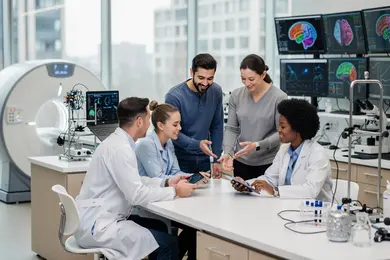
A practicum in a neuroscience program provides structured, supervised fieldwork designed to complement academic learning with direct practical experience. These practicums typically integrate into U.S. higher education curricula to ensure students apply theory in real-world clinical, research, or laboratory environments. Over 70% of neuroscience programs emphasize such experiential learning components, responding to strong employer preference for graduates with applied skills and workforce readiness.
This neuroscience practicum program overview highlights key components that define this essential educational experience:
- Applied Learning: Unlike internships or clinicals, practicums focus on academic integration by requiring students to synthesize theory with hands-on tasks in controlled settings. This approach ensures practical skill development aligned with coursework rather than purely job training.
- Placement Timing: Practicums usually occur after foundational neuroscience courses are completed, often in upper-level or capstone phases of study. This sequence ensures students have the necessary background to maximize learning during the practicum.
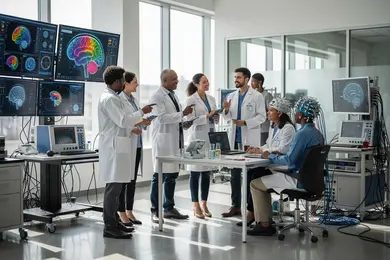
- Supervised Fieldwork: Students complete supervised hours-typically between 100 and 300-at approved sites such as hospitals or research labs. Faculty and professional mentors oversee progress and provide structured feedback, which is essential for skill refinement and professional growth.
- Evaluation and Feedback: Formal assessments, including progress reports and presentations, document student learning outcomes. These evaluations help guide continuous improvement and confirm attainment of required competencies.
- Career Readiness: Practicums bridge academic theory and workforce demands by offering mentorship, industry exposure, and development of job-relevant skills. This makes them a critical strategic asset for students preparing to enter competitive neuroscience fields.
Students interested in health sciences may also explore related paths such as nursing schools that are easy to get into, which emphasize practical training alongside academic preparation.
What Are The Eligibility Requirements For Neuroscience Practicum?
Practicum eligibility standards in neuroscience programs ensure students are academically and professionally prepared for supervised field experiences that bridge theory and practice. These requirements maintain placement quality and protect both students and practicum sites. Research shows that around 75% of graduate programs in science fields enforce minimum academic and administrative criteria before approving experiential learning opportunities, highlighting the importance of readiness.
Below are common eligibility requirements for students seeking a neuroscience practicum placement, reflecting essential academic and administrative qualifications:
- Minimum GPA: A cumulative GPA of approximately 3.0 is typically required to demonstrate sufficient academic preparation and discipline-specific proficiency. Maintaining this standard helps ensure students possess the foundational knowledge necessary to fully benefit from hands-on practicum activities.
- Prerequisite Coursework: Completion of designated neuroscience and related science courses is essential before beginning fieldwork. These prerequisites establish that students have acquired critical theoretical concepts and laboratory skills, aligning with commonly expected prerequisite coursework for a neuroscience practicum.
- Competency Demonstration: Programs require evidence of core competencies such as research methods, data analysis, and ethical conduct. This may be shown through exams, portfolios, or prior supervised experiences and confirms a student's readiness for real-world application.
- Faculty/Department Approval: Approval from faculty advisors or departmental committees is standard, ensuring academic standing, professional behavior, and alignment with educational objectives are met before placement.
- Compliance and Health Clearances: Many programs mandate background checks, immunizations, drug screenings, and health clearances to protect both students and practicum sites, particularly in clinical or laboratory environments. These administrative requirements support safe and responsible participation in the practicum.
Students interested in related pathways with minimal entry restrictions may also explore programs like RN to BSN no prerequisites, which offer alternative routes into healthcare education.
How Many Practicum Hours Are Required For Neuroscience Program?
Practicum hour requirements in neuroscience programs serve to provide essential real-world experience that bridges academic knowledge and professional skills. These expectations differ widely depending on the institution, state mandates, and accreditation standards. Research shows that employers in health and research sectors often prioritize candidates with substantial hands-on training, affirming the importance of practicum hours.
Key factors influencing practicum hour requirements include:
- Typical Hour Ranges: Neuroscience programs generally mandate between 100 and 300 practicum hours. Undergraduate paths tend toward the lower end of this spectrum, while graduate or clinical programs require more extensive commitments to align with professional standards.
- Observation vs. Hands-On: Practicum hours often balance between passive observation and active participation. Programs emphasize supervised direct experience with patients, research tasks, or lab work rather than solely observational roles to foster practical skill development.
- Structured Phases: Many curricula divide practicum experiences into multiple rotations or phases, exposing students to diverse areas such as cognitive neuroscience, clinical neuropsychology, or neurobiology. This staged approach helps build a broad competency base and adaptability.
- Supervision and Evaluation: Consistent oversight by qualified professionals ensures skill mastery and ethical conduct. Institutions use detailed logs and formal assessments to verify hour completion, competency attainment, and practical readiness.
- Weekly Time Commitments: Students typically dedicate 10 to 15 hours weekly over one or more academic terms to satisfy practicum requirements. This pacing allows integration with ongoing coursework and gradual increases in responsibility.
A professional who completed a neuroscience practicum reflected on the experience as both demanding and rewarding: "Balancing the practicum hours with classwork was tough, especially during rotations in clinical neuropsychology where the hands-on tasks were intense. Documenting every hour with supervisor approval pushed me to stay organized, but it also gave me clear milestones. Ultimately, those 250 hours felt like the foundation that boosted my confidence and readiness for the workforce."
What Courses Must Be Completed Before Starting Practicum?
Prerequisite coursework is essential for preparing students to engage effectively in supervised field experiences, ensuring they possess the knowledge and skills needed for successful practicum participation. Academic programs often sequence these courses to build foundational competencies, with research showing that over 85% of neuroscience programs mandate targeted prerequisites to enhance readiness. This structured progression supports both academic development and professional application.
Courses required before beginning a neuroscience practicum typically include:
- Foundational Theory: These courses cover core concepts such as neural structure and function, neurobiology, and behavior science. They provide students with a crucial scientific framework that informs practical observations and clinical reasoning during placements.
- Ethics and Professional Conduct: Instruction in ethical standards addresses confidentiality, informed consent, and responsible practice. Mastery of these principles helps maintain professionalism and compliance throughout fieldwork.
- Research and Assessment Methods: Training in experiment design, data collection, and statistical analysis equips students to engage in evidence-based practices and accurately evaluate neurological or behavioral information encountered during practicum hours.
- Communication Skills: Courses develop students' abilities to document findings clearly and collaborate effectively with supervisors and interdisciplinary teams, vital for professional interaction and reporting.
- Field-Specific Competencies: Depending on the discipline-such as nursing, psychology, education, or counseling-students complete specialized coursework tailored to their practicum context, ensuring relevance to their future professional environments.
These prerequisite courses are sequenced to promote academic progression, making students eligible for practicum participation in neuroscience and allied health programs. Proper completion signals readiness to apply theoretical knowledge in real-world settings, facilitating skill development and enhancing employability. For those exploring certification paths, understanding foundational coursework complements requirements like the CPC certification, which also emphasizes practical competence.
How Does The Neuroscience Practicum Placement Process Work?
Practicum placements in neuroscience programs connect academic study with practical experience through coordinated partnerships between institutions and external organizations. These structured systems ensure students develop necessary skills while meeting accreditation criteria and professional standards. Research shows that over 70% of employers in biomedical fields favor candidates with hands-on training such as practicums or internships.
Key aspects of the neuroscience practicum placement process include the following:
- Eligibility Verification: Students must satisfy academic prerequisites and complete required coursework prior to placement. Often, this involves submitting transcripts and verifying completion of certifications like HIPAA or lab safety training.
- Application and Matching: The institution's practicum office manages placement requests, collecting student preferences and applying matching methods-either algorithmic or manual-to align interests with available sites.
- Host Collaboration: Program coordinators coordinate with research facilities, clinics, or hospitals to establish placement roles, supervision levels, and compliance with institutional and regulatory guidelines.
- Screening and Interviews: Some placements require students to undergo interviews or evaluations by host organizations to assess readiness and professionalism, with faculty advisors assisting in candidate preparation.
- Faculty Oversight: Neuroscience faculty review and approve placements, ensuring educational relevance and monitoring progress through periodic check-ins and evaluations.
- Onboarding and Supervision: After confirmation, students complete onboarding procedures mandated by hosts, including training and confidentiality agreements. Continuous supervision and documentation of hours support skill development and practicum completion requirements.
A professional who completed her neuroscience degree and practicum described the process as demanding but rewarding. "Navigating application deadlines and coordinating between the university and placement site was complex," she recalled. "Faculty support was vital in preparing for interviews and clarifying expectations. The onboarding introduced me to real-world protocols that textbooks don't cover." She reflected that continuous supervision helped deepen her understanding and confidence, ultimately easing her transition into her career.

What Documents And Paperwork Are Required Before Practicum?
Pre-practicum documentation in Neuroscience degree programs is essential to ensure students meet institutional standards and are prepared for professional field experiences. These requirements help maintain compliance with safety protocols and accreditation criteria, with studies showing that more than 85% of science-related programs have strengthened these processes to protect all parties involved. Proper completion of these materials supports seamless placement and upholds rigorous academic and legal expectations.
The following documents and approvals are typically required before starting a practicum:
- Practicum Applications: Students submit detailed applications outlining their academic progress, skill sets, and goals. This helps programs assess eligibility and readiness while confirming that applicants understand the time and responsibility commitments expected during their practicum experience.
- Institutional Approvals: Administrators or faculty members often verify completion of prerequisite coursework, GPA standards, and necessary training modules on ethics and safety. These approvals act as formal endorsements that students are qualified to undertake fieldwork.
- Health and Immunization Records: Documentation of current medical clearances-including TB tests, vaccinations such as influenza and COVID-19-is required especially for placements in clinical or laboratory settings. These records protect student health and safeguard vulnerable populations they may encounter.
- Background Checks: Criminal history screenings are commonly mandated to ensure compliance with legal and institutional regulations. Occasionally, drug screenings may also be required depending on site policies. These measures help maintain trust and safety within practicum environments.
- Liability Waivers and Consent Forms: Students must sign documents acknowledging the risks and responsibilities associated with their placement. These agreements clarify institutional liabilities and reinforce professional conduct expectations.
- Placement Verification Materials: Some sites require additional onboarding paperwork, such as confidentiality agreements or proof of insurance, to meet specific operational and regulatory standards. Completing these ensures that students are fully authorized to participate in the practicum at designated locations.
What Background Checks, Immunizations, Or Clearances Are Needed?
Pre-practicum compliance requirements play a critical role in neuroscience programs by safeguarding the health and safety of both students and the populations they serve during clinical or field placements. These legal and health clearances establish professional standards and reduce liability risks. Over 85% of healthcare education programs mandate comprehensive background checks and immunizations before students can engage in practicum experiences.
The following outlines common background checks, immunizations, and clearance requirements that students often must complete before beginning their neuroscience practicum:
- Criminal Background Checks: These ensure students are eligible to work with vulnerable populations by reviewing national and state-level records. Fingerprinting and child abuse registry clearances may be required depending on the placement, especially for work involving minors or protected groups.
- Immunizations and Health Screenings: Proof of immunizations such as MMR, Hepatitis B, and influenza vaccines is typically necessary. Tuberculosis (TB) testing is also frequently required to minimize infectious disease risks to both students and patients.
- Certification Requirements: CPR and sometimes basic life support (BLS) certifications are common prerequisites to confirm readiness for emergency situations. Certain sites may also require drug screening to meet workplace safety and compliance standards.
- Institutional Clearances: Requirements vary by placement setting-such as healthcare, education, or social services-and must comply with specific institutional and state regulations relating to occupational health and safety.
- Regulatory Compliance: These clearances protect institutions legally while ensuring students abide by federal, state, and professional guidelines. Delays in obtaining documentation can affect student placement timelines and academic progress.
What Should Students Expect During Neuroscience Practicum Placement?
Practicum placements in neuroscience programs serve as essential bridges between classroom theory and supervised real-world experience-equipping students with the applied skills required in professional settings. Experiential learning has gained increasing importance in higher education and workforce preparation, with more than 85% of employers preferring graduates who have completed structured practical training. These placements help students develop confidence and competencies that are critical for successful careers in neuroscientific fields.
Students should anticipate the following elements during their neuroscience practicum daily responsibilities and supervision:
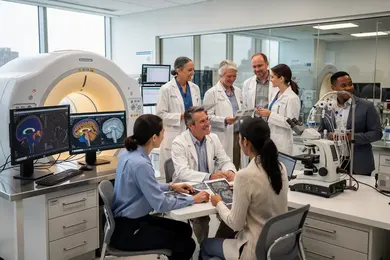
- Daily Responsibilities: Tasks often include conducting laboratory experiments, assisting in data collection, and contributing to research discussions. Such activities demand attention to detail and adherence to protocols, offering hands-on insight into neuroscience practice.
- Supervision and Mentorship: Practicum participants work closely with faculty members or experienced professionals who provide ongoing feedback and skill development guidance. This mentorship helps align student efforts with professional expectations and career goals.
- Professional Conduct: Students must adhere to workplace norms such as punctuality, confidentiality, and ethical behavior, which are vital for fostering trust and teamwork within multidisciplinary neuroscience environments.
- Performance Evaluation: Evaluations typically assess technical lab skills, critical thinking, communication, and reliability. This assessment allows students to recognize their strengths and areas needing improvement throughout the practicum.
- Applied Skill Development: The practicum emphasizes building competencies in specialized equipment use, data analysis software, and experimental design-equipping students with job-relevant abilities highly valued across graduate programs and employers.
- Communication and Collaboration: Students engage regularly with researchers, clinicians, and peers to enhance their ability to explain complex concepts clearly and work effectively within teams-a critical skill mirrored in professional neuroscience practice.
- Common Challenges: Adjusting to real-world settings involves overcoming time management pressures and adapting to varied supervisory styles. Navigating these challenges contributes substantially to professional growth and resilience.
Eligibility for practicum placements and meeting evaluation criteria during neuroscience practicum placement are core to academic progression and workforce readiness. Many students pursuing a neuroscience degree may also explore complementary educational opportunities, such as a masters degree in nutrition, to broaden interdisciplinary expertise.
How Are Practicum Students Supervised And Evaluated?
Supervision and evaluation are vital to practicum experiences, ensuring students develop essential professional skills while meeting academic standards. These processes foster accountability and help bridge theory with practical application. Studies show that structured experiential learning boosts student competence and workplace readiness by up to 35% in STEM-related fields, including neuroscience programs.
Practicum student supervision methods in neuroscience programs typically include the following key components:
- Supervisory Roles: Practicum students are usually overseen by on-site supervisors, faculty advisors, and sometimes site coordinators. Supervisors provide hands-on guidance during fieldwork, faculty advisors monitor academic compliance, and site coordinators act as liaisons facilitating clear communication between the education institution and the practicum setting.
- Ongoing Communication: Regular meetings and feedback sessions keep a continuous dialogue between students and supervisors. This ongoing interaction allows students to reflect on their experiences, adjust their approaches, and resolve any challenges promptly.
- Reflective and Observational Assessment: Direct observation and reflective journals serve as primary tools for evaluating student performance. These methods emphasize practical skill application, problem-solving abilities, and demonstration of professional behavior within real-world settings.
- Competency Checklists: Structured checklists and progress reviews document mastery of specific skills and learning milestones. These measurable criteria ensure students satisfy practicum objectives across various neuroscience disciplines.
- Formal Performance Evaluations: Final assessments comprehensively evaluate knowledge integration, technical skills, professionalism, and preparedness for post-graduate employment. Although evaluation practices may vary slightly by institution or accreditation standards, they consistently uphold academic rigor and workforce readiness expectations.
For those interested in exploring flexible academic pathways that complement practicum experiences, programs like the easiest RN to BSN online program offer accessible routes to advance healthcare education and skills applicable to neuroscience career goals.
How Does Practicum Help With Licensure Or Certification Requirements?
Practicum experiences play a crucial role in meeting professional licensure or certification requirements across neuroscience-related fields by providing supervised, hands-on training that aligns academic learning with regulatory expectations. More than 75% of healthcare employers now prioritize candidates with documented supervised fieldwork, highlighting the increasing necessity of practicum hours in career advancement.
Key aspects of practicum requirements include:
- Clinical Hours Fulfillment: Practicum sessions accumulate the mandatory clinical or direct fieldwork time required by licensing boards, demonstrating that candidates have engaged in essential applied practice within neuropsychology, clinical neuroscience, or related specialties.
- Competency Evaluation: Students are assessed against defined professional standards during practicum to ensure they develop critical skills and knowledge before certification-validating their readiness for practice.
- Supervised Oversight: Licensed professionals closely guide and evaluate students, providing structured feedback that complies with accrediting agency criteria and supports competency verification.
- Documentation & Verification: Academic programs maintain comprehensive records of practicum activities, including hours completed and supervisor endorsements, which serve as formal evidence for licensing authorities.
- Discipline-Specific Application: Practicum requirements vary depending on the professional pathway, applying tailored experiential learning to meet the unique credentialing standards in education, healthcare, counseling, or neuroscience domains.
What Do Students Say About Their Neuroscience Practicum Experience?
- Lawrence: "My practicum in neuroscience challenged me in unexpected ways-initially, I struggled to meet some of the eligibility requirements due to scheduling conflicts and limited lab availability. However, once placed, the hands-on experience far exceeded my expectations, especially in how closely the supervisors involved me in ongoing research projects. The regular feedback sessions and evaluations were incredibly detailed, helping me refine my technical skills and critical thinking."
- Holden: "Reflecting on my neuroscience practicum, I found the process to be both rewarding and complex-eligibility criteria were stringent, which delayed my start, but ultimately ensured I was well-prepared. Although I entered with high hopes, some aspects of the placement didn't quite match my expectations, particularly in the amount of direct patient interaction I anticipated. Supervision was professional and consistent, with evaluations focusing heavily on my data analysis and experimental design capabilities."
- Caroline: "As a current neuroscience student, my practicum experience has been exhilarating and insightful-I appreciated how the program addressed all eligibility concerns upfront, making the placement process seamless. My expectations were not only met but surpassed, especially regarding exposure to cutting-edge neuroimaging techniques. The supervisors were approachable and provided constructive evaluations that emphasized both my academic growth and practical application skills."
Other Things You Should Know About Neuroscience Degrees
Most neuroscience practicum placements require in-person participation due to the hands-on nature of neuroscience research and clinical work. However, some programs may offer remote or hybrid options, especially for data analysis, literature review, or computational modeling tasks. Students should verify the format with their program and site supervisors before beginning their practicum.
Yes, many neuroscience programs allow students to tailor their practicum experiences toward subfields such as cognitive neuroscience, neurophysiology, or neuropsychology. This specialization often depends on the available sites, faculty expertise, and student career goals. Selecting a focused placement can enhance relevant skill development and networking in a specific area of neuroscience.
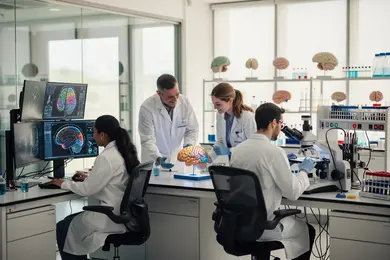
Neuroscience practicum placements commonly occur in research laboratories, hospitals, rehabilitation centers, and university clinics. Other possible settings include pharmaceutical companies, government agencies, or neuroscience-focused non-profits. The variety of environments helps students gain exposure to diverse applications of neuroscience principles.
In 2027, neuroscience practicum placements are flexible, allowing both remote and in-person formats. The choice often depends on the institution's policies and the goals of the specific practicum project. Some practicums may require in-person attendance to facilitate hands-on experience or use specialized equipment.
References
- Students' Corner: What is it like to be a student on a neurology placement? - eanNews https://www.eanpages.org/2023/03/10/students-corner-what-is-it-like-to-be-a-student-on-a-neurology-placement/
- What is a Counselling Practicum and Why It Matters? - Yorkville https://www.yorkvilleu.ca/blog/macp/what-is-a-counselling-practicum-and-why-it-matters/
- Internship https://www.neuroscience.uzh.ch/en/Master-Studies/Program/Internship.html
- MACP Practicum Portal https://practicum.yorkvilleu.ca/students/practicum-information/
- Practicum vs. Internship in Counseling Programs: What’s the Difference? https://www.nec.edu/news/practicum-vs-internship-counseling-programs
- What are background checks and security clearances? https://help.usajobs.gov/faq/job-announcement/security-clearances
- Healthcare Background Checks - Accurate https://www.accurate.com/solutions/healthcare/
- Student placements and internships - Centre for Integrative Neuroscience and Neurodynamics https://research.reading.ac.uk/cinn/uor-internal/placements/
- What is it like to study neuroscience? - Centre of the Cell https://www.centreofthecell.org/story/what-is-it-like-to-study-neuroscience/
- Master of Science-NACS - Practicum https://www.uoguelph.ca/psychology/graduate/nacs/degree/msc/practicum