2027 Neuroscience Degree Programs That Accept Transfer Credits

Co-Founder and Chief Data Scientist
Prospective students aiming to transfer credits into neuroscience degree programs often face complex hurdles-GPA thresholds set by institutions, course recency requirements that limit acceptance of older classes, concentration-specific restrictions narrowing applicable credits, and stringent documentation rules that verify prior learning. These factors directly affect how many credits count toward degree completion and can delay graduation. Notably, neuroscience graduates earn a median early-career salary of $64,000, highlighting the importance of efficient credit transfer in accelerating entry into high-paying roles. This article explores these critical variables and offers guidance to navigate transfer policies for a smoother academic transition.
Key Things to Know About Neuroscience Degree Programs That Accept Transfer Credits
- Most neuroscience programs require a minimum GPA-commonly 2.5 to 3.0-to consider transfer credits, impacting eligibility and the total accepted credits toward degree completion.
- Course recency rules often limit transfer acceptance to classes completed within the past 5 to 7 years-ensuring foundational knowledge remains current in this rapidly evolving field.
- Some concentrations impose specific restrictions-such as barring transfer credits for advanced lab or research courses-to maintain academic rigor and accreditation standards.
Which Neuroscience Degree Programs That Accept Transfer Credits Are Available at the Undergraduate Level?
Undergraduate neuroscience degree programs accepting transfer credits vary significantly to accommodate diverse student backgrounds-including community college graduates, returning adults, military veterans, and career changers. These programs emphasize transparency in transfer credit policies to help students understand how their previous coursework can apply toward their neuroscience bachelor's programs with transfer credit policies.
- Associate-to-Bachelor Pathways: Designed for students starting with an associate degree, often from regionally accredited community colleges, these programs allow significant transfer of credits toward a bachelor's degree in neuroscience. Regional accreditation ensures foundational courses and general education credits typically transfer smoothly.
- Bachelor's Completion Programs: Tailored for adults resuming education or shifting careers, these pathways focus on completing the last two years of a neuroscience degree. Transfer policies usually include GPA minimums and recency limits on transferred credits to maintain academic standards.
- Traditional Four-Year Degrees: Many institutions with clear transfer credit policies accept previous coursework based on relevance, course equivalency, and documentation such as syllabi or official descriptions. These programs often limit transfer credits in neuroscience majors to ensure sufficient upper-division courses are earned at the awarding institution.
- Transfer Credit Considerations: Key policy elements often include minimum grade requirements-usually a C or better-course equivalency assessments aligned with neuroscience core or electives, residency credit mandates, and limits on total accepted transfer credit hours.
Identifying transfer-friendly neuroscience programs early in your academic journey is crucial to maximize accepted credits and accelerate completion. Those exploring flexible degree pathways might also consider programs like a medical assistant degree online 6 weeks for faster credentialing in related healthcare fields.
What Are the Most Common Transfer Credit Policies Among Accredited Neuroscience Programs?
Most accredited neuroscience degree programs apply a common framework when determining transfer credit acceptance-though specifics vary depending on the institution. These transfer credit acceptance policies in accredited neuroscience programs help students evaluate how previous coursework may count toward their new degree.
- Maximum Credit Caps: Programs frequently cap transfer credits, often allowing between 50% and 75% of the total graduation credits to come from other institutions. This cap tends to be lower at two-year colleges and more flexible at four-year universities.
- Course Equivalency Reviews: Transfer credits undergo evaluation to ensure alignment with the neuroscience curriculum. Core science and foundational courses in biology or psychology are generally more easily transferable than specialized neuroscience electives.
- Grade Thresholds: Institutions commonly require a minimum grade of C or better, with more competitive programs demanding B or higher in key prerequisite courses.
- Institution Type Differences: Public universities usually follow state articulation agreements facilitating credit transfer from community colleges, whereas private universities may impose more stringent criteria and additional documentation requirements.
- Course Recency and Relevance: Some programs require transferred courses to have been completed within the past 5 to 10 years and directly relate to neuroscience major objectives.
- Documentation and Approval Process: Detailed syllabi, transcripts, and sometimes faculty assessments are needed to verify course content and rigor. The final credit decision often rests with academic advisors or transfer credit committees.
Prospective students-including community college graduates, military veterans, working adults returning to interrupted degrees, and career changers-should carefully compare the common transfer requirements for neuroscience degree programs before enrolling. This due diligence clarifies how many credits will count and helps avoid unexpected delays in graduation.
For those interested in bridging healthcare administration into neuroscience or exploring accelerated degree options, many online programs for healthcare administration offer flexible credit transfer pathways that might complement neuroscience studies.
How Many Transfer Credits Can Students Typically Apply Toward a Neuroscience Degree?
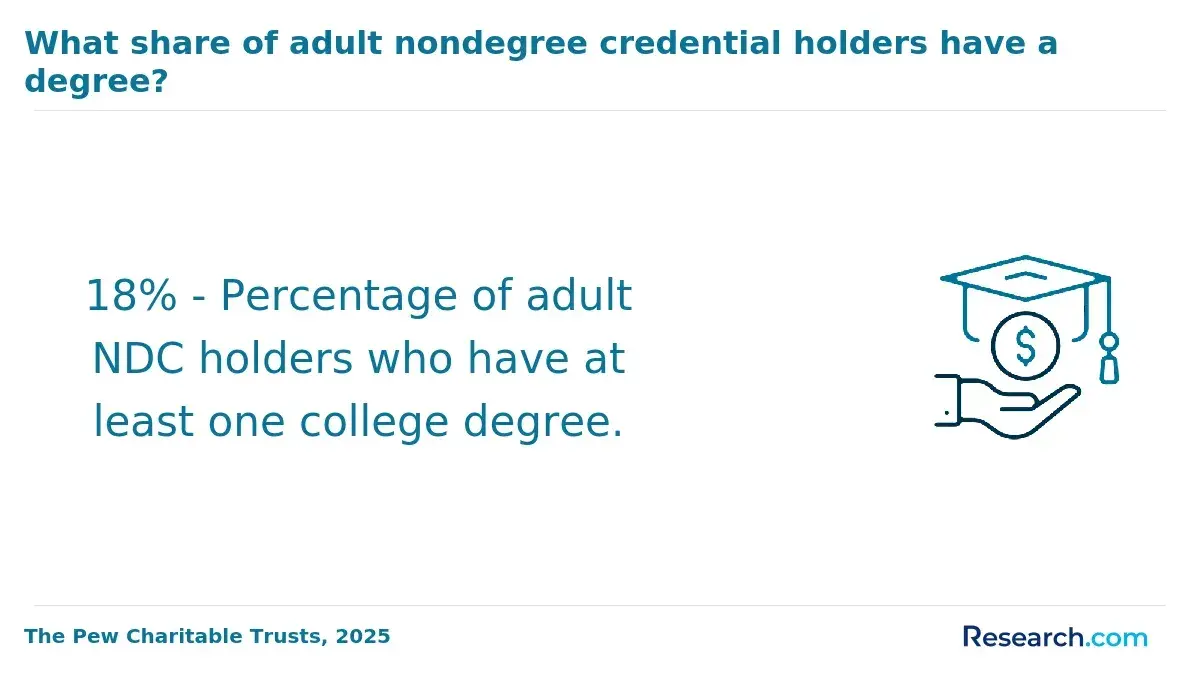
Accredited neuroscience degree programs typically accept a broad range of transfer credits, often between 30 and 90 semester hours, though the portion that applies directly to major requirements is smaller-usually falling between 15 and 45 credits. This difference stems from many transferred courses fulfilling general education or elective needs rather than core neuroscience curriculum.
- Accreditation and Institutional Policies: Transfer credits from regionally accredited schools are favored. Many institutions depend on formal articulation agreements and state transfer systems to establish credit acceptance.
- Course Equivalency: Credits must correspond closely to the content, academic rigor, and credit value of required neuroscience courses, with some programs utilizing detailed transfer equivalency guides.
- GPA and Recency: Minimum GPA standards-commonly around 2.5 to 3.0-are required to validate transfer credits. Additionally, recent completion dates for science-related coursework might be mandatory to ensure relevant, up-to-date knowledge.
- Documentation: Comprehensive transcripts and course descriptions or syllabi are essential. Incomplete records could limit credit transferability.
Strategically front-loading credits from reputable community colleges or universities can reduce degree completion time and overall expenses. Those returning to school, veterans, and career changers should seek a preliminary credit evaluation from potential programs to clarify transferable course applicability.
A professional who completed a neuroscience degree shared how navigating credit transfer was both challenging and rewarding. "I had to meticulously gather course descriptions and advocate for the relevance of my prior studies," he recalled. "Despite setbacks, receiving a preliminary evaluation early helped me map out a clear academic plan and avoid unnecessary classes." His experience underscores the importance of proactive credit assessment to streamline progress toward a neuroscience career.
Many four-year institutions offering neuroscience degree programs collaborate with community colleges and other two-year schools to simplify credit transfer and shorten degree completion timelines.
- Formal Partnerships: Some universities have formal articulation agreements clearly defining which community college credits count toward their neuroscience degrees. These agreements often arise from statewide initiatives aimed at facilitating smoother credit transfer.
- Transfer Associate Degrees: Also called Transfer Pathway degrees, these associate degrees align community college coursework with the lower-division requirements of neuroscience bachelor's programs. Earning such degrees can secure junior status at participating universities, easing the transition for community college graduates aiming for bachelor's completion.
- State-Level Transfer Programs: States like California, Florida, and New York have created transfer guarantee systems that impact neuroscience credit acceptance.
- California's Associate Degree for Transfer (ADT) standardizes general education and lower-division courses favorable to neuroscience majors.
- Florida's Articulation Agreements promote consistent credit recognition across public institutions.
- New York's Transfer Paths provide specific curriculum frameworks for natural sciences-including neuroscience-to ensure a cohesive transfer process.
- Institutional Variability: Despite formal agreements, schools differ on GPA requirements, course completion timelines, and concentration-specific limitations impacting how many credits apply to neuroscience degrees.
- Advising and Documentation: Because transfer policies vary widely, prospective students should consult their community college's transfer office and neuroscience department at target universities, seeking detailed equivalency guides and checklists.
- Informal Flexibility: Some universities evaluate transfer credits individually-especially for working adults, veterans, or career changers-sometimes granting credit for military training or professional experience.
Prospective students exploring community college transfer options for neuroscience bachelor's completion are encouraged to verify any existing agreements before enrolling. This approach helps maximize accepted credits. For additional guidance on navigating options, see resources on colleges with free application fees.
Admission GPA: Accredited neuroscience programs typically require transfer applicants to have a cumulative GPA between 2.5 and 3.0 on a 4.0 scale to be considered for entry. Higher GPAs often improve the likelihood of credit acceptance.
Course GPA Requirements: Separate from general admission standards, many institutions demand that courses intended for transfer credit-especially foundational neuroscience classes-be completed with at least a B grade or better to qualify toward the major.
Sliding-Scale Policies: Some programs use GPA-based sliding scales, granting broader credit recognition to students with stronger academic records while limiting credit acceptance for those with lower GPAs.
Policy Complexity: Transfer credit guidelines can be multifaceted, often factoring in course recency, accreditation status, and course equivalency. Prospective students should prioritize official institutional transfer credit policies rather than relying solely on admissions information.
Options for Lower GPA Students: Students who do not meet GPA thresholds for transfer credits may still fulfill degree requirements by retaking equivalent courses at the new institution.
When reflecting on the minimum GPA needed for transfer credit acceptance, a neuroscience graduate shared her experience navigating this intricate process. She recounted how a few courses initially fell below the required grade, leading to careful discussions with advisors and a strategic plan to retake key classes. Although this extended her timeline, she emphasized the importance of perseverance and the value of clear communication with the transfer office. Ultimately, overcoming these challenges not only reinforced her academic foundation but also boosted her confidence entering the profession, illustrating how understanding and adapting to transfer policies can positively impact one's educational journey.
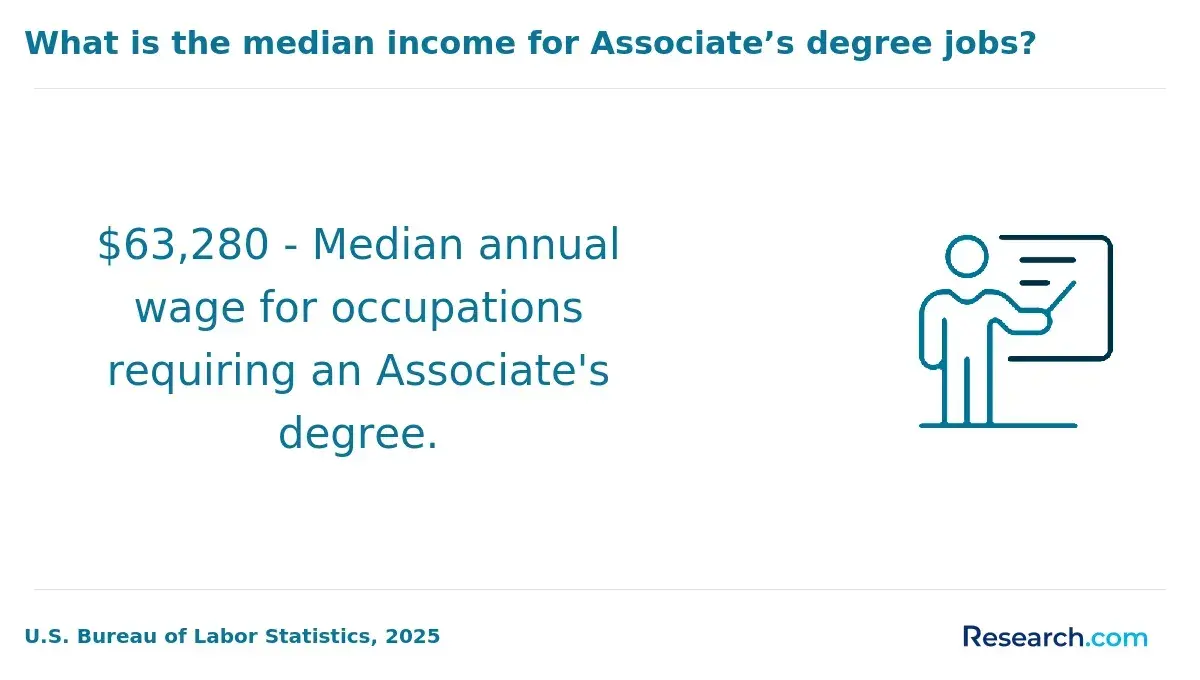
Many neuroscience programs assess transfer credits earned outside traditional college courses using established evaluation methods. These include recommendations from the American Council on Education (ACE), which reviews military training and corporate education for college equivalency, as well as CLEP exams that allow candidates to prove knowledge gained through independent study or professional experience.
Another common approach is portfolio review, where students submit detailed materials-such as course syllabi, certifications, performance appraisals, or professional licenses-to demonstrate prior learning. The completeness and relevance of this documentation strongly affect the acceptance of non-traditional credits, especially when tied to neuroscience coursework or general education requirements.
Credits typically recognized cover military service courses, employer-sponsored training in scientific or healthcare domains, and specialized certifications in areas like clinical research or neurotechnology. Institutions often enforce standards like minimum GPA requirements or limits on the age of credits to ensure academic quality. Prospective students should check if their institution participates in cooperative credit agreements-such as those facilitated by the National College Credit Recommendation Service-which can broaden acceptance of such credits.
- Evaluation Frameworks: ACE credit recommendations, CLEP examinations, portfolio assessments
- Recognized Learning: Military courses, professional certifications, workforce development training
- Documentation: Syllabi, certifications, performance evaluations, professional licenses
- Policy Details: GPA minimums, credit recency, program-specific limits
- Consortium Membership: National College Credit Recommendation Service and related networks
- Trend: Nearly 35% of adult learners now use non-traditional credits to advance neuroscience degrees, indicating growing institutional acceptance
Among the most flexible online neuroscience degree programs-especially those offered by regionally accredited institutions-transfer credit acceptance is a critical factor for many adult learners. Programs with residency caps of 30 credit hours or fewer allow students to apply a broad spectrum of equivalent coursework, facilitating degree completion for community college graduates, military veterans, and career changers. This flexibility aligns well with the diverse academic and experiential backgrounds of students returning to education or shifting careers.
Online neuroscience programs typically provide more adaptable transfer policies than traditional on-campus options. This is partly due to the competitive online education market and the need to attract nontraditional students balancing work, family, and education. Many programs ease restrictions related to GPA minimums, course recency, and major-specific credit limits-all common hurdles that can otherwise delay degree progress.
- Accreditation: Verify that the online neuroscience program is regionally accredited and, if applicable, holds relevant programmatic accreditation recognized by employers and licensing bodies in neuroscience-related fields.
- Residency Caps: Programs limiting residency to 30 credit hours or less offer greater transfer flexibility, minimizing the number of credits that must be completed directly through the institution.
- Transfer Breadth: The most flexible programs accept a wide range of courses-from general education to core science and neuroscience electives-provided they meet institutional standards.
- Policy Details:
- Be aware of GPA thresholds, documentation requirements validating prior learning, and course recency rules.
- Some institutions may restrict which transferred credits count toward the neuroscience major specifically.
- Trade-Offs: Flexible transfer policies speed degree completion but students should consider potential employer preferences for degrees with stricter residency or curriculum controls.
Prospective students benefit from comparing how online neuroscience programs balance transfer flexibility with academic rigor and confirming that program accreditation and transfer policies align with their career goals before enrolling.
For students navigating credit transfer within Neuroscience degree programs, the distinction between regional and national accreditation has practical implications. Regional accreditation-supported by six agencies recognized by the U.S. Department of Education and the Council for Higher Education Accreditation (CHEA)-is the most widely accepted form. Regionally accredited neuroscience programs generally maintain strong reciprocal transfer agreements, which means credits earned are more readily accepted across institutions, improving pathways for degree completion and graduate school admission.
- Regional Accreditation Impact on Neuroscience Transfer Credits: This accreditation type provides a more consistent framework for accepting transfer credits, benefiting community college graduates, military veterans, and career changers seeking to build on prior academic or experiential learning.
- National Versus Regional Accreditation for Neuroscience Degrees: National accreditation, often granted to specialized or vocational schools, is recognized by the Department of Education and CHEA but typically holds less weight in regional credit transfer scenarios. Students moving from nationally accredited schools to regionally accredited ones risk having credits limited or rejected.
- Transfer Risks: Enrolling in nationally accredited neuroscience programs with intent to transfer to regionally accredited schools may lead to credit loss, requiring retaking courses and increasing time and costs. GPA minimums, course recency, and documentation also affect credit acceptance.
- Verification Importance: Institutional policies vary-even among similarly accredited schools-so obtaining written confirmation of credit acceptance from the target institution before enrollment is essential to avoid academic or financial setbacks.
Prospective students evaluating degree options-including those interested in related fields like online masters nutrition-should factor in how accreditation affects credit transferability. Understanding these nuances helps ensure that prior coursework contributes effectively toward Neuroscience degree completion.
Articulation agreements are formal, negotiated contracts between two educational institutions designed to guarantee that specific neuroscience courses-or entire degree sequences-transfer seamlessly. These agreements reduce uncertainty by specifying which credits will be accepted during a student's transition, providing a clear pathway toward completing a neuroscience degree.
Common structures for transfer credit articulation agreements for neuroscience degrees include:
- Bilateral Agreements: Direct contracts between two institutions defining exact neuroscience courses that transfer.
- Statewide Articulation Systems: State-led frameworks that standardize credit transfers across multiple public colleges and universities.
- National Transfer Frameworks: Broad initiatives promoting credit recognition across different states and diverse institution types, including both public and private schools.
Students should research whether their current school participates in statewide transfer pathways for neuroscience program credits or has active articulation agreements with neuroscience programs they wish to enter. This can be done through institutional websites or by contacting transfer offices.
- Specific Course Transfers: Identifying which neuroscience courses are accepted and how they fulfill degree requirements.
- Non-Transferable Courses: Awareness of any excluded courses to prevent unexpected credit loss.
- Validity Period: Ensuring the agreement is current, as these contracts are periodically renegotiated.
To maximize the benefits of articulation agreements, it is vital to collaborate closely with academic advisors at both the sending and receiving institutions. Advisors assist in using these agreements as clear degree-planning roadmaps-starting from the first semester-taking into account GPA minimums, course relevance, and documentation required for credit transfer approval. For those balancing career changes or other commitments, exploring accelerated pathways-like the shortest online nurse practitioner program-can also complement their neuroscience academic goals.
Prior Learning Assessment (PLA): Neuroscience students can obtain college credit through PLA for knowledge acquired outside formal classrooms-via work experience, military training, or self-directed study. This approach differs from transfer credit, which depends strictly on previous college transcripts.
CLEP and DSST Exams: Standardized tests like the College-Level Examination Program (CLEP) and DANTES Subject Standardized Tests (DSST) assess mastery of college-level topics, often allowing direct credit in neuroscience-related subjects upon passing.
Institutional Challenge Exams: Some programs offer personalized exams to evaluate specific neuroscience competencies. Passing these can earn credit without coursework completion.
Portfolio Assessment: Learners compile evidence such as work samples, certifications, and reflective essays demonstrating relevant skills. Faculty review these portfolios to potentially grant neuroscience credit.
ACE-Evaluated Training: The American Council on Education provides credit recommendations for various training programs, including military and professional development, that align with neuroscience curricula.
Evaluation Differences: Unlike traditional transfer credit, PLA relies on direct assessment of skills and requires detailed documentation. Credits earned through PLA usually appear as special or exam credits rather than standard course transfers.
Accreditation and Employer Considerations: PLA acceptance varies across institutions and accrediting bodies. Students should confirm policies and employer recognition since some fields emphasize traditional coursework.
Impact on Degree Completion: Research by the Council for Adult and Experiential Learning highlights PLA's potential to shorten degree timelines and reduce costs, benefitting adult learners, veterans, and career changers.
Advisory: Contact the registrar or academic advisor at the chosen neuroscience program to clarify PLA policies before expecting credit awards.
Graduate neuroscience programs differ significantly in their policies on accepting transfer credits from prior undergraduate or graduate coursework. Programs such as professional master's degrees, including neuroscience-related MBA hybrids and accelerated pathways for career changers, tend to be more flexible in allowing relevant past courses to satisfy degree requirements. These options often aim to support working adults or those returning to education.
Several critical factors affect whether transfer credits are approved:
- Academic Level Equivalency: Transferred courses must meet graduate-level standards and content-undergraduate coursework usually does not qualify.
- Course Recency: Many programs require coursework to have been completed within the last five to seven years to maintain current subject relevance.
- Accreditation of Originating Institution: Credits typically must originate from regionally accredited colleges or recognized graduate programs to be considered valid.
- Curriculum Relevance: Courses must align with foundational or advanced neuroscience topics pertinent to the program's specific focus and curriculum structure.
Conversely, research-intensive neuroscience graduate degrees, such as traditional PhD programs, usually require students to complete all coursework on-site to preserve academic rigor and consistency.
Students should anticipate a thorough review process-including transcript analysis, syllabus evaluation, and verification of minimum GPA requirements-to determine eligible transfer credits. Requesting an official graduate credit evaluation early in the application cycle is strongly advised to clarify which previous courses will count toward program milestones.
This guidance proves especially valuable for community college graduates completing bachelor's degrees, veterans translating military training into academic credit, or professionals shifting careers who seek efficient, policy-informed pathways into advanced neuroscience study.
What Graduates Say About Neuroscience Degree Programs That Accept Transfer Credits
- Lawrence: "Enrolling in this neuroscience degree program was a game changer for me-especially because of its flexible GPA thresholds that acknowledged my past academic performance rather than penalizing me for earlier mistakes. I appreciated how clear the documentation requirements were upfront, which made transferring credits a smooth experience. The straightforward acceptance of transfer credits really emphasized how committed the program is to valuing prior learning and experience."
- Yitzchok: "Reflecting on my journey, I found the course recency rules to be the most challenging aspect-certain courses had to be completed within the last five years to count. This rule pushed me to refresh and update my foundational knowledge, which was ultimately beneficial. However, navigating the concentration-specific restrictions required careful planning to ensure my credits aligned perfectly with the program's requirements."
- Cameron: "From a professional standpoint, the neuroscience program's transfer credit system was impressively organized-documentation requirements were meticulous but justified, ensuring each transfer was legitimate and relevant. Understanding how concentration-specific restrictions impacted which credits were accepted was crucial for me to tailor my studies efficiently. The manageable GPA thresholds also helped me maintain motivation throughout the degree."
Other Things You Should Know About Neuroscience Degrees
Transferred credits typically remain eligible for application toward a neuroscience degree for up to 5 to 10 years from the date the courses were completed. This timeframe varies by institution and often depends on how current the coursework is-especially in fast-evolving fields like neuroscience where foundational knowledge can quickly become outdated. Some programs enforce stricter time limits on science and lab courses, while general education credits may have more flexible policies.
When submitting transfer credits to a neuroscience program, students generally must provide official transcripts from all previously attended institutions. In addition, detailed course descriptions or syllabi are often required to verify that the coursework aligns closely with required neuroscience curriculum components. Some programs may also require course equivalency evaluations or third-party credit assessments to confirm transferability and relevance.
Neuroscience programs commonly require an official credential evaluation for credits earned from international institutions to assess equivalency with domestic course standards. This process is usually conducted by recognized external agencies that convert grades and credit hours to the institution's scale. Additionally, language proficiency and course content compatibility are carefully reviewed to ensure the international coursework meets program requirements in neuroscience.
Yes, many neuroscience programs accept transfer credit for laboratory courses if the course matches the program’s content and credit value. Schools often require a minimum grade of C or C+ and an official syllabus to verify that the lab met the required contact hours and learning outcomes.
- National vs. Regional Accreditation: Why Does it Matter? https://www.tesu.edu/about/blog/2016/national-vs-regional-accreditation-why-does-it-matter.php
- Chicago Neuroscience https://chicagosfn.org/programs-institutions/
- Transfer Articulation Agreements: 5 Essential Insights https://www.sparkadmissions.com/blog/transfer-articulation-agreements/
- Articulation Agreements: How To Transfer Credits Easily https://www.collegevaluesonline.com/resources/transfer-students/articulation-agreements/
- Community college to USC https://talk.collegeconfidential.com/t/community-college-to-usc/2000885
- Articulation Agreements | achs.edu https://achs.edu/admissions/articulation-agreements/
- 4 Ways Transfer Students Can Maximize College Credits for Prior Experience https://www.umassglobal.edu/blog-news/4-ways-transfer-students-can-maximize-college-credits-prior-experience
- Transfer Guide https://coursetransfer.northcarolina.edu/guide/2025-2026/3261
- BookShelf https://masterenglishstudies.eu/en/admission-process/recognition-and-transfer-of-credits
- Articulation Agreements and Prior Learning Assessments - Center for American Progress https://www.americanprogress.org/article/articulation-agreements-and-prior-learning-assessments/