2027 Entry-Level Jobs With a Neuroscience Degree

Co-Founder and Chief Data Scientist
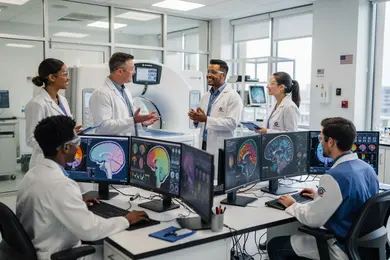
Many recent graduates face uncertainty when searching for entry-level careers in neuroscience, a field that blends biology, psychology, and chemistry. With only about 15% of neuroscience degree holders landing research jobs immediately after graduation, many are exploring diverse job opportunities beyond academia. Beginner roles often include lab technician positions, clinical research coordination, and healthcare technology support, which build critical skills for future advancement.
Understanding the range of available entry-level jobs helps graduates make informed decisions and navigate the competitive job market. This article explores practical career options for neuroscience graduates and guides readers on starting their professional journeys effectively.
Key Benefits of Entry-Level Jobs With a Neuroscience Degree
- Entry-level jobs provide practical experience and help graduates develop neuroscience-specific laboratory and analytical skills essential for advanced research roles.
- These positions offer clear pathways for career advancement, with many professionals moving into specialized research or clinical occupations within five years.
- Early roles enable graduates to expand professional networks and strengthen resumes, increasing employability in the competitive neuroscience job market.
What entry-level jobs can you get with a neuroscience degree?
About 65% of neuroscience bachelor's degree graduates secure their first role within six months, mainly in research or clinical environments. These positions provide vital hands-on experience and prepare graduates for advanced opportunities.
Below are some common entry-level jobs that help build foundational skills for neuroscience careers.
- Research Assistant: Supporting senior scientists, research assistants conduct experiments, manage data collection, and maintain lab equipment. This role sharpens technical abilities and understanding of experimental design, essential for further research or graduate education.
- Lab Technician: Lab technicians prepare samples, handle reagent inventories, and ensure safety protocol compliance. This role enhances organizational skills and familiarity with laboratory processes, serving as a bridge to technical positions in biomedical and pharmaceutical sectors.
- Clinical Research Coordinator: Coordinators help manage clinical trials by recruiting participants and monitoring regulatory adherence. This position deepens knowledge of clinical procedures and patient care, supporting careers in healthcare research or regulatory affairs.
- Data Analyst: Neuroscience graduates with strong quantitative skills analyze datasets and generate reports. This job develops statistical expertise and proficiency with analytical software, valuable in both academic research and industry roles.
- Medical Sales Representative: These representatives educate healthcare professionals about neurological products and treatments. The role demands communication skills and neuroscience knowledge, opening pathways to medical communications and healthcare management careers.
Those interested in expanding their healthcare credentials might explore accelerated medical assistant programs, which can complement neuroscience experience with practical patient care skills.
Which industries hire the most neuroscience graduates?
Graduates with a neuroscience degree find themselves employed across a variety of sectors where their knowledge of the brain, behavior, and biological processes is highly valued. Approximately 40% of these graduates enter healthcare and life sciences fields, reflecting strong industry demand for neuroscience expertise.
These diverse paths offer multiple avenues for applying neuroscience skills in impactful ways.
- Pharmaceutical and Biotechnology: This industry hires neuroscience graduates to support the development of drugs and therapies targeting neurological disorders and mental health conditions. Roles typically involve research and development, clinical trials coordination, and analyzing brain function data to assess drug efficacy.
- Healthcare and Medical Services: Hospitals, mental health clinics, and rehabilitation centers employ neuroscience graduates to assist in neurological assessments and patient care. Entry-level positions such as clinical research assistant and neurodiagnostic technician contribute directly to improving treatment outcomes.
- Academic and Government Research: Research institutions rely on neuroscience graduates to help with experimental studies and data collection focused on brain function and neurological diseases. Positions in this sector include laboratory assistants and project coordinators essential to scientific advancement and public health policy.
- Technology and Data Analytics: Neuroscience graduates with strong analytical skills are increasingly valued in tech companies working on brain-computer interfaces and AI inspired by neural processing. Jobs often involve experimental design, software testing, and data analysis related to neurotechnology applications.
A neuroscience degree graduate shared that entering these industries involved a steep learning curve. "Initially, I felt overwhelmed by the technical jargon and specialized tools," he said. However, persistence paid off as he found mentorship and hands-on experience vital to gaining confidence. His journey highlighted not only industry demand but also the importance of adaptability and continuous learning in fields hiring neuroscience graduates.
Which entry-level neuroscience jobs pay the highest salaries?
Salaries for entry-level roles in neuroscience can vary significantly depending on factors like job responsibilities, technical skills, and industry demands. Positions requiring specialized knowledge or regulatory oversight generally offer higher starting pay.
Below are some of the top-paying entry-level neuroscience careers available to recent graduates.
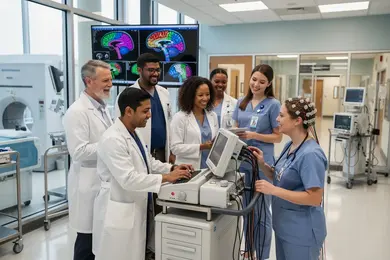
- Neurodiagnostic Technician: This role involves operating brain-monitoring equipment such as EEG and EMG machines, supporting neurologists with diagnostic procedures. Entry salaries usually range from $55,000 to $75,000, reflecting the technical expertise and certifications often required for the position.
- Clinical Research Coordinator: Coordinators oversee the management of clinical trials, ensuring protocol adherence and handling patient recruitment and data management. Starting pay tends to fall between $50,000 and $70,000 due to the responsibility of regulatory compliance and coordination with medical personnel.
- Data Analyst in Neuroscience: These analysts interpret complex neurological datasets, applying statistical and programming skills to extract insights. Their starting salary often ranges from $55,000 to $75,000, influenced by the growing demand for data proficiency in neuroscience research.
- Pharmaceutical Sales Representative: Though outside the lab, this role involves promoting neuroscience-related medicines to healthcare providers, with starting salaries generally between $50,000 and $70,000. The potential for commissions can increase early earnings substantially.
- Research Associate or Lab Technician: These professionals help design and perform experiments in academic or corporate labs. Salaries typically range from $45,000 to $65,000, with higher pay seen in pharmaceutical or biotech sectors where technical skills are critical.
What skills do employers look for in entry-level neuroscience graduates?
Employers hiring entry-level neuroscience graduates look beyond academic achievements to find candidates with practical abilities and effective communication. A 2023 survey from the National Association of Colleges and Employers found that over 70% of STEM employers prioritize strong analytical and communication skills in new graduates.
Below are essential skill sets valued in entry-level neuroscience roles.
- Data Analysis: Handling complex datasets is a core responsibility for entry-level neuroscience professionals. Proficiency with statistical tools such as Python, R, or MATLAB enables graduates to analyze and interpret research findings reliably, supporting robust scientific conclusions.
- Attention to Detail: Precision in experimental design, data recording, and validation reduces errors and ensures research integrity. Employers seek graduates who consistently deliver accurate results, which is vital for maintaining data accuracy across studies.
- Problem Solving: The ability to methodically address unexpected challenges in lab work or clinical research is crucial. Entry-level neuroscientists must develop practical solutions independently or contribute to team efforts to overcome technical obstacles.
- Communication Skills: Clear articulation of scientific data, both written and verbal, is essential for reporting findings and collaborating with colleagues. Effective communication maximizes the impact of research and strengthens interdisciplinary teamwork.
Developing these key technical skills for entry-level neuroscience jobs, combined with essential certifications and internship experience, enhances employability. Students can explore advanced opportunities such as MSN to DNP programs online to further strengthen their credentials.
Do employers hire neuroscience graduates with no internships?
Employers often prioritize candidates who bring internship experience to entry-level neuroscience roles, as this hands-on exposure typically indicates readiness and relevant skills. Data shows about 65% of life sciences employers favor applicants with internships during hiring, valuing the practical training and lab familiarity these experiences provide.
However, lacking an internship does not automatically disqualify neuroscience graduates from consideration. Hiring decisions frequently depend on multiple factors beyond internships, leading to varied preferences across organizations and job types.
Graduates without internship credentials can still be attractive to employers by highlighting strong academic records, participation in undergraduate research, or relevant project work. Transferable abilities such as critical thinking and data analysis also play a key role in compensating for limited practical experience.
Because requirements differ widely among employers and specific positions, some may focus more on a candidate's potential and motivation rather than formal internship history, especially in smaller companies or roles emphasizing analytical capabilities demonstrated through coursework or independent study.
What certifications help entry-level neuroscience graduates get hired?
Certifications can greatly enhance a neuroscience graduate's employability by confirming specialized skills and showcasing dedication to ongoing professional growth. Studies reveal that candidates holding relevant certifications have a 15% higher chance of securing interview invitations compared to those without.
Below are several key certifications that can boost early career prospects in neuroscience-related fields.
- Certified Clinical Research Professional (CCRP): This credential verifies knowledge of clinical trial methodologies and regulatory standards, which employers value for research-based roles. It signals a clear understanding of ethical practices and procedures necessary for clinical research positions.
- Basic Life Support (BLS) Certification: Essential for roles involving patient interaction, this certification demonstrates competency in emergency response and safety protocols, making candidates more reliable in clinical or human-subject environments.
- Certified Neuroscience Registered Nurse (CNRN): Although primarily for nurses, this certification highlights expertise in neurological care and conditions, appealing to neuroscience graduates interested in healthcare settings or interdisciplinary roles.
- Data Science and Statistical Analysis Certifications: Credentials from providers like SAS or Microsoft validate skills in analyzing complex data, a critical asset for lab technicians or research assistants interpreting neuroscience datasets.
- Good Clinical Practice (GCP) Certificate: This certification confirms proficiency in international ethical and scientific standards for conducting clinical trials, valuable for entry-level roles in research coordination or regulatory affairs.
When discussing certifications that helped her after graduating with a neuroscience degree, one professional reflected on the uncertainty she felt entering the job market. "I didn't realize how pivotal these certifications would be until I started applying," she explained.
She recalled juggling preparation for multiple tests while balancing job applications, and how earning the CCRP and BLS not only boosted her confidence but also opened doors she hadn't anticipated. "It wasn't just about having the certificate-it was about the conversations and credibility those credentials sparked during interviews," she said, highlighting how the certifications made her stand out in a crowded applicant pool.
How can students prepare for entry-level neuroscience jobs while in college?
Preparing early during college significantly enhances employability for neuroscience graduates, as over 70% of employers prioritize candidates with relevant practical experience and strong work readiness skills. Building these competencies before graduation positions students as competitive applicants. Practical strategies to achieve this include the following.
- Hands-On Experience: Gain laboratory or research involvement to develop critical thinking and neuroscience-specific technical abilities. Participating in research projects allows students to familiarize themselves with experimental design and data analysis techniques.
- Technical and Soft Skills: Focus on mastering laboratory methods, statistical software, and scientific communication while also improving teamwork, problem-solving, and time management. These combined skills create a well-rounded candidate ready for workplace demands.
- Academic Engagement: Get involved in campus-based neuroscience projects and student organizations. These opportunities provide exposure to real-world applications and additional mentorship, strengthening professional networks.
- Utilize Campus Resources: Take advantage of career centers offering résumé workshops, interview prep, and STEM-specific networking events. Faculty advisors can also guide students toward relevant professional development.
- Attend Seminars and Conferences: Stay informed on current neuroscience trends by joining seminars and academic meetings. Early networking at these events expands connections and deepens industry understanding.
How competitive is the entry-level job market for neuroscience graduates?
The entry-level job market for neuroscience graduates is moderately competitive, with about 65% of recent graduates securing employment within one year, according to National Science Foundation data. This statistic reflects steady demand balanced by a limited number of positions available.
As a result, the job outlook for neuroscience degree graduates shows consistent opportunities, but candidates often face a challenging selection process. Exploring ways to improve qualifications can help applicants stand out.
The level of competition is influenced by several factors, including the diversity of applicants who often have backgrounds in biology, psychology, or chemistry, all targeting similar entry-level roles such as research assistants or clinical trial coordinators.
Employers usually expect candidates to demonstrate strong technical skills and relevant academic experience, which differentiate applicants in a tight job market. Additionally, competition varies depending on the specific job type; positions in academic labs, pharmaceutical firms, and healthcare organizations differ in their hiring needs and applicant volumes, affecting how competitive entry-level neuroscience job market competitiveness actually is.
Students may also benefit from specialized training or participating in research projects. Those interested in complementary healthcare programs might consider options like the LPN accelerated program to broaden their career paths.
What remote entry-level jobs can you get with a neuroscience degree?
Remote work opportunities for entry-level professionals in neuroscience have expanded rapidly, reflecting a broader shift toward telecommuting in STEM careers. A 2023 U.S. Bureau of Labor Statistics report noted that remote jobs have grown by more than 30% over the last five years, opening new paths for beginners to gain experience remotely.
For those seeking work-from-home careers for neuroscience graduates, several roles stand out.
- Research Assistant: This position involves supporting studies through data collection, literature reviews, and statistical analyses. Working remotely, research assistants manage digital databases and contribute to virtual meetings, building essential research and communication skills early in their careers.
- Clinical Data Coordinator: Coordinators organize and verify patient information for clinical trials or neurological research. The role requires coordinating with remote clinical teams and ensuring data accuracy to uphold research credibility.
- Medical Writer: Writers produce summaries, research briefs, and educational content related to brain science. This remote role helps graduates develop the ability to translate complex neuroscience topics into accessible language for diverse audiences.
- Regulatory Affairs Assistant: These assistants help compile necessary documents and ensure compliance with federal guidelines concerning neuroscience products or trials. Remote collaboration with regulatory bodies and internal stakeholders is a key component of the job.
- Health Informatics Specialist: Specialists focus on managing neurological data systems and analyzing trends to support healthcare providers with informatics tools. This remote role appeals to graduates interested in the intersection of neuroscience and technology.
For students exploring further education options, some of the best DNP programs offer flexible pathways without clinicals, which can complement a neuroscience degree and enhance remote work readiness.
How quickly can neuroscience graduates get promoted?
Promotion speed for entry-level neuroscience graduates varies widely and depends on individual performance, accumulated experience, and the organizational structure where they work. Typically, early career professionals in neuroscience can expect their first promotion between 2 to 4 years.
Research on STEM careers shows that about 45% of recent graduates see significant career advancement, including promotions or increased responsibilities, within their first three years. This average time for promotion in neuroscience careers reflects a balance between learning curves and opportunity availability.
Several factors influence how quickly neuroscience graduates advance. Developing strong technical and analytical skills relevant to neuroscience roles can accelerate progression. Consistent high performance and meaningful contributions to team objectives often lead to earlier recognition and promotion.
Additionally, taking on more complex tasks or leadership roles supports faster career growth, though promotion timelines vary greatly between employers and job positions. Smaller organizations tend to promote faster than larger institutions with formal hierarchies. Prospective graduates may also explore related fields through programs like RN to BSN programs to broaden career options.
What Graduates Say About Entry-Level Jobs With a Neuroscience Degree
- Lawrence: "Jumping into an entry-level neuroscience role, I found that being open to onsite positions expanded my opportunities tremendously, even though I initially hoped for remote work. Choosing a job where mentorship and hands-on lab experience were prioritized helped me build a strong foundation. This starting point has already begun shaping my career trajectory toward advanced research roles."
- Yitzchok: "When applying for my first neuroscience job, I realized that understanding the company's impact on the community and its ethical standpoint was just as important as the work environment. I opted for a hybrid position, which offered flexibility while keeping me connected to my team. These factors greatly influenced my growth, making my entry-level experience both meaningful and motivational."
- Cameron: "From a professional standpoint, landing an onsite entry-level role gave me invaluable exposure to cutting-edge technology that remote roles often lack. I assessed job offers by looking at potential collaborations and career advancement paths rather than just salary. This strategic approach has already put me on a promising path within the neuroscience field."
Other Things You Should Know About Neuroscience Degrees
Most entry-level jobs for neuroscience graduates are full-time roles, especially in research laboratories, healthcare settings, or pharmaceutical companies. However, part-time and contract positions also exist, particularly in academic and clinical trial environments where project-based work is common.
Entry-level neuroscience jobs in 2027 often require skills in data analysis and familiarity with software such as MATLAB and Python. Understanding of basic lab techniques and statistical methods is also beneficial. Hands-on experience through internships or lab work can be advantageous.
Advancement beyond entry-level positions in neuroscience often requires additional education such as a master's or doctoral degree. Specialized roles in clinical research, neuropsychology, or academic faculty positions typically demand higher qualifications beyond a bachelor's degree.
Networking is highly valuable in the neuroscience field, as many entry-level opportunities are shared through academic contacts, professional associations, or conferences. Building relationships with professors, mentors, and industry professionals can provide access to job openings and internships that may not be publicly advertised.
References
- Jumpstart Your Career in Neuroscience: A Quick Guide for Students https://www.brainfacts.org/for-educators/teaching-techniques/2018/jumpstart-your-career-in-neuroscience-a-quick-guide-for-students-062718
- Neuroscience: tips for studying and revising, by Dr Isabella Vainieri - T H E S I S https://thesis.psychologyresearch.co.uk/2023/11/26/neuroscience-tips-for-studying-and-revising/
- What Can You Do with a Neuroscience Degree? | Tiffin University https://www.tiffin.edu/news/what-can-you-do-with-a-neuroscience-degree/
- Applied Neuroscience Counselor Certification | CCALP https://www.ccalp.org/applied-neuroscience-counselor-certification
- Job Market - Federation of European Neuroscience Societies https://www.fens.org/careers/job-market
- What to do in Highschool to Become a Neuroscientist | Polygence https://www.polygence.org/blog/neuroscience-career-paths
- Neuroscience for Change Certification https://apmg-international.com/product/neuroscience-change-certification
- Neuroscience PhD Career Paths Beyond Academia https://www.industrycareerguide.com/blog/neuroscience-phd-career-paths