2027 Neuroscience Internship Requirements: Hours, Placements, and Supervision

Co-Founder and Chief Data Scientist
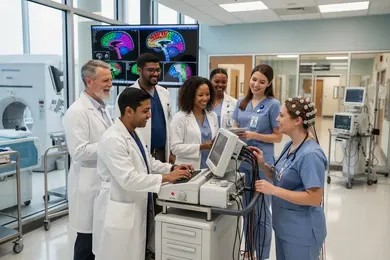
A student entering a neuroscience internship often faces uncertainty about the commitment required, especially when balancing coursework and practical experience. Nearly 70% of neuroscience graduates report that internships included at least 120 hours of hands-on work in clinical or research settings. These placements typically involve supervision by experienced professionals, providing critical guidance on lab techniques, data analysis, or patient interaction.
Understanding how internship hours are structured, where placements are secured, and the extent of supervision expected helps students prepare effectively. This article clarifies these key requirements, helping prospective and current neuroscience students navigate the internship process successfully.
Key Things to Know About Neuroscience Internship Requirements
- Neuroscience internships generally require 120-200 hours, demanding careful academic scheduling to balance coursework and avoid extending time to graduation.
- Placement availability varies widely; students may compete for limited sites, affecting internship timing and the diversity of practical experiences.
- Supervision must meet accredited program standards, with regular evaluations ensuring skill development and alignment with professional competencies.
Do All Neuroscience Degrees Require an Internship?
Internships are commonly integrated into neuroscience degree programs to provide students with practical experience and better prepare them for future careers or advanced studies. Approximately 65% of STEM undergraduate programs, including neuroscience, require or strongly encourage internships as part of skill development and career readiness. Factors influencing whether an internship is mandatory vary, as outlined below.
- Program Type: Bachelor's neuroscience degrees often offer internships as optional, while many master's and doctoral programs include mandatory research or clinical placements to deepen practical expertise.
- Accreditation Expectations: Programs seeking accreditation from professional bodies or designed to align with established standards commonly require internships to ensure students achieve hands-on competencies.
- Specialization Tracks: Certain neuroscience concentrations, such as cognitive neuroscience or neurophysiology, frequently mandate internships in laboratory or healthcare settings to complement theoretical learning.
- Alternative Experiential Learning: Some programs allow students to meet practical experience credits through capstone projects, research assistantships, or supervised lab work, serving as alternatives to formal internships.
Students exploring neuroscience degree internship requirements should carefully review their program's curriculum and accreditation criteria. For those interested in advancing their careers efficiently, exploring accelerated DNP programs may provide additional insight into streamlined experiential learning paths.
What Requirements Must Be Met Before Starting a Neuroscience Internship?
Internship programs in neuroscience set strict prerequisites to ensure students are academically prepared and capable of handling the responsibilities involved. A 2022 survey found that over 75% of internship coordinators reject applicants with GPAs below 3.0, underscoring the importance of academic performance. The following are common requirements students must meet before beginning an internship.
- Minimum GPA: Most programs require a cumulative GPA of 3.0 or higher to demonstrate sufficient mastery of foundational coursework and academic readiness.
- Completed Coursework: Students typically must finish core classes such as cellular neuroscience, neuroanatomy, and neurophysiology to ensure familiarity with essential concepts and laboratory techniques.
- Research or Lab Experience: Prior laboratory work or involvement in neuroscience research projects is often required to show hands-on skills and practical knowledge.
- Application Approval: Interns must submit transcripts, letters of recommendation, and a personal statement detailing their interest and experience, enabling supervisors to assess motivation and preparedness.
- Background Checks and Health Clearances: When internships involve clinical or hospital environments, passing background screenings and providing immunization records are mandatory for safety and compliance.
Meeting these criteria helps ensure students are ready to engage fully with their neuroscience internship, benefiting both their educational growth and the institutions hosting them.
How Many Internship Hours Are Required for Neuroscience Degrees?
Internship hours in neuroscience degree programs are designed to ensure students gain hands-on experience critical to their education. Typically, undergraduate programs require between 100 and 200 hours, with many institutions aligning internship hours to academic credit systems where one credit corresponds to roughly 50 to 75 hours. Below are key factors that influence how these hours are determined.
- Credit Equivalency: Schools often set internship hours based on how credits convert to practical work, with a common standard linking one academic credit to 50-75 internship hours. This explains why three-credit internships usually involve 150 to 225 hours of supervised activity.
- Program Level: Bachelor's programs generally demand fewer hours compared to graduate studies. Master's and doctoral programs usually require more extensive internships to provide deeper exposure to research or clinical practice.
- Accreditation Standards: Accredited institutions follow guidelines that define minimum internship hours to maintain educational quality. These benchmarks help ensure consistency across different programs and schools.
- Enrollment Status: Full-time students often complete required hours within one term, while part-time students may spread hours across multiple semesters to balance other academic or personal commitments.
A neuroscience degree graduate I spoke with described the internship hour requirement as intense yet rewarding. He recalled feeling pressure to complete around 180 hours in a limited time but appreciated how the structured schedule helped him develop practical skills. ''It wasn't just about clocking hours,'' he noted, ''but about applying what I'd learned in real settings, which made the experience invaluable despite the workload.'' This blend of challenge and growth shaped his view on the importance of internship hours in the field.
Internship settings significantly influence the experiential learning quality for neuroscience students, offering real-world applications of academic concepts. Nearly 40% of neuroscience internships happen in academic or research laboratories, highlighting the diversity across different sectors where students gain practical experience. The following list outlines common sites for neuroscience internship placement options in university settings and beyond.
- Corporate Organizations: These internships expose students to pharmaceutical development, biotechnology, and drug trial analysis. Students may work on product development or clinical data, linking theory with industry practices.
- Government Agencies: Placements at federal or state public health departments focus on neuropolicy, health initiatives, and evaluating programs aimed at improving neurological health outcomes.
- Nonprofit Organizations: These internships emphasize community outreach, patient education, and advocacy efforts that promote neurological health awareness and support services.
- Research Institutions: Offering hands-on experience with laboratory techniques and applied neuroscience studies, research settings are vital for students pursuing scientific careers.
Many neuroscience students also explore clinical and research internship sites for neuroscience students to diversify their skill sets. Internships at universities and hospitals provide robust experiential opportunities which complement coursework and support future career goals. Prospective students should consider the cost of RN to BSN programs when planning their educational pathways involving clinical experiences.
Internship placements in neuroscience programs are carefully organized to connect students with opportunities that support their academic and career objectives. Research shows that over 70% of neuroscience programs employ formalized matching systems, which ensure placements align with student interests and institutional resources. The coordination of placements involves several structured approaches, balancing student preferences and available positions.
- Faculty-Guided Matching: Faculty members often play a central role by recommending or assigning students to labs or clinics based on their skills, academic progress, and research alignment. This approach benefits from professors' insight into both student readiness and project needs.
- Student-Driven Applications: Some programs empower students to apply directly to preferred internships. Students submit applications expressing interest, which are then reviewed by supervisors who select candidates according to fit and availability.
- Centralized Coordination: Institutional offices or program coordinators sometimes manage placements through centralized systems. These offices collect preferences, verify eligibility, and assign positions to balance demand and capacity across partner sites.
- Partnership-Based Assignments: Collaborations with external organizations such as hospitals or research centers can dictate placements. Programs may reserve slots for specific partners, with students assigned accordingly to meet both organizational and program objectives.
When asked about her experience navigating internship placement, a neuroscience degree student described feeling both excitement and uncertainty. She appreciated how the faculty-guided model facilitated connections to well-known labs but noted the competitive nature of securing preferred slots. She explained, "While I had some say in choosing projects, the final assignment reflected a balance between my interests and what was available." This process, she said, enhanced her adaptability and deepened her understanding of the field through diverse exposure. Reflecting broadly, she found the system complex yet rewarding, ultimately crucial for her professional growth.
Virtual and remote internships have become a prominent feature in many STEM fields, including neuroscience, reflecting a broader shift towards flexible work environments. A 2023 survey by the National Association of Colleges and Employers found that over 60% of internships now incorporate virtual or hybrid models. This growth provides significant opportunities, especially for students facing geographic or scheduling hurdles. These evolving formats offer new ways for students to gain practical experience without being physically present on-site.
Online and hybrid neuroscience internships typically leverage video conferencing, collaborative document platforms, and specialized software to enable remote engagement. This approach allows students to interact with mentors and participate in research or clinical tasks while accommodating their academic responsibilities. Such internships often grant broader access to placements beyond local institutions, though availability depends on each program's design, as some require hands-on lab or patient work that cannot be completed virtually. Clear expectations and structured supervision help maintain the quality and learning outcomes of these remote experiences.
Many neuroscience students who work while studying require part-time internship options that accommodate their busy schedules. According to the National Center for Education Statistics, approximately 43% of full-time undergraduates in the U.S. hold jobs while enrolled, highlighting the importance of flexible internship opportunities. The following key aspects illustrate how neuroscience programs support working students through adaptable internships.
- Scheduling Flexibility: Internship hours are often customizable, allowing students to choose shifts during evenings or weekends. This enables them to gain practical experience without conflicting with work or academic commitments.
- Employer Accommodations: Internship providers may adjust workload expectations or permit virtual participation to suit part-time arrangements. These accommodations help students maintain their employment and academic progress simultaneously.
- Academic Workload Balance: Programs typically consider a student's course load when approving internship hours, ensuring the internship does not cause overload and promotes steady degree completion.
- Program-Specific Restrictions: Some neuroscience programs impose minimum total hours or limit the internship timeframe, which can influence how part-time internships are structured and scheduled.
Such flexible internship options provide valuable opportunities for students balancing employment and education. Students should discuss their situation with academic advisors and internship coordinators early to understand program policies and optimize their internship plans.
Supervision is a vital aspect of neuroscience internships, ensuring that students receive proper guidance and maintain professional standards. Studies show that about 85% of successful neuroscience internships involve structured mentorship programs, demonstrating their importance in fostering growth. The following points outline common supervision requirements for neuroscience internships and highlight key elements that support student learning and accountability.
- Faculty Oversight: Experienced faculty members or designated workplace mentors with neuroscience expertise provide direct supervision. They guide interns through research protocols and clinical procedures, ensuring adherence to ethical and professional standards.
- Progress Monitoring: Regular meetings facilitate continuous evaluation of intern progress, allowing supervisors to address challenges, adjust objectives, and support skill development effectively. This ongoing interaction aligns with established supervision requirements for neuroscience internships.
- Performance Feedback: Supervisors deliver timely and constructive feedback, often including written assessments or reflective discussions. These practices enhance interns' professional growth and self-awareness, which are essential in neuroscience training.
- Ethical Guidance: Supervisors emphasize confidentiality, safety, and ethical responsibility, especially when research involves human or animal subjects. This guidance upholds research integrity throughout the internship experience.
These guidelines for neuroscience internship mentors ensure comprehensive supervision that balances educational benefit with ethical practice. For students interested in broadening their healthcare skills, exploring medical billing and coding online schools can complement a neuroscience background.
Evaluation is a critical component of neuroscience internships, ensuring that students develop practical skills and theoretical insights essential for academic and career success. According to a 2022 national survey of STEM internships, over 85% of programs reported improved student competency through structured evaluation methods. The following are common approaches used to assess internship performance and learning outcomes in neuroscience programs.
- Supervisor Evaluations: Experienced mentors provide detailed feedback on interns' ability to apply laboratory techniques, collaborate within clinical or research settings, and engage critically with scientific questions. These evaluations form a primary basis for measuring whether internship goals have been met.
- Reflective Assignments: Interns submit journals, essays, or reports describing their experiences and challenges, facilitating self-assessment and encouraging analytical thinking about their role in neuroscience. This method helps faculty assess the depth of student insight and learning.
- Performance Benchmarks: Programs set specific criteria, such as mastering lab skills, demonstrating analytical reasoning, or effectively presenting research outcomes. Meeting these benchmarks ensures students acquire necessary competencies relevant to their training level.
- Faculty Assessments: Beyond supervisor reviews, faculty members evaluate written work, oral presentations, and progress reports to verify that academic standards and program objectives are fulfilled during internships.
- Grading Criteria: Neuroscience internship grading criteria and evaluation methods are often transparent and standardized to provide consistent feedback and support skill development, aligning with overall degree requirements.
For students exploring educational pathways, including related healthcare fields, some may consider 1 year radiology tech programs to complement their neuroscience training and enhance clinical competencies.
Neuroscience internships offer invaluable hands-on learning but can also impose significant stress and workload demands; studies show about 60% of interns experience moderate to high stress during placements. These demanding experiences highlight common challenges that students must navigate to succeed. Below are key obstacles many face while completing internship requirements.
- Balancing Academic and Internship Schedules: Managing coursework alongside the time-intensive hours of an internship often strains students, forcing careful prioritization to meet deadlines and maintain performance in both areas.
- Adapting to Professional Workplace Culture: Transitioning from academic settings to professional environments requires adjusting to new communication styles, expectations, and responsibilities, which can be overwhelming at first.
- Transportation and Financial Barriers: Some interns encounter difficulties commuting to placements or covering related expenses, which may limit access or cause additional stress during critical learning periods.
- Managing New Professional Responsibilities: Taking on independent tasks and decision-making responsibilities for the first time challenges students to develop confidence and practical skills under supervision.
Addressing these common challenges is essential for maximizing the benefits of neuroscience internships. For those looking to support their career ambitions, understanding how to overcome obstacles in neuroscience internship placements is vital. Additionally, students may explore options like pursuing an affordable online MBA healthcare management to complement their scientific training and improve management skills relevant to clinical and research settings.
What Graduates Say About Neuroscience Internship Requirements
- Lawrence: "My internship in neuroscience required a significant commitment of hours, which truly deepened my understanding of the field. The placements were diverse, ranging from clinical settings to research labs, offering a well-rounded experience. Having a supervised internship helped me develop practical skills that were vital when I transitioned into my professional role, giving me confidence and a competitive edge."
- Yitzchok: "Reflecting on my neuroscience internship, I found that the structured supervision provided crucial guidance and feedback throughout the program. The placement locations were thoughtfully chosen to align with my academic interests, making every hour spent feel rewarding. These internships were instrumental in shaping my career path, helping me secure a position in neuro-rehabilitation after graduation."
- Cameron: "The neuroscience internship I completed was an eye-opener, highlighting how important hands-on experience is beyond textbooks. The requirement to log many dedicated hours pushed me to engage deeply and learn from experts directly in the field. This experience not only improved my technical knowledge but also opened doors professionally by connecting me with mentors and future employers."
Other Things You Should Know About Neuroscience Degrees
Most neuroscience internships require students to maintain detailed logs or reports of their activities and observations. These documents serve both as a record of completed hours and learning outcomes. Students often submit these reports to their academic advisors or internship coordinators for review.
While not always mandatory, prior laboratory experience is highly recommended for neuroscience internships. It familiarizes students with basic research methods and lab safety protocols. Some programs may require completion of specific courses before allowing a student to undertake an internship.
Yes. Many neuroscience internship sites require a criminal background check, proof of immunization, and sometimes a recent TB test before placement begins. Clinical settings may also require HIPAA training and signed confidentiality forms. These screenings are usually completed before the first supervised shift.
- Programs - Research — UCL Neuroscience Society http://www.uclneurosoc.com/programs-research
- Internships - Netherlands Institute for Neuroscience - Master the Mind https://nin.nl/internships/
- 2023 Online Medical Tier 2 - Leadership Initiatives https://lichangesummer.org/2023/online-advanced-medical-neuroscience-internship/
- Continuing Opportunities https://neuroxcareers.org/resources/
- Discover the Best Neuroscience Summer Program for Aspiring Students https://pioneeracademics.com/news/research-opportunties-for-high-school-students-research-programs/
- Internship https://www.neuroscience.uzh.ch/en/Master-Studies/Program/Internship.html
- Cognitive Neuroscience Internships | DPZ https://www.dpz.eu/en/cognitive-neuroscience-unit/teaching/students-in-our-labs/internships
- Summer Internships https://devneuro.org/cdn/internships.php
- 9 Online Neuroscience Internships for High School Students https://www.lumiere-education.com/post/9-online-neuroscience-internships-for-high-school-students
- Looking for research experience – Undergraduate students — Neuroscience Ireland https://neuroscienceireland.com/looking-for-research-experience-undergraduate-students