2027 Most Popular Concentrations in Accounting Degrees

Co-Founder and Chief Data Scientist
Choosing an accounting concentration is not just a course-planning decision; it can shape the jobs you qualify for, the credentials you pursue, and the kind of work you do every day. Accounting remains a broad field, but employers increasingly look for candidates who understand specific areas such as auditing, taxation, forensic accounting, accounting systems, or financial management.
With accounting jobs projected to grow 6%, students should think beyond the general degree title and compare concentrations by skill fit, career path, program requirements, accreditation, delivery format, and salary potential. The best choice is not always the most popular one. It is the concentration that matches your strengths, your preferred work environment, and the professional credentials you may need later.
This guide explains the most popular accounting concentrations, what each one prepares you to do, how admission and accreditation can vary, what skills matter most, and how to choose a path that supports your long-term goals.
Key Benefits of Popular Concentrations in Accounting Degrees
- Specializing in audit or tax accounting boosts employability, with auditors experiencing 6% job growth through 2033 per the U.S. Bureau of Labor Statistics.
- Concentrations develop advanced skills like forensic analysis or international tax law, enhancing precision and adaptability in complex financial environments.
- Industry demand for niche expertise, such as environmental accounting, rises as businesses prioritize sustainability, creating targeted career opportunities with higher earning potential.
What Are the Most Popular Accounting Concentrations in 2027?
The most popular accounting concentrations reflect two realities: employers still need strong foundational accountants, and they also need professionals who can handle regulation, technology, tax complexity, and financial risk. Students should compare each concentration by the work it leads to, not just by the name on the transcript.
- General Accounting: General accounting remains the largest concentration by enrollment, with 67,863 annual graduates. It is the broadest option and typically covers financial reporting, cost accounting, auditing basics, taxation, and compliance. This path is a practical choice for students who want maximum flexibility, are still deciding between public and corporate accounting, or plan to pursue CPA eligibility.
- Auditing: Auditing focuses on evaluating financial records, internal controls, compliance systems, and business risk. It is a strong fit for students who like structured analysis, evidence-based work, and regulatory standards. Increased attention to corporate governance and controls continues to make auditing a durable specialization.
- Tax Accounting: Tax accounting prepares students to work with tax planning, tax preparation, business tax strategy, and compliance. Because tax rules can be complex and change over time, this concentration suits detail-oriented students who are comfortable interpreting regulations and advising clients or organizations.
- Accounting and Finance: Accounting and finance combines reporting and compliance skills with financial analysis, budgeting, investment concepts, and business decision support. About 4,206 annual graduates pursue this combined focus. It can be useful for students interested in corporate finance, financial planning, controllership, or analyst roles.
- Accounting Information Systems: Accounting information systems connects accounting with technology, software, controls, and data. This concentration is increasingly relevant as organizations automate accounting processes and rely on data analytics for reporting, risk management, and decision-making.
Students who want a shorter or more flexible route into accounting can compare programs that support a fast bachelor's degree online, but they should still confirm that the concentration includes the courses needed for their target jobs or credentials.
What Skills Are Required for the Top Accounting Concentrations?
The strongest accounting students develop more than bookkeeping ability. Concentrations differ, but most require a mix of technical accounting knowledge, analytical reasoning, technology fluency, ethical judgment, and communication skills. The best preparation depends on the work you want to do after graduation.
- Analytical and critical thinking skills for accounting: Auditing, forensic accounting, management accounting, and financial reporting all require the ability to interpret numbers, identify patterns, test assumptions, and support conclusions with evidence. Students should be comfortable working through complex problems rather than memorizing procedures only.
- Accounting software proficiency and data analysis expertise: Employers increasingly expect accountants to work with accounting platforms, spreadsheets, reporting tools, and data sets. Accounting information systems and auditing concentrations place especially strong emphasis on systems, controls, and data quality.
- Regulatory knowledge and attention to detail: Taxation, auditing, and financial accounting require careful application of standards, rules, deadlines, and documentation requirements. Small errors can affect compliance, reporting accuracy, and client trust.
- Communication and ethical judgment: Accountants often explain technical information to managers, clients, regulators, or nonfinancial teams. They also handle sensitive financial data, so ethics, independence, confidentiality, and professional skepticism matter in every concentration.
- Adaptability and business acumen: Accounting decisions do not happen in isolation. Students should understand how accounting connects to operations, strategy, technology, risk, and economic conditions. This is especially important in management accounting, consulting-oriented roles, and accounting and finance programs.
Students who want to strengthen their resume beyond a degree can also compare certification programs that pay well, especially if a target role values specialized credentials.
Do Different Accounting Concentrations Have Different Admission Requirements?
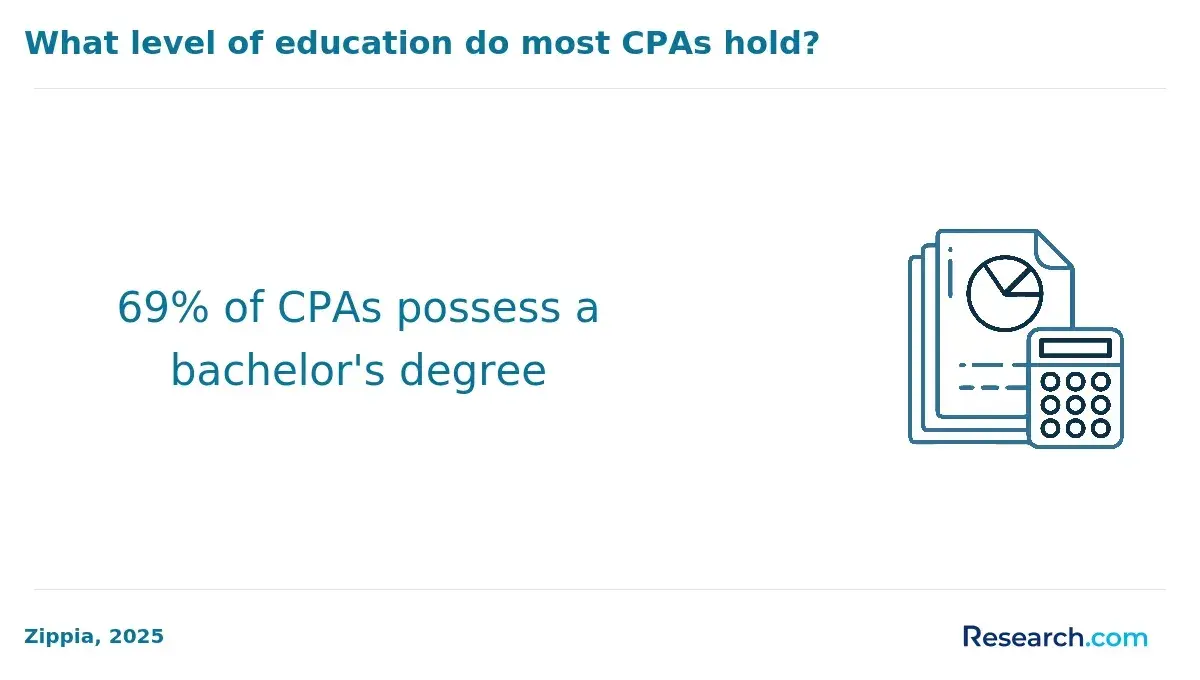
Most undergraduate accounting concentrations share the same basic admission requirements as the accounting major itself. Applicants are commonly expected to have a high school diploma or GED, meet a minimum GPA ranging from 2.0 to 2.5, and submit standardized exams such as the SAT or ACT when required by the institution. The concentration usually becomes more important after admission, when students begin upper-division coursework.
Differences appear when a concentration requires stronger preparation in a specific area. For example, taxation may require earlier coursework in business law or introductory tax. Accounting information systems may expect comfort with analytics, information systems, or quantitative coursework. Forensic accounting may favor students who have completed auditing, fraud examination, or related accounting courses before moving into advanced work.
Graduate-level specializations can be more selective. Master's programs in areas such as taxation or governmental accounting often require prior accounting coursework or relevant professional experience, while some general master's degrees may admit candidates from non-accounting backgrounds. Students who do not have an accounting foundation may need prerequisite courses before entering advanced concentration classes.
The practical takeaway is simple: do not assume every concentration is available immediately after admission. Before enrolling, review when students declare the concentration, which prerequisites are required, whether grades in core accounting courses matter, and whether the curriculum supports CPA eligibility or another credential goal. Students comparing graduate options should also consider how a specialization fits their background and whether it aligns with the highest paid masters that match their career plans.
Do Specific Accounting Concentrations Require Accredited Programs?
Accreditation matters in accounting because it can affect employer confidence, transferability, graduate admissions, and preparation for professional credentials. It is especially important for students who may pursue CPA licensure, public accounting, auditing, taxation, forensic accounting, or graduate study.
- CPA Licensure Requirements: All 55 U.S. jurisdictions (2025) require 150 semester hours—often involving graduate degrees from AACSB-accredited programs—to meet CPA exam eligibility. Students should verify the rules in the jurisdiction where they plan to become licensed because degree completion alone may not satisfy every requirement.
- Programmatic Accreditation: Organizations such as AACSB, ACBSP, and IACBE provide specialized accreditation for business and accounting programs. Programmatic accreditation can signal that the curriculum, faculty qualifications, and assessment standards have been reviewed against discipline-specific expectations.
- Employer and Certification Recognition: AACSB accreditation is widely recognized by NASBA and the AICPA. While not every accounting job requires a programmatic accreditation, it can strengthen a candidate's profile for public accounting, graduate admissions, and specialized credentials in areas such as forensic accounting or internal auditing.
- Curriculum Standards: Accredited programs are expected to meet defined standards in areas such as accounting knowledge, strategic management, IT skills, faculty qualifications, and learning outcomes. This helps students avoid programs that are convenient but weak in technical preparation.
Students should distinguish between institutional accreditation and programmatic accreditation. Institutional accreditation indicates that the college or university meets broader academic standards. Programmatic accreditation focuses on the business or accounting program itself. For licensure-focused students, both can matter.
Is the Quality of Online Accounting Concentration Tracks the Same as On-Campus Programs?
Online accounting concentration tracks can be comparable to on-campus programs when they use the same curriculum, faculty standards, accreditation expectations, and assessment methods. The delivery format matters less than whether the program provides rigorous accounting coursework, meaningful interaction, reliable academic support, and preparation for the student's target credential or career path.
- Curriculum Consistency: Online and in-person programs often follow equivalent course requirements. In addition, 100% of AACSB-accredited institutions (2024) are required to provide identical rigor in managerial accounting, auditing, and ethics across all delivery formats.
- Accreditation Standards: Accredited institutions must maintain quality benchmarks across delivery formats. Students should confirm that the online concentration is part of the same accredited program, not a separate or limited track with fewer advanced accounting courses.
- Faculty Expertise: Many schools use the same professors for online and campus sections. This can help preserve academic quality, but students should still review faculty access, office hours, response expectations, and support for complex coursework.
- Interactive Learning: Strong online programs use more than recorded lectures. Live sessions, discussion-based cases, accounting simulations, group projects, and applied assignments can make online learning more effective.
- Flexibility vs. Networking: Online study is often better for working adults and students with family responsibilities. On-campus programs may offer easier access to peer networks, recruiting events, faculty relationships, and accounting clubs. Hybrid programs can offer a middle ground.
A graduate who completed a popular accounting concentration through a hybrid program described the experience as demanding but credible. "Balancing live online classes with periodic campus visits challenged my time management but enriched my learning experience," she said. She noted that the curriculum made movement between formats seamless and that "the professors were equally accessible whether in the classroom or on a video call." Her main lesson was that quality depended on engagement, support, and course design rather than location alone.
Which Accounting Concentration Is the Hardest to Complete?
The hardest accounting concentration depends on the student's strengths, but financial accounting and advanced accounting tracks are often among the most demanding because they require deep technical understanding, precise calculations, and strong command of earlier accounting concepts. Auditing, taxation, accounting information systems, and forensic accounting can also be challenging for different reasons.
- Conceptual depth: Advanced financial accounting requires students to understand financial statement analysis, asset valuation, accounting standards, and how transactions affect reports across different business situations.
- Quantitative complexity: Students may work through consolidations, partnerships, and sophisticated financial instruments. These topics require accuracy, patience, and the ability to connect calculations to accounting principles.
- Certification alignment: Concentrations closely aligned with CPA exam content can feel more difficult because they cover a wide range of technical material and require retention across multiple accounting areas.
- Extensive time commitment: The workload often includes problem sets, case studies, research assignments, and cumulative exams. Students who fall behind in intermediate accounting may struggle in advanced courses.
- Prerequisite mastery: Advanced concentrations leave little room for weak foundations. Students should be confident in journal entries, financial statements, debits and credits, accrual accounting, and core reporting concepts before specializing.
Difficulty should not be the only factor in choosing a concentration. A challenging track may be worth it if it supports the student's career goals. The better question is whether the student has the interest, preparation, and study habits to succeed in that area.
What Careers Can You Get with Each Accounting Specialization?
Accounting specializations can lead to different work environments, client types, and advancement paths. Some prepare students for public accounting firms, while others fit corporate finance departments, government agencies, consulting practices, or investigative roles. Students should connect each concentration to the type of day-to-day work they want.
- Tax accounting: Tax specialists help individuals, businesses, and organizations with tax planning, preparation, reporting, and compliance. They may work for public accounting firms, corporations, government agencies such as the IRS, or independent practices. This path suits students who enjoy detailed rules, deadlines, research, and advisory work.
- Auditing: Auditors evaluate financial statements, internal controls, documentation, and compliance processes. They may work in public accounting as external auditors or inside organizations as internal auditors. Auditing is a strong fit for students interested in risk assessment, governance, evidence testing, and process improvement.
- Management accounting: Management accountants support internal decision-making through budgeting, cost analysis, forecasting, performance measurement, and operational reporting. They often work in industries such as manufacturing, tech, healthcare, and large corporations. This path is useful for students who want to help leaders make business decisions rather than focus mainly on external reporting.
- Financial accounting: Financial accountants prepare and analyze financial statements for stakeholders, regulators, investors, lenders, and management. They may work in public accounting, corporate accounting, banking, or finance departments. This concentration supports roles tied to reporting accuracy, compliance, and financial transparency.
A professional who specialized in auditing said the hardest part after graduation was not understanding accounting; it was understanding the range of roles available. "Navigating through different job descriptions was overwhelming at first," he said. Mentors, networking events, and conversations with working auditors helped him identify roles that matched his interest in risk assessment and corporate governance. His experience highlights why students should research job descriptions before choosing a concentration, not after finishing the degree.
What Market Trends Are Shaping the Top Accounting Concentrations in 2027?
Several trends are shaping which accounting concentrations attract students and employers. The strongest options are those that combine core accounting knowledge with technology, regulatory awareness, advisory ability, and risk management.
- Technology and Accounting Systems Integration: Organizations need accountants who understand accounting information systems, automation, data analytics, and controls. This trend strengthens the value of accounting information systems and audit-related coursework.
- Tax Complexity and Specialization: Tax regulations across multiple jurisdictions keep tax accounting relevant. Students who enjoy research, planning, and technical interpretation may find strong alignment in taxation-focused programs.
- Auditing and Internal Controls: Fraud prevention, financial transparency, and compliance continue to support demand for auditing knowledge. The updated CPA exam reinforces the importance of internal controls and governance in this specialization.
- Management and Consulting Accounting: Employers increasingly value accountants who can interpret financial information and advise business leaders. Concentrations that combine accounting, finance, analytics, and strategy can support consulting-oriented or corporate decision-support roles.
The common thread is that accounting work is becoming less about routine transaction processing and more about interpretation, systems, controls, planning, and judgment. Students should choose concentrations that build skills employers can apply immediately.
What Are the Average Salaries for Popular Accounting Concentrations?
Average salaries vary by concentration, credential, industry, employer size, location, and years of experience. Students should treat salary figures as directional rather than guaranteed. Certifications, CPA eligibility, graduate education, and specialized experience can significantly affect earnings.
- Forensic Accounting: Forensic accounting focuses on fraud examination, litigation support, investigations, and financial dispute analysis. Entry-level forensic accountants start near $80,000, while those with specialized credentials and experience can earn well into six figures based on expertise and client base.
- Taxation: Tax accounting professionals work with tax compliance, planning, and strategy. Median salaries stand around $78,000 according to the U.S. Bureau of Labor Statistics. Certified public accountants (CPAs) specializing in tax accounting and financial reporting salary trends can command $90,000 to $150,000 in senior roles at firms like Deloitte, EY, and PwC.
- Auditing: Median salaries for auditors hover near $81,680, with senior positions such as audit partners reaching about $285,000 annually. Auditing can also lead to leadership roles, including Chief Financial Officer, especially for professionals who develop strong risk, reporting, and management experience.
- Management Accounting: Management accountants support budgeting, planning, cost analysis, and internal reporting. They earn median salaries around $75,000. Senior roles like financial controller can reach $110,000 to $140,000, especially in tech and manufacturing sectors.
- International Accounting: International accounting focuses on global financial standards, multinational reporting, and cross-border taxation. Professionals start near $80,000 and can exceed $120,000 in high-demand markets.
Students comparing program costs should also consider aid eligibility, transfer credit policies, employer tuition support, and scheduling flexibility. Flexible programs at online schools accepting financial aid may help reduce out-of-pocket pressure while preparing for accounting concentrations with stronger earning potential.
How Do You Choose the Best Concentration in a Accounting Program?
The best accounting concentration is the one that connects your strengths, career goals, preferred work style, credential plans, and program options. A popular concentration is not automatically the right one. Students should make the decision by comparing outcomes and requirements, not by guessing which title sounds most impressive.
- Career aspirations and long-term goals: Start with the roles you want after graduation. Public accounting often aligns with tax or audit. Corporate careers may fit management accounting, financial accounting, or accounting and finance. Investigative roles may point toward forensic accounting. If you are unsure, general accounting can preserve flexibility.
- Skill development and personal strengths: Match the concentration to how you think and work. Tax rewards patience, research, and precision. Auditing suits students who like evidence, controls, and process review. Management accounting fits students interested in planning and business decisions. Accounting information systems is better for students comfortable with technology and data.
- Industry demand and job growth: The accounting field is expected to grow 6% from 2023 to 2033, with opportunities across corporate finance, healthcare, government, technology, public accounting, and consulting. Choose a concentration that builds skills used across more than one employer or industry when possible.
- Program flexibility and specialization options: Confirm that the school actually offers enough advanced courses in your chosen area. Also compare full-time, part-time, online, and campus formats. Working adults may want to review affordable online colleges for job holders, while students comparing accounting-focused distance programs may also consider an online accounting and finance degree if it fits their career goals and budget.
- Credential and licensure plans: If you plan to become a CPA or pursue another professional credential, verify course requirements before choosing a concentration. Some tracks may be interesting but may not include all coursework needed for licensure preparation.
- Personal interests and professional goals: Motivation matters. Accounting concentrations can involve demanding coursework, so choose an area you can see yourself practicing for years. The best concentration should be both practical and personally sustainable.
A useful decision test is to read five job postings for each concentration you are considering. If the duties sound engaging and the requirements match the courses in the program, the concentration is likely a stronger fit.
What Graduates Say About Their Popular Concentrations in Accounting Degrees
- Ryker: "Pursuing a concentration in tax accounting offered me a deep dive into complex regulations and real-world scenarios, which truly enhanced my analytical skills. The comprehensive curriculum, although an investment averaging around $20,000 per year, was worth every penny for the career doors it opened. I'm now confidently managing client portfolios and continuously growing in the finance sector."
- Eden: "Studying forensic accounting was both challenging and rewarding, as it blended investigative techniques with accounting principles. Reflecting on the $18,000 annual cost, the knowledge I gained feels invaluable given the satisfaction I find in uncovering financial discrepancies and contributing to legal processes. This concentration has given me a unique perspective and strong problem-solving abilities."
- Benjamin: "The managerial accounting track provided me with crucial skills for strategic decision-making and cost management that directly impact business growth. While the average attendance cost was about $19,500 yearly, I view it as an investment that has already paid off through my promotion to a controller position. The practical approach of this program tailored well to my professional ambitions."
Other Things You Should Know About Accounting Degrees
Auditing concentrations align most closely with the AUD section of the Uniform CPA Examination, which tests ethics, risk assessment, internal controls, and audit procedures. A concentration in auditing can also support the REG and FAR sections because those exams cover reporting, business law, and financial accounting.
In 2027, the most popular accounting concentrations include financial accounting, managerial accounting, auditing, taxation, and forensic accounting. These concentrations are favored for their alignment with industry needs and offer targeted skills that enhance career opportunities in specialized accounting fields.
References
- U.S. Bureau of Labor Statistics. (2024). Accountants and Auditors: Occupational Outlook Handbook. https://www.bls.gov/ooh/business-and-financial/accountants-and-auditors.htm
- U.S. Bureau of Labor Statistics. (2024, August 29). Accountants and Auditors: Occupational Outlook Handbook. https://www.bls.gov/ooh/business-and-financial/accountants-and-auditors.htm
- National Center for Education Statistics. (2024). IPEDS Data Explorer: Completions in Accounting (52.0301). https://nces.ed.gov/ipeds/use-the-data
- Zippia. (2025, January 7). Certified Public Accountant Demographics and Statistics in the US. https://www.zippia.com/certified-public-accountant-jobs/demographics/
- AICPA. (2025). 150 Hour Requirement for CPA Licensure. https://www.aicpa-cima.com/resources/article/150-hour-requirement-for-cpa-licensure
- Graduate Management Admission Council. (2024). 2024 Corporate Recruiters Survey Summary Report. https://www.gmac.com/market-intelligence-and-research/research-library/employment-outlook/2024-corporate-recruiters-survey-summary-report
- AACSB International. (2024). 2024 Guiding Principles and Standards for Business Accreditation. https://www.aacsb.edu/educators/accreditation/business-accreditation/aacsb-business-accreditation-standards
- Deloitte. (2024). 2025 Audit & Assurance Outlook: The Pulse of AI and Tech in Accounting. https://www2.deloitte.com/us/en/pages/audit/articles/audit-innovation-survey.html
- National Student Clearinghouse Research Center. (2025). Clearinghouse Enrollment Insights Series: Final Fall Enrollment Trends. https://nscresearchcenter.org/final-fall-enrollment-trends
- Zippia. (2025, January 8). Certified public accountant education requirements. https://www.zippia.com/certified-public-accountant-jobs/education