2027 MLIS Programs for Library Digital Infrastructure Planning

Co-Founder and Chief Data Scientist
Choosing an MLIS for digital infrastructure work means looking beyond a program's technology electives. Libraries need people who can plan repositories, connect systems, preserve digital collections, and keep services accessible over time.
The U.S. Bureau of Labor Statistics projects 2.6% employment growth for librarians and media collections specialists from 2025 to 2035, but that broad category does not measure demand for this specialty. This guide helps prospective students identify relevant training, compare program evidence, and decide whether an MLIS fits their career goals and budget.
Key Things You Should Know
- Look for an ALA-accredited master's program with documented coursework in systems, metadata, and digital preservation; a relevant elective alone is not a formal specialization.
- Prioritize an applied project that demonstrates planning and implementation decisions, not just familiarity with a repository platform.
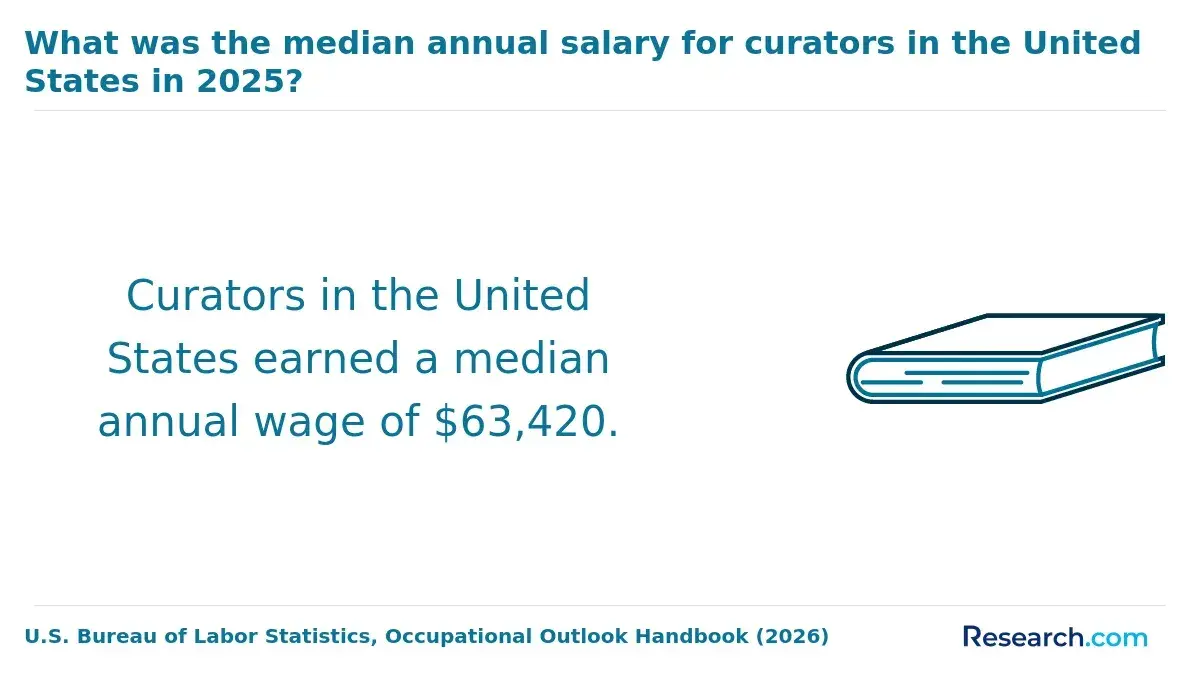
- The May 2025 median salary for librarians and media collections specialists was $68,270; it is an occupational benchmark, not a forecast for digital infrastructure graduates.
What are MLIS programs for library digital infrastructure planning?
These are library and information science master's programs that students can use to prepare for the design and stewardship of a library's digital services. The work can include choosing a repository, planning how collections move between systems, setting metadata policies, budgeting for preservation, and coordinating accessibility, privacy, and vendor requirements.
"Library digital infrastructure planning" is a career focus, not necessarily the name of a degree or concentration. An institution might award an MLIS, MLS, Master of Science in Library Science, or another LIS degree. Compare the documented curriculum and project opportunities rather than relying on the degree title or a program's general technology language.
For an employed applicant, a relevant program also has to fit a workable schedule and budget. A guide to low tuition MLIS for professionals can help frame that comparison, but confirm the full cost and course schedule with each institution.
Which MLIS programs are accredited for digital library infrastructure careers?
The appropriate starting point is the American Library Association's current directory of accredited master's programs in library and information studies.
ALA accreditation applies to the listed program, not to a proposed digital infrastructure pathway. Institutional accreditation is separate, and neither status establishes that a particular elective, internship, or online format is available.
Without verified, current course and scheduling information for individual schools, a named list would risk overstating their suitability. Use the same evidence standard for every program you consider:
- Confirm that the specific master's program appears in the current ALA directory.
- Identify required courses, relevant electives, and any officially named concentration separately.
- Ask when key electives were last offered and when they are expected to run during your enrollment.
- Verify whether a practicum, capstone, or independent project can address a real systems-planning problem.
A program with a strong general LIS core may be a good fit if you can build the technical pathway through available electives and applied work. A named track is more useful only if its actual courses and schedule match your intended role.
What careers can an MLIS prepare you for in library digital infrastructure?
Digital infrastructure jobs combine service goals with technical decisions. The following roles overlap, but their hiring requirements vary by employer; an MLIS may be required, preferred, or one of several accepted qualifications:
| Role | Typical focus | Preparation to seek |
| Digital initiatives librarian | Coordinate digital collections, platforms, and cross-department projects | Project planning, repositories, and stakeholder communication |
| Systems librarian | Manage library systems, integrations, and vendor relationships | Systems analysis, troubleshooting, and data workflows |
| Metadata or digital preservation librarian | Make digital content findable and maintain it over time | Metadata mapping, quality control, and preservation planning |
| Repository manager | Oversee submissions, access policies, and platform operations | Repository workflows, rights, and user support |
Academic and research libraries, public libraries, archives, and consortia may organize these duties differently. Entry routes include a supervised project or a transition from collections, metadata, or library technology work.
Applicants should read several current job descriptions in their target setting before choosing electives. For broader context on library science masters career outcomes, compare occupational categories with the specific duties employers advertise.
Someone aiming primarily for software engineering or enterprise IT should also compare computer science or information systems training. An MLIS is most compelling when the work requires both technical judgment and an understanding of library collections, access, and stewardship.
What do you learn in a digital library infrastructure MLIS curriculum?
A useful curriculum connects library principles to decisions about systems that must keep working after launch. Course titles differ, so inspect descriptions and assignments for the capabilities below rather than assuming that every "digital libraries" course covers them all:
| Learning area | Why it matters in planning | Useful evidence of learning |
| Metadata and knowledge organization | Records must remain findable and usable when content moves between platforms | A documented metadata mapping and quality-check process |
| Digital preservation | Files need managed storage, integrity checks, and a plan for future access | A preservation workflow with defined responsibilities |
| Systems and user experience | Platform choices affect staff work and public access | A requirements assessment informed by users and staff |
| Management and policy | Infrastructure depends on budgets, rights, accessibility, and ongoing support | A proposal that weighs costs, risks, and governance |
A strong capstone might compare repository options for a defined collection, map existing metadata to a proposed system, and explain how staff would test accessibility and maintain the service. Ask whether you can complete such work with a library partner; a catalog entry for an independent study does not guarantee a suitable supervisor or placement.
Are online MLIS programs effective for digital infrastructure planning?
They can be, if the program provides substantive systems assignments, feedback, and a feasible way to complete applied work. Online delivery alone says little about preparation: a platform evaluation or metadata migration plan can be completed remotely, while a placement involving restricted collections or local systems may require on-site access.
Before enrolling, confirm whether courses meet live, whether key electives fit your time zone and work hours, and whether a remote practicum is permitted for your intended project. Also ask how students obtain access to software or test environments and who supervises technical projects.
Speed is a separate consideration from format. If you are comparing accelerated options, review one year librarian masters cost alongside course sequencing: finishing quickly may leave fewer chances to take specialized electives or complete a substantial project.
What are the admission requirements for digital infrastructure MLIS programs?
Applicants generally need to document their eligibility for graduate study through the institution's published admissions process. Programs may request transcripts, a statement of purpose, recommendations, a résumé, or other materials; requirements and review practices differ.
A previous library job or coding experience may strengthen an application, but should not be assumed to replace a stated degree requirement.
Use the statement of purpose to connect a specific infrastructure problem, such as repository access or metadata consistency, to the program's documented courses and project options.
Applicants with an unusual academic record should ask admissions staff how it will be reviewed rather than relying on a general description of online information science graduate requirements. Request written clarification of any prerequisite or conditional-admission policy before making enrollment plans.
How long do MLIS programs cost and take to complete?
Duration depends on required credits, enrollment pace, course sequencing, and whether an applied project has prerequisites. Tuition likewise cannot be compared fairly without using the same unit for each option. A lower per-credit price can result in a higher program cost if more credits or mandatory fees are required.
For each program, calculate published tuition using the rate applicable to you and the required credits, then add mandatory fees and expected books, equipment, and travel.
Ask whether online students pay a distinct rate and whether a practicum or campus visit creates additional expenses. Published tuition is not the total cost of attendance, and aid or employer reimbursement should not be counted until eligibility is confirmed.
Compare gross program cost, what you expect to pay out of pocket, and any amount you would borrow. If completion time is central to your decision, use budget accelerated library information science options as a starting point, then verify that the needed technical electives will fit your actual schedule. An accelerated degree with no opportunity for relevant applied work may be poor value for this specialty.
What skills do digital infrastructure librarians need?
The central skill is translating collection and user needs into systems that staff can operate and sustain. That calls for technical fluency without assuming every librarian must be a software developer: practitioners may need to interpret metadata exports, assess integrations, test workflows, write requirements, and communicate risks to vendors and colleagues.
Build a portfolio around decisions and evidence. For example, document a small metadata migration, including the source-field problems you found, the mapping choices you made, and how you checked the results. Add an accessibility review and a maintenance plan where appropriate. This shows judgment more clearly than a list of platforms used.
AI-assisted discovery makes evaluation skills particularly relevant. If a library considers such a tool, staff still need to examine the quality of its outputs, privacy implications, accessibility, and whether users can understand how to find and assess source material.
What salaries and job outlook apply to digital library infrastructure careers?
The Bureau of Labor Statistics does not isolate "digital infrastructure librarian" as an occupation. These May 2025 U.S. medians and 2025-2035 projections are context for related occupations, not estimates of pay or openings for this specialty:
| BLS occupation | Median annual salary, May 2025 | Projected employment growth, 2025-2035 |
| Librarians and media collections specialists | $68,270 | 2.6% |
| Archivists | $64,550 | 3.4% |
Use the librarian figure when assessing librarian positions and the archivist figure only for roles that substantially match archival work. Neither captures differences in location, employer, seniority, or technical responsibility.
For a personal return-on-investment decision, compare actual job postings and pay ranges in your target market with program costs and your current earnings.
Which certifications and standards support library digital infrastructure work?
Standards are useful because infrastructure must exchange information and remain understandable beyond one vendor or staff member's tenure.
Dublin Core provides a common set of descriptive metadata terms; PREMIS supports documentation of digital preservation information; and the OAIS reference model offers a framework for thinking about long-term stewardship. Which ones matter most depends on the collections and systems you expect to manage.
Training in accessibility standards, including the Web Content Accessibility Guidelines, can also help when evaluating public-facing services.
A certificate in a relevant topic may demonstrate additional learning, but it is not a substitute for checking a job's stated qualifications or showing applied work. Before paying for training, compare its syllabus with the tasks in your target job postings and the skills you can already develop through MLIS coursework.
Other Things You Should Know About Library Science
That decision should involve the people responsible for the collection, rights review, institutional policy, and user access. Technical ability to publish a file does not establish permission to do so.
It is a situation in which moving content or workflows to another provider becomes difficult or costly. Ask a prospective project partner how it exports files, metadata, and documentation before designing a service around one platform.
Not necessarily. A digital collection often presents selected library or archival materials, while an institutional repository commonly gathers and provides access to an organization's scholarly output. Their policies and workflows can overlap.
Only with appropriate authorization and safeguards. A safer choice is a public, synthetic, or properly de-identified dataset, accompanied by an explanation of the privacy decisions behind the project.
References
- The Complicated Role of the Modern Public Library | National Endowment for the Humanities https://www.neh.gov/article/complicated-role-modern-public-library
- Partnering with Students to Develop a Capstone for a... - PMC https://pmc.ncbi.nlm.nih.gov/articles/PMC11732519/
- Library and Information Science Master's Degree | Pitt Online https://www.online.pitt.edu/programs/mlis-library-information-science/
- Library and Information Science, MLIS (Online) | Southern Connecticut State University https://www.southernct.edu/academics/programs/library-and-information-science-mlis
- MLIS Master of Library and Information Studies - UA Online https://online.ua.edu/degrees/mlis-master-of-library-and-information-studies/
- online Master of Library and Information Science | DEN-EDU https://morgridgeonline.du.edu/online-mlis-program/
- Accreditation Frequently Asked Questions | ALA https://www.ala.org/educationcareers/accreditedprograms/faq