2027 MLIS Programs for Special Collections Reference Services

Co-Founder and Chief Data Scientist
Choosing an MLIS for special collections reference work means looking beyond a program's title. You need preparation to help researchers use rare books, archives, manuscripts, and other distinctive materials while protecting the collections. The U.S. Bureau of Labor Statistics reports a May 2025 median annual wage of $68,270 for librarians and media collections specialists, though that broad figure is not a special collections salary.
This guide helps prospective students compare accreditation, coursework, practical experience, format, cost, and career fit before enrolling.
Key Things You Should Know
- Choose an ALA-accredited master's program for broad librarian-role eligibility, then verify its actual special collections courses and fieldwork; accreditation does not guarantee either.
- Prioritize supervised researcher-facing experience alongside archival description, rare materials, access policies, and digital collections skills.
- Archivist employment is projected to grow 3.4% from 2025 to 2035, according to the Bureau of Labor Statistics; that occupational forecast does not predict openings at a particular institution.
What are MLIS programs for special collections reference services?
These are library and information science master's programs that students use to prepare for public-service work with distinctive collections. The degree may be called an MLIS, MLS, Master of Science in Library Science, or Master of Information. The relevant question is not whether its name includes "special collections," but whether its curriculum and applied opportunities prepare students for the work.
Special collections reference staff help researchers identify relevant materials, interpret catalogs and archival finding aids, plan visits, and use items safely in a reading room. They may answer remote inquiries, teach classes with primary sources, explain access restrictions, and coordinate with archivists, catalogers, digitization staff, and curators. Reference service focuses on helping people use collections; archival processing focuses more directly on arranging and describing records. At smaller institutions, one position may combine both.
A formal concentration is an officially documented program track. A few relevant electives or an independent project can also provide valuable preparation, but they should not be described as a concentration. When comparing programs, separate what is required, what is optional, and what you can realistically complete before graduation.
Which accreditation should special collections MLIS programs have?
For U.S. librarian positions, start by checking whether the specific master's program is accredited by the American Library Association (ALA). A university's institutional accreditation is important but does not establish ALA accreditation for its LIS degree. Consult the current ALA directory for the program and credential you intend to pursue; do not infer status from the university's reputation or an outdated listing.
ALA accreditation evaluates the master's program, not a special collections concentration, individual elective, internship placement, or online schedule. After confirming accreditation, inspect the current catalog and ask which relevant courses have recently been offered. A library science masters program comparison can help organize questions, but the ALA directory and institution should confirm current details.
Some archives or museum jobs accept a history, public history, archival studies, or related graduate degree instead of an ALA-accredited LIS degree. If your goal is specifically a librarian-titled role, compare actual job postings before treating those paths as interchangeable.
What degree pathways prepare students for special collections reference work?
An ALA-accredited LIS master's with archives and special collections electives is a strong option for applicants who want flexibility across academic libraries, research libraries, and archives. A documented archives concentration may offer clearer course sequencing, but its title matters less than access to reference instruction and supervised collection work. A history or public history master's may fit someone focused on subject research, interpretation, or museum work, although it may not meet a librarian employer's stated degree preference.
Match the pathway to the jobs you would actually apply for. This comparison distinguishes the preparation each route may provide from requirements that only a particular employer can set.
| Pathway | Potential fit | What to verify |
| LIS master's with relevant electives | Librarian roles that combine reference, instruction, and collection access | ALA status, elective frequency, and hands-on placements |
| LIS master's with a documented archives track | Positions combining researcher services and archival responsibilities | Whether reference work and rare materials are covered, not just processing |
| History, public history, or archival studies graduate degree | Some archives, museum, interpretation, and subject-specialist roles | Whether target employers accept the credential for librarian-titled jobs |
If you already have relevant work experience, a certificate or focused continuing education may fill a specific skills gap without another full degree. A competency based librarian degree may appeal to students seeking a different way to demonstrate learning, but verify its accreditation, assessment model, and access to special collections practice before choosing it for this goal.
How do online and campus-based MLIS programs compare?
Online study can make an LIS master's accessible while you work or live far from a university. Campus study may make it easier to use local rare-book libraries or archives. Neither format, by itself, establishes the quality of special collections training: the decisive factor is whether you can get meaningful, supervised experience with researchers and materials.
The comparison below highlights constraints that can change which format is practical for you. Check program policies rather than assuming every online course is asynchronous or every campus program provides a placement.
| Consideration | Online study | Campus-based study |
| Course schedule | May include asynchronous work, live sessions, or both | Usually requires attendance at scheduled class times |
| Collection access | Often depends on arranging a suitable local site | May offer nearby collections, subject to access and placement availability |
| Practicum logistics | Confirm site approval, supervision, and any travel requirements | Confirm placement availability and the hours it requires |
| Budget considerations | Compare tuition, fees, technology needs, and possible travel | Compare tuition, fees, commuting, and possible relocation |
Ask a program how often specialized electives run and whether they are open to online students. If you need a local practicum, contact potential archives or special collections departments early; course delivery does not guarantee that an institution can supervise you remotely.
Which courses cover special collections reference services?
Look for a combination of reference and instruction courses with material-specific training. An archives course alone may teach description without teaching how to conduct a reference interview, manage a reading room request, or help a first-time researcher use a finding aid.
The most useful course mix depends on whether you want a primarily public-service role or a position combining reference with processing and discovery. The following subjects provide a checklist for reviewing a program's actual course descriptions.
- Reference and information services: Research interviews, search strategies, accessible service, and assessment of users' needs.
- Archives and special collections: Collection context, archival arrangement, finding aids, reading room practice, and responsible handling.
- Rare materials and metadata: Description that helps researchers identify editions, formats, creators, and collection relationships.
- Digital collections and preservation: Digitization workflows, descriptive metadata, discovery, and the limits of digital surrogates.
- Instruction, copyright, and ethics: Teaching with primary sources and navigating reproduction requests, privacy, donor restrictions, and equitable access.
Digital discovery and AI-assisted search can help surface materials, but descriptions and generated answers still need human review for accuracy and context. For a portfolio, consider a sample research guide, an accessible finding-aid improvement, or a documented reference project completed with an institution's permission. Ask whether an elective is offered often enough to fit your schedule; its presence in a catalog is not a promise that it will run before you graduate.
What are the admission requirements for special collections MLIS programs?
Admissions requirements belong to the individual graduate program, not to the special collections field as a whole. Applicants generally need to meet the institution's graduate-entry requirements and submit the materials listed by that program, which may include transcripts, a statement of purpose, recommendations, and a résumé. Do not assume prior library employment or an undergraduate history major is universally required.
Use the statement of purpose to connect your interests to specific coursework and realistic career goals. Experience helping researchers, describing collections, teaching, or working in a library can strengthen that explanation, but it does not automatically replace a published degree or admissions requirement. If your academic record is unusual, ask admissions how it will be evaluated before applying.
Also ask whether applicants are admitted to a general LIS degree or directly to a documented track, and whether a prospective student can complete a practicum outside the university's region. Those answers affect your path more than a program's promotional description of its strengths.
How long do these MLIS programs take, and what do they cost?
Completion time depends on required credits, your course load, how often electives are offered, and whether a practicum must fit an institution's operating hours. A faster academic schedule is not necessarily better if it leaves no time for supervised reference work. Use the required-credit count and a term-by-term course plan - not an advertised shortest timeline - to estimate your graduation date. An accelerated library degree timeline is useful only if the courses and experience you need fit within it.
No single tuition figure represents all MLIS programs. To compare published prices fairly, use the same cost categories for each school and ask for the rates that apply to your residency and delivery format. The categories below distinguish the advertised price from likely expenses.
- Tuition: Applicable rate per credit multiplied by required credits, accounting for any different rate for electives.
- Mandatory charges: University, program, and technology fees assessed by credit or term.
- Participation costs: Books, equipment, travel, and any expenses tied to campus visits or unpaid fieldwork.
- Additional terms: Costs that may arise if course sequencing or placement availability extends enrollment.
Published tuition is not the same as total attendance cost, and borrowing is not the same as an out-of-pocket payment. Ask the financial aid office about your eligibility for aid for the intended enrollment period; confirm scholarships, assistantships, and employer support individually rather than assuming they are available. Weigh the likely cost against your current earnings and the qualifications in jobs you would realistically pursue, not against a guaranteed salary increase.
What careers can an MLIS lead to in special collections?
Relevant titles include special collections librarian, rare books librarian, archives and special collections librarian, research services librarian, and reference archivist. Responsibilities vary: one job may concentrate on reading room service and instruction, while another adds processing, exhibitions, cataloging, or digital access. Academic libraries, independent research libraries, historical societies, museums, and other collecting institutions may organize these functions differently.
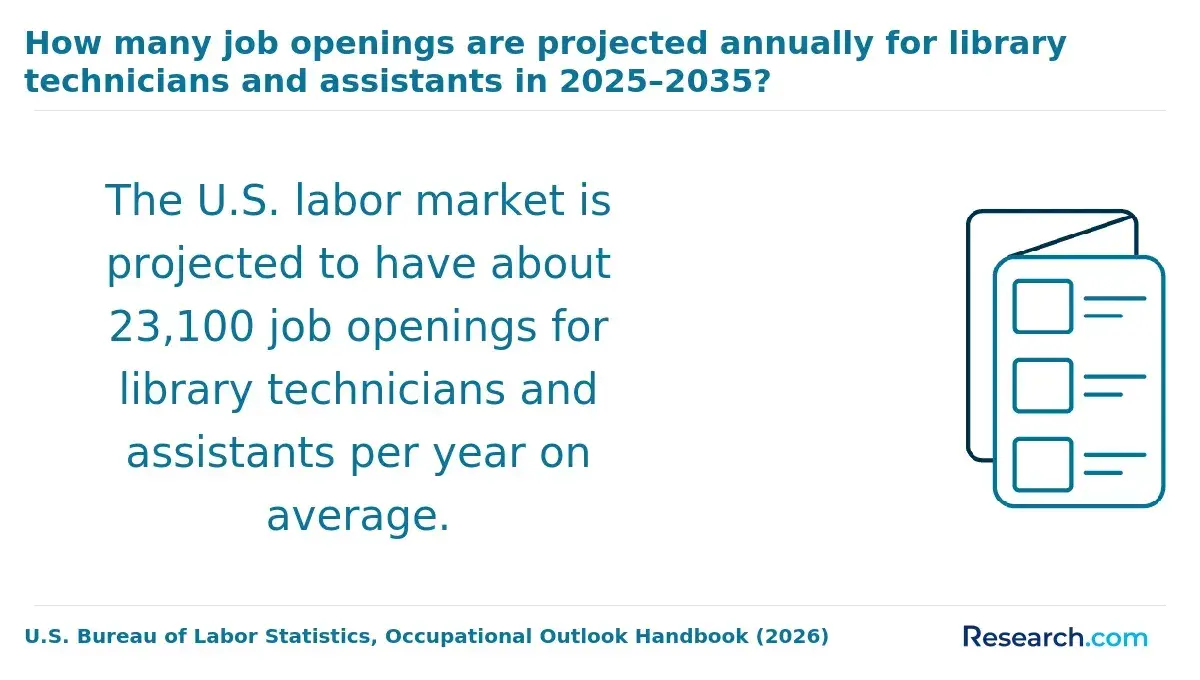
An MLIS is often relevant to librarian-titled positions, but archives and museum employers may accept other graduate training or substantial subject expertise. Entry-level technicians and assistants can help people gain collection experience without holding the same responsibilities as professional librarians. For competitive posts, demonstrated work with researchers and original materials can matter alongside the degree; barriers to library science employment are worth considering before relying on the credential alone.
To test your fit, read several current postings and note their recurring duties and preferred qualifications. Then seek an approved placement or project that produces evidence of those skills - for example, a researcher guide, instruction plan, or improved collection description. Protect confidential patron information and follow the host institution's policies when documenting work for a portfolio.
How much do special collections librarians and archivists earn?
The Bureau of Labor Statistics reports a May 2025 median annual wage of $64,550 for archivists. That figure describes the broader U.S. occupation, not a guaranteed starting salary or the pay for a specific special collections job. Librarian-titled roles are counted in a different occupational category, so comparing job advertisements is more useful than treating one national median as the rate for every title.
Pay can vary with employer, location, responsibilities, and experience. When evaluating a position, compare its stated salary range with its expectations for reference service, subject expertise, supervision, and any required graduate degree. Also consider whether a role offers the kind of collection access and advancement you want; a broad occupational median cannot measure those factors.
What certifications and professional standards apply to special collections work?
There is no universal special collections reference license. Employers may value additional archival training or a professional certification, but an optional credential should not be confused with a requirement for every job. Read postings closely to distinguish "required" from "preferred," particularly when a role combines librarian and archivist duties.
Professional standards are more immediately useful for choosing courses. The Society of American Archivists' Describing Archives: A Content Standard (DACS) supports consistent archival description; knowing how finding aids communicate collection context helps reference staff guide researchers. Local policies also govern access, handling, privacy, reproductions, and restrictions, so standards knowledge does not replace on-site training.
Public or school library positions can have separate state-specific credential rules, which are not automatically requirements for special collections jobs. If you may also pursue public library work, an Illinois librarian credential timeline illustrates why you should check the relevant state authority for your intended role. For school librarian positions, verify the state's educator licensure or endorsement rules separately from ALA accreditation.
Other Things You Should Know About Library Science
Usually, original materials are used under the holding institution's reading room rules rather than checked out like circulating books. Check the collection's access policies before planning a visit.
Sometimes. A digital image may answer a content question, but it may not show bindings, annotations, scale, or other physical evidence a researcher needs. Confirm what was digitized and whether access to the original is possible.
Not universally. They may be important for positions serving collections or researchers in particular languages. Check postings for your target institutions before investing in a language solely as a presumed field-wide requirement.
Receiving a copy does not necessarily grant publication rights. The patron should review the institution's reproduction terms and determine whether copyright, donor restrictions, privacy, or other conditions apply to the intended use.
References
- Types of Financial Aid: Grants, Work-Study, and Loans | studentaid.gov https://studentaid.gov/understand-aid/types
- Career and Internship Opportunities | Share and Distribute https://www.loc.gov/library-of-congress-resources/share-and-distribute/career-and-internship-opportunities/
- Digitization & Digital Preservation | vermont.gov https://sos.vermont.gov/vsara/partner/assistance/resource-library/digital
- Finding Aids Help and Documentation | Research Guides at Library of Congress https://guides.loc.gov/finding-aids/understanding
- Internship Opportunities at the New York State Archives - Nysed https://www.archives.nysed.gov/about/about-internships
- Cost of Attendance (Budget) | 2025-2026 Federal Student Aid Handbook https://fsapartners.ed.gov/knowledge-center/fsa-handbook/2025-2026/vol3/ch2-cost-attendance-budget
- Special Collections & Archives Research Guide | odu.edu https://guides.lib.odu.edu/c.php
- Catalog Record versus Finding Aid - Introduction to Archival Research - LibGuides at College of Charleston https://libguides.charleston.edu/archivalresearch/catalog-findingaid
- Remediation of Harmful Language in Descriptions of Collection Material | University of Michigan Library https://www.lib.umich.edu/about-us/policies/remediation-harmful-language-descriptions-collection-material/
- Services Digital Collection Development Policy | Amherst College https://www.amherst.edu/library/services/digital/digitalcolldev