2027 MLIS Programs for Digital Library Quality Assurance

Co-Founder and Chief Data Scientist
A digital collection can be searchable yet still have broken links, misleading metadata, inaccessible files, or preservation gaps. Choosing an MLIS that prepares you to find and fix those problems takes more than spotting "digital libraries" in a course catalog.
The U.S. Bureau of Labor Statistics reports a May 2025 median annual salary of $68,270 for librarians and media collections specialists, but that broad figure is not a digital-library starting salary. This guide helps prospective students compare curricula, applied work, costs, and career fit before enrolling.
Key Things You Should Know
- Look for documented training in metadata, digital preservation, accessibility, and hands-on collection testing; a relevant elective is not necessarily a formal specialization.
- Check the specific master's program in the ALA accreditation directory, then confirm when relevant electives run and whether applied projects are available. Budget for required credits and fees, not tuition alone.
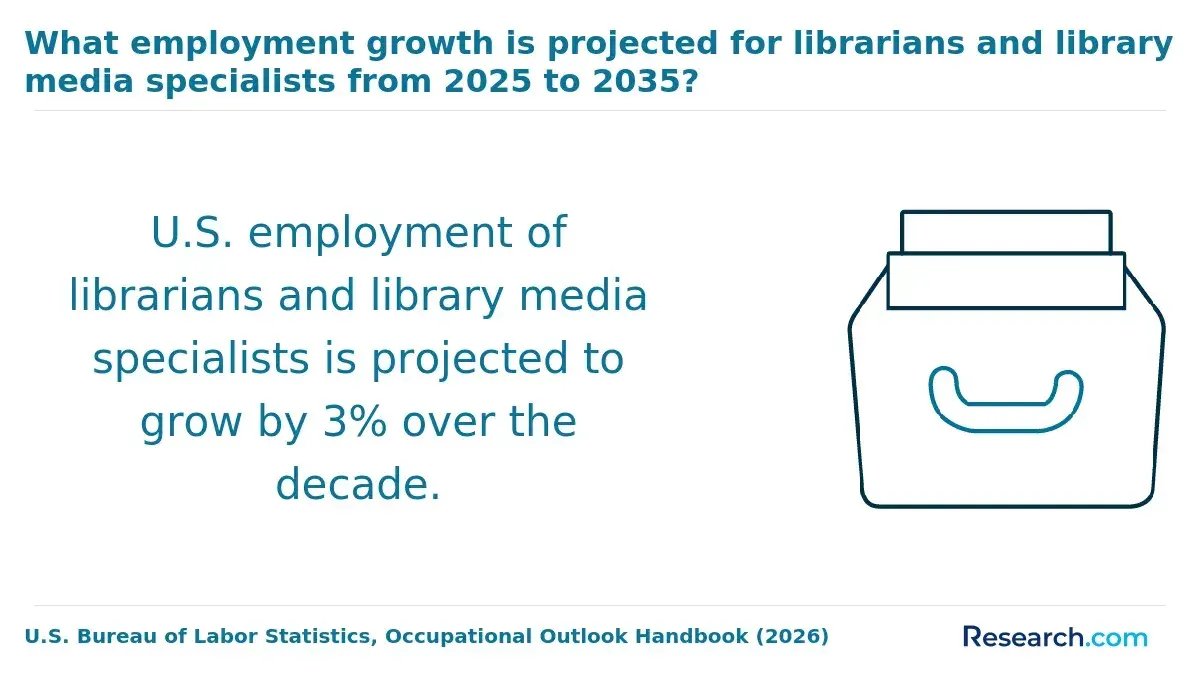
- BLS projects 2.6% employment growth for librarians and media collections specialists from 2025 to 2035; that occupation-wide forecast does not predict openings in digital collection quality assurance.
What is digital library quality assurance, and why does it matter?
Digital library quality assurance (QA) is the planned process of checking whether digital objects, descriptions, access systems, and preservation workflows meet defined standards. Quality control is the inspection and correction of particular records or files within that broader process. A team might test whether scans are complete, metadata points to the right item, links resolve, files remain readable, and people using assistive technology can navigate the collection.
These checks affect whether researchers can find and trust materials. For example, a perfectly legible photograph may remain effectively hidden if its date is wrong or its subject terms are inconsistent. Conversely, an accurate catalog record does not compensate for a missing image or a file that cannot be opened. QA therefore connects descriptive judgment with technical testing and documented correction.
Which MLIS accreditation should digital library students look for?
For U.S. professional librarian roles, start by checking whether the specific master's program appears as accredited in the American Library Association (ALA) directory. Institutional accreditation concerns the university; it is not a substitute for ALA program accreditation. Employers may accept degrees titled MLIS, MLS, Master of Science in Library Science, or another institution-specific LIS title, so verify the program rather than relying on its name.
ALA accreditation does not certify a digital-library concentration, a particular course, an internship, or an online format. Check the program's current status and ask how it applies to your expected enrollment and graduation dates. Then assess specialized preparation separately through the current catalog and a conversation with an adviser.
What do MLIS programs teach about digital library quality assurance?
A suitable program connects organization of information with the lifecycle of digital collections. Students should learn to set acceptance criteria, examine records and files against those criteria, document defects, and verify corrections. The table distinguishes evidence of preparation from a course title that merely sounds relevant.
| Preparation area | Useful evidence in a program | QA task it supports |
| Metadata and knowledge organization | Assignments involving schemas, controlled terms, and record evaluation | Finding inconsistent or misleading descriptions |
| Digital collections and preservation | Work with digitization workflows, file inventories, and preservation planning | Checking completeness, integrity, and continued usability |
| Access and usability | Projects evaluating discovery, accessibility, and user needs | Identifying barriers that file-level checks miss |
| Applied assessment | A documented practicum, capstone, or project with a digital collection | Producing a test plan, defect log, and evidence of improvements |
A formal concentration is an officially named program pathway; an elective or independent project is not one. Ask which courses are required, how often relevant electives have recently run, and whether a student can complete a supervised QA project. For a broader degree-selection baseline before comparing specialized curricula, see MLIS program format and cost.
Are online MLIS programs effective for digital library careers?
Online study can work well for this specialty when students can access real datasets, test discovery interfaces, collaborate on reviews, and receive feedback on documented projects. Delivery mode alone says little about those opportunities. An online catalog listing also does not establish that every elective is offered online or fits a working student's schedule.
Before applying, ask whether required sessions are live, whether any campus visits are necessary, and how remote students obtain practicum placements or collection materials. If you need to remain employed, compare those answers alongside best accredited MLIS for working adults. Choose the format that lets you complete the relevant work, not simply the one with the most convenient label.
What courses prepare students for digital collection quality control?
Prioritize courses by the defects you want to learn to detect. Metadata and cataloging courses build skill in consistent description; digital preservation courses address file integrity and long-term access; and digital libraries or repository courses connect records, objects, interfaces, and workflows. Accessibility and user-experience coursework helps students test whether people can actually use what a system exposes.
Useful assignments might involve checking Dublin Core records for missing fields, testing links between descriptions and objects, reviewing image or text quality, or proposing corrections with a documented rationale. MARC and authority control are valuable when work involves library catalogs; repository roles may call for other schemas and cross-system mapping. Seek a project that produces an anonymized QA plan or sample report you are permitted to show employers. Confirm that the needed electives fit your course sequence rather than assuming every catalog course runs each term.
What are the admission requirements for digital library MLIS programs?
Requirements vary by institution, but applicants commonly need a bachelor's degree and must submit academic transcripts and other materials specified by the program, such as a statement of purpose or recommendations. A technical undergraduate major is not a universal prerequisite. Experience with collections, archives, web content, or data cleanup can help explain your goals, but it does not automatically replace a published admission requirement.
Use your statement to connect a specific collection problem you have encountered with the training you seek. If previous graduate coursework might count toward the degree, ask about the school's graduate transfer-credit policy, limits, and approval process before assuming credits will apply. The guide to transfer college credits to library degree can help frame that conversation; the admitting program makes the final determination.
How long do MLIS programs take, and what do they cost?
Completion time depends on required credits, course availability, enrollment pace, and any applied-work requirement. A faster advertised pathway may leave less room for a specialized elective or project. When considering short accelerated library science masters, ask whether the courses needed for digital collection QA fit the proposed schedule.
No single tuition figure represents MLIS programs generally. Request a cost estimate based on your residency, delivery format, and planned enrollment pace, then compare the following components across schools.
| Cost component | What to verify |
| Tuition | Rate per credit and total required credits |
| Required fees | University, program, and online-learning charges that apply to you |
| Applied-work expenses | Potential travel, equipment, or placement-related costs |
| Schedule changes | Whether infrequent electives could require another term and additional fees |
Tuition plus required fees gives a better comparison than a per-credit rate alone, but it still excludes possible living and borrowing costs. Scholarships or employer reimbursement may reduce your personal expense; loans change when you pay, not the underlying program price. Check current aid eligibility and borrowing terms with each school's financial aid office before estimating what you can afford.
Which careers use digital library quality assurance skills?
Relevant titles include digital collections librarian, metadata librarian or specialist, digital archivist, repository specialist, and digital preservation specialist. Titles overlap, but duties differ: one employer may emphasize description and discovery, while another needs file validation, accessibility review, or workflow documentation. Academic and public libraries, archives, museums, and other collection-holding organizations can all use these skills.
An MLIS can be especially useful for professional librarian positions, but metadata production, digitization, and repository support jobs may accept other degrees or substantial experience. Archives and technical roles can have different qualification preferences. For context on competitive entry requirements across specialties, see hardest librarian jobs to enter.
Read several postings for the work you want before selecting a program. If they emphasize managing collections and professional librarianship, an ALA-accredited LIS master's may be a strong fit. If they emphasize software engineering or imaging production, targeted technical training and experience may be more direct. In either case, documented examples of errors found, decisions made, and results checked can make your preparation more concrete.
How much do digital library professionals earn?
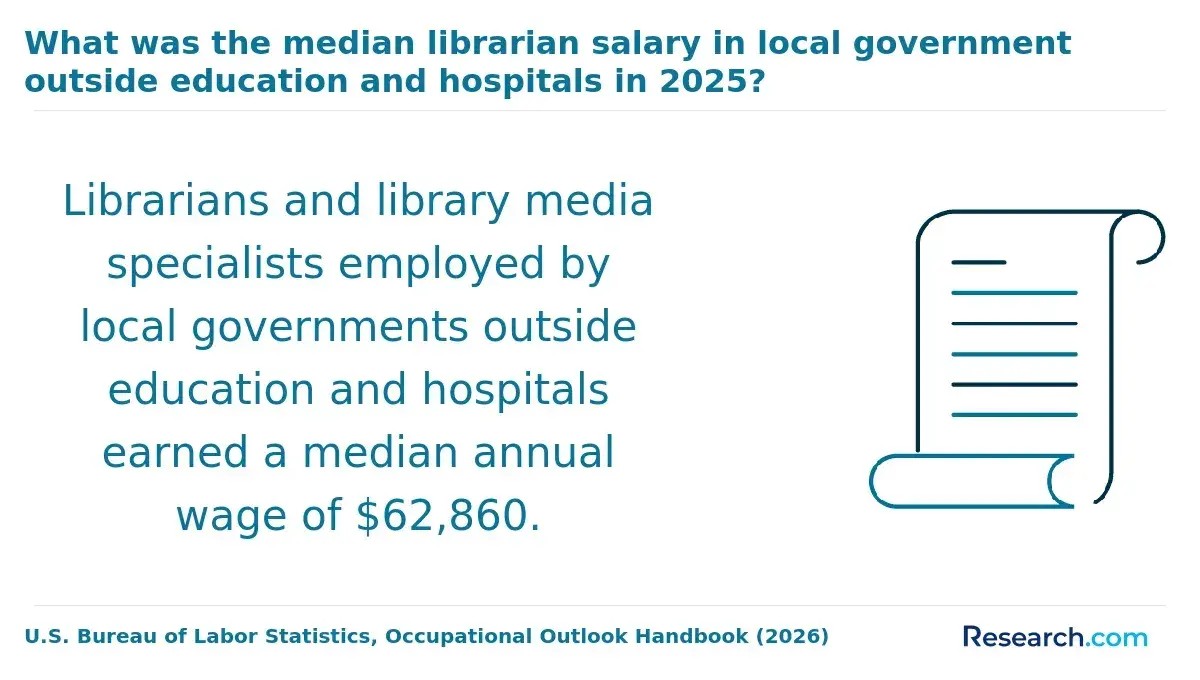
The BLS reports a May 2025 median annual salary of $68,270 for librarians and media collections specialists. That is a broad occupational benchmark, not a median for digital library QA jobs, new graduates, or MLIS alumni. BLS also reports a $64,550 median for archivists, another occupation that may include digital-collection work.
Pay depends on the employer, location, responsibilities, and required experience. Compare local postings for the exact titles you would pursue with the full cost of your education and your current earnings. Avoid treating an occupational median as a promised post-degree salary or using it alone to justify borrowing.
What certifications and standards support digital library quality assurance?
Standards provide testable expectations; they are not substitutes for judgment or an MLIS. Dublin Core offers a common set of descriptive metadata terms, while PREMIS supports documentation of preservation information such as events affecting a digital object. Web Content Accessibility Guidelines (WCAG) provide a framework for evaluating digital access. Which standards matter most depends on a collection's systems, materials, and users.
Do not assume a certificate with "digital" in its title is required for these jobs. Assess optional training by whether it teaches you to apply relevant standards, produce evidence of your work, and address gaps in the positions you want. For program selection, a supervised project applying a standard to an actual collection may tell an employer more than an untested list of credentials.
Other Things You Should Know About Library Science
No. Digitization does not, by itself, change an item's copyright status. Check rights and permissions before making files available, and seek institutional guidance when ownership or permitted use is unclear.
Yes. A repository can expose a descriptive record while limiting access to the associated file. The record should clearly explain any restriction without disclosing sensitive information.
Record the report, check it against the item and relevant sources, document the decision, and update affected records where appropriate. Retaining a correction history helps teams apply decisions consistently.
It can demonstrate relevant skills if you can explain your responsibilities and results. Get permission before showing collection records or internal reports, and remove restricted or personal information from portfolio examples.
References
- Tuition and College Costs | wa.gov https://wsac.wa.gov/tuition-and-college-costs
- Overview of Testing Methods for 508 Conformance | Section508.gov https://www.section508.gov/test/testing-overview/
- Master of Library and Information Science (MLIS) | umd.edu https://info.umd.edu/academics/masters-programs/master-of-library-and-information-science/
- Digital Internships Program | Columbia University Libraries https://library.columbia.edu/about/jobs-internships/digital_internship.html
- Cross-Disciplinary Standards - Metadata Basics https://guides.lib.utexas.edu/metadata-basics/general-standards
- Online Library and Information Science Master's Degree | Syracuse University https://ischool.syracuse.edu/academics/online-library-and-information-science-masters-degree/
- Digital Library Accessibility Policy and Practice Guidelines | educause.edu https://library.educause.edu/resources/2024/1/digital-library-accessibility-policy-and-practice-guidelines
- Online Master's in Library & Information Science (MLIS) | Drexel University Online https://www.online.drexel.edu/online-degrees/information-sciences-degrees/ms-di/index.aspx
- Cost of attendance - Office of Admissions https://admit.washington.edu/costs/coa/
- Welcome to the University of Washington's Tuition and Fees Site | uw.edu https://finance.uw.edu/tuition-fees/node/24780