2027 MLIS Programs for Integrated Library Systems Administrators

Co-Founder and Chief Data Scientist
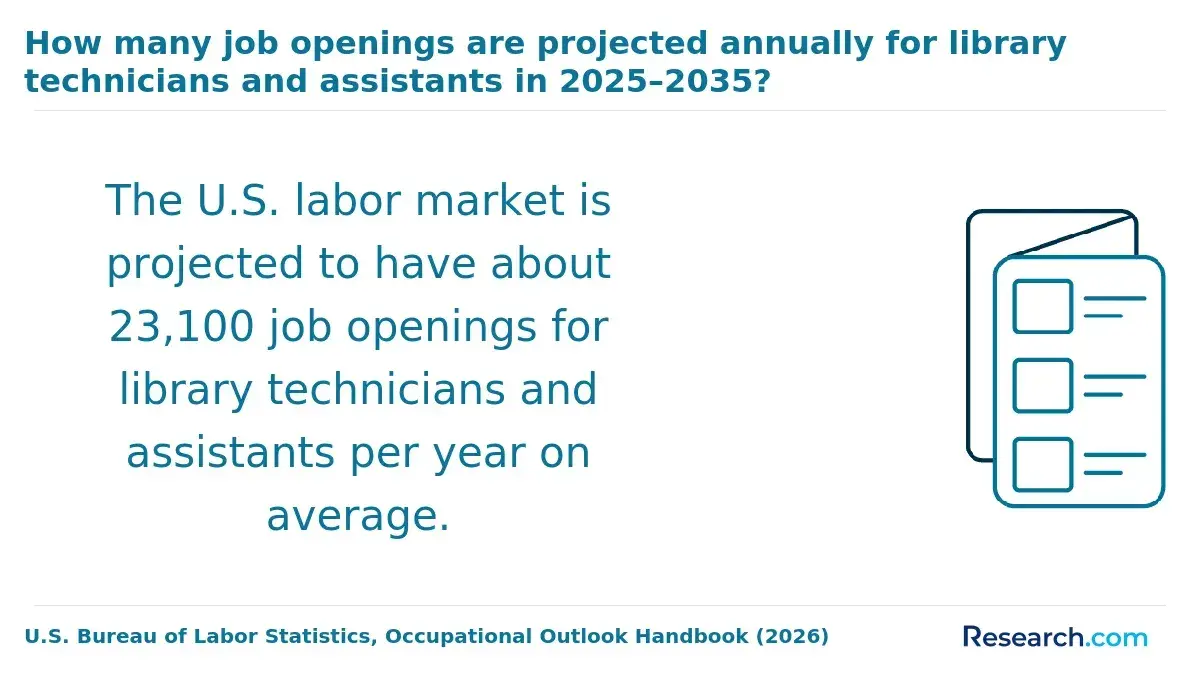
Choosing an MLIS for library systems work means looking beyond a program's technology electives. Integrated library systems (ILS) administrators manage the software and data behind circulation, cataloging, and discovery, so they need both library knowledge and technical practice. The U.S. Bureau of Labor Statistics projects 2.6% employment growth for librarians and media collections specialists from 2025 to 2035 - a broad outlook, not a forecast for systems administrators specifically.
This guide helps prospective students identify useful coursework, evaluate hands-on opportunities, compare costs, and decide whether an MLIS fits their career goals.
Key Things You Should Know
- Look for an ALA-accredited master's program with relevant electives and a way to complete an applied systems project; accreditation alone does not verify either feature.
- Systems roles combine cataloging and circulation workflows with troubleshooting, data management, vendor coordination, and communication across library departments.
- The May 2025 median for the broader librarians and media collections specialists occupation was $68,270; it is not a systems-administrator salary or a predicted graduate outcome.
What Is an MLIS Program for Integrated Library Systems Administrators?
An MLIS program for this career is a library and information science master's degree whose coursework and applied work can prepare a student to administer an ILS, also called a library management system. The administrator maintains the platform that connects catalog records, acquisitions, circulation, patron accounts, and other library operations. Depending on the employer, the job may also cover a public catalog, a separate discovery service, reporting tools, and integrations with campus or municipal systems.
"For integrated library systems administrators" describes a career goal, not necessarily an officially named degree track. A school may offer a formal technology concentration, relevant electives without a concentration, or only broad LIS preparation. Those are different levels of evidence. An MLIS, MLS, Master of Science in Library Science, or institution-specific Master of Information may be relevant, but applicants should assess the particular degree program and its curriculum rather than assume the titles are interchangeable.
What Education and Skills Do Integrated Library Systems Administrators Need?
For many professional librarian positions, employers seek an LIS master's degree; other systems positions may accept substantial library technology experience or an IT-related degree. Job requirements depend on whether the role is classified as a librarian, a library IT position, or a vendor-side technical job. The strongest preparation connects library workflows to the ability to diagnose problems and explain fixes to colleagues.
Useful skills include understanding bibliographic and item records; testing circulation rules and permissions; working with reports, spreadsheets, or SQL where the platform permits; documenting changes; and coordinating upgrades with vendors. Familiarity with authentication and application programming interfaces (APIs) can help when systems exchange data. Administrators also need to protect patron privacy, consider accessibility, and distinguish a configuration error from a policy decision that library leadership must make.
If you already administer enterprise software but have little library experience, prioritize cataloging, metadata, and circulation workflows. If you work in a library but lack technical practice, seek supervised opportunities to test configurations, clean data, or investigate support tickets. Neither background makes the other set of skills optional.
Which MLIS Programs Are Accredited for Library Systems Careers?
The American Library Association (ALA) accredits eligible LIS master's programs, not career specializations such as ILS administration. Start with the current ALA directory to confirm the status of the exact degree you plan to enter. University-level institutional accreditation is a separate matter and does not establish ALA accreditation.
No particular school should be treated as a verified systems-administration option solely because its catalog lists a technology course. Compare programs using evidence the institution can confirm:
- Whether the exact master's degree is currently ALA-accredited and whether systems-related courses count toward it.
- Which relevant courses have been offered recently, how often they are scheduled, and whether prerequisites fit your plan.
- Whether a practicum, capstone, or independent project can involve an ILS, and who arranges access to a working or test environment.
- Whether the format, total required credits, and likely expenses fit your circumstances.
A program's published curriculum establishes what it allows, not what will run in your enrollment term. When browsing online library graduate programs, take a shortlist back to each university's current catalog, schedule, and program adviser before relying on a proposed course sequence.
Are Online or Campus-Based MLIS Programs Better for Systems Administration?
Neither format is inherently better. Systems work can be learned online when students have access to suitable software, data, feedback, and group troubleshooting. Campus study may make it easier to work directly with a library IT team, but proximity does not guarantee an ILS placement. An existing library job or a well-supported remote project can matter more than the delivery label.
Ask whether courses are asynchronous or require live attendance, whether technical assignments use a test system, and whether a practicum must be completed at a physical site. Also check time zones and course sequencing: online delivery does not mean every needed elective is available every term. A library science program pacing comparison can help frame scheduling questions, but the school must confirm a feasible sequence for your chosen courses.
What Courses Do MLIS Programs Offer for Integrated Library Systems?
Course titles vary, and few catalogs promise a class devoted entirely to ILS administration. The useful test is whether required courses and available electives together cover the work you want to perform. This table connects common subject areas to systems tasks; it does not imply that every program offers each course.
| Course area | Relevance to ILS work |
| Knowledge organization and metadata | Explains catalog records, authority control, and how users find materials. |
| Library technology or systems | Addresses platform selection, integrations, testing, and service continuity. |
| Database and data management | Builds skills for data quality checks, reports, and migrations. |
| Library management and user services | Connects technical settings to circulation policies, staff needs, and patron experience. |
| Practicum, capstone, or independent study | May provide a documented project, subject to placement and approval. |
MARC is a widely used format for bibliographic records, while RDA supplies description guidance; recognizing their different purposes is useful when evaluating catalog data. Emerging linked-data approaches such as BIBFRAME may also appear in metadata coursework, but hands-on proficiency should not be assumed from a course title. If you prefer learning through demonstrated projects, consider how online library science progress by skill compares with the assessment methods of programs on your shortlist. Ask to see recent syllabi and confirm whether you can build a portfolio artifact using non-sensitive data.
What Are the Admission Requirements for MLIS Programs?
Applicants generally need a bachelor's degree and must meet the university's graduate admissions rules. Programs may request transcripts, a statement of purpose, recommendations, a résumé, or other materials; requirements and deadlines vary. An undergraduate computer science major is not a universal prerequisite, and library employment does not automatically replace a required bachelor's degree.
In your statement, connect your experience to a concrete systems goal: for example, improving catalog data, supporting circulation software, or coordinating a platform change. Before applying, ask whether prior graduate coursework can transfer and whether a proposed technical elective may be taken outside the LIS department. Both decisions depend on school policy and approval, so obtain an individual review rather than building a plan around an assumed exception.
How Long Do MLIS Programs Take and What Do They Cost?
Completion time depends on required credits, enrollment pace, prerequisites, and when electives or applied projects are available. For a usable estimate, map the actual course sequence term by term; dividing total credits by a preferred workload can overlook a course offered infrequently or a practicum with a separate timetable. A shorter route is valuable only if it still provides the preparation your target positions require.
Compare gross program cost using published tuition for your applicable residency and delivery status, multiplied by required credits, then add mandatory fees and likely books, equipment, and any travel or practicum expenses. Published tuition is not the full cost of attendance, and online enrollment does not automatically confer an in-state rate. A shortest low tuition library degree comparison can help generate options, but confirm each school's current charges and degree requirements before making a budget.
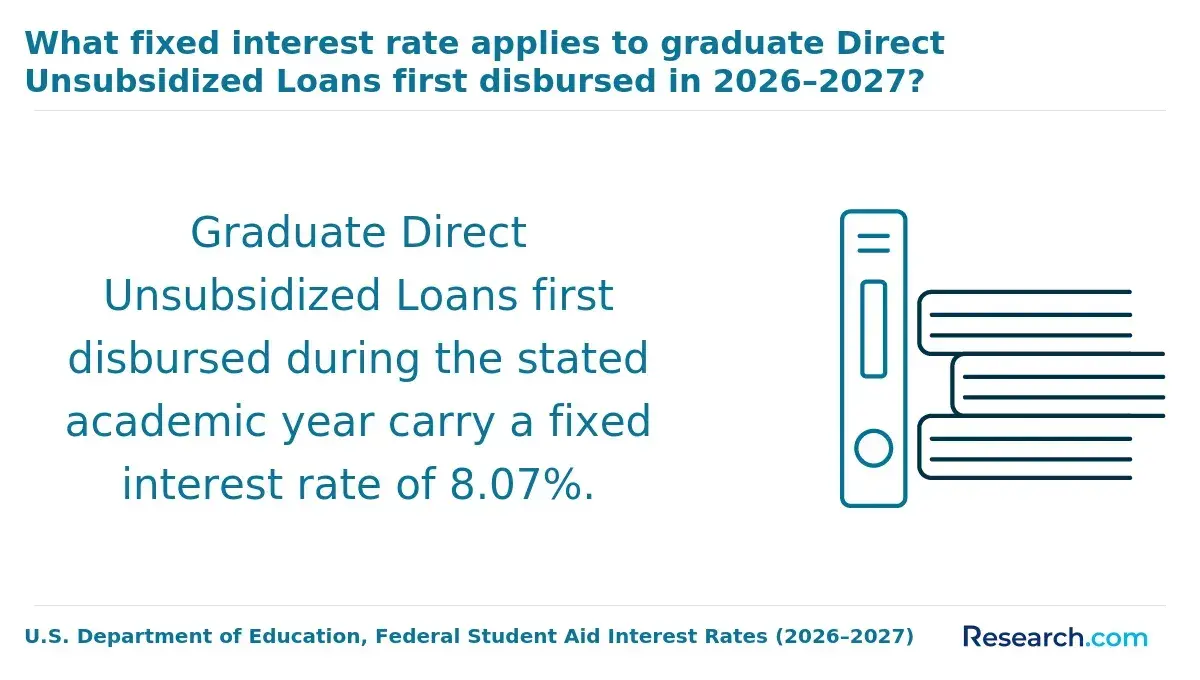
Ask about scholarships, assistantships, employer reimbursement, and aid eligibility without assuming you will receive them. Separate the program's gross cost from what you expect to pay personally and what you would borrow; financing changes your eventual cost. If you plan to use federal aid, confirm the rules that apply to your enrollment period with the university's financial aid office. Weigh the expense against your current earnings, the qualifications in jobs you would realistically pursue, and the value of experience you could gain without another degree.
What Careers Can You Pursue in Library Systems Administration?
Job titles include ILS administrator, library systems librarian, library applications specialist, discovery services librarian, and library technology manager. In a small library, one person may handle both systems and public services; a consortium may divide platform responsibilities among several libraries. Academic, public, school, and special libraries also differ in their software, staffing, and hiring requirements.
An entry point might be circulation, cataloging, technical services, or library IT support with responsibility for troubleshooting and data quality. A useful portfolio could document a test-system configuration, a de-identified reporting project, or a migration checklist, including the problem, decisions, testing, and results. Access to live patron records is not necessary to demonstrate sound judgment.
An MLIS is particularly worth considering when your target postings classify the role as a professional librarian and request an ALA-accredited LIS degree. For software support, implementation, or vendor roles that accept other backgrounds, experience, focused technical training, or another degree may be a better investment. Check several relevant postings and consider what makes a library career competitive before treating any one credential as the whole hiring decision.
How Much Do Integrated Library Systems Administrators Earn?
The Bureau of Labor Statistics does not provide a separate median for ILS administrators in the occupational figures used here. Its May 2025 median annual pay for librarians and media collections specialists was $68,270. That figure offers broad context for librarian-classified roles, not a predicted offer for a systems position; IT-classified and vendor jobs may fall into other occupational categories.
Pay can differ by employer, location, seniority, and the scope of responsibility. For a useful personal estimate, compare current postings for the job titles and locations you would pursue, noting whether an MLIS is required or merely preferred. Do not use the broad BLS median as a program-specific graduate salary or a basis for a precise payback calculation.
What Certifications and Standards Support Library Systems Careers?
There is no universal certification that licenses someone to administer an ILS. An employer may value training from its software vendor or evidence of experience with a particular platform, but a product credential is not a substitute for understanding the library's workflows. Verify any credential's cost and usefulness against the systems named in your target job postings.
Relevant standards depend on the assignment. MARC records and RDA description practices affect catalog data; protocols such as SIP2 or NCIP can affect communication with circulation-related equipment and services. Accessibility guidance, privacy policies, and local data-retention rules matter when configuring patron-facing features and handling logs. You need not master every standard before enrolling: look for a program and applied work that teach you how to identify the standards involved, test an integration, and document its effects on users.
Other Things You Should Know About Library Science
Possibly. Ask a program whether it provides a training environment or supports a project with a partner library. Use sample or de-identified records and obtain permission before accessing an organization's system.
It depends on the consortium's governance and software configuration. Some settings are shared, while individual member libraries may control others. Ask who approves changes before assuming a local administrator can alter a setting.
Ask how bibliographic, item, and patron data will be exported and checked; how integrations will be tested; and who will approve the cutover. Contracts and privacy obligations can affect what data moves and who may access it.
Describe the problem, your testing method, and the outcome using synthetic or de-identified examples. Follow your employer's rules for sharing screenshots, configurations, and vendor documentation.
References
- Integrated Library System (ILS) | ky.gov https://kdla.ky.gov/Library-Support/directors-toolkit/Pages/IntegratedLibrarySystem.aspx
- An Analysis of LIS Job Postings in the United States | usm.edu https://aquila.usm.edu/cgi/viewcontent.cgi
- MLIS Curriculum | Southern Connecticut State University https://inside.southernct.edu/information-and-library-science/mlis-curriculum
- MLIS Curriculum, Specialties & Courses | University of Arizona College of Information Science https://infosci.arizona.edu/ma-library-information-science/curriculum-specialties-courses
- Master of Library & Information Science (MLIS) | UCLA School of Education & Information Studies https://seis.ucla.edu/academics/department-of-information-studies/master-of-library-information-science-mlis/
- Integrated Library System (ILS): 2026 Guide | Soutron Global https://www.soutron.com/en_us/blog/general/integrated-library-system/
- Integrated Library System Administrator | ccpl.org https://www.ccpl.org/integrated-library-system-administrator
- Accredited Programs | ALA https://www.ala.org/educationcareers/accreditedprograms
- 2023 Library Systems Report | American Libraries Magazine https://americanlibrariesmagazine.org/2023/05/01/2023-library-systems-report/