2027 MLIS Programs for Library Program Coordinators Planning Community Events

Co-Founder and Chief Data Scientist
Planning library events calls for more than a calendar and a speaker list: coordinators must understand community needs, build partnerships, manage access, and show whether programs worked. An MLIS can develop those skills, but it may not be necessary for every programming job. The U.S. Bureau of Labor Statistics projects 2.6% employment growth for librarians and media collections specialists from 2025 to 2035, making it important to assess the degree against specific career goals.
This guide explains which programs and experiences to seek, what to verify before enrolling, and when another pathway may make more sense.
Key Things You Should Know
- Choose an ALA-accredited master's program if you want to keep professional public librarian roles open; accreditation does not guarantee a community-programming concentration.
- Prioritize coursework and field experience in outreach, instruction, evaluation, and accessible event design over a specialization name alone.
- Compare the full degree cost with your likely role: the May 2025 median for librarians and media collections specialists was $68,270, but that is not a program coordinator salary or a graduate earnings guarantee.
What is an MLIS program for library program coordinators?
It is a graduate library and information science program selected for its relevance to community programming - not necessarily a degree or formal concentration called "library program coordination." Coordinators identify audience needs, arrange presenters and spaces, promote events, manage logistics, and assess participation. In public libraries, that work may span early literacy, author visits, digital-skills classes, and partnerships with local organizations.
MLIS, MLS, Master of Science in Library Science, and Master of Information are institution-specific degree titles. The title alone tells you little about programming preparation. Examine the curriculum and applied opportunities of the specific program. An online librarian degree guide can help you distinguish broad degree options before reviewing individual catalogs.
If you already plan events successfully and seek a coordinator position that does not require a librarian credential, workplace experience or targeted professional development may be more economical. The MLIS becomes more compelling when the roles you want combine programming with professional librarian duties such as reference, collection development, or supervision.
Is an ALA-accredited MLIS required for library program coordination?
Not universally. Library systems set their own qualifications for program coordinator and outreach positions; some accept relevant experience or other degrees. Professional librarian postings, however, may require or prefer a master's degree from a program accredited by the American Library Association (ALA). If you want access to both types of role, ALA accreditation is an important screening criterion.
Check the specific master's program in the current ALA accreditation directory, rather than relying on the university's institutional accreditation. Then check actual job postings in your target library systems. ALA accreditation establishes neither that a program offers event-planning electives nor that those electives will be available when you need them.
What careers can MLIS graduates pursue in community programming?
Programming responsibilities appear under several job titles, and the credential's value changes with the scope of the job. This comparison can help you match your education plan to the positions you intend to pursue.
| Role | Typical programming work | How an MLIS may fit |
| Public librarian | Plans events alongside reference, collection, and patron services | Often relevant to professional librarian qualifications; check the employer's posting |
| Outreach or community engagement librarian | Builds partnerships and takes services beyond the library | Can support librarian-level work, especially with applied outreach experience |
| Library program coordinator | Schedules, promotes, delivers, and assesses events | May be required, preferred, or unnecessary, depending on the employer |
| Library assistant or technician with programming duties | Supports events and patron services | Usually not the default entry requirement; experience can be a starting point |
A strong application shows results, not just a degree title. Keep a portfolio with an event proposal, accessible promotional materials, a partnership plan, and an evaluation summary that omits patrons' personal information. If your interests extend beyond programming, compare the best library science specializations for career growth against the duties in jobs you would actually accept.
What courses prepare MLIS students to plan community events?
Look for a combination of community analysis, public services, instruction, management, and applied work. Course names vary, so read descriptions and assignments rather than assuming that an "outreach" elective teaches event budgeting or evaluation. The distinctions below show what each subject can contribute.
| Course area | Connection to community events |
| Community needs assessment | Uses local evidence and patron input to identify underserved audiences |
| Outreach and public library services | Develops partnerships and programs aligned with a library's mission |
| Instruction and information literacy | Builds skills for workshops, learning objectives, and facilitation |
| Management and evaluation | Covers resources, staff coordination, and evidence of program outcomes |
| Accessibility and inclusive services | Helps remove barriers to participating in events |
Ask whether you can complete a practicum, capstone, or course project with a public library, and whether the work can include a real program from planning through assessment. A catalog listing is not a promise that an elective runs every term. Request a recent course schedule and check prerequisites before choosing a start date; elective sequencing can affect MLIS time to completion.
Are online MLIS programs effective for aspiring program coordinators?
They can be, especially when students can apply assignments at a nearby library or community organization. Online coursework can teach needs assessment, instructional design, and evaluation, while local practice develops the relationship-building and live facilitation that event work requires. Delivery format alone does not establish the quality of that preparation.
Confirm whether classes are asynchronous or meet live, when required courses run, and whether group projects or a practicum have fixed schedules. Ask whether a local placement is permitted and who secures it. An online program may still require travel or daytime availability. If demonstrating applied skills matters more to you than a particular course format, explore library degree mastery learning and ask programs how they assess completed projects.
What are the admission requirements for MLIS programs?
Applicants generally need a bachelor's degree and must submit materials specified by each university, commonly transcripts and an application statement. Programs may also request recommendations or a résumé; GPA rules, testing policies, and deadlines vary. A prior library job is not a universal prerequisite, and event-planning experience does not automatically replace an academic admission requirement.
Use the statement to connect your experience to a concrete goal: for example, improving adult digital-skills workshops or expanding accessible family events. Before applying, ask whether a proposed community-programming project could fit the program's electives or capstone. If you have previous graduate coursework, request an individual transfer-credit review rather than assuming those credits will shorten the degree.
How long do MLIS programs take and how much do they cost?
Completion time depends on required credits, course load, prerequisites, and how often courses are offered. A working student may need a lighter schedule; a student pursuing a particular elective or placement may need to plan around its availability. Request a term-by-term plan for your intended enrollment pace rather than relying on an advertised fastest-completion figure.
To compare costs, multiply the published per-credit tuition applicable to you by required credits, then add mandatory fees and likely expenses for materials, travel, and any placement. Distinguish that gross cost from what you might pay after employer support or scholarships - and from what you would finance through loans. Do not assume online enrollment qualifies you for in-state tuition. A cheap online MLIS for working adults is worth considering only after you verify its current price, accreditation, schedule, and fit with your career goal.
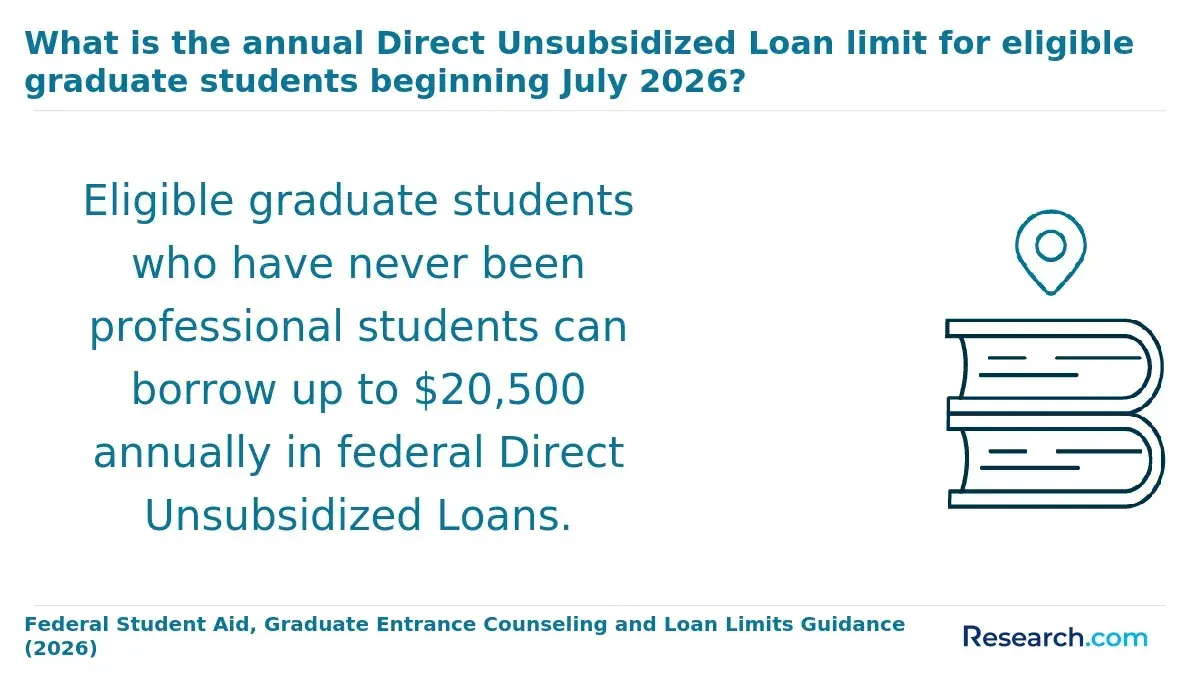
For return on investment, compare the total cost with your current earnings and the qualifications in jobs you would realistically seek. An MLIS may expand eligibility for librarian positions, but neither a new job nor a salary increase is assured. Ask the university's financial aid office about aid eligibility and loan terms for your enrollment period before deciding how much to borrow.
Do library program coordinators need professional certification or licensure?
There is no single professional license that applies to all U.S. library program coordinators. Public library employers may set their own education and experience requirements, while some states have certification rules for certain public librarian positions. Verify the rules for the state and job title you want.
School library positions are a separate case. If your goal is to run programs as a school librarian, check the state education agency's licensure or endorsement requirements before enrolling. An ALA-accredited MLIS - or an online delivery format - does not by itself establish eligibility for school librarian certification in every state.
How much do library program coordinators and librarians earn?
The Bureau of Labor Statistics reports a May 2025 median annual salary of $68,270 for librarians and media collections specialists. That occupational median can provide context for a professional librarian pathway, but it is not a salary estimate for every library program coordinator. Coordinator titles may fall under different employer classifications and pay scales.
Use local postings to compare the pay range, required credential, hours, and supervisory duties of positions you want. A librarian role combining programming with other professional responsibilities may have a different compensation structure from a part-time events position; the degree's financial value depends on which jobs it helps you pursue.
What is the job outlook for library program coordinators?
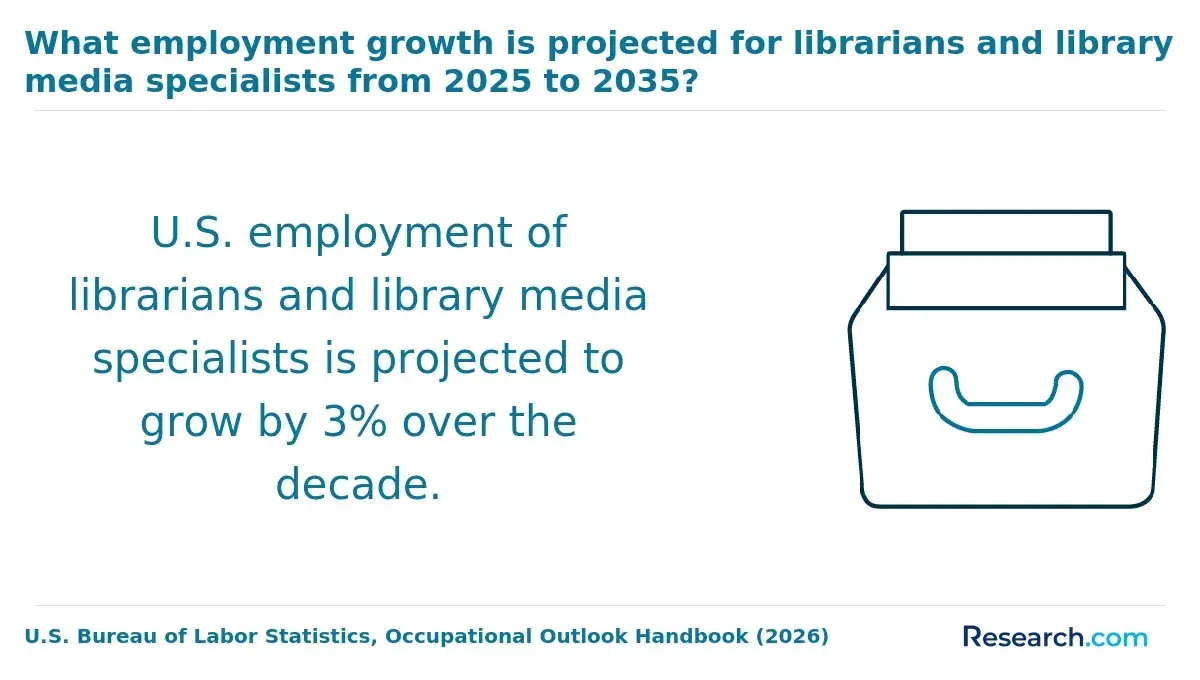
BLS projects 2.6% employment growth for librarians and media collections specialists from 2025 to 2035. This is a broad occupational projection, not a separate forecast for community-programming jobs. It should inform your expectations without replacing a review of openings in your target area.
Libraries' programming needs also depend on local budgets, community priorities, and staffing models. To judge your prospects, sample current postings across nearby systems and note which combine events with outreach, instruction, digital inclusion, or librarian duties. If you already meet the requirements for coordinator roles, gaining direct programming experience may be a sensible first step before paying for a graduate degree.
Other Things You Should Know About Library Science
Do not assume that owning or borrowing a film permits a public screening. Have the library verify the applicable screening rights or license before advertising the event.
Follow the library's photography and consent policy, especially when children appear. Offer a clear way to participate without being photographed, and avoid treating event attendance as consent.
Specify who makes the decision, how registered attendees will be notified, and what happens if a presenter, venue, or accessibility service becomes unavailable. A backup plan reduces confusion for patrons and partners.
No. Registration can help with limited space or materials, but it may create an unnecessary barrier for a drop-in event. Collect only the information needed to run the program, consistent with library policy.
References
- NYS Public Librarian Certification - the New York State Library https://nysl.nysed.gov/libdev/cert
- A scoping review of community health needs and assets assessment: concepts, rationale, tools and uses - PMC https://pmc.ncbi.nlm.nih.gov/articles/PMC9847055/
- Disability Inclusion Strategies | cdc.gov https://www.cdc.gov/disability-inclusion/strategies/index.html
- Public Library Management - Michigan Online https://online.umich.edu/series/public-library-management/
- Library Leadership and Management Certificate | SUNY Center for Professional Development https://cpd.suny.edu/llmcert/
- Needs Assessment - Evaluation | NC State Extension https://evaluation.ces.ncsu.edu/program-evaluation/needs-assessment/
- Practicum and Capstone: COPHP MPH | Health Systems and Population Health https://hspop.uw.edu/cophpmph/program-experience/practicum-capstone/
- Library & Information Science, M.S. | St. John's University https://www.stjohns.edu/academics/programs/library-and-information-science-master-science
- ALA-Accredited Programs https://www.ala.org/educationcareers/accreditedprograms/directory