2027 Military-Friendly Online Child Psychology Doctorate Programs: Benefits, Accreditation, and Career Outcomes

Co-Founder and Chief Data Scientist
Choosing an online child psychology doctorate while serving, separating, or using veteran benefits is a high-stakes decision because the wrong program can limit licensure, waste benefits, or create conflicts with deployments. The U. S. Bureau of Labor Statistics reported a $94,310 median annual wage for psychologists in May 2024, but outcomes depend heavily on degree type, accreditation, supervised training, and state requirements.
This guide helps active-duty service members, veterans, spouses, and military-connected students compare programs, benefits, costs, flexibility, and career fit before enrolling.
Key Things You Should Know
- Fully online child psychology doctorates are usually non-licensure developmental psychology programs; clinical, counseling, or school psychology licensure pathways typically require supervised practica, internships, and may not be fully online.
- Military benefits can reduce doctoral costs, but they rarely erase every expense; the Post-9/11 GI Bill private-school tuition and fee cap was $28,937.09 for the 2024-2025 academic year, while Department of Defense Tuition Assistance is generally capped at $250 per semester hour.
- Accreditation is the key filter: institutional accreditation affects federal aid and benefit use, while APA accreditation is especially important for clinical, counseling, and school psychology licensure, internships, and many employer pathways.
Which Military-Friendly Online Child Psychology Doctorate Programs Offer the Best Benefits for Service Members?
The best military-friendly online child psychology doctorate is not always the school with the largest military discount. Service members should first decide whether they need a licensure-track doctorate for clinical practice or a research, teaching, policy, or developmental psychology doctorate that studies children and adolescents without preparing graduates for independent clinical licensure.
For many military-connected students, the smartest comparison starts with degree purpose. If you are not yet ready for doctoral study, affordable child psychology master's programs can provide a lower-cost way to build subject knowledge before committing GI Bill entitlement or taking on doctoral-level debt.
The table below compares common military-friendly options and program types readers often encounter when searching for online child psychology doctorates. Program availability, military tuition policies, residency rules, and licensure disclosures can change, so use this as a decision framework rather than a final approval list.
| Program or program type | Best fit for military-connected students | Military-friendly features to verify | Child psychology relevance | Accreditation and licensure caution |
| Fielding Graduate University PhD in Clinical Psychology | Students seeking a hybrid clinical psychology pathway with distributed learning and in-person training requirements | GI Bill participation, Yellow Ribbon availability, veteran advising, residency scheduling, practicum support near duty station | Can support child, adolescent, family, or clinical-developmental interests depending on training plan and placements | APA accreditation is a major strength, but students must confirm state licensure fit and internship mobility requirements |
| Liberty University PhD in Psychology with developmental focus | Active-duty students who need online coursework and are interested in developmental psychology, research, teaching, or ministry-adjacent service roles | Military tuition policies, TA eligibility, GI Bill processing, deployment accommodations, online course pacing | Developmental psychology coursework can align with child and adolescent topics | Generally not a clinical licensure pathway; verify professional disclosures before applying |
| Walden University PhD in Developmental Psychology with child and adolescent emphasis | Students seeking an online doctoral research path focused on human development, youth, family, or community outcomes | Military savings, GI Bill support, transfer evaluation, academic leave policies | Strong fit for non-clinical child and adolescent development interests | Institutional accreditation supports aid eligibility, but students should not assume the doctorate qualifies them for psychologist licensure |
| National University PhD in Psychology with child and adolescent development specialization | Military students who want online doctoral study with a specialization tied to youth development and behavioral science | Military education office support, TA compatibility, veteran benefit certification, transfer credit review | Specialization can support careers in education, nonprofit leadership, research support, or consulting | Confirm whether the program is non-licensure and whether career goals require a different doctoral pathway |
| Capella University developmental or psychology doctoral pathways | Working adults who need online delivery and structured doctoral milestones | Military discount availability, GI Bill processing, residency rules, dissertation support, leave options | May support developmental or child-focused research depending on specialization and dissertation topic | Students pursuing licensed practice should verify APA status, practicum requirements, and state licensing rules before enrolling |
A military-friendly designation can be useful, but it is not enough. The strongest programs provide a clear military benefits office, transparent licensure disclosures, published leave or deployment policies, realistic residency requirements, and an advisor who understands how doctoral milestones interact with permanent change of station orders, field training, or deployment cycles.
What Military Benefits Can Students Use for an Online Child Psychology Doctorate?
Military-connected doctoral students may combine several benefit types, but each has limits. The right mix depends on duty status, branch rules, entitlement remaining, school participation, and whether the program is approved for the specific benefit you plan to use.
The table below summarizes major benefit categories and what each may mean for an online child psychology doctorate. Use it to identify which office to contact before submitting an application or paying a deposit.
| Benefit | Who may use it | How it can help | Key limitation to check |
| Post-9/11 GI Bill | Eligible veterans, active-duty members, and some transferred dependents | Can cover tuition and fees up to applicable limits and may provide housing and book stipends | Private-school tuition and fee coverage is capped annually unless Yellow Ribbon or institutional aid applies |
| Yellow Ribbon Program | Eligible Post-9/11 GI Bill users at participating schools | Can help cover tuition above the private-school GI Bill cap when the school and VA contribute | Participation, award amounts, and seat limits vary by school and academic year |
| Department of Defense Tuition Assistance | Eligible active-duty, National Guard, or Reserve members under branch rules | Can pay a portion of tuition while the student is still serving | Usually capped by credit hour and annual limits; doctoral use may be restricted by branch policy |
| Veteran Readiness and Employment | Eligible veterans and service members with qualifying service-connected disabilities | May support education tied to an approved employment plan | Approval depends on individualized counseling and whether the doctorate is necessary for the career goal |
| Military scholarships and institutional discounts | Varies by school, branch affiliation, veteran status, or dependent status | Can reduce remaining tuition after federal or VA benefits | Discounts may not stack with all benefits and may exclude certain doctoral programs |
| Federal student aid | Eligible U.S. students enrolled in qualifying institutions and programs | Graduate students may use federal loans after completing aid requirements | Loans increase total cost, so compare borrowing against realistic career outcomes |
Before relying on any benefit, ask the school's certifying official whether the exact doctoral program, not just the university, is approved. A common mistake is assuming that a school's military-friendly marketing means every doctorate, concentration, residency, or dissertation credit is covered in the same way.
How Does Military Tuition Assistance Work for Online Child Psychology Doctorate Programs?
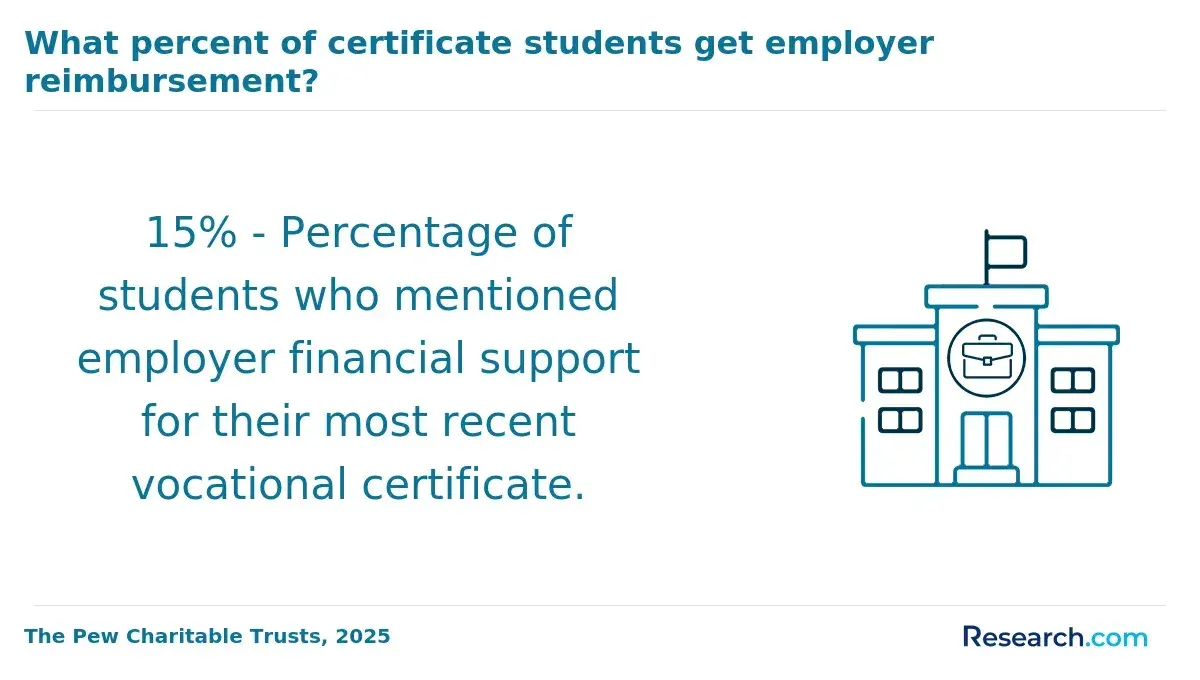
Military Tuition Assistance is designed to support education while a service member is still serving, but it is not an open-ended doctoral funding source. The Department of Defense standard cap is generally $250 per semester hour, and branches set their own annual limits, eligibility rules, grade requirements, and approval deadlines.
Use Tuition Assistance as a planning tool rather than a guarantee. A doctoral program with high per-credit tuition, required residencies, dissertation continuation fees, or clinical placement costs can exceed TA limits quickly, even if the school accepts military students.
Active-duty students should follow a sequence before enrolling because retroactive approvals are often not allowed. These steps help prevent denied funding or unexpected balances:
- Confirm with your branch education office that doctoral-level Tuition Assistance is allowed for your status, rank, education history, and service obligation.
- Verify that the university and the specific online child psychology doctorate are listed as eligible in the branch education portal.
- Ask the school for a degree plan showing total credits, per-credit tuition, fees, residency costs, dissertation costs, and expected timeline.
- Request TA approval before the course start date and before paying out of pocket.
- Ask whether TA can be combined with GI Bill benefits, military discounts, scholarships, or employer tuition support without reducing another award.
- Keep documentation for deployments, training interruptions, course withdrawals, and grade requirements because TA repayment rules may apply.
The most important trade-off is timing. TA can preserve GI Bill entitlement for later, but using TA during a demanding active-duty period can backfire if the program has strict attendance, synchronous sessions, or inflexible doctoral milestones.
Are Military-Friendly Online Child Psychology Doctorate Programs Accredited?
Military-friendly online child psychology doctorate programs can be accredited, but the type of accreditation matters. Institutional accreditation supports federal aid eligibility and basic academic legitimacy, while programmatic accreditation may determine whether a doctorate is accepted for licensure, internship placement, postdoctoral training, or certain psychology jobs.
Students comparing psychology pathways should understand that master's and doctoral credentials serve different purposes. If your immediate goal is to qualify for graduate-level mental health training before a doctorate, online clinical psychology masters options may help you compare clinical preparation before choosing a doctoral route.
The table below explains the accreditation checks that matter most for a military-connected student. It separates "allowed to use benefits" from "appropriate for the career you want," because those are not the same question.
| Accreditation or approval type | Why it matters | What to verify before enrolling |
| Institutional accreditation | Helps determine eligibility for federal financial aid, VA education benefits, credit transfer, and employer recognition | Confirm the institution is currently accredited by a recognized accreditor and that the doctoral program is included under that institution |
| APA accreditation | Especially important for clinical, counseling, and school psychology licensure pathways, internships, and many competitive employers | Confirm the exact doctoral program's APA status, not just the school's psychology department reputation |
| State licensure approval | Psychologist licensure is state-regulated and may require specific coursework, supervised hours, exams, and residency or internship experiences | Contact the licensing board in the state where you plan to practice after service or relocation |
| VA and military benefit approval | Determines whether GI Bill, TA, or other military education benefits can be applied | Ask the school certifying official and branch education counselor to confirm the exact program and delivery format |
| Professional recognition by employers | Schools, hospitals, government agencies, and clinics may screen applicants by accreditation, internship quality, or licensure eligibility | Ask where recent graduates complete internships, postdoctoral training, faculty roles, or applied research positions |
A red flag is any program that implies "online doctorate" automatically means eligibility to become a licensed child psychologist. Licensure-track psychology doctorates usually require extensive supervised in-person training, and state boards can reject degrees that do not meet their rules even when the university itself is accredited.
How Do Online Child Psychology Doctorate Programs Support Active-Duty and Veteran Students?
Strong military student support goes beyond accepting GI Bill payments. Doctoral study is long, sequential, and milestone-based, so service members need support that can handle interruptions, relocations, irregular work hours, and documentation requirements.
The most useful support features are the ones that reduce friction during real military disruptions. When speaking with admissions or advising teams, ask for written policies rather than relying only on verbal reassurance.
- Dedicated military or veteran office: Look for staff who handle VA certification, TA documents, benefit changes, and military withdrawals.
- Deployment and leave policies: Ask how the program handles military orders, extended training, medical holds, and readmission after interruption.
- Flexible advising: Doctoral students need access to advisors who can adjust course sequencing, dissertation milestones, and residency timing.
- Placement support across locations: Licensure-track students should ask whether the school can help identify practicum or internship sites after a PCS move.
- Accessible mental health and disability services: Veterans and active-duty students may need accommodations, counseling referrals, or trauma-informed support.
- Career services familiar with military transitions: The best offices can translate military leadership, family advocacy, behavioral health, or education experience into civilian psychology-related career language.
One common mistake is choosing a program because it has a large veteran population but not asking how many military students actually complete the doctorate. Completion support, dissertation structure, and faculty responsiveness matter as much as tuition discounts.
Can Military Training and Experience Transfer Into an Online Child Psychology Doctorate?
Military training and experience can sometimes support a doctoral application, but it rarely replaces core doctoral psychology requirements. At the doctorate level, transfer credit is usually limited because programs must verify advanced coursework, research preparation, ethics training, and supervised practice competencies.
Military-connected applicants who are still building a psychology foundation may find that related graduate programs create a clearer bridge than relying on service experience alone. For example, students interested in legal, juvenile justice, or trauma-related youth work may compare forensic psychology master's programs before deciding whether child psychology, clinical psychology, school psychology, or forensic psychology is the better long-term doctoral fit.
The table below shows which prior learning areas may matter in doctoral review and which usually cannot be waived. This helps applicants set realistic expectations before counting on transfer credit to shorten the program.
| Prior experience | How it may help | What usually cannot be replaced |
| Military behavioral health, family advocacy, or social service experience | Can strengthen admissions essays, interviews, career rationale, and practicum readiness | Doctoral clinical competencies, supervised psychology hours, and licensing-board coursework |
| Leadership and training roles | Can support goals in program leadership, prevention, education, or child and family services | Research methods, statistics, ethics, assessment, and dissertation requirements |
| Prior graduate psychology coursework | May be eligible for limited transfer if recent, equivalent, and completed at an accredited institution | Residency requirements, dissertation credits, comprehensive exams, and program-specific sequences |
| Joint Services Transcript or military occupational training | May help with undergraduate or elective credit in some programs | Advanced doctoral psychology courses and supervised clinical training |
| Professional licenses or certifications | Can demonstrate applied experience and career seriousness | State psychologist licensure requirements tied to doctoral education and postdoctoral supervision |
Ask for a formal transfer evaluation before enrolling. A school may advertise transfer-friendly policies, but doctoral programs often limit how many credits can apply and may require transferred courses to match titles, learning outcomes, credit levels, and recency standards.
How Flexible Are Military-Friendly Online Child Psychology Doctorate Programs for Service Members?
Military-friendly online programs vary widely in flexibility. A non-licensure developmental psychology doctorate may be mostly asynchronous, while a clinical psychology doctorate with child-focused training may include live supervision, intensive residencies, local practicum placements, internship matching, or full-time clinical training that is difficult to combine with active-duty service.
The table below compares common format features and how they affect students who may deploy, relocate, or work rotating schedules. It is especially useful for separating "online coursework" from the total program experience.
| Program feature | Why it matters for service members | Best-case scenario | Potential red flag |
| Asynchronous courses | Allows students to complete weekly work around duty schedules | Clear weekly deadlines with no required live attendance | Frequent live sessions scheduled during duty hours or across incompatible time zones |
| Synchronous seminars | May support doctoral discussion and supervision but can conflict with military obligations | Recorded sessions, multiple meeting options, and excused military absences | Strict attendance rules with no military exception |
| Residency or intensive requirements | Travel can be difficult during deployments, PCS moves, or limited leave windows | Published residency calendar far in advance | Unpredictable residency timing or high travel costs not covered by benefits |
| Practicum and internship placements | Licensure-track students need approved supervised sites, which may be hard to secure after relocation | Placement team familiar with multi-state and military relocation issues | Student is fully responsible for finding sites without meaningful support |
| Dissertation or capstone pacing | Doctoral progress can stall if faculty feedback is slow or milestones are rigid | Structured milestones, transparent review timelines, and advisor continuity | Open-ended dissertation process with unclear faculty availability |
| Leave of absence policy | Military interruptions can extend the timeline and affect benefits | Written military leave policy with readmission protections | Leave limits that conflict with deployment length or training obligations |
Online is usually more practical than campus-based study for active-duty students because it reduces location dependence, but it is not automatically easier. The best fit is a program whose pacing, residencies, fieldwork, and leave policies match the realities of military service.
How Much Do Military-Friendly Online Child Psychology Doctorate Programs Cost After Military Benefits?
The cost of a military-friendly online child psychology doctorate depends on tuition, fees, dissertation credits, residencies, travel, books, technology, background checks, clinical supervision costs, and the number of credits accepted in transfer. Military benefits can change the net price, but students should calculate total program cost before assuming the published tuition rate tells the full story.
For the 2024-2025 academic year, the Post-9/11 GI Bill private-school tuition and fee cap was $28,937.09. That figure is useful because many online doctoral programs are private institutions; if annual tuition and fees exceed the cap, students may need Yellow Ribbon funds, scholarships, employer support, savings, or loans.
The table below shows how major cost components can appear even after military benefits are applied. Review each line with the school's military certifying official and financial aid office.
| Cost factor | Why it affects net price | What military students should ask |
| Per-credit tuition | Doctoral programs may require many credits beyond the master's level | Is there a military tuition rate, and does it apply to doctoral courses? |
| University and program fees | Fees may be charged separately from tuition and may or may not be covered by benefits | Are technology, dissertation, clinical, or residency fees included in the benefit certification? |
| Residency travel | Online programs may still require travel for intensives, orientation, assessment training, or defenses | How often must I travel, where, and what is the estimated out-of-pocket cost? |
| Clinical placement expenses | Licensure-track pathways may require background checks, liability insurance, immunizations, or supervision-related costs | Which placement costs are student-paid and which are included in tuition? |
| Dissertation continuation | Students who need extra time may pay ongoing enrollment or continuation fees | What happens financially if deployment or PCS delays dissertation progress? |
| Benefit exhaustion | Doctorates can outlast remaining GI Bill entitlement or TA annual limits | How many months of benefits do I have, and what is the plan when they run out? |
A practical ROI calculation should compare total net cost against the specific role you want. A non-licensure doctorate may be worthwhile for research, teaching, leadership, or policy roles, but it may be a poor investment if your real goal is independent clinical practice and the program does not meet licensure standards.
What Career Outcomes Can Military Students Expect After an Online Child Psychology Doctorate?
Career outcomes depend on the type of doctorate. A child-focused clinical, counseling, or school psychology doctorate may support pathways toward licensed psychologist roles, while a developmental psychology doctorate is more likely to support research, teaching, consulting, nonprofit leadership, program evaluation, or child and family policy roles.
Military-connected students who are comparing psychology specializations should also look at adjacent career paths. If your interests include courts, juvenile justice, custody evaluation, corrections, or trauma-informed legal settings, reviewing how much do forensic psychologists make can help you compare salary context and specialization fit before choosing a doctoral concentration.
The BLS reported a $94,310 median annual wage for psychologists in May 2024 and projected employment growth of 7% from 2024 to 2034. Those figures are broad, so they should be used as labor-market context rather than a promise of earnings for any individual graduate.
The table below connects doctoral pathways to common outcomes. It helps clarify why accreditation, supervised hours, and state rules matter as much as the words "child psychology" in a program description.
| Doctoral pathway | Common career directions | Military background may help with | Licensure considerations |
| APA-accredited clinical psychology doctorate with child or family training | Licensed psychologist, pediatric behavioral health provider, child assessment specialist, hospital or clinic psychologist | Trauma-informed care, family systems exposure, resilience training, interdisciplinary work | Requires state licensure, supervised clinical training, internship, exams, and often postdoctoral hours |
| School psychology doctorate | School psychologist, district behavioral specialist, assessment coordinator, special education support leader | Work with military families, children in transition, crisis response, and educational systems | Requirements vary by state and may include school psychology credentials in addition to doctoral preparation |
| Developmental psychology PhD | Researcher, faculty member, program evaluator, child development consultant, nonprofit or policy analyst | Leadership, applied program management, youth and family service experience | Usually not designed for independent clinical psychologist licensure |
| Psychology doctorate with applied child and adolescent focus | Community program leader, behavioral intervention designer, training specialist, curriculum or prevention program consultant | Operational planning, training design, family readiness, prevention programming | May not meet clinical licensure standards; verify before enrolling |
| Research-focused doctorate | University research, government research support, think tank roles, data-driven child and family policy work | Experience with military populations, resilience, trauma exposure, and systems-level problem solving | Licensure may not be relevant unless the program includes approved clinical training |
Employers increasingly value evidence-based practice, assessment literacy, telehealth awareness, data skills, and experience with diverse populations. Military students can be competitive when they pair doctoral training with clear civilian credentials, strong supervised experience, and a resume that translates service leadership into psychology-relevant skills.
How Should Military Students Choose the Best Online Child Psychology Doctorate Program?
The best program is the one that fits your benefit eligibility, service obligations, accreditation needs, and career target. Military-friendly status is only a starting signal; the final decision should be based on written evidence from the school, VA certifying official, branch education office, and relevant licensing board.
Use the following checklist before applying or committing benefits. It is designed to catch the most expensive mistakes before they happen.
- Define the career outcome first: licensed child psychologist, school psychologist, researcher, professor, consultant, nonprofit leader, or policy specialist.
- Match the degree type to that outcome: PsyD or PhD clinical psychology for many clinical roles, school psychology doctorate for school-based practice, or developmental psychology PhD for research and non-clinical work.
- Verify institutional accreditation and, when relevant, APA accreditation for the exact doctoral program.
- Contact the licensing board in the state where you are most likely to practice, especially if you may relocate after service.
- Ask the school for a total cost estimate that includes tuition, fees, residencies, travel, dissertation continuation, and placement expenses.
- Confirm GI Bill, Yellow Ribbon, TA, military discount, scholarship, and loan interactions in writing.
- Review deployment, PCS, withdrawal, readmission, and leave-of-absence policies before your first term.
- Ask how practicum, internship, dissertation, and residency requirements work for students stationed outside the school's region.
- Request transfer credit evaluation before enrolling and ask whether prior graduate coursework can shorten the timeline.
- Compare graduate outcomes, internship placement support, faculty expertise, and student services rather than choosing only by tuition discount.
Common red flags include vague licensure language, no written deployment policy, unclear residency costs, "military-friendly" claims without a dedicated certifying official, pressure to enroll before benefit approval, and promises that military experience will automatically replace doctoral requirements. If a school cannot answer these questions clearly, keep comparing programs.
Other Things You Should Know About Child Psychology
Not exactly. Child psychology often refers broadly to the study or practice of working with children's behavior, emotions, learning, and development. Developmental psychology is usually a research-oriented field that studies human growth across the lifespan, including childhood and adolescence.
No. Many roles in youth services, case management, behavioral support, education, and nonprofit programs may require a bachelor's or master's degree. A doctorate is usually necessary for licensed psychologist roles, university faculty positions, advanced research leadership, or specialized assessment work.
Yes. Child-focused psychologists and related professionals may work with military-connected children dealing with relocation, deployment stress, grief, trauma, school transitions, or family reintegration. The exact role depends on licensure, employer setting, and supervised training.
Important skills include child assessment, communication with families, cultural competence, trauma-informed practice, research literacy, ethics, collaboration with schools or medical teams, and the ability to translate complex behavioral information into practical recommendations.
References
- Scholarships & Grants for Military Kids in 2025 | Operation Family Fund https://www.operationfamilyfund.org/back-to-school-funding-guide-scholarships-grants-for-military-kids-in-2025/
- Consortium for Defense Psychology https://cdp.usuhs.edu/home
- MEDSCHOOL, GEO, MPS, Clinical Psych PHD - Military Track https://medschool.usuhs.edu/geo/mps/clinical-psych-phd-military-track
- Psychology Accreditation: What you need to know https://www.onlinepsychologydegrees.com/articles/accreditation/
- Top Scholarships for Military Spouses and Children https://www.aafmaa.com/resource-center/top-scholarships-for-military-spouses-and-children
- 2025 Best Military-Friendly Online Colleges https://www.onlineu.com/online-schools/military-friendly
- Military-Friendly Colleges Online For Psychology https://www.psychology.org/resources/military-friendly-colleges/
- Military Spouse Scholarships | Hope For the Warriors https://www.hopeforthewarriors.org/programs-and-services/scholarships/
- Home https://www.husson.edu/online/blog/2025/10/types-of-child-psychology-careers
- Student Military Psychology Service Options - The Society for Military Psychology https://www.militarypsych.org/student-affairs/student-military-psychology/student-military-psychology-service-options/