2027 Online Child Psychology Doctorate Programs for First-Time Doctoral Students

Co-Founder and Chief Data Scientist
Choosing an online child psychology doctorate is a high-stakes decision because the degree can affect licensure, debt, research training, and career mobility. The U.S. Bureau of Labor Statistics reports a May 2024 median annual wage of $94,310 for psychologists, but doctoral paths differ widely in clinical eligibility and return on investment.
This guide is for first-time doctoral students comparing online, hybrid, research-focused, and professional options. You will learn how to judge program fit, admissions readiness, dissertation support, flexibility, cost, and career outcomes before committing.
Key Things You Should Know
- For students who want to become licensed child or pediatric psychologists, a fully online doctorate is usually not enough by itself; state licensure normally requires supervised clinical training, internship experience, and often graduation from an APA-accredited health service psychology program.
- Psychologist roles are projected by the U.S. Bureau of Labor Statistics to grow 6% from 2024 to 2034, so doctoral study can be valuable, but the best pathway depends on whether your goal is research, teaching, assessment, school-based practice, or clinical practice.
- Federal Direct Unsubsidized Loans for graduate and professional students are capped at $20,500 per academic year, which means first-time doctoral students should compare total program cost, time-to-degree, employer aid, assistantships, and Grad PLUS borrowing before enrolling.
Which Online Child Psychology Doctorate Programs Are Best for First-Time Doctoral Students?
The best online child psychology doctorate for a first-time doctoral student is not simply the one with the lowest tuition or the most convenient schedule. It is the program whose degree type, training model, accreditation status, faculty mentoring, and research or practice requirements match the career you actually want.
In child psychology, the word "online" needs careful interpretation. Many reputable doctoral programs may deliver coursework online but still require in-person residencies, practica, clinical placements, school-based experiences, labs, or internships. This is especially important if your goal is licensure as a psychologist, because clinical training cannot be replaced by online classes alone.
The table below compares the main doctoral pathways a first-time student is likely to encounter. Use it to narrow your search before looking at individual schools.
| Program type | Best fit for first-time doctoral students who want | Typical online availability | Key caution |
| PhD in Developmental Psychology or Child Development | Research, teaching, policy, program evaluation, or academic roles focused on children and adolescents | More likely to offer online or low-residency coursework than clinical psychology doctorates | Usually not designed for psychologist licensure unless it is part of a licensure-eligible health service psychology program |
| PhD in Clinical Psychology with child or adolescent focus | Clinical research, assessment, therapy, and possible licensure | Usually campus-based or hybrid because of labs, practica, internship, and supervision requirements | Verify APA accreditation, internship match support, and state licensure alignment before applying |
| PsyD in Clinical Psychology with child emphasis | Practice-oriented clinical work with children, adolescents, and families | Often hybrid rather than fully online | Can be expensive, and practicum/internship logistics may be demanding for working adults |
| EdD in Educational Psychology, School Psychology, or Child Development | Leadership, school systems, assessment, intervention planning, or applied educational work | Often available online or hybrid | May not qualify graduates for psychologist licensure unless the program is specifically licensure-aligned |
| Doctorate in Counseling, Human Services, or Behavioral Health with youth focus | Administrative, applied, or interdisciplinary roles serving children and families | Frequently online | Title and scope of practice depend heavily on prior license, state rules, and employer expectations |
For first-time doctoral students, the strongest programs tend to share several features: transparent outcomes, a structured research sequence, accessible faculty, realistic completion expectations, and clear explanations of what the degree does and does not qualify you to do. A poor-fit program may advertise flexibility while hiding mandatory residencies, vague dissertation support, low completion transparency, or unclear licensure alignment.
What Should First-Time Students Expect From an Online Child Psychology Doctorate?
An online child psychology doctorate is an advanced graduate program that studies children's cognitive, emotional, social, behavioral, and developmental needs. Depending on the degree, students may focus on research methods, developmental theory, psychopathology, assessment, family systems, prevention, educational interventions, or clinical practice.
First-time doctoral students should expect a major shift from master's-level learning. Doctoral work is less about absorbing assigned content and more about producing original analysis, evaluating evidence, designing studies or interventions, and defending decisions in writing. If your goal is clinical training but you are not ready for a doctorate, comparing online clinical psychology masters options may help you build preparation before applying.
The table below summarizes how common doctoral models differ. This matters because two programs may both mention child psychology but lead to very different academic and professional outcomes.
| Degree path | Primary emphasis | Common student workload | Typical final requirement | Common outcome |
| Research-focused PhD | Original research, theory, statistics, publication-quality scholarship | Heavy reading, research design, data analysis, faculty-supervised scholarship | Dissertation | Research, faculty, policy, evaluation, or advanced nonclinical roles |
| Professional PsyD | Clinical application, assessment, intervention, supervised practice | Coursework plus practica, clinical documentation, case consultation, internship preparation | Dissertation, clinical research project, or applied doctoral project | Clinical practice roles when licensure requirements are met |
| Applied EdD | Educational systems, leadership, applied research, program improvement | Practice-based inquiry, organizational analysis, applied research methods | Dissertation-in-practice or capstone | School, district, nonprofit, policy, or leadership roles |
Students new to doctoral study should also expect more independent time management than in most master's programs. Online courses may be asynchronous, but doctoral reading, research, writing, and revision often require steady weekly work rather than last-minute completion.
What Admissions Requirements Should First-Time Applicants Expect for an Online Child Psychology Doctorate?
Admissions requirements vary by institution, but first-time doctoral applicants are usually evaluated on academic preparation, research readiness, writing ability, professional purpose, and fit with faculty expertise. A strong GPA alone is rarely enough if the program expects research experience, a clearly defined interest area, or prior work with children and families.
If your background is related but not yet specialized, completing prerequisite coursework or one of the relevant child psychology master's programs may be a better next step than entering a doctorate immediately. This is especially true if you lack graduate statistics, developmental psychology, abnormal psychology, research methods, or applied experience with youth populations.
The table below shows what first-time applicants commonly need and how to interpret each requirement:
| Requirement | What schools are checking | How first-time doctoral applicants can prepare |
| Accredited bachelor's or master's degree | Whether your prior education provides a legitimate academic foundation | Confirm whether the program admits bachelor's-to-doctorate students or requires a master's degree |
| Psychology or related coursework | Readiness for advanced developmental, clinical, research, or educational psychology content | Complete missing prerequisites before applying if the program allows nonpsychology majors |
| Graduate GPA or strong upper-division GPA | Evidence that you can handle rigorous academic work | Use recent graduate coursework to offset an older or uneven undergraduate record |
| Research methods and statistics background | Ability to understand empirical literature and eventually complete doctoral research | Take statistics, research design, or evaluation courses if your background is light |
| Statement of purpose | Fit between your goals, the degree type, and faculty expertise | Name a realistic child psychology focus, such as adolescent mental health, developmental assessment, trauma, learning, family systems, or prevention |
| Writing sample | Doctoral-level writing, synthesis, citation, and argumentation skills | Submit a polished research paper or professional analytic paper, not a casual reflection essay |
| Letters of recommendation | Evidence of academic ability, professional maturity, and persistence | Choose recommenders who can discuss research, writing, child-focused work, or graduate readiness |
| Interview | Communication skills, motivation, ethical awareness, and program fit | Be ready to explain why this doctorate, why now, and how you will manage the workload |
A common mistake is assuming that prior work with children automatically makes someone doctoral-ready. Experience matters, but doctoral programs also require analytical writing, comfort with scholarly literature, and the ability to work through long, ambiguous projects without constant step-by-step direction.
Research support is one of the biggest differences between a manageable online doctorate and an isolating one. First-time doctoral students should look closely at how the program teaches research design, statistics, literature review, ethics, and methodology before the dissertation or capstone stage begins.
Strong programs usually scaffold research over several terms rather than waiting until the end. The most useful support features are the ones that turn a broad interest in child psychology into a feasible study or applied project:
- Sequenced research courses that move from literature review to methods, data analysis, proposal writing, and final defense
- Early faculty advising to help students narrow broad interests such as "childhood anxiety" into a researchable question
- Access to statistical software, library databases, research librarians, and writing support familiar with doctoral work
- Clear human-subjects research guidance, especially for projects involving minors, schools, families, or clinical populations
- Examples of completed dissertations or capstones so students can see the expected scope and quality
- Regular research milestones that prevent students from reaching the final year without a viable topic
AI tools are also changing doctoral research workflows. They can help students organize notes, search concepts, or check clarity, but they do not replace original analysis, ethical citation, methodology decisions, or institutional review board requirements. A trustworthy program should have a clear academic integrity policy explaining how AI may and may not be used.
Red flags include vague statements such as "students work independently with a chair" without explaining how chairs are assigned, how often meetings occur, what happens if a chair leaves, and whether students receive structured feedback before the dissertation stage.
The final doctoral project often determines whether a first-time student finishes on schedule or stalls after coursework. Before enrolling, you should understand whether the program requires a traditional dissertation, a dissertation-in-practice, a clinical research project, or an applied capstone.
The table below compares common final-project models and how each affects fit for new doctoral students:
| Final requirement | What it usually involves | Best fit | Main risk for first-time doctoral students |
| Traditional dissertation | Original research question, literature review, methodology, data collection or analysis, committee defense | Students interested in research, academia, policy, or advanced evaluation roles | Topic may become too broad, delaying proposal approval or completion |
| Dissertation-in-practice | Applied investigation of a problem in a school, agency, program, or organization | Students in EdD or applied leadership pathways | Access to a site, participants, or usable organizational data may be harder than expected |
| Clinical research project | Practice-focused scholarly project tied to assessment, intervention, treatment, or professional psychology | Students in practice-oriented doctoral programs | Project expectations may overlap with clinical training demands and internship preparation |
| Capstone or applied project | Evidence-based product, program evaluation, intervention plan, or professional portfolio | Students seeking applied nonacademic roles | May be less useful for research-heavy academic hiring than a dissertation |
First-time doctoral students should ask how many committee members are required, when the chair is assigned, how proposal approval works, and whether students can change topics. You should also ask whether the program provides templates, milestone calendars, defense preparation, and dissertation continuation policies if the project takes longer than expected.
A common mistake is choosing a capstone because it sounds easier. In practice, applied projects can be demanding because they may require real-world access, stakeholder approval, data permissions, and implementation timelines that are outside the student's control.
Online flexibility depends on more than whether lectures are delivered through a learning platform. First-time doctoral students should evaluate scheduling, residencies, synchronous meetings, practicum expectations, internship requirements, and how much independent work is expected each week.
The table below helps compare common delivery formats. This is especially useful for working professionals, parents, and students who live far from campus or clinical placement sites.
| Format | What it means | Advantages | Potential drawbacks |
| Fully online coursework | Classes are completed online, often asynchronously | Most convenient for students balancing work and family responsibilities | May still require in-person research, residency, clinical, or internship components |
| Online with short residencies | Most coursework is online, with required campus or intensive sessions | Provides face-to-face mentoring, skills practice, and cohort connection | Travel, lodging, missed work, and childcare can increase total cost |
| Hybrid clinical doctorate | Online and campus coursework are combined with supervised practice | May better support licensure-aligned training than fully online study | Less flexible and often limited by local placement availability |
| Cohort-based online program | Students move through courses together on a fixed schedule | More structure and peer accountability for first-time doctoral students | Less ability to slow down or accelerate |
| Self-paced or individually paced model | Students have more control over course timing within school limits | Useful for experienced independent learners | Can be risky for students who need external deadlines and close advising |
Do not assume asynchronous means easy. A doctoral course may not require weekly live attendance, but it can still demand intensive reading, scholarly discussion, research assignments, and extended writing. If you work full time, ask whether the school recommends part-time enrollment and whether part-time students receive the same advising access.
Red flags include unclear residency calendars, vague practicum language, limited placement support, or admissions representatives who cannot explain whether required experiences can be completed in your state or region.
First-time doctoral students often underestimate how much support structure matters. Online doctoral study can feel isolating when advising is informal, faculty access is limited, or students do not have peers moving through similar milestones.
A strong support model should be visible before you enroll. Ask schools to explain the advising structure in concrete terms, not general promises.
- Academic advising: Who helps you choose courses, sequence milestones, and understand transfer-credit or prerequisite issues?
- Faculty mentorship: Are you matched with a mentor based on child psychology interests, methodology, or professional goals?
- Dissertation or capstone chairing: When is the chair assigned, and what is the expected response time for feedback?
- Peer cohort support: Do students take core courses together, meet in writing groups, or participate in doctoral seminars?
- Career support: Does the program help with CVs, academic publishing, conference presentations, internship applications, or applied career planning?
- Well-being and persistence support: Are there resources for time management, burnout, accessibility accommodations, and leave policies?
Cohorts can be especially helpful for first-time doctoral students because they create a built-in network for accountability and normalization. However, a cohort is not automatically better if the pacing is too rigid for your work schedule or family obligations.
The best mentoring fit is specific. A student interested in trauma-informed interventions for adolescents may not be well served by a program where no faculty member studies trauma, adolescence, intervention, assessment, or related child and family systems.
Most online or hybrid child psychology doctoral pathways take several years because students must complete advanced coursework, research training, comprehensive exams or portfolios, and a dissertation, capstone, or supervised practice sequence. The exact timeline depends on degree type, transfer credits, enrollment intensity, clinical requirements, and dissertation progress.
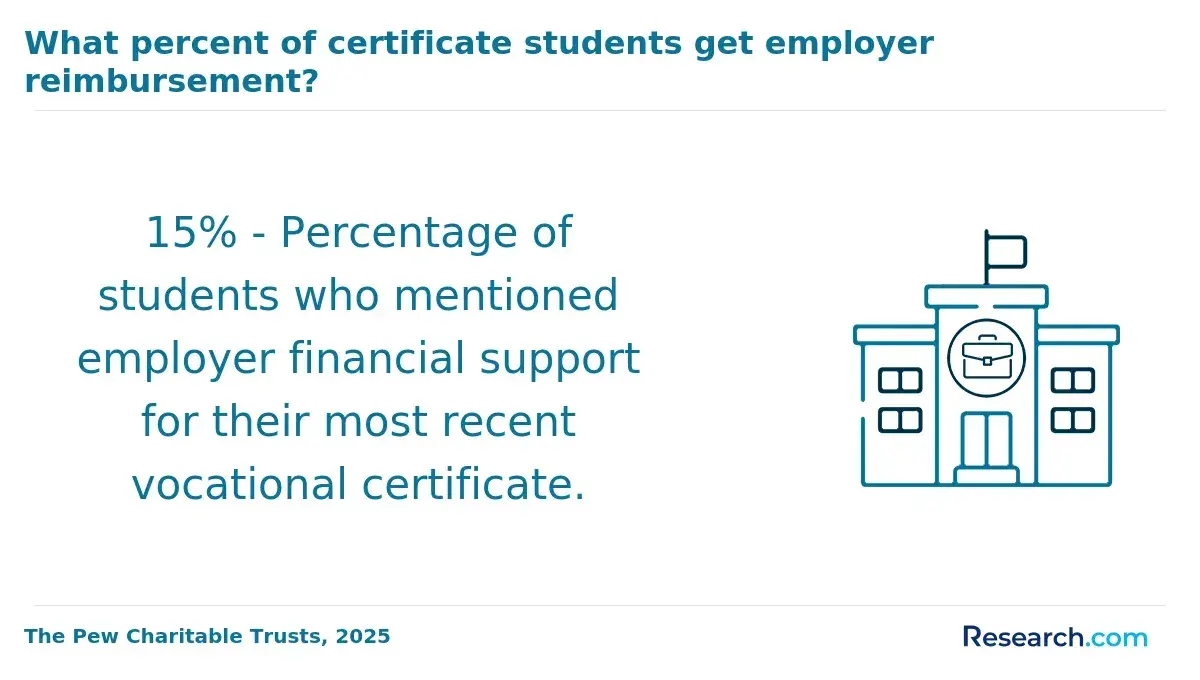
Cost also varies widely. The federal Direct Unsubsidized Loan annual limit for graduate and professional students is $20,500, so students whose annual cost exceeds that amount may need savings, employer assistance, scholarships, assistantships, payment plans, or Grad PLUS Loans. That borrowing structure matters because doctoral programs can extend beyond the standard coursework years if the final project takes longer than expected.
The table below gives a practical framework for estimating time and cost. It avoids assuming that all online doctorates price or pace coursework the same way.
| Factor | What to check | Why it matters for first-time doctoral students |
| Credits required | Total credits after transfer review | A 60-credit program and a 90-credit program can differ substantially in tuition and time |
| Per-credit tuition | Published tuition for doctoral-level courses | A 60-credit doctorate at $900 per credit equals $54,000 in tuition before fees |
| Fees | Technology, residency, dissertation, clinical, library, graduation, and continuation fees | Fees can change the real cost even when tuition appears affordable |
| Residencies | Travel, lodging, meals, missed work, and childcare | Short required visits can add a meaningful out-of-pocket cost |
| Clinical or field placements | Supervision, background checks, liability insurance, testing materials, and site requirements | Licensure-aligned programs may require costs beyond tuition |
| Dissertation or capstone extension | Continuation tuition or enrollment fees after coursework | Delayed final projects can increase total cost and debt |
| Full-time versus part-time pace | Expected course load and maximum completion time | Part-time study may protect work-life balance but extend tuition exposure and opportunity cost |
To estimate affordability, calculate the total program cost rather than comparing tuition alone. Include credits, fees, books, software, travel, lost income, loan interest, and the possibility of extra terms for dissertation or capstone completion.
A common mistake is assuming the lowest advertised tuition produces the lowest total cost. A program with stronger transfer-credit policies, better dissertation support, or fewer required extension terms may be more economical even if the per-credit tuition is higher.
Career outcomes depend on the doctoral pathway. A research-focused developmental psychology doctorate may support academic, research, program evaluation, or policy roles, while a licensure-aligned clinical or school psychology doctorate may support clinical assessment and intervention roles if all state requirements are met.
The labor market is favorable but not automatic. The U.S. Bureau of Labor Statistics projects 6% employment growth for psychologists from 2024 to 2034, faster than the average for all occupations. For students, this means demand exists, but employers and licensing boards still care about accreditation, supervised experience, specialization, and demonstrated skills.
The table below connects common child psychology doctoral pathways with realistic career directions:
| Career direction | Relevant doctoral preparation | Licensure or credential considerations | Typical work focus |
| Licensed child or pediatric psychologist | Clinical, counseling, or school psychology doctorate with child-focused training | State psychologist licensure, supervised hours, exams, and often APA-accredited doctoral and internship training | Assessment, diagnosis, therapy, consultation, and treatment planning for children and adolescents |
| Developmental psychology researcher | PhD in developmental psychology, child development, or related research field | Licensure usually not required for nonclinical research roles | Studying cognitive, social, emotional, educational, or family influences on development |
| University faculty member | Research-focused PhD or strong scholarly doctorate | Licensure depends on role; research and publication records are often critical | Teaching, research, advising, grants, and academic service |
| School or educational systems leader | EdD, school psychology doctorate, or educational psychology doctorate | May require state school psychologist, administrator, or educator credentials depending on role | Assessment systems, intervention programs, student support, and policy implementation |
| Program evaluator or policy specialist | Doctorate with research, statistics, developmental science, or prevention focus | Licensure usually not required unless providing clinical services | Evaluating child, youth, family, school, nonprofit, or public health programs |
| Forensic or juvenile justice specialist | Clinical, forensic, developmental, or applied psychology preparation | Clinical forensic work may require licensure; nonclinical roles vary by employer | Juvenile justice, risk assessment, family court consultation, or youth-focused program work |
Students interested in juvenile justice or court-related youth work should also understand compensation and role differences in forensic settings; this overview of how much do forensic psychologists make can help compare that path with child development, school, and clinical options.
A doctorate can improve eligibility for advanced roles, but it should not be treated as a guaranteed salary increase. The best return usually occurs when the degree is directly tied to a required credential, a research agenda, a promotion pathway, or a clearly defined professional niche.
How Should First-Time Students Choose an Online Child Psychology Doctorate Program?
First-time doctoral students should choose a program by working backward from the career they want, then checking whether the degree, accreditation, training model, faculty expertise, and cost structure realistically support that goal. This is more reliable than starting with rankings or convenience.
Use the following steps to compare programs before applying. The goal is to identify whether doctoral study is the right move now or whether a master's degree, research experience, clinical preparation, or additional work experience would be wiser first.
- Define the target role: Decide whether you want clinical practice, research, teaching, school-based leadership, nonprofit leadership, policy, evaluation, or forensic youth work.
- Match the degree to the role: Choose a PhD for research-heavy goals, a licensure-aligned PsyD or clinical PhD for practice goals, or an EdD for applied educational leadership goals.
- Verify accreditation and licensure alignment: For clinical goals, check state licensing board requirements and whether the doctoral and internship pathways meet them.
- Review faculty fit: Look for faculty whose interests match your child psychology focus, such as trauma, autism, adolescent mental health, family systems, assessment, prevention, or learning.
- Audit the online format: Confirm synchronous sessions, residencies, practicum expectations, internship requirements, and whether placements can be completed near you.
- Evaluate doctoral support: Ask about research sequencing, dissertation chair assignment, feedback timelines, completion rates, leave policies, and continuation fees.
- Calculate total cost: Include tuition, fees, travel, software, books, lost income, loan interest, and possible dissertation extension terms.
- Talk to current students or recent graduates: Ask what surprised them, how responsive faculty are, and whether the advertised timeline is realistic.
If your interests combine children, families, courts, custody, juvenile justice, or trauma, comparing forensic psychology master's programs may help you clarify your specialization before committing to a doctorate. That can be useful if you are unsure whether you need a clinical doctorate, a research doctorate, or an applied master's credential.
The biggest red flags are unclear licensure language, limited faculty transparency, no published dissertation process, weak placement support, pressure to enroll quickly, and admissions advice that avoids direct answers about cost or outcomes. A good program should help you make an informed decision, even if that decision is to wait.
Other Things You Should Know About Child Psychology
Yes, but specialization depends on faculty expertise, available courses, practicum options, and your final research or capstone topic. Before enrolling, confirm that at least one faculty member can support your specific interest area.
Not exactly. Developmental psychology studies change across the lifespan, while child psychology focuses specifically on infancy, childhood, and adolescence. Many doctoral programs use developmental psychology as the broader academic home for child-focused research.
You do not need to be an expert before applying, but you should be willing to build strong quantitative or qualitative research skills. Statistics, research design, and evidence evaluation are central to most doctoral programs.
Yes, but your role may be nonclinical. You may work in research, program evaluation, policy, education, or administration, while therapy, diagnosis, and psychological assessment usually require the appropriate clinical license.
- Best Online Doctorate In Psychology 2025 | Psychology.org https://www.psychology.org/rankings/best-online-doctorate-degree-programs/
- How to Apply to Clinical Psychology PhD Programs — TAP Magazine https://tapmagazine.org/all-articles/how-to-apply-to-clinical-psychology-phd-programs
- Doctoral Training at McLean Hospital https://www.mcleanhospital.org/training/doctoral-training
- Doctoral Internship Program in Clinical Psychology https://choc.org/careers/residency-training-programs/doctoral-internship-program-clinical-psychology/
- List of APA-Accredited Counseling Psychology PhD and PsyD Program https://www.div17.org/list-of-apa-accredited-counseling-psychology-phd-and-psyd-programs
- Online and Hybrid PhD & PsyD Programs in Psychology https://www.psychologist-license.com/phd/
- Understanding the Differences Between Graduate Degrees in Clinical Psychology – IECA https://www.iecaonline.com/journal-article/understanding-the-differences-between-graduate-degrees-in-clinical-psychology/
- PsyD Practicums and Internships - Chestnut Hill College https://www.chc.edu/academics/academic-centers/center-for-professional-psychology/psyd-practicums-and-internships/
- PhD in Clinical Psychology https://www.fielding.edu/school-of-psychology/phd-in-clinical-psychology/
- Robot Challenge Screen https://didihirsch.org/education/doctoral-internship/