
2027 Best Online Child Psychology Doctorate Programs for Research Careers

Co-Founder and Chief Data Scientist
Choosing an online child psychology doctorate is really a research-career decision: the wrong program can limit faculty mentorship, dissertation quality, and future publication opportunities. The U. S. Bureau of Labor Statistics projects psychologist employment to grow 6% from 2024 to 2034, making advanced research preparation increasingly important for academic, policy, clinical-science, and applied child-development roles.
This guide is for students comparing online or hybrid doctoral programs who want to study children's development, mental health, learning, trauma, family systems, or adolescent behavior. You'll learn how to compare programs by research fit, quality, cost, format, and outcomes.
Key Things You Should Know
- The strongest online child psychology doctorate for research careers is usually a research-focused PhD with a child, adolescent, developmental, clinical-child, school psychology, or family science concentration; fully online APA-accredited clinical child psychology PhDs are rare, so many serious research candidates should compare hybrid or campus-based options too.
- For research careers, prioritize institutional accreditation, dissertation infrastructure, faculty publication alignment, research methods training, data-analysis coursework, and evidence of student scholarship over convenience or tuition alone.
- Use cost cautiously: graduate federal Direct Unsubsidized Loans are capped at $20,500 per academic year, so self-funded online doctorates may require Graduate PLUS loans, employer support, fellowships, or part-time work if assistantships are limited.
What Are the Best Online Child Psychology Doctorate Programs for Research Careers?
The best online child psychology doctorate for a research career is not simply the cheapest, fastest, or most flexible program. It is the program that gives you access to strong research methods training, a faculty mentor whose work matches your interests, a rigorous dissertation process, and credible institutional quality indicators.
Because "child psychology doctorate" can refer to several related fields, the strongest choices often appear under names such as developmental psychology, clinical psychology, school psychology, counseling psychology, educational psychology, human development and family science, or psychology with a child and adolescent specialization. Students who are still building graduate-level preparation may want to compare child psychology master's programs before applying to a doctorate, especially if they lack research experience or statistics coursework.
The table below summarizes the main types of online or hybrid doctoral options and how well each tends to support research careers. Use it to identify the program category that best matches your long-term goal before comparing individual schools.
| Program type | Best fit for | Research-career strength | Important limitation |
| PhD in Developmental Psychology with child or adolescent focus | Students aiming for child-development research, policy research, academic roles, nonprofit evaluation, or applied research | Usually strong when it includes quantitative methods, dissertation research, and faculty-led research areas | Often not designed for clinical licensure |
| PhD in Psychology with child/adolescent specialization | Students who want broad psychology training with a dissertation focused on youth, families, education, trauma, or behavior | Can be strong if faculty expertise is specific and research support is structured | Quality varies widely; some programs are more applied than research-intensive |
| Hybrid PhD or PsyD in Clinical Psychology with child emphasis | Students interested in child mental health research plus clinical practice, assessment, or intervention work | Strongest when APA-accredited and connected to supervised clinical and research training | Rarely fully online; practicum, internship, residency, or campus intensives are common |
| EdD or PhD in Educational Psychology, School Psychology, or Learning Sciences | Students studying learning, school-based interventions, developmental assessment, or youth outcomes in education systems | Strong for education research, program evaluation, and school-based policy work | May not provide deep clinical-child psychology preparation |
| Doctorate in Human Development and Family Science | Students focused on family systems, parenting, lifespan development, early childhood, or youth policy | Strong for interdisciplinary research and community-based child-development work | May be housed outside psychology departments |
For research careers, a "best" program should meet four conditions: it has credible accreditation, it requires original doctoral research, it gives students access to faculty with active child-focused scholarship, and it can point to research outputs such as dissertations, conference presentations, peer-reviewed publications, grants, or alumni roles in research settings.
Common mistakes include choosing a program because it advertises flexibility, assuming every online PhD has the same research intensity, or enrolling before confirming that at least one faculty member is available to supervise your dissertation topic. A better approach is to ask for recent dissertation titles, faculty publication lists, student research examples, and clear expectations for methodology training.
Should You Choose a PhD or Professional Doctorate in Child Psychology for a Research Career?
If your main goal is to produce research, teach at the college level, work in a research institute, contribute to policy, or lead evaluation studies, a PhD is usually the better fit. A professional doctorate, such as a PsyD or practice-oriented EdD, may still include research, but it is often designed around applied practice, leadership, assessment, or service delivery.
The distinction matters because research careers are built through methods training, scholarly writing, conference participation, publications, and faculty mentorship. A flexible online professional doctorate can be valuable, but it may not offer the same level of research apprenticeship as a doctoral program built around faculty-led scholarship.
The comparison below highlights how the main doctoral paths differ for students who want to study children, adolescents, and families.
| Degree path | Primary purpose | Research preparation | Best choice when |
| PhD in Psychology, Developmental Psychology, or Clinical Psychology | Original research, theory development, academic preparation, and advanced scientific training | Typically strongest, especially when the program includes advanced statistics, research design, and dissertation mentoring | You want research, academic, policy, or scientific leadership roles |
| PsyD in Clinical or School Psychology | Clinical practice, assessment, intervention, and professional service | Varies; usually includes a dissertation or doctoral project but may be less research-intensive than a PhD | You want to practice clinically and conduct applied research as a secondary goal |
| EdD in Educational Psychology or Leadership | Applied educational change, school systems, program improvement, or leadership | Often focused on applied inquiry, evaluation, and practitioner research | You want to study child learning, school interventions, or education policy in applied settings |
Choose a PhD if you want a dissertation that could become journal articles, a faculty mentor who publishes in your topic area, and preparation for grant-funded or academic research. Choose a professional doctorate if your career goal is primarily clinical, school-based, or administrative and research will support that work rather than define it.
Students interested in youth behavior, trauma, legal systems, custody questions, or juvenile justice may also compare child psychology research paths with forensic psychology master's programs before committing to a doctoral specialization.
What Accreditation and Quality Indicators Should You Look for in an Online Child Psychology Doctorate Program?
Accreditation is the first quality checkpoint. At minimum, the university should hold institutional accreditation recognized by the U.S. Department of Education or the Council for Higher Education Accreditation. For clinical, counseling, and school psychology programs, programmatic accreditation may also matter for licensure, internships, and employer recognition.
For research careers, accreditation alone is not enough. A legitimate university can still offer a doctorate that is too applied, too isolated, or too thin in faculty mentorship for your goals. Quality indicators should show that the program can support doctoral-level scholarship in child psychology or a closely related field.
Use the following criteria to evaluate whether a program has the academic infrastructure needed for research preparation:
- Institutional accreditation from a recognized accreditor, with no unresolved public sanctions that affect academic quality.
- Clear doctoral curriculum in research design, quantitative or qualitative methods, measurement, ethics, and dissertation development.
- Faculty members with current publications, grants, conference activity, or funded projects related to children, adolescents, families, schools, mental health, development, or learning.
- Transparent dissertation process, including committee formation, proposal defense, human-subjects review, data collection expectations, and final defense.
- Access to academic databases, statistical software, library research support, writing support, and research ethics training.
- Evidence that online students can participate in research groups, virtual labs, conference presentations, or faculty-supervised projects.
Be especially careful with programs that advertise "doctorate in child psychology" but do not list faculty research areas, dissertation requirements, or student research outcomes. Another red flag is a program that promises speed without explaining how students will complete a rigorous dissertation or doctoral research project.
Admission requirements vary by institution, but research-focused doctoral programs usually want evidence that you can handle graduate theory, research methods, statistics, and independent scholarly work. Some programs admit students with a bachelor's degree, while others require a psychology-related master's degree.
Applicants coming from counseling, education, social work, human services, or public health backgrounds can be competitive if they show strong research alignment. Students whose preparation is more clinical than research-based may need to strengthen their application through a thesis, research assistant experience, statistics coursework, or a writing sample. If you are comparing practice-oriented pathways first, online clinical psychology masters can help you understand how clinical training differs from research-centered doctoral preparation.
Most online child psychology doctorate programs ask for several of the following materials. Review each requirement not as a checklist, but as evidence that the program is evaluating your readiness for doctoral research.
- Accredited bachelor's or master's degree, often in psychology, child development, education, counseling, social science, or a related field.
- Graduate or undergraduate transcripts showing preparation in psychology, statistics, research methods, human development, or behavioral science.
- Statement of purpose explaining your child psychology research interests, career goals, and fit with faculty expertise.
- Academic or professional writing sample, preferably a literature review, thesis chapter, research paper, or evaluation report.
- Letters of recommendation from faculty, supervisors, or research mentors who can speak to your analytical ability and persistence.
- Resume or CV showing research experience, publications, presentations, teaching, child-focused work, clinical exposure, or data-analysis skills.
- Interview with faculty or admissions staff, especially when dissertation mentorship fit is part of the decision.
A strong application connects your past experience with a specific research agenda. Instead of saying you are interested in child development broadly, describe the population, setting, theory, or method you want to study, such as adolescent anxiety, early literacy, trauma exposure, neurodevelopmental assessment, parenting interventions, or school-based mental health.
Research training is the core feature that separates a research-focused online child psychology doctorate from a general professional credential. A strong program should move you from consuming research to designing, conducting, analyzing, and defending original scholarship.
In most research-centered doctorates, students complete coursework before moving into candidacy and dissertation work. The strongest programs integrate the dissertation early, so students are not left to develop a topic alone after finishing classes.
The sequence below shows how research training typically develops across a doctoral program:
- Foundation courses in child development, developmental psychopathology, family systems, cognition, learning, assessment, or social-emotional development.
- Research methods courses covering experimental, quasi-experimental, longitudinal, survey, mixed-methods, qualitative, or program-evaluation designs.
- Statistics and analysis training, often including regression, multivariate analysis, psychometrics, measurement, or applied data analysis software.
- Research ethics training, including human-subjects protections, consent and assent with minors, confidentiality, school or clinic data access, and institutional review board procedures.
- Dissertation seminars or milestones that lead to a topic prospectus, literature review, proposal defense, data collection, analysis, final defense, and manuscript-style writing.
For child psychology topics, dissertation planning can be more complex than in some adult-focused areas because research may involve minors, parents, schools, clinics, agencies, or protected records. Ask how the program supports institutional review board approval, recruitment, data-sharing agreements, and research with vulnerable populations.
A good online program should also help you build research visibility. That may include virtual research labs, faculty-led writing groups, conference preparation, dissertation boot camps, statistical consulting, or opportunities to turn coursework into publishable papers.
Specialization fit is one of the most important predictors of whether a doctorate will serve your research goals. A program can be accredited, reputable, and affordable but still be a poor match if no faculty member studies your population or method.
Before applying, compare the program's stated concentration with the actual research of its faculty. A child and adolescent specialization should be supported by faculty scholarship, not only by course titles.
The table below shows common research specializations and the kinds of faculty mentorship that matter for each one.
| Research area | Possible dissertation focus | Faculty expertise to look for | Research settings |
| Developmental psychopathology | Risk and resilience, anxiety, depression, trauma, behavioral disorders, or emotion regulation | Child mental health, longitudinal methods, intervention research, assessment | Clinics, schools, community agencies, research centers |
| Early childhood development | Language development, attachment, executive function, early learning, or family routines | Developmental science, parent-child interaction, early education, observation methods | Preschools, early intervention programs, family research labs |
| Adolescent development | Identity, peer relationships, social media, risk behavior, substance use, or school belonging | Adolescent psychology, survey research, prevention science, community research | Schools, youth programs, public health organizations |
| Learning and school-based research | Academic motivation, literacy, special education, intervention outcomes, or school climate | Educational psychology, learning sciences, school psychology, measurement | K-12 schools, districts, education nonprofits, testing organizations |
| Family and cultural contexts | Parenting, family stress, migration, socioeconomic factors, culture, or community supports | Family science, multicultural psychology, qualitative methods, prevention research | Community organizations, policy institutes, family-service agencies |
When evaluating mentorship, read faculty CVs and recent publications instead of relying only on biography pages. Look for active scholarship within the last few years, methodological compatibility, and evidence that faculty have supervised doctoral dissertations in related areas.
Ask programs direct questions before applying. Who can supervise my topic? How many doctoral students does that faculty member currently advise? Can online students join research teams? Are students encouraged to submit conference proposals? Do faculty coauthor with doctoral students? The answers will tell you more about research culture than marketing language will.
Most online child psychology doctorates take several years because students must complete advanced coursework, research methods training, comprehensive milestones, and a dissertation. Programs designed for working adults may allow part-time enrollment, but a slower pace can extend dissertation time and total cost.
Fully online completion is possible in some non-licensure research doctorates, especially developmental psychology or general psychology programs with child-focused dissertations. However, clinical, counseling, and school psychology doctorates often require in-person components such as residencies, practicum placements, internship, assessment training, or campus intensives.
The table below explains how format affects research training and career fit.
| Format | Typical experience | Research advantages | Trade-offs |
| Fully online research doctorate | Online courses, remote advising, virtual dissertation milestones, online library and research support | Flexible for working adults and students studying topics that do not require lab or clinical placement access | May offer fewer assistantships, lab experiences, and informal faculty interactions |
| Hybrid doctorate | Online coursework plus residencies, intensives, lab visits, or clinical training requirements | Often stronger for mentorship, cohort identity, assessment training, and research collaboration | Requires travel, scheduling flexibility, and additional expenses |
| Campus-based doctorate | In-person seminars, labs, assistantships, teaching, and faculty research teams | Often strongest for funded PhD training, intensive mentorship, and academic research pipelines | Less flexible and may require relocation |
Students pursuing academic research careers should not automatically reject hybrid or campus programs. If a campus-based or hybrid PhD provides funding, a strong child-development lab, and publication opportunities, it may be a better long-term research investment than a more convenient online program with limited mentorship.
Before enrolling, confirm whether "online" includes synchronous meetings, required residencies, internship placements, dissertation defenses, or research intensives. These details affect travel cost, work scheduling, and whether the program is realistic for your life.
Cost is one of the biggest trade-offs in online doctoral study. Many online doctorates are self-funded, while research-intensive campus PhD programs are more likely to offer teaching assistantships, research assistantships, tuition remission, or stipends. That does not make online programs a poor choice, but it means students should compare total cost rather than tuition per credit alone.
Federal loan rules are important because doctoral costs can exceed annual borrowing limits. For graduate and professional students, the current Direct Unsubsidized Loan annual limit is $20,500, with Graduate PLUS Loans commonly used to cover remaining eligible costs after other aid.
- Federal Direct Unsubsidized Loan annual limit for graduate and professional students: $20,500
- Graduate PLUS Loan: up to the remaining cost of attendance after other aid, subject to credit approval and school certification
When comparing programs, estimate the full cost of attendance. Include tuition, fees, dissertation continuation credits, technology fees, books, statistical software, travel for residencies, conference attendance, internship travel, and time away from paid work.
Funding options for online child psychology doctorate students are often more individualized than in full-time campus PhD programs. The following options are worth asking about before you commit:
- University scholarships, doctoral tuition discounts, or alumni grants for graduate students.
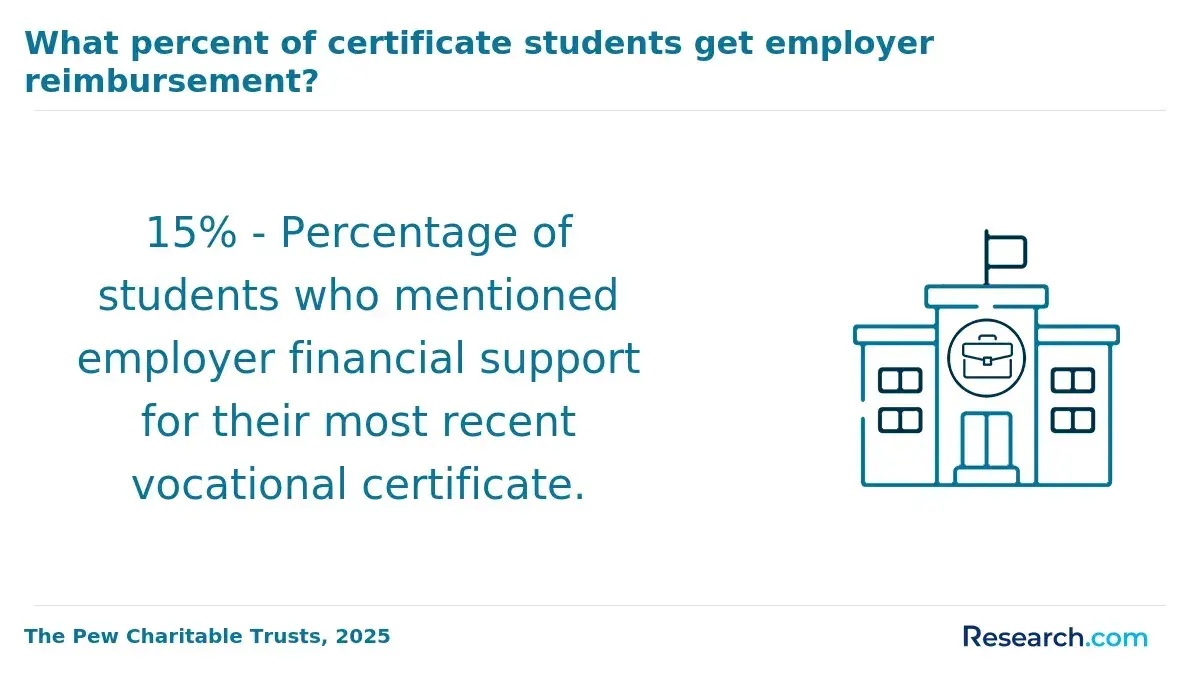
- Employer tuition assistance, especially for students working in schools, healthcare systems, nonprofits, or government agencies.
- Research assistant roles that can be completed remotely through data coding, literature reviews, survey management, or analysis support.
- Teaching assistant or online course support roles, if the department uses doctoral students in undergraduate instruction.
- External fellowships, professional association awards, dissertation grants, and small research grants for child development or mental health topics.
- Conference travel awards that help doctoral students present research and build academic networks.
The most affordable program is not always the best value for research careers. A higher-cost program may be worth considering if it provides better mentorship, stronger methods training, or clearer research outputs. Conversely, an expensive online program with weak dissertation support can be a poor investment even if it is convenient.
A doctorate in child psychology or a related field can support research careers in universities, medical schools, children's hospitals, policy organizations, school systems, nonprofits, government agencies, testing companies, and applied research firms. The best pathway depends on whether your doctorate is research-only, clinical, educational, or interdisciplinary.
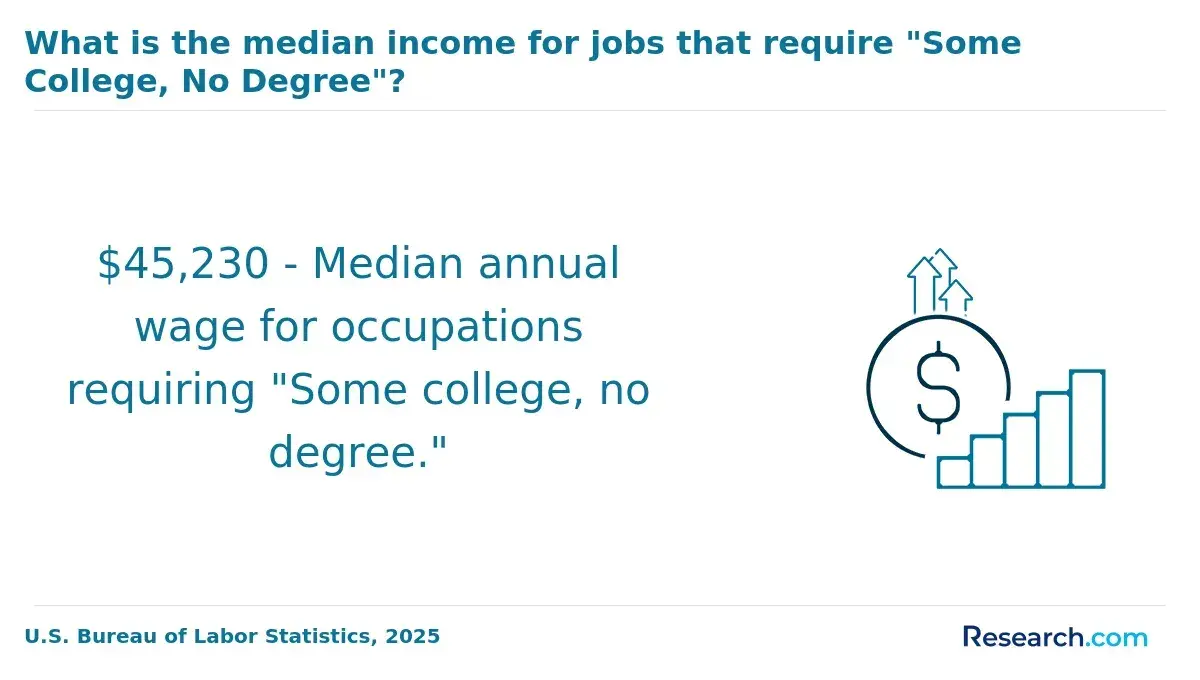
Salary data should be used as context, not as a promise. The U.S. Bureau of Labor Statistics reported a May 2024 median annual wage of $94,310 for psychologists overall, but compensation varies by role, employer, licensure status, research funding, geographic area, and whether the job is academic, clinical, government, or industry-based.
The table below summarizes research-oriented career paths that may align with doctoral training in child psychology.
| Career path | Typical responsibilities | Doctoral preparation that helps | Notes for online doctoral students |
| University researcher or professor | Conduct studies, publish research, teach, mentor students, seek grants | Research-intensive PhD, publications, teaching experience, strong dissertation | Academic jobs are competitive; publication record and mentorship matter heavily |
| Child development researcher | Study cognitive, emotional, social, or family development across childhood and adolescence | Developmental theory, longitudinal methods, statistics, measurement | Non-licensure PhDs can be appropriate if research training is strong |
| Program evaluator | Evaluate school, nonprofit, healthcare, or community programs serving children and families | Applied research methods, mixed methods, data visualization, policy analysis | Strong option for students with work experience in education or human services |
| Clinical research scientist | Study assessment, prevention, intervention, treatment outcomes, or mental health services | Clinical research design, ethics, child mental health, assessment, possibly licensure | Clinical licensure may be required for some roles involving direct services |
| Policy or government researcher | Analyze data, write reports, evaluate youth programs, advise on child and family policy | Quantitative methods, public policy, developmental science, program evaluation | Dissertation topics with policy relevance can strengthen fit |
| Industry or testing researcher | Develop assessments, learning products, behavioral tools, or child-focused technologies | Psychometrics, learning science, user research, data analysis | Technical skills and applied research portfolios may matter as much as degree title |
Students interested in justice-involved youth, child custody evaluation, trauma, or legal decision-making may also research forensic pathways and salary context, including resources on how much do forensic psychologists make, before choosing a specialization.
Current hiring trends make research skills increasingly important. Employers in healthcare, education, technology, and government are using more data to evaluate child outcomes, program effectiveness, and behavioral interventions. Doctoral students who graduate with strong quantitative skills, ethical research experience with minors, and a focused dissertation are better positioned than students with a broad credential but little research evidence.
How Should You Choose the Best Online Child Psychology Doctorate Program for Your Research Goals?
Start with your desired research identity, not with a school list. A student who wants to study early childhood language development needs a different mentor, methodology sequence, and research setting than a student studying adolescent trauma, school interventions, or family policy.
Use this step-by-step process to compare programs in a way that protects your time, money, and career options:
- Define your research focus in one or two sentences, including the population, setting, and question you want to study.
- Identify the degree type that fits your goal: PhD for research and academia, PsyD for practice-centered clinical work, EdD for applied education leadership or evaluation.
- Verify institutional accreditation and, if licensure may matter, confirm programmatic accreditation and state licensing compatibility before applying.
- Review faculty publications and dissertation supervision history to confirm that at least one qualified mentor is active in your topic area.
- Compare methods training, including statistics, research design, measurement, qualitative methods, mixed methods, and software support.
- Ask for recent dissertation titles, student publications, conference presentations, and examples of online students participating in research.
- Calculate total cost, including fees, dissertation credits, travel, software, conferences, and potential lost income.
- Compare format requirements, including synchronous sessions, residencies, practicum, internship, lab access, and dissertation defense expectations.
- Ask how the program supports career outcomes such as teaching experience, grant writing, research assistantships, policy work, or applied research portfolios.
- Avoid enrolling until you can explain why that specific program is better for your research goals than at least two alternatives.
The biggest red flags are vague faculty matching, no clear dissertation timeline, limited methods coursework, unclear accreditation status, and admissions pressure that focuses more on enrollment than research fit. Strong programs are usually willing to discuss mentorship, dissertation expectations, online research participation, and graduate outcomes in detail.
An online child psychology doctorate can be worth it when it helps you produce credible research, build expert mentorship relationships, and move toward a defined career path. If your goal is a tenure-track academic career or grant-funded laboratory research, include hybrid and campus-based funded PhD programs in your search. If your goal is applied research in schools, nonprofits, agencies, or policy settings, a high-quality online research doctorate may be a practical and flexible route.
Other Things You Should Know About Child Psychology
Sometimes, but not always. Licensure depends on the exact degree, accreditation, supervised clinical training, internship, postdoctoral hours, exams, and state rules. Many online developmental or general psychology PhDs are research-focused and not designed for clinical licensure.
It depends on the program. Some doctorates admit students after a bachelor's degree, while others require or strongly prefer a master's degree. A master's thesis, statistics coursework, and research experience can make an application stronger.
Employer perception depends on accreditation, program rigor, dissertation quality, faculty reputation, and your research record. For research roles, publications, presentations, methods skills, and dissertation relevance often matter more than whether coursework was online.
Yes, if the program supports faculty collaboration, dissertation-to-publication planning, conference submissions, and strong writing mentorship. Ask whether online doctoral students have recently presented or published research before you enroll.
- Commentary on Training in Pediatric Psychology - Society of Pediatric Psychology https://pedpsych.org/commentary/
- What Can You Do With A Ph.D. In Psychology? | Psychology.org https://www.psychology.org/resources/jobs-with-a-doctorate-in-psychology/
- Applying to psychology Ph.D. programs https://www.katenuss.com/advice/applying_to_phd/
- 25 Psychology Ph.D. Programs Online | GradSchoolHub.com https://www.gradschoolhub.com/best/doctoral-programs-in-psychology/
- Graduate Programs in Developmental Psychology https://www.apadivisions.org/division-7/students-careers/graduate-programs
- How To Become A Child Psychologist | Child Psychology Degrees And Careers https://www.learnhowtobecome.org/psychologist/child-psychologist/
- 2025 Most Affordable Online Colleges for a PhD in Psychology https://www.onlineu.com/most-affordable-colleges/psychology-doctoral-degrees
- Online and Hybrid PhD & PsyD Programs in Psychology https://www.psychologist-license.com/phd/
- General Requirements https://abpp.org/application-information/general-requirements/


