
2027 Online Child Psychology Doctorate Programs with Rolling Admissions: Deadlines, Start Dates, and Application Tips

Co-Founder and Chief Data Scientist
Choosing an online child psychology doctorate with rolling admissions can shorten your path to enrollment, but only if you understand how seats, funding, and clinical requirements work. The timing matters because the U. S. Bureau of Labor Statistics reports a May 2024 median annual wage of $94,310 for psychologists, with employment projected to grow 7% from 2023 to 2033.
This guide is for working adults, master's graduates, and career changers comparing start dates, deadlines, admissions requirements, and risks so they can apply earlier, avoid missed funding windows, and choose a program that fits their goals.
Key Things You Should Know
- Rolling admissions usually means applications are reviewed as they arrive, but many online psychology doctorates still use priority deadlines, cohort caps, financial aid dates, and start-date cutoffs.
- Applicants should usually begin 4 to 6 months before the intended start date because transcripts, recommendation letters, writing samples, interviews, and prerequisite reviews can delay an otherwise flexible application.
- For licensure-focused psychology careers, program accreditation, supervised clinical training, internship placement, and state board rules matter more than the convenience of frequent online start dates.
How Does Rolling Admission Work for Online Child Psychology Doctorate Programs?
Rolling admission means a school reviews applications continuously or in repeated review cycles instead of waiting for one fixed deadline. In online child psychology doctorate programs, this often supports multiple annual starts, such as fall, spring, or summer, but it does not mean applicants can enroll instantly or skip admission standards.
For child psychology, the term can refer to several doctorate paths: a PhD or PsyD in clinical psychology with child and adolescent training, a school psychology doctorate, an educational psychology doctorate, a developmental psychology PhD, or an applied psychology doctorate with a child-focused concentration. Some are designed for licensure, while others are research, academic, consulting, leadership, or non-licensure practice programs. Applicants considering an online clinical route should also compare prerequisite preparation through online clinical psychology masters options if they need stronger clinical foundations before applying.
The table below summarizes how rolling admissions typically differs from fixed-deadline admissions. Use it to decide whether flexibility is truly useful for your timeline or whether a more structured annual cohort may fit better.
| Admissions model | How review usually works | Best fit | Trade-off to check |
| Rolling admissions | Applications are reviewed as they are completed or during frequent review windows. | Working professionals, transfer applicants, and students who missed a traditional deadline. | Seats, faculty capacity, and scholarships may run out before the final cutoff. |
| Priority rolling admissions | Early applicants receive first consideration, then later applications are reviewed if space remains. | Applicants who want flexibility but also want a better chance at preferred start dates or funding. | Applying after the priority date may reduce options even if the application is still accepted. |
| Fixed deadline | All applications are reviewed after one stated deadline. | Research-intensive, highly selective, or cohort-based programs. | Missing the deadline may delay enrollment by a full year. |
| Open enrollment-style intake | Applications are accepted frequently, sometimes with monthly or term-based starts. | Non-licensure or professional doctorate students seeking maximum scheduling flexibility. | Course sequencing, dissertation support, or field experience may still follow set calendars. |
Rolling admissions can be an advantage when you are ready early, but it can work against students who treat it as unlimited time. The strongest approach is to ask the admissions office whether applications are reviewed continuously, by committee meeting, by cohort, or only until a start date reaches capacity.
When Are the Best Start Dates for Online Child Psychology Doctorate Programs?
The best start date depends on your work schedule, funding plan, prerequisite readiness, and whether the program includes synchronous classes, residencies, practicum placement, or internship sequencing. For many online doctorate students, fall offers the broadest course selection, while spring can be useful for applicants who need more time to finalize transcripts or recommendations.
The table below shows how common start terms often affect planning. It is not a substitute for a school's academic calendar, but it helps you ask better questions before choosing an intake.
| Start term | Why students choose it | Potential advantage | Potential drawback |
| Fall | Most traditional academic-year planning aligns with this intake. | Often the widest course availability and strongest cohort momentum. | Admissions and funding competition may be higher. |
| Spring | Useful for students who need extra time after graduation, relocation, or job changes. | Can prevent waiting a full year after missing a fall deadline. | Some course sequences may begin in fall only. |
| Summer | Appeals to teachers, school-based professionals, and students with lighter summer workloads. | Can help students complete orientation or foundation courses before fall. | Financial aid packaging and practicum timing may be less straightforward. |
| Monthly or accelerated starts | Common in some online professional doctorates and non-licensure programs. | Maximum scheduling flexibility for working adults. | May offer fewer cohort relationships or limited specialization availability each term. |
A fall start is often best if you need the most predictable course sequence, expect to pursue licensure, or want access to the largest entering cohort. A spring or summer start can make sense if you are balancing work, family responsibilities, or a recent master's completion date and can confirm that required courses will still be available in the correct order.
How Do Rolling Admissions Affect Application Deadlines for Online Child Psychology Doctorates?
Rolling admissions change the way deadlines function. Instead of one hard date, you may see several layers: a priority deadline, a final application deadline, a document deadline, a financial aid deadline, a seat-deposit deadline, and an enrollment confirmation deadline.
This matters because "applications accepted year-round" may only describe when the application portal is open. It does not always mean every start date, concentration, faculty mentor, or clinical placement pathway remains available. Applicants should distinguish between the school's marketing language and the program's actual operational deadlines.
Use the following checklist when reviewing a rolling-admissions deadline page. These questions help uncover hidden timing rules that can affect enrollment:
- Ask whether the program reviews applications immediately after completion or only on scheduled committee dates.
- Confirm the priority deadline for the specific start term you want, not just the general application window.
- Ask whether all documents must arrive by the deadline or whether unofficial transcripts can be used for initial review.
- Find out whether interviews, faculty matching, or writing sample reviews create additional waiting time.
- Verify whether the concentration in child, adolescent, developmental, school, or clinical psychology is available for every intake.
- Ask whether late applicants are considered for the same scholarships, assistantships, or tuition discounts as early applicants.
The biggest mistake is assuming rolling admissions means there is no deadline. A better assumption is that rolling admissions gives earlier applicants more calendar options, while later applicants may still be reviewed but with fewer seats, courses, or funding opportunities available.
Students should usually begin preparing 4 to 6 months before their intended online doctorate start date. This gives enough time to request transcripts, identify recommenders, revise the statement of purpose, complete prerequisite checks, and schedule an interview if required.
The table below outlines a practical application-to-enrollment timeline. It is especially useful for working adults who need to coordinate school decisions with job schedules, childcare, loan planning, or relocation for residencies.
| Time before start date | Main focus | Why it matters |
| 6 months | Shortlist programs, verify accreditation, compare licensure alignment, and request unofficial evaluations. | This prevents applying to programs that do not match your state, career goal, or specialization needs. |
| 4 to 5 months | Request transcripts, contact recommenders, draft essays, and confirm prerequisite coursework. | Third-party materials often take longer than applicants expect. |
| 3 months | Submit the strongest complete application possible, especially for priority rolling review. | Earlier completion can improve access to preferred start terms and funding review. |
| 1 to 2 months | Complete interviews, financial aid steps, enrollment deposits, orientation, and technology requirements. | Admitted students may still lose a start date if enrollment tasks are late. |
Applying early is not the same as rushing. If your writing sample is weak, your goals are unclear, or your recommenders need more time, a later start date at a better-fit program may be smarter than submitting an incomplete application for an earlier cohort.
The most important admissions requirements depend on whether the doctorate is licensure-oriented, research-focused, or applied professional training. For child psychology, admissions committees often look for academic readiness, relevant experience with children or families, writing ability, ethical judgment, and a clear match between your goals and the program's training model.
Applicants who are not yet ready for doctoral-level work may benefit from strengthening their foundation through child psychology master's programs, especially if their undergraduate degree was outside psychology or they need more child development coursework before applying.
The table below summarizes common requirements and why they matter in rolling-admissions review. Requirements vary by school, so always confirm the current program catalog and admissions page.
| Requirement | What programs evaluate | Why it matters for child psychology applicants |
| Graduate degree or prior coursework | Completion of a relevant master's degree or prerequisite psychology courses. | Doctoral programs need evidence that the applicant can handle advanced theory, research, and practice concepts. |
| GPA and transcripts | Academic consistency, research methods preparation, statistics coursework, and psychology background. | Child psychology doctorates often require strong reading, writing, assessment, and research skills. |
| Statement of purpose | Career goals, specialization interests, population focus, and program fit. | A focused child or adolescent interest is stronger than a broad statement about wanting to help people. |
| Recommendations | Academic ability, professional maturity, ethical judgment, and readiness for doctoral work. | Letters from supervisors, faculty, or clinicians can support your fit for work with minors and families. |
| Writing sample or research experience | Analytical ability, evidence use, and scholarly communication. | Even applied doctorates often require dissertation, capstone, or doctoral project work. |
| Interview | Communication style, self-awareness, professionalism, and alignment with faculty expectations. | Programs training students for child-focused roles need confidence in interpersonal judgment and boundaries. |
| Background check or field-readiness screening | Eligibility for placements involving children, schools, clinics, or community agencies. | Field sites may have requirements beyond academic admission. |
For licensure-focused pathways, accreditation and supervised training deserve special attention. In the U.S., state psychology boards commonly look at doctoral program accreditation, practicum, internship, supervised postdoctoral hours, and exam requirements. An online format alone does not determine eligibility, so applicants should verify state-specific licensure rules before enrolling.
A strong rolling-admissions application is complete early, specific to the program, and clearly connected to child, adolescent, school, developmental, or family-focused psychology. Because rolling review can move quickly, incomplete or generic applications are easier for committees to pass over when stronger files are already ready.
If you are still building clinical or counseling experience, comparing online clinical psychology masters pathways can help you identify coursework and supervised experience that may make a later doctorate application more competitive.
The most effective application improvements usually come from alignment rather than volume. Before submitting, focus on the parts of the file that help reviewers understand why this program, this specialization, and this timing make sense:
- Rewrite the statement of purpose around a specific child psychology goal, such as assessment, school-based mental health, developmental research, family systems, trauma-informed care, or adolescent intervention.
- Name the program features that match your goal, such as a child and adolescent concentration, dissertation faculty, practicum model, residency structure, or research emphasis.
- Choose recommenders who can discuss your maturity, writing, ethics, reliability, and work with children, families, schools, clinics, or community programs.
- Use the resume to show progression, not just job duties, by highlighting assessment exposure, research assistance, case documentation, teaching, mentoring, crisis response, or program evaluation.
- Prepare for interviews by explaining why you want doctoral training now and how you will manage online coursework, residencies, field placements, and doctoral research.
Common red flags include vague career goals, treating online study as easier than campus study, ignoring licensure requirements, submitting old writing samples without revision, or asking recommenders too late. Rolling admissions rewards readiness, so the best application is not merely early; it is complete, coherent, and professionally focused.
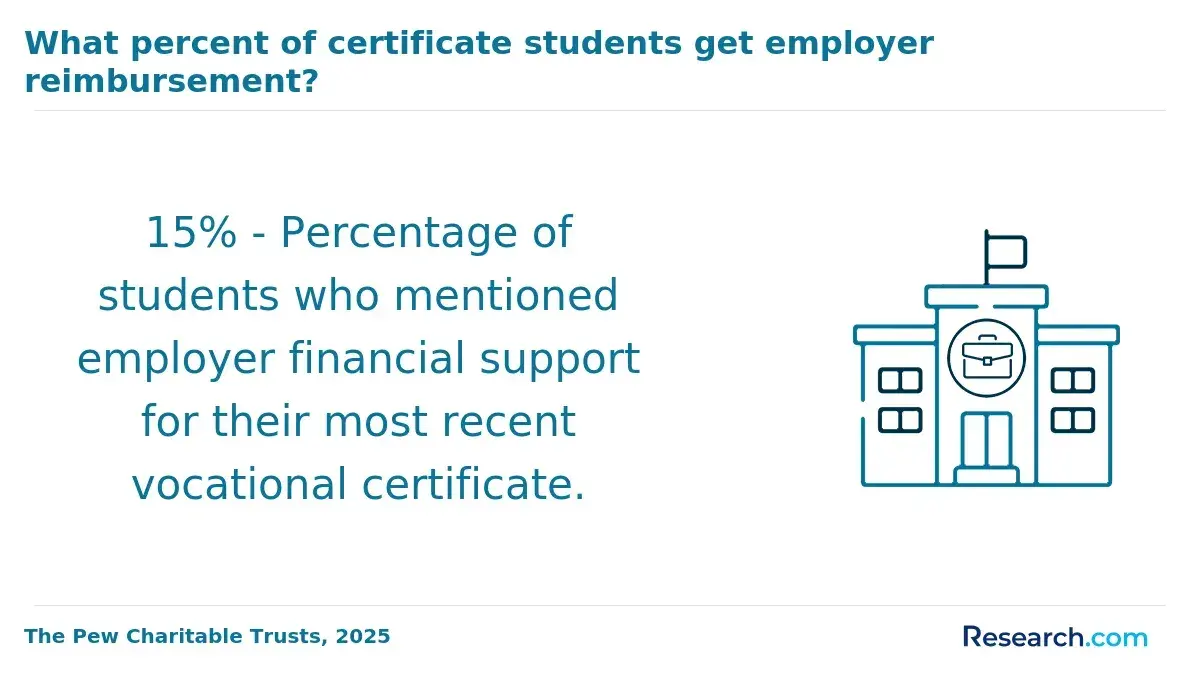
Rolling admissions can help students enter sooner, but financial aid may still follow separate federal, institutional, or scholarship timelines. This is one of the most important trade-offs: a later rolling-admissions acceptance may be valid academically but less favorable financially if grants, scholarships, assistantships, or employer tuition benefits have already been allocated.
The Federal Student Aid office lists a fixed origination fee of 4.228% for Direct PLUS Loans first disbursed during the current federal fee period. For graduate students, that fee matters because doctorate borrowing can be substantial, and the cost is deducted from disbursements rather than paid separately.
Before choosing a start date, applicants should map admissions timing against funding timing. The following steps help prevent a flexible admissions process from becoming an expensive last-minute enrollment decision:
- Submit the FAFSA as early as possible for the aid year tied to your intended start date.
- Ask whether the program has priority scholarship deadlines that are earlier than the rolling application deadline.
- Confirm whether employer tuition reimbursement requires preapproval before the term begins.
- Ask whether assistantships, teaching roles, or research positions are available to online doctoral students.
- Compare total program cost, not just per-credit tuition, including technology fees, residency travel, background checks, internship expenses, and dissertation continuation fees.
- Request a written estimate showing tuition, fees, expected credits, and aid eligibility for your specific start term.
Students should be cautious about choosing the earliest available start date if it forces rushed borrowing decisions. A later start date with better funding clarity can be the stronger financial choice, especially for applicants who are comparing multiple offers.
Rolling admissions can improve access, but it does not eliminate capacity limits. Online programs may still cap enrollment based on faculty advising loads, dissertation supervision, practicum coordination, course sections, residency space, or internship support.
The BLS projects psychologist employment to grow 7% from 2023 to 2033, which is faster than the average for all occupations. For applicants, that labor-market signal supports careful program selection rather than rushing; demand may be favorable, but eligibility for child-focused roles still depends on training quality, supervised experience, and state or employer requirements.
Program availability can vary by start date in ways that are not obvious on admissions pages. Applicants should ask admissions and program staff direct questions before paying an application fee or seat deposit:
- Is the child, adolescent, developmental, school, or clinical concentration open for my desired start term?
- Are all first-year required courses offered in that term, or will I need to wait for a later sequence?
- How many students are typically admitted per cohort, and is the upcoming cohort close to capacity?
- Are online students guaranteed access to dissertation chairs or faculty with child psychology expertise?
- Does the program help arrange practicum or internship placements, or must students secure local sites independently?
- Are residencies, intensives, or orientations tied to specific dates that could conflict with work or caregiving responsibilities?
A useful warning sign is a program that emphasizes fast admission but gives vague answers about faculty access, placement support, dissertation timelines, or licensure outcomes. Rolling admissions should create flexibility, not hide weak academic planning.
Rolling admissions are especially useful when students have timelines that do not match a single annual intake. They can help master's graduates continue without a long gap, working professionals begin after a promotion cycle, school employees align coursework with summer schedules, or career changers apply once prerequisites are complete.
Students comparing adjacent psychology fields may also look at forensic psychology master's programs if their interests involve youth justice, custody evaluation support, victim services, or correctional settings rather than traditional child clinical practice.
The table below shows how different applicants can use rolling admissions strategically. The goal is not always to start as soon as possible; it is to choose the start date that protects academic quality, finances, and career fit.
| Student profile | When rolling admissions helps | When to slow down |
| Working professional | Multiple starts can align enrollment with workload, promotion cycles, or employer tuition approval. | Slow down if the start date overlaps with major job responsibilities or licensure supervision demands. |
| Recent master's graduate | A spring or summer start can reduce the gap between degrees. | Slow down if final transcripts, thesis work, or recommendation letters are not ready. |
| School-based professional | Summer starts may fit teachers, counselors, and school psychologists with seasonal availability. | Slow down if practicum or residency requirements conflict with the school calendar. |
| Career changer | Rolling review may allow application soon after completing prerequisites. | Slow down if more psychology coursework or child-focused experience would improve fit. |
| Licensure-focused applicant | Earlier admission can help begin a long training pathway sooner. | Slow down if accreditation, internship match, or state board alignment is unclear. |
Rolling admissions fit best when the applicant is already prepared and the program clearly supports the desired outcome. They fit poorly when the applicant is using a quick start date to compensate for unclear goals, weak preparation, or unresolved licensure questions.
How Should Students Choose and Apply to Online Child Psychology Doctorate Programs With Rolling Admissions?
The right online child psychology doctorate is not simply the one with the next available start date. It is the program that aligns with your career goal, state requirements, budget, schedule, support needs, and tolerance for online or hybrid learning.
Applicants considering psychology-adjacent careers should also compare earnings and role expectations carefully; for example, resources on how much do forensic psychologists make can help students understand how specialization choices may affect long-term career planning.
Use this application process to compare programs with rolling admissions in a disciplined way. It keeps convenience from overshadowing accreditation, training quality, and financial fit:
- Define your target outcome first, such as licensed psychologist, school psychology leader, developmental researcher, professor, consultant, or nonprofit program director.
- Identify the correct doctorate type for that outcome, including PhD, PsyD, EdD, or specialist-aligned school psychology pathways where relevant.
- Verify accreditation and state licensure alignment before comparing start dates.
- Confirm whether the program is fully online, hybrid, or online with required residencies, intensives, practica, or internships.
- Ask for the exact application, document, financial aid, scholarship, deposit, and orientation deadlines for your intended start term.
- Compare total cost and time to completion, including dissertation, internship, travel, and continuation fees.
- Speak with admissions staff and, when possible, program faculty about cohort size, faculty advising, child psychology expertise, and placement expectations.
- Apply early only when your file is strong; otherwise, use the next start date to improve essays, recommendations, experience, or funding plans.
Rolling admissions are best for students who value flexibility and can act early. Fixed-deadline programs may be better for applicants seeking highly structured cohorts, intensive research mentorship, or competitive funding packages tied to annual review. The strongest decision balances convenience with outcomes: if a program cannot clearly explain how its online format supports child psychology training, licensure preparation, faculty mentoring, and career goals, a faster start date is not enough reason to enroll.
Other Things You Should Know About Child Psychology
It can in some cases, but only if the program meets your state board's requirements for accreditation, supervised practicum, internship, coursework, and exams. Always verify licensure eligibility directly with the state board before enrolling.
Child psychology broadly focuses on children's emotional, cognitive, behavioral, and developmental needs. School psychology usually focuses on learning, assessment, intervention, and mental health services within school systems.
Some doctorate programs admit bachelor's-level applicants, while others require or strongly prefer a relevant master's degree. Applicants without graduate psychology coursework may need prerequisites before doctoral admission.
It may be worth it if the program matches your career goal, licensure needs, budget, schedule, and desired population. It is less likely to be worth it if the program lacks clear accreditation, placement support, or alignment with your state's requirements.
- 25 Psychology Ph.D. Programs Online | GradSchoolHub.com https://www.gradschoolhub.com/best/doctoral-programs-in-psychology/
- How to Pick and Pursue Grad School Psychology Programs - Top Tier Admissions https://toptieradmissions.com/how-to-pick-and-pursue-grad-school-psychology-programs/
- Applying to psychology Ph.D. programs https://www.katenuss.com/advice/applying_to_phd/
- PhD Application Requirements https://www.applykite.com/blog/phd-guide-application-requirements
- Admissions https://www.fielding.edu/admissions/
- Understanding the Differences Between Graduate Degrees in Clinical Psychology – IECA https://www.iecaonline.com/journal-article/understanding-the-differences-between-graduate-degrees-in-clinical-psychology/
- Dates to remember https://www.clearing-house.org.uk/applications/dates-remember
- How to apply for a PhD or professional doctorate https://www.massey.ac.nz/study/about-postgraduate-study/phds-and-professional-doctorates/how-to-apply-for-a-doctoral-degree/
- Apply to a Doctoral Program at CEU https://www.ceu.edu/admissions/doctoral
- How to Apply to Clinical Psychology PhD Programs — TAP Magazine https://tapmagazine.org/all-articles/how-to-apply-to-clinical-psychology-phd-programs


