2027 Online Child Psychology Doctorate vs Master's Degree: Cost, Salary, Career Outcomes, and ROI

Co-Founder and Chief Data Scientist
Choosing between an online child psychology doctorate and a master's degree is a financial and career decision, not just an academic one. BLS data reports a 2024 median wage of $94,310 for psychologists, but many child-focused roles do not require a doctorate.
This guide is for students, career changers, and working professionals comparing cost, licensure, salaries, timelines, and return on investment so they can decide whether the added years and debt of doctoral study are likely to pay off.
Key Things You Should Know
- A master's in child psychology typically takes about 2 to 3 years and can lead to child development, counseling-adjacent, case management, research assistant, and school or community roles, while a doctorate often takes 4 to 7 years and is usually required for independent psychologist licensure.
- The doctorate can unlock higher-ceiling roles, but it also carries greater tuition, internship, dissertation, and opportunity costs; the best ROI depends on whether the target job legally or practically requires a doctoral credential.
- BLS reported a 2024 median wage of $94,310 for psychologists and projects faster-than-average demand for psychologists, but master's-level graduates may enter the workforce sooner and reduce debt risk if their desired role does not require the title "psychologist."
What Are the Key Differences Between an Online Child Psychology Doctorate and Master's Degree?
An online child psychology master's degree usually prepares students for applied, developmental, counseling-support, research, education, or human services roles involving children and adolescents.
A doctorate is a deeper clinical, research, or professional credential that may lead to independent practice, advanced assessment, faculty work, leadership, and licensed psychologist roles, depending on the program and state rules.
The key difference is not simply "more education." It is whether the credential changes what you are legally allowed to do, how independently you can practice, and how much time and debt you must take on before earning full-time professional income.
Students comparing child psychology master's programs should start with the end role they want, then work backward to the required credential.
This table summarizes the practical differences that matter most when comparing value:
| Comparison point | Online child psychology master's degree | Online child psychology doctorate |
| Typical purpose | Applied child development, mental health support, research support, education, program coordination, preparation for some counseling or specialist paths | Advanced clinical practice, psychological assessment, independent licensure, academic research, supervision, senior leadership |
| Common degree types | MA, MS, MEd, counseling-related master's, developmental psychology master's | PhD, PsyD, EdD, school psychology doctorate, clinical or counseling psychology doctorate with child-focused training |
| Licensure impact | May support counseling, therapy, school, or human services credentials depending on state and curriculum; usually not enough for licensed psychologist status | Often required for psychologist licensure, especially clinical psychologist roles; program accreditation and supervised hours matter |
| Online format | More commonly available fully online or with limited fieldwork requirements | Often hybrid because practica, internships, residencies, dissertation defenses, or clinical training may require in-person components |
| Best fit | Students who want faster entry, lower cost, and roles that do not require independent psychologist licensure | Students who need the psychologist title, want to conduct advanced assessments, pursue faculty roles, or lead clinical/research work |
A common mistake is assuming that "child psychology" is itself a single licensed profession. In the U.S., licensure depends on the state, program accreditation, supervised experience, exams, and the exact job title, so a master's and doctorate can lead to very different eligibility even when they sound academically similar.
How Much Does an Online Child Psychology Doctorate Cost Compared With a Master's Degree?
The cost gap between a master's and doctorate can be substantial because doctoral programs usually require more credits, more years of enrollment, and more non-tuition expenses.
NCES graduate tuition data released in 2024 shows that average annual graduate tuition and required fees exceeded $12,000 at public institutions and exceeded $28,000 at private nonprofit institutions, before books, technology, fees, travel, residencies, and living costs are added.
Online delivery can reduce commuting and relocation costs, but it does not automatically make a doctorate inexpensive. Some online doctoral programs charge high per-credit tuition, add residency fees, or require unpaid clinical training blocks that reduce work hours.
Use this table as a decision framework rather than a price quote, because actual costs vary by school, residency status, transfer credit, assistantships, and clinical placement requirements:
| Cost factor | Master's degree impact | Doctorate impact |
| Credits required | Usually fewer total credits, which keeps tuition exposure lower | Usually many more credits, plus dissertation or doctoral project enrollment |
| Years enrolled | Shorter timeline limits annual fee accumulation | Longer timeline increases fees, loan interest, and living-cost exposure |
| Clinical or fieldwork costs | May include practicum or internship, depending on program and licensure pathway | Often includes multiple practica, internship, supervision, assessment materials, and possible travel |
| Online fees | Technology and distance-learning fees may apply | Technology, residency, dissertation, and clinical coordination fees may apply |
| Funding availability | Scholarships and employer tuition assistance may help, but full funding is less common | Research PhD programs may offer assistantships; many professional doctorates are self-funded |
To estimate total cost, do not compare tuition per credit alone. Add the full number of credits, mandatory fees, residency travel, background checks, liability insurance, exam preparation, books, lost income, and loan interest if you borrow:
- Ask each program for a full cost-of-attendance estimate, not only tuition.
- Confirm whether online students pay the same tuition as campus students.
- Ask how many credits students typically take after dissertation or doctoral project delays.
- Check whether practicum, internship, or residency requirements require travel or unpaid time away from work.
- Compare net price after scholarships, assistantships, employer benefits, and transfer credits.
The red flag is a program that advertises a low per-credit rate but does not clearly disclose total credits, required fees, practicum costs, or average time to completion.
How Long Does a Child Psychology Doctorate Take Compared With a Master's Degree?
A master's degree is usually the faster route. Many online child psychology master's programs can be completed in about 2 years of full-time study or 3 years part time, while doctoral programs commonly take 4 to 7 years because they include advanced coursework, research methods, supervised practice, comprehensive exams, internships, and a dissertation or doctoral project.
Time matters because every additional year in school can delay full-time earnings, promotions, retirement contributions, and employer benefits. A doctorate can still be worth it, but only when the career outcome requires or strongly rewards the credential.
This table shows how timeline differences affect planning:
| Timeline issue | Master's degree | Doctorate |
| Coursework | Usually concentrated in core theory, research, development, assessment basics, and applied practice | More advanced theory, statistics, assessment, intervention, ethics, and specialization |
| Fieldwork | May be required if the program is aligned with counseling, school, or applied practice credentials | Usually extensive and sequenced across practicum, internship, and postdoctoral requirements for some licenses |
| Research component | May include a thesis, capstone, or applied project | Often includes dissertation, doctoral project, publishable research, or advanced evaluation work |
| Work compatibility | Often more compatible with full-time employment | Possible in some programs, but clinical placements and dissertation work may reduce flexibility |
| Time-to-value | Faster transition into qualifying roles | Longer runway before full credential payoff |
Part-time study can make either path more manageable, but it can also increase total elapsed time. Before enrolling, ask whether the program has maximum completion limits, required synchronous sessions, annual residencies, and specific practicum schedules that could conflict with work or caregiving responsibilities.
Salary comparisons are complicated because "child psychology" can point to several labor markets: licensed psychologists, school psychologists, counselors, social service managers, child development specialists, researchers, and education roles.
The clearest salary premium appears when the doctorate is required for a higher-paid licensed psychologist, assessment, faculty, or leadership role.
BLS reported a 2024 median annual wage of $94,310 for psychologists. That figure is useful as a doctorate-relevant benchmark, but it should not be treated as the expected salary for every graduate because pay varies by license, state, employer, specialty, and experience.
This table compares likely salary positioning rather than promising specific earnings:
| Career category | Master's-level positioning | Doctorate-level positioning |
| Child and adolescent services | May qualify for program coordination, family support, case management, behavioral support, or developmental services roles | May qualify for senior clinical, diagnostic, supervisory, or director-level roles when paired with licensure |
| Clinical psychology | Usually not enough for licensed psychologist status; may support related counseling pathways if the curriculum meets state rules | Often required for licensed clinical psychologist roles, psychological testing, and independent diagnosis |
| School settings | May support some school psychology or educational specialist pathways, depending on state and credential structure | May support advanced school psychology, leadership, assessment, or faculty roles |
| Research | Often supports research assistant, coordinator, or evaluation roles | Better aligned with principal investigator, tenure-track, advanced research, and grant leadership roles |
| Forensic or court-adjacent child work | May support victim advocacy, case coordination, or related applied roles | May support expert evaluation work if combined with appropriate licensure and specialization |
Students considering child-related legal, custody, or juvenile justice work should also compare adjacent specialties; salary context for how much do forensic psychologists make can help clarify whether a psychology doctorate is necessary for the exact role or whether a master's-level pathway may be enough.
The practical takeaway is that doctoral salaries may be higher at the top end, but the salary premium must be large enough to offset extra tuition, additional years out of the workforce, loan interest, and delayed retirement savings.
A child psychology doctorate can unlock roles that require doctoral-level assessment, diagnosis, research, supervision, or independent clinical authority. A master's degree can still be valuable, especially for students who want to work with children and families but do not need the legal title of psychologist.
Career opportunities should be compared by credential requirement, not by job title alone. Some roles sound clinical but require a counseling license; others sound psychological but are actually research, education, or program roles where a master's can be sufficient.
The following comparison shows where the doctorate most clearly changes career access:
| Career goal | Master's degree may be enough when... | Doctorate is usually stronger or required when... |
| Working directly with children and families | The role involves support, education, program delivery, behavior intervention, or supervised services | The role involves independent diagnosis, complex assessment, treatment planning, or clinical supervision as a psychologist |
| Becoming a licensed therapist | The program is designed for counseling, marriage and family therapy, social work, or a state-recognized license pathway | The goal is licensed psychologist status rather than counselor, therapist, or social worker licensure |
| Psychological testing | The role is limited, supervised, or technician-oriented | The role includes full interpretation, diagnosis, reports, and independent assessment authority |
| Academic research | The role is research coordination, data collection, or applied evaluation | The goal is tenure-track faculty work, grant leadership, or independent scholarship |
| Clinical leadership | The employer values experience and a master's license for management roles | The organization requires a licensed psychologist, clinical director, or doctoral-level supervisor |
If your goal is therapy with children rather than the psychologist title, compare child psychology with counseling and clinical psychology pathways. For example, online clinical psychology masters options may be relevant if the curriculum, practicum, and state requirements align with your intended license.
Before choosing either degree, take these practical steps:
- Choose three target job titles and collect real postings from your state.
- Identify the required degree, license, supervised hours, and preferred experience listed in those postings.
- Check your state psychology, counseling, marriage and family therapy, social work, or education board requirements.
- Ask programs to show where recent graduates work, not just what careers the website says are possible.
- Compare whether a master's license, doctoral psychology license, or nonclinical child development credential is the best fit.
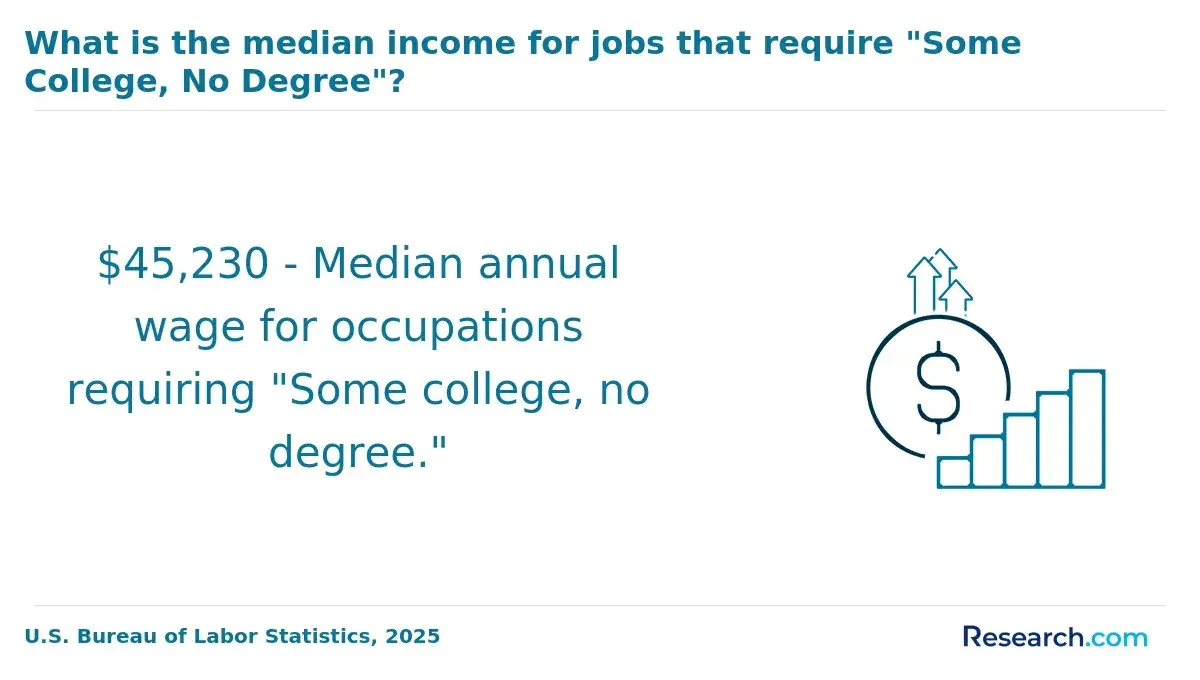
The better ROI depends on the career target. A master's degree often has stronger short- to mid-term ROI when it qualifies you for the work you want because it costs less, takes less time, and allows earlier full-time earnings.
A doctorate may have better long-term ROI when it is necessary for licensed psychologist roles, advanced assessment, academic careers, or higher-paying leadership positions.
A useful ROI comparison should include both financial and professional returns. Salary alone is too narrow because autonomy, licensure, job stability, specialization, geographic mobility, and career ceiling also matter.
Use this table to compare ROI by decision factor:
| ROI factor | Master's degree advantage | Doctorate advantage |
| Upfront cost | Usually lower total tuition and fees | Can be favorable if fully funded or heavily funded |
| Speed to workforce | Earlier completion and earlier earnings | Longer training may lead to advanced roles later |
| Career ceiling | Good for many applied, support, counseling-adjacent, and program roles | Higher ceiling for independent practice, assessment, academia, and senior clinical authority |
| Debt risk | Usually lower if borrowing is limited | Higher if self-funded, especially in private professional programs |
| Licensure value | Strong if the master's leads to the license you need | Strong if psychologist licensure is the goal |
To calculate your own ROI, compare the total incremental cost of the doctorate against the incremental earnings and career access it creates beyond the master's. The "incremental" part matters: the doctorate should be judged by what it adds over the master's, not by the full salary of the future job.
- Estimate total master's cost after aid.
- Estimate total doctorate cost after aid, including years beyond the master's.
- Estimate realistic earnings during and after each pathway using local job postings and BLS occupation data.
- Subtract income you give up while studying or completing unpaid internships.
- Factor in loan interest, licensure costs, exam fees, and delayed retirement contributions.
- Decide how many years it would take for the doctorate's added earnings or career options to repay the added cost.
A common mistake is counting the doctorate as "worth it" simply because doctoral roles can pay more. The better question is whether the doctoral premium in your target market is large and reliable enough to justify the extra years, debt, and risk.
Opportunity cost is the value of what you give up while pursuing a degree. For a master's student, opportunity cost may be limited to 2 or 3 years of part-time study or reduced work hours.
For a doctoral student, it may include several additional years of lower earnings, limited geographic flexibility, unpaid clinical requirements, and delayed advancement.
This cost is especially important for online learners because many choose online programs to keep working. If a doctoral program requires daytime practica, in-person residencies, or a full-time internship, the online format may not eliminate the earnings trade-off.
The opportunity-cost comparison is easiest to see across major life and career categories:
| Opportunity cost category | Master's degree | Doctorate |
| Lost or reduced wages | Often lower because programs are shorter and more work-compatible | Can be substantial during practica, internship, dissertation, or full-time study periods |
| Promotion timing | May allow faster credential-based advancement | May delay advancement until licensure or degree completion |
| Retirement savings | Less time away from employer-sponsored contributions | More years may pass before higher earnings and contributions begin |
| Family and caregiving | Often easier to schedule part time | More difficult if clinical placements are fixed or geographically limited |
| Career flexibility | Allows earlier testing of the field before committing to doctoral study | Can narrow focus but deepen specialization |
One practical approach is to treat the master's as a checkpoint. If the master's gets you into your desired child-focused role, you can build experience, reduce debt, and decide later whether the doctorate is needed for advancement. If you already know you need psychologist licensure, entering a coherent doctoral pathway may prevent duplicated credits and wasted time.
Financial aid can change the ROI calculation more than almost any other factor. A self-funded professional doctorate with high tuition can produce a very different return than a funded research PhD with tuition remission and a stipend, even if both lead to similar credentials.
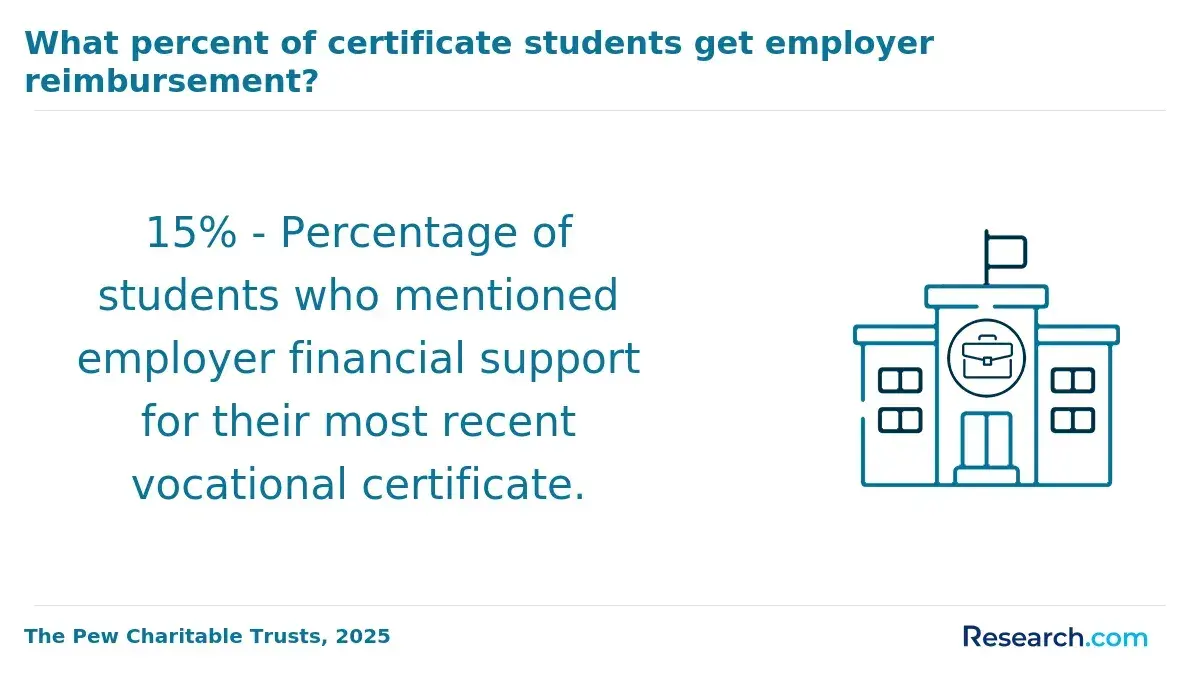
Federal loan terms also matter. For the 2025-26 award year, federal graduate Direct Unsubsidized Loans carry a 7.94% interest rate and Grad PLUS Loans carry an 8.94% rate. That means borrowing more for a longer doctoral pathway can increase total repayment costs significantly if interest accrues while you study.
This table compares funding considerations by degree level:
| Funding issue | Master's degree | Doctorate |
| Scholarships | May be available, but amounts vary widely | May be available, especially in research-focused departments |
| Assistantships | Less common, though some programs offer graduate assistant roles | More common in PhD programs than self-funded PsyD or professional doctorates |
| Employer tuition assistance | Often easier to use because the program is shorter and job-compatible | May help, but annual caps may cover only a fraction of doctoral tuition |
| Federal loans | Lower total borrowing may reduce repayment pressure | Higher borrowing can magnify interest and repayment risk |
| Loan forgiveness | Possible for qualifying public service roles and eligible federal loans | Potentially valuable, but should not be the only reason to take on high debt |
Before enrolling, ask financial aid and program staff these questions:
- What is the average total debt among graduates who borrowed?
- What share of students receive assistantships, tuition remission, stipends, or scholarships?
- Are funding offers guaranteed for multiple years or renewed annually?
- Do online students qualify for the same aid as campus students?
- What happens financially if dissertation, internship, or practicum completion takes longer than expected?
A major red flag is a doctoral program that requires high borrowing but provides weak outcome data, unclear licensure alignment, or little support for securing supervised placements.
Not all doctorates have the same ROI. A professional doctorate, such as a PsyD or practice-focused EdD, is usually built around applied practice, leadership, or service delivery.
A research doctorate, such as a PhD, is usually built around scholarship, methods, teaching, grants, and original research. A master's degree may be a better fit than either doctorate if the goal is applied work that does not require doctoral authority.
The choice becomes clearer when you compare the type of work each credential is designed to support:
| Credential type | Primary focus | Best fit | ROI caution |
| Master's in child psychology or related field | Applied child development, research support, counseling-adjacent preparation, education and family services | Students seeking faster entry into child-focused roles or a pathway to some master's-level licenses | May not qualify for psychologist licensure or independent psychological testing |
| Professional doctorate | Clinical practice, assessment, supervision, leadership, applied intervention | Students who want licensed practice, advanced assessment, or senior applied roles | Can be expensive if self-funded; internship and licensure outcomes are critical |
| Research doctorate | Research design, statistics, scholarship, teaching, grants, theory development | Students pursuing academia, research leadership, policy analysis, or scientist-practitioner roles | May be less ideal if the student wants only applied service delivery and not research |
Specialization also matters. Students interested in child maltreatment, juvenile justice, competency, custody, or court-related evaluations may compare child psychology with forensic psychology master's programs, but forensic roles involving independent psychological opinions often require doctoral licensure and specialized experience.
The common mistake is choosing a doctorate based on prestige rather than function. A research-heavy PhD may not be the fastest route to applied practice, while a practice-heavy PsyD may not be the best route to a tenure-track research career.
When Is a Child Psychology Doctorate Worth It Instead of a Master's Degree?
A child psychology doctorate is worth considering when the job you want requires doctoral-level licensure, advanced assessment authority, university faculty credentials, or senior clinical leadership.
It is less likely to be worth the added cost if a master's degree already qualifies you for the work you want and the doctorate would mainly add prestige rather than access.
The best choice depends on your target role, tolerance for debt, timeline, funding, and willingness to complete supervised practice. Use the following decision rules as a practical filter:
- Choose the master's if you want faster entry into child and family services, program work, research coordination, school or community roles, or a master's-level license that your state recognizes.
- Choose the doctorate if your goal is licensed psychologist status, independent psychological assessment, clinical supervision as a psychologist, academic research, or senior roles that explicitly require a doctoral credential.
- Avoid the doctorate for now if you are unsure about clinical psychology, cannot verify licensure alignment, would need to borrow heavily, or have not compared real job postings in your state.
- Avoid stopping at the master's if every target job you want requires a doctorate, internship, postdoctoral hours, and psychologist licensure.
Students comparing alternatives should also consider whether a counseling, social work, school psychology, clinical psychology, or forensic pathway better matches the work they want. The right degree is the one that meets credential requirements with the least unnecessary cost and delay.
Before you commit, complete this final checklist:
- Verify regional accreditation and, where relevant, programmatic accreditation or recognition needed for licensure.
- Confirm whether the online format includes required residencies, synchronous classes, practica, or internships.
- Ask for graduate outcome data by degree level, including licensure exam pass rates where applicable.
- Compare total cost after aid with expected earnings in your state and specialty.
- Review transfer-credit, prior-master's, and advanced-standing policies if you might continue from a master's into a doctorate.
- Speak with your state licensing board before relying on admissions claims about eligibility.
The strongest ROI usually comes from a clear match between credential and career goal. If the doctorate gives you legal authority, specialization, and career access you cannot otherwise obtain, it may be worth the added investment. If it does not, the master's may be the smarter financial and professional choice.
Other Things You Should Know About Child Psychology
Some coursework may be online, but many doctoral programs require in-person residencies, supervised practica, internships, assessments, or dissertation activities. For licensure-focused programs, expect at least some face-to-face training requirements.
Employers usually focus on accreditation, licensure eligibility, supervised experience, and the reputation of the institution rather than online delivery alone. A properly accredited online or hybrid program is generally stronger than an unaccredited program with convenient scheduling.
No. Child psychology may focus on development, behavior, assessment, and research, while counseling or therapy degrees are often structured around state licensure as a counselor, marriage and family therapist, or related provider. Always compare curriculum to state licensing requirements.
It depends on the program and your background. Some doctoral programs admit students directly after a bachelor's degree, while others prefer or require graduate preparation. A master's can strengthen readiness, but it may add cost if credits do not transfer.
- Master’s in Social Work vs. Master’s in Psychology https://socialworklicensemap.com/social-work-resources/comparing-social-service-degrees/social-work-vs-psychology/
- Jobs With A Master's Degree In Psychology | Psychology.org https://www.psychology.org/resources/jobs-with-a-masters-in-psychology/
- 2025 Most Affordable Online Master's Degrees in Child Development https://www.onlineu.com/most-affordable-colleges/child-development-masters-degrees
- Should I Get a Master's Or Doctorate Degree in Sports Psychology? https://www.sportspsychology.org/articles/masters-or-doctorate-degree/
- Is Grad School Worth It? A Comprehensive Return on Investment Analysis - FREOPP https://freopp.org/whitepapers/is-grad-school-worth-it-a-comprehensive-return-on-investment-analysis/
- Top 5 Highest-Paying Psychology Careers - Rivier Academics https://www.rivier.edu/academics/online/resources/program-resources/top-5-highest-paying-psychology-careers-rivier-university/
- Return on Investment For an Online Psychology Degree https://www.onlinepsychologydegrees.com/articles/return-on-investment-for-an-online-psychology-degree/
- What can you do with a master's in psychology? | edX https://www.edx.org/resources/what-can-you-do-with-a-masters-in-psychology
- 2025's Most Affordable Online Master’s Degrees in Psychology https://www.onlinemastersdegrees.org/most-affordable/psychology-programs/