2027 Job Placement Rates for Environmental Science Master's Graduates: Employment Outcomes

Co-Founder and Chief Data Scientist
Graduates of environmental science master's programs often confront critical questions about how swiftly and effectively their degrees translate into meaningful employment, especially amid shifting employer priorities and sectoral demands. Placement rates vary widely depending on industry focus, geographic location, program specialization, and practical experiences like internships.
Recent workforce data from the U. S. Bureau of Labor Statistics highlights rising demand in sustainable resource management roles, yet also underscores regional disparities and employer preference for hands-on expertise. Understanding these nuances equips prospective and returning students to choose programs that align with their career ambitions and optimize timely, competitive entry into the environmental sector.
Key Things to Know About the Job Placement Rates for Environmental Science Master's Graduates
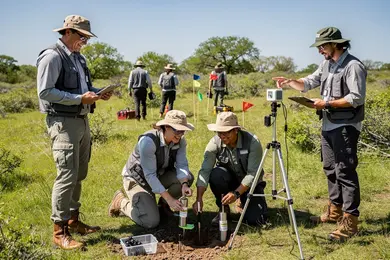
- Graduates with internship experience in government or consulting sectors see 25% faster job placement, highlighting employer preference for applied skills, but this can extend degree duration and increase upfront costs.
- Urban-centric programs correlate with higher salary offers due to concentrated industry demand, yet rural graduates often face slower recruitment, revealing geographic tradeoffs affecting long-term career mobility.
- Specializations in climate resilience attract stronger employer recognition than generalized tracks, influencing hiring decisions and demanding deliberate program choices aligned with evolving environmental priorities.
What Are the Typical Job Placement Rates for Environmental Science Master's Graduates?
Job placement rates for environmental science master's graduates reflect a complex blend of employment types and timelines, requiring careful interpretation beyond face-value percentages. For instance, a graduate securing a full-time role directly linked to environmental policy within six months of graduation signals strong market alignment, whereas placement data that includes part-time roles, unpaid internships, or enrollment in further study can inflate perceived success.
Prospective students should rigorously evaluate the methodology behind published job placement figures, recognizing that some programs in their reporting define employment broadly, including roles with limited relevance to core environmental science functions, while others maintain stricter criteria.
This variability means average employment outcomes for environmental science master's degree holders reported across the U.S. can range widely, necessitating scrutiny of each program's reported data source and definitions to gauge realistic prospects.
- Definition: Job placement rate measures the percentage of graduates who secure employment or continue education within a set period after completing their degree, differentiated by role relevance and employment type.
- Typical Rates: Full-time, field-related employment rates generally range between 75% and 85%, with higher rates reported when broader employment or education is included.
- Data Sources: Reliable figures come from NCES statistics, BLS labor market analyses, and transparent program outcome reports that disclose their methodologies.
- Variability: Rates vary according to how employment is defined, sectoral demand, geographic region, and program focus areas, making comparisons tricky without standardized criteria.
- Interpretation Advice: Scrutinize methodology notes of published rates to understand definitions used, timing of measurement, and inclusion criteria for employed or enrolled graduates.
Ultimately, analyzing the exact criteria behind job placement statistics protects you from miscalculating the real return on your graduate investment. If you are currently exploring what can you do with an environmental science degree, ensuring your target curriculum aligns with verified, field-specific workforce data is essential.
This careful scrutiny allows you to separate inflated data from true market demand, ensuring you select a specialization that directly translates into stable, full-time professional employment.
How Does Environmental Science Master's Graduate Employment Compare to the National Average?
Graduates with a master's degree in environmental science generally experience employment outcomes that align with or slightly surpass the national average for all master's holders, but the practical implications vary widely by context. For example, a recent graduate in the Pacific Northwest may secure relevant environmental roles faster than a peer in a region with fewer green industry employers, highlighting geography's critical influence on job placement.
Comparison of environmental science master's employment rates against national benchmarks from the U.S. Bureau of Labor Statistics Occupational Outlook Handbook and National Center for Education Statistics reports reveals important nuances.
While many environmental science graduates attain solid placement within six months post-graduation and approach full employment within a year, these outcomes hinge heavily on sector demand, credential specificity, and regional labor market conditions. Interpreting these employment statistics requires attention to how each data source defines "employment," including variations around part-time or related-field work, which complicates straightforward benchmarking.
- Employment Rates: Environmental Science master's graduates often meet or slightly exceed average employment rates reported for all master's graduates at six months, with increased alignment visible by one year; this reflects rising environmental regulatory frameworks and sustainability priorities.
- Field Demand: Specialized skills in environmental data analysis, policy development, and natural resource management drive demand, though these fluctuate with economic cycles and sectoral investment.
- Credential Specificity: The technical and applied nature of many environmental science programs caters closely to employer expectations, helping graduates distinguish themselves relative to broader science disciplines.
- Regional Labor Markets: Strong environmental sectors in areas such as the West Coast and Northeast produce more immediate employment opportunities, while graduates in less developed markets may face delays or require geographic mobility.
- Data Source Definitions: Divergent employment classifications by BLS and NCES necessitate cautious cross-study comparison, especially regarding contract, part-time, or related employment categories.
Which Industries and Sectors Hire the Most Environmental Science Master's Graduates?
Graduates holding a master's in environmental science commonly find that employment opportunities concentrate within a few dominant sectors, a reality that shapes how candidates should weigh career flexibility versus specialization. According to IPEDS graduate outcome data combined with insights from professional associations and BLS industry-occupation statistics, government agencies represent the largest hiring sector.
For example, regulatory and resource management roles at federal and state levels favor those with relevant internships or thesis research experience, highlighting the advantage of practical engagement during graduate studies.
- Government: The primary employer group, comprising federal, state, and local agencies. Roles emphasize regulatory compliance, environmental policy, and natural resource stewardship, best suited for graduates with specialized knowledge and applied fieldwork.
- Private Consulting: Firms focused on environmental impact assessment, remediation, and sustainable planning frequently recruit environmental science master's graduates. This sector rewards combined technical expertise and communication skills, especially in practical concentrations like GIS or toxicology.
- Nonprofit and Advocacy: Though smaller in scale, nonprofit organizations engage graduates focused on community education and conservation efforts. Job availability here varies with regional economic conditions and funding cycles.
- Education and Research: Candidates pursuing thesis tracks or advanced specialization often gravitate to universities and independent research roles, though geographic limitations and competition make these positions selective.
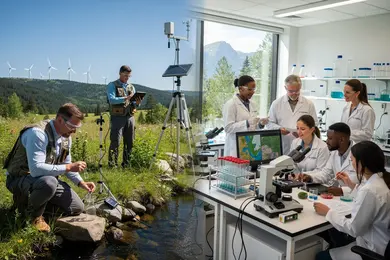
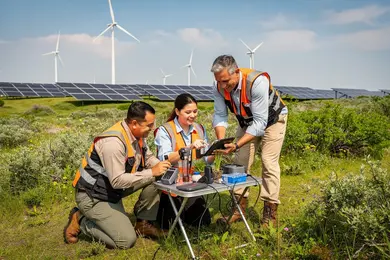
- Technology and Industry: An emerging sector including clean energy and manufacturing favors interdisciplinary skills blending environmental science with data analytics or engineering, reflecting growing demand for innovation-driven solutions.
This uneven distribution of environmental science master's graduate employment by sector underscores the importance for prospective students to consider their specialization and regional market dynamics carefully. For instance, those concentrating on water resources are more likely to secure roles in drought-affected areas, while air quality specialists may find greater opportunities in urban centers.
Balancing these factors with degrees like the cheapest online master's degree in psychology or others requires an informed approach to program and career selection.
What Types of Job Titles Do Environmental Science Master's Graduates Most Commonly Hold?
Graduates holding a master's degree in environmental science typically enter roles that vary widely based on prior experience, program concentration, and sector engagement. Job titles listed in program outcomes and labor market data reveal important distinctions between entry-level positions, which often emphasize hands-on technical work, and mid- to senior-level roles that denote leadership, strategic planning, or niche expertise.
This differentiation matters when evaluating how the degree translates into employability and career trajectory.
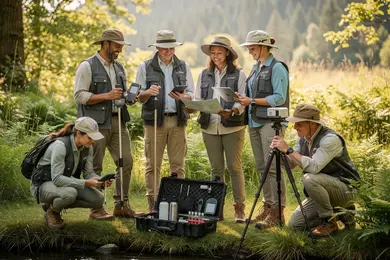
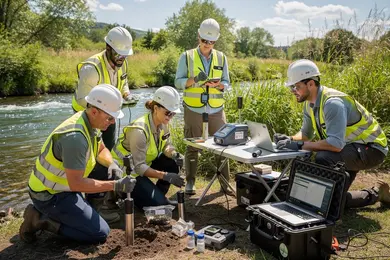
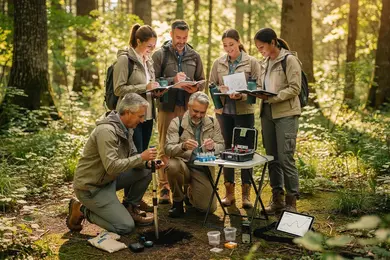
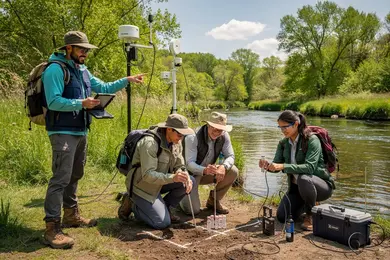
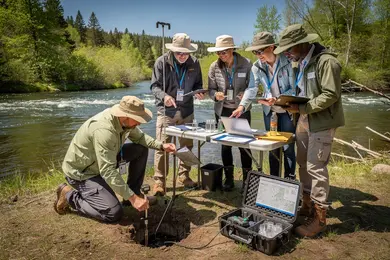
- Environmental Scientist: Commonly a starting or intermediate role, this position involves data analysis, fieldwork, and regulatory compliance support across government, consulting, and nonprofit sectors.
- Environmental Consultant: Frequently held by those with internship experience, this title merges technical knowledge with client-facing advisory functions on sustainability and regulatory challenges.
- Environmental Specialist: Often found in corporate and public agencies, this role centers around environmental monitoring, reporting, and conservation project implementation at various career stages.
- Natural Resources Manager: Typically mid-career, this job requires managing natural assets like land and water, demanding relevant experience paired with the master's credential.
- Environmental Project Manager: A senior-level title reflecting oversight of multidisciplinary teams, budgeting, and strategic project direction, reliant on advanced skills and post-degree experience.
Job title data serve as practical markers for graduates to investigate current market openings and calibrate realistic expectations. Sectoral focus, location, and experiential distinctions heavily influence access to these roles, indicting the necessity of strategic internship and networking efforts for timely employment.
One environmental science master's graduate recalled a protracted application phase during a rolling admissions cycle. Early interest in the degree was punctuated by hesitation due to competing offers and uncertain funding. They tracked shifts in application demands and funding rounds closely, ultimately deciding to submit after confirming an internship opportunity aligned with their career goals.
This experience underscored the importance of timing and preparedness, as program logistics and market feedback shaped their acceptance window and initial job target.
How Soon After Graduation Do Environmental Science Master's Graduates Typically Find Employment?
Graduates of environmental science master's programs typically confront a range of employment timelines influenced by sectoral demands, location, and program emphasis. Crucially, most data differentiate between time-to-offer-the moment a formal job offer is secured-and time-to-start, when employment actually commences. These intervals can diverge significantly due to onboarding, relocation, or contractual delays, affecting momentum and income flow.
Many programs include graduates who begin their job search before degree completion in their placement metrics, which may create an appearance of quicker employment outcomes than experienced by those starting post-graduation. Prospective students should clarify whether reported rates reflect outcomes measured at three, six, or twelve months after finishing, as the length of the placement window materially shapes the reported success rate.
- Industry Sector: Consulting firms often expedite hiring compared to government or nonprofit employers, where bureaucratic processes introduce longer waits.
- Geographic Location: Urban centers with active environmental sectors frequently offer faster placement opportunities than rural or less economically dynamic areas.
- Internship Impact: Relevant internship or research experience markedly accelerates job acceptance and aligns roles more closely with career objectives.
- Employer Perception: Hiring decisions reflect program reputation and degree concentration, influencing both time to offer and quality of positions obtained.
Understanding these nuances enables informed decision-making about expectations after graduation, highlighting the value of early networking and targeted experiential learning to bridge the gap between degree completion and meaningful employment.
What Is the Average Salary for Environmental Science Master's Graduates in Their First Job?
Starting salaries for environmental science master's graduates in their first job fluctuate significantly due to several decisive factors, making it essential for candidates to interpret salary data within practical hiring contexts.
For recent bachelor's graduates exploring entry-level environmental science master's degree salaries in the United States, expecting a uniform figure can be misleading. Employers in diverse sectors value different skill sets, and salary offers often reflect this heterogeneity along with geographic and experiential considerations.
- Industry Sector: Graduates entering government or nonprofit environmental roles typically receive starting salaries between $45,000 and $55,000, while those hired by private consulting, energy, or technology firms often see offers from $60,000 up to $75,000. This differential underscores the tradeoff between public service goals and financial compensation.
- Geographic Region: Location heavily influences pay, with urban or coastal areas like California and the Northeast offering salaries above the national average due to higher costs of living. Conversely, rural or lower-cost regions tend to provide more modest starting pay, impacting real income and lifestyle from the outset.
- Program Selectivity and Concentration: Graduates from highly selective or research-intensive programs, particularly those with specialized tracks such as environmental engineering or sustainability management, generally earn 5-15% more than peers from broader programs, reflecting employer preferences for targeted expertise.
- Career Stage and Experience: Individuals pursuing their degree to advance or switch careers usually command higher initial salaries compared to fresh entrants, as prior experience grants stronger negotiation positions and quicker earning trajectories.
- Use Multiple Data Sources: Given that median salary numbers often represent a self-selected group disclosing compensation, prospective students should triangulate data using sources such as the BLS Occupational Employment and Wage Statistics, NACE salary surveys, and professional association reports to establish realistic expectations.
Assessing these variables provides a more actionable framework for interpreting the average salary for environmental science master's graduates first job offers. For those seeking career redirection, weighing salary against industry norms is crucial. Additionally, those considering specialized degrees or programs should factor in potential salary premiums balanced against program costs and personal goals.
Exploring salary landscapes carefully also aligns with broader decisions about whether to pursue credentials such as a UI degree, where affordability and return on investment vary widely. The complexities in this space demand nuanced analysis rather than reliance on simplistic median salary data alone.
How Do Environmental Science Master's Program Rankings Affect Graduate Employment Outcomes?
Highly ranked environmental science master's programs do not guarantee superior graduate employment outcomes as much as common perception suggests. While rankings offer a general sense of prestige, their direct correlation to job placement is diluted by operational realities influencing career success.
Research indicates that practical metrics like regional industry connections, targeted specializations, and concrete employer engagements consistently have stronger effects on employment trajectories than rank alone.
Key determinants influencing post-graduation employment include:
- Location: Programs located near thriving environmental sectors or policy centers typically grant easier access to relevant employers and internships, translating into faster job acquisition.
- Alumni Network Strength: Robust graduate communities facilitate insider referrals and mentorship, proving critical in navigating competitive job markets.
- Employer Partnerships: Formal collaborations with environmental agencies and companies foster structured hiring pipelines stronger than ranking prestige can provide.
- Program Concentrations: Specialties such as climate resilience or conservation policy align more closely with labor market demands, often outweighing general program reputation.
- Outcome-Specific Data: Transparency in graduate placement rates and salary benchmarks gives a more grounded measure of job prospects than ranking badges.
One graduate recounted that during a rolling admissions period, hesitation about selecting a highly ranked program delayed application submission. This led to acceptance at a less prestigious school with stronger local industry ties. Despite initial uncertainty, the graduate found that the practical internships and employer contacts gained there directly benefited employment prospects more than the allure of rankings they initially pursued.
This experience highlights how timing, program fit, and access to tangible career resources can outweigh rankings when securing early post-master's opportunities.
What Role Does Geographic Location Play in Environmental Science Master's Graduate Job Placement?
Geographic location profoundly shapes job placement rates and employment outcomes for environmental science master's graduates by influencing access to employers, internships, and professional networks crucial for early career success.
Enrollment data from state-level labor statistics confirm that programs situated in or near major metropolitan areas with dense environmental sectors typically facilitate faster transitions to employment compared to those located in more rural or less industry-concentrated regions.
Graduates who seek work near their program's location often benefit from established on-campus recruiting efforts and localized alumni connections, which many employers consider favorably during hiring and salary negotiations.
- Employment Density: Graduates near major metropolitan hubs or regions with high environmental industry concentration typically experience quicker job placements due to greater availability of relevant positions and employer demand documented in BLS state-level data.
- On-Campus Recruiting: Programs positioned in or near industry centers often facilitate targeted recruiting events and internships, allowing students to build relationships with employers before graduation, which can shorten job search timelines.
- Alumni Networks: Strong localized alumni connections support networking and mentorship that directly influence hiring, salary negotiations, and long-term career advancement, favoring students who remain in or near their program's geographic area.
- Relocation Challenges: Graduates relocating after finishing their degree may face slower employment outcomes, as they lack local professional ties and may encounter regional variations in employer preferences and compensation structures.
- Geographic Flexibility: Those willing and able to move should weigh how well potential programs align geographically with their target employment markets, as this alignment can enhance access to high-quality job placements and growth opportunities.
- Local Employer Relationships: Students anchored to a specific geography should prioritize programs with proven engagement and partnerships within that region's environmental sector to maximize employment prospects postgraduation.
These realities imply a critical tradeoff for prospective students: prioritizing geographic proximity to employment hubs can reduce time-to-hire and enhance salary prospects, but may limit flexibility if one later decides to relocate.
Conversely, geographic flexibility means programs should be evaluated not only on academic merits but also on alignment with target job markets, which has been substantiated by regional employment patterns documented for environmental science master's graduate job placement rates by region. When geographic constraints exist, choosing programs with robust local employer networks proves essential.
For students considering a career shift or returning to study after workforce experience, understanding these dynamics is key to ensuring their credentials translate into sustainable employment outcomes. For those exploring interdisciplinary options, comparing targeted programs such as those highlighted in best online architecture degree research can provide useful insight into how geographic and industry factors intersect across fields.
How Do Internship and Practicum Experiences Influence Environmental Science Master's Employment Rates?
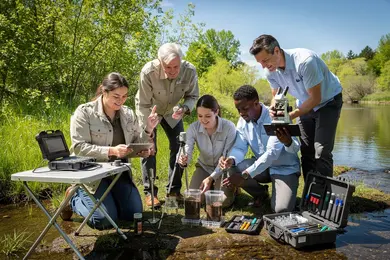
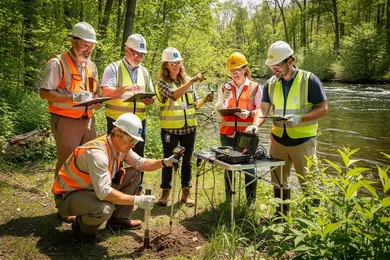
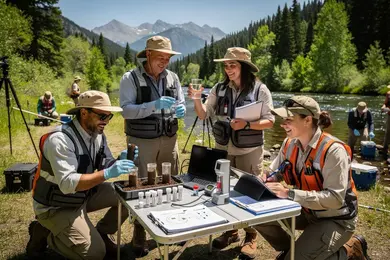
Internship and practicum experiences critically shape job placement rates for environmental science master's graduates by providing practical exposure that traditional academics rarely achieve. Employers prioritize candidates who demonstrate real-world problem-solving skills and workplace adaptability, making applied learning a decisive factor in early career progression.
For example, graduates who complete structured internships or practicums within their chosen environmental sectors often transition more quickly into roles with competitive salaries than those without such credentials. The ability to network and secure professional references during these experiences also materially improves employment prospects.
The impact of practicum experience and employment success in environmental science is closely tied to program design. Thesis track programs sometimes focus more on research competencies, while professional or hybrid tracks are more likely to embed internships and applied projects systematically.
Evaluating an environmental science master's program requires scrutiny beyond the mere presence of an internship requirement to include the quality and relevance of placements and the strength of institutional employer connections aligned with target industries.
The delivery format of a master's program influences both educational and financial outcomes, affecting overall degree value. Consider these factors when assessing program options:
- Cost Structure: Synchronous live-online programs generally have higher per-credit tuition due to faculty availability and scheduling demands.
- Scalability: Asynchronous formats allow larger enrollments with fewer incremental costs, typically lowering tuition per credit.
- Time Constraints: Fixed schedules in synchronous programs may elongate time-to-degree for working professionals, increasing total expenses.
- Additional Expenses: Hybrid formats requiring campus visits can add travel and lodging costs, impacting affordability.
- Fit and Efficiency: The optimal format aligns with personal commitments to facilitate timely completion and labor market entry.
Recent bachelor's graduates, working professionals, and adult learners considering graduate studies should also review options like online colleges starting this month to identify programs balancing experiential rigor with flexible delivery formats that support career and life demands. These decisions are central in leveraging internship impact on environmental science master's job placement and ensuring that practicum experience translates into sustained employment success.
What Career Services and Job Placement Support Do Environmental Science Master's Programs Offer?
The quality and sophistication of career services in environmental science master's programs significantly shape graduates' employment timing and opportunities. Programs with extensive career support often accelerate placement by bridging academic credentials with market demands, especially for students transitioning from unrelated fields or entering saturated local job markets.
Without measurable evidence of service utilization and outcome effectiveness, claims about career support remain superficial, potentially obscuring real barriers to employer access and salary competitiveness.
Highly resourced programs provide a structured career services ecosystem that includes:
- Dedicated Career Advising: Advisors with sector-specific expertise help students tailor their academic trajectories to employer expectations, improving job search focus and readiness.
- Employer Recruiting Events: In-person or virtual career fairs and targeted recruiting sessions connect students with government agencies, NGOs, consulting firms, and environmental industry employers to reduce reliance on public job postings.
- Alumni Mentorship Platforms: These facilitate informational exchanges that deepen understanding of sector-specific skills and career navigation, turning abstract credentials into actionable advantages.
- Resume and Interview Coaching: Customized workshops address the challenge of translating technical or research experience into language and narratives valued by hiring professionals.
- On-Campus Recruiting Partnerships: Strategic relationships with employers enable exclusive internship and job opportunities, often creating fast-track hiring pipelines in competitive labor markets.
Prospective students should critically inquire about quantifiable program data such as percentages of students who engage with these services, attend recruiting events, and secure jobs via program channels. Given wide salary variation by sector and geography, direct linkage between career services engagement and successful placement is a vital evaluative criterion for understanding the return on investment of an environmental science master's credential.
What Graduates Say About the Job Placement Rates for Environmental Science Master's Graduates
- Mordechai: "Balancing a full-time job with the intensive workload of my environmental science master's program was tough, so I opted for a part-time schedule to manage both. Choosing this route delayed my graduation, but it gave me the flexibility to secure an internship that significantly boosted my practical skills. While I found it challenging to compete for senior roles immediately, having hands-on experience from the internship made my resume stand out to hiring managers."
- Casen: "I faced financial constraints that ruled out programs requiring unpaid fieldwork, so I prioritized schools offering paid internships or research assistant positions. This decision was key in developing my portfolio without accruing debt. However, I quickly learned that many employers in this field value certifications and demonstrated field experience over formal licensure, which shaped my focus on gaining diverse project work rather than pursuing additional credentials right away."
- Walker: "After switching careers, I enrolled in a 2-year environmental science master's program to fast-track my entry into the field. My primary goal was gaining remote work opportunities, so I concentrated on mastering data analysis and GIS skills taught in the program. While this expedited my workforce entry, I noticed that salary growth without professional licensure has limits, prompting me to plan for certification exams in the near future to advance further."
Other Things You Should Know About Environmental Science Degrees
Employment outcomes differ significantly depending on the specialization within environmental science. Graduates focusing on data analytics, environmental policy, or renewable energy often find higher placement rates due to demand in emerging sectors.
Conversely, concentrations such as theoretical ecology or pure research may offer fewer immediate job opportunities but can be advantageous for those pursuing a PhD or long-term academia. Prioritizing a specialization aligned with current industry needs enhances job prospects and starting salaries.
Employers typically regard a master's degree in environmental science as a valuable signal of technical expertise and specialized knowledge, particularly in roles requiring project management or regulatory compliance. However, degrees lacking practical experience components, like internships or capstone projects, may be less competitive.
Candidates with hands-on skills and demonstrated problem-solving typically outperform those with purely academic credentials in initial hiring rounds, underlining the importance of choosing programs that integrate applied learning.
Prospective students can compare job placement rates by requesting detailed employment statistics from each program, such as post-graduation employment percentages, median salaries, and job types secured. Alumni success stories and employer partnerships also provide insight into how well each program supports career advancement.
Prospective students should inquire about the methodology behind reported job placement rates-specifically, the time frame used to measure employment and whether it includes only jobs directly related to environmental science. It's critical to ask for breakdowns by specialization and employment sector, since averages can mask significant variability.
Additionally, understanding support for internships, employer engagement, and alumni career trajectories will give a fuller picture of real-world outcomes beyond headline statistics.
References
- Green Jobs in High Demand and Where They Are https://vault.com/blogs/job-search/where-the-green-jobs-are-and-which-green-jobs-are-needed
- Environmental Science Jobs - Alliance of Crop, Soils, and Environmental Science Societies https://careers.careerplacement.org/
- Graduate careers advice: you and your environmental science degree https://gradireland.com/careers-advice/engineering/graduate-careers-advice-you-and-your-environmental-science-degree
- Top Research Programs to Apply For High School Environmental Studies https://pioneeracademics.com/news/top-environmental-studies-research-programs-for-high-school-students/
- Climate Career Services - Find career coaching, education & training, and more! https://www.climatecareerservices.com/
- Guide to Environmental Internships | Higherin https://higherin.com/career-guides/science-research/environmental-internships
- Jobs that focus on the environment in Australia 2025 https://www.environmentaljobs.com.au/resources/environmental-sustainability-careers