2027 Hospitality Management Master's Degree vs Graduate Certificate: Which Is Better?

Co-Founder and Chief Data Scientist
Deciding between a hospitality management master's degree and a graduate certificate poses a common dilemma for professionals seeking career advancement or a faster entry into the field. The master's degree demands more time and financial investment-often two to three years and significantly higher tuition-while the graduate certificate can be completed in under a year with lower overall costs.
In 2024, hospitality management master's graduates report a median salary increase of 18% compared to certificate holders. This article examines these credentials across cost, duration, admission, employer recognition, salary impact, and career utility to guide informed decisions based on data rather than assumption.
Key Things to Know About Which Is Better: A Hospitality Management Master's Degree or a Hospitality Management Graduate Certificate
- A hospitality management master's degree typically demands higher tuition-averaging 2 to 3 times the cost of a graduate certificate-making certificates more accessible for budget-conscious professionals.
- Graduate certificates often complete within six to twelve months, whereas master's programs require two years, offering faster entry but less comprehensive expertise.
- Employers generally regard a master's degree as more prestigious-leading to a salary increase of up to 25%-while certificates primarily benefit those seeking specific, practical skills.
What Is the Difference Between a Hospitality Management Master's Degree and a Hospitality Management Graduate Certificate?
A master's degree in hospitality management is a comprehensive graduate credential requiring 30 to 60 credit hours. It provides deep academic training through a broad curriculum-covering strategic management, finance, marketing, operations, human resources, and sustainability within hospitality settings. These programs are designed to prepare students for leadership roles, research, or specialized careers, with coursework often culminating in a thesis, capstone project, or comprehensive examination.
In contrast, a hospitality management graduate certificate is a shorter, focused credential typically requiring 12 to 18 credit hours and completed in a few months to a year. Certificates emphasize practical skills and targeted knowledge rather than broad theory or research. They are ideal for working professionals seeking to upgrade skills quickly or career-changers wanting expedited immersion into the field.
- Academic Standing: A master's degree is a recognized advanced academic qualification, while a graduate certificate is a non-degree credential supplementing existing education or experience.
- Curriculum Scope: The master's degree covers extensive topics with academic rigor; the certificate is narrow and skills-focused.
- Duration: Master's degrees usually require one to two years full-time; certificates take a few months to a year.
- Intended Audience: Master's programs suit recent undergraduates seeking leadership roles or research opportunities; certificates appeal to professionals needing focused skills or quicker certification.
- Stackability: Many institutions permit graduate certificate credits to apply toward a master's degree, complicating simple comparisons between the two.
- Admission Requirements: Master's programs often require a bachelor's degree plus GRE scores or experience; certificates have more flexible entry standards.
- Employer Recognition and Career Utility: Employers tend to value master's degrees more for senior roles; certificates enhance credentials but generally hold less sway for promotions or salary growth.
This overview sets the stage for a thorough examination comparing career outcomes of hospitality management graduate credentials, focusing on cost, time-to-completion, admission standards, employer recognition, and salary impact. Those weighing their options-from recent graduates to professionals upgrading skills-will find it essential to understand these factors alongside broader academic and career implications.
For those interested in a broader context of graduate education paths, resources like the best online AI degree programs offer insights into diverse credential options beyond hospitality management.
What Are the Typical Admission Requirements for a Hospitality Management Master's Program Compared to a Hospitality Management Graduate Certificate?
Admission requirements for hospitality management master's programs typically involve a more rigorous evaluation of an applicant's academic and professional background compared to graduate certificate programs. These distinctions play a crucial role for recent undergraduates weighing their next credential step or working professionals exploring focused skill upgrades within the field.
- Undergraduate GPA: Master's programs usually require a minimum bachelor's GPA-commonly around 3.0 or higher-to demonstrate consistent academic ability. Graduate certificate admission criteria for hospitality management often have more flexible or absent GPA thresholds, broadening access.
- Prerequisite Coursework: Master's applicants are frequently expected to have completed relevant undergraduate courses in business, management, or hospitality-related fields. Certificates may waive these prerequisites or incorporate foundational content to accommodate varied backgrounds.
- Standardized Test Scores: GRE or GMAT scores are commonly requested for master's admission but can be waived based on professional experience or prior academic performance. Graduate certificate admission rarely demands such testing, allowing quicker entry.
- Letters of Recommendation: Strong letters attesting to academic potential or professional competence are standard for master's applications. Certificates usually require fewer or no letters, lightening application burdens.
- Personal Statements: Detailed statements outlining career objectives and motivations are expected at the master's level. Certificate programs may ask for shorter, less formal statements of intent.
These higher admission standards reflect the academic rigor and leadership focus of master's programs, while certificates provide an accessible on-ramp for students who do not yet meet these standards-offering a practical way to build foundational knowledge and enhance one's profile. This is particularly helpful for career changers and current graduate certificate holders considering whether to pursue the full master's degree.
For individuals interested in deeper research or leadership roles, exploring options such as a PhD organizational leadership could also be beneficial within hospitality management's broader academic pathways.
What Is the Minimum GPA Requirement for a Hospitality Management Master's Program?
Minimum GPA standards for hospitality management master's programs generally range from 3.0 to 3.5 on a 4.0 scale, varying by the institution's prestige and admissions approach. Publicly available data from regionally accredited universities and graduate admissions bodies show that these figures serve primarily as entry thresholds rather than definitive targets. Programs with intense competition typically admit students whose GPAs significantly surpass stated minimums, reflecting a desire to maintain rigorous academic standards. In contrast, programs focused on professional development or featuring open enrollment may accept applicants who meet the minimum GPA requirement or compensate with relevant experience.
- Range: Minimum GPA requirements commonly fall between 3.0 and 3.5, depending on school selectivity and program focus.
- Competitive vs. Open Enrollment: Highly selective programs expect higher GPA profiles from successful applicants, whereas less competitive programs may be more flexible.
- Actual Profiles: Most admitted students exceed published minimum GPAs, which act as floors rather than goals.
- Provisional Admission: Some institutions offer conditional admission for those slightly below minimum GPA standards-often requiring extra coursework or satisfactory academic progress during an initial period.
- Advisory: Applicants should treat minimum GPA figures as starting points, aiming to outperform these thresholds to improve acceptance chances.
A professional who completed a hospitality management master's program shared that his journey involved balancing rigorous coursework with part-time work, noting, "Meeting the minimum GPA was tough, especially juggling deadlines and real-world pressure, but the conditional support from the program helped me stay on track." He emphasized how exceeding the minimum GPA expectation not only improved his confidence but also opened doors professionally, affirming that striving beyond baseline requirements significantly impacted his successful career transition.
How Long Does It Take to Complete a Hospitality Management Master's Degree Versus a Hospitality Management Graduate Certificate?
The duration of hospitality management master's degree programs typically ranges from 18 months to three years, varying by enrollment status and program intensity. Full-time students often complete the degree within 1.5 to 2 years, while part-time learners may extend their studies up to three years to balance other responsibilities. Accelerated options push completion closer to 12 to 18 months by offering intensive courses or summer sessions.
- Focused Duration: Hospitality management graduate certificates are tailored for speed-usually requiring 12 to 18 credit hours-and can often be completed within six to twelve months. Part-time study options allow professionals to advance their skills swiftly without interrupting their careers.
- Structural Demands: Master's programs incorporate comprehensive academic components such as theses, capstone projects, or exams that demand significant research and writing, which lengthens the timeframe. Certificates concentrate on practical coursework with fewer requirements, facilitating faster completion.
- Time Versus Career Goals: Professionals weigh the in-depth expertise and broader career opportunities from master's degrees against the quicker, focused credentialing certificates offer. Those pursuing major career shifts might accept longer timelines for a master's, while others seeking immediate skill enhancement favor certificates.
- Personal Circumstances: Factors like employment, family obligations, and financial capacity shape realistic timelines. Full-time master's students without major commitments can finish efficiently, whereas part-time students plan for extended durations. Graduate certificates offer flexible pacing suitable for busy professionals.
- Related Educational Paths: Those interested in graduate credentials may also explore fields such as online PsyD clinical psychology programs, where time-to-completion considerations similarly affect decisions.
How Much Does a Hospitality Management Master's Degree Cost Compared to a Hospitality Management Graduate Certificate?
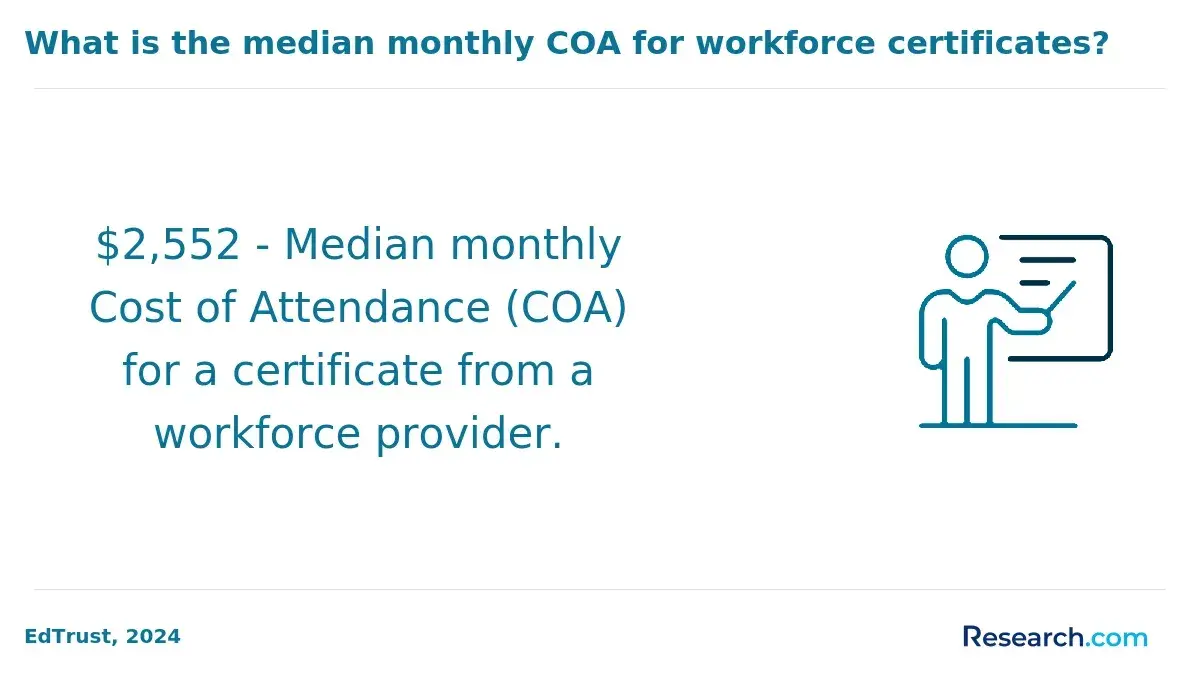
Tuition for a hospitality management master's degree varies significantly by school type-public in-state students generally face $20,000 to $40,000 in total costs, while public out-of-state attendees pay between $35,000 and $60,000. Private institutions often charge the most, with fees ranging from $40,000 up to $90,000 or beyond. Hospitality management graduate certificates, however, are more affordable due to shorter credit requirements, usually costing between $5,000 and $15,000 depending on residency and institution.
Cost Drivers: The master's degree commands a premium largely because it requires two to three times the credit hours of certificates-commonly 30 to 60 credits versus 9 to 18 credits-and entails longer program durations. This extended engagement brings higher institutional overhead such as faculty-led research, academic advising, and specialized career services aimed at graduate students. Graduate certificates focus on targeted skill sets, which reduces complexity and keeps expenses comparatively low.
Financial Aid: Master's candidates often access wider funding opportunities, including teaching assistantships, fellowships, and employer tuition reimbursements, substantially lowering their net expenses. By contrast, those pursuing certificates-frequently working professionals seeking rapid skill upgrades-might have fewer financial aid options, making sticker prices a less dependable indicator of actual cost.
Hidden Costs: Time commitments for master's programs can translate into opportunity costs like lost wages and deferred career progression, potentially amounting to tens of thousands of dollars. Certificates require less time to complete, facilitating quicker reentry into the workforce and immediate income generation, which appeals to those prioritizing speed and affordability.
Return on Investment: Calculating true value means considering net cost after aid and factoring in opportunity costs rather than relying on published tuition. Online calculators and planning tools can help weigh these elements, assisting prospective students in deciding whether the broader career advantages of a master's degree justify the higher upfront investment compared to a certificate.
Reflecting on her experience, a hospitality management professional who completed a master's recalled the balancing act between elevated costs and longer study periods. She noted, "Managing tuition expenses alongside shifting work responsibilities was challenging, but the comprehensive curriculum and networking opportunities opened doors I hadn't expected." She emphasized how the financial aid she received eased the burden, adding, "It was daunting at first, but the investment ultimately elevated my career trajectory." Her story illustrates that while the master's pathway involves significant commitment, it also offers substantial payoff when approached with careful financial planning.
How Does Earning a Hospitality Management Master's Degree Affect Salary Compared to a Hospitality Management Graduate Certificate?
Data from the Bureau of Labor Statistics, NACE salary surveys, and Georgetown University indicate that professionals with a Hospitality Management master's degree tend to earn significantly higher median salaries than those with a graduate certificate-reflecting the advanced leadership skills and broader strategic knowledge gained through the more intensive program.
Industry Impact: The greatest salary advantages for master's holders occur within large corporate hotel chains, luxury resorts, and specialized consulting firms, where higher-level management expertise directly influences revenue growth and operational excellence. These employers frequently prioritize master's credentials for senior and executive positions.
Senior-Level Roles: Holding a master's enables access to elevated positions such as director of operations, regional manager, or chief hospitality officer, which consistently command superior compensation compared to roles typically available to certificate holders focused on mid-level management.
Career Tracks with Comparable Earnings: Specialized fields like event management, food and beverage oversight, and revenue management can offer career paths where targeted certificates deliver earnings on par with or sometimes exceeding those of master's degree holders-thanks to practical, niche-specific skills valued by employers.
Return on Investment: Although master's programs require a larger upfront investment of time and finances, the associated salary gains often justify this commitment over time. Graduate certificates, being shorter and more affordable, facilitate quicker workforce entry and cost recovery, despite potentially limiting advancement in senior roles.
Employer Recognition: A master's degree is widely recognized by employers as evidence of dedication, research ability, and comprehensive understanding-qualities that lead to higher salary offers and promotion opportunities compared to certificates.
Trend: In 2024, Hospitality Management professionals with a master's degree reported average salaries 25% higher than those with graduate certificates, underscoring the credential's growing value in the job market.
Which Hospitality Management Career Paths Favor a Master's Degree Over a Graduate Certificate?
Certain hospitality management career paths explicitly favor a master's degree over a graduate certificate due to the advanced knowledge and skills required. Employers and professional standards often elevate the master's credential as a minimum requirement for leadership and specialized roles.
- Leadership Roles: Senior management positions-such as hotel general managers, regional directors, or corporate executives-frequently require a master's degree. This is because these roles demand strategic thinking, organizational leadership, and complex financial acumen beyond the scope of most certificates.
- Research-Intensive Positions: Careers involving market analysis, consumer behavior research, or academic roles prefer candidates with a research foundation. A master's degree offers the theoretical grounding and methodological skills essential for these responsibilities, unlike a certificate's applied focus.
- Licensure and Certification: Certain hospitality specialties, like casino management or food and beverage regulation, may be subject to licensure boards or industry certifications that mandate advanced degrees for eligibility. Meeting such formal requirements often excludes certificate holders from consideration.
- Promotion and Career Advancement: Within many hospitality organizations, a master's degree acts as a formal threshold for middle to upper-management promotions. It signals comprehensive training and commitment, making it structurally necessary for those pursuing long-term growth.
- Employer Preferences: Job posting analyses reveal a clear trend: employers increasingly prioritize candidates with master's degrees for roles involving budgeting, policy development, and multi-unit management.
Moreover, as reported by the U.S. Bureau of Labor Statistics, management roles in the hospitality sector that require master's degrees are projected to grow 6% faster than average over the next decade, underscoring the credential's rising value in career progression. This data highlights why those aiming for leadership or specialized tracks should seriously consider pursuing the full master's degree rather than a graduate certificate.
Which Hospitality Management Career Paths Favor a Graduate Certificate Over a Master's Degree?
In many hospitality management graduate certificate career advantages, employers emphasize demonstrated technical skills or applied knowledge over broad academic credentials. This makes graduate certificates particularly valuable in roles where immediate proficiency matters more than theoretical depth.
- Technical Specialization: Positions like event coordinators, food and beverage managers, or hospitality IT professionals require niche expertise-such as mastering event planning software or revenue management tools-that certificates can efficiently validate. Job postings and employer surveys show certificates often hold equal weight to a master's degree in these specialized areas.
- Career Changers: Individuals transitioning from unrelated fields frequently opt for graduate certificates to gain essential hospitality knowledge quickly, avoiding the extended time and cost associated with master's programs. This streamlined path facilitates entry into roles such as hotel operations or customer service management.
- Working Professionals: Those with bachelor's or master's degrees in related disciplines may address specific skill gaps-like sustainable hospitality practices or digital marketing-most cost-effectively by pursuing certificates. This targeted approach avoids redundancy and lengthy enrollment periods.
- Employer Preferences: Surveys and job market data from platforms including LinkedIn Workforce Insights highlight that mid-level operational roles and specialized departments often treat certificates as equivalent to master's degrees, favoring the agility certificates convey in hiring.
- Cost and Time Efficiency: Graduate certificates offer lower costs and faster completion times, ideal for professionals needing rapid, targeted upskilling amid evolving hospitality trends compared to pursuing a full degree.
For those exploring credential pathways, it is important to compare these factors carefully. Prospective students might also consider related options such as online associate degrees that sometimes serve as complementary or alternative credentials within the hospitality field.
Is a Hospitality Management Graduate Certificate Stackable Toward a Master's Degree?
Many accredited universities offer stackable credentials that enable a hospitality management graduate certificate to count toward a master's degree in the same or a related field. This option allows students to start with a graduate certificate and later apply those credits to a master's program-potentially saving time and tuition costs. However, the availability of these credit transfer options for hospitality management graduate certificates depends on each institution's policies rather than a universal standard.
- Institutional Policy: Policies vary-some institutions require that the graduate certificate be earned at the same university offering the master's degree, while others accept transfer credits from approved external programs.
- Grade Requirements: Students usually need to earn a minimum grade, often a B or higher, in certificate coursework to have those credits count toward a master's degree.
- Time Limits: Certain programs limit how long certificate credits remain eligible for stacking, commonly requiring completion of the master's within five years of earning the certificate.
- Program Alignment: The certificate curriculum must closely align in content and academic rigor with the master's degree to be stackable.
- Risk Mitigation: Starting with a graduate certificate offers a lower-risk introduction to graduate study, allowing students to assess academic demands and financial commitments before fully pursuing a master's degree.
- Admissions Verification: Students should confirm stackability policies with graduate admissions offices to understand specific conditions and avoid unexpected obstacles.
This pathway is especially useful for recent undergraduates or career changers who want to explore credentials with flexible credit transfer options or evaluate employer recognition and salary impact before committing. For working professionals considering specialized upskilling, stacking certificates towards a master's can optimize time-to-completion and cost efficiency.
For further insights on flexible degree options, veterans and those interested may find value in exploring photography degree online for veterans as an example of how targeted credentials can support career transitions and educational goals.
How Do Employers in the Hospitality Management Field Perceive a Master's Degree Versus a Graduate Certificate?
Employers in hospitality management show diverse views when weighing a master's degree against a graduate certificate-often shaped by the industry segment and job level. Data from sources such as the NACE Job Outlook Report and LinkedIn Talent Insights reveal that hiring managers commonly regard a master's degree as a broad credential demonstrating advanced expertise, leadership capacity, and a strong professional commitment. This perception is particularly prevalent for senior or regulatory roles within luxury hotels and corporate hospitality branches.
- Industry Variation: Sectors like event management and hospitality technology often value graduate certificates due to their targeted skills focus and quicker completion, making them favorable for rapid upskilling.
- Role Differentiation: Entry-level and operational positions typically prioritize practical experience, while strategic and executive roles tend to require or prefer a master's degree.
- Institution Reputation: The prestige and accreditation of the credential's institution significantly sway employer preference-sometimes a certificate from a highly ranked program outshines a master's from a less known school.
- Professional Credentialing: In regulated hospitality roles, the master's degree remains the standard credential linked to rigorous academic standards and comprehensive preparation.
- Realistic Expectations: Candidates should research how their intended employers value these credentials within their regional and organizational context to set accurate career and educational goals.
Can a Hospitality Management Graduate Certificate Help Someone Transition Into the Field From a Different Background?
Career changers entering the hospitality management field can benefit from graduate certificates that offer a streamlined, affordable credential-circumventing the extended time and expense of master's programs. Workforce development research shows these certificates increasingly target professionals shifting from unrelated industries by providing accelerated courses designed to establish core industry knowledge efficiently.
- Focused Learning: These programs zero in on essential hospitality management topics, enabling quick acquisition of relevant skills without enrolling in broader, unrelated studies.
- Time and Cost Efficiency: Graduate certificates generally demand less commitment-both in duration and tuition-making them attractive for those aiming to switch careers swiftly.
- Stackability: Many certificates serve as foundational credentials that can be applied toward master's degree programs later, supporting progressive educational goals.
- Practical Application: Emphasis on hands-on projects and portfolio work helps students showcase tangible competencies sought by employers.
Despite their advantages, certificates alone may not suffice for leadership or specialized roles, which often require the comprehensive expertise and credential recognition that a master's degree provides. For such aspirations, certificates function best as initial building blocks rather than final qualifications.
To enhance job prospects, it is advisable to complement the certificate with concrete evidence of applied experience-such as internships, volunteer work, or project portfolios-that demonstrate real-world capability beyond the credential alone.
What Graduates Say About Which Is Better: A Hospitality Management Master's Degree or a Hospitality Management Graduate Certificate
- Fisher: "Choosing between a hospitality management master's and a graduate certificate was tough, but I quickly realized cost was a major factor. The certificate was definitely more affordable-allowing me to boost my skills without breaking the bank. However, employers still value the master's degree more when it comes to leadership roles, so if you're aiming high, the extra investment pays off."
- Cairo: "Reflecting on my journey, the time-to-completion for the graduate certificate was what initially drew me in-it was a quicker path to advancing my career. That said, the master's degree offered a deeper understanding of industry nuances, which translated to stronger career utility in the long run. Admission requirements for the master's were more demanding, but that rigor made me more confident stepping into senior positions."
- Austin: "From a professional standpoint, employer recognition made all the difference in my decision. The master's degree opened doors that the certificate simply didn't-companies often see it as a mark of serious commitment. While salary impact between the two programs can vary, in my experience, the master's graduates tend to enjoy better compensation packages and more rapid career growth."
Other Things You Should Know About Hospitality Management Degrees
Online master's programs in hospitality management are generally more comprehensive-covering advanced theory, management strategies, and research skills-while graduate certificates focus on specific skills or areas within the field. Employers tend to recognize master's degrees as more authoritative credentials, often associating them with readiness for leadership roles, whereas certificates are valued for quick skill enhancement but typically do not carry the same weight for career advancement.
Accreditation is critical for both credentials as it ensures the quality and credibility of the program. A master's degree from an accredited institution can improve job prospects and eligibility for professional certifications in hospitality management. Graduate certificates should also be accredited to guarantee industry relevance-lack of accreditation can limit employer recognition and transferability toward further graduate study.
Individuals aiming for leadership positions, academic advancement, or broad career flexibility in hospitality management are best suited for a master's degree. Those seeking a faster, cost-effective way to update specific skills or enter the hospitality field quickly often benefit more from a graduate certificate. Working professionals wanting to specialize without a long-term commitment may also find certificates more practical.
References
- How long is an online hotel management course https://lesroches.edu/blog/how-long-online-hotel-management-course/
- Maximising Your Potential: How a Masters in Hotel Management Can Benefit Your Career https://www.euroeducation.net/articles/how-a-masters-in-hotel-management-can-benefit-your-career.htm
- Master in Hospitality Management - EUHT StPOL https://www.santpol.edu.es/en/master-in-hospitality-management/
- Is a Tourism and Hospitality Degree Worth It? - StudyinEurope.eu https://www.studyineurope.eu/study-in-italy/tourism-hospitality/is-a-tourism-hospitality-degree-worth-it/
- Tourism and Hospitality Management https://bebs.org/bebs_programs/postgraduate-tourism-and-hospitality-management/
- What Can You Do With a Hospitality Degree? Career Options https://www.shms.com/en/news/hospitality-degree/
- MA in Tourism and Hospitality Management - Advance Entry (level 7) | Metropolitan School of Business & Management UK https://msbm.org.uk/qom/training/ma-in-tourism-and-hospitality-management
- Online Master's in Hospitality and Tourism Management | RBS https://romebusinessschool.com/master-online-in-tourism-management/
- Is a Master's Degree in Hotel Management the Key to a Successful Career? https://www.mguindia.com/blogs/is-a-masters-degree-in-hotel-management-the-key-to-a-successful-career
- Career Change to Hospitality Management: Your Pathway to Success - ICMS https://www.icms.edu.au/degree-discovery/career-change-to-hospitality-management/