2027 Sustainability Master's Degree vs Graduate Certificate: Which Is Better?

Co-Founder and Chief Data Scientist
Choosing between a sustainability master's degree and a graduate certificate poses a critical dilemma for many professionals. While the master's often requires two years and higher tuition, the graduate certificate offers a faster, less costly option-typically completed within a year. Employers may value the master's more for leadership roles, yet certificates provide targeted skills for immediate application.
According to recent data, sustainability master's graduates earn an average of 20% higher salaries than certificate holders, reflecting broader career utility. This article examines cost, time-to-completion, admission hurdles, employer recognition, and salary impact to guide readers toward the credential best suited to their goals.
Key Things to Know About Which Is Better: A Sustainability Master's Degree or a Sustainability Graduate Certificate
- A master's degree typically requires 1.5 to 2 years and costs 3-5 times more than a graduate certificate-impacting both time and financial investment significantly.
- Admission to master's programs demands higher academic credentials and experience, while certificates often accept broader applicant backgrounds.
- Employers value master's degrees more-graduates report a 15% average salary increase, whereas certificates mainly enhance specific technical skills without major salary jumps.
What Is the Difference Between a Sustainability Master's Degree and a Sustainability Graduate Certificate?
A sustainability master's degree is a comprehensive graduate credential typically requiring 30 to 60 credit hours. It covers a wide academic scope, including environmental science, policy analysis, social justice, and sustainable business practices. The curriculum aims to develop advanced expertise and critical thinking through extensive coursework and usually involves a thesis or capstone project. This degree generally requires two years of full-time study, positioning it as a prestigious qualification suitable for leadership roles, career changers, academic research, and doctoral study preparation.
In contrast, a sustainability graduate certificate demands fewer credits-usually between 12 and 18-and focuses on specialized topics such as renewable energy, sustainable supply chains, or environmental management. It offers practical, targeted skills designed for working professionals seeking quick upskilling or recent graduates wanting an extra credential. The duration is shorter, often completed within several months to a year. Despite being academically narrower than a master's degree, graduate certificates can serve as valuable supplements to professional qualifications and are often stackable toward a full master's program, which complicates direct comparisons.
This guide assists prospective sustainability students in navigating key differences between a sustainability master's degree and graduate certificate-including cost, time-to-completion, admission criteria, employer recognition, salary outcomes, and career utility. For those weighing credentials after undergraduate study or exploring quick professional skill-building, it provides an evidence-based look at how each credential aligns with various educational and career pathways. Those interested in shorter, focused study options might also explore online associate degrees as an alternate pathway.
What Are the Typical Admission Requirements for a Sustainability Master's Program Compared to a Sustainability Graduate Certificate?
Sustainability master's programs generally require a bachelor's degree from an accredited institution with a minimum undergraduate GPA-commonly around 3.0 on a 4.0 scale. This ensures applicants have demonstrated academic readiness for advanced study, a standard often absent in graduate certificate eligibility criteria in sustainability studies, which tend to be less restrictive regarding GPA.
Standardized Tests: Many master's programs expect GRE scores, assessing verbal, quantitative, and analytical writing skills-factors admissions committees rely on to evaluate preparedness. In contrast, certificate programs often waive GRE requirements entirely, emphasizing flexibility to accommodate working professionals and career changers.
Letters of Recommendation: Master's applicants typically must submit letters from professors or supervisors that speak to their potential success in graduate-level sustainability coursework and research. Graduate certificates seldom require recommendations, focusing instead on prior experience or interest in the field.
Personal Statement: A detailed statement of purpose is usually mandatory for master's program applicants, illustrating motivation and long-term sustainability career goals. Certificate applicants may either submit less formal statements or none at all, lowering entry barriers.
Academic On-Ramp: The more lenient admissions for certificates make them ideal for those not yet meeting master's standards. By completing a certificate-often within a year-students can build foundational knowledge and strengthen their profile, enhancing competitiveness when applying to full master's programs later.
Practical Access: The lighter eligibility criteria of sustainability graduate certificate programs serve career-changers and professionals seeking quick, targeted skill upgrades without committing to full master's admission rigor. This flexibility is important in expanding sustainability education access across diverse learner types.
Prospective students seeking comprehensive education pathways might also explore specialized credentials within related fields, such as an online family counseling degree, which similarly balances academic preparation and practical application in emerging career areas.
What Is the Minimum GPA Requirement for a Sustainability Master's Program?
Accredited Sustainability master's programs typically require a minimum GPA between 2.7 and 3.0 on a 4.0 scale, though this baseline differs by institution and program focus. Highly selective programs often see admitted students with GPAs well above the published minimums-commonly 3.5 or higher-making minimum GPA more of a basic admission threshold than a reflection of the average applicant profile.
Open-enrollment or professionally focused Sustainability programs may accept GPAs as low as 2.5 to 2.7 to accommodate career changers and working professionals with relevant skills beyond academics. Programs may offer provisional admission for students slightly below minimum GPA requirements, typically requiring successful completion of specific foundational courses or maintaining academic standards during early semesters. Minimum GPA requirements should be viewed as floors-not goals-as competitive candidates often exceed these thresholds and strengthen applications with experience and strong recommendations.
Reflecting on his journey, a professional who earned a master's in Sustainability shared that meeting the minimum GPA was only part of the challenge. "I struggled initially with balancing work and coursework," he explained, "but the program's conditional support and clear requirements helped me stay on track." His experience underscored how fulfilling non-academic criteria and maintaining steady grades mattered just as much as the GPA itself, reinforcing that persistence and holistic preparation are key to succeeding in this field.
How Long Does It Take to Complete a Sustainability Master's Degree Versus a Sustainability Graduate Certificate?
Completion times for a sustainability master's degree in the United States vary widely based on enrollment status and program design. Full-time master's students typically spend 18 to 24 months finishing their degrees, while part-time learners often extend to 3 to 5 years due to course pacing and workload flexibility. Accelerated programs, available at select institutions, can reduce this to 12 to 15 months but maintain a demanding schedule.
Focused Duration: Sustainability graduate certificate programs are structured for quicker completion-usually 6 months full-time or 9 to 12 months part-time-making them a popular choice for professionals seeking a swift credential upgrade without years of commitment.
Credit and Coursework Demands: Master's degrees require between 30 and 45 credits, incorporating extensive coursework, comprehensive exams, and substantial research such as theses or capstone projects. Graduate certificates generally require 12 to 18 credits centered on core competencies, without research obligations, which explains their shorter timelines.
Professional Considerations: Those balancing work and family often favor the certificate route, as its concise schedule fits tight life commitments. Conversely, individuals aiming for deeper academic expertise or higher-level positions may accept the longer duration of master's programs. Students in career transition or with limited financial flexibility also weigh these timing differences carefully.
Decision Factors: Job stability, income needs, and long-term career objectives heavily influence whether a master's or certificate fits better. Mapping personal circumstances against realistic completion timelines helps clarify the best fit.
For those assessing options, programs like the urban planning online degree offer examples of how duration and structure shape learning experiences and career pathways.
How Much Does a Sustainability Master's Degree Cost Compared to a Sustainability Graduate Certificate?
Tuition for a sustainability master's degree varies widely-public in-state students generally pay between $15,000 and $30,000, while out-of-state attendees see costs from $30,000 to $60,000. Private institutions can charge upwards of $40,000 to $80,000 or more. Graduate certificates in sustainability come at a lower price point, typically $5,000 to $15,000, depending on the school and program length.
Cost Drivers: The higher expense for master's programs results from increased credit requirements, often 30 to 45 credits compared to 12 to 18 for certificates, alongside longer durations spanning one to two years rather than several months. Additional institutional costs-faculty pay, research infrastructure, and administrative support-also contribute to the master's price premium.
Financial Aid: Master's candidates often benefit from assistantships, fellowships, and employer tuition assistance that help reduce net costs. These supports are usually less accessible or unavailable for certificate students, making their lower sticker price more upfront but often unsupported by significant funding.
Hidden Costs: Committing to a master's degree can mean lost income due to full-time study and delayed career advancement, representing indirect costs beyond tuition. Certificates demand less time away from work, facilitating quicker workforce reentry, but may offer limited academic recognition or salary increase potential.
Return on Investment: Evaluating net expenses-including aid and potential wage loss-is essential when comparing credentials. Prospective students should use free ROI calculators to align their education investment with personal career and financial goals.
One professional who built his career after completing a sustainability master's reflected on the financial journey, noting, "Balancing tuition and living expenses was challenging, but securing a fellowship made a real difference. The program's depth demanded considerable time, which meant putting my career temporarily on hold. Still, the long-term benefits in expertise and job opportunities have proven well worth the investment."
How Does Earning a Sustainability Master's Degree Affect Salary Compared to a Sustainability Graduate Certificate?
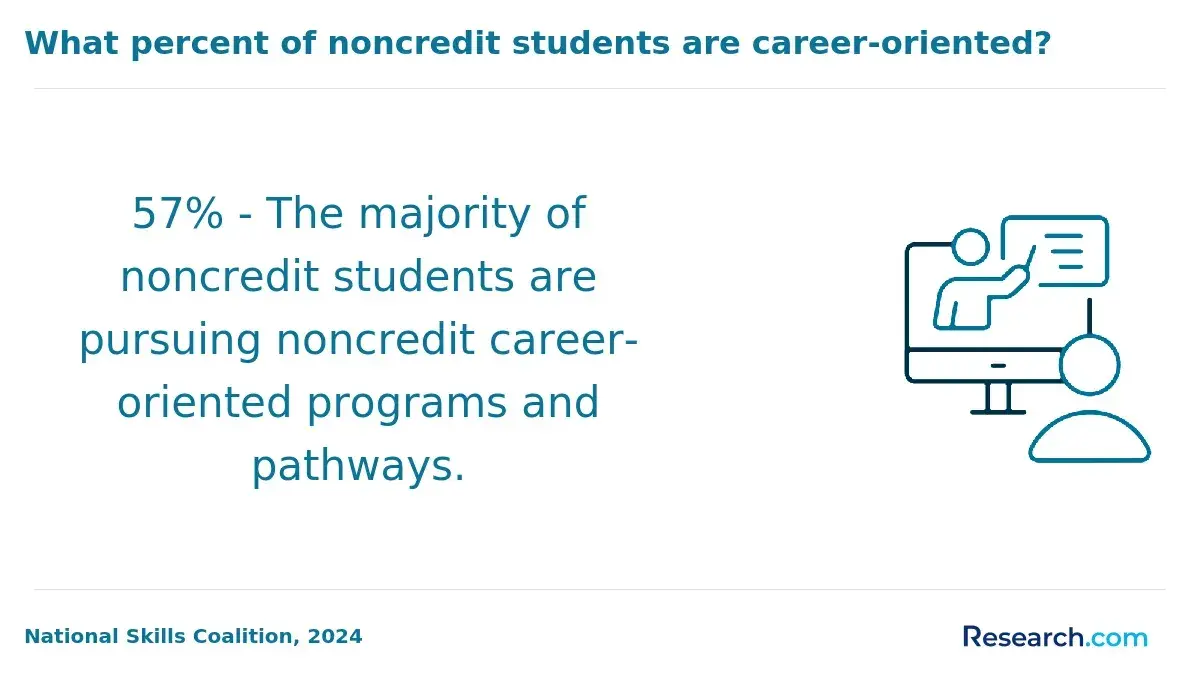
Wage data from the Bureau of Labor Statistics and research by Georgetown University's Center on Education and the Workforce highlight notable differences in earnings between sustainability master's degree holders and those with graduate certificates. On average, master's graduates earn 15% to 25% more, with this premium most evident in senior positions at government bodies, multinational firms, and consulting agencies that specialize in environmental strategy.
- Salary Premium: Master's credentials deliver higher wages especially in leadership roles, reflecting deeper expertise and broader strategic skills.
- Industry Impact: Fields such as renewable energy, corporate sustainability leadership, and environmental policy reward advanced degrees more than niche sectors like environmental auditing or sustainability reporting, where certificates maintain competitive pay.
- Role Differentiation: Senior analysts, directors, and policy advisors often benefit financially from a master's degree, while mid-level or technical roles show smaller salary gaps between the two credentials.
- Return on Investment: Graduate certificates offer shorter, less costly paths, making them attractive for those seeking faster entry or skill upgrades. When factoring tuition and lost wages, certificates may provide better ROI for some professionals.
- Career Track Nuances: Certain specialists-like environmental compliance officers-can achieve salary parity with master's holders through targeted certificates that focus on immediate job requirements.
As of 2024, sustainability-related job openings have grown over 12%, underscoring the expanding market for credentialed professionals and amplifying the value of both educational paths depending on career goals.
Which Sustainability Career Paths Favor a Master's Degree Over a Graduate Certificate?
Certain sustainability career tracks distinctly favor a master's degree over a graduate certificate due to the depth of expertise, theoretical knowledge, and professional recognition required by employers. Analysis of job postings and occupational data reveals that leadership and strategic positions-such as sustainability directors, environmental policy managers, and corporate social responsibility (CSR) executives-commonly mandate a master's degree. These roles demand a comprehensive understanding of environmental systems, policy implications, and organizational change strategies, which a certificate's narrower scope typically does not provide.
Research-Intensive Roles: Jobs involving quantitative analysis, environmental modeling, or sustainability innovation-like environmental scientists or sustainability analysts at governmental or research institutions-favor master's degree holders for their rigorous methodological training and advanced problem-solving abilities.
Licensure and Professional Certification: Certain licensed fields, particularly environmental engineering and urban planning, require a master's degree to satisfy educational prerequisites for certification. This degree confirms adherence to professional standards that certificates do not meet.
Promotion and Career Progression: Many organizations use the master's degree as a formal benchmark for advancement into senior specialist or management roles within sustainability-focused firms, making the degree structurally necessary rather than simply preferred.
Academic Rigor and Theoretical Foundation: Master's programs build critical thinking, ethical frameworks, and a systemic approach to complex sustainability issues-qualities highly valued in leadership and decision-making contexts.
According to the U.S. Bureau of Labor Statistics, employment for sustainability managers is projected to grow 11% through 2032, with increasing preference for advanced degrees due to environmental regulatory complexity and corporate sustainability ambitions.
Which Sustainability Career Paths Favor a Graduate Certificate Over a Master's Degree?
Certain sustainability career paths demonstrate a strong preference for graduate certificates over master's degrees-especially when employers prioritize specific technical skills or applied competencies rather than broad academic knowledge. Job posting analyses from platforms like LinkedIn Workforce Insights highlight niches where rapid, targeted upskilling holds greater value-making graduate certificates a more practical choice than a full master's program. This dynamic is reflected in the sustainability graduate certificate career advantages seen across multiple sectors.
- Technical Roles: Positions such as environmental data analysts, sustainability software specialists, and energy auditors often emphasize proficiency in particular tools and methodologies. Employers favor candidates who quickly demonstrate concrete skills, which graduate certificates provide without the extended time or financial commitment of a master's degree.
- Corporate Sustainability Practitioners: Many mid-level sustainability managers aim to close competency gaps tied to regulatory compliance, reporting standards, or carbon accounting. Professionals with a bachelor's or even a prior master's frequently achieve better returns by selecting a certificate to bridge these targeted gaps and boost immediate workplace performance.
- Consulting and Advisory Roles: Consultants specializing in green building certifications, sustainable supply chains, or ESG (environmental, social, governance) metrics often rely on niche credentials. Employer surveys reveal that certifications demonstrating mastery of specific frameworks can carry equal or greater weight than a general sustainability master's.
- Career Changers and Rapid Entry Positions: Individuals transitioning from unrelated backgrounds pursue graduate certificates to signal commitment and competence faster. This enables quicker access to entry-level roles or internships focused on sustainability implementation and project support-highlighting when to choose a sustainability graduate certificate over master's degree.
Overall, working professionals with prior degrees often maximize their return on investment by selecting graduate certificates for targeted skill upgrades-avoiding the longer, costlier process of a master's degree while staying competitive in evolving sustainability job markets. Those considering advanced psychology options might similarly explore online clinical psychology masters programs for specialized career paths.
Is a Sustainability Graduate Certificate Stackable Toward a Master's Degree?
Stackable credentials refer to academic programs where coursework from a graduate certificate can be applied toward a master's degree-often within the same or a related sustainability field. Many accredited universities have policies enabling students to transfer credits earned from a sustainability graduate certificate into a master's program. This pathway reduces total time and cost, offering flexibility to students exploring sustainability graduate certificate credit transfer options.
Stackability, however, is not guaranteed universally. Each institution sets its own rules-typically requiring a minimum grade of B or higher, completion within a time limit such as five years, and close alignment between certificate coursework and the master's curriculum. Some universities specify that only certificates earned at their institution or through designated collaborators qualify for stacking.
This stackable approach allows students uncertain about committing to a full master's degree to test the academic rigor and financial investment with lower risk. Students can build credits progressively, enhancing flexibility and informed decision-making around career development. For those balancing work and study, this can be crucial.
Since policies vary widely, prospective students should verify stacking rules directly with the graduate admissions office of each program. Confirming transferability, deadlines, and academic standards at this stage prevents surprises. This guidance applies especially to those comparing career paths or exploring online spanish degrees for veterans.
How Do Employers in the Sustainability Field Perceive a Master's Degree Versus a Graduate Certificate?
Hiring managers in tech and consulting often place similar value on graduate certificates and master's degrees, prioritizing up-to-date skills and adaptability over credential length. In contrast, regulated sectors and academia typically view a master's degree as the essential qualification due to its comprehensiveness and rigor.
Role Differentiation: Leadership and strategic positions lean toward favoring master's degrees because of their broad curriculum. Meanwhile, specialized or entry-level roles may consider graduate certificates equally valid, especially when paired with relevant work experience or reputable program affiliation.
Institution Reputation: The prestige and accreditation of the issuing institution heavily influence employer perceptions. A certificate from a well-known university can often carry more weight than a master's degree from a lesser-known school, highlighting the critical role of program quality beyond credential type.
Realistic Expectations: Candidates should align their educational choices with the specific demands and expectations of their target industry and role. Researching employer preferences helps clarify whether a full master's program or a focused graduate certificate better supports career goals in Sustainability.
Can a Sustainability Graduate Certificate Help Someone Transition Into the Field From a Different Background?
For professionals shifting into sustainability from unrelated sectors, a targeted graduate certificate offers a quicker, more affordable credential that builds essential expertise without the extensive demands of a master's degree. Workforce development research shows these certificates increasingly cater to career changers, featuring streamlined programs designed to equip learners with applied skills relevant to sustainability roles.
However, certificates may fall short for those aiming for senior or specialized sustainability positions where deeper theoretical knowledge, research training, and formal recognition from a master's credential matter significantly. As such, certificates act best as a strategic initial step rather than a definitive credential. Career changers should augment certificate education with visible applied experience-through internships, volunteer work, or portfolio development-to strengthen job prospects and credibility within the sustainability field.
What Graduates Say About Which Is Better: A Sustainability Master's Degree or a Sustainability Graduate Certificate
- Lily: "Choosing between a Sustainability master's degree and a graduate certificate really came down to time-to-completion for me-while the master's demanded a longer commitment, it offered a more immersive experience that my employer deeply respected. The certificate was more affordable and quicker, yet I found the master's gave me a noticeable edge in salary negotiations. If you're ready to invest the time, the master's opens doors you might not expect."
- Beatrice: "Reflecting on my path, the admission requirements tipped the scale for me-the master's program required a more rigorous application process, but I appreciated how that raised the overall prestige in the job market. The certificate was less demanding to enter, which is great for quick upskilling, but I noticed employers tend to value the master's more when considering leadership roles. My advice: align your choice with your long-term career goals and readiness."
- Easton: "From a practical standpoint, I found the career utility of a Sustainability master's degree to be markedly superior-its comprehensive curriculum prepared me for diverse roles that the certificate simply didn't cover. Although the graduate certificate costs less and takes less time, the master's has translated into more substantial opportunities and a stronger network. For anyone serious about making an impact, the extra investment is worth it."
Other Things You Should Know About Sustainability Degrees
Online Sustainability master's programs typically offer a more comprehensive curriculum than graduate certificates, covering broader theoretical frameworks and applied skills. Both formats can be respected if accredited properly, but employers often view master's degrees as more rigorous and indicative of deeper expertise. Graduate certificates may be seen as useful for specialized skills but less substantial for leadership roles.
Accreditation ensures a program meets established academic standards-this is crucial for both Sustainability master's degrees and graduate certificates. Choosing an accredited program affects the credential's acceptance among employers and academic institutions. A lack of accreditation can limit opportunities for career advancement and credits transfer toward further education.
Earning a Sustainability master's degree provides a solid foundation for pursuing doctoral programs or other advanced research opportunities. Graduate certificates are typically not designed to support further academic progression directly but can enhance applications by demonstrating focused expertise. For those seeking career advancement beyond entry or mid-level roles, a master's degree usually offers better prospects.
References
- Master's degree program (part-time) - Sustainability Assessment and Resource Management https://www.hcw.ac.at/en/studies/study-programs/sustainability-assessment-and-resource-management
- Graduate Programs in Sustainability https://cbsm.com/forum_posts/23310-graduate-programs-in-sustainability
- Making a sustainability career change: A comprehensive guide https://instituteofsustainabilitystudies.com/insights/guides/guide-to-making-a-sustainability-career-change/
- MSc in Sustainability https://unu.edu/ias/masters-degree/sustainability
- Graduate Certificate in Sustainability - 100% Online | Graduate Programs https://www.ualberta.ca/en/graduate-programs/graduate-certificate-in-sustainability.html
- Is a Master's in Sustainability Worth It? https://leadthechange.bard.edu/blog/career-focused-masters-degree
- The road to a sustainability career: Grad school or work first? | Trellis https://trellis.net/article/road-sustainability-career-grad-school-or-work-first/
- Master's Programme in Environmental Science and Sustainability https://www.umu.se/en/education/programmes/masters-programme-in-environmental-science-and-sustainability/
- What Can I Do With a Master’s in Sustainability Leadership? https://claremontlincoln.edu/news-blog/what-can-i-do-with-masters-sustainability/
- Education - Sustainable Career Pathways https://sustainablecareerpathways.com/education/