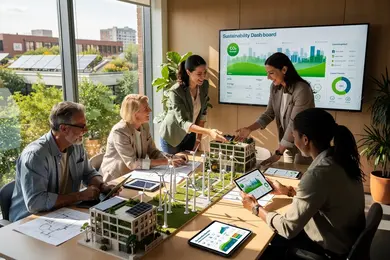
2027 Online Sustainability Master's Curriculum Breakdown: Core Courses & Specializations

Co-Founder and Chief Data Scientist
Shifts in employer demand and regulatory complexity have redefined how mastery in sustainability translates into workplace value. Programs with flexible curricula and relevant specialization pathways help professionals balance breadth with depth, aligning learning with evolving certification standards and sector-specific skills. Yet, rigid course sequences or narrowly focused tracks can limit adaptability amid rapid market changes, creating risks of overspecialization or theoretical gaps.
As companies seek candidates with practical problem-solving abilities across emerging green industries, curriculum design directly impacts access to these opportunities and long-term fit. This article evaluates how online sustainability master's programs shape employability, professional positioning, and workforce resilience through their educational frameworks.
Key Things to Know About Online Sustainability Master's Curriculum
- Core courses often balance foundational theory against applied skills; prioritizing one limits depth in the other, affecting graduates' adaptability in roles demanding immediate impact versus long-term strategy.
- A 2024 survey revealed 68% of sustainability employers prioritize specialization knowledge over generalist training, signaling that selecting relevant concentrations directly influences hiring potential in niche sectors.
- Extended, credit-heavy core sequences may delay timely graduation and increase costs, pressuring working professionals to weigh comprehensive breadth against efficient, targeted credentialing.
What Core Courses Are Included in an Online Sustainability Master's Program?
Core courses in online sustainability master's programs serve as critical stepping stones that shape how students develop the competencies expected by employers in environmental and social governance roles. These foundational classes often demand significant analytical rigor and integrate interdisciplinary perspectives, which can influence program sequencing and workload intensity.
For working professionals evaluating online sustainability master's core courses, it is important to consider how these subjects underpin advanced specialization and practical application rather than function as isolated academic requirements.
- Environmental Policy and Management: Frequently cited by over 70% of programs in the International Society of Sustainability Professionals report, this course develops understanding of regulatory frameworks and managerial strategies to steer organizations in compliance and proactive environmental stewardship. Mastery here is essential for influencing policy and governance in varied sectors, setting the groundwork for specialization in areas like sustainable urban planning or corporate sustainability.
- Principles of Environmental Science: This foundational course delivers the scientific literacy required to interpret ecosystem dynamics, climate change impacts, and resource management challenges. Given its role in framing all subsequent technical coursework, students must balance the rigor of science-based content with applied elements to effectively translate complex data into actionable sustainability strategies.
- Sustainability Ethics and Social Justice: Addressing the human and equity dimensions within sustainability, this core class equips students to incorporate social justice into decision-making processes. Practical application of this coursework is critical for roles that require stakeholder engagement and culturally responsive interventions in sustainable development projects.
- Sustainable Systems and Frameworks: This course examines designing resilient business models, supply chains, and urban infrastructures, highlighting tradeoffs between economic, environmental, and social goals. It strengthens students' capacities for systems thinking necessary in crafting scalable and long-term sustainability solutions across industries.
- Sustainability Metrics and Data Analysis: Proficiency in quantitative methods and performance monitoring is increasingly non-negotiable as organizations pursue measurable sustainability outcomes. This coursework teaches students techniques to assess, report, and improve sustainability indices, directly responding to employer expectations for data-driven accountability.
- Policy Analysis and Governance: Courses emphasizing policy interpretation and advocacy prepare students to navigate and influence legislative and regulatory processes. Graduates gain critical skills to evaluate policy effectiveness and lead initiatives that align business goals with public sustainability mandates, a priority for many employers.
- Leadership and Change Management: Recognizing that sustainability professionals often operate as change agents, these courses focus on project management, organizational behavior, and communication. This component addresses the gap between theoretical knowledge and practical implementation, reinforcing the ability to lead cross-functional teams and drive systemic change within organizations.
- Capstone and Applied Projects: Many online sustainability master's programs culminate in integrative projects, aligning core course learnings with real-world challenges. According to a 2024 survey by the Association for the Advancement of Sustainability in Higher Education, 65% of graduates identified such applied experience as pivotal for advancing sustainable practice competencies and employability.
When assessing program fit, prospective students should weigh how these core courses reflect the specialized competencies they seek, balancing foundational breadth with targeted skills. For some, this may mean prioritizing programs with strong data analytics or leadership components, while others may focus on policy or civil engagement preparation.
Additionally, the sequencing and integration of these cores impact the overall intensity and practicality of the curriculum, factors that influence completion timelines and professional applicability. Understanding these structural nuances is as vital as course content itself-similar considerations apply when comparing to other accelerated paths such as a shortest EdD program online, where curriculum design fundamentally shapes outcomes and career flexibility.
What Specializations Are Available in Online Sustainability Master's Programs?
Choosing a specialization in an online sustainability master's program is a strategic decision that shapes your skill set, employability, and career trajectory. These focused paths are not mere academic options; they reflect targeted industry demands and influence how graduates compete for roles amid a rapidly evolving job market.
Selecting a specialization without sufficient alignment to practical experiences or employer expectations can limit initial employment prospects or require further skill development post-graduation.
- Environmental Management emphasizes practical skills such as natural resource stewardship, environmental impact assessments, and regulatory compliance. Graduates are often prepared for roles demanding hands-on expertise, making internship or practicum components critical to bridging theory with workplace requirements in ecosystem protection and sustainability reporting.
- Renewable Energy focuses on low-carbon technologies and energy transition strategies, appealing to professionals pivoting toward energy project management or policy advisory roles. This specialization typically necessitates strong technical competence demonstrated through applied projects or industry partnerships, reflecting employer priorities for measurable technical capability alongside conceptual knowledge.
- Sustainable Business integrates corporate social responsibility, supply chain transparency, and sustainable finance principles. While it suits those aiming for leadership within private sector sustainability initiatives, the absence of robust experiential learning may hinder graduates' ability to practically apply academic insights in complex business environments.
- Climate Policy and International Development prepare students for careers in regulatory frameworks, environmental justice, and global sustainability agendas. Success here depends on well-developed analytical, communication, and negotiation skills, with programs embedding policy clinics or case studies offering a clear advantage in consultancy or advocacy roles.
According to 2024 workforce data analyzed by research.com, graduates who completed sustainability master's degrees with integrated practicum experiences see a 27% higher employment rate within specialized sectors in the first year. This evidences the value of experiential learning embedded in chosen specializations as a key driver of real-world readiness and long-term career resilience.
Can Students Choose Electives Outside Their Specialization?
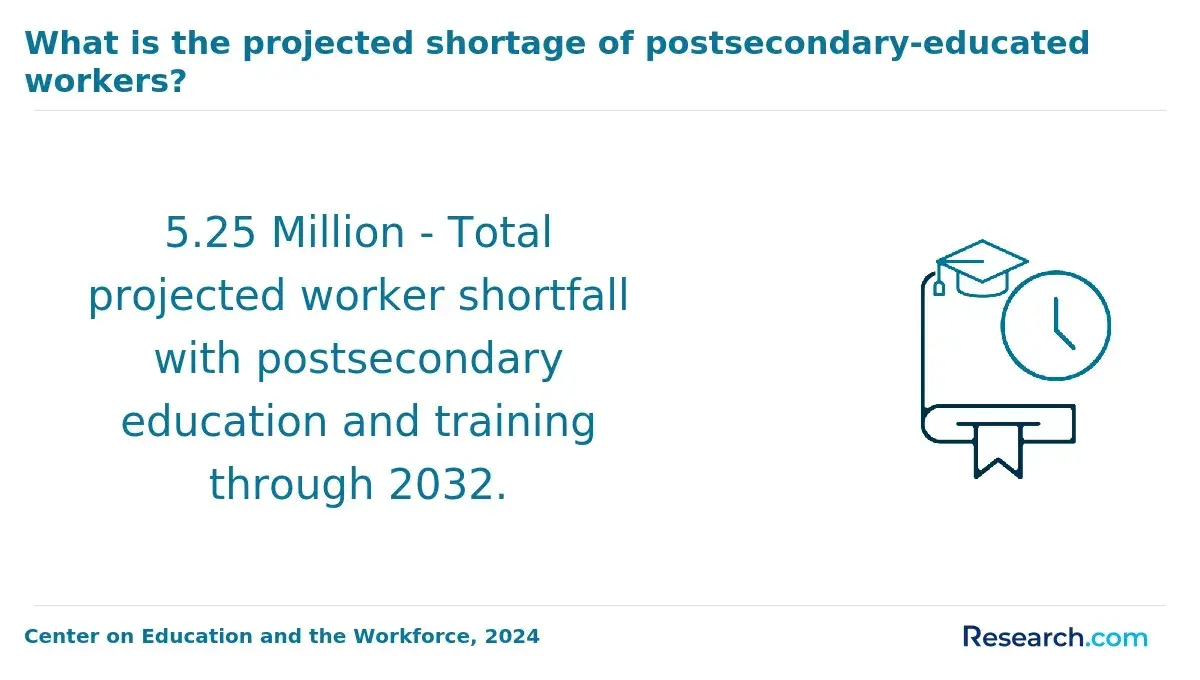
Elective selection in online sustainability master's programs often involves navigating complex curriculum structures that constrain student choice. Institutional policies frequently require advisor approval and adherence to prerequisite chains that limit access to courses outside the core specialization.
Additionally, limited seat availability in popular electives and sequencing rules designed to maintain foundational knowledge restrict flexibility, despite some programs permitting up to 30% of credits outside the specialization track according to a 2024 report from the National Center for Education Statistics. These operational frameworks aim to ensure coherent skill development, but can complicate scheduling and delay progress for students attempting to diversify their academic portfolio.
This balancing act between flexibility and focus carries tangible consequences for career trajectories. Electives beyond a primary specialization can enrich interdisciplinary competencies valuable in consultancy or policy roles. However, pursuing such breadth may dilute depth, extending time-to-degree completion or misaligning skill acquisition with employer expectations in technical fields like environmental science or energy systems.
For example, a student who opts for a wide range of electives might face challenges demonstrating mastery to hiring managers prioritizing specialized expertise, influencing post-graduate job readiness, and access to certain niche positions. One student recalled grappling with elective selection during a rolling admissions process that left scheduling uncertain until late in the application cycle.
Initially hesitant to commit without clarity on core course availability and approval policies, they delayed enrollment to carefully assess how electives outside their track could support a planned career pivot. This cautious approach, though stressful, ultimately allowed them to craft a tailored curriculum balancing required specialization with strategic interdisciplinary electives, highlighting the nuanced timing and planning demands prospective students face.
How Are Online Sustainability Master's Courses Delivered?
Online sustainability master's program delivery formats primarily combine asynchronous and synchronous components to meet the needs of diverse learners, especially working professionals. Asynchronous materials like recorded lectures, readings, and assignments form the backbone, enabling students to engage on their own schedules without sacrificing job or family commitments.
However, synchronous sessions remain essential for fostering live interaction through discussions, faculty office hours, and collaborative projects that mirror workplace dynamics. This blend reflects flexible online sustainability master's course structures designed to balance independent study with real-time engagement.
The real-world implications of these delivery models are significant for time management and consistent participation. Many students face challenges in aligning sporadic availability with scheduled live sessions, which can disrupt learning continuity and peer connections if not well integrated.
A 2024 survey by the National Center for Education Statistics noted that 68% of online graduate students preferred hybrid approaches that combine asynchronous and synchronous elements to maintain motivation and deepen comprehension. For career changers and specialization-focused learners, this means programs often require disciplined self-direction alongside strategic engagement during set class times.
Tradeoffs inherent in delivery structure shape skill acquisition and program completion outcomes. Greater flexibility supports accessibility but may limit networking opportunities and immediate faculty feedback critical for applied sustainability skills. Conversely, highly synchronous formats increase pressures on scheduling but enhance interaction and accountability.
Learners evaluating the most affordable master's degrees online should weigh these dynamics carefully, considering their personal constraints and learning preferences to select coursework that aligns with their professional goals and capacity for sustained engagement.
Which Core Classes Are Considered the Most Challenging?
In online sustainability master's programs, courses that blend quantitative analysis with theoretical frameworks tend to present the greatest challenges. Foundational subjects like environmental economics demand fluency in economic models and policy evaluation, which can be difficult for students lacking prior exposure to these areas.
Similarly, systems thinking requires synthesizing complex and often ambiguous data on interconnected ecological and social processes, testing analytical and critical reasoning skills. Quantitative methods. A 2024 report from the National Center for Education Statistics found that 58% of graduate sustainability students consider these technical classes the most difficult due to the specialized skills needed for environmental data interpretation.
The impact of struggling in these core classes goes beyond grades, as mastery affects readiness for specialized fields like resource management or policy design. For instance, a student with a primarily qualitative background might find quantitative requirements a bottleneck, delaying program progression or limiting elective choices.
Employers in sustainability-focused roles increasingly prioritize candidates who demonstrate both conceptual understanding and technical proficiency, meaning these academic demands mirror workforce expectations. Balancing this rigor against immediate career goals forces students to carefully assess their skill gaps and consider whether intensive technical coursework aligns with their professional plans, as failure to do so can hamper practical application or job market competitiveness.
One online sustainability master's student recounted hesitating before enrolling due to uncertainty about their math background. During the rolling admissions period, they delayed application submission while revisiting foundational statistics to reduce the risk of falling behind. Despite feeling pressure from program deadlines, this extra preparation ultimately helped them manage the quantitative coursework more effectively.
Do Online Sustainability Master's Programs Require Internships or Practicums?
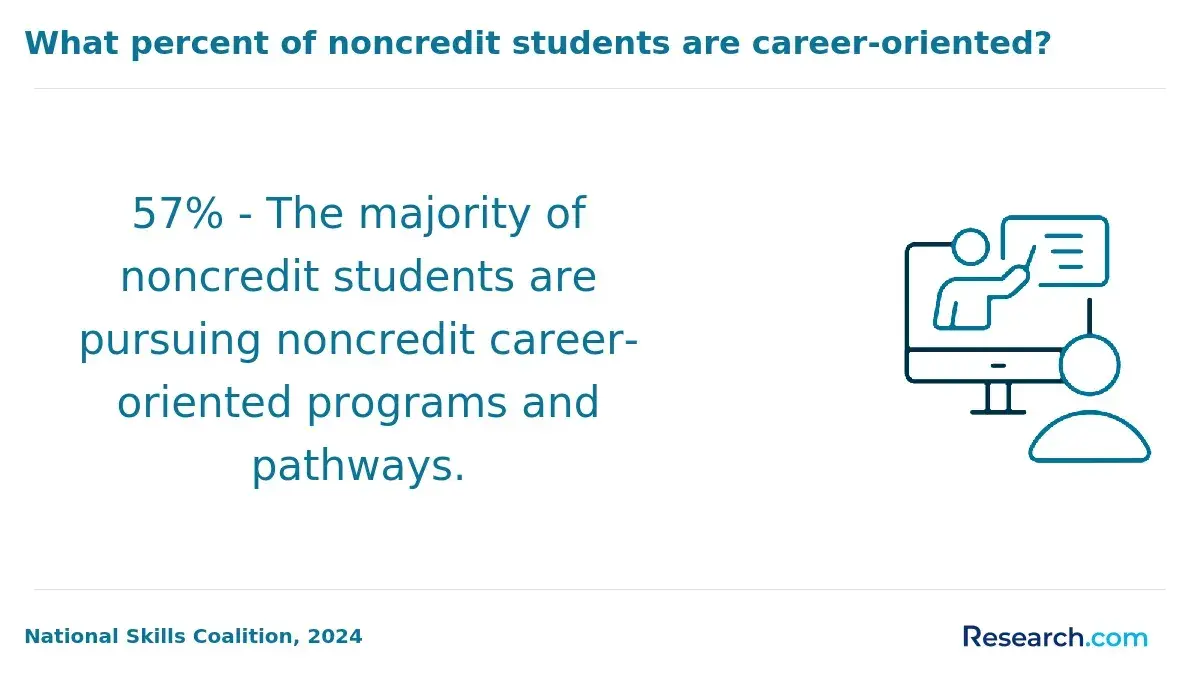
Internship requirements for online sustainability master's programs fluctuate significantly based on institutional priorities and the specific educational model they adopt. Approximately 45% of these programs mandate hands-on experience, manifested as internships, practicums, or applied projects, to develop real-world competencies essential for navigating complex environmental and regulatory challenges.
Others integrate practicum experiences in online sustainability graduate degrees through simulations, case studies, or capstone projects, allowing students to demonstrate applied skills without formal placement. These approaches reflect diverse accreditation expectations and program specializations, where fields like environmental policy may lean more heavily on internships than data analytics tracks.
The variability in design often influences how effectively these experiential components translate into professional preparedness beyond catalog descriptions. For working professionals balancing careers, mandatory internships can introduce scheduling conflicts, especially where remote or flexible placements are unavailable.
Placement availability and the capacity to conduct internships at a current workplace vary widely, impacting time-to-completion and possibly delaying graduation. On the other hand, programs without strict experiential requirements may limit networking opportunities and practical exposure valued by many employers.
Notably, a 2024 National Association of Colleges and Employers report found that 67% of sustainability employers prefer candidates with direct experience, though only 52% require formal internships. Such tradeoffs require students to weigh curriculum structure against their professional circumstances and goals.
Individuals exploring degree options may find useful comparative insights through resources like online MBA programs coMPArison, which include analysis of experiential learning components within related graduate study frameworks.
Which Courses Are Required for Professional Certification Exams?
Online master's programs in Sustainability often design their core curriculum to align explicitly with the competencies required by leading professional certification exams. Foundational coursework typically encompasses areas such as environmental policy, resource management, and corporate social responsibility, which correspond directly to eligibility domains established by credentialing bodies like the ISSP and CEP.
Specialized modules in topics like renewable energy or environmental law are integrated to address prerequisites for advanced certifications such as LEED or certified energy management. This alignment ensures that students engage with a standardized knowledge base reflective of industry benchmarks and regulatory expectations, streamlining the path toward credential recognition.
Failing to complete required or appropriately mapped courses can significantly delay certification eligibility or necessitate supplementary study outside the degree program. For example, a candidate missing formal coursework in climate change mitigation may need to invest additional time in continuing education before qualifying for certain sustainability credentials.
According to a 2024 survey by the National Association of Environmental Management, over 60% of certification holders credited course alignment with recognized curricula as critical to passing exams, underscoring the practical advantage of curriculum-to-certification coherence. Beyond exam readiness, selecting programs with clearly structured pathways reduces risk of skills gaps that could hinder employment in roles demanding documented expertise.
Do Specialization Requirements Extend Graduation Timelines?
Specialization requirements in online Sustainability master's programs often add layers of curriculum complexity that directly influence the total time needed to graduate. These specialization tracks typically require completion of additional courses beyond core environmental policy, resource management, and ethics classes, with strict sequencing rules and prerequisite chains that constrain when students can enroll in advanced topics.
Depending on how a program structures these specialization credits-whether integrated into the two-year framework or appended as optional extensions-students may complete their degrees within standard timelines or face extended enrollment periods. Program flexibility, including part-time study and availability of accelerated or modular courses, also plays a crucial role in mitigating or exacerbating timeline impacts.
Real-world scheduling bottlenecks, such as limited elective substitutions and seasonal course offerings, create practical barriers that extension of graduation timelines. For example, a student focusing on sustainable urban planning might encounter delayed access to required internships or capstone projects offered only during specific terms, pushing expected graduation out by an additional semester or more.
Data from the National Center for Education Statistics (NCES) confirms students pursuing specializations in Sustainability programs generally take 15-20% longer to graduate than those following generalist tracks. This delay forces a tradeoff between acquiring specialized credentials valued by many employers and entering the workforce promptly, which is especially significant for working professionals balancing education with employment obligations.
How Do Sustainability Specializations Affect Career Opportunities?
Specializations within an online sustainability master's program operate as distinct signals to employers, often clarifying a candidate's depth of expertise and practical skills in targeted areas. Recruiters scrutinize coursework focus, applied projects, and technical competencies to gauge alignment with specific roles, favoring candidates whose profiles directly map onto their operational needs.
For instance, expertise in renewable energy management or sustainable supply chains can distinguish applicants in a crowded job market, a dynamic supported by a 2024 U.S. Bureau of Labor Statistics report that found graduates with focused sustainability skillsets gain employment roughly 25% faster than those with general degrees.
This emphasis on specialization shapes expectations around proficiency in regulatory frameworks, data analytics, or environmental finance, reinforcing how sustainability master's specializations influence career advancement opportunities by providing clearer evidence of job readiness in niche sectors. The decision to specialize carries tangible tradeoffs in career flexibility and entry-point eligibility.
While specialization opens pathways into highly tailored positions, it may simultaneously restrict broader role access, requiring candidates to weigh near-term advantages against long-term adaptability. For example, a graduate concentrating in sustainable urban development may find fewer transitional prospects into corporate sustainability strategy roles without significant upskilling.
Conversely, a more generalized sustainability curriculum might allow smoother shifts between sectors but delay proficiency recognition by employers. Prospective students analyzing concentration options should consider these outcomes alongside their career ambitions and evolving market demands, especially if they compare program structures against other fields such as those addressed by online master's history, where specialization similarly impacts employability and role specificity.
How Should Students Compare Online Sustainability Master's Curriculum?
Comparing online sustainability master's curricula requires a structured evaluation of tradeoffs rather than simple preferences. Variations in course sequencing, specialization depth, and experiential learning can significantly impact job readiness, workload balance, and alignment with professional certifications.
Students should consider how these elements influence time-to-completion and the practical skills developed throughout the program.
- Core Course Composition: Assess the balance between interdisciplinary foundations and in-depth coverage of environmental science, policy, and management. Strong core coursework often correlates with smoother employment transitions, as noted by the National Center for Education Statistics in 2024.
- Specialization Depth and Relevance: Examine how deeply programs engage with tracks such as renewable energy or corporate sustainability. The alignment of specializations with evolving industry demands affects employability in niche markets and geographic regions.
- Elective Flexibility: Consider the range and adaptability of elective options. Flexible electives support customization toward specific career goals but may dilute focus if too broad.
- Experiential Learning Requirements: Prioritize programs integrating internships, projects, or case studies. Data from the Environmental Workforce Development Council in 2024 highlights a 15% increase in job placements for graduates with applied learning experiences.
- Certification and Credential Alignment: Review whether coursework or practicum components prepare students for key sustainability certifications, which can influence hiring outcomes.
- Progression and Delivery Structure: Evaluate how courses are sequenced and delivered, ensuring a manageable workload that fits working professionals' schedules and fosters cumulative skill building.
This approach aligns with the broader need to compare accredited online sustainability master's programs thoughtfully, prioritizing evidence-based outcomes and real-world relevance over superficial features. For students exploring cross-disciplinary or career-shifting options, curriculum considerations play a decisive role, similar to evaluating a 2-year criminal justice degree online in terms of program structure and professional alignment.
What Graduates Say About Online Sustainability Master's Curriculum
- Alden: "Completing the sustainability core courses helped me understand that employers in this sector often value a tangible portfolio and relevant internships more than formal licensure. After graduation, I focused on building a diverse project portfolio online, which opened doors to remote work opportunities, even though the salary growth felt capped in smaller organizations."
- River: "The specialization sharpened my skills, but entering the workforce was still challenging without advanced certifications. Many roles required candidates with specific field experience, so I invested time volunteering for environmental NGOs while job hunting. This hands-on involvement proved crucial in navigating hiring realities that aren't obvious from the program alone."
- Easton: "Initially, I thought finishing the sustainability master's would fast-track me into leadership positions, but the reality is more nuanced. Employers prioritize a mix of technical knowledge and practical experience, and without licensure, I found myself pivoting towards consultancy roles. This flexibility has given me a better work-life balance, albeit with some trade-offs in career advancement speed."
Other Things You Should Know About Sustainability Degrees
The sequencing of core courses in the 2027 Online Sustainability Master's Curriculum is structured to accommodate working professionals by offering flexible scheduling options and asynchronous classes. This approach allows students to manage their workloads while gradually developing mastery in foundational sustainability topics.
Choosing specializations that heavily overlap with core coursework-like environmental policy and corporate sustainability-can streamline curriculum demands but may limit diversity in skill development. Conversely, selecting distinct specializations such as sustainable supply chain management or renewable energy broadens expertise but increases complexity and workload. Students should weigh employer preferences for depth versus breadth to optimize career alignment and avoid overextension.
The quality of faculty and their engagement with current sustainability challenges significantly influences the relevance of coursework and networking opportunities. Specializations led by instructors actively involved in industry projects or policy shaping offer students practical insights and access to professional networks, which can translate into stronger job prospects. Prospective students should prioritize programs with transparent faculty profiles and documented industry partnerships.
Career changers aiming for rapid transition into sustainability roles benefit more from applied, project-based coursework that builds tangible skills and real-world problem-solving experience. Research electives, while valuable academically, may not provide the immediate practical competencies employers expect. When time and resources are limited, prioritizing application-focused courses enhances readiness and demonstrates job-market relevance.
References
- Online Master in Sustainability | Rome Business School https://romebusinessschool.com/master-online-in-sustainability-and-circular-bio-economy/
- Learning & teaching https://charm-eu.eu/learning/educational-offer/master-programme/
- ISEP - Institute of Sustainability and Environmental Professionals https://www.isepglobal.org/learn/courses/certificate-in-sustainability-and-environmental-management/
- Online Masters in Sustainability | Programs for Business Leaders https://sumas.ch/programs/online-master-programs/
- Online Master's Programs - SDG Academy https://sdgacademy.org/online-masters-in-sustainable-development/
- Environmental Management for Sustainability Professional Certificate https://www.edx.org/certificates/professional-certificate/usmx-environmental-management-for-sustainability
- STORM - Master's Degree in Sustainability Transition for Organisations and Resilience Management - SEA-EU https://sea-eu.org/storm/
- Best Master’s in Sustainability Programmes: A 2026 GuideC https://bluesky-thinking.com/best-masters-in-sustainability-programmes/
- Top 10 Online Sustainability Courses in 2025 https://www.institutesustainableinnovation.com/en/blog-posts/online-sustainability-courses
- Best Free Online Sustainability Certifications for Beginners https://scale.jobs/blog/best-free-online-sustainability-certifications-beginners