2027 Highest-Paying Jobs with an Early Childhood Education Doctorate: Salaries, Career Paths, and Growth Outlook

Co-Founder and Chief Data Scientist
If you are considering a doctorate in Early Childhood Education, the key question is whether the credential can move you beyond classroom or center-level roles into better-paid leadership, policy, research, or higher education positions.
BLS data shows that postsecondary teachers had a median salary of $83,980 in May 2024, with higher pay often tied to administration, research, or executive responsibility. This guide explains which jobs pay the most, which specializations create leverage, and how to judge whether the degree fits your salary and career goals.
Key Things to Know About High-Paying Jobs in Early Childhood Education
- The highest-paying paths for Early Childhood Education doctorate holders usually sit outside direct classroom teaching, district leadership, higher education administration, research leadership, policy, consulting, and executive nonprofit roles.
- BLS May 2024 data places several relevant advanced education roles above typical early childhood classroom wages, including postsecondary education administrators at about $103,960 median pay and training and development managers at about $127,090 median pay.
- The doctorate has the strongest salary payoff when paired with leadership experience, quantitative research skills, grant management, program evaluation, special education expertise, or large-scale curriculum and assessment work.
Is there high demand for Early Childhood Education doctorate graduates?
Demand exists, but it is uneven. Early Childhood Education doctorate holders are not hired in large numbers for one single occupation; instead, they compete for specialized roles in school systems, universities, government agencies, child advocacy organizations, research firms, curriculum companies, and early learning networks. This means the job market is strongest for candidates who can translate doctoral training into measurable outcomes: better program quality, stronger teacher development, policy compliance, assessment design, or evidence-based interventions for young children.
The most important demand signal is the broader need for highly qualified education leaders. The BLS Occupational Outlook Handbook projects postsecondary teacher employment to grow faster than the average for all occupations over the 2024 to 2034 period. For doctorate holders, this matters because faculty, teacher-preparation, research, and academic leadership roles are among the clearest career paths where the credential is expected or strongly preferred.
Demand is also shaped by public investment in early learning, universal pre-K initiatives, school readiness accountability, and the need to serve children with developmental, linguistic, behavioral, and disability-related needs. Employers increasingly want leaders who can interpret evidence, train educators, manage grants, and evaluate program effectiveness rather than simply supervise daily operations.
The best way to assess demand in your region is to study postings before enrolling or before choosing a specialization. Look for repeated requirements such as "doctorate preferred," "experience with early childhood assessment," "program evaluation," "state pre-K policy," "grant-funded research," or "faculty rank." These phrases show where the doctorate is functioning as a labor-market advantage rather than a credential with limited salary impact.
Which Early Childhood Education doctorate specializations lead to high-paying roles?
The highest-paying specializations tend to connect Early Childhood Education with leadership, systems improvement, data, or specialized student needs. A general doctorate can still be valuable, but niche expertise usually makes it easier to compete for roles with broader responsibility and stronger compensation.
The table below summarizes common doctoral focus areas and the high-paying roles they most often support. Use it as a way to match your academic focus with the type of employer that is most likely to pay for that expertise.
| Doctoral specialization or focus | High-paying roles it may support | Why employers value it |
| Early childhood leadership and administration | Program executive director, district early learning director, chief academic officer | Prepares candidates to manage budgets, staff, compliance, quality improvement, and multi-site operations |
| Curriculum and instruction | Curriculum director, instructional systems leader, faculty member, learning product consultant | Connects child development research with scalable curriculum design and teacher coaching |
| Special education and early intervention | Early intervention director, inclusion specialist leader, special education administrator | Addresses high-need services where compliance, family support, and evidence-based intervention matter |
| Assessment, evaluation, and research methods | Research director, program evaluator, policy analyst, grant principal investigator | Supports data-driven decisions, accountability reporting, and evidence of program impact |
| Instructional design and educational technology | Learning design director, professional development leader, education product strategist | Helps organizations build scalable training, digital learning tools, and educator development systems |
For candidates interested in curriculum, coaching, learning design, or education technology, comparing doctoral options with the best online instructional design master's programs can also clarify whether a shorter graduate credential might provide enough specialization before committing to a full doctorate.
A niche specialization is usually the better choice if you already know the sector you want to enter. For example, research methods can be powerful for think tanks, universities, and government contractors, while early intervention and special education may carry more value in public agencies, districts, and inclusive early learning systems. A broader leadership track makes more sense if your goal is senior administration across child care networks, pre-K systems, or educator preparation programs.
How competitive are the applications for high-paying Early Childhood Education jobs?
Applications for the best-paid roles are usually competitive because the number of senior jobs is much smaller than the number of educators who want to advance. A doctorate helps most when the employer needs scholarly expertise, executive-level judgment, or credibility with faculty, policymakers, funders, or district leaders. It helps less when the job is primarily operational and the employer values years of direct management over doctoral research.
Competition is especially strong in tenure-track faculty hiring, senior district leadership, state-level policy positions, and director-level research roles. These positions often attract candidates with doctorates in Early Childhood Education, curriculum and instruction, child development, educational leadership, special education, psychology, public policy, or quantitative research.
Before applying, candidates should understand the difference between "doctorate required," "doctorate preferred," and "doctorate valued." These phrases affect how much the degree will influence salary and selection.
| Posting language | What it usually means | How to compete |
| Doctorate required | The role likely involves faculty rank, senior research, academic leadership, or advanced policy work | Show publications, dissertation relevance, teaching record, grants, leadership scope, and research methods strength |
| Doctorate preferred | The degree can separate you from master's-level candidates but will not outweigh weak experience | Connect the doctorate to business, student outcome, compliance, or program improvement results |
| Doctorate valued | The employer respects the credential but may prioritize management, networks, or technical skills | Lead with accomplishments, then use the doctorate as evidence of expertise and credibility |
Common mistakes include applying only to broad "early childhood director" jobs, relying on the doctorate alone, and failing to show evidence of measurable impact. A stronger strategy is to target roles where your doctoral work solves a known employer problem, such as reducing teacher turnover, improving kindergarten readiness, evaluating a grant-funded program, scaling coaching models, or strengthening inclusion practices.
There is no single national salary for "Early Childhood Education doctorate holder" because the degree leads to several different job families. The most reliable way to estimate earnings is to use occupation-level salary data and then adjust for your sector, experience, location, leadership scope, and whether the role actually requires doctoral-level expertise.
BLS May 2024 wage data shows why career path matters. Preschool and child care center directors had a much lower median wage than postsecondary administrators or training and development managers, even though all can connect to early learning. This means the doctorate's payoff is usually tied to moving into administration, higher education, research, or organizational leadership rather than staying in the same job category.
The table below gives practical salary context for roles that may be open to Early Childhood Education doctorate holders. These are occupational benchmarks, not guarantees for any individual graduate.
| Role category | Relevant BLS May 2024 median pay | How the doctorate may affect earning potential |
| Preschool and child care center directors | About $54,000 | May help with large-network leadership, accreditation, or executive roles, but many center-level jobs do not require a doctorate |
| Instructional coordinators | About $75,000 | Can improve competitiveness for curriculum leadership, district coaching systems, and program design roles |
| Postsecondary teachers | $83,980 | Often required for full-time faculty roles, especially in teacher education, child development, or early childhood programs |
| Postsecondary education administrators | About $104,000 | Valuable for dean, department chair, program director, assessment, accreditation, or academic affairs roles |
| Training and development managers | About $127,000 | Relevant for professional learning, workforce development, education technology, and multi-site training leadership |
Time-to-degree also affects return on investment. Some working educators compare traditional doctoral timelines with 1 year EdD programs online, but speed should not be the only factor. A faster program is only useful for salary advancement if it is accredited, respected by your target employers, and aligned with the roles you plan to pursue.
For pay purposes, it is often better to ask, "What job will this doctorate help me obtain?" rather than "How much does the degree pay?" A doctorate may produce a strong financial return for a district administrator moving into executive leadership, but a weaker return for someone who remains in a local classroom or center role with a fixed salary schedule.
The highest-paying jobs usually combine early childhood expertise with authority over people, budgets, research agendas, policy, or institutional strategy. Many of these roles are not labeled "early childhood education" in job databases, which is why candidates should search by function as well as field.
The table below ranks high-paying roles by realistic salary potential and fit for doctorate holders. Salary ranges vary by state, employer size, funding source, and whether the role is academic, public-sector, nonprofit, or private-sector.
| High-paying job | Typical salary context | Best-fit doctoral preparation | Notes for candidates |
| Chief academic officer or senior education executive | Often among the highest-paid education leadership roles, especially in large districts, networks, or education organizations | Leadership, curriculum, assessment, organizational change | Requires a record of managing teams, budgets, and measurable learning outcomes |
| Postsecondary education administrator | BLS May 2024 median pay was about $104,000 | Higher education leadership, accreditation, assessment, teacher preparation | Strong path for candidates with faculty, program director, or academic affairs experience |
| Training and development manager | BLS May 2024 median pay was about $127,000 | Adult learning, instructional design, educator professional development | Can fit candidates moving into education technology, workforce learning, or large training systems |
| Education research director or principal investigator | Pay varies widely by university, research firm, grant funding, and seniority | Quantitative methods, program evaluation, early learning assessment | Doctoral research skills are central, especially for externally funded projects |
| Tenured or tenure-track professor in early childhood or teacher education | BLS May 2024 median pay for postsecondary teachers was $83,980, with higher earnings possible by rank and institution | Research, teaching, publication record, teacher preparation | Often requires publications, a research agenda, teaching experience, and service |
| State or district early learning policy director | Compensation varies by agency level, location, and leadership scope | Policy, data analysis, equity, compliance, early childhood systems | Strong fit for candidates who understand funding, standards, family engagement, and program accountability |
| Executive director of an early childhood nonprofit or network | Higher pay is more likely in large, well-funded organizations | Leadership, grant management, evaluation, community partnerships | Fundraising, board relations, and public credibility are often as important as the doctorate |
The best-paying path is not always the best personal fit. A faculty role may offer intellectual autonomy but require publications and a long promotion timeline. Executive leadership can pay more but involves budgets, personnel decisions, compliance, and political pressure. Research roles can be intellectually rewarding but may depend on grants and contract funding.
Earnings can vary dramatically because Early Childhood Education doctorate holders may work in low-margin child care settings, public agencies, universities, consulting firms, school districts, nonprofits, or education companies. The strongest salary outcomes usually come from moving into roles with larger organizational reach rather than simply adding a credential to the same position.
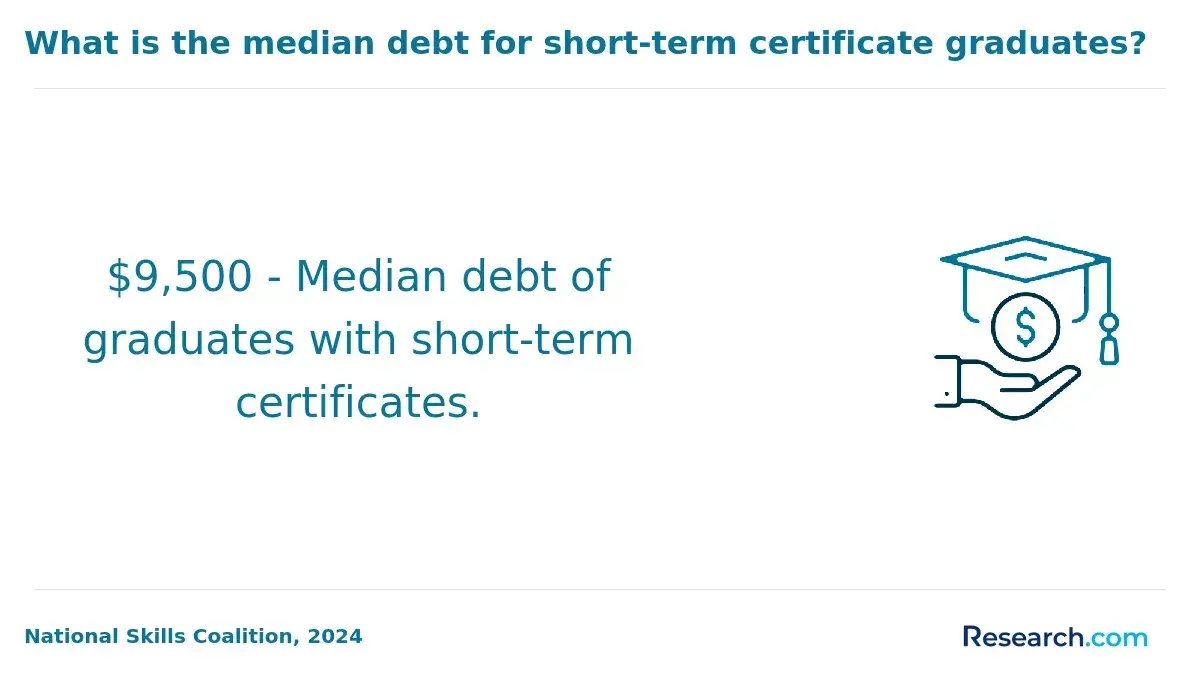
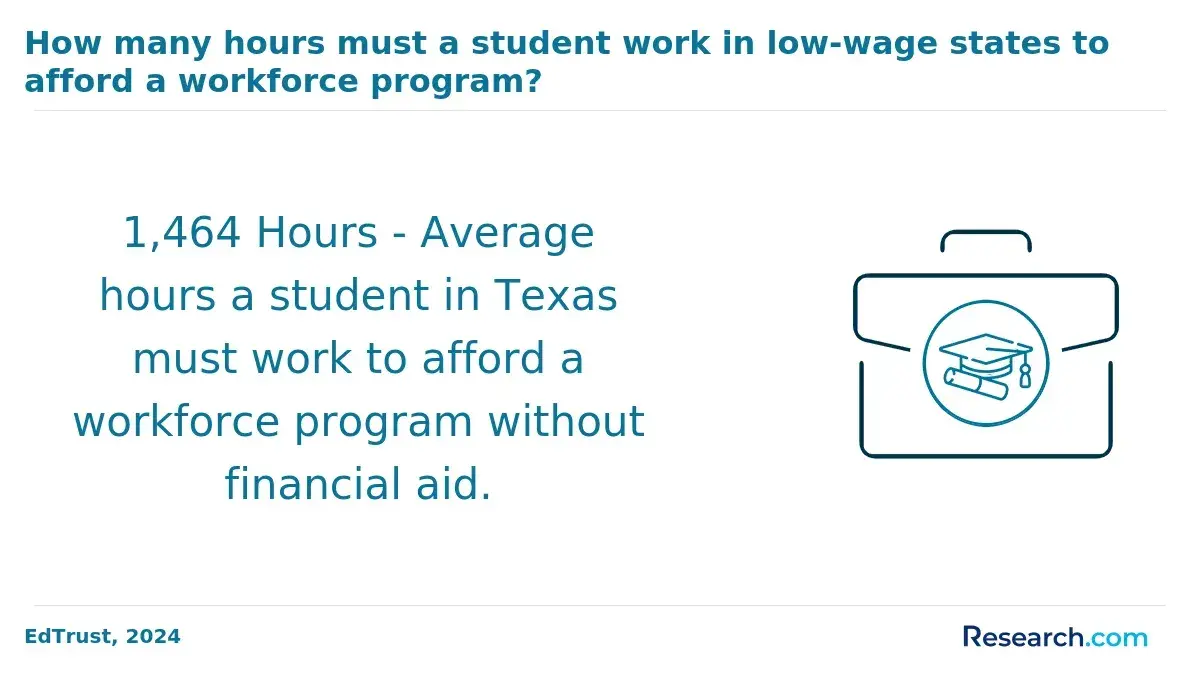
To estimate your own earning potential, compare your current pay with the salary band of your target role, then subtract the total cost and time required to complete the doctorate. NCES graduate tuition data updated in 2024 shows average annual graduate tuition and required fees of roughly $12,600 at public institutions and about $29,900 at private nonprofit institutions. For a multi-year doctorate, this means tuition alone can be a major investment before considering fees, books, travel, lost work time, or reduced hours.
The table below shows how the financial payoff can differ by career move. It is a decision tool, not a promise of income.
| Career move after doctorate | Salary upside | ROI outlook | When it makes sense |
| Teacher or center educator to center director | Moderate in many markets | Often limited unless the role is in a large organization or high-cost metro area | Best if the doctorate is funded or you plan to move beyond one-site management |
| Center director to multi-site or network executive | Potentially strong | Better if you gain budget, staff, compliance, and quality-improvement responsibility | Best for candidates with leadership experience and measurable program outcomes |
| Master's-level educator to professor or faculty leader | Moderate to strong depending on institution and rank | Stronger when the doctorate is required for the target role | Best if you want research, teaching, and academic governance responsibilities |
| District specialist to district or state early learning leader | Strong in larger systems | Better when the doctorate supports policy, assessment, or executive decision-making | Best for candidates with public-sector experience and strong stakeholder skills |
| Educator to research, evaluation, or consulting leader | Potentially strong but variable | Depends on technical skills, client demand, grants, and portfolio strength | Best for candidates with statistics, evaluation, writing, and project management skills |
A practical rule is to avoid enrolling until you can name at least three target job titles, identify employers that hire for them, and verify that the doctorate is required or preferred. If the only benefit is personal growth, the degree may still be worthwhile, but the salary case is weaker.
The industry matters as much as the job title. Early childhood expertise is often undervalued in small, tuition-dependent child care settings, but it can command higher pay when applied to higher education, public policy, research, workforce learning, assessment, accreditation, consulting, or large-scale program administration.
The table below compares sectors that commonly value doctoral-level Early Childhood Education expertise. It focuses on where the credential can influence pay and advancement, rather than where early childhood jobs are most numerous.
| Industry or sector | Pay potential | Demand drivers | Best-fit roles |
| Higher education | Moderate to high | Need for faculty, program directors, accreditation, educator preparation, and research | Professor, department chair, program director, dean-track administrator |
| School districts and public education agencies | Moderate to high in larger systems | Pre-K expansion, early literacy, inclusion, accountability, and family engagement | Early learning director, curriculum leader, assessment administrator |
| Research firms and universities with grant-funded centers | Moderate to high | Program evaluation, intervention studies, federal and state grants, evidence-based policy | Research scientist, evaluation director, principal investigator |
| Education technology and curriculum companies | High for candidates with product, learning design, and market experience | Demand for scalable educator training, assessment tools, and digital learning resources | Learning science lead, curriculum executive, professional learning director |
| Large nonprofit early learning networks | Moderate to high depending on budget | Grant management, quality improvement, advocacy, workforce development | Executive director, chief program officer, policy director |
| Small child care centers | Often lower | Local enrollment, parent tuition, staffing constraints | Center director, owner, quality improvement lead |
Current hiring trends also favor candidates who can work across sectors. For example, a doctorate holder who understands early childhood pedagogy, data systems, educator coaching, and AI-supported assessment tools may be more competitive for leadership roles than someone with only classroom experience. Employers are not generally paying for "AI knowledge" by itself; they are paying for responsible use of data, valid assessment, privacy awareness, and the ability to improve educator support at scale.
The most valuable skills are the ones that help an employer improve outcomes, manage complexity, and justify investment. A doctorate builds credibility, but high-paying employers usually want proof that you can turn research into decisions, programs, policy, or organizational change.
Use the skills below to evaluate your current strengths and identify gaps before applying for senior roles. These are especially important because education employers are increasingly using skills-based screening alongside degree requirements.
- Research design and program evaluation: Ability to assess whether early learning programs, interventions, curricula, or professional development models are working.
- Data literacy: Comfort interpreting child outcome data, teacher observation data, survey results, and compliance reports without overstating what the data proves.
- Leadership and change management: Ability to lead teams through curriculum adoption, accreditation, quality improvement, or restructuring.
- Grant writing and budget management: Experience securing, managing, and reporting on funded projects, especially in nonprofits, universities, and public agencies.
- Policy and regulatory knowledge: Understanding of state early learning standards, IDEA-related services, Head Start requirements, licensing, and quality rating systems where relevant.
- Adult learning and coaching: Ability to train educators, design professional learning, and support instructional improvement without relying on one-time workshops.
- Communication for multiple audiences: Skill in writing for boards, funders, policymakers, families, faculty committees, and practitioner audiences.
Candidates moving toward professional learning, coaching, or education product roles may also compare doctorate models with online EdD programs no dissertation. A capstone-based format can make sense when your target employers value applied leadership projects more than a traditional research dissertation, but academic and research-intensive roles may still prefer dissertation-based preparation.
A common mistake is describing doctoral coursework instead of demonstrating skill. Strong candidates build a portfolio that includes evaluation reports, published or presentation-ready research, curriculum samples, grant work, policy briefs, coaching frameworks, or evidence of organizational improvement.
Career stability depends on funding, employer size, credential expectations, and how essential the role is to the organization. For Early Childhood Education doctorate holders, the most stable paths are usually those tied to ongoing public systems, accredited institutions, compliance, educator preparation, and required services for children and families.
The most stable sectors are not always the highest-paying, so readers should separate "income ceiling" from "job security." The table below compares both factors.
| Sector | Stability outlook | Income ceiling | Key risk |
| Public school districts | Generally strong for established administrative roles | Moderate to high in larger districts | Leadership turnover, budget cycles, and local politics |
| Public universities and colleges | Stable for tenured or continuing roles, less stable for adjunct positions | Moderate to high depending on rank and administration | Enrollment pressure, tenure competition, and publication expectations |
| State agencies and federally funded programs | Often stable when roles are tied to compliance, funding distribution, or required services | Moderate | Policy shifts, legislative budgets, and hiring freezes |
| Research centers and grant-funded projects | Variable | Moderate to high for senior researchers | Grant cycles and contract renewals |
| Education companies and consulting firms | Variable but can be lucrative | High for candidates with product, sales, or client leadership experience | Market demand, restructuring, and performance targets |
| Small child care providers | Variable | Often lower unless ownership or multi-site leadership is involved | Enrollment volatility, staffing shortages, and thin operating margins |
If stability is your main goal, prioritize roles that are embedded in long-term systems: accreditation, special education compliance, early intervention, teacher preparation, public pre-K administration, and quality improvement. If maximum pay is your main goal, you may need to accept more volatility in consulting, education technology, or executive nonprofit leadership.
What do employers of high-paying jobs look for when hiring Early Childhood Education doctorate holders?
Employers usually look for a combination of doctoral credibility and practical evidence. The degree can open the door, but hiring committees and executive search teams want to see whether you have already led work at the scale required for the job.
For high-paying roles, prepare evidence in several categories before you apply. This helps you present the doctorate as a career accelerator rather than a standalone qualification.
- Match your dissertation, capstone, or research agenda to a real employer problem, such as teacher retention, early literacy, inclusion, assessment validity, family engagement, or quality improvement.
- Quantify your leadership scope where possible, including team size, budget size, program sites, grant amounts, accreditation outcomes, or educator cohorts supported.
- Build a portfolio with research briefs, evaluation summaries, curriculum work, professional development designs, conference presentations, or policy memos.
- Request informational interviews with alumni, district leaders, faculty, research directors, and nonprofit executives before you enter the job market.
- Study postings for your target roles and make a skills checklist based on recurring requirements rather than relying on program brochures alone.
Some candidates also strengthen their profile with related credentials or adjacent expertise. For example, those interested in early intervention, developmental assessment, or child and family support may review school psychology programs online accredited by NASP to understand how school psychology training differs from an Early Childhood Education doctorate and when that route may be more appropriate.
Red flags include choosing a doctorate based only on prestige, ignoring accreditation, failing to ask about graduate outcomes, and assuming a doctorate will automatically move you into a high-paying job. Before enrolling, ask programs about alumni job titles, employer partnerships, dissertation or capstone support, research methods training, faculty expertise in early childhood, and whether graduates have entered the roles you want.
Other Things You Should Know About Early Childhood Education
Yes, it can be respected if the institution is properly accredited, the program has strong faculty, and the curriculum matches your target role. Employers usually care more about accreditation, relevant experience, leadership evidence, and the quality of your work than whether coursework was online.
Usually no. Many center director and program director roles require a bachelor's or master's degree plus experience and state-specific qualifications. A doctorate is more useful for senior leadership, higher education, research, policy, or multi-site administration.
Many EdD and PhD programs take about three to six years, depending on transfer credits, enrollment status, dissertation or capstone requirements, and whether the student works full time. Faster options may be available, but they should be evaluated carefully for quality and employer fit.
Salary should be one factor, not the only factor. The degree is most financially defensible when it helps you reach a specific role that requires or strongly prefers doctoral preparation. If your goal is personal growth or classroom impact, the value may be meaningful even if the salary return is modest.
- Where Can an Ed.D. Take You? 6 Careers To Consider - Voices Digital https://www.pacificoaks.edu/voices/from-the-magazine/where-can-an-ed-d-take-you-6-careers-to-consider/
- The Highest Paying Early Childhood Education Jobs | Arizona Early Childhood https://azearlychildhood.org/resources/articles/the-highest-paying-early-childhood-education-jobs/
- EdD Salary - How much can you make with a Doctor of Education (EdD) degree? (2025 Update) https://www.onlineeddprograms.com/faqs/edd-salary
- 10 Career Paths You Can Pursue with an Early Childhood Education (ECE) Diploma - Oxford International Career Colleges https://oicolleges.com/2025/12/03/10-career-paths-you-can-pursue-with-an-early-childhood-education-ece-diploma/
- Positions to Target with an Early Childhood Education Degree - Graduate Programs for Educators https://www.graduateprogram.org/blog/positions-to-target-with-an-early-childhood-education-degree/
- Increased Demand for Skilled Early Childhood Educators https://www.athenacareers.edu/skilled-early-childhood-educators-are-in-high-demand/
- Professions in demand in 2050: How to future-proof your child’s career - Lighthouse https://www.lighthouse-learning.com/professions-in-demand-in-2050-how-to-future-proof-your-childs-career/
- The Critical Role of Early Childhood Education Careers: Shaping Future Generations - post https://www.childcareed.com/a/the-critical-role-of-early-childhood-education-careers-shaping-future-generations.html
- Top Careers in Child Development https://mybrightwheel.com/blog/careers-in-child-development
- Trends for the Future of Education: How Cairn’s EdD Equips You to Lead https://cairn.edu/trends-for-the-future-of-education-how-cairns-edd-equips-you-to-lead/