2027 Online Early Childhood Education Doctorate Programs with Practicum, Internship, Clinical, or Fieldwork Requirements

Co-Founder and Chief Data Scientist
Choosing an online early childhood education doctorate becomes more complicated when the program includes in-person practice requirements. The degree may support leadership, policy, faculty, research, or advanced practitioner goals, but fieldwork can affect where you enroll, how long you study, and what you pay.
The U. S. Bureau of Labor Statistics reported a May 2024 median annual wage of $74,720 for instructional coordinators, a common leadership-adjacent pathway. This guide explains how hands-on doctoral requirements work so you can judge whether a program fits your career goals, location, schedule, and budget.
Key Things You Should Know
- Most online early childhood education doctorates with hands-on components are practitioner-focused EdD, leadership, curriculum, special education, or applied research programs; research-heavy PhD programs may require field-based data collection but not a formal practicum.
- Fieldwork can add travel, supervision, background check, liability insurance, unpaid work time, and placement-delay costs, so the cheapest tuition price is not always the lowest total cost.
- Before enrolling, confirm whether the school approves sites in your state, whether your workplace can count, who secures the placement, and whether hours align with licensure, employer, or career requirements.
Which Online Early Childhood Education Doctorate Programs Require Practicum, Internship, Clinical, or Fieldwork Experience?
Online early childhood education doctoral programs are not all structured the same way. Some are almost entirely online and research-based, while others use supervised practice to help students apply doctoral-level knowledge in early learning centers, school districts, intervention programs, higher education settings, policy organizations, or community agencies.
In general, hands-on requirements are most common in programs designed for experienced educators who want to lead systems, improve instructional practice, supervise programs, evaluate services, or study real-world early childhood settings. They are less common in programs focused narrowly on theory, quantitative research, or academic scholarship, although those programs may still require site access for dissertation data collection.
The table below summarizes the types of online doctoral programs where experiential requirements are most likely to appear. Use it as a screening tool before requesting admissions materials or committing application fees.
| Program type | Common degree label | Likelihood of practicum, internship, clinical, or fieldwork | Best fit |
| Practice-focused early childhood leadership doctorate | EdD in Early Childhood Education, EdD in Educational Leadership with early childhood emphasis | Often moderate to high, especially through applied projects, internships, or leadership fieldwork | Directors, coaches, district leaders, nonprofit leaders, and systems-level early childhood professionals |
| Curriculum and instruction doctorate with early childhood focus | EdD or PhD in Curriculum and Instruction | Varies; may require classroom-based inquiry, coaching projects, or field research | Curriculum specialists, instructional coaches, teacher educators, and program evaluators |
| Special education or early intervention doctorate | EdD or PhD in Special Education, Early Intervention, or Exceptionalities | Often higher if the program prepares students for applied intervention, consultation, or assessment leadership | Professionals working with infants, toddlers, preschoolers, families, and children with developmental needs |
| Research-focused doctorate | PhD in Early Childhood Education, Child Development, or Education | Usually lower for formal practicum, but field-based dissertation research may be required | Future researchers, faculty members, policy analysts, and scholars |
| Licensure-connected or endorsement-oriented doctorate | Doctoral programs tied to administration, special education leadership, or school services | Can be high if state or professional standards require supervised hours | Students pursuing a credential, administrative role, or regulated school-based pathway |
A key mistake is assuming that "online" means "no in-person obligations." In many education doctorates, the coursework is online but the learning evidence comes from a local workplace, school, agency, or approved clinical site. That distinction matters because the placement requirement may be the part of the degree that is hardest to schedule.
What Are the Practicum, Internship, Clinical, and Fieldwork Requirements for Online Early Childhood Education Doctorates?
The terms practicum, internship, clinical, and fieldwork are sometimes used loosely, but they do not always mean the same thing. Understanding the difference helps you compare programs accurately and avoid enrolling in a program with more in-person obligations than you expected.
The table below defines the major experiential terms you may see in online early childhood education doctorate descriptions. Program catalogs should explain the required hours, site type, supervision rules, evaluation method, and whether the experience is tied to a course, capstone, dissertation, or licensure pathway.
| Requirement | What it usually means | Typical setting | How it affects the student |
| Practicum | A supervised, course-based experience focused on observing, applying, and reflecting on specific skills | Early learning center, preschool program, district office, intervention program, or community agency | Usually shorter and more structured than an internship, but may require fixed hours during normal operating times |
| Internship | A more sustained role-based experience where students perform leadership, coaching, administrative, or evaluation tasks | School system, Head Start program, childcare organization, nonprofit, policy office, or higher education unit | May require a semester or more of planned responsibilities and supervisor evaluation |
| Clinical experience | Supervised practice tied to assessment, intervention, consultation, family services, or specialized professional standards | Early intervention setting, inclusive classroom, developmental clinic, or school-based service environment | Can have stricter supervisor qualifications, documentation rules, and site approval standards |
| Fieldwork | A broad term for applied work, observation, data collection, program evaluation, or improvement projects in real settings | Any approved education, child development, family service, or policy environment | May be flexible, but students often need reliable site access and permission to collect evidence or data |
| Applied dissertation or capstone project | A doctoral project addressing a real problem of practice, often in the student's workplace or professional community | Employer site, school district, early childhood program, agency, or regional education network | May not be called fieldwork, but it can still require site approvals, stakeholder access, and implementation time |
Many online EdD programs in early childhood education use an applied dissertation, doctoral capstone, or improvement project instead of a traditional lab-style clinical model. That can be ideal for working professionals because the project may connect directly to their current role, but it also means students must have access to an appropriate organization and decision-makers who will support the project.
When reviewing program pages, look for wording such as "embedded field experience," "clinical practice," "internship seminar," "problem of practice," "improvement science project," "site-based inquiry," or "supervised application." These phrases often signal that the degree includes experiential work even if the program is marketed as online.
How Do Online Early Childhood Education Doctorate Programs Arrange Practicum and Clinical Placements?
Placement responsibility is one of the most important differences among online doctoral programs. Some schools actively coordinate placements, some approve sites that students identify, and others expect students to use their current professional setting for applied work.
The table below compares common placement models. This distinction matters because a student-arranged placement can offer flexibility, but it can also shift risk to the student if local sites are scarce or if state authorization rules limit where the school can operate.
| Placement model | How it works | Main advantage | Main risk |
| School-arranged placement | The university identifies or coordinates approved sites and supervisors | More institutional support and clearer compliance processes | May be limited to certain regions or partner networks |
| Student-arranged, school-approved placement | The student proposes a site, and the program verifies whether it meets requirements | Greater local flexibility for working professionals | Students may spend significant time finding a willing site and qualified supervisor |
| Workplace-based placement | The student completes fieldwork or an applied project at their current employer | Often easier to schedule and directly relevant to career goals | Conflicts of interest, privacy rules, or supervisor qualifications may prevent approval |
| Hybrid residency plus local fieldwork | Students complete online courses, short campus or virtual residencies, and local applied work | Combines cohort support with local practice | Residency travel and fieldwork timing can complicate work schedules |
| Research-site access model | The program does not require a practicum but requires access to participants, records, or settings for dissertation research | Useful for research-focused students who do not need professional practice hours | Institutional review, permission letters, and data access can delay progress |
Before applying, ask the school to describe the placement process in writing. Admissions conversations are helpful, but the catalog, handbook, fieldwork manual, or practicum agreement is usually more reliable than a general statement that placements are "flexible."
Use this sequence to verify whether placement is realistic before you enroll:
- Request the doctoral handbook or field experience manual, not just the marketing page.
- Confirm the exact number of required hours, semesters, courses, and documentation checkpoints.
- Ask whether the university has approved sites in your state and whether state authorization affects fieldwork.
- Find out whether you or the school is responsible for locating the site and backup site.
- Ask whether your current workplace can be used and whether your supervisor may also serve as the field supervisor.
- Confirm background check, immunization, liability insurance, fingerprinting, child-abuse clearance, and confidentiality requirements.
- Ask what happens if a placement falls through after the term begins.
The biggest red flag is vague placement language. If a program cannot explain site approval, supervisor qualifications, or contingency plans before enrollment, assume you may carry more placement responsibility than the brochure suggests.
Many students can complete fieldwork near home, especially if they already work in early childhood education, school administration, family services, intervention, curriculum, or nonprofit leadership. However, local completion is never automatic. It depends on the university's state authorization, site standards, supervisor qualifications, employer permission, and the type of fieldwork required.
The strongest candidates for local fieldwork are students who have stable access to an early childhood or education setting where they can observe programs, lead improvement work, collect approved data, or complete supervised leadership tasks. Students who are changing careers, not currently employed in education, or living in rural areas may need more time to secure an approved site.
Local placement feasibility usually depends on the following factors. Review each one before assuming a nearby school, center, or agency will qualify.
- State authorization: Some universities cannot place online students in every state because of authorization, licensure, or professional practice rules.
- Site type: A childcare center, preschool, Head Start program, school district, intervention agency, or nonprofit may qualify only if it matches the course objectives.
- Supervisor credentials: Programs may require a supervisor with a doctorate, administrator license, special education credential, clinical background, or specific years of experience.
- Employer approval: Your workplace may need to sign an affiliation agreement, allow data collection, protect child and family privacy, and separate your student role from your paid job duties.
- Schedule fit: Many early childhood settings operate during daytime hours, which can be difficult for students working full-time outside the field.
- Population access: Some projects require access to infants, toddlers, preschoolers, families, teachers, administrators, or program data, and not every site can provide that access.
If you want to complete fieldwork near home, contact the program with your ZIP code, state, job title, and potential site before applying. A strong program should be able to tell you whether local completion is common for students in your situation or whether you should expect additional travel.
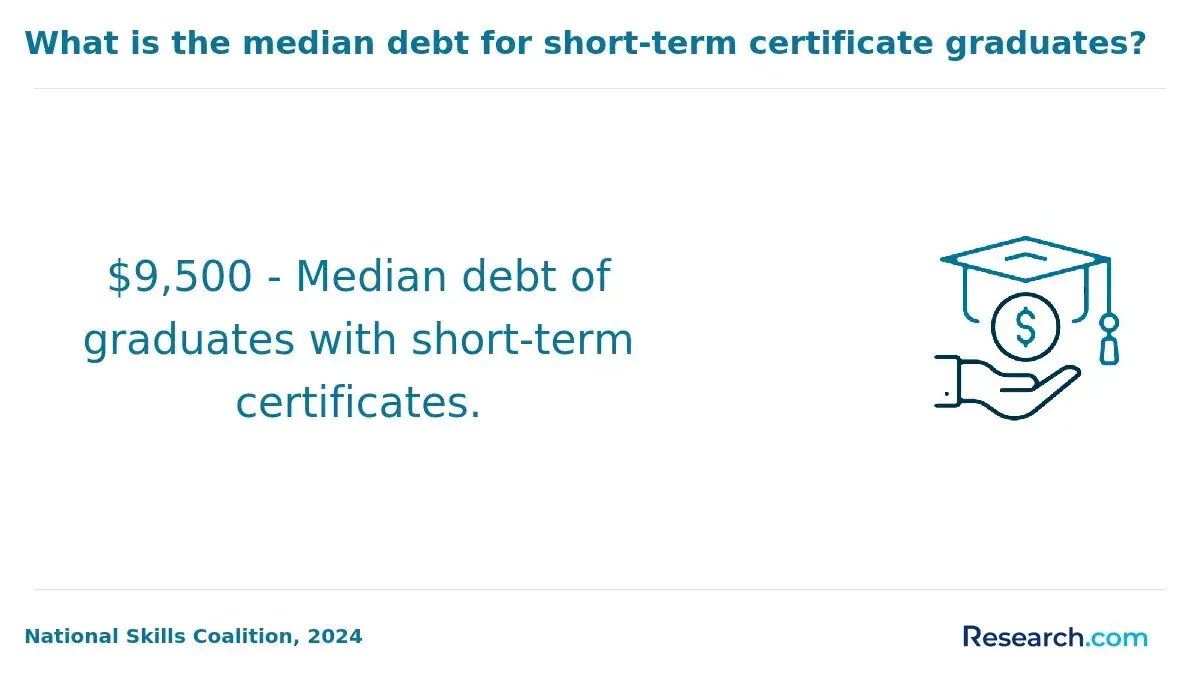
Fieldwork affects cost in two ways: direct expenses and opportunity costs. Direct expenses may include background checks, fingerprinting, insurance, travel, parking, lodging for residencies, technology for remote supervision, and fees tied to practicum courses. Opportunity costs come from unpaid hours, reduced work availability, or delayed graduation if a placement is not approved on time.
Federal Student Aid currently caps Direct Unsubsidized Loans for graduate and professional students at $20,500 per academic year. That limit matters because fieldwork-related costs are often scattered across terms and may not be obvious in the tuition quote, so students relying on loans should ask whether indirect practicum expenses are included in the school's cost of attendance.
The table below outlines common cost and timeline pressure points. It is not a price list; instead, it shows where students should look for hidden or variable costs when comparing online programs.
| Fieldwork factor | Possible cost impact | Possible timeline impact | Question to ask |
| Required hours | More hours can mean more unpaid time, commuting, and schedule disruption | May require one or more dedicated semesters | Are hours completed weekly, in blocks, or across multiple terms? |
| Site approval | Students may pay for documentation, clearances, or site onboarding | Approval delays can push fieldwork to a later term | How long does site approval usually take? |
| Supervisor requirements | A hard-to-find supervisor can limit local options | May delay enrollment in practicum or internship courses | What credentials must the supervisor hold? |
| Residency or campus visit | Travel, lodging, meals, and time off work may apply | Fixed residency dates may affect course sequencing | Are any in-person residencies mandatory? |
| Workplace-based project | May reduce commuting costs if approved | Can speed progress if permissions are secured early | Can my current employer serve as the site? |
Timeline comparisons can be misleading if they focus only on advertised program length. Fast-track options such as 1-year EdD programs online may appeal to experienced professionals, but students should verify whether the accelerated schedule includes fieldwork, a capstone, or dissertation requirements that require site access.
A practical budgeting approach is to separate costs into tuition, university fees, fieldwork compliance costs, travel, and lost work time. If two programs have similar tuition, the one with clearer local placement policies and fewer travel obligations may be the better financial fit.
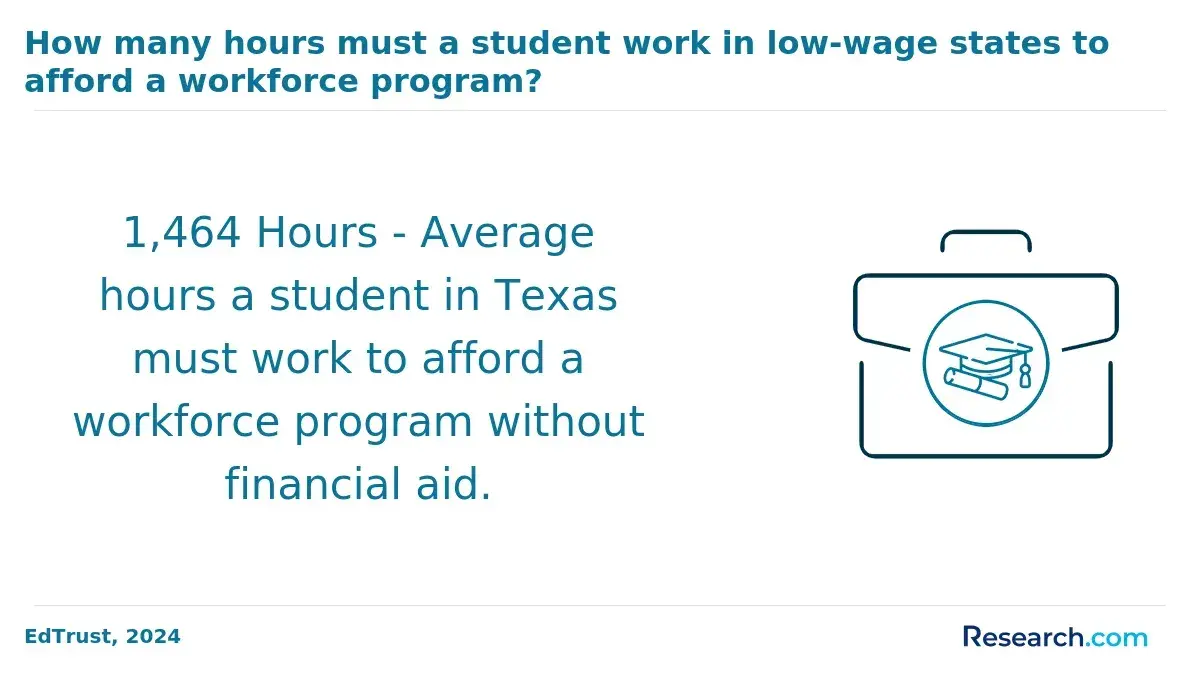
Flexibility varies widely. Some programs allow students to complete applied projects at their current workplace, while others require specific hours, supervisor credentials, population access, or activities that cannot be completed remotely. The key is to distinguish flexible coursework from flexible fieldwork.
Online courses may be asynchronous, but fieldwork often follows the schedule of children, families, teachers, administrators, or agencies. For example, coaching observations, program evaluations, parent engagement activities, and leadership meetings may happen during normal business or school hours.
The most flexible programs tend to share several features. These features are especially important for full-time professionals, caregivers, military-connected students, and students living far from large school systems.
- Multiple approved site types: The program accepts early learning centers, districts, community agencies, policy organizations, or higher education units when they match the learning objectives.
- Workplace option: Students may use their employer if conflicts of interest, supervision, and data privacy are properly managed.
- Clear remote supervision rules: The program explains when video meetings, digital logs, and virtual observations are allowed.
- Predictable course sequencing: Students know which terms require field hours and can plan work schedules in advance.
- Documented contingency process: The school explains what happens if a supervisor leaves, a site closes, or a placement becomes unavailable.
Students comparing dissertation alternatives should also look carefully at the final doctoral requirement. Some online EdD programs no dissertation use a capstone or applied project instead, but that does not necessarily mean less field-based work. In some cases, the capstone requires deeper engagement with a real organization than a traditional dissertation would.
Common mistakes include assuming evening coursework means evening fieldwork, assuming a paid job automatically satisfies practicum hours, and assuming lower required hours always means a better program. Fewer hours may be helpful if your goal is research, policy, or higher education, but more supervised practice can be valuable if your goal requires leadership evidence, coaching experience, program evaluation, or licensure-related documentation.
Accreditation and licensure are separate issues, and confusing them can lead to costly mistakes. Institutional accreditation tells you whether a college or university meets recognized academic quality standards. Programmatic accreditation, state approval, endorsements, or licensure alignment may matter if your doctoral program connects to a regulated professional role.
For early childhood education doctorates, experiential requirements may support professional credibility, but they do not automatically qualify graduates for a state license, administrator credential, early intervention role, or school-based service credential. Requirements vary by state, employer, and professional board.
The table below explains how different quality and compliance layers may affect an online doctorate with fieldwork. Use it to identify which offices or agencies you need to contact before enrolling.
| Requirement type | What it verifies | Why it matters | Who to check with |
| Institutional accreditation | The university meets recognized academic and administrative standards | May affect federal financial aid, transfer credit, employer recognition, and doctoral credibility | Accreditor database, university accreditation page, financial aid office |
| Program approval or educator preparation approval | The program meets state or professional requirements for a specific educator pathway | Important when the doctorate is tied to administrator, teacher leader, or school credentialing goals | State education agency and program certification office |
| Fieldwork site approval | The placement setting and supervisor meet university standards | Required before hours can count toward the degree | Program field placement office or doctoral advisor |
| Licensure or endorsement rules | The state or board determines whether coursework and supervised experience meet credential standards | Critical if you need the degree for a regulated role | State licensing board, state education department, employer HR office |
| Employer recognition | The employer decides whether the degree supports promotion, salary movement, or leadership eligibility | Especially important for district, nonprofit, and higher education advancement | Employer HR, union contract, district policy, promotion committee |
Students considering school-based service roles should be especially careful because professional accreditation rules can be highly specific. For example, students comparing education pathways outside early childhood leadership may also review school psychology programs online accredited by NASP to see how field experience, professional standards, and accreditation interact in a regulated school services field.
The safest approach is to work backward from your target role. If you need a license, endorsement, administrative credential, faculty qualification, or employer-recognized doctorate, confirm those requirements first and then choose a program whose fieldwork structure supports them.
Strong student support can make the difference between a manageable field experience and a delayed degree. Because online students may live far from campus, support should be proactive, documented, and available before the placement begins.
Look for support that covers both academic expectations and practical logistics. A helpful program should not simply tell students to "find a site"; it should explain site standards, provide forms, review placements promptly, train supervisors, and offer escalation steps if problems arise.
The table below summarizes the types of support that matter most during experiential doctoral work. These services are worth asking about before enrollment because they directly affect completion risk.
| Support service | What it should include | Why it matters |
| Placement advising | Guidance on eligible sites, state restrictions, workplace use, and supervisor requirements | Reduces the chance of choosing a site that later fails approval |
| Fieldwork handbook | Written policies, required hours, learning outcomes, evaluation rubrics, and documentation rules | Gives students a reliable reference beyond admissions conversations |
| Supervisor orientation | Instructions for site supervisors on expectations, evaluation, communication, and ethics | Helps ensure the supervisor understands doctoral-level responsibilities |
| Faculty mentor | A faculty member who connects coursework, applied inquiry, and field experience | Improves alignment between the placement and dissertation or capstone goals |
| Technology support | Platforms for logging hours, submitting reflections, video meetings, and storing documentation | Supports remote supervision and reduces administrative errors |
| Problem-resolution process | Clear steps for addressing site closures, supervisor changes, conflict, or ethical concerns | Protects students from losing progress when placement conditions change |
When speaking with admissions or program faculty, ask for examples of recent student placements, not personal details. A school that can describe typical settings, timelines, and support patterns is usually more transparent than one that answers only in general terms.
It is also wise to ask current students or alumni about fieldwork responsiveness. The most useful questions are specific: how long approval took, whether forms were clear, whether faculty responded quickly, and whether the university helped when placement plans changed.
Hands-on doctoral experiences can strengthen career readiness when they align with the student's target role. For early childhood professionals, fieldwork may provide evidence of leadership, program evaluation, coaching, applied research, family engagement, curriculum improvement, policy analysis, or systems change.
Career outcomes depend on prior experience, location, employer requirements, specialization, and whether the doctorate is an EdD or PhD. The degree itself does not guarantee a specific salary or promotion, but the right field experience can help students produce work samples, evaluation reports, improvement plans, publications, presentations, or leadership evidence that employers can understand.
The U.S. Bureau of Labor Statistics reported a May 2024 median annual wage of $104,070 for education administrators in kindergarten through secondary settings. That figure is not specific to early childhood doctorate graduates, but it gives students a useful benchmark for leadership roles in school systems when comparing doctoral cost, time, and career goals.
The table below connects common experiential doctoral activities to potential career uses. The value of a requirement depends less on the label and more on whether it produces credible, role-relevant evidence.
| Experiential activity | Career-relevant evidence it may create | Roles it may support |
| Program evaluation project | Needs assessment, outcome analysis, improvement recommendations, stakeholder report | Program director, policy analyst, nonprofit leader, quality improvement specialist |
| Instructional coaching or curriculum fieldwork | Coaching cycles, curriculum review, teacher support plan, instructional improvement data | Instructional coach, curriculum leader, professional development coordinator |
| Early intervention or inclusion-focused clinical work | Consultation plans, family engagement strategies, intervention evaluation, inclusion supports | Early intervention leader, inclusion specialist, special education consultant |
| Leadership internship | Administrative project, supervision experience, budget or staffing analysis, policy implementation plan | Center director, district early childhood coordinator, agency administrator |
| Applied dissertation or capstone | Research-based solution to a problem of practice, implementation evidence, executive summary | Senior practitioner, faculty candidate, consultant, systems improvement leader |
Current employer expectations also favor professionals who can evaluate tools, curriculum models, assessments, and technology responsibly. As early childhood organizations adopt more digital assessment platforms and AI-supported administrative tools, doctoral fieldwork can help students demonstrate ethical decision-making, data literacy, and implementation leadership rather than just theoretical knowledge.
If your long-term goal is curriculum design beyond early childhood settings, it may also be useful to compare doctorate options with adjacent graduate pathways such as the best online instructional design master's programs. A doctoral degree is not always necessary for every instructional design role, so the right credential depends on whether you want leadership, faculty, research, or design-focused work.
How Should Students Choose an Online Early Childhood Education Doctorate With Experiential Requirements?
The best program is the one that matches your career goal and is realistically completable from your location. A highly regarded online doctorate may still be a poor fit if you cannot secure an approved site, attend required residencies, meet daytime fieldwork hours, or use the experience for your intended credential or promotion pathway.
Start by deciding whether you need a practice-focused EdD, research-focused PhD, licensure-connected pathway, or applied leadership doctorate. Then evaluate fieldwork as a core requirement, not a footnote.
Use the following checklist to compare programs before applying. It focuses on the practical questions that determine whether an online doctorate with hands-on requirements is workable.
- Define your target outcome, such as early childhood leadership, higher education, curriculum leadership, policy, special education consultation, research, or program administration.
- Ask whether the program requires practicum, internship, clinical experience, fieldwork, residency, applied dissertation, capstone, or site-based research.
- Confirm the total required hours, expected weekly schedule, course sequence, and whether hours must be completed during daytime operations.
- Verify whether the university can approve placements in your state and whether any geographic restrictions apply.
- Ask who finds the placement, who approves it, and whether the school provides backup options if the first site fails.
- Confirm whether your current workplace can count and whether paid duties can overlap with student fieldwork responsibilities.
- Review supervisor qualifications, affiliation agreement requirements, background checks, insurance, privacy rules, and documentation systems.
- Calculate total cost beyond tuition, including travel, parking, childcare, unpaid time, compliance fees, and possible delayed graduation.
- Confirm institutional accreditation and any programmatic, licensure, endorsement, or employer-recognition requirements tied to your goal.
- Ask current students or alumni whether fieldwork expectations matched what they were told before enrollment.
Students who benefit most from hands-on doctoral requirements are usually experienced educators and leaders who want to solve real organizational problems, move into leadership roles, document advanced practice, or build a portfolio of applied evidence. Students who primarily want academic research training, maximum schedule flexibility, or a fully remote experience may prefer a research-focused program with fewer supervised practice obligations.
The main red flags are vague fieldwork policies, unclear state authorization, no written placement process, no answer about workplace sites, hidden residency expectations, and promises that sound too broad. If a school cannot explain how students in your state complete experiential requirements, pause before enrolling.
Other Things You Should Know About Early Childhood Education
Many programs prefer applicants with professional experience in education, childcare, early intervention, leadership, or child and family services. Some research-focused programs may admit students with adjacent backgrounds, but practice-based doctorates usually expect applicants to understand real early childhood settings.
An EdD is usually better for practitioners who want leadership, systems improvement, curriculum, or applied change roles. A PhD is usually better for students who want research, university faculty work, or scholarly policy analysis. The better choice depends on your career goal, not on prestige alone.
It can help, especially for community college, teacher preparation, adjunct, or practice-oriented faculty roles. Tenure-track university positions may prefer a PhD, strong research record, publications, and teaching experience, so review job postings before choosing a degree type.
Common requirements include a master's degree, transcripts, resume, statement of purpose, recommendation letters, writing sample, and sometimes an interview. Some programs also ask applicants to describe a problem of practice or identify a possible research interest.
- The Best Ed.D. in Early Childhood Education Programs of 2025 https://www.eddprograms.org/schools/early-childhood-education/
- Section 4: Professional Practice - CACREP https://www.cacrep.org/section-4-professional-practice/
- Learning to Teach: Teaching Internships in Counselor Education and Supervision - The Professional Counselor https://tpcjournal.nbcc.org/learning-to-teach-teaching-internships-in-counselor-education-and-supervision/
- Online Ed.D. in Early Childhood Education | Doctorate in ECE Online https://www.pacificoaks.edu/academic-programs/edd-in-early-childhood-education/
- Pre-Internship Experiences https://www.childlife.org/certification/become-certified/pre-internship-experiences
- PhD in Infant and Early Childhood Development https://www.fielding.edu/school-of-psychology/phd-in-infant-and-early-childhood-development/
- PDIS Portal https://www.coloradoshinespdis.com/s/early-childhood-experience-explained
- Mentorship: An Innovative and Responsive Approach to Professional Learning – Exchange Press https://hub.exchangepress.com/articles-on-demand/182/
- Become a Mentor https://www.shastacollege.edu/academics/programs/early-childhood-education/become-a-mentor/