2027 Graduation Rates for Online Machine Learning Master's Programs: Completion Statistics
Audited and Verified:
Our Editorial and Data Verification Process
Research.com uses government datasets, official education statistics and primary institutional information to support its career and degree guides. Our review process checks factual accuracy, occupational definitions, source dates and the requirements associated with the credentials discussed.
How This Article Was Fact-Checked
Our editorial team verifies salary estimates, employment projections, education requirements and program information against original data providers and official organizations. Salary figures are checked against the relevant occupational definitions and reporting periods. Information about licensure, accreditation and required in-person training is reviewed separately.
Fact-checked and verified on:

Co-Founder and Chief Data Scientist
When juggling a full-time job, family obligations, and the demanding coursework of an online machine learning master's program, the risk of noncompletion often looms large. A 2024 study revealed only about 55% of students enrolled in these programs graduate within the expected timeframe, highlighting how competing responsibilities can undermine persistence.
This stagnation reflects both the academic rigor and the need for strong institutional support, as well as a student's capacity to navigate workload and life pressures simultaneously. Understanding these dynamics is critical because completion-not mere enrollment-affects employability, career trajectory, and long-term investment returns.
This article examines graduation rates, completion statistics, and the key factors influencing timely degree attainment in online machine learning master's programs.
Key Things to Know About Graduation Rates for Online Machine Learning Master's Programs
- Median graduation rates for online machine learning master's hover around 65%, reflecting significant attrition from balancing intensive coursework with full-time employment, underscoring a crucial tradeoff between program rigor and learner time constraints.
- Employers increasingly prioritize candidates from programs with documented completion support services, indicating graduation rates also signal institutional commitment to student outcomes beyond degree conferral.
- Longer average time-to-degree extensions by 20-30% suggest prospective students should budget extra time and financial resources when selecting online machine learning paths, impacting both career timing and opportunity costs.
What Are the Graduation Rates for Online Machine Learning Master's Programs?
Graduation rates for online machine learning master's programs typically fall between 40% and 60% over a six-year period, according to recent data from the National Center for Education Statistics. This range reflects the realities of part-time enrollment and the competing demands many students face, especially mid-career professionals balancing full-time jobs and family obligations.
Completion statistics for online machine learning master's degrees should be interpreted with caution, as lower rates often correlate with extended time-to-degree or temporary leaves rather than outright dropout, highlighting a tradeoff between flexibility and timely graduation. For instance, a student working full-time in a tech role may pause their studies during a critical work project, which slows program completion but does not necessarily indicate failure to graduate.
Understanding these completion statistics is essential for prospective students managing expectations about persistence and planning support needs. Retention rates in related STEM online graduate programs often hover around 70%, suggesting many learners temporarily disengage without permanently leaving their studies.
Institutional factors like cohort-based structures and active mentoring have been shown to improve these outcomes by addressing common barriers such as isolation and time management. When evaluating program options, students should consider how graduation rates and academic support intersect with their personal circumstances.
Those seeking affordable paths might also explore online colleges with financial aid that provide sustained resources enabling clearer timelines toward a machine learning master's degree.
How Do Graduation Rates Compare Among Online Machine Learning Master's Programs?
Graduation rates for online Machine Learning master's programs do not simply reflect academic difficulty but hinge on structural factors like cohort models, pacing flexibility, and support services. Programs offering modular coursework and accommodating part-time students often report completion rates above 65%, aligning better with working adults balancing employment and family.
In contrast, programs with fixed schedules and limited advising may see rates closer to 40%, as students struggle to stay on track amid competing commitments. While more selective programs frequently demonstrate higher completion percentages due to admitting well-prepared candidates, less selective schools with robust tutoring and mentorship can offset admissions variability by boosting retention and reducing attrition.
A key consideration for prospective students is how graduation rates relate to realistic timelines and persistence risks. Some institutions count students who stop out temporarily or extend studies beyond six years differently, creating discrepancies in reported outcomes.
According to the 2024 National Center for Education Statistics, completion within six years for online STEM graduate programs ranges from 40% to 75%. Interpreting this spread demands attention to part-time enrollment and institutional policies on leave of absence or transfer credits.
Career changers and working professionals should therefore weigh the balance between program pacing, access to academic support, and flexibility rather than relying solely on headline graduation statistics when planning their education paths.
A graduate found it challenging to compare two online programs, as one boasted a 70% graduation rate within four years, while the other offered only 50% but allowed seven years for completion. Upon inquiring about cohort definitions, she discovered the higher rate excluded part-time students who often enrolled longer due to work commitments, which matched her own profile.
This revelation led her to prioritize programs with explicit stop-out policies and accessible advising over raw completion data, adjusting her enrollment timeline to accommodate family needs and reduce pressure. Her experience highlights the importance of understanding institutional nuances behind graduation rates when making informed decisions amid diverse learner circumstances.
How Do Online Machine Learning Master's Program Graduation Rates Compare to On-Campus Programs?
Graduation rates for online machine learning master's programs often appear lower than those for traditional on-campus counterparts, but this discrepancy reflects deeper differences in student profiles and program structures rather than simple educational quality. Many online learners juggle full-time employment, caregiving, and other obligations, leading to extended time-to-degree and higher attrition.
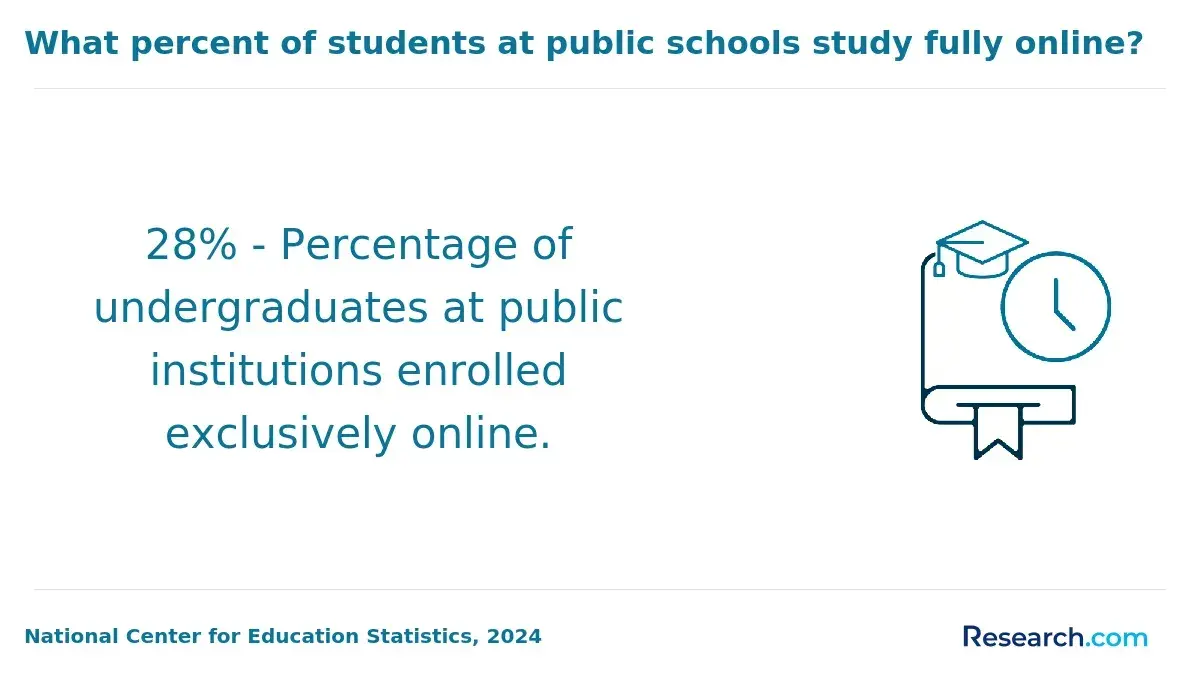
For example, nearly 60% of online graduate students enroll part-time-double the rate of on-campus peers-which strongly correlates with slower progression and lower completion within standard timeframes, as shown in a 2024 National Center for Education Statistics report.
The varied selectivity and support environments between online and in-person programs also influence outcomes. On-campus programs often admit students with stronger academic backgrounds and offer more intensive mentoring and networking opportunities, which enhance retention.
Online programs that invest in virtual advising, cohort cohesion, and interactive platforms can narrow this gap but typically serve a more diverse population with broader educational experiences. Consequently, raw graduation rate comparisons can mislead prospective students unless contextualized against enrollment intensity, institutional support, and program design.
Understanding these nuances is critical for assessing likelihood of completion and matching a program's delivery model to personal constraints and professional timelines.
Prospective students should approach online machine learning master's programs with realistic expectations about pacing and completion. While on-campus learners may finish in around two years, online students often require three to five years due to part-time enrollment and the need to balance external demands.
This extended timeframe can impact workforce entry or advancement differently depending on individual career goals and industry expectations. Recognizing how enrollment status, advising access, and program engagement influence graduation can help candidates make informed decisions tailored to their circumstances rather than relying solely on headline completion statistics.
Graduation rates in online machine learning master's programs hinge on enrollment intensity and the structure of academic support, both of which shape completion timelines and stop-out risks. Full-time students tend to finish faster; the National Center for Education Statistics reports nearly a 20% higher graduation rate within expected timeframes compared to part-time peers who juggle work and family demands.
Poor course sequencing and inconsistent advising can extend time-to-degree by forcing students into unnecessary courses or leaving them unsure of progression, increasing the likelihood of delayed or halted completion.
Flexibility in workload through asynchronous formats and adjustable pacing often improves persistence, especially for adults balancing professional obligations, while strong faculty engagement helps maintain momentum.
Transfer credit policies also significantly influence graduation success by potentially shortening the program length, but uneven acceptance practices can complicate student planning and employer evaluation of credentials.
Pragmatic decision-making about a program's structure and support is crucial when assessing completion rates, given that many students in non-traditional paths cite conflicting work-family-academic demands as a top barrier, as highlighted in a 2024 Online Learning Consortium study.
Prospective students should weigh these factors carefully alongside reported video game designer programs to discern which programs align best with their capacity to manage workload and career goals. Understanding the complexities behind graduation statistics and how institutional policies and cohort frameworks affect outcomes can better guide realistic expectations and reduce surprises during enrollment decisions.
Retention and graduation rates in online machine learning master's programs hinge significantly on the availability and integration of comprehensive student support services. Programs that proactively coordinate academic advising, faculty accessibility, technical troubleshooting, and career guidance help students manage course pacing and workload-especially critical for working professionals coping with competing demands.
For instance, cohort-based structures with built-in peer accountability can prevent attrition by fostering sustained engagement, while early-alert systems identify at-risk students before they drop out or fall behind. A recent 2024 National Center for Education Statistics survey found that programs offering these layered supports saw graduation rates increase from around 48% to 63%, underscoring their role in mitigating common stop-outs caused by life disruptions or technology barriers.
These services also influence how swiftly and smoothly learners can resume studies after interruptions, an essential factor for adult learners balancing career and family obligations. The responsiveness of technical support and personalized advising shapes whether students can maintain momentum or struggle with bottlenecks that delay completion.
Moreover, career services that align with machine learning job markets reinforce motivation by connecting academic progress to employability outcomes, addressing a practical need many students prioritize. Without robust support, learners risk extended time-to-degree or disenrollment, which diminishes the return on investment and complicates re-entry into evolving technical curricula.
One graduate recounted enrolling while managing a full-time job and caregiving responsibilities. When looming deadlines collided with a software platform failure, prompt technical support averted missing crucial assignments. Concurrently, regular check-ins from academic advisors helped the student adjust course loads during a temporary family emergency, alleviating stress and enabling a sustainable pace.
Access to faculty mentors for project feedback fueled confidence in applying complex concepts professionally. The integration of mental health resources and career coaching also played a quiet but vital role, addressing burnout and clarifying post-graduation options-elements which collectively made timely completion feasible rather than an insurmountable challenge.
Students pursuing an online machine learning master's program often face a critical tradeoff between accelerating completion and managing personal and professional obligations. Those enrolled full-time generally finish within 1.5 to 3 years, while part-time learners-especially working professionals-may take 3 to 5 years or longer due to reduced course loads and the sequencing of specialized coursework, such as practica or capstone projects.
Stop-outs triggered by financial or personal challenges further disrupt timelines, contributing to lower persistence and extended paths to degree. These pacing constraints directly impact graduation rates and require careful academic planning, as institutions vary in flexibility around course availability and maximum program duration.
According to a 2024 report from the National Center for Education Statistics (NCES), the median time to finish an online machine learning master's degree is approximately 2.8 years, reflecting the combined experience of full-time and part-time students. This average highlights the realistic pace for those balancing demanding careers and family commitments while striving to maintain steady progress.
Given the competitive nature of the tech field, completing within or close to this timeframe is crucial since timely degree attainment correlates with improved employability and salary growth. Students assessing program options should weigh the pace of progression against their long-term goals, recognizing that prolonged durations may hinder immediate workforce benefits despite offering greater flexibility.
Working professionals evaluating this path should also consider outcomes related to high paying certificate jobs and the practical value of each program's support system. Programs with modular designs and proactive advising help maintain momentum after interruptions, which can be decisive in ensuring degree completion on a reasonable schedule.
Ultimately, understanding the average time to finish an online machine learning master's degree alongside individual constraints is essential for making informed choices that align educational investment with career ambitions.
Graduation success in online machine learning master's programs hinges heavily on enrollment status and how students manage academic and professional demands. Full-time students generally benefit from a more immersive academic schedule, which explains their higher completion rates-around 70-75% within two years according to recent Council of Graduate Schools data. This concentrated pace minimizes stop-out risks and streamlines course sequencing, allowing these students to maintain momentum.
However, this approach may not be feasible for those who must balance full employment, limiting their ability to engage fully without sacrificing income.
Part-time students and working professionals face distinctly different challenges that impact their on-time graduation likelihood. Part-time learners, often juggling family or part-time jobs, typically graduate on time at rates between 45-60%, but their flexible pacing frequently extends degree timelines beyond conventional schedules.
For those working full-time, graduation persistence is around 50-65%, yet time to degree often exceeds three years as they rely on asynchronous formats and program flexibility to reconcile coursework with job responsibilities. The tradeoff for these groups is balancing slower progress against steady income and employer expectations, which can shape not only academic planning but long-term career trajectories.
These contrasting pathways demand strategic enrollment decisions based on personal circumstances and professional goals. Students absorbing full course loads benefit from more direct advising and cohort interaction, aiding in keeping pace, while those leveraging part-time or working professional tracks must prioritize course load intensity, asynchronous access, and employer support to manage competing demands.
Ultimately, understanding these operational dynamics clarifies how degree timelines, stop-out risks, and academic support frameworks differ, empowering prospective students to align program choices with realistic capacity and career timing needs.
Retention rates offer a critical early signal of a student's trajectory in online machine learning master's programs, but they do not translate into graduation likelihood in a simple, linear fashion. For instance, students pausing their studies-stop-outs-may not appear in typical retention metrics, yet many return to completion, reflecting complexities in workforce and life balance decisions.
According to a 2024 report from the National Center for Education Statistics, about 60% of students remaining beyond their first year graduate within six years, highlighting that persistence in initial terms is strongly correlated with eventual degree completion but not determinative on its own.
Program pacing, curriculum design, and advising access significantly influence how retention translates to graduation outcomes. Part-time enrollment frequently extends time-to-degree but serves as a practical accommodation for working professionals balancing job and family responsibilities.
Programs integrating structured course sequencing, clear milestones, and proactive academic support show retention improvements of 10% to 15%, enhancing completion rates by sustaining student engagement.
Prospective students must therefore scrutinize retention data not just for graduation forecasting but also to identify whether a program's structure aligns with their personal and professional obligations, as misaligned pacing or insufficient support can hinder on-time graduation despite initial enrollment persistence.
Graduation rates directly shape the return on investment for an online machine learning master's program by determining whether students transform the significant tuition and time commitment into a valuable credential. With an average completion rate near 55% in STEM online master's programs, prospective students face a notable risk of non-completion that can effectively double the cost per earned credit.
For example, a student who disengages midway or extends their program beyond the typical two years incurs additional tuition and opportunity costs without receiving the salary premium employers expect from degree holders, which undermines financial and career outcomes.
Delayed completion or stopping out not only increases the total cost due to extra semesters of tuition but also depreciates the initial investment by postponing entry or advancement in machine learning roles that prioritize credential verification or equivalent project experience.
Program flexibility and robust student support can improve persistence, making on-time graduation more attainable and reducing the economic strain of prolonged enrollment. Thus, students must evaluate how factors influencing online machine learning master's program graduation rate impact their realistic ROI, balancing academic demands with work and personal responsibilities.
Understanding these dynamics is key for working professionals and career changers aiming to optimize the value of their education time. Considering the risk and financial implications of non-completion alongside opportunities for improved employability helps clarify the true cost-benefit equation for online machine learning degrees.
For those comparing credentials, resources such as jobs I can get with a master's in forensic psychology illustrate how degree completion influences access to specific roles across fields.
Graduation rate data often reveals critical tradeoffs in online machine learning master's programs related to student demographics, enrollment intensity, and institutional support. For example, a working professional balancing full-time employment may prioritize programs with higher completion rates and flexible pacing, as these factors often reflect accessible faculty advising and resources designed to sustain retention.
Using completion statistics to evaluate online machine learning master's programs helps clarify how likely a student is to complete on time, especially given the discipline's demanding curriculum and the competing responsibilities many students face.
National Center for Education Statistics data shows an average six-year completion rate around 55% for online graduate programs, underscoring the challenges adult learners often encounter. Graduation rates should be weighed alongside program flexibility and student success services because they affect not only time-to-degree but also the practical realities of persistence and eventual career outcomes.
For career changers and adult learners, this means carefully assessing programs that balance rigor with adequate support. Those considering alternatives can explore resources such as the best online master's for teaching, which highlight different educational pathways and completion dynamics.
Finally, graduation rates shape realistic expectations for enrollment, tuition investment, and time management. While these metrics do not capture every nuance, they provide a data-informed lens for understanding program quality, retention patterns, and student engagement-crucial for selecting an online machine learning master's program aligned with professional goals and life demands.
What Do Graduates Say About Graduation Rates for Online Machine Learning Master's Programs?
- Augustus: "When I first reviewed the graduation rates for my online machine learning master's program, I regarded them as a useful benchmark rather than a promise. The published completion stats didn't fully reflect the juggling act most of us faced with demanding jobs and family commitments. In hindsight, understanding that pacing myself and utilizing advising resources early helped me stay on track despite the slower-than-average progress many classmates experienced."
- Antonio: "My experience highlighted how cohort structure and faculty responsiveness directly influenced persistence through the program. Although the official graduation rates appeared strong, I noticed several peers struggled without adequate academic support or clear sequencing of courses. This made me cautious about assuming rate figures guarantee smooth progress-active engagement and reaching out to faculty were essential strategies to overcome hurdles."
- Julian: "Looking back, I appreciated that the program's part-time enrollment option was key to managing my workload, even if it extended the time to degree completion. The graduation rate statistics reinforced the importance of persistence but didn't capture how personal circumstances affected timelines. From my experience, the best takeaway was treating completion rates as context rather than a deadline, focusing instead on steady progress while balancing external pressures."
Other Things You Should Know About Machine Learning Degrees
Programs that emphasize advanced math, coding, and research often experience lower graduation rates as students may struggle to balance these demands with work or family. This rigor reflects industry expectations but requires strong time management and prior knowledge. Prospective students should realistically assess their foundational skills before enrolling, as programs with high difficulty might delay completion or lead to dropout despite the degree's eventual value in highly technical roles.
Higher graduation rates often correlate with programs offering flexible pacing and broader content, which might better suit working professionals' schedules but deliver less depth in niche machine learning topics.
Those targeting cutting-edge roles or research should weigh the tradeoff: a more specialized, lower-completion-rate program may be tougher but yield better alignment with technical career goals. Prioritizing graduation rates alone can limit exposure to advanced techniques crucial for competitive machine learning positions.
Most online machine learning master’s programs require 30 to 36 semester credits for completion, and students taking 6 credits per term usually finish in 18 to 24 months. To graduate on time, programs often expect steady enrollment each term and successful completion of core courses in statistics, programming, and machine learning methods.
Programs featuring cohort models and scheduled synchronous sessions typically foster stronger peer interaction and accountability, which improve persistence and graduation rates. Conversely, fully self-paced programs may offer flexibility but can suffer from higher attrition due to isolation and lack of external motivation. Students should consider their own learning style and preference for community versus autonomy when selecting online machine learning programs to maximize completion chances.
- Best Machine Learning Master's Programs 2026 https://hakia.com/degrees/machine-learning/best-masters-programs/
- 15 Best Online Master's in Machine Learning Programs https://www.mastersinai.org/degrees/online-masters-in-machine-learning/
- View of WORKING PROFESSIONALS AS PART-TIME ONLINE LEARNERS https://olj.onlinelearningconsortium.org/index.php/olj/article/view/1902/733
- Online master's degree guide: Programs, costs, and how to apply https://www.edx.org/resources/guide-to-online-masters-degrees
- Best AI Masters Online & On-Campus - AIDegreePrograms.org https://aidegreeprograms.org/rankings/best-ai-masters-programs/
- Why I got a Master's Degree for AI / ML https://accessibleai.dev/post/why-i-got-a-data-analytics-masters/
- Best Online Data Science Masters Programs (2026 Guide) https://skillifysolutions.com/blogs/data-science/best-online-data-science-masters/
- Online Master's Degree in Artificial Intelligence (AI) & Machine Learning | CSU Global | Accredited https://csuglobal.edu/academic-programs/graduate-degrees/masters-science-degree-artificial-intelligence-machine-learning
- Study: Online learning improves retention, graduation rates https://www.highereddive.com/news/study-online-learning-improves-retention-graduation-rates/521271/
- Online Learner Retention: Literature Review and Creation of Prediction Tool Through Statistical Analysis and Machine Learning Techniques - OJDLA https://ojdla.com/articles/online-learner-retention-literature-review-and-creation-of-prediction-tool-through-statistical-analysis-and-machine-learning-techniques