2027 Capstone vs Thesis Requirements for Machine Learning Master's Programs

Co-Founder and Chief Data Scientist
The choice between completing a capstone or a thesis in machine learning master's programs significantly shapes graduate students' paths, especially for working professionals and career changers balancing study with employment. Capstone projects often require proficiency in industry-standard tools like TensorFlow or PyTorch and adherence to tight delivery schedules, demanding rapid application of supervised learning models within collaborative environments. In contrast, thesis tracks emphasize rigorous research methodologies, statistical frameworks, and structured committee oversight, extending timelines but enhancing depth in foundational algorithms and novel approaches. Recent National Center for Education Statistics data shows adult enrollment growth slowing to 1.2%, underscoring timing and flexibility as pivotal factors in program selection. This article examines how capstone and thesis requirements impact time, training, and outcomes to guide readers in choosing the program that matches their work style and career objectives.
Key Things to Know About Capstone vs Thesis Requirements for Machine Learning Master's Programs
- Capstones prioritize applied problem-solving over original research, enabling working professionals to integrate projects with current roles, but often require substantial project management balancing, affecting workload intensity differently than theses.
- Thesis completion tends to align with employers valuing research rigor and innovation potential, which can be a strategic advantage for career-changers targeting research-oriented roles but less critical in industry-focused machine learning jobs.
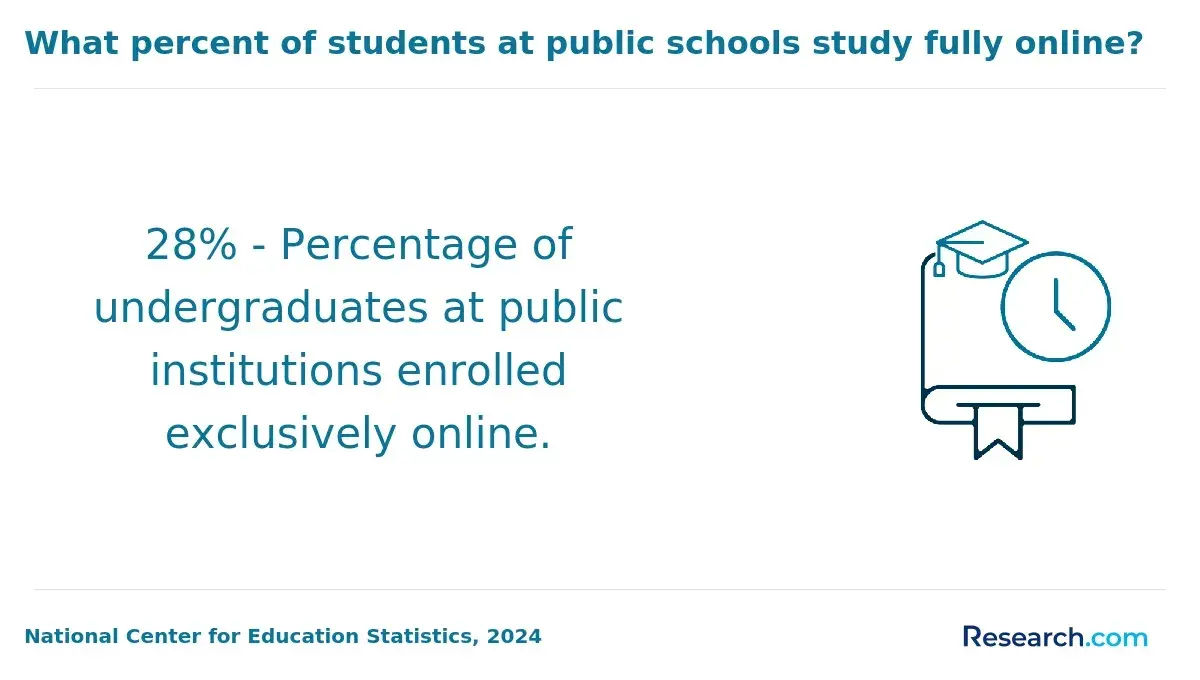
- Online program growth, noted by the National Center for Education Statistics, expands thesis and capstone accessibility, yet time-to-degree varies greatly; capstones often shorten duration, influencing adult learners' financial and scheduling decisions.
What Is a Capstone Project in a Machine Learning Master's Program?
The capstone project in machine learning master's programs represents a deliberate pivot toward applied skill demonstration rather than original research, emphasizing portfolio-ready outputs that align closely with industry expectations. Unlike a thesis, which demands generating novel insights or extending academic literature, capstones require students to engage in problem-solving workflows mirroring workplace scenarios-such as designing predictive maintenance systems that consolidate sensor data to reduce manufacturing downtime. This applied capstone experience versus thesis in machine learning graduate degrees reflects a strategic choice by programs to prepare students for immediate role readiness at the expense of some theoretical depth.
- Professional Alignment: Capstones are structured around delivering practical solutions to real-world machine learning challenges employers recognize, ensuring students develop operational proficiency in data preprocessing, model tuning, and deployment. This emphasis on direct applicability helps graduates build demonstrable skills crucial for roles focused on product or service implementation.
- Collaborative Workflow: These projects often mandate teamwork, reflective of industry environments where machine learning experts liaise with engineers, product managers, and data scientists. Managing cross-functional communication and project timelines becomes a measurable part of the evaluation, differentiating capstone outcomes from the more solitary thesis process.
- Time-to-Degree Optimization: By focusing on concrete deliverables rather than iterative research milestones, capstones usually offer more predictable completion schedules, a significant advantage for working professionals balancing education with career demands. This reduces the risk of extended enrollment common in thesis-centric tracks.
- Contrast With Thesis Learning: While theses prioritize original research contributions supported by extensive literature reviews, capstones emphasize reproducible codebases, documentation, and final prototypes. This shift can limit exposure to theoretical exploration but enhances readiness for roles requiring immediate impact through machine learning applications.
For students weighing program options, understanding how capstone project requirements in machine learning master's programs shape both workload and expected competencies is vital. Those seeking roles with a strong focus on application development and cross-disciplinary collaboration may find capstones better suited to their goals. Conversely, individuals aiming for research-intensive careers or doctoral studies should consider how a thesis might better support those ambitions. Meanwhile, working professionals assessing degree timing and practical outcomes might also weigh alternatives like affordable online MBA programs to complement technical expertise with management skills, depending on their career trajectory.
What Is a Master's Thesis in Machine Learning Programs?
A master's thesis in machine learning programs serves as a distinct academic milestone that goes beyond applied competency, prioritizing original research and scholarly rigor. For many working professionals and career changers, deciding to pursue a thesis versus a capstone often hinges on long-term career intentions and available time. A thesis trains students to tackle open-ended problems independently, an asset for roles demanding innovation or PhD preparation, but it also requires a significantly larger workload and deep conceptual synthesis.
- Research Depth: Unlike practical projects, the thesis demands creating or extending machine learning methodologies, requiring students to formulate problems that contribute to academic or applied knowledge.
- Faculty Mentorship: Close collaboration with expert advisors ensures methodological soundness and helps navigate complex computational challenges typical in machine learning research, enhancing technical and analytical skills.
- Workload and Rigor: Theses involve extensive literature reviews and rigorous validation, reflecting higher expectations for independent inquiry compared to typical capstones focused on implementation.
- Evaluation Criteria: Assessment focuses on originality, technical sophistication, and clarity of argumentation-qualities valued in research-driven or specialized industry roles.
- Career Tradeoffs: While the thesis can position graduates for advanced research jobs or doctoral programs, it may delay degree completion and is often less attractive to those seeking quicker entry into hands-on industry roles.
When Should You Choose a Capstone Over a Thesis in a Machine Learning Master's Program?
Opting for a capstone instead of a thesis in a machine learning master's program often makes strategic sense when timely degree completion and applied skills take precedence over theoretical innovation. Capstones focus on integrating diverse technical competencies into tangible projects relevant to current industry challenges, favoring candidates aiming for immediate impact in roles like data scientist or machine learning engineer over those pursuing academic or research-intensive careers.
- Time Efficiency: Capstones usually follow a structured, predictable timeline, enabling students balancing professional or personal commitments to finish without extended delays common in thesis work that involves exploratory research and iterative experimentation.
- Faculty Supervision Demand: Thesis projects require intensive mentorship and often depend on faculty availability for guiding complex novel research, which can bottleneck progress; capstones rely on more standardized oversight, reducing risk for students when faculty resources are stretched.
- Workforce Alignment: Employers increasingly value practical experience with data pipelines, applied tuning, and collaborative project delivery-skills emphasized in capstone projects-over original algorithm development that a thesis might prioritize.
- Risk Mitigation: Thesis research may encounter dead-ends or require validation of unproven hypotheses, creating uncertainty and potential delays; capstones pose lower academic risk by focusing on well-defined, executable goals with measurable outcomes.
- Career Trajectory Suitability: Candidates targeting industry roles that prioritize project portfolios and demonstrable machine learning tool proficiency will find capstones better aligned with their objectives than lengthy thesis investigations aimed at academic knowledge generation.
One student who wrestled with this decision in their final semester chose a capstone after consulting with their employer, who emphasized the need for immediate application of skills over theoretical novelty. Given limited faculty mentoring options and a planned job switch within six months, they found the capstone's defined scope and predictable schedule better suited to completing the degree promptly while building a portfolio linked directly to workplace projects. The choice relieved concerns about protracted thesis revisions and allowed focus on deliverables valued by hiring managers, illustrating how contextual factors can decisively tip the balance toward a capstone in machine learning master's studies.
When Is a Thesis the Better Option for Machine Learning Students?
Opting for a thesis over a capstone in machine learning master's programs signals a commitment to deeper research engagement that extends beyond immediate application. Thesis tracks prioritize cultivating original inquiry and scholarly rigor under consistent faculty mentorship, making them indispensable for students aiming to contribute novel insights or prepare for doctoral challenges. The structure often requires a longer timeframe and greater methodological discipline, reflecting a deliberate investment in research readiness rather than practical project delivery.
- Doctoral Preparation: A thesis cultivates research skills and a publication record crucial for admission to PhD programs, where comprehensive understanding of algorithms and theory is paramount. This research experience typically surpasses what capstone projects provide, positioning students well for academic vetting and competitive funding.
- Research-Centered Careers: Fields such as AI innovation labs or data science research teams value demonstrated ability to conduct and communicate original research, making a thesis-based degree preferable. The emphasis on theoretical depth enhances eligibility for roles reliant on development of new methods rather than implementation alone.
- Faculty Mentorship: Students benefit from faculty with active research agendas who provide critical feedback and networking opportunities, which often influence academic placements and industry collaborations long term. Programs maintaining thesis options tend to foster close mentor-mentee relationships emphasizing scholarly contribution.
- Time Commitment and Rigor: Thesis tracks demand extended periods for literature review, methodology refinement, and iterative experimentation, which requires considerable time and resources. This academic rigor suits students prioritizing comprehensive knowledge acquisition over shorter practical experience cycles common in capstone projects.
For those evaluating machine learning options, understanding these distinctions aids choosing whether to pursue a thesis-intensive path aligned with doctoral ambitions and research-focused roles. Additionally, those interested in affordable online master's programs should weigh how these structural demands fit their professional and personal schedules.
How Do Time, Workload, and Stress Compare Between Capstone And Thesis in a Machine Learning Master's Program?
The choice between capstone and thesis tracks in machine learning master's programs involves more than just workload-it shapes how students allocate time, manage stress, and engage with the material. For many working professionals, the decision hinges on how these formats fit within complex schedules and future roles.
- Time Frame: Capstone projects are confined to a semester or two, encouraging focused, deadline-driven work best suited for those balancing jobs or family. In contrast, thesis requirements extend across multiple semesters, demanding sustained research effort and flexibility over a longer horizon, which can delay degree completion.
- Workload Distribution: Capstones feature team-based collaboration on applied problems using real-world datasets, which helps share responsibilities and provides peer feedback. Theses require solo, in-depth investigation involving hypothesis generation, coding, and data analysis, placing full ownership on the student and necessitating autonomous time management.
- Stress Dynamics: The capstone's structured milestones offer clearer short-term goals but can generate intense pressure near deliverables. Thesis candidates face persistent demands from iterative revisions and advisor coordination, with elevated uncertainty around research outcomes, particularly in machine learning's rapidly evolving field.
For instance, a full-time employee pursuing a machine learning master's may favor a capstone to stay on a predictable schedule, whereas someone targeting research roles might accept the thesis's open-ended rigor despite the variable timeline. This tradeoff reflects underlying program designs that balance applied skills training against research depth-each pathway aligning differently with career intentions and personal constraints.
How Do Capstone and Thesis Choices Affect Career Outcomes in a Machine Learning Master's Program?
The career impact of choosing a capstone versus a thesis in machine learning master's programs reflects fundamental differences in how graduates demonstrate expertise and fit for roles. This decision influences employer perceptions, hiring trajectories, and the applicability of skills in practical or research contexts. Understanding these distinctions clarifies how each pathway positions candidates within the competitive landscape of machine learning careers.
- Industry Alignment: Capstone projects emphasize applied problem-solving using real datasets and current tools, signaling readiness for roles that prioritize deploying machine learning solutions and product integration. This practical focus can accelerate entry into tech industry positions where tangible project outcomes weigh heavily in hiring decisions.
- Research Rigor: The thesis route highlights original research and theoretical mastery, aligning with roles in R&D labs, doctoral study, and research institutions. It signals an ability to innovate methodologically but may require supplementary applied experience for certain industry roles.
- Skill Signaling Tradeoffs: Capstones showcase breadth and immediate applicability at the potential cost of perceived research depth, while theses demonstrate specialization and scholarly contribution that might extend time-to-degree and delay workforce entry.
- Career Trajectory: Graduates with capstones often gain faster access to cross-functional teams and managerial tracks within applied settings, whereas thesis completers may be better positioned for academic or specialized research careers demanding deep analytical expertise.
Professionals assessing these options should weigh their career goals, time constraints, and the importance of portfolio evidence against research credentials. Adult learners and career changers aiming for rapid workplace integration and seeking recognized employer-ready skills may find capstones more advantageous. Conversely, those targeting research careers or doctoral pathways can benefit from completing a thesis.
For those comparing pathways within the broader landscape of graduate education, exploring the best data science master's programs can provide additional context on curriculum structures, including capstone and thesis requirements.
How Do Research-Based and Applied Learning Differ in a Machine Learning Master's Program?
The choice between research-based and applied learning in machine learning master's programs significantly impacts how students develop expertise and transition into the workforce. Departments emphasize these paths differently because each cultivates distinct skill sets and aligns with varied professional outcomes.
- Purpose and Output: Research-based learning centers on generating original academic insights, expecting students to design experiments and contribute to theoretical knowledge. Applied learning prioritizes building functional tools or solutions that address real-world challenges, often within tight industry constraints.
- Skill Development: Thesis work hones critical thinking, rigorous data analysis, and scholarly communication, preparing students for research careers or doctoral studies. Capstones develop project management, teamwork, and practical implementation skills directly relevant to business environments.
- Time and Resource Commitment: Research pathways often require longer timelines with significant faculty mentorship focused on methodological rigor. Applied projects typically operate on accelerated schedules emphasizing deliverables and client feedback loops, fitting better for professionals balancing concurrent obligations.
- Evaluation Criteria: Faculty assess theses on originality, theoretical contribution, and depth of inquiry. In contrast, capstones are judged on usability, innovation within scope, and applicability to industry problems, reflecting employer priorities.
- Career Trajectory Implications: Students pursuing research pathways frequently target roles in research labs or academia, where producing novel findings matters. Those opting for applied projects usually seek immediate employment in data science, product development, or engineering roles where operational skills and portfolio artifacts carry more weight.
One graduate recalled hesitating before selecting a thesis over a capstone in a Fall 2023 machine learning program, given the intense data access issues that emerged mid-semester. Their advisor insisted on a purpose-driven inquiry pushing current methodologies, which extended the project timeline. Meanwhile, peers completing capstones collaborated with industry partners on streamlined prototypes within fixed deadlines. The graduate appreciated how the thesis refined their analytical depth but later recognized the capstone peers advanced faster into related tech roles. This experience highlighted the tradeoff between academic immersion and immediate professional readiness that defines these learning pathways.
How Does Advising and Mentorship Differ in a Machine Learning Master's Program?
Advising and mentorship in Machine Learning master's programs represent fundamentally different supervisory models, reflecting distinct academic and professional outcomes. Thesis advising assumes a more traditional, research-driven approach, where faculty act as scholarly guides navigating theory and experimentation. This contrasts sharply with capstone mentorship, which functions as pragmatic, industry-aligned coaching aimed at delivering tangible, applied solutions within constrained timelines. The choice between these models has critical tradeoffs affecting student autonomy, workload, and alignment with career objectives.
- Research Focus: Thesis advising prioritizes independent inquiry and theory validation. Faculty advisors require students to engage deeply with academic literature and methodological rigor, often shaping research questions that contribute academically rather than commercially.
- Practical Application: Capstone mentorship centers on real-world deliverables like software prototypes or data solutions, with mentors guiding project execution to meet client or stakeholder needs rather than advancing theoretical knowledge.
- Supervision Intensity: Thesis pathways typically involve scheduled, iterative meetings to refine hypotheses and critique drafts, emphasizing reflective, comprehensive feedback cycles over weeks or months.
- Decision-Making Autonomy: Thesis students must independently steer research directions, managing broad academic scope. Capstone participants receive more directive, hands-on guidance focused on task completion and adapting to evolving project constraints.
For example, a thesis student building novel machine learning models aimed at advancing algorithmic fairness may work closely with faculty committees over several months refining theoretical contributions. Conversely, a capstone student might develop a real-time anomaly detection system for healthcare operations, receiving quick, practical feedback aligned with deployment requirements. Understanding these distinctions clarifies how advising structures influence skill development, time commitments, and professional readiness across academic and industry contexts.
What Are the Typical Structures and Deliverables in a Machine Learning Master's Program?
Choosing between a capstone and a thesis in machine learning masters programs fundamentally affects workload, research scope, and professional preparation. Each structure targets different graduate outcomes and should be selected with the end-use and career trajectory in mind. Professionals balancing work and study might favor the efficient, project-driven capstone, while those aiming for academic careers or research roles should consider the more rigorous thesis pathway. Understanding the typical deliverables and structures of machine learning graduate projects clarifies these tradeoffs.
- Project Format: A thesis requires an extended research study developed under a formal advisory committee, emphasizing originality and scholarly contribution. Capstone projects are applied and practical, often team-based, with faculty mentors guiding towards functional product outcomes rather than formal academic defenses.
- Timeline: Thesis work spans multiple semesters, demanding sustained effort and iterative refinement. Capstones are typically constrained to a single semester or academic year, designed to fit within tight schedules, making them appealing for working professionals or career-changers.
- Defense and Evaluation: Thesis culminates in a comprehensive written document followed by a defense before a faculty committee. Capstones are assessed through project demonstrations and reports, focusing on implementation success and real-world impact rather than exhaustive theoretical discourse.
- Skill Development Focus: Thesis deepens research acumen and theoretical mastery, aligning with doctoral study preparation or research-intensive roles. Capstone emphasizes applied engineering, problem-solving, and cross-disciplinary collaboration, better suiting those targeting immediate technical roles or portfolio building.
This differentiation shapes how students engage with their studies and prepare for the labor market. For example, a capstone might lead directly to a product showcase valued by hiring managers, whereas a thesis might open doors to research roles that require publishing and defending complex methodologies. Prospective students should also consider your long-term professional goals and time constraints, as these elements critically influence the best fit.
For working professionals exploring options that balance study with ongoing employment, especially those interested in remote roles, programs offering capstone projects may align well with the flexibility needed in today's workforce. A useful resource for evaluating such flexible pathways is the collection of work from home degrees, which includes machine learning and related disciplines.
How Flexible Are Program Policies in a Machine Learning Master's Program?
Flexibility in program policies significantly influences how graduate students in machine learning master's programs navigate their culminating requirements. For example, a working professional may prefer a capstone project to accommodate a tighter schedule and applied goals, whereas an aspiring researcher might commit to a thesis despite stricter timelines and supervision demands. Such choices are shaped by institutional rules balancing faculty workload, accreditation standards, and the relative value assigned to research depth versus practical application.
- Policy Variation: Program flexibility varies sharply depending on faculty availability and accreditation requirements, which determine whether students can switch between thesis and capstone tracks or substitute alternative projects. This variation reflects differing institutional priorities between research rigor and industry relevance.
- Track Switching: Some programs allow moving from thesis to capstone midstream, but reversing this is rare due to the increased complexity and original research commitments required for thesis completion.
- Defense and Approval: Thesis options often require formal defenses, limiting schedule flexibility, while capstone projects may be evaluated more informally, allowing rolling submissions tailored for working students.
- Part-Time Enrollment: Flexibility in capstone formats often better serves part-time or working learners balancing employment, whereas thesis demands may constrain these students with fixed deadlines and supervisor availability.
This operational variation is central to understanding how flexible capstone and thesis requirements in machine learning master's programs influence academic planning and career alignment. Students should weigh these policy nuances against their professional timelines and post-degree trajectories to optimize time to completion and workforce readiness. For those considering broader undergraduate pathways or related disciplines, information about the fast cyber security degree may also provide useful insight into program flexibility and workforce integration.
- flexible capstone and thesis requirements in machine learning master's programs
- program policy options for machine learning master's culminating projects
What Do Machine Learning Master's Graduates Say About Their Capstone Vs Thesis Experiences?
- Augustus: "Balancing a full-time job while completing my machine learning master's thesis was a constant challenge, but choosing a project aligned with my current role made the workload manageable. I focused on optimizing existing algorithms rather than building from scratch, which let me directly apply and showcase skills to my employer. This practical approach opened doors to a promotion within my team rather than requiring a separate internship or portfolio overhaul."
- Antonio: "With limited funds and a pressing need to switch careers, I chose a thesis topic that partnered with a local startup, giving me essential hands-on experience and an internship opportunity. The time constraint meant sacrificing some depth in theoretical research, but the real-world case study helped me land a junior data scientist role quickly. I found that employers valued my practical exposure more than the thesis itself, which shaped my approach to early job hunting."
- Julian: "The intense workload of the program forced me to carefully select a thesis that could be completed within a semester without sacrificing quality. I opted for a project centered on reinforcement learning, hoping to stand out in a crowded job market. While the technical skills boosted my resume, I realized that without multiple internships or certifications, my salary growth remains slower compared to some peers, highlighting the trade-offs of a single, focused capstone rather than a more diverse portfolio."
Other Things You Should Know About Machine Learning Degrees
The thesis often demands exploring untested hypotheses, which mirrors the unpredictable research side of machine learning careers. If you prefer structured problem-solving with clearer outcomes, capstones align better with industry demands for delivering actionable solutions under practical constraints. Choosing a thesis means committing to ambiguity and deeper theoretical challenges, while a capstone emphasizes applying known techniques to concrete, often client-driven problems-this distinction influences how well your degree prepares you for roles that require innovation versus execution.
Working professionals must weigh the sustained, intensive focus a thesis requires against the typically shorter, team-oriented timeline of a capstone. A thesis demands extended, self-directed research time, which can conflict with full-time work, whereas capstones often integrate project management skills and collaborative frameworks more compatible with limited availability. For those unable to negotiate significant time off, a capstone usually offers a more manageable balance without sacrificing the depth of machine learning practice.
Top tech employers often respect the rigor of a thesis as a sign of strong analytical and original thinking skills, which can give candidates an edge when applying for research-heavy positions. However, many companies also prioritize practical experience with real-world datasets and collaboration, which a capstone can provide more directly. When deciding, prioritize the thesis if targeting research scientist roles or PhD programs, but choose a capstone if your aim is software engineering or applied machine learning jobs emphasizing project delivery speed and teamwork.
References
- How does your choice of university affect your future? https://theconversation.com/how-does-your-choice-of-university-affect-your-future-45699
- DSpace https://uzspace.unizulu.ac.za/bitstreams/0f4cb128-9ffe-4aa3-9ac3-2d0e474f86a1/download
- Mentors, Coaches, and Trusted Advisors: What’s the difference? - Your CEO Mentor https://yourceomentor.com/mentor-coach-advisor/
- What is a Work Breakdown Structure (WBS) | Project Management https://www.workbreakdownstructure.com/
- How College Choices Affect Career Outcomes | Pharmacy Times https://www.pharmacytimes.com/view/how-college-choices-affect-career-outcomes
- What Are Project Deliverables in Project Management? https://www.atlassian.com/work-management/project-management/project-deliverables
- Master’s Thesis or Capstone Project? Which One Is the Right Choice for https://research-rebels.com/blogs/how-to-write-thesis/master-s-thesis-or-capstone-project-which-one-is-the-right-choice-for-you
- Work Breakdown Structure in Project Management: Short Guide https://productive.io/blog/work-breakdown-structure-in-project-management/
- Capstone vs Thesis – A Complete Guide for Undergraduate and Graduate Students https://www.affordable-dissertation.co.uk/blog/2025/08/05/capstone-vs-thesis/
- Machine Learning Thesis Topics for Masters Students https://phdprojects.org/machine-learning-projects-for-masters-students/