2027 Machine Learning Master's Programs With Practicum Placement Support

Co-Founder and Chief Data Scientist
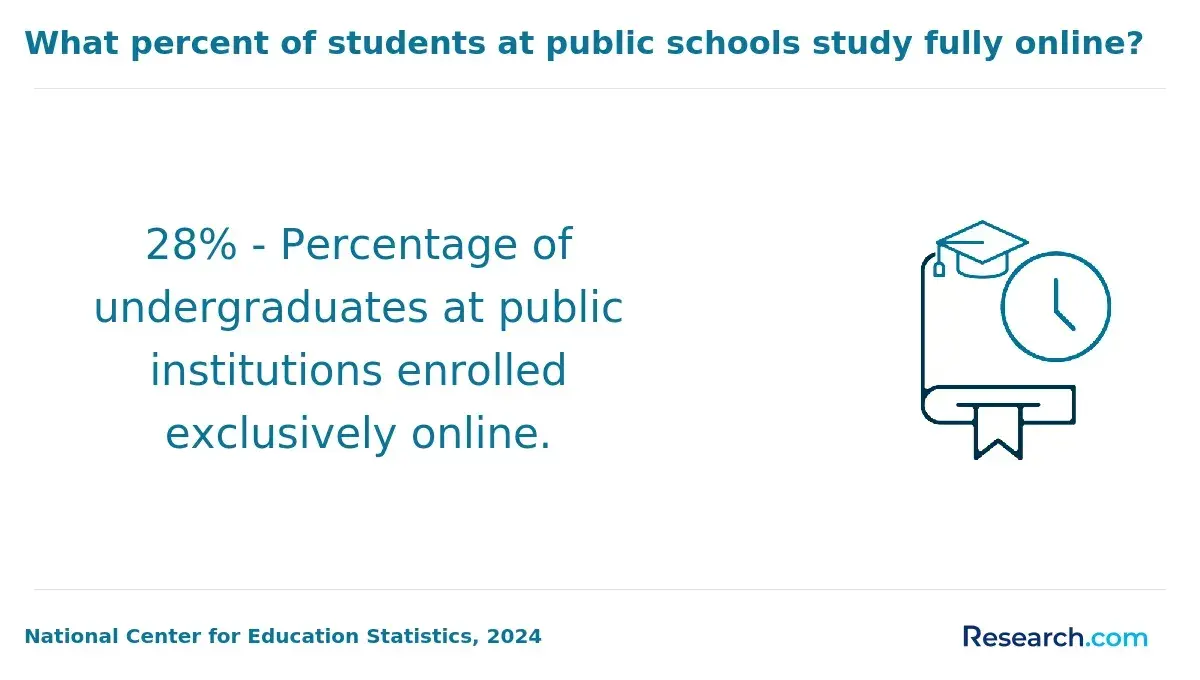
When evaluating master's programs in machine learning, the practicum placement often reveals critical differences in real-world preparation. Many programs advertise hands-on experience, yet the criteria for matching students to placements, the expertise of supervisors, and the variety of sites available vary widely. According to the National Center for Education Statistics, enrollment in online graduate programs grew by nearly 15% in 2023, reflecting increased demand for flexible learning that fits working professionals and geographically distant students. This trend emphasizes the need to scrutinize how programs structure placement supports, ensuring they meet both accreditation standards and contingency plans vital for uninterrupted experiential learning.
Key Things to Know About Machine Learning Master's Programs With Practicum Placement Support
- Programs with rigorous supervisor qualifications ensure project relevance and technical depth, shaping employer perception of graduate readiness but often limit practicum site options due to faculty expertise scarcity.
- Site diversity in placements broadens applied skill exposure, aligning with workforce demand for adaptable talent, yet complicates program logistics and may dilute mentorship quality for specialized machine learning roles.
- Flexible matching processes accommodating part-time or working students address timing and access constraints identified by a 2024 EDUCAUSE survey, but tradeoffs include fewer on-site networking opportunities compared to traditional cohort models.
What Are Machine Learning Master's Programs With Practicum Placement Support?
Master's-level practicums in machine learning programs are distinct educational components designed to bridge theoretical instruction and applied work through structured, supervised projects directly aligned with the field. Unlike internships-which often vary greatly in scope and site selectivity-and broader field placements that might lack academic oversight, these practicums function as integrated course requirements with clear objectives, measurable outcomes, and assessment mechanisms. Prospective students must weigh whether programs provide active practicum placement support, meaning the institution helps coordinate placement with industry partners instead of leaving students to secure opportunities independently. This distinction significantly impacts those entering machine learning without existing professional networks or those restricted by geography, as practicum placement support can open access to meaningful, career-relevant experiences that otherwise would be out of reach.
- Terminology: Practicums differ from internships by their academic integration and assessment components, while they are more specialized and supervised than generic field placements; clinical experiences rarely apply in machine learning contexts, as they relate primarily to healthcare disciplines.
- Placement Support: Programs providing active practicum placement support assist students through a coordinated matching process, partnerships with industry facilities, and contingency plans if placements fail, rather than expecting students to secure sites independently.
- Supervisor Qualification: Effective practicum opportunities require qualified supervisors who possess both machine learning expertise and the capacity to mentor, ensuring the learning process aligns with current industry standards.
- Geographic and Network Constraints: Support matters crucially for students lacking existing professional connections or those constrained by geography, as the program's network and placement assistance can determine access to relevant practicum sites.
- Accreditation and Compliance: Structured practicum programs maintain compliance with regional educational standards, ensuring practical requirements enhance employability and academic rigor.
This article will explore the underlying factors that define the quality and reliability of practicum placements in machine learning master's programs and the best online colleges with no application fee, enabling prospective students to critically evaluate options based on infrastructure, support mechanisms, and career-oriented outcomes rather than promotional narratives.
Why Is Practicum Placement Support Critical in Machine Learning Master's Programs?
Practicum placement support fundamentally influences a machine learning master's graduate's practical readiness and career trajectory, often determining whether competencies align with employer expectations and licensure requirements. Without structured placement assistance, students risk delays, poorly matched sites, and substandard supervision, which can undermine both skill development and credential eligibility.
Accreditation bodies and professional associations emphasize that practicum support is not optional but essential for rigorous program quality. These standards demand clearly documented site diversity, qualified supervisors, and contingency planning to maintain integrity despite placement disruptions. Programs neglecting this infrastructure effectively transfer a significant risk to students, who may struggle to find suitable placements in time, particularly if they are career changers or located in rural areas.
- Student Risk: Placement processes managed solely by students frequently result in inadequate exposure, supervision gaps, and possible disqualification from certifications that specify verified practicum hours.
- Quality Control: Programs with active partnerships vet practicum sites for supervisor credentials and alignment with ethical machine learning practices, ensuring training meets evolving industry standards.
- Accreditation Compliance: Professional standards require demonstrable practicum frameworks to safeguard program accountability and graduate competency, with oversight from bodies governing applied analytics and machine learning.
- Career Impact: Graduates with supported placements report more seamless workforce entry, as employers prioritize candidates with verified, supervised practicum experience.
- Accessibility: Structured placement support mitigates geographic and demographic inequities, providing critical access to field sites for students outside major urban centers.
How Do Machine Learning Master's Programs Structure Their Practicum Components?
Effective practicum structuring in machine learning master's programs directly influences students' readiness for the workforce by aligning applied experience with academic progression. Many employers expect candidates to demonstrate not only theoretical mastery but also domain-specific fieldwork supervised by experienced professionals. Programs that properly balance practicum timing, credit allocation, and integration with coursework help ensure graduates can translate skills to real projects without overwhelming study loads or logistical conflicts.
Students assessing machine learning master's practicum structure should weigh how the practicum fits within the curriculum sequence and the nature of institutional support during placement. Practicums often occur after foundational classes in algorithms and statistics, which is crucial because early exposure to practical problem solving without adequate preparation can hinder learning outcomes. The variation between sequential, block, and concurrent models significantly affects a student's ability to manage employment or family obligations, especially for career changers or those in rural areas needing remote or flexible options.
- Timing: Practicums usually take place in the latter part of the program, once core technical competencies are established, preparing students to engage in complex projects aligned with industry expectations.
- Credit Hours: These fieldwork components generally carry a substantial credit load, frequently between three to six credits, reflecting a comprehensive commitment that includes project execution and reflective activities like reports or presentations.
- Integration With Coursework: Some programs separate practicum entirely after core coursework to let students focus on applied learning, whereas others allow concurrent practicum alongside ongoing classes, which fosters continuous skill application but requires strong time management.
- Sequential Versus Block Models: Sequential practicum placements spread across semesters can reduce intensity per term and suit working professionals or those with family responsibilities. In contrast, concentrated block models offer immersive experience but may pose challenges for students constrained by geography or personal schedules.
- Supervision and Matching: Robust practicum site matching and qualified supervisors with domain expertise are critical components that distinguish programs providing meaningful fieldwork supervision and practicum site diversity in machine learning programs, ensuring relevant and accountable placements.
- Flexibility and Contingency: Flexibility regarding scheduling and remote or hybrid practicum opportunities is increasingly vital, especially for students in non-urban locations. Programs with contingency plans for cancellations maintain continuity in practicum completion, an essential consideration for those with limited site options.
For students navigating options, particularly those balancing professional or geographic limitations, evaluating practicum placement infrastructure beyond credit hours-focusing on sequencing, supervisory support, and adaptability-can materially impact both educational outcomes and employability prospects. Prospective candidates seeking affordable and structured pathways might explore inexpensive masters programs that emphasize these practicum quality indicators, facilitating a strategic entry into machine learning careers grounded in real-world experience.
What Qualifications Do Students Need to Qualify for Machine Learning Practicum Placement Assistance?
Qualifying for practicum placement in machine learning master's programs is often contingent on structured academic and administrative benchmarks, reflecting both regulatory oversight and the expectations of placement sites. These conditions are critical safeguards that prevent misalignment between student readiness and practicum demands, ultimately influencing employability and professional growth.
- GPA Thresholds: A minimum GPA, generally near 3.0 on a 4.0 scale, serves as a baseline indicator of consistent academic achievement, which many employers interpret as a proxy for candidate diligence and problem-solving capacity in rigorous environments.
- Prerequisite Coursework: Completion of foundational subjects such as programming, statistics, linear algebra, and introductory machine learning ensures students possess the technical fluency vital for effective practicum engagement and reduces onboarding inefficiencies.
- Background Checks: Mandatory criminal background verifications address legal liabilities and are non-negotiable for placements involving sensitive data, underlining the importance of early clearance to avoid last-minute disqualification.
- Health Documentation: Situations requiring in-person interaction may necessitate immunizations or health clearances, reflecting heightened safety protocols in health-sensitive or communal workspaces.
- Professional Liability Insurance: Enrollment in liability coverage protects both students and host organizations from potential risks tied to practical work errors, a growing requisite in more regulated industries.
Programs institute these criteria to maintain accreditation standards while fostering trust with practicum partners, but they can complicate timelines for students juggling employment or geographic constraints. Early preparation-such as completing prerequisites prior to enrollment and seeking explicit, written timelines for all eligibility checkpoints-can prevent avoidable delays in practicum placement and maximize field experience quality.
One graduate recalls hesitating during the rolling admissions process because the program required a clean background check and full prerequisite completion before confirming placement eligibility. Uncertain about meeting the deadlines due to ongoing coursework and administrative processing, she requested a detailed timeline from the program office. This clarity allowed her to prioritize health documentation and expedite background screening, ultimately securing a practicum slot without forfeiting her initial preferred start date. Her experience underscores how nuanced eligibility nuances and clear communication with program coordinators can significantly impact practicum access and career trajectory.
Which Types of Practicum Sites Are Commonly Used in Machine Learning Master's Programs?
Practicum sites in machine learning master's programs significantly shape the competencies students develop and the professional ecosystems they enter. Choosing a placement that aligns with one's career objectives is vital; the type of environment determines not only technical focus but also exposure to domain-specific challenges and workplace cultures.
- Hospitals: Students confront complex healthcare data requiring strict adherence to privacy laws like HIPAA, gaining experience in clinical decision support and predictive patient analytics-skills in high demand amid expanded healthcare AI integration.
- Outpatient Clinics: These offer faster-paced, focused datasets tied to longitudinal patient care, fostering adaptability and specialization in nuanced, targeted modeling for diverse patient groups.
- Schools: Placements emphasize ethical management of sensitive youth data and the development of adaptive educational technologies, ideal for those interested in AI's societal impacts and responsible design.
- Community Agencies and Nonprofits: Working with sparse or unstructured data, students enhance skills in explainability and stakeholder communication-critical for social impact projects often constrained by resources.
- Government Offices: Exposure here involves large-scale data interpretation for policy-making, where transparency, fairness, and regulatory compliance dominate, sharpening evaluative and governance-related machine learning expertise.
- Private Practices: These settings demand customization of algorithms with tight confidentiality and client-driven requirements, commonly found in finance or legal tech niches.
- Corporate or Workplace Environments: Students develop operational and product-focused applications, balancing business objectives with technical innovation under typical corporate development cycles.
Understanding how each site influences the population served, data complexity, and organizational norms helps students and professionals reconcile practicum choices with long-term employability. Candidates should investigate how programs assign placements and whether they can select or influence their practicum settings, as this flexibility often dictates the practical value and relevance of the experience across sectors and geographic constraints.
How Do Machine Learning Programs Match Students With Appropriate Practicum Placements?
Effective matching of students with practicum placements in machine learning master's programs hinges on reconciling competing priorities that shape employability and skill acquisition outcomes. For example, a career changer with a niche interest in healthcare analytics located in a rural area may face sharply limited placement options because programs often balance site availability with geographic proximity and available supervision capacity. Some programs fully manage student placements, ensuring alignment with academic goals and accreditation requirements, while others adopt hybrid models where students select preferred hosts from vetted lists before placement confirmation. Understanding how these systems function is crucial for making informed enrollment decisions.
Key factors influencing the student practicum placement process in machine learning programs include:
- Geographic Proximity: Programs prefer locations accessible to students to minimize commuting difficulties and adapt to local labor markets, although this may disadvantage those outside major urban centers.
- Student Interests: Aligning placements with specific specialization goals enhances relevant skill development but can restrict options for less common focus areas.
- Site Availability: The pool of practicum hosts fluctuates annually due to budget and contractual dynamics, limiting placement flexibility.
- Supervision Capacity: Quality mentorship availability is essential for practicum success, yet some sites lack sufficient qualified supervisors.
- Accreditation Alignment: Placements must satisfy curricular and accreditation standards, narrowing eligible sites but ensuring educational rigor.
Prospective students should inquire about how far in advance placements are secured, the protocols if preferred sites are unavailable, and whether they have formal input into placement decisions. Additionally, those assessing program fit should consider how well the practicum structure supports student agency versus program-driven assignment. For machine learning master's candidates balancing location constraints and specialization goals, these variables often dictate early and ongoing adjustments to career plans. For related programs such as social work, similar practicum placement challenges arise, as described in resources like the online social work masters degree guidance.
What Is the Role of Field Supervisors and Faculty Liaisons in Machine Learning Practicum Programs?
Field supervisors and faculty liaisons serve fundamentally different but interconnected functions in machine learning practicum settings, with the quality of their oversight heavily dictating practical learning outcomes. A field supervisor's role is embedded in the workplace environment, requiring substantial industry experience-typically 3-5 years plus relevant certifications or advanced degrees-to guide daily student tasks and validate technical skills in authentic project contexts. Conversely, faculty liaisons operate from the academic institution, ensuring that practicum activities satisfy curricular objectives and theoretical rigor through ongoing evaluation and site visits.
- Field Supervisors: Act as on-site mentors; their expertise bridges real-world challenges and learner application, emphasizing hands-on problem solving aligned with current industry standards.
- Faculty Liaisons: Serve as academic overseers, monitoring educational quality and intervening when practical experiences diverge from pedagogical goals, typically requiring doctoral credentials and strong research backgrounds.
- Supervision Quality: Minimum qualification requirements across programs safeguard practicum integrity, with inadequate supervision risking diminished skill acquisition and reduced employability.
- Communication and Support: Prospective students should critically assess how faculty liaisons maintain engagement-regularity of check-ins, site visits, and conflict resolution mechanisms being key indicators of program responsiveness, particularly important for remote or dispersed learners.
A recent graduate recalled that delays in securing an appropriate field supervisor during rolling admissions introduced notable uncertainty. Their program required documented supervisor qualifications before enrollment could be finalized, prompting the student to weigh accepting a provisional placement or deferring admission. The graduate valued faculty liaison responsiveness during this period; frequent updates and transparent escalation protocols alleviated concerns and ultimately influenced their decision to persist. This scenario highlights that beyond credentials, pragmatic coordination and communication between supervisors, liaisons, and students profoundly shape practicum success.
How Do Machine Learning Programs Support Students Who Face Challenges Securing a Practicum Site?
Securing a practicum site remains one of the most unpredictable challenges in master's programs for machine learning, with direct implications for student readiness and employment prospects. Programs that effectively support students recognize that obstacles-ranging from geographic scarcity to administrative delays-require proactive, student-centered solutions rather than ad hoc responses. For example, students in rural areas may face significantly fewer approved sites, which not only limits hands-on experience but can delay graduation and reduce alignment with employer expectations focused on practical skills.
Data shows that a growing share of machine learning programs experience enrollment surges late in the admissions cycle, intensifying competition for practicum placements and heightening the need for structured assistance. The best programs employ dedicated practicum coordinators who actively manage placement processes with merit-based prioritization, maintain a robust, regularly vetted database of diverse and remote sites, and implement documented contingency protocols to mitigate mid-placement site failures or credentialing holdups.
- Geographic Scarcity: Limited approved practicum sites in non-urban areas create real barriers. Programs with comprehensive, updated databases of remote and varied options help widen access.
- Competitive Demand: Concurrent cohorts often compete for limited placements. Merit- and interest-based matching overseen by coordinators improves fairness and placement rates.
- Credential or Clearance Delays: Background checks and verifications commonly delay start dates; clear timelines and checklist guidance reduce such administrative risks.
- Mid-Placement Site Failures: Unexpected site withdrawal disrupts progress; having backup sites and flexible arrangements ensures completion.
- Personal Hardships: Programs that prioritize transparent communication can adapt placements or alternatives when students face health or employment issues.
Prospective students requiring practicum placement assistance for machine learning students-particularly those with geographic constraints, employment restrictions, or niche career goals-should thoroughly assess how programs guarantee placement success and contingency planning before enrollment. This rigorous evaluation distinguishes programs with meaningful support from those offering minimal practical placement infrastructure.
For individuals balancing work or limited mobility, exploring options like the cheapest mechanical engineering degree online reveals how flexible, accredited programs can accommodate professional demands while advancing specialized skills.
What Accreditation Standards Govern Practicum Requirements in Machine Learning Master's Programs?
Accreditation standards serve as a crucial filter distinguishing machine learning master's programs with substantive practicum placements from those offering minimal or unverified field experience. For graduates, the ramifications are tangible: employers, licensure boards, and advanced degree programs frequently demand proof that practicum experiences met established benchmarks. One common pitfall is enrolling in a program lacking rigorous site approval or supervision protocols, which can result in practicum hours being discounted or rejected, narrowing career and licensing options.
- Regional Institutional Accreditors: Organizations like the Middle States Commission on Higher Education ensure institutional responsibility for practicum oversight. They require formal agreements with placement sites, enforce student safety standards, and mandate supervision ratios that support individualized mentorship, which is critical when programs serve students in rural or geographically constrained areas.
- Programmatic Accreditors: Bodies such as ABET set discipline-specific criteria, including mandated practicum hours-usually between 120 and 160 clock hours-and supervisor qualifications that stress relevant credentials and experience. Their standards call for structured matching processes and ongoing site approval to maintain consistent learning conditions aligned with employer expectations.
- Professional Associations and Standards Bodies: Entities like the IEEE Computer Society and ACM advocate for applied practicum elements balanced with theoretical knowledge, emphasizing low student-to-supervisor ratios, continuous feedback, and contingency plans to navigate placement disruptions.
Because licensing board requirements for machine learning practicum placements often hinge on these accreditation criteria, prospective students must scrutinize the practicum standards linked to each accreditor and demand written confirmation of a program's accreditation status from admissions representatives. This diligence ensures the practicum component will be formally recognized and facilitate smoother transitions into employment or further education.
For individuals evaluating online or flexible options, such as those balancing work or located in remote areas, verifying robust practicum support that aligns with accreditation standards is equally vital. Considering alternatives like spanish degrees online highlights the broader necessity of understanding accreditation implications across disciplines when choosing specialized graduate programs.
How Do Online and Hybrid Machine Learning Master's Programs Handle Practicum Placement Support?
Online and hybrid machine learning master's programs confront distinct operational challenges when facilitating practicum placements, chiefly because students are dispersed across multiple states and regulatory environments, each demanding locally sanctioned supervision and specific site agreements. The complexity intensifies given that many states impose unique credentialing requirements on practicum supervisors and mandates on placement settings, which programs must navigate to ensure compliance and relevance. Failure to manage these intricacies limits students' access to meaningful hands-on experience, potentially constraining employability in regions where state-specific licensure or data privacy laws intersect with practicum activities.
- Nationally Networked Site Databases: These databases expedite placements by listing a wide range of pre-approved sites and supervisors nationwide but often lack the nuanced oversight needed for strict state-level regulations or for students in rural settings that fall outside major networks.
- State-Specific Placement Coordinators: By assigning coordinators to individual states, programs can more effectively handle localized regulatory nuances and cultivate stronger partnerships with regional employers; however, this method demands significant administrative resources and may lead to uneven support across states depending on program capacity.
- Partnerships with Multi-Site Organizations: Collaborating with large entities operating in multiple jurisdictions streamlines placement consistency and supervision quality but can restrict site diversity, limiting exposure to varied organizational cultures and industry segments critical for well-rounded professional development.
- Student-Identified Site Approval Workflows: Allowing students to propose local practicum sites increases flexibility, especially for those in underserved or rural areas, but heavily relies on timely program responsiveness and rigorous yet adaptable approval criteria to maintain practicum quality and compliance.
Prospective students evaluating online machine learning programs should rigorously inquire about placement success rates across states, available support specifically tailored for students outside urban centers, and any state licensing barriers that might affect degree recognition or the ability to complete practicum requirements effectively. Such inquiries are essential given that employers often expect hands-on experience verified by compliant placement, influencing hiring outcomes and salary growth trajectories in a market where starting machine learning roles typically range from $85,000 to over $115,000, according to recent labor statistics.
What Graduates Say About Machine Learning Master's Programs With Practicum Placement Support
- Augustus: "Balancing a full-time job and the master's program was my biggest hurdle, so I picked a course with practicum support to accelerate real-world learning. The decision paid off as I secured a summer internship that bolstered my portfolio, which employers valued more than the formal credential alone. However, I quickly realized that many roles still favored candidates with additional certifications or extensive project experience, so continuous skill-building post-graduation remains essential."
- Antonio: "I switched careers with a tight budget and chose a program emphasizing practicum placement to maximize hands-on experience without prolonged unemployment. This hands-on approach gave me practical skills and a network that landed me an entry-level data analyst role within months. Still, the salary growth has been moderate, and I've had to weigh opportunities in remote versus on-site positions carefully, as some employers prioritize in-person team collaboration when advancing roles."
- Julian: "As someone new to machine learning, workload concerns led me to select a master's program that integrated practicum placements to blend study with applied projects. That real-world exposure helped me transition into an AI internship, which was pivotal in building relevant skills. Although the path was demanding, the experience taught me that practical internships often open more doors than standalone degrees, especially in competitive markets where employers seek demonstrated ability over licensure alone."
Other Things You Should Know About Machine Learning Degrees
Machine Learning practicum hour requirements vary widely but usually range between 120 and 200 hours, often spread across several months. Programs demanding higher hour thresholds tend to offer deeper industry immersion but also increase time commitments that busy working professionals or career changers must weigh carefully. Prospective students should consider whether the practicum duration fits their schedules and if the time investment reflects meaningful exposure rather than just ticking a box.
Students should ask targeted questions about how placements are matched, the diversity and relevance of practicum sites, the qualifications of onsite supervisors, and support for off-campus or remote placements, especially if they live outside urban centers. Robust programs provide clear contingency plans if placements fall through and maintain strong industry ties to ensure relevant, current experiences. Prioritizing such infrastructure is crucial because weak placement support often leads to generic experiences that do not significantly enhance employability.
Effective practicum placement support can bridge academic learning with employer expectations by granting direct exposure to real-world projects, tools, and interdisciplinary teams. Students should leverage program resources to secure placements that align with their targeted industry sectors or technical specializations. Additionally, proactively building professional networks during practicums can outweigh standalone course credentials; therefore, programs emphasizing mentorship and employer engagement provide greater long-term career leverage.
References
- Master’s in AI Online: Today’s Best Programs https://www.onlinemastersdegrees.org/best-programs/computer-science/artificial-intelligence-ai/
- AI-ML Engineer Job Guarantee Bootcamp | Fortray Global Services https://www.fortray.com/itcareerswitch/ai-and-ml-engineer-job-placement-after-training-certification-course-online/
- Master of Science in Artificial Intelligence and Machine Learning https://walshcollege.edu/programs/master-of-science-artificial-intelligence-and-machine-learning/
- How to get a machine learning internship http://kuchaev.com/2020/02/ml-internship.html
- Campus & Online ML Master’s Programs from 50 Universities https://aidegreeprograms.org/degrees/machine-learning-masters-programs/
- Research Programs https://ellis.eu/research/programs
- Is a Master’s in Machine Learning Right for You? https://aifwd.com/education/masters-in-machine-learning/
- Online Master's Degree in Artificial Intelligence (AI) & Machine Learning | CSU Global | Accredited https://csuglobal.edu/academic-programs/graduate-degrees/masters-science-degree-artificial-intelligence-machine-learning
- Machine Learning with a Year in Industry | Royal Holloway, University of London https://www.royalholloway.ac.uk/studying-here/postgraduate/computer-science/machine-learning-with-a-year-in-industry/
- Professional Master's and Graduate Diploma | Mila https://mila.quebec/en/prospective-students/professional-masters-and-graduate-diploma