2027 Career Paths with a Machine Learning Master's Degree Explained
Audited and Verified:
Our Editorial and Data Verification Process
Research.com uses government datasets, official education statistics and primary institutional information to support its career and degree guides. Our review process checks factual accuracy, occupational definitions, source dates and the requirements associated with the credentials discussed.
How This Article Was Fact-Checked
Our editorial team verifies salary estimates, employment projections, education requirements and program information against original data providers and official organizations. Salary figures are checked against the relevant occupational definitions and reporting periods. Information about licensure, accreditation and required in-person training is reviewed separately.
Fact-checked and verified on:

Co-Founder and Chief Data Scientist
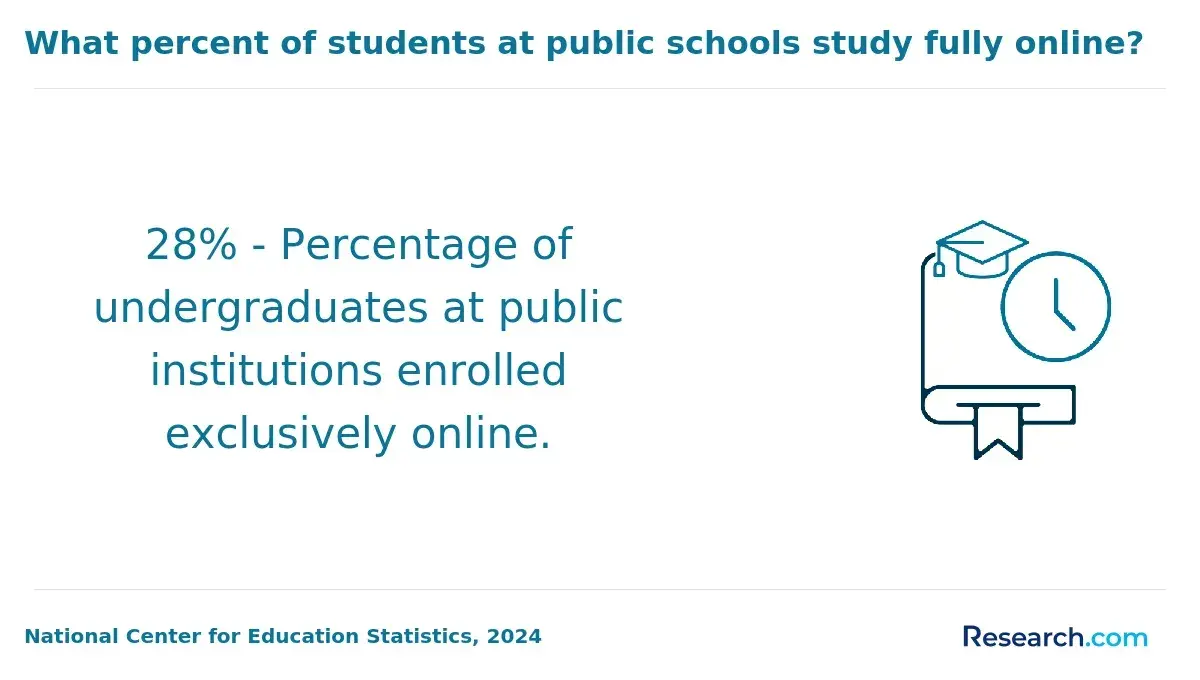
The career landscape for professionals holding a machine learning master's degree continues to shift as employers prioritize advanced technical expertise combined with leadership and strategic problem-solving. Graduates are increasingly tasked with managing complex data ecosystems, collaborating across functions, and applying domain-specific regulations, such as data privacy and model governance frameworks. According to the National Center for Education Statistics in 2024, flexible scheduling and online options have expanded access to graduate programs for working adults, reflecting the growing need for adaptable learning pathways that accommodate career transitions and skill upgrades. This article explores diverse career trajectories enabled by machine learning master's degrees and aids in assessing their fit for long-term professional goals.
Key Things to Know About Career Paths With a Machine Learning Master's Degree
- Machine learning master's degrees often demand deep specialization, narrowing career paths to roles emphasizing advanced algorithm design over broader data roles, limiting flexibility for some mid-career changers.
- Employers increasingly seek candidates who combine machine learning expertise with domain knowledge, prompting graduates to develop cross-industry skills for leadership roles and strategic influence beyond technical execution.
- Growth in accredited online machine learning programs, noted by the National Center for Education Statistics in 2024, expands access but requires candidates to weigh remote learning tradeoffs with networking limitations impacting career momentum.
What Can You Do With a Machine Learning Master's Degree?
Career decisions following a master's in machine learning often hinge on how the degree's specialized technical and theoretical foundation translates into distinct professional roles. Graduates face a dynamic labor market where the depth of their knowledge can either narrowly define their expertise or broaden their suitability for leadership and interdisciplinary functions.
Navigating these opportunities requires understanding the tradeoffs between technical specialization and managerial responsibility, industry-specific demands, and the longevity of one's career growth trajectory.
- Technical Specialist: Graduates who focus on hands-on algorithm development and model optimization may advance as machine learning engineers or research scientists. These roles demand continual skill refinement in areas like deep learning architectures and natural language processing, offering strong compensation yet requiring commitment to ongoing technical education to retain cutting-edge expertise.
- Product and Project Leadership: Leveraging machine learning knowledge to oversee AI-driven products or data initiatives allows professionals to transition into roles with broader influence but less direct coding. Success here depends on blending technical credibility with strategic planning, making the master's degree's interdisciplinary aspects especially valuable.
- Industry-Specific Innovation: Fields such as healthcare and autonomous vehicles highly value machine learning graduates who can tailor AI solutions to sector-specific complexities. This pathway often leads to roles combining domain expertise with algorithmic proficiency and can result in increased job stability amid evolving regulatory and ethical considerations.
- Research and Academia: A machine learning master's degree can serve as a stepping stone toward research positions or doctoral study, especially for those aiming to contribute to evolving theoretical frameworks. However, this trajectory usually demands acceptance of comparatively lower initial earnings and less immediate industry influence.
- Consulting and Strategy: Professionals applying machine learning know-how in business analytics or management consulting translate technical insights into actionable strategies for diverse clients. This requires not only analytical mastery but also communication skills and business acumen, providing a flexible career path that often rewards strategic thinking over technical depth.
Engagement with ongoing industry advances is critical to maximize the long-term value of a master's degree in machine learning. Examining these career paths highlights that employment outcomes depend as much on the ability to align skills with organizational needs as on formal credentials. Prospective students should weigh these factors alongside salary potential to identify the best-fit direction within machine learning's expanding but selective workforce.
For professionals evaluating such options, comparing these roles' expectations and advancement potential against personal career goals is crucial. This balance informs meaningful decisions about specialization versus diversification, the role of continuous upskilling, and the choice between private sector versus academic or consulting environments.
Additional guidance on relevant educational programs can be found in a program in college tailored to these career trajectories.
What Are the Highest-Paying Careers With a Machine Learning Master's Degree?
Compensation in machine learning careers hinges significantly on specialized expertise, leadership roles, and the industry's regulatory and operational complexity. Choosing between hands-on engineering and research-driven innovation often shapes salary potential and career trajectory, with organizations in high-stakes sectors offering premium pay for scalable, production-grade solutions.
- Machine Learning Engineer: These professionals command top salaries due to their critical role in building and deploying robust machine learning systems at scale. Their blend of software engineering skills and model development expertise directly impacts product performance and business outcomes, making them indispensable in competitive tech environments.
- Data Scientist: Data scientists who leverage machine learning techniques to generate predictive insights and optimize analytics pipelines are rewarded for bridging statistical theory with practical application. Salaries reflect their ability to influence strategic decision-making, especially in major tech hubs.
- AI Research Scientist: Focused on original algorithm development and innovation, these roles often require advanced degrees but sometimes master's graduates with strong portfolios can enter. Their compensation aligns with the value of creating novel AI capabilities, especially in sectors like finance and autonomous vehicles where research breakthroughs translate into significant competitive advantages.
- AI Architect: With responsibility for designing AI frameworks that integrate multiple systems and ensure scalability, AI architects earn high salaries tied to their strategic oversight and in-depth understanding of complex environments, often balancing technology risk and reward.
Geographic location and industry sector heavily influence pay scales; for example, Silicon Valley typically offers larger compensation packages compared to smaller tech markets. Machine learning careers demand ongoing skill refinement to remain relevant, but the combination of technical depth and practical impact generally sustains strong long-term growth and high earnings potential.
Which Industries Hire Graduates With a Machine Learning Master's Degree?
Machine learning graduates often navigate distinctly different roles and expectations depending on the industry they enter, with hiring practices reflecting specialized skill demands rather than a one-size-fits-all profile. In technology sectors, particularly software and AI-driven companies, employers prioritize candidates capable of pushing algorithmic innovation, deploying scalable solutions, and integrating new research into product development cycles.
This contrasts with finance, where emphasis lies on domain-specific regulatory knowledge, risk modeling, and maintaining data compliance alongside machine learning expertise-skills that often necessitate hybrid proficiencies and certifications. Healthcare employers, facing stringent privacy constraints and complex bioinformatics challenges, seek graduates who combine machine learning proficiency with healthcare domain insight to design interpretable models that support clinical decision-making.
These varied operational requirements mean that career progression paths, salary scales, and workplace cultures can diverge significantly; for instance, tech roles might offer faster advancement through product leadership and innovation focus, whereas finance and healthcare roles emphasize cross-functional collaboration and rigorous validation processes, often imposing stricter governance on model deployment.
Industries like manufacturing and automotive leverage machine learning primarily for automation and predictive maintenance, creating steady demand for graduates capable of translating data-driven insights into tangible operational efficiencies on the factory floor. Unlike software environments where rapid prototyping and agile development dominate, manufacturing roles require familiarity with hardware integration and real-time systems, influencing the technical skill set needed.
Emerging sectors such as retail and government present niche opportunities, often requiring graduates to balance customer analytics with ethical considerations or national security protocols, adding layers of complexity to their work. These contrasts underscore a deeper tradeoff: specializing within a single industry can yield targeted expertise and domain authority but may limit mobility across sectors.
Conversely, graduates with a broader machine learning skill set but less domain specificity may find entry-level roles more accessible but face slower advancement without additional experience or credentials tailored to specific industry challenges.
Job prospects for careers requiring a machine learning master's degree remain strong but vary significantly depending on industry and specialization. Growth in these roles is heavily influenced by sectors such as healthcare, finance, and manufacturing, where AI-driven automation and predictive analytics reshape operations. The U.S. Bureau of Labor Statistics projects a 22% increase in computer and information research jobs over the coming decade, indicating demand that outpaces many traditional IT fields.
However, this growth coincides with increasing competition as more graduates enter the market, making it essential for professionals to develop niche expertise, such as natural language processing or domain-specific model deployment, to enhance their marketability and salary potential.
Employers typically seek candidates who complement theoretical foundations with hands-on programming and analytics capabilities, reflecting practical workforce expectations. Geographic factors also play a role; tech hubs offer more opportunities but often require higher credential differentiation amid competitive hiring.
For career changers or advancing professionals, balancing continuous skill refinement against emerging regulatory and ethical considerations in AI is crucial for sustained relevance. Those exploring options may find parallels in other fields, like accounting online, where targeted programs align closely with evolving employer demands and credential value.
Holding a master's degree in machine learning positions candidates to enter the workforce in technically demanding roles, but immediate access to advanced positions often depends on prior experience and industry focus. Entry-level roles such as machine learning engineer, data scientist, or AI research assistant primarily require strong coding skills in Python and familiarity with frameworks like TensorFlow or PyTorch, alongside a foundation in statistics and algorithms.
These jobs emphasize model development and data processing, often in operational settings. However, organizations differ widely in how they value the master's credential, with some expecting graduates to first accumulate domain-specific experience before assuming senior responsibilities. This variability means graduates must strategically target sectors and employers that align with their skills and offer clear advancement pathways.
Progression into advanced roles-including senior machine learning engineer, AI architect, or applied research scientist-demands not just technical mastery but leadership ability and strategic vision. Professionals in these roles typically oversee team projects, design complex systems, and integrate machine learning efforts into broader organizational goals.
According to the 2024 O'Reilly AI adoption report, individuals with master's-level education are twice as likely to transition into management or specialized research roles within five years compared to those with only a bachelor's degree, reflecting a measurable workforce advantage. Compensation in senior roles often exceeds $150,000, underscoring the financial impact of specialization and leadership.
Yet, the ability to leverage a master's degree effectively depends on combining advanced technical skills with experiential knowledge and domain expertise, especially in sectors like healthcare, finance, and autonomous systems where technical and strategic demands converge.
A master's degree in machine learning serves as a tactical pathway for professionals targeting career change, though its effectiveness is heavily context-dependent. For individuals transitioning from unrelated fields, the degree establishes technical credibility and bridges prior experience gaps, which is essential when moving into highly competitive, data-driven roles. For example, shifting into finance or healthcare analytics often requires not just theoretical knowledge but demonstrable applied skills, frequently validated through internships or practicum work embedded in master's programs.
Employers in these sectors tend to favor candidates who combine graduate credentials with domain-specific expertise, meaning that a machine learning master's degree alone may not suffice without strategic specialization. Tuition for programs with rolling admissions typically ranges widely from $25,000 to $70,000, making cost-benefit considerations and potential salary resets critical for mid-career students weighing this investment.
Workers aiming to leverage a machine learning master's degree for functional repositioning within or adjacent to tech roles can benefit from accelerated leadership opportunities and expanded project responsibilities, especially if prior experience aligns with AI or software development. However, the actual outcome depends greatly on labor market demand, the chosen industry, and regulatory constraints-sectors like healthcare or finance may enforce additional licensing or credentialing that complicates entry.
Additionally, many employers prioritize hands-on experience and personal networks alongside academic qualifications, which means active engagement in internships and industry mentorship is pivotal. Career changers should also account for the practical implications of wage adjustments during transition and be prepared for slower initial mobility.
Professionals interested in a more streamlined educational timeline may compare options such as a fast track construction management degree to evaluate how program structure impacts career momentum.
Graduates with a master's degree in machine learning often find their career trajectories shifting toward leadership roles that blend technical proficiency with strategic direction. Unlike purely technical positions, these roles require navigating complex organizational priorities, balancing hands-on expertise with oversight responsibilities that influence business outcomes. For example, in regulated environments like healthcare or finance, leaders must integrate compliance with innovation, demanding a hybrid skill set that includes regulatory knowledge and project management.
Conversely, in fast-paced tech startups, machine learning managers often prioritize agile coordination to align engineering, product, and business teams swiftly, illustrating how leadership demands vary significantly by industry and organizational culture. This variation affects promotion timelines, compensation growth, and the scope of accountability, with many employers expecting candidates to manage cross-functional stakeholder communication alongside technical delivery.
Leadership development in machine learning careers tends to progress through distinct phases, starting with technical team supervision and evolving toward strategic planning, budget management, and organizational policy influence. Mid-level managers frequently face tradeoffs between direct model development and broader administrative functions, requiring refined communication skills to reconcile diverse stakeholder interests.
Senior executives in machine learning must oversee integration initiatives across departments, a role that demands not only advanced technical insight but also operational command and financial responsibility. Industry-specific differences further shape the nature and pace of advancement, as some organizations emphasize cutting-edge innovation while others prioritize regulatory adherence or operational stability.
A growing segment of job descriptions now list cross-disciplinary leadership and business impact interpretation as prerequisites, underscoring the increasing complexity of these roles.
Employers hiring graduates with a machine learning master's degree prioritize a blend of advanced technical and analytical skills directly applicable to industry challenges, not just academic knowledge. Proficiency in Python and frameworks like TensorFlow is baseline; what distinguishes candidates is their ability to preprocess data effectively, engineer robust features, and optimize algorithms for scalability in real-world systems.
For instance, a graduate working in a fintech startup must deliver efficient, explainable models under tight compliance constraints, which require both coding acumen and domain-specific judgment.
According to recent workforce studies, machine learning specialists with these combined skills command salaries ranging from $100,000 to $150,000, reflecting employer valuation tied to practical expertise that minimizes deployment risk and accelerates time-to-value.
Beyond core technical abilities, leadership and communication skills significantly impact hiring and career trajectory, especially in cross-functional or senior roles. Graduates are expected to manage end-to-end project pipelines, collaborate across data science, engineering, and business teams, and frame complex outputs into actionable strategic insights for non-technical stakeholders.
Variations exist by industry: healthcare and finance place greater emphasis on regulatory compliance and model transparency, while tech companies weigh innovation and system scalability more heavily. These expectations shape the practical development of skills during master's programs, which increasingly simulate operational realities through capstone projects and interdisciplinary coursework.
Lacking deployment expertise or domain fluency can constrain career mobility, while mastering these areas often correlates with accelerated promotions and higher compensation within evolving machine learning ecosystems.
Remote and flexible career paths within machine learning often depend heavily on the specific role and industry demands rather than a uniform availability. Positions centered on research, algorithm development, or data analysis tend to support remote or hybrid arrangements, leveraging cloud computing and digital collaboration tools for productivity. However, operational roles requiring hands-on involvement with hardware, compliance oversight, or integration in sectors like healthcare and finance usually mandate onsite presence to meet regulatory and security standards.
This disparity means professionals pursuing remote work opportunities for machine learning graduates must critically assess employer policies and sector-specific constraints before committing to a career trajectory.
Flexibility also varies by career stage, with entry-level roles generally less amenable to remote work due to the need for close supervision and mentoring, while mid-career specialists with proven autonomy often gain greater scheduling freedom. Freelancers and independent consultants maximize remote flexibility but face intense competition tied to niche expertise.
Employers weigh factors such as data sensitivity, workflow integration, and client interaction frequency when setting remote policies, creating tradeoffs including higher productivity expectations and potential geographic pay adjustments.
For those interested in accelerated pathways, data shows a rising enrollment in alternative programs like one year degrees for seniors, reflecting evolving timelines to enter or re-enter the workforce in flexible configurations.
Certifications complement a machine learning master's degree by providing demonstrable expertise in specific tools and applied methodologies, which academic programs often do not fully address. Industry-recognized credentials like the TensorFlow Developer Certificate or cloud platform certifications from AWS, Google Cloud, and Azure are particularly valued in deployment-focused roles, where operational skills meet project demands. In regulated sectors such as healthcare or finance, however, certifications may be optional, with legal licensure requirements taking precedence to ensure compliance with data privacy or medical technology standards.
Professionals who invest early in relevant certifications can differentiate themselves in a competitive labor market, often resulting in higher salary ceilings and expanded eligibility for leadership or specialized projects, particularly in organizations that prioritize risk management through validated credentials. These outcomes illustrate how targeted certification programs for career advancement align with both practitioner skillsets and employer expectations.
The variation in credential value across industries highlights the importance of strategic selection based on career goals. Entry-level graduates may pursue foundational certifications to support the transition from theory to practice, while mid-career professionals often seek niche credentials related to natural language processing or computer vision to exhibit expertise and leadership potential.
Career changers supplement gaps in domain knowledge with certifications to establish credibility under a new framework. Maintaining these certifications requires ongoing commitment that can increase workload but also fosters continuous learning crucial for long-term career progression.
For professionals seeking structured development pathways, exploring options like the cyber security course online ecosystem reveals parallels in how specialty certifications shape employment trajectories, reinforcing the significance of the best certifications to complement a machine learning master's degree.
What Graduates Say About Career Opportunities With a Machine Learning Master's Degree
- Augustus: "Balancing a full-time job while pursuing my machine learning master's was tough, especially with tight deadlines and complex projects. I chose the program for its part-time format and industry connections, which eventually led to a summer internship that bolstered my portfolio. However, I quickly realized that without further certifications, many senior roles remained out of reach despite the degree."
- Antonio: "Coming from a non-technical background, the biggest challenge was the steep workload and mastering foundational math concepts alongside machine learning algorithms. I picked this program because of its clear focus on practical applications and remote learning flexibility, which helped me manage costs and time. After graduation, my internship experience was crucial; several companies valued that hands-on work over my academic credentials when hiring."
- Julian: "I had to switch careers within a year, which meant prioritizing a program that promised fast-tracked learning in machine learning fundamentals. Despite graduating on time, I found employers heavily favored candidates with demonstrable real-world experience or portfolios rather than just degrees. This motivated me to take on freelance projects to bridge that gap, but salary growth still felt limited compared to peers with licensure or PhDs."
Other Things You Should Know About Machine Learning Degrees
Specialization deeply influences employability and career direction. Programs that offer focused tracks such as natural language processing, computer vision, or reinforcement learning enable graduates to compete more effectively for niche roles. However, specializing too narrowly early on can limit flexibility if industry demand shifts, so prospective students should weigh the stability and growth prospects of their chosen niche. Prioritizing programs with both strong core machine learning foundations and options for applied research or electives often yields better long-term mobility.
Employers consistently emphasize applied skills over theoretical knowledge for machine learning roles. Master's programs with integrated internships, project-based coursework, or industry partnerships provide critical real-world experience, accelerating job placement and reducing onboarding time for graduates. Without such practical elements, students risk finishing with impressive academic credentials but insufficient evidence of their ability to deploy machine learning models effectively in production environments. Choosing a program with robust experiential learning components is often a decisive factor in early career success.
Machine learning master's programs vary widely in workload and pacing, and demanding schedules can cause burnout or reduced performance at work. Part-time or online formats can mitigate these issues but may extend time to degree and reduce networking opportunities. Working professionals must assess the program's flexibility and support structures carefully, prioritizing those that offer modular coursework, accessible instructors, and manageable deadlines. This pragmatic approach helps ensure steady progress without sacrificing current job performance or well-being.
The biggest hiring industries are technology, finance, healthcare, retail, and manufacturing. In 2027, employers in these sectors recruit for roles in ML engineering, data science, model risk, and applied AI, often expecting Python, cloud deployment, and experience with production systems.
- What career opportunities can arise from earning an executive diploma in machine learning and AI? https://m.umu.com/ask/q11122301573854550137
- AI & Machine Learning Salaries in the U.S.: 2025 Outlook https://www.masonalexander.com/ai-machine-learning-salaries-in-the-u-s-2025-outlook
- 10 High-Income Skills To Start Learning in 2025 https://www.imd.org/blog/learning-and-development/high-income-skills/
- Stop Overfitting Your Career: The ML Specializations That Companies Are Desperately Hiring For https://ambacia.eu/careers-post/ml-specializations-that-companies-are-desperately-hiring-for/
- Top 25 Highest-Paying AI and Data Jobs in the World (2025 Edition) https://www.euroamerican.eu/top-25-highest-paying-ai-and-data-jobs-in-the-world
- What’s the ROI of an online master’s in Data Science? https://onlinesoe.tufts.edu/news-events/news/whats-roi-online-masters-data-science
- Is a Master's Degree in Machine Learning a Good Degree? | CSU Global https://csuglobal.edu/blog/is-a-masters-in-machine-learning-a-good-degree
- Where Can a Master's in Data Science Take You? Top Career Paths Explained https://www.ebu.ac/blog/241-Where-Can-a-Masters-in-Data-Science-Take-You-Top-Career-Paths-Explained-blog.php
- The Top 13 Skills Every Machine Learning Engineer Should Have in 2024 https://www.skillsoft.com/blog/the-top-13-skills-every-machine-learning-engineer-should-have-in-2024
- What benefits can I expect from a Master's in Machine Learning and AI? https://www.umu.com/ask/q11122301573854528495