2027 Can a BS in Business Administration Prepare You for a Business Process Analyst Role? Skills and Entry Requirements
Audited and Verified:
Our Editorial and Data Verification Process
Research.com uses government datasets, official education statistics and primary institutional information to support its career and degree guides. Our review process checks factual accuracy, occupational definitions, source dates and the requirements associated with the credentials discussed.
How This Article Was Fact-Checked
Our editorial team verifies salary estimates, employment projections, education requirements and program information against original data providers and official organizations. Salary figures are checked against the relevant occupational definitions and reporting periods. Information about licensure, accreditation and required in-person training is reviewed separately.
Fact-checked and verified on:

Co-Founder and Chief Data Scientist
A business process analyst studies how work gets done, identifies bottlenecks, and helps organizations improve results. If you are considering a BS in Business Administration, the decision is whether its broad business foundation will also give you enough analytical practice to compete for that work. This guide is for students, early-career employees, and career changers evaluating that path. It explains what employers may expect, which courses and work samples matter most, and when a more specialized or experience-based route could serve you better.
Key Things You Should Know
- A BS in Business Administration can prepare you for process analysis, but employers will also look for evidence that you can map workflows, analyze data, and work with stakeholders.
- There is no universal degree, license, or certification requirement for the job title; entry requirements depend on the employer, industry, and complexity of the role.
- The closest broad federal occupation, management analyst, had a $101,860 median annual wage in May 2025; that occupation-wide figure is not an entry-level business process analyst salary.
Can a BS in Business Administration Prepare You for a Business Process Analyst Role?
Yes - particularly if you pair the degree with operations, analytics, and information systems coursework and a project that demonstrates how you investigate a workflow. A business process analyst typically documents a current process, finds delays or errors, evaluates possible changes, and helps stakeholders define how an improved process should work. Depending on the employer, the role may sit in operations, a technology team, or a business transformation group.
A BS in Business Administration helps you understand the functions a process crosses: purchasing, finance, customer service, staffing, and management. Its limitation is depth. A general business curriculum may not teach process-mapping software, database queries, or systems requirements in enough detail for a technically demanding vacancy. Check the actual course descriptions rather than assuming every BS or BBA covers the same material.
For someone already handling scheduling, orders, service requests, or reporting, the strongest route may be to keep working while building an approved process-improvement project. Compare business administration programs supporting continued employment against the time and workplace access you would need for that project. A degree can strengthen your candidacy, but it does not replace evidence of analytical work.
What Skills Does a Business Process Analyst Need?
The essential skill is turning an unclear operational complaint into a process that can be examined and improved. That requires both analysis and tact: employees who do the work may understand exceptions that a dashboard or written procedure misses.
The following comparison connects common analyst tasks with evidence a student or early-career employee could realistically produce. It can also help you spot gaps in a job posting.
| Analyst task | Skill to develop | Useful evidence |
| Document how work moves between teams | Stakeholder interviewing and process mapping | A clearly labeled current-state map with assumptions and handoffs |
| Find delays, rework, or errors | Spreadsheet analysis and careful metric definition | A calculation with its data source, time period, and limitations |
| Recommend a change | Cost awareness, prioritization, and communication | An options memo explaining benefits, risks, and who must approve a decision |
| Support implementation | Requirements writing, testing, and change coordination | A proposed workflow, test cases, or a training outline |
Excel or another spreadsheet tool is a practical starting point; some positions also expect SQL, dashboard tools, or familiarity with enterprise systems. Learn the tools named in your target postings rather than collecting software badges indiscriminately. If your interests center on employee records and HR workflows instead, online human resources programs for associate degree holders may offer more relevant subject depth than a general business degree.
What Education Is Required to Become a Business Process Analyst?
There is no single educational requirement attached to the title. Many employers seek a bachelor's degree in business administration, management, information systems, operations, or a related field. Others put more weight on documented experience with a particular system or process. Read each vacancy for its stated minimum qualifications and distinguish "required" from "preferred."
A BS in Business Administration is a sensible choice when you want broad organizational knowledge and can add analytical practice. An information systems degree may fit roles focused on software requirements and data flows; an operations or supply chain degree may better fit production, inventory, or logistics processes. For a career changer who already holds a bachelor's degree, targeted coursework and a relevant project may be more direct than a second bachelor's.
If logistics is the intended setting, compare the actual operations courses and transfer-credit evaluation in a business program with supply chain bachelor's degrees in three years or less. A shorter advertised timeline matters only if your accepted credits apply to the requirements you still need.
Prioritize courses by the work you want to show an employer, not by concentration name alone. Operations management can introduce capacity, quality, and workflow decisions. Statistics and business analytics help you define measures and interpret variation. Information systems can clarify how people, data, and software interact, while accounting and finance help you evaluate costs. Project management and organizational behavior support implementation across teams.
The most useful assignment combines those subjects: map an existing process, define a baseline measure, investigate likely causes, and present an improvement option with limitations. A classroom case is valid practice, but label it as a case - not as an employer-approved change or a measured business result. For workplace material, obtain permission and remove confidential or personal information before using it in class or a portfolio.
Ask an adviser whether relevant courses are required, electives, or part of an official concentration, and whether prerequisites or scheduling could delay them. If you are transferring and considering a more project-focused degree, compare project management bachelor's credit transfer rules as well. Credits accepted by a school do not necessarily satisfy the major courses you want.
Business process analysis is generally not a licensed occupation in the United States. Employers may value voluntary credentials in business analysis, process improvement, project management, or a software platform, but no single certification qualifies someone for every process analyst job. Certification bodies set their own experience, training, examination, and renewal rules; check the current rules before paying for preparation.
For a first role, a credible work sample and experience improving or documenting operations may be more useful than an advanced credential you cannot yet qualify for. If the work you want is supervising teams rather than analyzing workflows, explore shorter organizational leadership bachelor's programs as a separate degree option. Neither degree substitutes for the experience an employer expects in a supervisory position.
Requirements depend on the institution and on whether you are entering as a first-year, transfer, or returning student. Schools commonly review a high school credential or previous college transcripts; some business majors have separate admission standards or prerequisite courses. Mathematics, statistics, accounting, or economics may need to be completed before certain upper-level courses even when they are not conditions of initial university admission.
Request the current catalog and a degree audit before committing to a program. Ask which previous credits satisfy general education, the business core, and any analytics or operations electives; also ask about residency requirements and course availability. The institution - not an informal credit estimate - determines how your coursework applies.
Application charges are one cost to check, though a waived or absent charge says little about overall program value. Online universities with no application charge can broaden an initial search; verify each school's accreditation, admission rules, and degree requirements directly.
They can be. Process analysts routinely explain findings in writing, review data, and collaborate across teams - work that can be practiced online. What matters is whether the program gives you feedback on analytical assignments, access to appropriate software, and opportunities to present or revise a process recommendation.
Online does not necessarily mean self-paced. Ask about live sessions, group meetings, proctored assessments, internship rules, and required campus visits. If you work while studying, check whether an employer-based project is allowed and who must approve it; your current job does not automatically count for academic credit.
Accelerated formats can shorten the calendar but intensify weekly deadlines. Use quick online bachelor's pathways to identify possibilities, then compare their actual schedules and applied-learning requirements with the time you can reliably give them.
A bachelor's degree is commonly planned as a four-year full-time course of study, but your remaining time depends on accepted and applicable credits, enrollment pace, prerequisites, and when required courses run. An accelerated term does not reduce the amount of required work. A transfer student should rely on a school-issued degree audit rather than a general completion estimate.
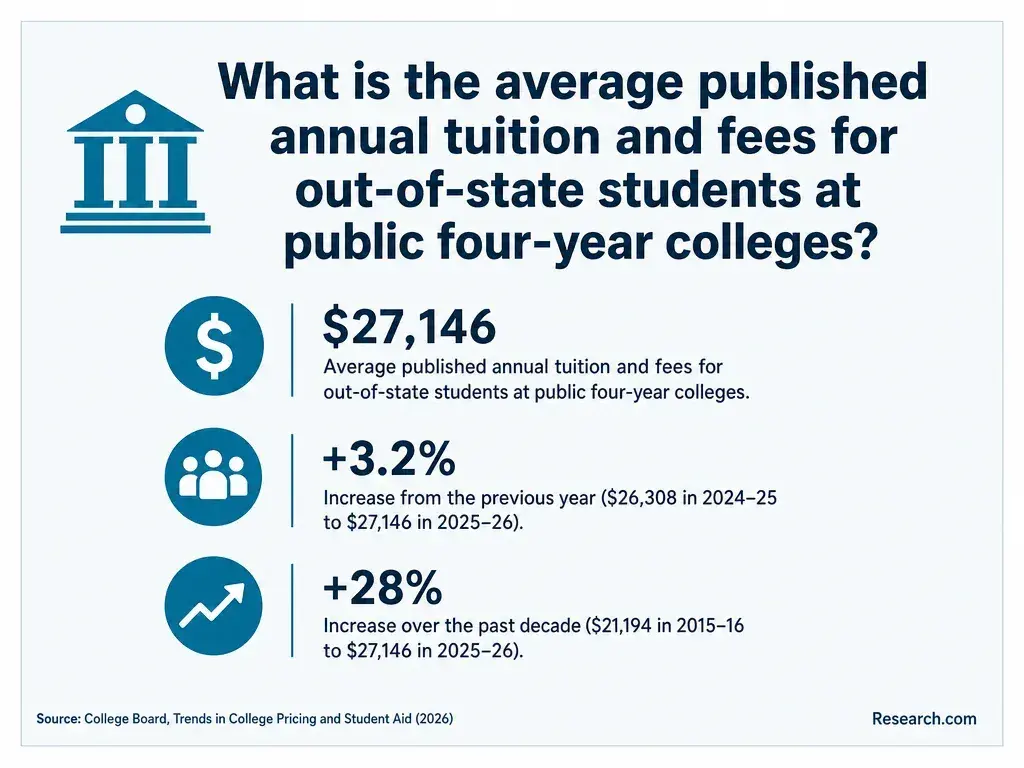
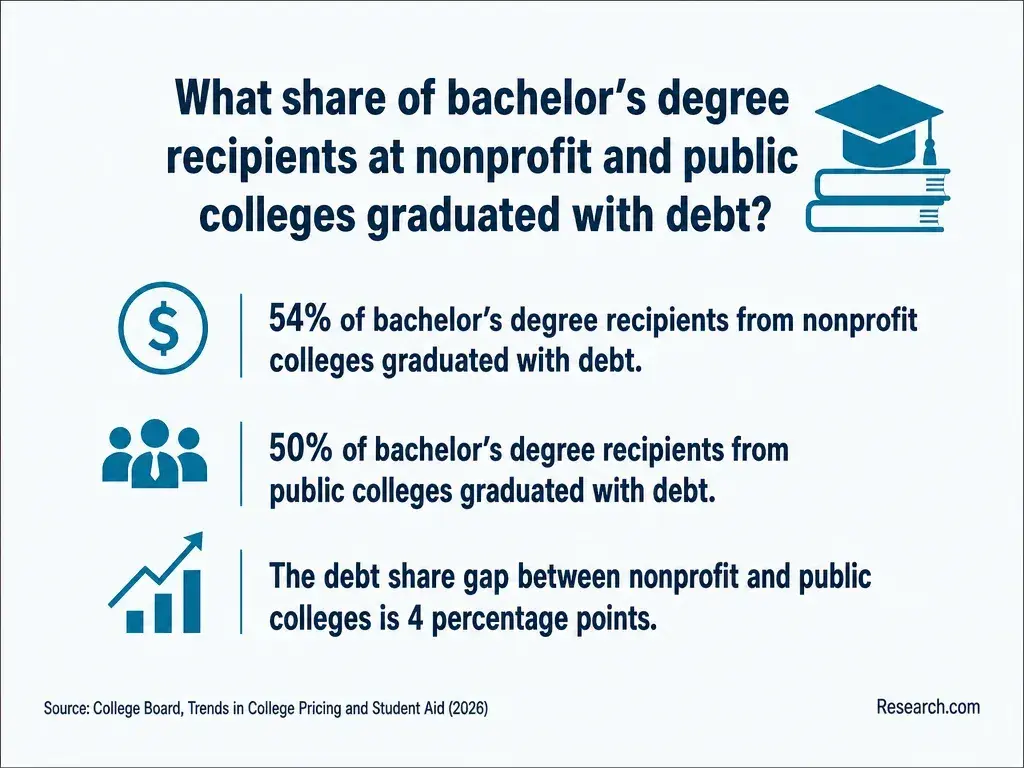
Without a named institution and an evaluated transcript, a reliable total price is not possible. Compare tuition and mandatory fees alongside books, software, possible proctoring or travel costs, financing charges, and any earnings you would forgo. Then compare the remaining cost with the skills you still need: an employed graduate may be better served by a shorter course and a supervised project than by another full degree.
When building a shortlist, use ranked US colleges for faster business degree completion as a starting point, not a promised graduation date. Confirm both the individual credit evaluation and the total cost of the courses left to take.
Look for jobs that expose you to repeatable workflows and give you a legitimate way to document problems. Operations coordinator, administrative specialist, customer operations associate, project coordinator, and reporting assistant roles can provide that exposure. The best bridge role is not necessarily the one with "analyst" in its title; it is one where you can learn how decisions, records, and handoffs work.
In a bridge role, seek permission to take on a bounded task: document a handoff, define an error measure, or compare two approaches to a recurring delay. Record your contribution accurately and separate a proposed change from one that was implemented and evaluated. If a role involves restricted customer, employee, or financial data, follow employer rules before retaining any work sample.
Project coordination is particularly useful if target postings emphasize implementation, but it is not identical to process analysis: coordinating deadlines differs from diagnosing why a workflow fails. If you are weighing a separate degree for that path, review funding an online project management bachelor's degree against the cost of gaining relevant experience while completing business coursework.
What Are Business Process Analyst Salaries and Job Outlook?
The U.S. Bureau of Labor Statistics does not publish a single wage series for every job called "business process analyst." Management analyst is a useful - but imperfect - comparison because its work can include improving organizational efficiency. Its median annual wage was $101,860 in May 2025. That is an occupation-wide median, not a starting offer or a wage attributable to a BS in Business Administration.
BLS projects management analyst employment to grow 10% from 2025 to 2035. This signals demand across the broader occupation, but an individual process analyst vacancy may require different industry knowledge, technical skills, or experience. Compare local postings by their duties and qualifications before using the broad figure to judge a degree's return.
The financial decision is strongest when you connect program cost to a realistic entry route, not to a national median. Value-focused online business college choices can help you begin a cost comparison; request each school's price for your remaining requirements and weigh it against opportunities to gain process experience now.
Other Things You Should Know About Business Administration
No. Data analysis may be one part of the job, but process analysis also examines handoffs, policies, system behavior, and how people carry out the work.
Include a process map, clearly defined measure, documented assumptions, and a concise recommendation. Identify classroom or hypothetical work honestly, and omit information you do not have permission to share.
Yes. It can reveal recurring errors, delays, and customer impacts. Strengthen that experience by showing how you documented a pattern and communicated a feasible improvement, without claiming results you did not measure.
Yes, but read the duties carefully. Some business analyst jobs focus on software requirements, while others emphasize operations or reporting. Apply where your skills and work samples match the actual responsibilities.
- Business Process Analysts: How to Become One | Franklin University https://www.franklin.edu/career-guide/management-analysts/how-to-become-business-process-analysts
- Becoming a Business Analyst: What You Need to Know | Georgia Tech Professional Education https://pe.gatech.edu/blog/industry-trends/how-to-become-a-business-analyst
- How to Become a Business Analyst: A Complete Guide | invensislearning.com https://www.invensislearning.com/info/how-to-become-a-business-analyst/
- What is Process Analysis? | IBM https://www.ibm.com/think/topics/process-analysis
- Business Process Analyst Overview | marylandnonprofits.org https://jobs.marylandnonprofits.org/career/business-process-analyst
- Business Process Analyst Job Description | alabamanonprofits.org https://careers.alabamanonprofits.org/career/business-process-analyst/job-descriptions
- What is an Entry Level Business Analyst? - Career Insights https://www.tealhq.com/career-paths/entry-level-business-analyst
- What is a Business Process Analyst? Role & Myths | SAP Signavio https://www.signavio.com/wiki/bpm/business-process-analyst/
- Entry Level Business Analyst: No Experience Needed? | Readynez https://www.readynez.com/en/blog/business-analyst-career-roadmap-2026-starting-without-experience/
- How To Break Into Data Analytics Using Excel Skills | ituonline.com https://www.ituonline.com/blogs/how-to-break-into-data-analytics-using-excel-skills/