2027 Top Universities Offering Online Machine Learning Master's Degrees

Co-Founder and Chief Data Scientist
Employers increasingly demand machine learning graduates with tailored expertise aligned to specific industry needs, challenging the one-size-fits-all approach many online programs adopt. Variations in curriculum depth, practicum opportunities, faculty specialization, and certification preparation significantly influence graduate readiness beyond mere degree acquisition.
Accreditation status and networking access can also affect career trajectories, particularly in rapidly evolving technical fields. Students must evaluate programs based on how effectively they integrate applied learning with workforce expectations and accommodate working professionals' schedules. This article compares top universities offering online machine learning master's degrees through a lens focused on real-world value, academic rigor, and professional alignment.
Key Benefits of Top Universities Offering Online Machine Learning Master's Degrees
- Many top universities integrate rigorous project-based curricula, demanding significant time investment; this tradeoff challenges working professionals balancing job and study but yields deeper, portfolio-ready expertise.
- According to a 2024 ACM survey, 68% of AI employers prioritize accredited online degrees for applied machine learning roles, signaling shifting workforce validation toward recognized remote credentials.
- Online programs often reduce geographic barriers, enhancing access for diverse candidates; however, extended program durations typical in such formats may affect total cost and career timing decisions.
Which Universities Offer the Best Online Machine Learning Master's Degrees?
Strong online machine learning master's programs are typically situated within institutions that demonstrate rigorous academic structure and faculty depth. These programs emphasize a curriculum with substantial theoretical foundations coupled with specialized algorithmic design and practical application, often integrating experiential components such as capstone projects or collaborative research.
Faculty members usually bring a blend of academic expertise and industry experience, ensuring course content aligns with evolving professional standards in artificial intelligence and data science. The programs frequently benefit from accreditation rigor and departmental strength in computer science or engineering, which adds to curriculum quality and research opportunities.
These institutional characteristics have measurable implications for student outcomes in areas like employability and skill readiness. Many top accredited universities for online machine learning master's programs cultivate graduates who meet employer demands for proficiency in managing large, unstructured data and deploying scalable models.
Programs that embed certification-aligned content and real-world experience offer better career alignment, though they may require significant time commitments that affect working professionals differently depending on pacing flexibility.
According to a recent report by the National Center for Education Statistics, a majority of online programs in STEM fields come from research-intensive universities, emphasizing how institutional resources contribute to preparing students for complex technical roles.
Tradeoffs are inherent in program design, particularly between flexibility and academic rigor. While some programs prioritize asynchronous learning to accommodate career changers and professionals, this can sometimes reduce direct access to faculty or collaborative environments that foster deeper specialization.
Conversely, programs with strong experiential or research components may demand synchronous participation and higher workloads, potentially limiting accessibility for some students. Prospective students comparing the best online machine learning master's degrees in the US should weigh these factors carefully, considering how curriculum depth, pacing structure, and institutional support align with their professional goals and life circumstances.
More broadly, those seeking to understand how degree choices impact labor market outcomes can explore research on high paying degrees to contextualize their investment in advanced technical education.
Why Does Accreditation Matter for Online Machine Learning Master's Programs?
Accreditation serves as a foundational benchmark that validates the academic rigor and structural integrity of online machine learning master's programs. It enforces standards on curriculum design, faculty qualifications, and institutional resources, ensuring programs deliver coherent, industry-relevant content rather than fragmented or outdated material.
This oversight creates a consistent baseline quality, which is crucial given the rapid evolution of machine learning techniques and applications. Without such external validation, programs risk falling behind technological advances or diluting educational outcomes, which directly impacts the practical readiness of graduates entering competitive, tech-driven roles.
Beyond academic legitimacy, accreditation substantially shapes real-world outcomes by influencing employer recognition, credit transferability, and access to certifications. A 2024 study from the National Association of Colleges and Employers found that 82% of employers preferred candidates with degrees from accredited programs when hiring for technical positions, underscoring how accreditation acts as a practical filter in recruitment decisions.
For example, graduates from non-accredited programs may struggle to transfer credits when pursuing further education or face obstacles qualifying for professional licenses that require accredited credentials. This disconnect can curtail opportunities for career progression and credentialing.
Choosing an accredited program therefore reduces the risk of investing in a degree that may not translate into professional mobility or credentialing pathways essential in fields where certifications and institutional reputation influence employability.
Which Universities Offer the Most Flexible Online Machine Learning Master's Programs?
Flexibility in online machine learning master's programs hinges primarily on program design elements such as asynchronous course delivery, part-time enrollment options, and modular curricula with elective scheduling freedom. Programs offering asynchronous classes without fixed login times allow students to manage studies around professional and personal obligations, while those enabling part-time progression extend the typical two-year completion window, often up to six years.
Self-paced models contrast with cohort-based structures by permitting learners to advance through material independently, an important distinction affecting how students engage with their coursework and community.
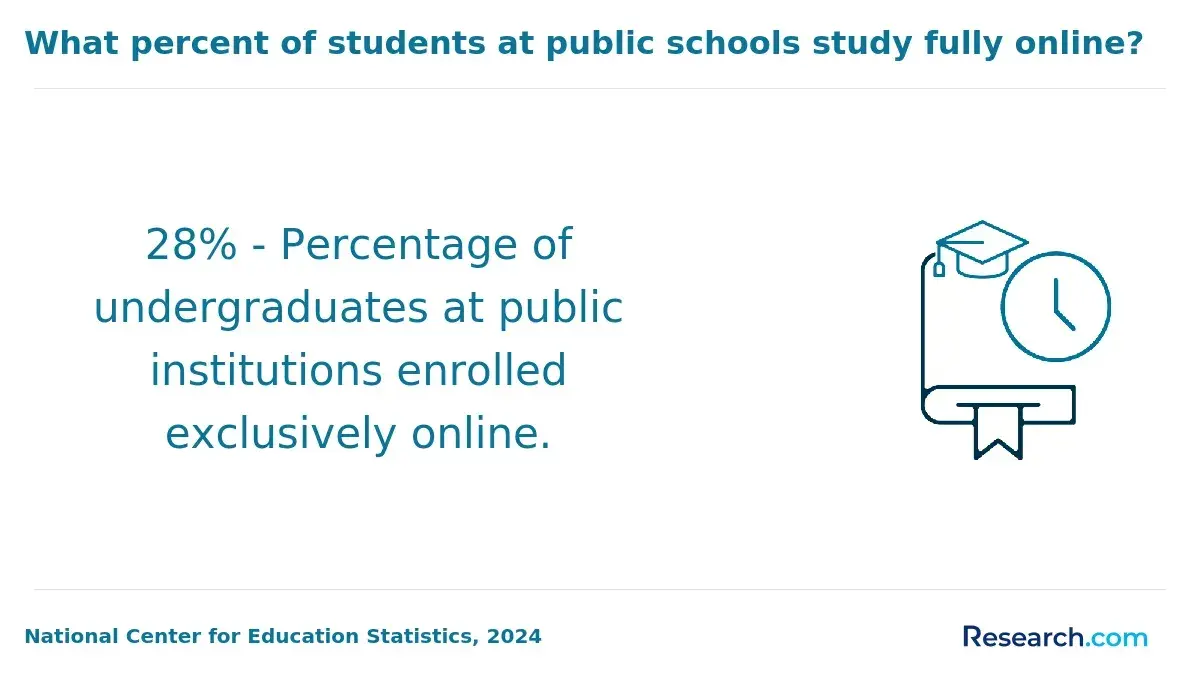
A 2024 report from the National Center for Education Statistics notes that nearly 68% of graduate online programs in data science and related fields provide part-time or self-paced options, underscoring the growing institutional recognition of diverse learner needs in technical education.
Yet flexibility comes with operational tradeoffs that influence academic consistency and professional development. While self-directed pacing supports workload management for working professionals, it may reduce opportunities for real-time collaboration, peer networking, and integrated project experiences that synchronous cohorts promote.
For example, a mid-career student balancing a demanding job might appreciate an extended timeframe but face challenges securing internships or practicum placements that often require alignment with institutional calendars.
Employers tend to value graduates demonstrating both solid foundational knowledge and practical skills, which may be harder to guarantee in highly flexible pathways lacking cohort-driven feedback loops or structured progression. Thus, flexibility in delivery must be weighed alongside the need for immersive learning and measurable outcomes to ensure alignment with evolving workforce expectations.
One recent graduate shared how the availability of multiple annual start dates and exclusively asynchronous coursework allowed them to begin immediately after a job relocation, avoiding a year-long wait typical of traditional cohorts.
However, they noted initial hesitation about missing a structured community and relied heavily on online forums and virtual study groups to mitigate feelings of isolation during intensive project phases. This flexibility enabled them to complete the degree part-time while transitioning between roles in data engineering, reflecting how program architecture can critically shape educational and career trajectories beyond institutional branding.
Which Universities Are Best for Working Professionals Earning a Machine Learning Master's Online?
Flexible scheduling, asynchronous coursework, and part-time enrollment are essential features that make certain online machine learning master's programs well-suited for working professionals. Programs designed with employer-aligned curricula and accessible faculty support enhance the relevance and feasibility of studies alongside full-time jobs.
For many working adults, integration of practical projects and strong career services tailored to adult learners improves persistence and skill application. This approach aligns curriculum content with evolving industry demands, addressing what working students seek in flexible online machine learning master's programs for career advancement.
In practice, these program structures facilitate balancing employment duties with academic deadlines, though effective workload management remains critical. The ability to progress at an individualized pace supports long-term career objectives, but maintaining learning consistency can be challenging when juggling multiple roles.
A 2024 report on workforce outcomes underlines that programs offering extended durations and flexible pacing show higher completion rates among working adults. This balance between academic rigor and professional responsibilities is often prioritized over brand recognition by students focused on employability and real-world skills.
Tradeoffs include slower time-to-degree completion and less cohort interaction, which may affect networking opportunities and experiential learning such as internships. For employed students, access to industry partnerships or capstone experiences tailored for remote learners varies widely and can influence post-graduation placement.
When evaluating program suitability, prospective students should weigh these structural factors against their own time constraints and career goals rather than rely solely on conventional rankings or reputation metrics. It is also prudent to consider financial investment carefully, comparing options including the online engineering degree cost as part of overall decision-making.
How Much Do Top Online Machine Learning Master's Programs Cost?
Tuition for leading online master's programs in machine learning typically falls between $25,000 and $70,000, reflecting significant variation linked to institutional prestige, program design, and instructional delivery. Cost drivers include credit hour requirements-often ranging from 30 to 45 credits-faculty expertise, and the extent of resources provided, such as dedicated labs or career support.
Some programs bill by credit hour at rates generally between $1,200 and $2,500, while others adopt flat fees per semester or cohort enrollment. Additional expenses like technology access and administrative fees can add several thousand dollars, complicating straightforward cost comparisons across programs.
Financial tradeoffs extend beyond sticker price, influencing decisions based on expected outcomes and personal circumstances. High-tuition programs often emphasize specialization, hands-on learning, and networking opportunities, potentially enhancing employability and salary growth, whereas more affordable options might prioritize flexibility for working professionals through part-time or extended formats.
For example, a mid-career individual using employer tuition assistance might accept higher up-front costs for a program offering asynchronous learning, while another may choose a less costly, rigid schedule to minimize total debt. Understanding these nuances is critical to evaluating return on investment, balancing short-term affordability against long-term career impact.
One student recalled applying to an online master's in machine learning program with rolling admissions that kept them waiting for months after submitting transcripts and test scores. The uncertainty around start dates and financial aid offers forced multiple adjustments to their work schedule and delayed course registration.
They reflected, "I wished I had anticipated the timing better, as the application process overlaps with professional commitments, which can be tricky when tuition decisions depend on fluctuating employer support."
This experience reinforced how cost considerations intertwine with admissions timing and personal planning in real-world decision-making.
Which Online Machine Learning Master's Programs Are Hardest to Get Into?
Online machine learning master's programs that are hardest to get into typically feature limited cohort sizes and rigorous academic and professional prerequisites rather than relying on institutional brand alone. Selectivity often stems from resource constraints such as faculty-to-student ratios that ensure intensive mentorship and project supervision, alongside workforce alignment that demands applicants possess strong foundational knowledge and relevant experience.
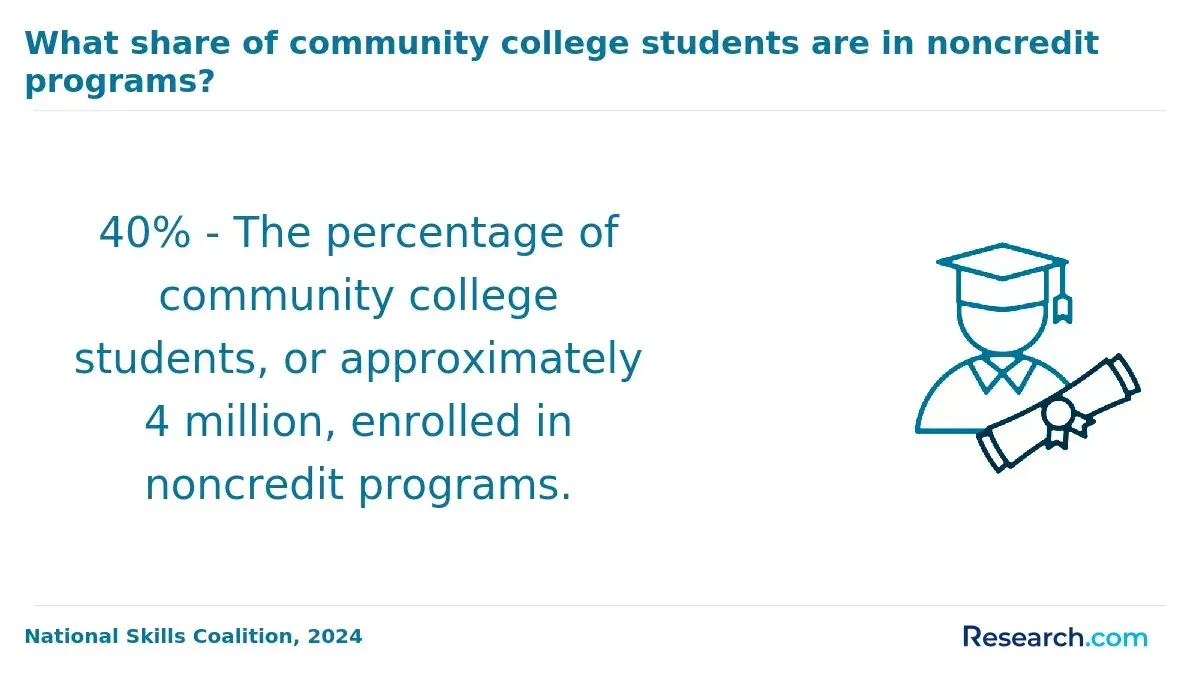
Programs with focused specializations may also require detailed statements of purpose or portfolios to assess fit with research objectives or applied project goals. According to a 2024 report from the National Center for Education Statistics, some top-tier online STEM graduate programs show acceptance rates as low as 15 to 20%, illustrating how admission competitiveness reflects both supply limitations and high competency expectations.
Applicants navigating online machine learning master's admissions competitiveness should prepare well in advance by meeting GPA thresholds, standardized test requirements when applicable, and gaining practical exposure in related areas like data science or artificial intelligence.
Timing, preparation, and application completeness are vital since many selective programs prioritize candidates demonstrating clear research or career focus. This creates a divide between traditional academic applicants, often coming straight from undergraduate studies, and working professionals or career changers who may need to fulfill prerequisite courses or build portfolios to strengthen their case.
Such selectivity influences applicant strategy and academic readiness, making it essential to align preparation with program demands.
The tradeoff between selectivity and accessibility poses challenges for many prospective students balancing full-time work and study commitments. Highly selective, cohort-based programs may foster stronger peer interactions and cohesion but require substantial time investment and prior expertise.
Meanwhile, more inclusive programs emphasize flexibility and skill development, often appealing to career changers or those seeking to transition into data-centered roles. Those evaluating competitive barriers should consider how program demands align with long-term professional outcomes and personal constraints, particularly in fields experiencing increasing demand across healthcare systems and tech sectors.
For insights into similarly rigorous online graduate pathways in other fields, such as mental health, see online mental health counseling masters.
Which Universities Are More Transfer-Friendly for Graduate Students?
Universities that demonstrate greater transfer-friendliness for graduate students in online machine learning master's programs typically feature flexible credit evaluation procedures and robust prior learning assessment mechanisms. These institutions often belong to public state systems with established articulation agreements, or they cater specifically to adult learners and working professionals with competency-based curriculum models.
Their policies tend to accommodate transfer credits from regionally accredited schools and validated professional experience, reducing redundancy in coursework. Such structural characteristics enable smoother transitions and recognize diverse forms of prior learning, facilitating progress without unnecessary repetition.
This flexibility can substantially shorten time-to-degree and lower tuition expenses, key advantages for mid-career students balancing work and study. However, these benefits come with tradeoffs: stricter alignment with accreditation standards may limit the variety of accepted credits, and some programs reduce elective customization to maintain curriculum cohesion.
For example, a working professional who completed graduate-level statistics at a public university within the same state system might find that most credits transfer directly, accelerating their machine learning specialization.
According to a 2024 report by the National Center for Education Statistics, nearly 63% of graduate students who transferred credits had at least 75% of their eligible coursework accepted, underscoring how institutional type materially influences credit portability and degree efficiency.
Which Online Machine Learning Master's Programs Help Students Secure Internships?
Online machine learning master's programs that effectively facilitate internships tend to integrate structured employer partnerships, dedicated placement services, and embedded experiential learning components. Programs aligned with active regional or national tech ecosystems often leverage alumni networks and cohort-based models to enhance connections with industry.
Mandatory practicums, capstone projects, or internship requirements signal stronger institutional ties that directly increase access to meaningful hands-on experiences. A 2024 survey from the National Center for Education Statistics found that STEM graduate programs incorporating such applied elements report a 35% higher internship placement rate compared to those without these features.
These support structures translate into tangible benefits for students, including higher-quality placements that often blend virtual and hybrid formats adaptable to work-life schedules. Dedicated career counselors who proactively connect students with employers specializing in data science or AI ensure that the internships align with workforce expectations and skill requirements.
Networking access through alumni and industry partnerships frequently improves job-readiness beyond technical skills by exposing students to real-world project workflows and collaborative environments. In contrast, programs lacking formal internship pathways may still offer job boards or advisory services, but students might face greater challenges securing relevant, supervised practical experience critical for competitive employment.
Tradeoffs exist between program flexibility and internship support. Fully asynchronous programs without structured practicum components may offer convenience but often require students to independently source internships, risking inconsistent quality and limited employer engagement.
Geographic disparities also influence opportunities, as some internships remain tied to regional employer networks. Ultimately, prioritizing programs with embedded applied learning and strong industry connectivity can materially affect post-graduation employability in machine learning fields where experiential proficiency is increasingly emphasized.
Which Online Machine Learning Master's Programs Have the Best Job Placement Rates?
Programs with the best job placement rates in online machine learning master's programs consistently feature rigorous curricula combined with applied learning components such as real-world projects or capstone experiences. These elements bolster graduate readiness by aligning technical training with employer needs, particularly when supplemented by structured internship opportunities or access to industry partnerships.
Employer engagement, including alumni networks embedded within technology hubs, also plays a critical role in funneling candidates into relevant hiring pipelines. This integration, above promotional rankings, primarily determines differential employment outcomes in specialized fields like natural language processing or computer vision.
However, reported placement rates often vary in reliability due to differences in data collection methods, timing of employment checks post-graduation, and whether programs cater mainly to working professionals or traditional students. For instance, working professionals may leverage existing contacts to convert new skills into career advancements more rapidly, while entry-level graduates face more variable market entry timelines.
Evaluating online machine learning master's programs with highest job placement rates thus requires attention to how these structural and demographic factors influence measurable outcomes.
Placement metrics should also be contextualized alongside labor market conditions and specialization focus. Programs with narrow subfield tracks may yield high placement in niche markets but limit mobility if sector demand shifts. Furthermore, many self-reported placement statistics do not account for part-time employment or underemployment, which affects long-term career trajectories.
Prospective students can benefit from consulting resources on accredited online electrical engineering programs for broader insights into program quality standards and employment credibility, given the overlapping data science and engineering skill sets.
For those weighing the best job outcomes for online machine learning master's degrees, balancing specialization depth, curriculum flexibility, and employer-aligned experiential opportunities proves essential to maximizing post-graduation employment success.
What Factors Matter Most When Comparing Graduate Schools?
Graduate school admissions selectivity and program flexibility are crucial considerations in selecting online machine learning master's programs. The true differentiator lies in program structure, which substantially influences skill acquisition, employability, and long-term career positioning. Reputation alone seldom captures the depth of curriculum rigor, experiential integration, or alignment with industry demands, which ultimately shape graduate outcomes.
- Curriculum Structure and Rigor: Programs offering a comprehensive blend of theoretical foundations and practical skills-covering areas like deep learning and reinforcement learning-better prepare students for real-world technical challenges. However, denser curricula may extend time-to-completion, particularly for working professionals balancing workload constraints.
- Accreditation and Academic Credibility: Regional accreditation and program-specific recognition ensure academic quality and facilitate credential transfer or employer trust. Selecting programs without these credentials can pose risks to professional acceptance.
- Specialization Depth: Depth in selected subfields influences marketability in specific sectors, requiring candidates to weigh broad foundational skills against targeted expertise depending on career goals.
- Experiential Learning Integration: Access to internships, practicums, or industry projects enhances applied skill development and often correlates with improved job placement. Programs lagging in this area risk graduates facing skill readiness gaps.
- Delivery Format and Flexibility: Asynchronous and part-time options accommodate diverse schedules but may reduce opportunities for synchronous collaboration or immediate feedback, impacting learning style preferences.
- Cost and Financial Tradeoffs: Affordable programs with scholarships or employer assistance reduce financial strain, yet the lowest cost path might sacrifice resources like career services or faculty expertise critical to employability.
- Internship or Practicum Availability: Direct workplace exposure offered through internships can significantly increase employer alignment and job offers post-graduation, emphasizing practical readiness over theoretical knowledge alone.
- Faculty Industry Experience: Instructors actively involved in machine learning applications bring current methodologies and network opportunities; less experienced faculty may limit relevance to emerging technologies.
- Employer Alignment and Job Placement Outcomes: Graduate placement data, often underscored by recent labor market studies, reflect how well programs prepare students for evolving roles. According to a 2024 report by the National Center for Education Statistics, 68% of employers prioritize candidates' mastery of relevant technical skills demonstrated through coursework and projects.
- Transfer Credit and Prior Learning Policies: Programs with flexible credit transfer can shorten degree timelines, benefiting students with previous graduate coursework or professional certifications, yet may reduce exposure to new knowledge if not carefully managed.
These factors collectively define how students should approach comparing the best online machine learning master's programs evaluation criteria rather than relying on institutional brand or selectivity alone. Prospective students often juggle program demand against individual circumstances, negotiating tradeoffs between thorough skill development and practical accessibility.
Those interested in broader educational pathways might consider related fields with complementary practical significance, such as pursuing a library degree, which reflects increasing demand across healthcare systems and information technology sectors.
What Graduates Say About Top Universities Offering Online Machine Learning Master's Degrees
- Augustus: "After completing my online machine learning master's, I realized that having a strong portfolio and hands-on project experience mattered more to recruiters than just the degree itself. I focused heavily on internships and real-world applications, which ultimately helped me land a role at a startup where I could grow technically, even if the title was more junior than I initially expected."
- Antonio: "The flexibility of studying machine learning remotely allowed me to pivot careers without pausing my income, which was a huge advantage. However, I found that advancement beyond certain salary bands required additional certifications and proven impact in the workplace, so the degree opened doors but didn't replace ongoing professional development."
- Julian: "Entering the job market, I faced stiff competition, especially for roles requiring deep expertise or specialized knowledge beyond the core curriculum. While the program provided a strong theoretical foundation, I had to supplement it with targeted certifications and freelancing experience to differentiate myself in practical machine learning roles."
Other Things You Should Know About Machine Learning Degrees
Workload in top online programs can rival traditional on-campus experiences, often requiring 15-20 hours per week of focused study, coding projects, and collaboration. Part-time students should carefully weigh the feasibility of balancing demanding coursework with professional responsibilities.
Programs that emphasize cohort collaboration or have synchronous sessions might reduce scheduling flexibility but foster deeper engagement, so prospective students must prioritize either convenience or richer interaction based on their learning preferences and life constraints.
While employer acceptance of online degrees has grown, the reputation of the granting institution and the rigor of the program remain crucial. Candidates who can demonstrate strong project portfolios, relevant internships, or applied experience often mitigate skepticism about online education.
However, some competitive employers still scrutinize online credentials more closely, making it vital for graduates to supplement their degrees with demonstrable skills and validated accomplishments that align with real-world machine learning challenges.
Choosing a specialized machine learning master's is advantageous when aiming for roles that require deep expertise in predictive modeling, AI system design, or research in algorithmic innovation.
If a student's career goals involve multidisciplinary applications or roles with wider scope-such as business analytics or general software development-a broader data science or computer science degree might offer more versatility. Prioritizing specialization should come only after confirming the demand for niche machine learning skills within the targeted industry segment and accounting for potential skill obsolescence risks.
References
- Master’s in AI Online: Today’s Best Programs https://www.onlinemastersdegrees.org/best-programs/computer-science/artificial-intelligence-ai/
- Best Online Master’s Degrees in Machine Learning for Working Professionals https://dataaspirant.com/online-masters-degrees-machine-learning/
- How an Online Master’s in AI Can Prepare You for the Future of Tech https://www.ucumberlands.edu/blog/how-online-masters-ai-can-prepare-you-future-tech
- Online Master's Degree in Artificial Intelligence (AI) & Machine Learning | CSU Global | Accredited https://csuglobal.edu/academic-programs/graduate-degrees/masters-science-degree-artificial-intelligence-machine-learning
- Top 25 Online Master’s In AI Programs for 2026 - Programs.com https://programs.com/programs/online-masters-in-ai/
- Most Affordable Online Master's in AI for 2026 https://aidegreeprograms.org/rankings/affordable-online-ai-masters/
- Masters Artificial Intelligence https://www.udacity.com/masters-artificial-intelligence
- 15 Best Online Master's in Machine Learning Programs https://www.mastersinai.org/degrees/online-masters-in-machine-learning/