2027 From Housing Casework Assistant to Public Health: Planning a Bachelor's Pathway

Co-Founder and Chief Data Scientist
Housing casework puts you close to problems public health aims to prevent: unsafe living conditions, barriers to care, and policies that affect whole communities. If you want to move from resolving individual cases to designing, delivering, or evaluating population-level programs, a bachelor's degree may help - but it may not be your shortest route. This guide is for US housing casework assistants weighing that transition. It shows how to use your experience, identify missing skills, compare education options, and test whether a program leads toward the work you want.
Key Things You Should Know
- Housing navigation, resident outreach, and interagency coordination can support a move into community health; they do not by themselves establish readiness for data analysis or licensed practice.
- A public health bachelor's degree commonly requires about 120 semester credits overall, but only an official degree audit can show how many you still need.
- Choose a target job before enrolling: some outreach roles may be accessible through training and experience, while other roles call for a bachelor's degree, graduate study, or a separate credential.
What Is a Public Health Bachelor's Degree?
A public health bachelor's degree studies health at the population level: how living conditions, policies, environments, and access to services shape outcomes, and how organizations can respond.
A BA or BS may emphasize different general education, science, or quantitative requirements. Community health and health education degrees may offer related preparation, but their curricula are not automatically equivalent.
For a housing caseworker, the distinction is between helping a household obtain assistance and examining patterns across households - for example, where referrals repeatedly fail and what a community partner could change.
A degree is most useful if it adds skills your current position cannot readily provide, such as epidemiology, program evaluation, or structured fieldwork. When comparing affordable public health BS study options, check those requirements alongside tuition; the least expensive advertised program is not necessarily the least expensive degree to finish.
How Do You Become a Public Health Professional After Housing Casework?
Start with the work you want to do, not the degree title. If you enjoy resident education and referrals, community health outreach may be an adjacent move. If you want to evaluate a housing-and-health initiative, you will also need data handling, measurement, and reporting skills. If you want to set policy or lead programs, expect employers to weigh relevant experience and, for some positions, graduate preparation.
Use this sequence to test the transition before committing to a program:
- Collect job postings for one target role and separate required qualifications from preferred ones.
- Document your housing work in terms of tasks and evidence: outreach, referral coordination, partner meetings, recordkeeping, or process improvements, without sharing client information.
- Seek a supervised opportunity to help with outreach planning, a needs assessment, or a small program-monitoring task.
- Compare the remaining skill gaps with a bachelor's curriculum, targeted courses, and positions you could pursue now.
If you already hold a bachelor's degree, a second one may repeat general education you do not need. Investigate graduate eligibility or targeted preparation first; finding a lower-cost online MPH program is relevant only after confirming that its curriculum and admissions requirements fit your goal.
What Careers Can You Pursue With a Public Health Bachelor's Degree?
Housing experience can be especially relevant where employers connect health services with community needs. These roles differ in responsibility, and job titles alone do not establish degree requirements.
The comparison below shows plausible transitions rather than jobs guaranteed by a degree.
| Target work | How housing experience helps | What to check or develop |
| Community health worker or outreach coordinator | Resident engagement, referrals, and trust-building | Local training or certification rules, health communication, and employer expectations |
| Health education or program assistant | Explaining services and coordinating partners | Education planning, accessible materials, and program documentation |
| Program or evaluation assistant | Recognizing recurring service barriers | Spreadsheets, basic statistics, indicators, and confidential data handling |
| Environmental health support role | Knowledge of housing conditions and referral systems | Science coursework and the precise duties and qualifications in the posting |
These are not interchangeable with epidemiologist, clinical social worker, or public health manager positions. Those paths typically involve additional specialized education, licensure, or substantial experience. Likewise, comparing online public health doctoral programs is a later-career decision for someone seeking advanced practice leadership or research training, not a necessary step into entry-level community work.
Expect coursework in population health, epidemiology, introductory statistics, social and structural determinants of health, health communication, policy, and program planning. Requirements vary, so inspect actual course descriptions rather than assuming a degree title guarantees a particular skill. Some programs also require an internship or capstone.
Prioritize courses that let you translate housing observations into defensible public health work. Statistics helps you interpret service patterns without mistaking a count of cases for a community rate.
Program evaluation helps you define who a service reaches, what it delivers, and where referrals break down. Community-engaged practice helps you avoid designing an intervention around agency assumptions instead of residents' priorities.
If graduate study may follow, keep records of quantitative and methods coursework and check prospective programs' stated prerequisites. Strong performance now can also provide more useful evidence of readiness than relying solely on an older transcript; guidance on building an MPH application with weaker grades is relevant if that later becomes your situation.
Choose the format that lets you complete the required work, not simply the one with the most convenient class description. Online study may allow you to keep a housing job, but live sessions, group projects, proctored exams, and local field placements can still constrain your schedule. Campus study may offer easier access to faculty and nearby partners, but commuting can conflict with casework hours.
Ask for a sample term schedule and confirm whether required courses run when you can take them. Also ask who finds internship sites, whether your employer could be considered as a site, and what approval and supervision would be required.
If faster completion matters, compare the actual sequence of required courses with information on public health bachelor's pacing and course length; shorter courses do not eliminate prerequisites or fieldwork.
Schools may admit first-year students, transfers, or returning adults through different routes. Admission to the university does not always mean admission to the public health major. Request the current requirements for both, including any prerequisite courses, minimum grades, and application deadlines.
If you have prior college credit, submit official transcripts and request a written degree audit. Ask which credits count toward general education, major prerequisites, major requirements, and electives, and which must be earned at the new institution.
An accepted course that fills only an elective slot may not shorten the path you expected. For a view of how formats and entry expectations can differ, consult online public health bachelor's admissions and coursework, then confirm the rules directly with each school.
A bachelor's degree commonly totals about 120 semester credits and takes roughly four years of full-time study from the beginning. Your remaining time depends on the official credit evaluation, course rotation, enrollment pace, and fieldwork requirements. Working full time may make a lighter course load more sustainable, even if it extends the calendar.
For a meaningful cost comparison, ask each school for tuition and mandatory fees based on your remaining requirements - not just its per-credit rate. Include books, transportation or technology, and any unpaid fieldwork or reduced work hours.
If you already have a bachelor's degree, compare the cost and time of a second bachelor's with targeted courses or graduate study; public health master's tuition and salary comparisons can frame that alternative, but occupation-wide earnings cannot predict your return on tuition.
Check two different things. First, confirm that the university holds institutional accreditation recognized by the US Department of Education; this matters when evaluating the institution and federal aid eligibility.
Second, if public health-specific accreditation matters to you, check the Council on Education for Public Health (CEPH) directory for the exact accredited school, unit, or standalone program and ask whether your intended bachelor's degree is within its scope.
Do not assume an institution's accredited MPH means every public health bachelor's degree there has the same status. Public health-specific accreditation can matter for some career or credential plans, but it is not a substitute for evaluating coursework and outcomes. Discussions of CEPH-accredited online MPH programs concern graduate programs; verify undergraduate coverage separately.
A public health bachelor's degree does not itself award a license or professional certification. Community health worker certification requirements vary by state and employer. Health education jobs may mention the Certified Health Education Specialist (CHES) credential; eligibility depends on the certifying organization's rules, not merely on having a public health degree. Certified in Public Health (CPH) eligibility also follows its own rules.
Read target job postings and the responsible state or certifying body's current requirements before selecting courses around a credential. Clinical social work, nursing, and similar regulated work require their own qualifying education and licensing pathways.
If your aim is housing-linked outreach rather than regulated practice, employer training and supervised experience may be more immediately useful than pursuing a credential you do not yet need.
Do not confuse undergraduate transfer rules with graduate conditional admission. If you already have a bachelor's degree but lack a prerequisite for an MPH, conditional public health master's eligibility is a separate question governed by the specific graduate program.
What Are Public Health Salaries and Job Outlook Expectations?
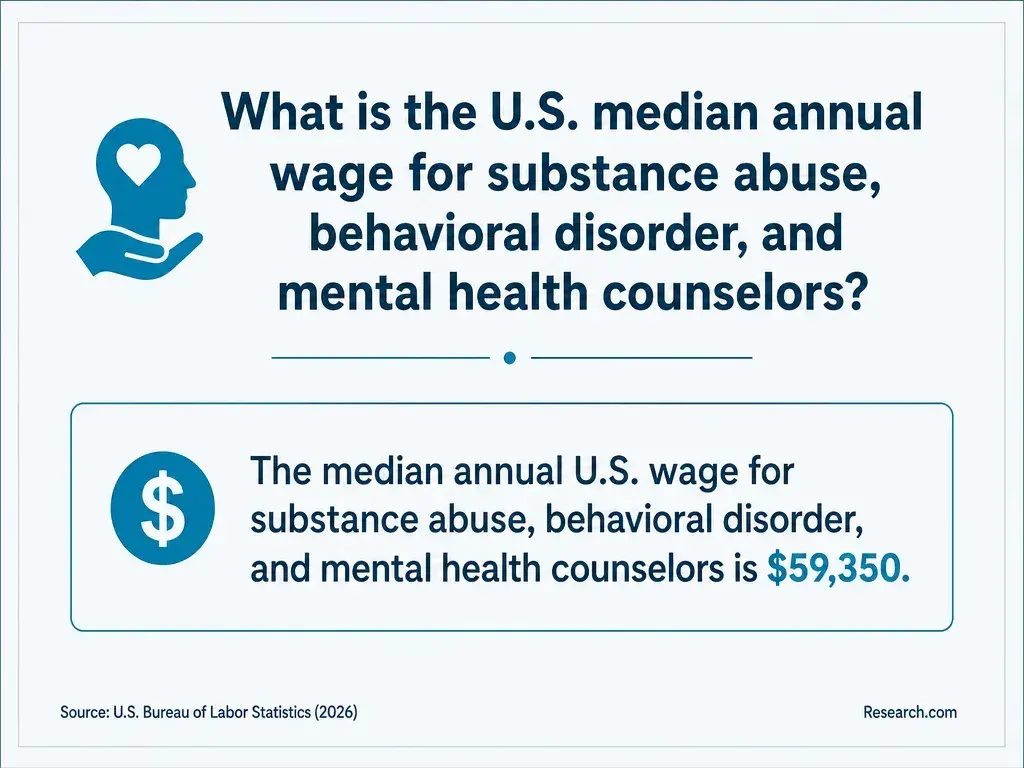
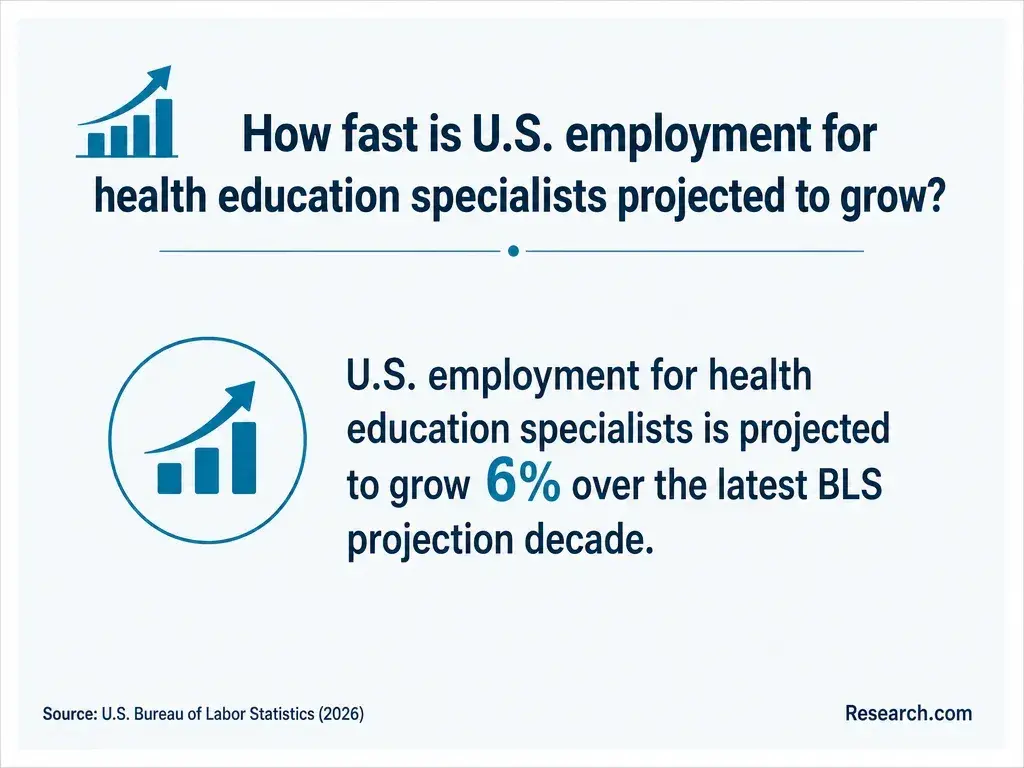
There is no single salary or job-growth rate for "public health bachelor's graduates." The US Bureau of Labor Statistics reports by occupation, not degree. Its community health worker and health education specialist profiles are useful starting points for housing-adjacent work, but each covers workers with varied education, experience, employers, and locations. An epidemiologist profile describes a different occupation with typically more advanced educational expectations.
For a realistic comparison, look up the latest published wage year and projection period for your target occupation, then compare local postings with your present pay, benefits, and advancement opportunities.
Public agencies may use fixed pay grades; nonprofit budgets and grant funding can also shape openings. If you are considering graduate school later, comparing MPH graduate earning opportunities can provide context, but it cannot establish the salary increase you personally would receive.
The soundest next move is to identify a reachable target role, obtain an official degree audit if you have prior credits, and compare its requirements with a supervised project or entry-level opening you could pursue now. Enroll when the degree closes a documented gap - not simply because your current work already touches public health.
Other Things You Should Know About Public Health
Yes, but describe your responsibilities and lessons without names, identifiable details, or confidential records. Ask your employer and instructor before using workplace information in a project.
No. Outreach and community-engaged program roles can involve direct contact alongside planning and reporting. Check the daily duties in postings rather than relying on the title.
Possibly. The agency's willingness, your school's approval, suitable supervision, and permission to use information are separate decisions. Discuss all four before proposing the project.
A public policy or public administration pathway may fit more directly. Compare the programs' policy analysis, government, and applied-project requirements with the jobs you want.
- Housing Instability - Healthy People 2030 | odphp.health.gov https://odphp.health.gov/healthypeople/priority-areas/social-determinants-health/literature-summaries/housing-instability
- Social determinants of health | who.int https://www.who.int/health-topics/social-determinants-of-health
- Social Determinants of Health | Public Health Infrastructure Center | CDC https://www.cdc.gov/infrastructure/public-health-systems-emerging-practices/social-determinants-of-health.html
- Social Work Specialist - County Adult Assistant Program (CAAP) | SF Careers https://careers.sf.gov/role
- A narrative review of the CEPH-accredited bachelor's public health programs' curricula in the United States | nih.gov https://pmc.ncbi.nlm.nih.gov/articles/PMC11371682/
- Cost of Attendance (Budget) | 2025-2026 Federal Student Aid Handbook https://fsapartners.ed.gov/knowledge-center/fsa-handbook/2025-2026/vol3/ch2-cost-attendance-budget
- Student Professional Development Program - Social Work Placements - Department of Mental Health https://dmh.lacounty.gov/for-providers/clinical-tools/student-professional-development-program/spdp-sw-placements/
- Bachelor of Science in Public Health | healthstudies | Chicago State University https://www.csu.edu/healthsciandpharm/publichealth/bachelors.htm
- Practicum Experience - Degrees & Programs https://publichealth.uci.edu/degrees-programs/practicum-experience/
- The 5 Social Determinants of Health | Antioch University https://commonthread.antioch.edu/the-5-social-determinants-of-health/