2027 Evaluating an MPH Practicum in A Global Health Implementation Organization

Co-Founder and Chief Data Scientist
A global health organization may offer an appealing MPH practicum, but a recognizable mission does not guarantee useful work, qualified supervision, or school approval. For students planning fieldwork, the decision is whether a specific site and project can produce credible evidence of implementation skills without creating avoidable financial, scheduling, or ethical risks.
This guide explains what to verify, how to compare opportunities, and which questions to ask before accepting a placement - whether the work is local, remote, or overseas.
Key Things You Should Know
- Evaluate the project and supervisor, not just the organization: look for defined responsibilities, feedback, and a deliverable the host will use.
- Confirm three separate permissions before starting: MPH program approval, a host supervision agreement, and authorization to access or share project data.
- Budget for more than tuition. An unpaid placement, travel, time-zone commitments, or restricted portfolio work can change its practical value.
What Is an MPH Practicum in a Global Health Implementation Organization?
An MPH practicum, often called an applied practice experience, is supervised work that lets a student apply public health competencies to a real practice need. A global health implementation organization helps put programs into operation across health systems or communities - for example, by coordinating partners, adapting services, supporting frontline teams, or monitoring delivery. It might be a nonprofit, government partner, health system, or organization managing donor-funded programs.
The strongest placement gives the student responsibility for a bounded piece of that work, such as an implementation tracking tool or a partner-approved evaluation brief. Simply observing meetings or producing a paper the organization will not use is a weaker fit. Global health describes the scope of the work, not necessarily its location: a US-based team can support an international program, while a local project can address cross-border health challenges. Students still choosing a concentration can compare public health master's fields of study, but the practicum decision should turn on the actual work offered.
What Are the MPH Practicum Requirements for Global Health Students?
The student's MPH program - not the host organization - decides whether a placement meets its requirements. Ask the practicum coordinator for the rules that apply to your entry term, including required competencies, hours or credits, preceptor qualifications, learning agreements, assessment, and acceptable work products. A host's willingness to take you on is not academic approval; an existing job or volunteer position may need separate authorization.
Settle the approval sequence before committing to dates or travel. The key checks are:
- Agree on a defined project, learning objectives, supervisor, expected outputs, and feedback schedule with the host.
- Submit the site and project for school approval, including any required affiliation, safety, insurance, or international-placement paperwork.
- Confirm what data you may access, who may review the outputs, and whether either institution requires privacy, community, or research-ethics review.
Do not assume that a program with a convenient admissions process also offers convenient fieldwork. If you are still comparing accessible admissions pathways for online MPH study, ask the same schools how placements are approved and supported.
How Does an MPH Practicum Build Global Health Implementation Skills?
Implementation work turns an intervention plan into something partners can deliver, monitor, and adjust under real constraints. A student may learn to translate a program objective into activities, assign responsibilities, identify delivery bottlenecks, and explain trade-offs to people with different priorities. That is more specific than becoming familiar with a health topic.
Look for opportunities to practice adaptation without losing the program's purpose: documenting why a partner changes a workflow, checking whether indicators still capture what matters, and distinguishing a missed reporting target from a failure of service delivery. A practicum can also strengthen data interpretation, but building a dashboard from supplied figures is not the same as qualifying for advanced statistical analysis. Students whose primary goal is deeper quantitative training may find comparing online biostatistics graduate programs more useful than choosing a placement solely for its data component.
For a CEPH-accredited MPH, the applied practice experience must connect work products to competencies under the applicable accreditation criteria and the school's own assessment process. Check the exact accredited school or program and obtain its current competency-mapping form; an organization's global reach does not establish that a proposed project meets the requirement.
A partner-approved implementation plan might demonstrate program planning and stakeholder engagement. An indicator guide or evaluation memo might demonstrate evidence use and communication. A documented discussion of whose priorities shaped an adaptation could support health equity and ethical practice. The link must be visible in the student's actual contribution and assessed output, not merely in the host's mission statement.
If the main objective is to conduct independent, research-intensive studies rather than demonstrate MPH practice competencies, discuss that distinction with an adviser before treating the practicum as a substitute for research training. Lower-cost public health PhD degree pathways address a different educational decision, not a way to bypass MPH fieldwork.
Common assignments include drafting a monitoring plan, updating a training guide, mapping a referral workflow, reviewing routine program indicators, or preparing a brief on an implementation barrier. The best task has a named user, an attainable scope, and time for revision. A proposed analysis requiring confidential country-level records that the student cannot access is not a feasible project.
Compare assignments by the kind of evidence they would let you produce:
| Project type | Potential work product | Key limitation to check |
| Program operations | Workflow or implementation guide | Whether partners can review and use it |
| Monitoring and evaluation | Indicator definitions or evaluation brief | Data access, quality, and permitted use |
| Partner communication | Training material or decision brief | Audience, language, and approval process |
Students earlier in their education may encounter similar projects through internships; a shorter term alone does not make an assignment suitable for graduate practice. If you are considering shorter course terms for a public health BS, distinguish that academic schedule from the time a partner needs to review and revise a real deliverable.
Online and campus MPH students may both complete local, remote, hybrid, or travel-based placements if their programs permit them. Delivery format does not determine practicum flexibility. A remote assignment may require live meetings across time zones, secure access to organizational systems, and daytime collaboration with partners; an on-site placement may require travel, vaccinations or safety preparation, and time away from paid work or caregiving.
Ask each MPH program who finds sites, whether students may propose one, how supervisors are vetted, and what happens if a partner withdraws. Compare the expected weekly meeting pattern and approval lead time against your actual availability. For students comparing education levels as well as formats, comparing online public health bachelor's pathways is a separate decision: a bachelor's internship should not be assumed to satisfy a later MPH practicum.
Choose a site where the proposed work fits both your career goal and the organization's capacity to supervise it. A field office may offer close exposure to delivery but limited data access; a headquarters team may offer stronger reporting systems but less direct contact with implementers. Neither setting is automatically better. Ask whose priorities define the project and whether local partners have a meaningful role in reviewing work that concerns them.
Costs can reverse an otherwise attractive choice. Request a realistic account of unpaid hours, travel, housing, connectivity, required equipment, and any restrictions on outside employment. A less prestigious local or remote placement may offer stronger supervision at a manageable cost. Students still deciding whether a graduate degree is financially feasible can separately examine low-cost public health bachelor's programs online; a lower-cost degree route does not, however, resolve the requirements of an MPH practicum already in progress.
Ask a prospective supervisor to describe a recent project, how staff learned whether it was being delivered as intended, and what they changed in response. Useful evidence includes routine monitoring processes, documented partner feedback, and candid discussion of data gaps. An organization can do valuable work without proving that every observed health change was caused by its program; be wary of unsupported impact claims.
Before accepting, ask who will review drafts, how often you will meet, who can resolve blocked data access, and whether a partner can use the final product. Request a backup project if permissions or timelines slip. If a site offers only a rapid credential-building opportunity with little feedback, compare the time savings with the learning you would lose; low-cost fast-track public health study cannot replace substantive supervision.
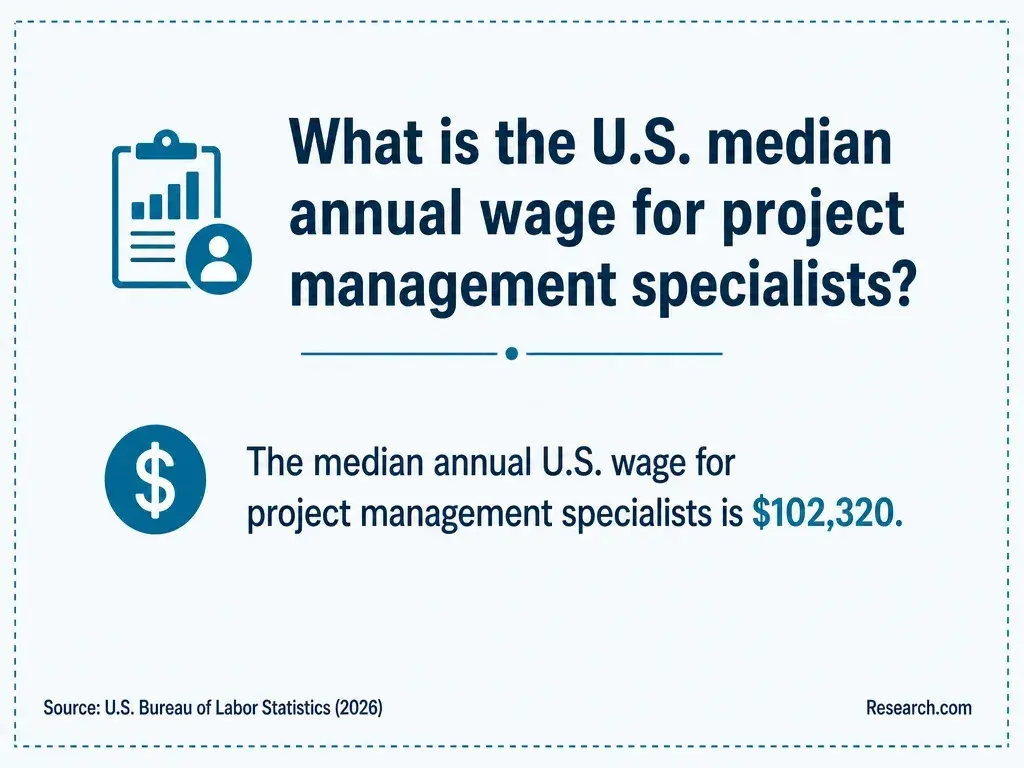
A relevant practicum can help a student compete for roles such as program coordinator, implementation associate, monitoring and evaluation assistant, or health-program specialist. Those jobs may involve partner coordination, indicator reporting, training support, or improving delivery workflows. A student with substantial prior experience may use the placement to demonstrate a transition into a new function; a new graduate should not assume it qualifies them to manage a country program or direct research.
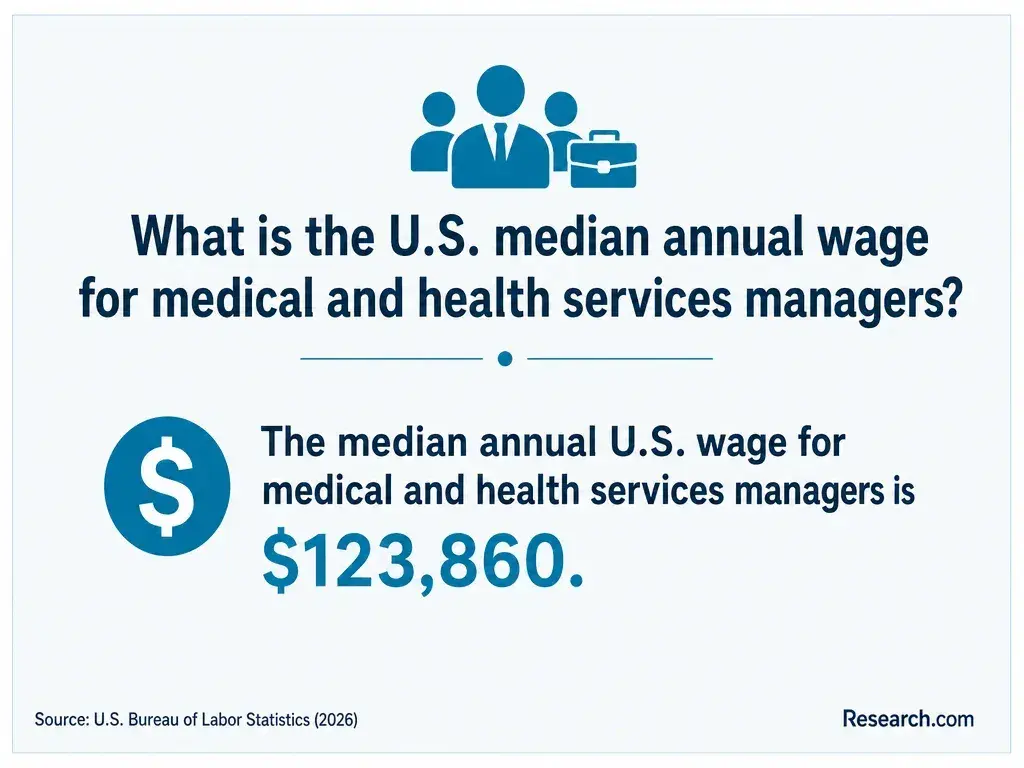
Translate the placement into evidence employers can assess: the problem you were authorized to address, your specific contribution, the methods used, and the limits of the result. Do not disclose restricted data or imply that a proposed tool produced health improvements. For broader role and pay context, public health master's compensation outlook can help frame questions, but job requirements and pay depend on the occupation and employer, not the practicum label.
How Does a Global Health Practicum Affect MPH Salary and Job Prospects?
There is no reliable universal salary premium for completing a global health practicum. Its value depends on whether an employer needs the skills you demonstrated, the quality of your work, your prior experience, and where and for whom you seek employment. US Bureau of Labor Statistics occupational wage figures describe workers in defined occupations; they are not starting salaries or outcomes for MPH graduates at a particular site.
For a practical return-on-investment check, compare the placement's out-of-pocket costs and forgone earnings with the evidence and contacts it can realistically provide. Ask your program for placement and graduate-outcome information, including how many students responded and what roles they entered. If you are comparing degree costs before committing, an online public health master's value guide can inform the wider financial decision; it cannot predict the payoff from one practicum.
Other Things You Should Know About Public Health
It depends on the assignment. Ask which meetings, materials, and partner interactions require local-language proficiency, and do not assume a colleague can translate every task.
Only with the organization's permission. Use an approved public version or describe your methods without exposing confidential data, partner comments, or identifiable information.
Contact your academic coordinator promptly. Revised duties may require an updated learning agreement or a different project to preserve competency alignment and assessment.
No. Check the destination's entry and work rules, the host's requirements, and your school's travel policies before making plans. US enrollment alone does not grant permission to work in another country.
- Building coherent monitoring and evaluation plans with... - PMC https://pmc.ncbi.nlm.nih.gov/articles/PMC9481137/
- Ethical Considerations and Data Protection Principles | WHO SMART Trust v1.7.4 https://smart.who.int/trust/ethical_principles.html
- Using Evidence-Based Constructs to Assess Extent of Implementation of Evidence-Based Interventions | ASPE https://aspe.hhs.gov/reports/using-evidence-based-constructs-assess-extent-implementation-evidence-based-interventions-0
- Best Practices | Field Study - UC Irvine https://fieldstudy.soceco.uci.edu/pages/best-practices
- 6: Conducting Ethical Research | Data Analytics with Accounting Data https://odp.library.tamu.edu/appliedstatswithjamovi/chapter/5-ethical-considerations/
- Practicum Education Manual - III. Roles and Responsibilities of Involved Parties https://socialwork.wayne.edu/practicum/roles
- Section 5. Developing an Evaluation Plan - Community Tool Box https://ctb.ku.edu/en/table-of-contents/evaluate/evaluation/evaluation-plan/main