2027 DrPH Applications With Part-Time Public Health Experience

Co-Founder and Chief Data Scientist
Part-time public health work can build substantial leadership experience, but DrPH applications do not all measure that experience the same way. If you have managed programs, led partnerships, or improved services while working fewer than full-time hours, your job title and schedule tell only part of the story. This guide explains how to assess eligibility, document your responsibilities, and compare programs' academic and scheduling demands. It will help you decide whether to apply now, strengthen your practice record first, or pursue a more direct qualification.
Key Things You Should Know
- Part-time work may qualify for DrPH admission, but there is no universal rule for converting it into full-time-equivalent experience; ask each program how it counts hours and responsibilities.
- A competitive application shows leadership decisions, measurable responsibilities, and access to a feasible applied project - not simply time spent in a public health setting.
- Compare the full commitment: coursework, live sessions, required visits, project approvals, and total cost can matter more than an "online" or "part-time" label.
What Is a DrPH for Public Health Professionals With Part-Time Experience?
A Doctor of Public Health, or DrPH, is a practice-focused doctorate for professionals seeking to lead population-health programs, organizations, policy implementation, or systems change. It generally develops advanced leadership and applied inquiry rather than preparing students primarily for an independent research career, as a public health PhD often does.
Part-time employment does not change the degree's academic standard. The important distinction is whether your work has given you responsibility for decisions, people, resources, partnerships, or improvements that you can examine and build on during doctoral study. A part-time evaluation lead who designs measures and advises an agency may have more relevant preparation than a full-time employee whose work is limited to routine tasks.
If your goal is primarily deeper statistical analysis rather than organizational leadership, comparing professional-friendly biostatistics master's programs may reveal a shorter, more targeted route.
Can Part-Time Public Health Experience Meet DrPH Admission Requirements?
Yes, at some programs - but only the program can decide whether your experience meets its rules. Schools may specify post-master's experience, count only particular kinds of professional work, request a minimum duration, or evaluate leadership scope without a stated full-time-equivalent formula. Eligibility and competitiveness are different: meeting a threshold does not establish readiness for advanced practice leadership.
Ask admissions to evaluate your circumstances in writing before applying. State your dates, typical weekly hours, employment status, public health setting, and whether roles overlapped. Describe your decision-making authority and deliverables. Do not simply add the calendar years of simultaneous jobs together or assume volunteer hours count like paid employment.
The distinction between time and responsibility becomes clearer when you compare common experience patterns.
| Experience pattern | What it may demonstrate | What remains uncertain |
| Part-time program manager | Budget, staff, partner, or implementation responsibility | Whether the school accepts the hours and timing |
| Part-time analyst or evaluator | Evidence use and recommendations for practice | Whether leadership responsibility is sufficiently developed |
| Volunteer or community leadership | Community trust, coordination, and sustained service | Whether unpaid work meets the program's experience definition |
If your responsibilities are still primarily entry-level, gaining supervised ownership of a project may improve your application more than accumulating additional hours in the same tasks. Applicants who first need general graduate public health preparation can examine public health graduate programs with accessible entry; accessible admission does not, by itself, establish future DrPH eligibility.
What Are the Admission Requirements for DrPH Programs?
Requirements vary. Programs commonly review graduate preparation, transcripts, professional experience, a statement of purpose, recommendations, and evidence that the applicant's goals fit practice-focused doctoral work. Some require an MPH; others consider a related master's degree or different preparation. Testing, interviews, writing samples, and prerequisite policies must be checked with each school.
For an applicant with part-time experience, the strongest application materials make the scope of work auditable rather than asking reviewers to infer it from a title:
- Résumé: Give dates, approximate hours where relevant, reporting relationships, and the scale of programs or partnerships you supported.
- Statement: Explain a specific public health leadership problem, what decisions you have already influenced, and why doctoral training is needed.
- Recommendations: Choose supervisors or partners who can describe your independent judgment, collaboration, and follow-through.
- Project readiness: Identify a plausible practice setting and approvals you would need, without claiming access or organizational support you have not secured.
If arranging recommendations is a barrier, public health master's application document alternatives concern master's admissions, not an assumed waiver of DrPH requirements. Confirm the doctorate's own policy.
Check both the institution's recognized institutional accreditation and the exact scope of any Council on Education for Public Health (CEPH) accreditation. CEPH may accredit a school or public health program; do not assume that every degree at an institution is covered. Confirm how the DrPH is represented in the accreditor's listing and ask the school to clarify its status for your intended entry term.
Accreditation is a quality-assurance check, not proof that a program will accept your experience, offer your desired project supervision, or meet an employer's hiring rules. For a comparison focused on master's-level accreditation, CEPH-accredited MPH degree options online are a separate category; an MPH listing does not verify a DrPH.
They can be, provided the schedule and project requirements fit your job. "Online" may still mean live classes, group meetings, set-term courses, campus visits, or field-based work. Part-time enrollment may reduce course load without reducing the need for regular access to supervisors, partners, and data.
Request a sample course sequence and ask when live sessions occur, whether visits are compulsory, how often project meetings take place, and what happens if employment or caregiving demands interrupt enrollment. Confirm whether you may use your workplace for an applied project and who must approve it; employment alone is not project-site approval.
If the doctoral schedule is unworkable and your goal is a narrower skills upgrade, online public health degrees balancing cost and time can provide context for considering a less extensive route. The shortest option is not necessarily the right preparation for leadership.
DrPH curricula commonly combine public health evidence with leadership, policy, communication, organizational change, and applied evaluation. Students may study how to set priorities with communities, manage competing institutional demands, assess implementation, and communicate decisions under uncertainty. The exact curriculum and culminating requirements vary by school.
For applicants whose work has been part-time, a useful curriculum test is whether it addresses the responsibilities they have not yet had. Someone experienced in community outreach may need budgeting and systems leadership; a program manager may need stronger evaluation methods or community-engagement practice. Review required courses and project supervision rather than relying on a concentration name.
If you need graduate-level subject expertise before doctoral leadership training, public health master's fields of study offers a way to distinguish that preparation from a DrPH.
There is no reliable universal completion time or price. Both depend on required credits, course availability, enrollment pace, project milestones, tuition policy, and whether additional terms are needed. Ask for the published degree plan and a written estimate based on your likely pace - not only the advertised minimum timeline.
Compare tuition and mandatory fees with less visible expenses: travel for required visits, project-related costs, technology, and any charges that continue while you complete the final project. Also check the school's time-to-degree limit, leave policy, financial-aid enrollment rules, and whether your employer's tuition assistance covers doctoral study. Do not assume an assistantship or reimbursement will be available.
For a different doctoral route, comparing financial aid for epidemiology doctorates can help frame funding questions, but research-oriented funding arrangements should not be presumed to apply to a DrPH.
DrPH preparation may support advancement into public health agency leadership, nonprofit or community health program direction, health-system population-health leadership, policy implementation, or senior evaluation and strategy roles. These jobs differ substantially: an agency leader may oversee budgets and accountability, while an evaluation director may design evidence systems and guide program decisions.
Hiring depends on the position, employer, and demonstrated experience - not the doctorate alone. A DrPH can strengthen a practitioner's ability to lead larger or more complex work, but it does not confer clinical licensure or replace experience managing staff, grants, or public-sector processes. If you are still seeking an initial public health role, public health BS programs and career preparation illustrates a different, earlier career stage rather than a shortcut to doctoral leadership.
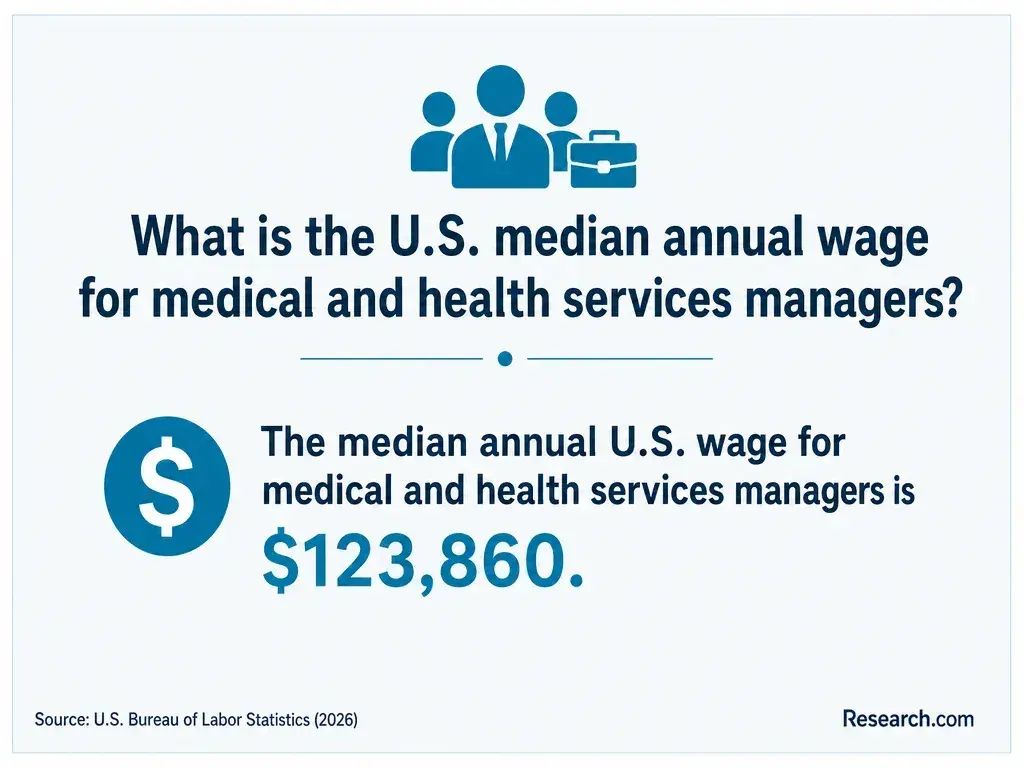
There is no single defensible "DrPH salary." Pay depends on the actual occupation, employer, location, seniority, and responsibilities. An occupational median from the US Bureau of Labor Statistics describes workers in that occupation; it is not a forecast for graduates of a particular degree or for someone moving from part-time into full-time work.
For a useful estimate, compare posted pay ranges for the specific leadership roles you could credibly seek now and after completing the degree. In government positions, check the relevant pay grade and promotion rules. Then compare the potential change in responsibilities and compensation with tuition, time, and earnings you might forgo. The public health master's degree investment guide provides a separate comparison if an advanced master's degree could meet your goal at lower cost.
How Do You Choose a Reputable DrPH Program for Working Adults?
Start with a shortlist of programs whose stated experience rules might accommodate your work pattern. Evaluate each against the same evidence: written admissions guidance, accreditation scope, curriculum, scheduling, project support, total likely cost, and completion policies. Choosing an online public health doctorate can help generate options, but verify each policy directly with the school before applying.
Before paying an application fee, contact admissions and the program director with a concise description of your experience. Their answers should help you distinguish three decisions:
- Am I eligible? Ask how the program counts your paid, part-time, overlapping, and volunteer work.
- Am I ready? Ask what leadership evidence successful applicants present and how students obtain approval for applied work.
- Can I finish? Confirm the actual weekly schedule, required visits, project supervision, likely charges, and options if your work hours change.
Apply when you can demonstrate both qualifying experience and a credible reason to undertake doctoral-level practice work. If a school cannot clarify how it evaluates your background, or if your main gap is a discrete skill rather than leadership preparation, gaining responsibility or taking targeted training first may be the better decision.
Other Things You Should Know About Public Health
Yes, when the gaps might make your experience timeline unclear. Give accurate dates and a brief explanation where useful; focus on what you accomplished in each role rather than apologizing for an irregular schedule.
Usually, you can describe ongoing work in an application, but a program may count only experience completed by a specified deadline. Ask which date it uses and report projected responsibilities separately from completed ones.
You may describe your own responsibilities, but protect confidential, proprietary, and identifiable information. Ask your employer before sharing internal documents or naming sensitive partners, and use a suitably redacted account when necessary.
A certificate can address a defined knowledge gap, but it generally cannot substitute for responsibilities a DrPH program expects applicants to have exercised. Choose one only if its coursework supports a specific role or competency you need.
- Analysis of CEPH-accredited DrPH programs in the United States: A mixed-methods study - PMC https://pmc.ncbi.nlm.nih.gov/articles/PMC7861440/
- Doctor of Public Health (DrPH) | NYU School of Global Public Health https://publichealth.nyu.edu/programs/doctor-public-health-drph
- Applying to the Doctor of Public Health | Emory University https://sph.emory.edu/admissions/how-to-apply/drph
- Program: Behavioral and Community Health Sciences, DrPH | pitt.edu https://catalog.upp.pitt.edu/preview_program.php
- Doctor of Public Health (DrPH) | Rutgers School of Public Health https://sph.rutgers.edu/academics/degree-programs/doctor-public-health-drph
- FAQs | School of Public Health | University of Illinois Chicago https://publichealth.uic.edu/academics/public-health-degrees/drph/faqs/
- Doctor of Public Health | DrPH | Johns Hopkins https://publichealth.jhu.edu/academics/drph
- Doctoral Degree (DrPH) in Public Health - UK Online https://online.uky.edu/doctoral/public-health/drph
- DrPH in Health Promotion/Health Education - Academic Catalog https://catalog.uth.edu/public-health/programs/public-health-drph/health-promotion-health-education-drph/