2027 Choosing an Online Data Science Master's for a Career in Waste Management

Co-Founder and Chief Data Scientist
An online data science master's can help waste management professionals move into analytics, but the degree title alone says little about its usefulness in the field. A route-planning analyst, recycling operations manager, and environmental data specialist need different projects and domain knowledge. This guide shows how to compare programs against the work you want to do, identify gaps a degree may not fill, and decide whether graduate study is a better next step than targeted technical training.
Key Things You Should Know
- Prioritize programs that let you work with geospatial, operational, and environmental data - not just generic business datasets - and confirm that you can pursue a relevant project.
- Verify institutional accreditation, online availability in your state, total cost, and scheduling before comparing program reputations.
- The U.S. median annual wage for data scientists was $120,230 in May 2025, but that figure covers all industries; it is not a waste management salary or a predicted outcome for graduates.
What Is Data Science's Role in Waste Management?
Data science helps waste organizations make decisions about collection, processing, disposal, and reporting. Collection teams may combine pickup histories, vehicle locations, service requests, and road-network data to forecast demand or evaluate routes. Recycling facilities may analyze material flows and contamination records. Environmental teams may use monitoring and inspection data to spot anomalies and support reporting.
These problems require more than an accurate model. A route recommendation must account for service commitments and vehicle capacity; a contamination prediction must be useful to facility staff; and environmental findings need traceable data and appropriate review. When comparing programs, look for opportunities to test whether an analysis improves a real operational decision, not merely whether it produces a strong statistical score.
How Do You Choose an Accredited Online Data Science Master's Program?
Start with the intended job, then compare each program's required courses, elective access, project rules, and support for working students. A curriculum strong in spatial analysis and optimization may suit collection planning; one with data engineering, computer vision, or environmental analytics may better fit facility or monitoring work. Course titles are clues, not proof of depth: inspect descriptions and ask what tools and datasets students actually use.
Institutional accreditation is a baseline check, not a guarantee of industry fit. Confirm the institution's current accreditation through a recognized accreditor or the U.S. Department of Education's accreditation database. Also ask the school whether it can enroll students in your state and whether any advertised online program includes required campus visits.
A useful shortlist needs evidence on several points. Ask admissions or the program director these questions before applying:
- Can students choose a waste-related capstone or practicum, and who approves outside datasets or industry partners?
- Which courses teach geospatial analysis, forecasting, optimization, and reliable data pipelines in substantial depth?
- Are those courses regularly available online, or could sequencing delay completion?
- What are the synchronous meeting, group-work, and residency requirements?
A warning sign is a program that advertises industry relevance but cannot identify relevant coursework or explain how students pursue an applied project. Favor documented opportunities over an implied specialization.
What Careers Can an Online Data Science Master's Lead To in Waste Management?
The most realistic target depends on your existing experience. Someone who knows collection operations may be competitive for an analytics role that combines that knowledge with new coding skills; a software or data professional may need more exposure to waste workflows. Employers set their own degree and experience requirements, so a master's is not automatically necessary.
These role categories illustrate how the work - and the most valuable project evidence - can differ.
| Potential role | Typical decision supported | Useful project evidence |
| Operations or route analyst | Collection schedules and service performance | Demand forecasts tested against route constraints |
| Recycling or facility analytics specialist | Throughput, contamination, or equipment performance | An analysis connecting predictions to facility actions |
| Environmental data analyst | Monitoring, quality checks, and reporting | A reproducible workflow with documented data limitations |
| Data engineer or data scientist | Reusable data systems or models across operations | A maintained pipeline or evaluated model using operational data |
A strong transition plan pairs technical work with credible domain context. If you cannot access employer data, a carefully scoped project using public or simulated data can still show your methods - provided you label its limitations and do not present it as a deployed industry result.
What Do You Learn in an Online Data Science Master's Program?
Relevant programs generally build skills in statistics, programming, databases, machine learning, and communicating results. For waste management, the differentiator is how far you can apply those foundations to messy records, location-based decisions, and operational constraints. Seek evidence of substantial work with SQL and Python or comparable tools, model evaluation, visualization, and reproducible analysis.
Match electives to the problem you hope to solve. Geospatial methods and optimization support collection planning; forecasting supports staffing and volume planning; data engineering helps reconcile vehicle, customer, and facility records. If your goal involves automated sorting or sensor streams, inspect how much engineering sits behind the AI coursework. Comparing AI master's course options for data engineering can help clarify that distinction.
For a capstone, a compelling question is narrower than "improve recycling." For example, a student might forecast incoming material volumes and compare the result with a simple baseline, then explain what information a facility manager would need before changing staffing. Ask whether the program permits that kind of project, offers appropriate supervision, and allows publication of a portfolio-safe version when data is confidential.
What Are the Admission Requirements for Online Data Science Master's Programs?
Requirements vary by school. Programs commonly assess prior academic work and quantitative or programming readiness, but applicants should rely on each program's published prerequisites rather than assume a particular bachelor's major qualifies or disqualifies them. Transcripts, application statements, recommendations, tests, and professional experience may be handled differently across institutions.
If you work in waste management but lack coding experience, prepare a small analysis using Python or SQL and review the statistics needed to explain it. If you have a technical background, use your statement and projects to show why waste-sector problems interest you. Independent study may demonstrate readiness, but it does not automatically fulfill a formal prerequisite. Ask the program which preparatory courses it accepts; information on pre-master's preparation for artificial intelligence study may help you frame questions about bridge coursework without assuming it applies to a data science program.
How Long Does an Online Data Science Master's Take and Cost?
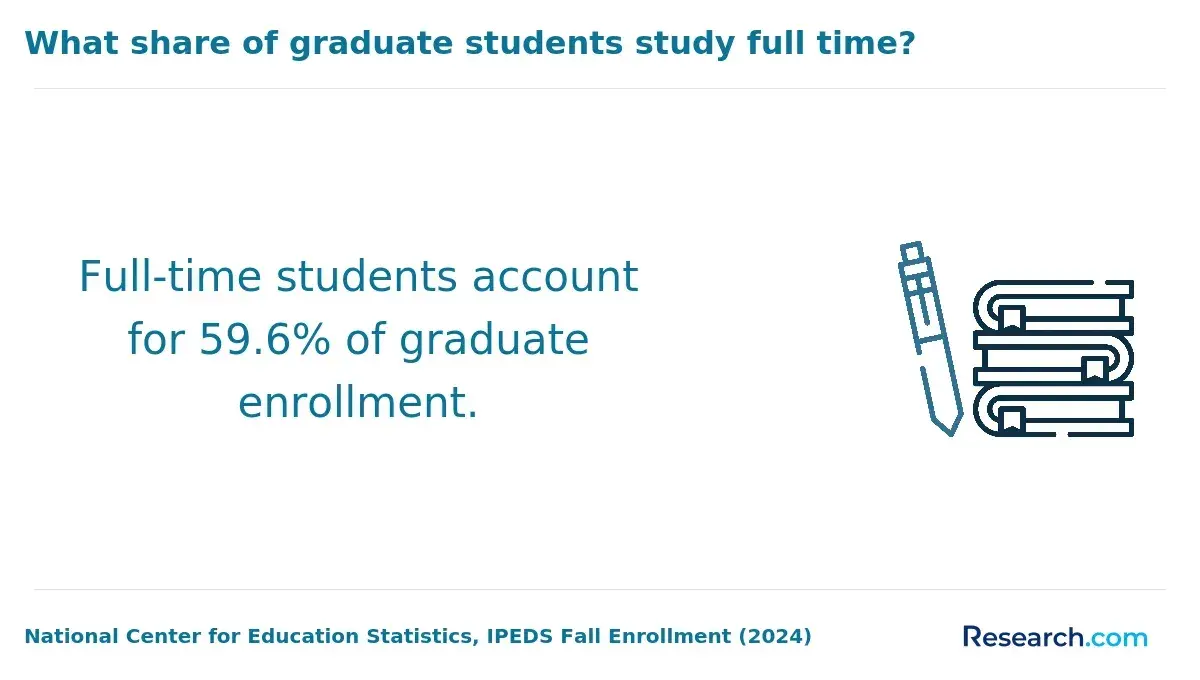
Completion time depends on required credits, course availability, and whether you study full-time or part-time. A program's advertised fastest timeline may not fit a student who works rotating shifts or needs a particular elective. Request a course-by-course completion plan for your intended pace, including any capstone sequence and maximum time-to-degree policy.
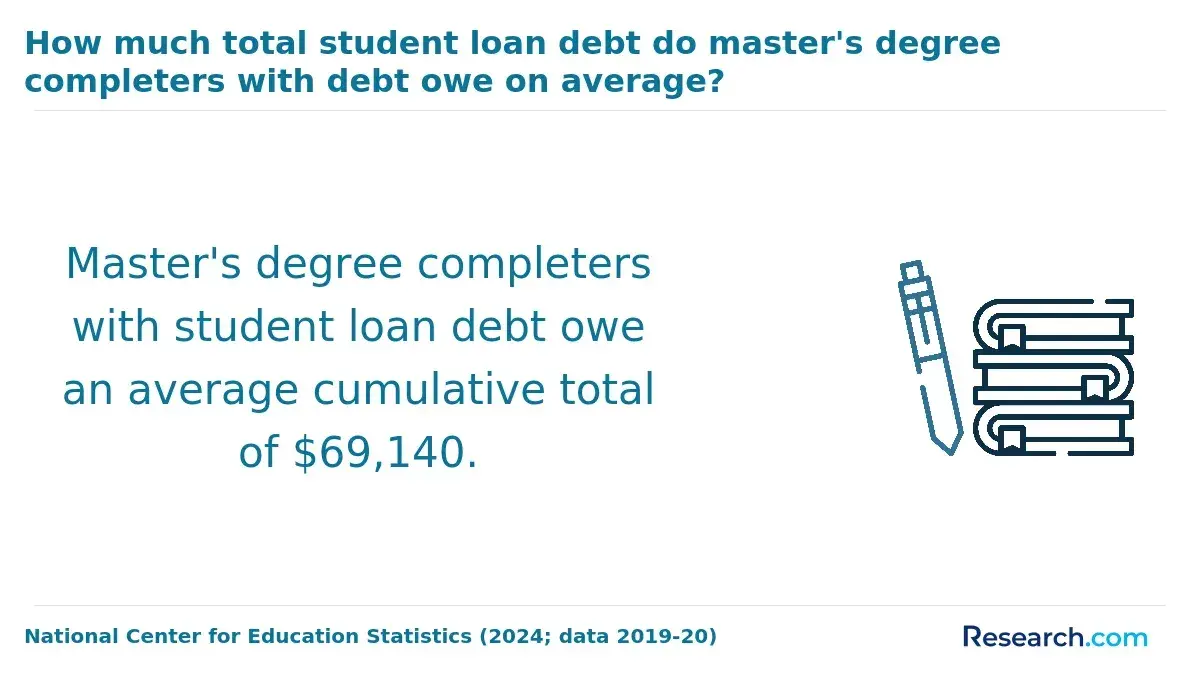
For cost, calculate more than tuition. Include mandatory university and program fees, technology or materials charges, any required travel, and the effect of taking fewer paid work hours. Check whether tuition varies by residency or enrollment pace and whether your employer reimburses approved coursework. Compare published schedules using the same credit load; data science master's programs for smaller budgets can provide a starting shortlist, but current school fee schedules should determine your final estimate.
Do not assume a higher eventual salary will repay the degree. Compare the total amount you expect to pay with the roles you could plausibly pursue given your current experience - and consider whether a shorter course or employer-supported project would address the same skill gap.
How Do Online and Campus-Based Data Science Master's Programs Compare?
Online study can let you keep working and apply new methods to your current waste-management role. Campus study may make in-person research groups, laboratories, or local industry relationships easier to access. Neither format establishes curriculum quality: compare the same courses, instructors, project opportunities, and career support across formats.
For an online program, find out whether classes are live or asynchronous, when group work occurs, how exams are scheduled, and whether projects require travel or access to restricted facilities. These details matter especially to collection and facility employees with early, late, or changing shifts. If maintaining employment is essential, compare online graduate data science options while employed against your actual weekly schedule rather than an advertised flexibility claim.
Choose campus study when in-person resources are central to your target project and attendance is practical. Choose online study when it offers the technical depth and supervision you need without forcing you to give up valuable industry experience.
What Skills Do Waste Management Employers Seek in Data Science Professionals?
The relevant mix depends on the role, but candidates benefit from being able to clean and join operational records, analyze spatial or time-series patterns, evaluate models against useful baselines, and explain results to people who run services or facilities. Data governance matters too: customer, employee, vehicle, and environmental records can have different access and reporting requirements.
Demonstrate those abilities through a project that states the operational question, identifies data-quality problems, measures performance, and explains what a manager could - or should not - do with the result. For instance, an accurate forecast that ignores missed-pickup risk may be less useful than a simpler forecast that makes that trade-off visible. This is why communication and domain judgment should influence your program choice alongside technical course names.
What Salaries and Job Outlook Apply to Waste Management Data Specialists?
The U.S. Bureau of Labor Statistics reports a $120,230 median annual wage for data scientists in May 2025 and projects 35% employment growth for the occupation from 2025 to 2035. Those national, cross-industry measures indicate broad demand for data science skills; they do not establish pay or hiring growth specifically within waste management.
Waste-sector compensation depends on the actual occupation, employer, location, responsibilities, and prior experience. An operations analyst and a data scientist may use related methods without sharing a pay scale. Use data science degree salary differences across fields as context, then compare current postings for the roles and locations you would realistically target. Treat any school-reported graduate salary cautiously unless it identifies the sample, time period, and graduates' prior experience.
Which Certifications Support a Data Science Career in Waste Management?
A certification can supplement a master's when it addresses a specific gap, such as cloud data infrastructure, geographic information systems, or a platform used by a prospective employer. It is less useful as a substitute for evidence that you can solve an operational problem with data.
Choose a credential only after checking job descriptions for your target role. A GIS credential may help with route or service-area work; a cloud-platform credential may fit a data engineering role. Confirm the issuing organization's current eligibility rules and costs, and prioritize a relevant project if postings emphasize demonstrated experience instead. Environmental compliance responsibilities may require separate training or credentials determined by the role and jurisdiction; a data science degree or technical certificate does not replace them.
Other Things You Should Know About Data Science
Yes. Publicly available local service data or clearly labeled simulated records can support a focused project. Document where the data came from, what it omits, and why the result should not be treated as a validated operational recommendation.
It can be worthwhile if the project addresses a defined business question. Before committing, agree on data access, supervision, confidentiality, ownership, and whether you may publish a sanitized portfolio version.
Most data analysis work should not be assumed to require one, but responsibilities involving regulated engineering practice may. Check the job description and the applicable state licensing board rather than relying on the degree title.
Ask what students actually gain: access to projects, mentors, internships, or recruiting events. A partner logo alone does not show that online students can participate or that waste-related opportunities are available.
References
- Consequences of Routine Work-Schedule Instability for... - PMC https://pmc.ncbi.nlm.nih.gov/articles/PMC7730535/
- Data Quality | Department of Toxic Substances Control - CA.gov https://dtsc.ca.gov/environmental-chemistry-lab/data-quality/
- Cost of Attendance (Budget) | 2025-2026 Federal Student Aid Handbook https://fsapartners.ed.gov/knowledge-center/fsa-handbook/2025-2026/vol3/ch2-cost-attendance-budget
- Environmental Health Data Science Degree Program | Columbia University Mailman School of Public Health https://www.publichealth.columbia.edu/academics/degrees/master-science/environmental-health-data-science
- Master of Science in Data Science | CUNY SPS https://sps.cuny.edu/academics/graduate/master-science-data-science-ms
- Navigating the Workload of an Online Degree Program | Kent State Online https://onlinedegrees.kent.edu/blog/avoid-overwhelm-workload
- Urban Data Science, M.S. - NYU Tandon - New York University https://engineering.nyu.edu/academics/programs/urban-data-science-ms
- Cost of Attendance - Financial Aid and Scholarships | The University of Utah https://financialaid.utah.edu/tuition-and-fees/cost-of-attendance.php