2027 Best Online Public Policy Doctorate Programs for Teaching at the College Level

Co-Founder and Chief Data Scientist
Choosing an online public policy doctorate for college teaching is a high-stakes decision because faculty hiring depends on more than earning "Dr." before your name. The U. S. Bureau of Labor Statistics reports that postsecondary teacher employment is projected to grow 8% from 2023 to 2033, faster than average, but competition varies sharply by field and institution type. This guide helps future adjuncts, lecturers, and tenure-track candidates compare online doctoral formats, accreditation, research expectations, costs, and career outcomes so they can choose a program aligned with real academic hiring standards.
Key Things You Should Know
- The strongest online public policy doctorate for college teaching is usually a regionally accredited, dissertation-based PhD or research-oriented public policy/public affairs doctorate with faculty mentorship, methods training, and opportunities to publish or teach.
- A professional doctorate such as a DPA, DPP, or applied policy doctorate can support adjunct, practitioner-scholar, and teaching-focused roles, but tenure-track research universities often prefer candidates with a PhD, peer-reviewed publications, and a clear research agenda.
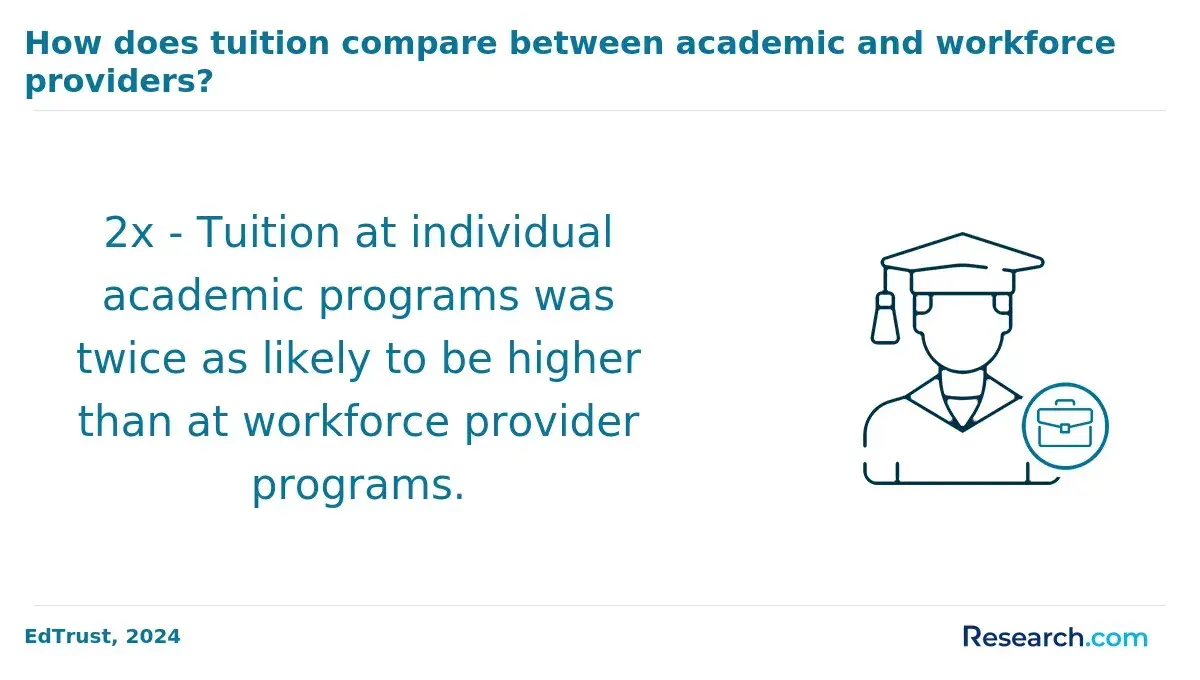
- Most online public policy doctorates take about 3 to 7 years depending on transfer credits, dissertation pace, and part-time enrollment; NCES data published in 2024 shows average graduate tuition and required fees were $12,596 at public institutions and $29,931 at private nonprofit institutions for 2022-23.
Do You Need a Public Policy Doctorate to Teach at the College Level?
A public policy doctorate is not always required to teach at the college level, but it becomes increasingly important as you move from adjunct teaching toward full-time faculty, graduate-level instruction, or tenure-track roles. A master's degree may qualify someone to teach undergraduate courses at some community colleges or as an adjunct in applied policy, public administration, or government programs, especially when paired with substantial professional experience. However, doctoral credentials are commonly expected for full-time faculty appointments and are often required for teaching doctoral or research-methods courses.
For aspiring college professors, the key question is not simply whether an online doctorate is accepted. The more important question is whether the doctorate gives you the academic evidence hiring committees look for: advanced methods training, a dissertation, publication potential, teaching experience, and a research identity in public policy.
The table below summarizes how degree expectations often differ by faculty role. Requirements vary by institution, department, accreditation expectations, and course level, so use this as a planning framework rather than a universal rule.
| College teaching goal | Typical minimum credential | What makes a candidate stronger | How an online public policy doctorate helps |
| Adjunct instructor | Often a master's degree in public policy, public administration, political science, economics, sociology, or a related field | Professional policy experience, teaching evaluations, applied expertise, and flexible scheduling | Can strengthen credibility and expand eligibility for upper-division or graduate courses |
| Community college faculty | Usually a master's degree; doctorate may be preferred for some roles | Teaching experience, curriculum design skills, student advising, and applied policy knowledge | Can help with advancement, leadership roles, and teaching specialized policy courses |
| Lecturer or clinical faculty | Doctorate often preferred or required, depending on institution | Teaching portfolio, policy practice experience, publications, and program-building ability | Professional doctorates may fit well if the role emphasizes applied teaching and public-sector practice |
| Tenure-track professor | PhD or research doctorate is commonly expected | Dissertation quality, publications, conference presentations, grants, and research fit | Works best when the online program includes rigorous research methods, dissertation supervision, and scholarly output |
| Graduate faculty | Doctorate in the teaching field or closely related area | Research record, methodological depth, and expertise in a policy specialization | Can support eligibility if the curriculum and dissertation align closely with the courses you want to teach |
Students who are still early in their academic pathway may also need to build a social science foundation before doctoral study. For example, undergraduate preparation through political science, economics, public administration, or the best online bachelors in sociology programs can support later work in policy analysis, inequality, public institutions, and social research methods.
The bottom line: you do not need a doctorate for every college teaching opportunity, but you should strongly consider one if your goal is long-term academic advancement, graduate-level teaching, or a competitive faculty profile in public policy.
Which Online Public Policy Doctorate Programs Are Best for Aspiring College Professors?
The best online public policy doctorate programs for aspiring college professors are not necessarily the fastest or most heavily advertised. They are the programs that match the type of faculty career you want. A candidate aiming for a research university needs a different doctoral experience than a public manager who wants to teach part time in an MPA program.
Use the comparison below to identify the program category that best fits your teaching goal. The right choice depends on whether you need research depth, applied policy credibility, teaching preparation, or interdisciplinary specialization.
| Program type | Best for | Teaching-career strength | Main trade-off |
| Online PhD in Public Policy | Students targeting tenure-track, research-active, or graduate faculty roles | Strongest fit when it includes dissertation research, quantitative and qualitative methods, and publication mentorship | May take longer and require more independent research productivity |
| Online Doctor of Public Policy | Practitioner-scholars who want to teach applied policy, leadership, evaluation, or public-sector decision-making | Good fit for adjunct, lecturer, executive education, or teaching-focused roles | May be less competitive for research-intensive tenure-track roles if scholarship expectations are limited |
| Online Doctor of Public Administration | Public managers, nonprofit leaders, and policy administrators who want to teach public administration or governance | Strong applied credibility for MPA, public management, budgeting, and administrative leadership courses | Policy theory and research depth may vary by concentration |
| Online PhD in Public Administration or Public Affairs | Students interested in public management, policy implementation, institutions, and governance research | Can be highly relevant for public policy departments, public affairs schools, and MPA programs | May be less policy-analysis focused than a dedicated public policy PhD |
| Interdisciplinary online doctorate with policy specialization | Students focusing on health policy, education policy, urban policy, social policy, criminal justice policy, or environmental policy | Useful when the dissertation and faculty expertise align with a specific teaching niche | Hiring committees may scrutinize whether the degree field matches the department's teaching needs |
When comparing programs, prioritize academic fit over marketing language. A program can be online and still be academically rigorous, but you need evidence that the curriculum supports college teaching.
Before applying, review each program through a faculty-career lens. The most important features to verify are:
- Institutional accreditation from an agency recognized by the U.S. Department of Education or the Council for Higher Education Accreditation.
- A dissertation, applied dissertation, or doctoral research project substantial enough to demonstrate expertise in public policy scholarship.
- Required coursework in statistics, econometrics, qualitative methods, policy analysis, program evaluation, research design, and public institutions.
- Faculty whose research overlaps with your intended teaching and dissertation area, such as health policy, social policy, urban policy, public finance, education policy, or governance.
- Opportunities to teach, serve as a teaching assistant, design syllabi, present at conferences, publish, or collaborate on research.
- Transparent tuition, fees, residency requirements, dissertation continuation costs, and time-to-completion expectations.
Students drawn to land use, transportation, housing, infrastructure, and regional governance may also compare policy doctorates with an urban planning degree online at the master's level before deciding whether doctoral study should focus on public policy, planning, or public administration.
Should You Choose a PhD or Professional Doctorate in Public Policy for College Teaching?
A PhD and a professional doctorate can both be legitimate doctoral credentials, but they are designed for different purposes. For college teaching, the distinction matters because hiring committees often evaluate whether your doctoral training prepared you to produce scholarship, teach theory and methods, and contribute to a department's academic reputation.
A PhD in Public Policy is typically the stronger choice for students who want to compete for tenure-track roles, publish in academic journals, and teach research-heavy courses. A professional doctorate such as a Doctor of Public Policy or Doctor of Public Administration is often better for experienced professionals who want to teach from a practitioner-scholar perspective, lead applied research, or move into academic administration, executive education, or adjunct teaching.
The table below compares the two pathways from the perspective of college-level teaching preparation.
| Decision factor | PhD in Public Policy | Professional doctorate in public policy or public administration |
| Primary purpose | Original scholarly research and theory development | Applied policy problem-solving and leadership practice |
| Best fit for | Tenure-track, research faculty, graduate teaching, policy research careers | Adjunct, lecturer, practitioner-scholar, executive education, applied public-sector teaching |
| Dissertation expectations | Usually traditional dissertation with original research contribution | May include applied dissertation, capstone-style research, or policy-focused doctoral project |
| Methods intensity | Typically deeper quantitative, qualitative, and research design sequence | Varies; often emphasizes evaluation, leadership, implementation, and applied analysis |
| Academic hiring perception | Often preferred for research-intensive and tenure-track faculty jobs | Often valued for applied teaching, professional programs, and practice-oriented departments |
| Risk for aspiring professors | May be demanding and slower to complete while working | May not provide enough publication-oriented research preparation for some faculty markets |
Choose a PhD if your long-term goal is to be evaluated as a scholar. Choose a professional doctorate if your strongest academic value is your policy leadership experience and you want a doctorate that helps you translate that experience into teaching, applied research, and institutional service.
A common mistake is assuming that all doctorates are interchangeable. They are not. If you want to teach at a research university, a non-dissertation or lightly research-based professional doctorate can leave you underprepared. If you want to teach working adults in an MPA or public leadership program, a practice-oriented doctorate may be more relevant than a theory-heavy PhD.
Accreditation is one of the first things to check because it affects credibility, financial aid eligibility, credit transfer, and how employers interpret your degree. For college teaching, institutional accreditation is usually the baseline requirement. Without it, your doctorate may be rejected by hiring committees even if the curriculum appears relevant.
In the U.S., regional and national institutional accreditors are recognized through federal and higher education quality-review systems. For aspiring faculty, regional accreditation has historically been the most widely recognized standard among nonprofit colleges and universities, though institutional accreditation rules have evolved. The practical point is simple: verify that the institution is accredited by a recognized institutional accreditor before you apply.
Programmatic accreditation can also matter, but public policy doctorates are not licensed-entry programs in the same way as nursing, counseling, or law. Many public policy, public administration, and public affairs programs are connected to NASPAA standards at the master's level, especially MPA and MPP programs. Doctoral programs may not always have separate programmatic accreditation, so you should evaluate the broader school of public affairs, faculty credentials, research productivity, and doctoral outcomes.
Use this quick accreditation review before shortlisting a program:
- Confirm the institution's accreditor on the school website and through a recognized accreditation database.
- Check whether the school has a public policy, public administration, public affairs, government, or social science department with active doctoral faculty.
- Ask whether the doctorate is considered a terminal degree in the field for faculty hiring and graduate teaching assignments.
- Review dissertation titles, faculty publications, and student research placements if the program publishes them.
- Verify whether online students receive the same transcript, faculty access, library access, and academic support as campus-based doctoral students.
Red flags include vague accreditation language, no named doctoral faculty, unclear dissertation requirements, unusually aggressive admissions timelines, and promises that the degree will automatically lead to a professor job. Strong programs describe academic expectations clearly and avoid guaranteeing employment outcomes.
For college teaching, curriculum quality matters as much as the degree title. A public policy doctorate should help you master both the substance of policy and the methods used to study policy problems. Hiring committees want to know what you can teach, what you can research, and whether you can supervise student work in a credible academic area.
The strongest online programs usually combine public policy theory, empirical methods, specialization coursework, and a dissertation or doctoral research project. In practice, that means you should look for more than general leadership courses.
When reviewing curriculum, pay special attention to these academic preparation areas:
- Policy analysis: cost-benefit analysis, decision analysis, policy design, implementation, and evaluation.
- Research methods: quantitative methods, qualitative methods, mixed methods, statistics, econometrics, causal inference, survey design, and case study research.
- Public institutions: federalism, bureaucracy, governance, public finance, administrative law, political economy, and public management.
- Specialization depth: health policy, education policy, environmental policy, urban policy, social welfare policy, criminal justice policy, technology policy, or international development policy.
- Teaching preparation: pedagogy seminars, teaching assistantships, online teaching practice, syllabus development, learning assessment, and mentoring from experienced faculty.
- Dissertation support: prospectus development, committee formation, research ethics approval, data access, writing milestones, and publication guidance.
The table below shows how curriculum features translate into academic career value. This helps you judge whether a program is built for scholarly preparation or mainly for executive credentialing.
| Program feature | Why it matters for college teaching | What to look for |
| Advanced research methods | Supports graduate-level teaching and publishable scholarship | Multiple required methods courses, not just one introductory research class |
| Dissertation or applied dissertation | Demonstrates independent expertise and a sustained research agenda | Clear committee process, proposal defense, data plan, and final defense |
| Policy specialization | Helps you qualify for specific course assignments | Coursework and faculty expertise in the field you want to teach |
| Teaching development | Helps convert subject expertise into classroom effectiveness | Teaching observations, pedagogy training, LMS experience, or TA options |
| Research community | Reduces isolation in an online doctorate and supports academic identity | Colloquia, writing groups, conference support, faculty collaboration, and peer cohorts |
Current policy teaching is also changing because data analytics and AI tools are reshaping how governments evaluate programs, detect risk, and model public outcomes. A strong doctorate should help you teach students how to use data responsibly, interpret algorithmic outputs, and understand ethics in evidence-based policymaking.
If your interests sit at the intersection of public policy and human services, it may be useful to understand adjacent graduate pathways such as the best online MSW programs, especially if you plan to teach social welfare policy, nonprofit systems, family policy, or community intervention courses.
Admission requirements for online public policy doctorate programs vary, but most selective programs look for evidence that you can succeed in advanced research and contribute to policy scholarship or practice. A master's degree is commonly expected, though some PhD pathways admit exceptional students with a bachelor's degree and require them to complete master's-level coursework along the way.
Typical application requirements include academic, professional, and research-readiness materials. Each item helps the admissions committee judge whether your goals fit the program's faculty and curriculum.
- Graduate degree in public policy, public administration, political science, economics, sociology, education, criminal justice, social work, urban planning, or a related field.
- Official transcripts showing strong graduate-level performance, especially in research, statistics, economics, policy, or social science coursework.
- Statement of purpose explaining your research interests, teaching goals, and why the online format fits your circumstances.
- Writing sample, policy paper, thesis excerpt, published article, or professional research report.
- Resume or CV showing policy, government, nonprofit, research, teaching, leadership, or analytical experience.
- Letters of recommendation from faculty, supervisors, or policy professionals who can assess your research potential and professional judgment.
- Interview with program faculty or admissions staff, especially for cohort-based or dissertation-focused programs.
GRE requirements are less universal than they once were, but some research-oriented PhD programs may still request or consider scores. If a program is test-optional, do not assume admissions is easier. Faculty fit, writing quality, research direction, and evidence of doctoral readiness often matter more.
Applicants who already hold an MPA or MPP may have an advantage because they have studied public budgeting, policy analysis, administrative systems, and governance. If you need a faster master's pathway before doctoral study, comparing a 1 year MPA online can help you decide whether to strengthen your graduate foundation before applying to a doctorate.
A practical admissions strategy is to contact faculty before applying if the program allows it. Ask whether your research topic fits their expertise, whether online doctoral students publish with faculty, and whether graduates have moved into teaching roles. A strong fit can matter more than a generic prestige signal.
Most online public policy doctorates take about 3 to 7 years, with the widest variation caused by dissertation pace, transfer credits, course load, and whether the student is working full time. Coursework may be predictable, but the dissertation phase is where timelines often expand.
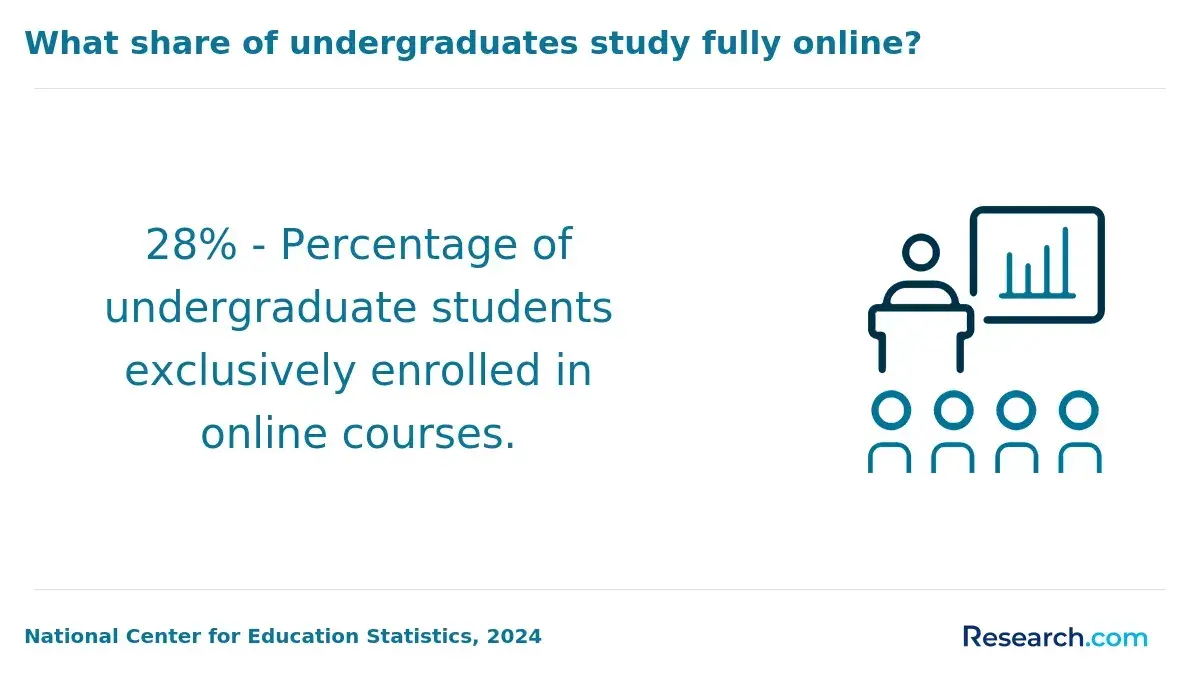
Online doctoral formats can work well for public managers, analysts, nonprofit leaders, military personnel, and educators who cannot relocate. However, "online" does not mean "self-paced" in every program. Some doctorates use synchronous evening seminars, weekend residencies, cohort deadlines, summer intensives, or mandatory dissertation milestones.
The table below outlines common timeline patterns and what they mean for working adults who also want to build teaching credentials.
| Enrollment pattern | Typical fit | Teaching-career advantage | Main risk |
| Full-time online doctorate | Students who can reduce work hours or use employer support | Faster progress and more time for research, conferences, and publishing | Higher short-term opportunity cost |
| Part-time online doctorate | Working professionals balancing job, family, and study | Allows policy practice to inform teaching and dissertation work | Longer timeline and risk of dissertation fatigue |
| Cohort-based doctorate | Students who benefit from structure and peer accountability | Stronger academic community and predictable course sequence | Less flexibility if life or work disruptions occur |
| Individually paced dissertation phase | Students with a clear research topic and strong self-direction | Allows deeper specialization and independent scholarship | Progress can stall without strong advisor engagement |
| Hybrid doctorate with residencies | Students who can travel periodically for intensives | Better networking with faculty and peers | Travel, lodging, and time away from work add cost |
To complete the degree while working, treat the doctorate like a long-term academic apprenticeship rather than a collection of classes. Before enrolling, map weekly study hours, dissertation writing time, employer flexibility, family support, and travel requirements.
Good questions to ask admissions advisors include:
- How many hours per week do successful students usually commit during coursework and dissertation stages?
- What is the median time to completion for online doctoral students in this specific program?
- How often do students meet with dissertation chairs?
- Are evening, weekend, or asynchronous courses available?
- Can online students pursue teaching assistantships, course development work, or supervised teaching?
- What happens financially if the dissertation takes additional terms?
If your main goal is college teaching, avoid rushing through the program so quickly that you graduate without publications, conference presentations, or teaching evidence. Speed can be useful, but academic competitiveness usually depends on what you produce during the doctorate.
The cost of an online public policy doctorate depends on tuition rate, total credits, fees, residency travel, dissertation continuation enrollment, books, technology, and lost income or reduced work hours. Online study can reduce relocation and commuting costs, but it does not automatically make a doctorate inexpensive.
NCES data published in 2024 reported that average graduate tuition and required fees for 2022-23 were:
- $12,596 at public institutions.
- $29,931 at private nonprofit institutions.
- $14,161 at private for-profit institutions.
Those figures are broad graduate averages, not public policy doctorate price quotes. Doctoral costs can be higher or lower depending on credit requirements and dissertation length. Use them as a benchmark when deciding whether a program's tuition is reasonable compared with the wider graduate education market.
The table below highlights cost factors that can change the real price of an online doctorate. This is especially important because the cheapest tuition rate may not produce the lowest total cost.
| Cost factor | Why it matters | What to verify before enrolling |
| Per-credit tuition | Determines the base cost of coursework | Total required credits and whether transfer credits reduce the bill |
| Doctoral fees | Can add recurring costs each term | Technology, library, advising, dissertation, and graduation fees |
| Residencies | Online programs may still require travel | Number, location, lodging, meals, and whether attendance is mandatory |
| Dissertation continuation | Extra terms can increase total cost | Continuation tuition after coursework and limits on dissertation extensions |
| Assistantships or tuition discounts | Can reduce net cost and add teaching experience | Whether online students are eligible |
| Employer support | Public agencies, universities, and nonprofits may offer tuition benefits | Annual caps, service obligations, and reimbursement timing |
Financial aid options may include federal student loans for eligible students, institutional scholarships, employer tuition assistance, veterans benefits, graduate assistantships, research assistantships, fellowships, and payment plans. Doctoral students should be cautious with debt because adjunct and lecturer pay can be modest and may vary by institution, course load, and contract type.
Before borrowing, estimate your return in practical terms. Consider whether the doctorate will help you move into full-time faculty work, qualify for promotion in your current public-sector role, teach part time for supplemental income, or transition into research, consulting, or academic administration. A doctorate can be valuable, but it should be part of a broader career strategy rather than a single bet on becoming a professor.
An online public policy doctorate can support several college teaching pathways, but the specific jobs available depend on your degree type, professional background, teaching experience, publications, and the hiring standards of each institution. The doctorate is strongest when paired with a clear teaching field such as policy analysis, public administration, health policy, education policy, social policy, urban policy, environmental policy, or public budgeting.
The U.S. Bureau of Labor Statistics reported a median annual wage of $83,980 for postsecondary teachers in May 2024. This figure covers many disciplines and appointment types, so it should not be read as a guaranteed salary for public policy faculty. Pay can differ substantially between adjunct contracts, community colleges, public universities, private institutions, and research-intensive universities.
The table below summarizes common academic roles and how a public policy doctorate may fit each path.
| Role | Typical responsibilities | How the doctorate helps | What else you may need |
| Adjunct public policy instructor | Teach one or more courses, grade assignments, support students, and apply professional expertise | Strengthens credibility for upper-level or graduate policy courses | Teaching evaluations, availability, and course-specific expertise |
| Full-time lecturer | Teach multiple courses, advise students, develop curriculum, and serve the department | Shows advanced subject mastery and may support promotion | Strong teaching portfolio and evidence of student-centered instruction |
| Tenure-track assistant professor | Teach, publish research, pursue grants, advise students, and provide service | Research doctorate and dissertation establish scholarly foundation | Peer-reviewed publications, research agenda, and strong faculty fit |
| Graduate faculty in public administration or public affairs | Teach MPA, MPP, doctoral, or certificate courses | Supports eligibility for advanced policy, methods, or specialization courses | Research record or extensive professional expertise in the subject area |
| Program director or academic administrator | Lead academic programs, manage assessment, hire instructors, and support accreditation processes | Combines terminal credential with policy leadership background | Administrative experience, curriculum leadership, and institutional knowledge |
| Policy research faculty or center fellow | Conduct applied research, write reports, manage grants, and teach selectively | Provides research training and policy specialization | Grant writing, data analysis, publications, and external partnerships |
Public policy is also interdisciplinary, so graduates may teach in departments beyond public policy schools. Depending on background and dissertation focus, possible teaching homes include political science, public administration, criminal justice, urban studies, social work, sociology, education leadership, nonprofit management, health administration, and environmental studies.
A major hiring reality is that adjunct positions are more accessible than tenure-track roles. Tenure-track searches often attract candidates with traditional PhDs, strong publication records, conference activity, and teaching experience. Online doctoral graduates can compete, but they should be prepared to demonstrate research quality and academic engagement clearly.
How Can an Online Public Policy Doctorate Help You Build a Competitive Academic CV?
A competitive academic CV is built during the doctorate, not after graduation. If your goal is college teaching, select an online public policy doctorate that gives you ways to document teaching ability, research productivity, service, and subject-matter expertise.
Faculty hiring committees often look for evidence in four broad categories: education, scholarship, teaching, and service. Your doctorate should help you create artifacts in each category.
Use the following steps to build a stronger academic profile while enrolled:
- Choose a dissertation topic that connects to courses you want to teach, such as policy analysis, public budgeting, program evaluation, health policy, urban governance, or social policy.
- Turn course papers into conference proposals, policy briefs, journal manuscripts, or working papers instead of treating them as one-time assignments.
- Ask faculty whether you can assist with research, literature reviews, data coding, grant proposals, or co-authored publications.
- Seek supervised teaching experience through adjunct work, teaching assistantships, guest lectures, online course facilitation, or curriculum development.
- Create a teaching portfolio with sample syllabi, assignments, discussion prompts, assessment rubrics, teaching philosophy, and student feedback when available.
- Join relevant academic associations, attend public policy conferences, and present early-stage research before the dissertation is finished.
- Document service such as committee work, peer mentoring, community research partnerships, policy labs, or student organization support.
Common mistakes can weaken your academic prospects even if the doctorate itself is credible. The most avoidable problems are choosing a program without faculty in your topic area, ignoring teaching experience, selecting a non-dissertation pathway for a research career, underestimating total cost, and graduating with no publications or presentations.
A better approach is to evaluate every program by asking, "What will be on my CV when I finish?" If the answer is only a degree title, keep looking. If the program can help you graduate with a dissertation, teaching evidence, conference activity, faculty references, and a defined research agenda, it is much better aligned with college-level teaching goals.
Other Things You Should Know About Public Policy
Yes, you can be considered for online college teaching roles with an online public policy doctorate if the institution is properly accredited and your expertise matches the course. Schools will still review your teaching experience, graduate coursework, professional background, and ability to teach in a learning management system.
Many universities do not identify the delivery format on the diploma, but policies vary. Ask the school directly whether the transcript or diploma distinguishes online, hybrid, or campus study.
Neither is automatically better. Public policy is often stronger for policy analysis, economics, evaluation, and issue-area research, while public administration is often stronger for public management, governance, budgeting, and implementation. Choose the field that matches the courses and departments where you want to teach.
Ideally, both. Prior teaching or training experience can strengthen your application, while teaching during the doctorate helps you build a portfolio, collect evaluations, and show hiring committees that you can translate policy expertise into effective instruction.
- Educational Funding https://phdproject.org/educational-funding/
- Funding your Degree https://gradsense.org/funding-your-degree/
- Funding for Graduate School: What Are My Options? https://www.cjbnetwork.com/articles/funding-for-graduate-school-what-are-my-options
- Best Online Ph.D. and Doctoral Programs | OEDb https://www.oedb.org/rankings/online-phd-programs/
- 25 Best Online EdD Programs of 2025 https://www.eddprograms.org/schools/best-online-doctor-of-education-programs/
- PhD in Public Policy - Graduate School of Public Policy https://www.schoolofpublicpolicy.sk.ca/programs/doctoral-programs/phd-in-public-policy.php
- Doctor of Public Policy (DPP) https://www.cgu.edu/academics/program/doctor-public-policy/
- Deciding if a PhD is right for you https://www.povertyactionlab.org/resource/deciding-if-phd-right-you