2027 Best Online Microcredentials for Parents

Co-Founder and Chief Data Scientist
Parents weighing a short online credential need a program that fits school pickups, budgets, and a real career goal - not just a digital badge. Online microcredentials are compact, skills-focused learning experiences offered by colleges, employers, and training providers.
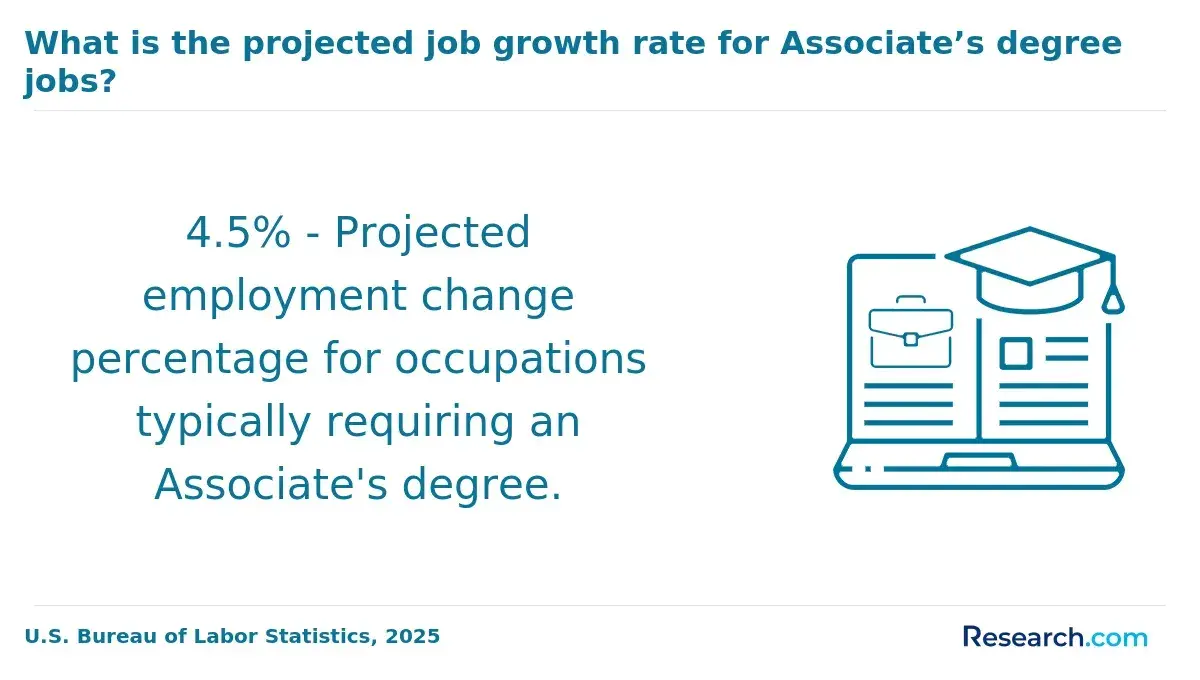
The U.S. Bureau of Labor Statistics projects healthcare occupations to grow faster than average from 2024 to 2034, making targeted upskilling especially relevant. This guide explains which credentials suit busy parents, what they cost, how to verify quality, and when a longer program may be the better investment.
Key Things You Should Know
- Choose a microcredential only when its taught skill matches a job posting, employer requirement, portfolio need, or next academic step; a completion certificate is not automatically an industry certification or professional license.
- Most online microcredentials are nondegree and self-paced or short-term, but credit-bearing college options may stack toward a certificate or degree; confirm this in writing before paying.
- For career planning, BLS reported a 2024 median annual wage of $49,210 for all U.S. occupations; occupational wage figures describe jobs, not a salary guaranteed by a microcredential.
Top 10 Best Online Microcredentials for Parents
Popular Trade School Programs
Parents seeking hands-on work may consider online safety, estimating, project coordination, construction technology, or HVAC fundamentals microcredentials. These can build vocabulary and job-ready software skills around family schedules, but they do not replace supervised shop hours, apprenticeships, or state licensing where required. A short certificate makes most sense for an assistant, dispatcher, estimator-support, or pre-apprenticeship goal. Choose an associate degree, registered apprenticeship, or campus lab program when the target role requires practical assessments, equipment training, or licensure eligibility.
Healthcare Programs
Online healthcare microcredentials commonly cover medical terminology, electronic health records, patient communication, billing, coding basics, or healthcare administration. They can suit parents exploring nonclinical support roles or preparing for later study. However, clinical occupations such as nursing and many allied-health roles usually require approved education, supervised clinical training, and sometimes a state license or certification exam. Verify whether a program merely teaches exam content or is formally eligible to prepare students for a named certification. Avoid programs that imply online coursework alone authorizes patient care.
Criminal Justice / Law Programs
Useful online options include legal research, paralegal fundamentals, victim advocacy, cybersecurity basics, court administration, and conflict resolution. A microcredential may strengthen office, documentation, and communication skills for entry-level support work, but it does not qualify someone to practice law, become a police officer, or obtain a required state credential. Parents interested in paralegal work should compare employer expectations carefully; some employers prefer an associate or bachelor's degree and may value programs aligned with professional standards. Check background-check and schedule expectations before committing.
Arts & Design Programs
Digital design, content creation, UX foundations, photography, social media, and video-editing microcredentials can be practical for parents building freelance-ready samples. In these fields, a portfolio and demonstrable software skills often matter as much as the credential title. Favor programs with project feedback, accessible software requirements, and ownership of completed work. A short program may be enough to test career fit or improve a current role; a longer certificate or degree can be more appropriate for learners who need extensive portfolio development, internships, and structured mentoring.
What types of online microcredentials are best suited for busy parents?
The best online microcredentials for busy parents are narrow, flexible, and tied to a clearly defined outcome: performing a workplace task, qualifying for a software-based role, preparing for a recognized exam, or testing a new field before investing in a degree. "Microcredential" is an umbrella term, so the value depends on the issuer and the evidence of learning.
These formats are often the strongest fit because they reduce scheduling friction without pretending that all careers can be learned remotely.
| Option | Best for | Parent-friendly advantage | Important limitation |
| Self-paced professional certificate | Software, business, digital skills | Work can be completed during flexible hours | Deadlines and instructor feedback may be limited |
| Instructor-led college microcredential | Academic or workforce exploration | Predictable weekly structure and support | Class meeting times may conflict with caregiving |
| Credit-bearing short certificate | Future degree pathways | Credits may apply to a larger program | Transfer is never automatic |
| Exam-preparation credential | Fields with recognized certifications | Focused study plan and practice materials | Completion does not itself confer certification |
Parents who may later pursue a graduate pathway should first confirm whether their target occupation actually requires a degree; comparing easy masters degrees can help clarify whether a stackable undergraduate route is more sensible than collecting unrelated badges.
How do online microcredentials for parents compare to campus-based options?
Online microcredentials generally offer greater control over when and where learning happens, while campus-based options are usually stronger for equipment-intensive training, labs, clinical practice, and immediate in-person networking. The better choice depends on the skill, not on a blanket belief that one format is superior.
This comparison highlights the trade-off parents should assess before enrolling.
| Decision factor | Online microcredential | Campus-based option |
| Schedule | Often asynchronous or partly flexible | Usually fixed meeting and commute times |
| Hands-on learning | Best for digital, administrative, and knowledge skills | Better for labs, tools, and supervised practice |
| Support | Varies widely by provider | May offer easier access to facilities and staff |
| Cost factors | May reduce commuting and childcare conflicts | May add travel, parking, and scheduling costs |
| Career fit | Useful when employers value demonstrated digital skills | Often necessary for regulated or practical fields |
Online study works best when a parent can reserve recurring study blocks and the program provides recordings, clear deadlines, and responsive help. Choose campus or hybrid delivery when practice cannot be safely simulated online.
What admission requirements do online microcredential programs for parents typically have?
Admission requirements vary more by provider than by the word "microcredential." Many noncredit professional certificates require only an account, payment, and basic technology access. College-issued, credit-bearing credentials may require an application, prior coursework, placement, or evidence of English or technical readiness. Advanced credentials may expect relevant work experience.
Before applying, ask the provider to confirm the requirements that affect whether you can complete the work successfully.
- Whether the credential is noncredit, credit-bearing, or eligible to stack into a specific certificate or degree.
- Whether classes are self-paced, have live sessions, or require proctored assessments.
- Whether software, devices, background checks, clinical placement, or in-person attendance add costs or scheduling demands.
- Whether prior education, work experience, or a placement test is required for enrollment or a later certification exam.
Do not assume a low-barrier enrollment process means the credential fits your goal. Parents seeking a full degree later can compare the cheapest online university option with the total cost of multiple standalone courses.
How can parents verify that an online microcredential program is properly accredited?
Accreditation is relevant primarily when a college or school awards academic credit, prepares learners for regulated work, or claims eligibility for federal aid. It is not a universal quality seal for every short professional course. For noncollege providers, employer recognition, transparent assessment, and the issuer's reputation may matter more than institutional accreditation.
Use these checks to separate a credible program from vague marketing claims.
- Identify the legal name of the institution or provider, not just the brand name of the course.
- For a college program, verify institutional accreditation through the U.S. Department of Education database or the Council for Higher Education Accreditation directory.
- For licensure-related training, confirm program approval directly with the relevant state board before enrolling.
- Read whether the credential carries academic credit, prepares for an external exam, or is simply proof of course completion.
- Review assessment methods, instructor qualifications, refund terms, privacy practices, and employer partnerships.
A red flag is language promising a license, job, or certification without naming the issuing authority and eligibility rules. Military-connected families may also benefit from comparing a military online college if they need portable enrollment policies and broader academic support.
What curriculum and coursework do parenting-focused microcredentials usually include?
Parenting-focused microcredentials are distinct from career microcredentials for parents: they teach family-support skills rather than directly preparing learners for a new occupation. They may be offered by colleges, extension programs, nonprofits, healthcare systems, or professional training providers. Their usefulness depends on whether the learner wants personal knowledge, volunteer preparation, or skills relevant to education, social services, or family-support work.
Curricula commonly combine developmental knowledge with practical communication and resource-navigation skills.
| Common topic | Typical learning focus | Career relevance |
| Child development | Age-appropriate milestones and environments | Early childhood and family-support settings |
| Positive behavior support | Routines, communication, and de-escalation | Education support and caregiving contexts |
| Family wellbeing | Stress management and community resources | Peer support and community programs |
| Digital safety | Online privacy, media use, and household practices | Parent education and youth programs |
These programs should not be confused with clinical mental-health training, child-care licensing education, or credentials required by a state employer. Ask whether the curriculum includes assessed projects, live practice, and referral guidance appropriate to its scope.
How long do online microcredentials for parents take and what do they cost?
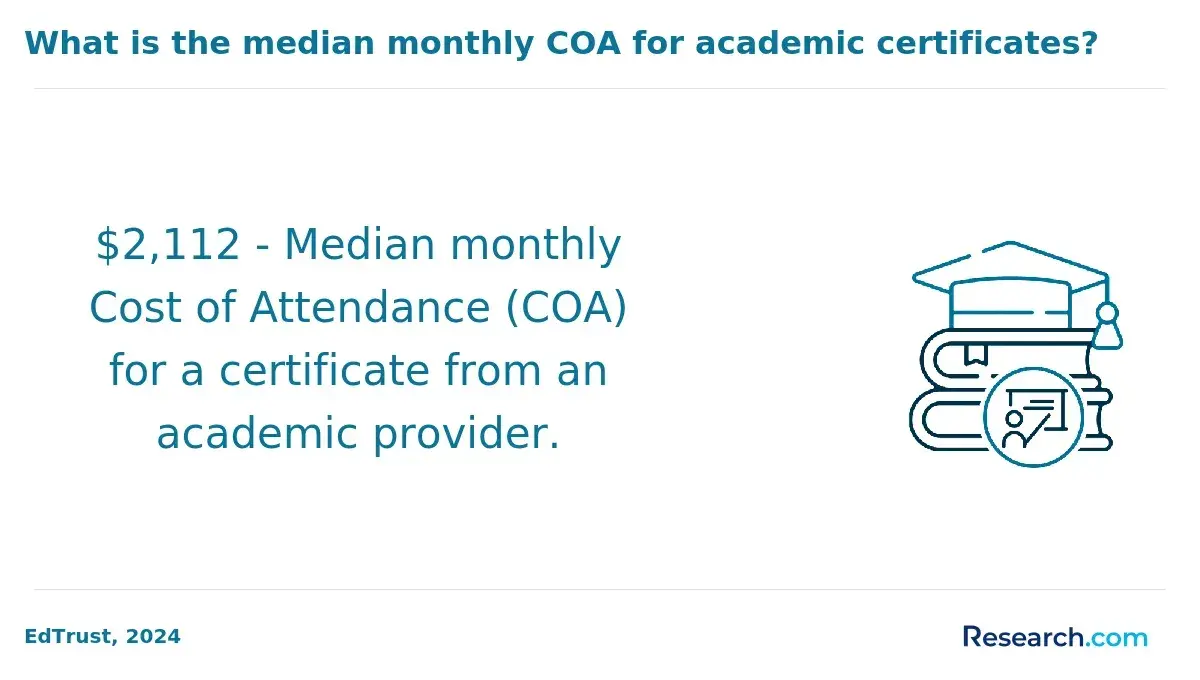
Completion time can range from a few hours for a focused digital badge to several months for an instructor-led or credit-bearing certificate. Cost likewise ranges widely because providers package different levels of teaching, assessment, software access, academic credit, and career services. Compare the total amount due rather than the advertised course price alone.
The cost categories below help parents estimate the actual commitment and compare a short credential with a longer academic option.
| Cost or time factor | Why it matters | What to confirm |
| Tuition or subscription | May be charged once, monthly, or per credit | Total cost at your expected pace |
| Assessment fees | External certification exams may be separate | Whether vouchers are included |
| Materials and technology | Software, equipment, and reliable internet can add expense | Required specifications and renewal fees |
| Study hours | Family responsibilities affect realistic pacing | Weekly workload and deadline policy |
| Credit value | Credits can affect long-term return on investment | Named receiving program and transfer rules |
Federal student aid often does not apply to standalone noncredit microcredentials. Ask about employer tuition assistance, workforce grants, installment plans, and refund deadlines instead of assuming aid eligibility.
What career paths and job roles can parenting microcredentials support?
A parenting or career-focused microcredential can support a transition, strengthen a current role, or provide evidence of a specific skill. It is most useful when paired with relevant experience, a portfolio, an external certification where appropriate, or a broader credential required by the employer. It rarely substitutes for a degree, license, or supervised training in regulated professions.
These examples show realistic ways a short credential may contribute to a career plan.
| Credential focus | Potential supporting roles | Usually needed beyond the microcredential |
| Digital administration | Administrative assistant, coordinator, customer support | Software proficiency and relevant work samples |
| Healthcare administration | Medical office support, scheduling, records support | Employer-specific training; some roles prefer certification |
| Parent education or child development | Family-program assistant, volunteer coordinator | Employer requirements, background checks, and possible degree study |
| Data or project tools | Operations support, junior project coordination | Portfolio, practical experience, and job-specific skills |
Parents who expect relocation with a service member should consider the best online colleges for military spouses when a portable, degree-linked pathway is more valuable than a standalone microcredential.
What salary impact and earning potential can these microcredentials provide for parents?
No reliable national figure can isolate the salary effect of "a parenting microcredential" because programs, learners, occupations, and employer practices differ substantially. Treat wage information as context for a target occupation, not as a return promised by a course provider. The U.S. Bureau of Labor Statistics reported that the 2024 median annual wage for all occupations was $49,210, but pay varies by role, location, experience, hours, and education level.
A microcredential is more likely to have practical value when it helps a parent document a skill an employer already requests, qualify for a defined internal training path, or complete a stack toward a recognized credential. It is less likely to raise earnings on its own when the employer does not recognize the issuer or the desired role requires a license or degree.
Estimate return on investment by comparing total out-of-pocket cost and study time with the specific job requirements, likely schedule, and advancement opportunities - not with broad salary claims in advertisements.
How should parents choose a reputable online microcredential aligned with their goals?
Choose a reputable online microcredential by starting with the outcome, then verifying that the provider, format, and assessment support that outcome. The strongest program is not necessarily the shortest or cheapest; it is the one whose credential can be clearly explained to an employer, licensing board, or future college.
Use this decision sequence before paying an enrollment fee.
- Write down the target job, workplace skill, external exam, or academic next step you want the credential to support.
- Review several current job postings and note the required education, software, licenses, and certifications.
- Confirm whether the provider awards a course-completion certificate, an academic certificate, college credit, or preparation for a separate certification exam.
- Calculate total costs, including subscriptions, exams, software, travel, childcare, and time needed for missed deadlines.
- Ask for the syllabus, instructor support model, assessment examples, refund policy, and written transfer or stackability policy.
- Verify school accreditation or state approval when the program claims credit, licensure preparation, or regulated career relevance.
Common mistakes include collecting unrelated badges, trusting "job-ready" language without reviewing job ads, and overlooking live-session requirements. A parent with limited study time should favor one focused credential with an assessed project over several low-recognition courses.
Other Things You Should Know About
They can be worthwhile when they teach a specific, marketable skill and fit a defined goal. They are less useful when the target occupation requires a degree, license, clinical training, or an industry certification the program does not provide.
It may strengthen an application or help demonstrate skills, especially in digital and administrative work. It does not guarantee employment, and employers may still require experience, a portfolio, a degree, certification, or background screening.
Some college-issued microcredentials carry academic credit or stack into a named certificate or degree. Many do not. Get the receiving institution's transfer or stackability policy in writing before enrolling.
Follow the provider's stated workload, then add time for assignments, technology issues, and missed study periods. A program with flexible deadlines and recorded instruction is usually safer than one requiring frequent live attendance.
References
- How Much Does It Cost to Create an Online Course? A Complete Breakdown for Businesses That Want to Sell Courses https://oasis-lms.com/post/how-much-does-it-cost-to-create-an-online-course
- Parenting Programs https://www.nccp.org/parenting-programs/
- Sell Parenting Courses - Zero Fees, Lifetime Deal | Teachery https://www.teachery.co/blog/how-to-sell-parenting-course-online
- How to Compare the Best Accredited Online K-12 Schools for Your Child's Needs - NFC Academy https://nfcacademy.com/blog/how-to-compare-the-best-accredited-online-k-12-schools-for-your-childs-needs/
- 11 Popular Micro-Credential Programs & Why You Should Care | Volt https://voltedu.com/features/lessons-from-the-field/11-popular-micro-credential-programs-and-why-you-should-care/
- Professional Preparation and Recognition https://npen.org/professional-preparation
- Microcredentials: What They Are and Why They Matter https://www.citizensbank.com/student/articles/what-are-microcredentials.aspx
- 15 Best Online Learning Platforms for Professionals, and Lifelong Learners In 2025 https://buddyboss.com/blog/best-online-learning-platforms-for-professionals-and-learners/
- The impact of parental involvement on the education outcomes of their children (2025) https://www.nifdi.org/resources/hempenstall-blog/972-the-impact-of-parental-involvement-on-the-education-outcomes-of-their-children-2025.html
- Evidence-Based Early Intervention Programs | Incredible Years https://www.incredibleyears.com/